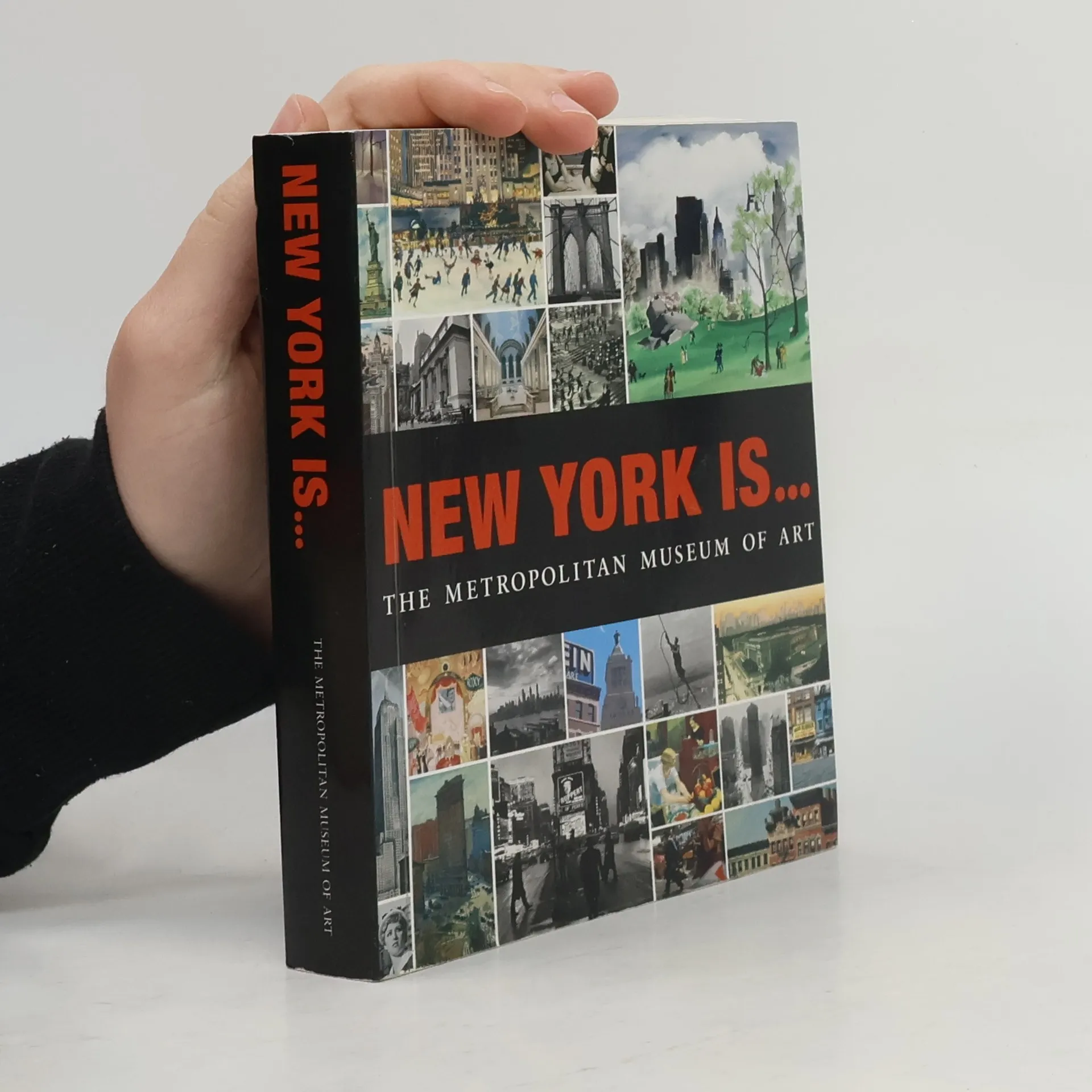
Each of these clever little books from the Metropolitan Museum of Art on the perennially popular subjects of fashion and New York City pairs more than 180 selected works from across the museum’s vast collection with simple, concise observations. New York Is… offers answers to the question of what New York is in the eyes of artists. The Flatiron Building is shape; the Empire State Building is line. Washington Square Park is joyous; Times Square is spectacle. Among the enduring illustrations are paintings by Edward Hopper, Stuart Davis, Winslow Homer, Jacob Lawrence, and Charles Demuth; photographs by Walker Evans, Berenice Abbott, Alfred Stieglitz, Garry Winogrand, and Cindy Sherman; and drawings, lithographs, and posters, all celebrating this endlessly fascinating metropolis. Fashion Is… encourages readers to think about the myriad definitions of fashion. A Dior day suit. An Yves Saint Laurent minidress. A Japanese kimono. A Ferragamo shoe. A French court ensemble. A Schiaparelli hat. Fashion is glamour and attitude, texture and pattern, sexy and prim, luxurious and eccentric. It is above all a rich and evocative means of expression for both the designer and the wearer. Gathered here are costumes, regional dress, haute couture, and accessories from the fifteenth century to the present, as well as paintings, sculpture, and decorative arts relating to modes of dress.
Metropolitan Museum of Art Reihenfolge der Bücher (Chronologisch)
Das Museum widmet sich dem Sammeln, Bewahren, Studieren und Ausstellen von Kunstwerken. Seine Mission ist es, die Wertschätzung zu fördern und das Wissen über Kunst zu erweitern, die das breiteste Spektrum menschlicher Errungenschaften auf höchstem Qualitätsniveau repräsentiert. Im Dienste der Öffentlichkeit hält die Institution höchste professionelle Standards ein. Seit über einem Jahrhundert wird es von seiner Gründungsurkunde geleitet, die darauf abzielte, das Studium der bildenden Künste und ihre Anwendung im praktischen Leben zu fördern.
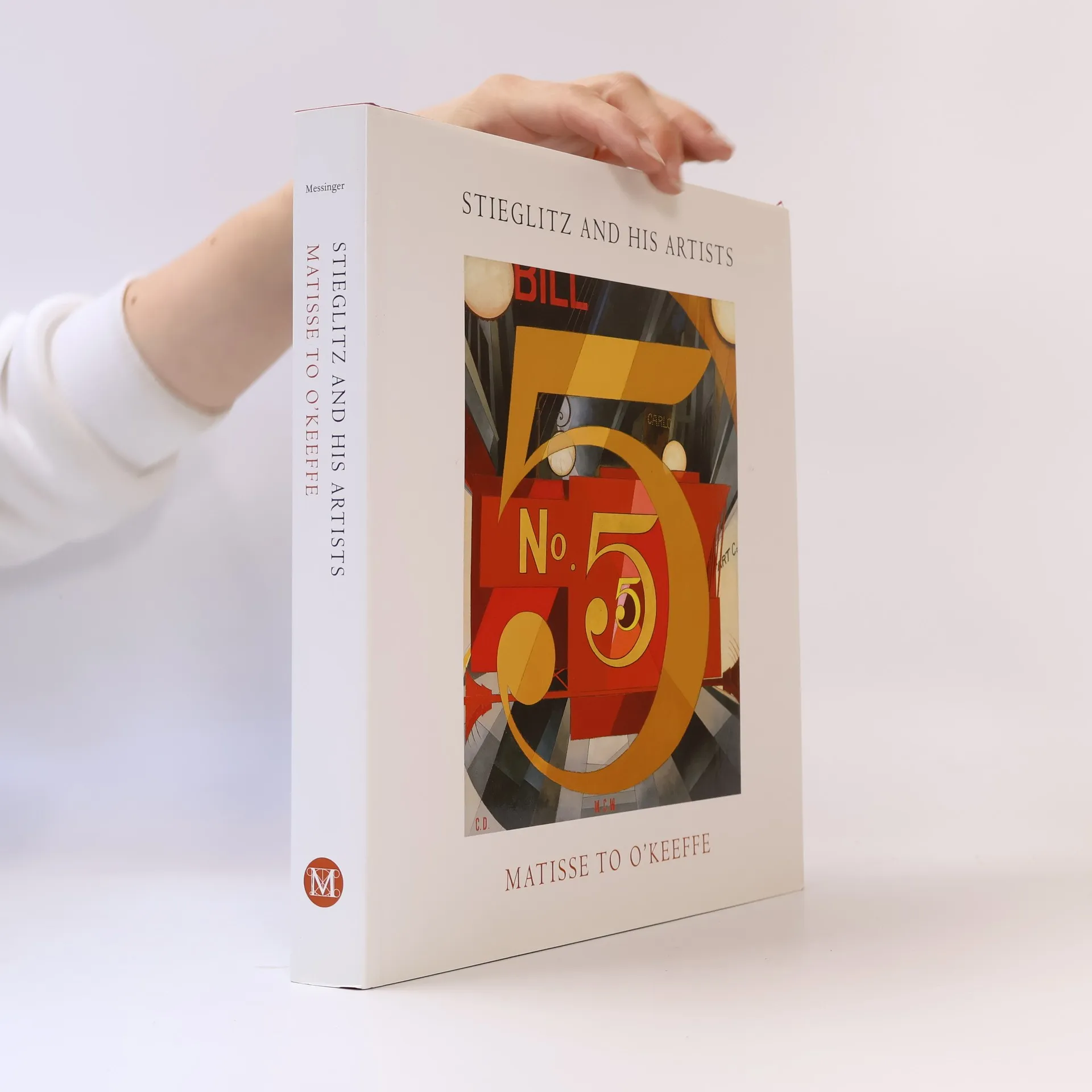
Stieglitz and His Artists
Matisse to O'Keeffe: The Alfred Stieglitz Collection in the Metropolitan Museum of Art
- 350 Seiten
- 13 Lesestunden
"It's not money or painting between us. But something above both." --Stieglitz to artist Stanton Macdonald-Wright (1918)
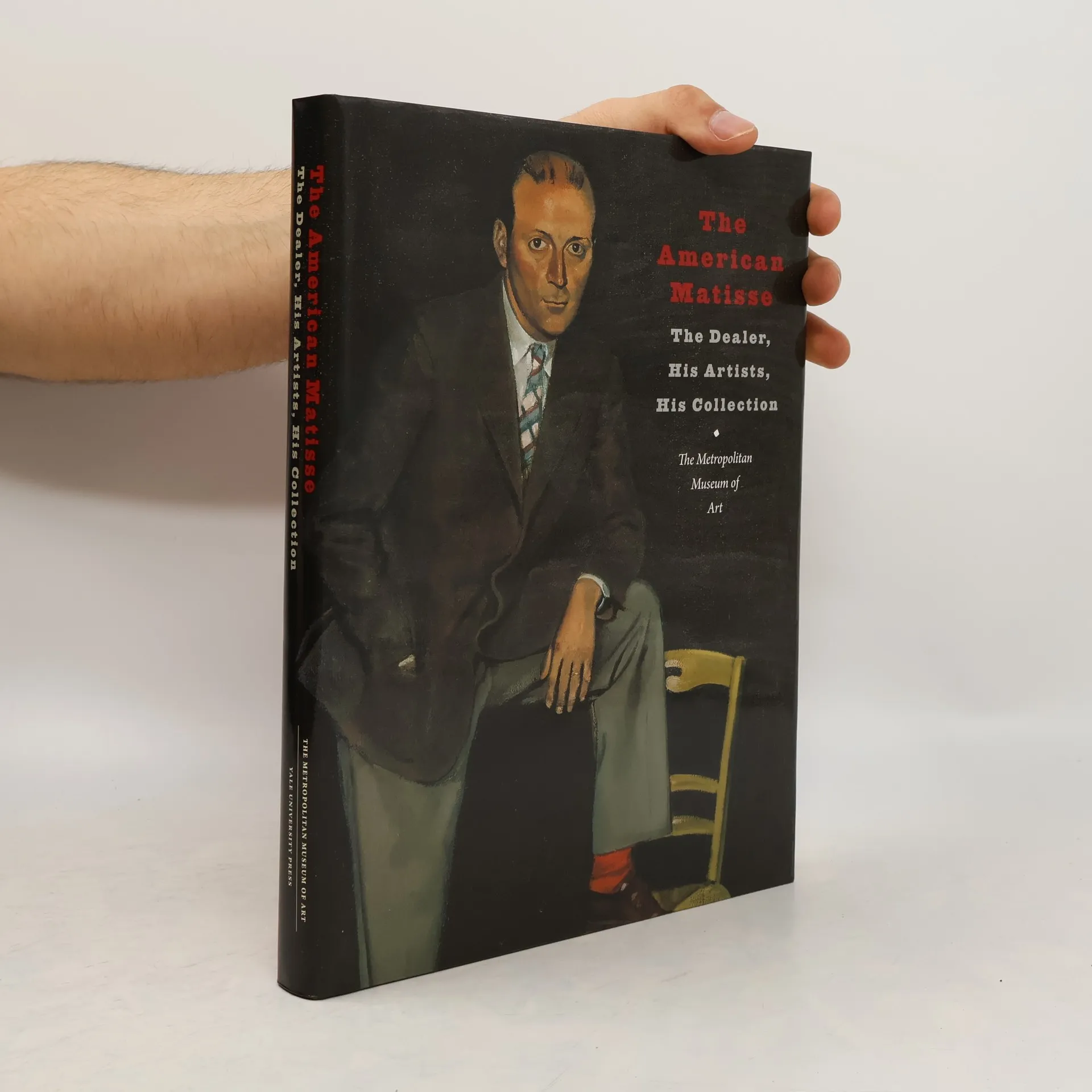
In a career spanning over six decades, the New York art dealer Pierre Matisse (1900–1989) contributed substantially to the advancement of modern art. At his eponymous gallery on East Fifty-seventh Street, he showed several now legendary artists for the first time outside Europe. The collection—paintings, sculpture, and drawings by Balthus, Bonnard, Chagall, Derain, Dubuffet, Giacometti, Magritte, Miró, and the dealer’s own father, Henri Matisse, among others—was donated to The Metropolitan Museum of Art in 2004 by the foundation established by his widow. These extraordinary artworks are presented with informative entries addressing the circumstances of each work’s creation and the dealer’s relationship to the artist. In the introduction, the story of Pierre Matisse’s early struggles in New York is told for the first time and illustrated with previously unpublished archival photographs.
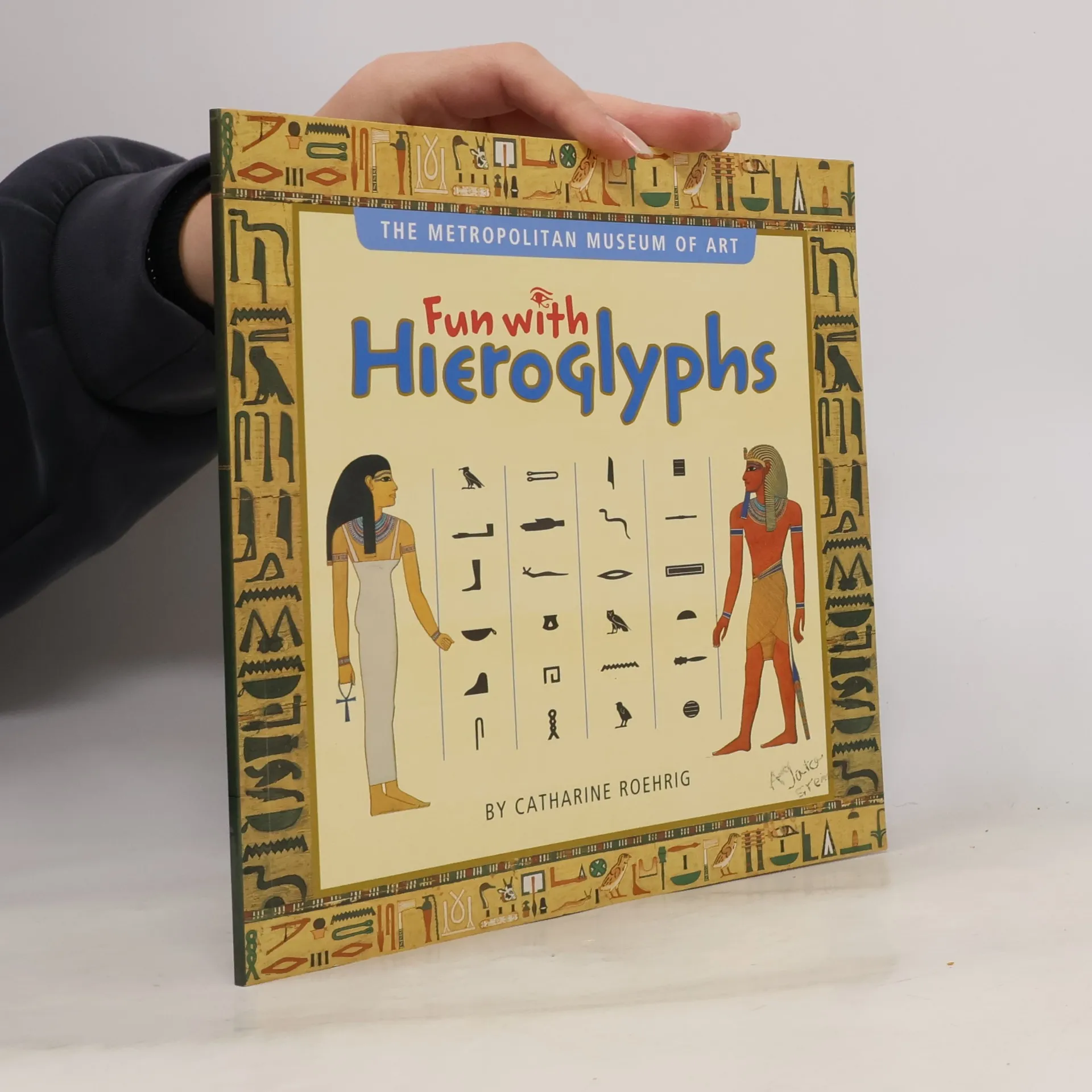
Fun with Hieroglyphs
- 48 Seiten
- 2 Lesestunden
Discover the secrets of hieroglyphs, the language of the ancient Egyptians, with this innovative kit from The Metropolitan Museum of Art. Learn the sounds and letters of the hieroglyphic alphabet, find out which symbols were thought to have magical powers, and read how this mysterious language was decoded after hundreds of years. Then, with the alphabet chart as your guide, use the 24 hieroglyphic stamps and ink pad to write messages, create designs, and make cards.
Here is a book that tricks the eye, flips over, animates and mesmerizes. Inside are masterpieces, groundbreaking art and paper ephemera drawn from the collections of The Metropolitan Museum of Art in New York. Since earliest times, artists have delighted in creating works that make people wonder if they can believe their eyes. Whether it's a room whose cupboards appear to be stocked with treasures, a painting that a fly seems to have landed on, or an image that changes when viewed from a new angle, this book will leave you marvelling at ingenious artistic trickery.
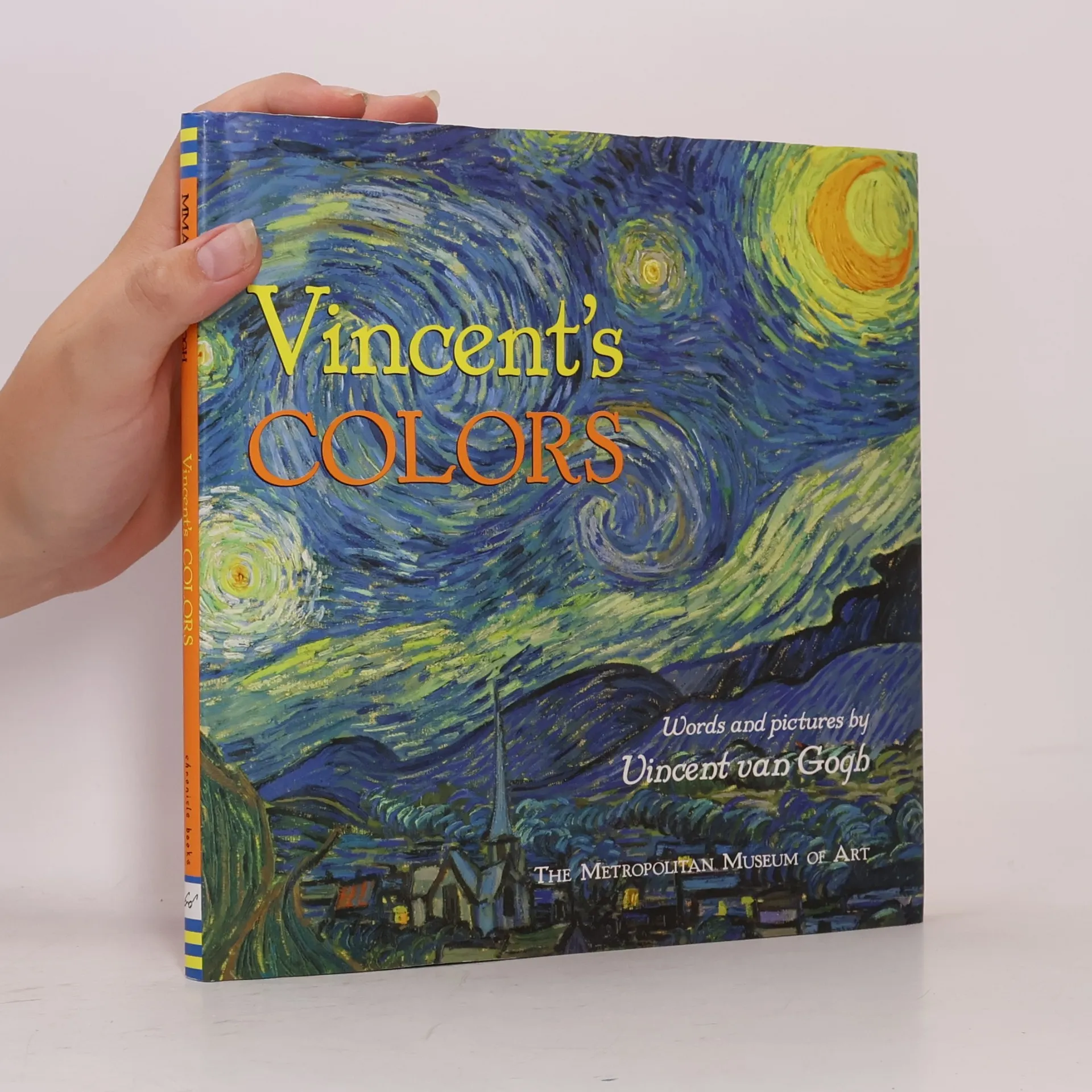
Vincent van Gogh is one of the world's most famous artists. Throughout his life, he wrote to his younger brother, Theo, about his colorful, dynamic paintings. This book pairs the artist's paintings with his own words. Van Gogh's descriptions, arranged as a simple rhyme, introduce young readers to all the colors of the rainbowand beyond. The descriptive words combine with spectacular reproductions of many of the artist's most beloved and important works to create a perfect art book for young and old alike.
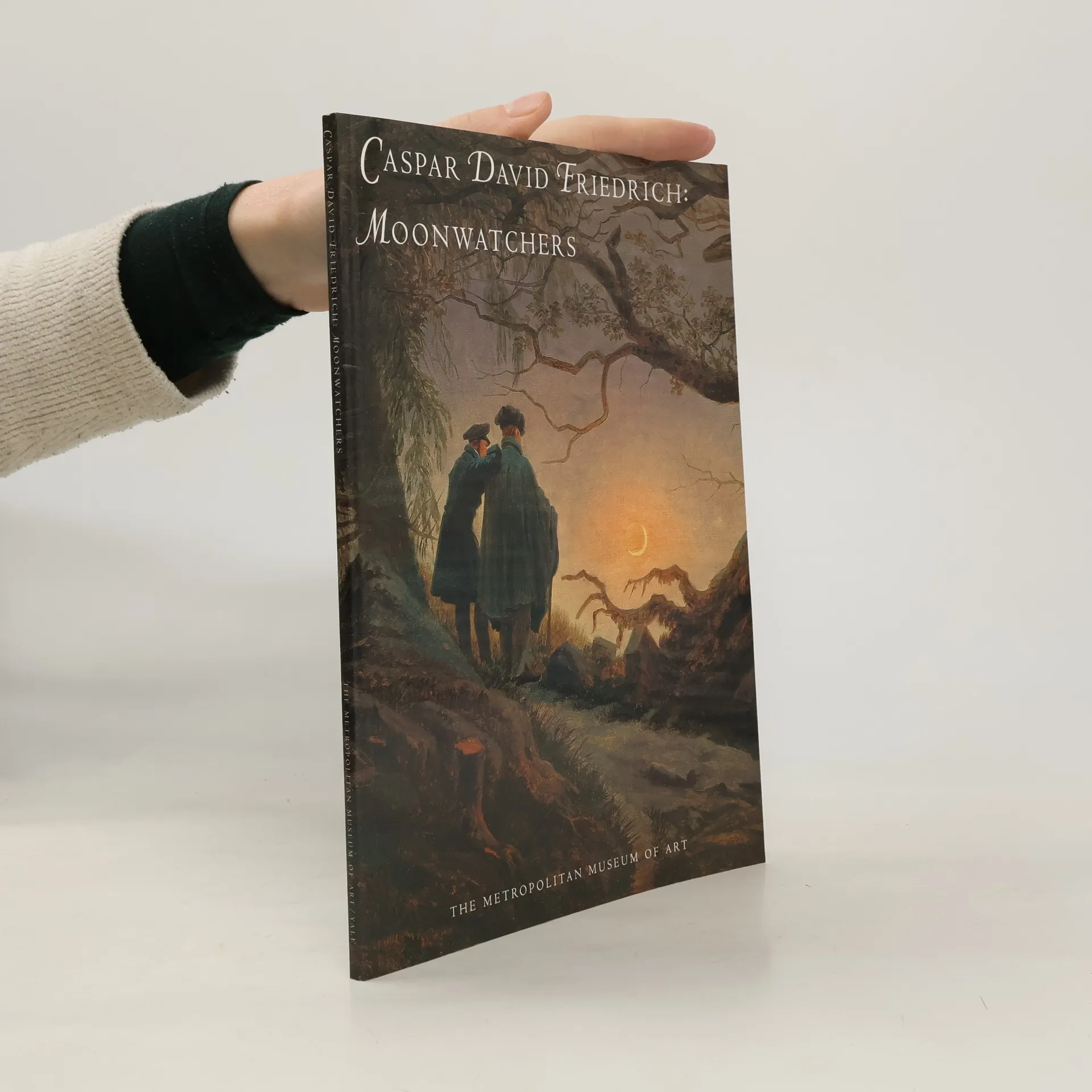
Caspar David Friedrich (1774-1840), a major figure in the German Romantic movement, painted sublime works representing nature at its most melancholic and desolate. One of his most famous motifs was that of two intimate figures, seen from behind, gazing at the moon. Friedrich painted three versions of this theme, one of which -- Two Men Contemplating the Moon -- has recently been acquired by The Metropolitan Museum of Art. The book discusses the Metropolitan's painting in conjunction with the other two versions and a number of related paintings and drawings by Friedrich and his Dresden friends. It also presents fascinating details about the moon itself -- including what was known about it in Friedrich's lifetime and its presence and symbolism in contemporary Romantic poetry.
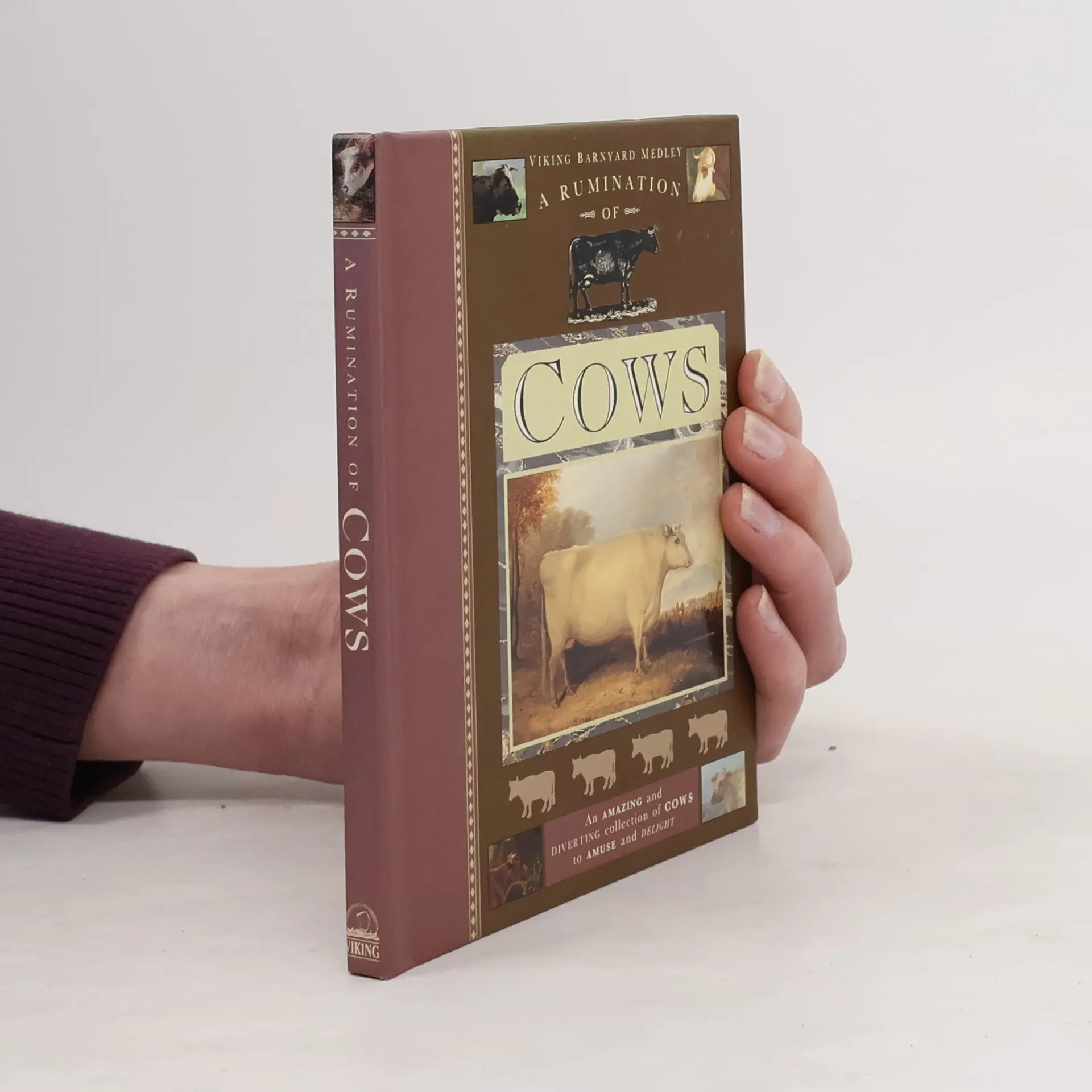
Viking Barnyard Medley - 3: A Rumination of Cows
- 64 Seiten
- 3 Lesestunden
Hardcover; Very Good; Dust Jacket - Very Good; Small-sized hard cover with illustrated boards, no dust jacket. (ISBN 0-670-85224-4) An amazing and diverting colllection of cows to amuse and delight. Very good tight copy, unread, very good paper-over-board. Delightfully illustrated with art from the Bridgeman Art Gallery in a small volume dedicated to small snippets about cows from the likes of Thomas Hardy, Robert Louis Stevenson, and Robert Tristan Coffin. Children's
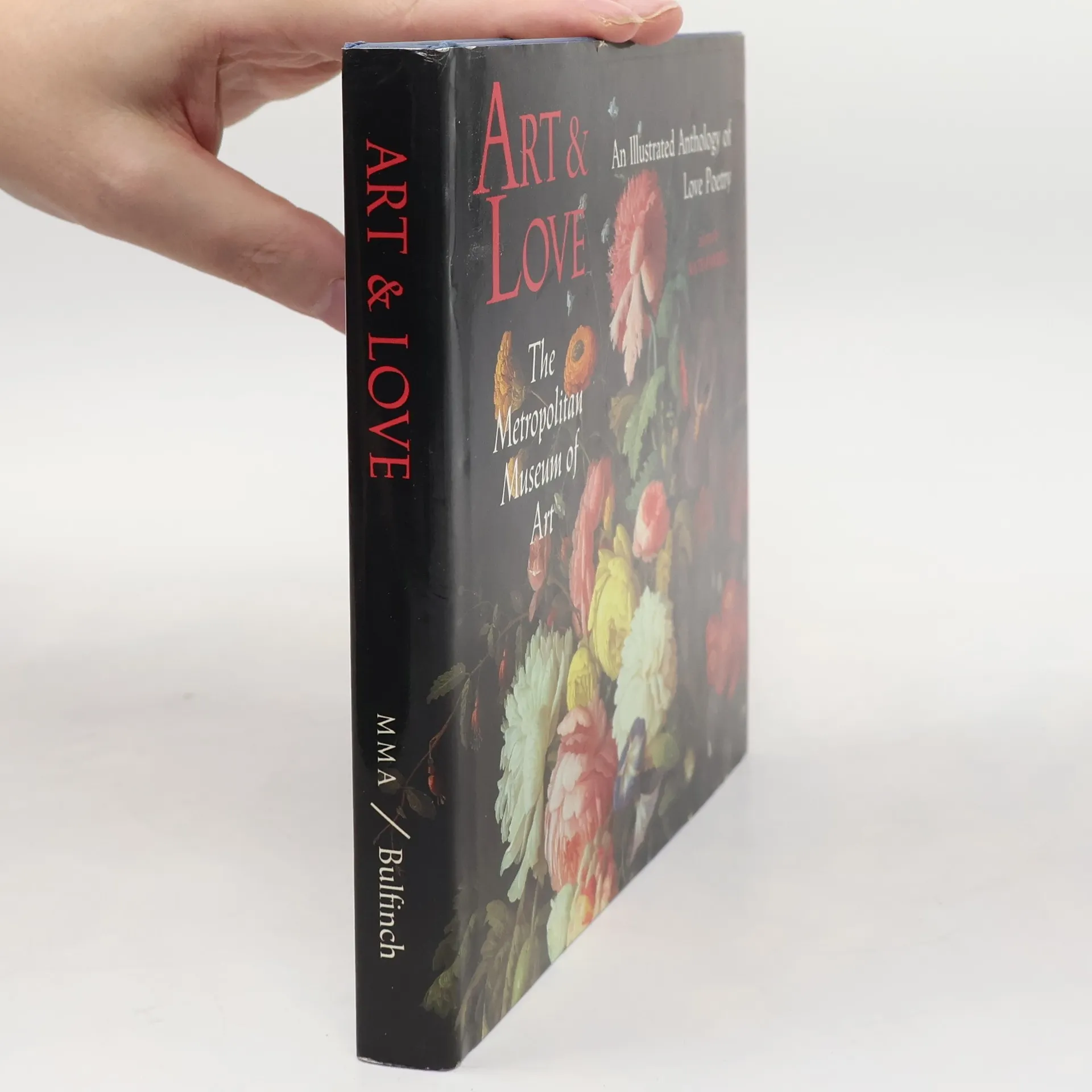
Art and poetry are combined in this anthology of love poems and masterpieces from The Metropolitan Museum of Art. The volume explores many different types of love - romantic, conjugal, filial, platonic, lost, troubled and ideal. The poems represent the work of more than 150 poets.
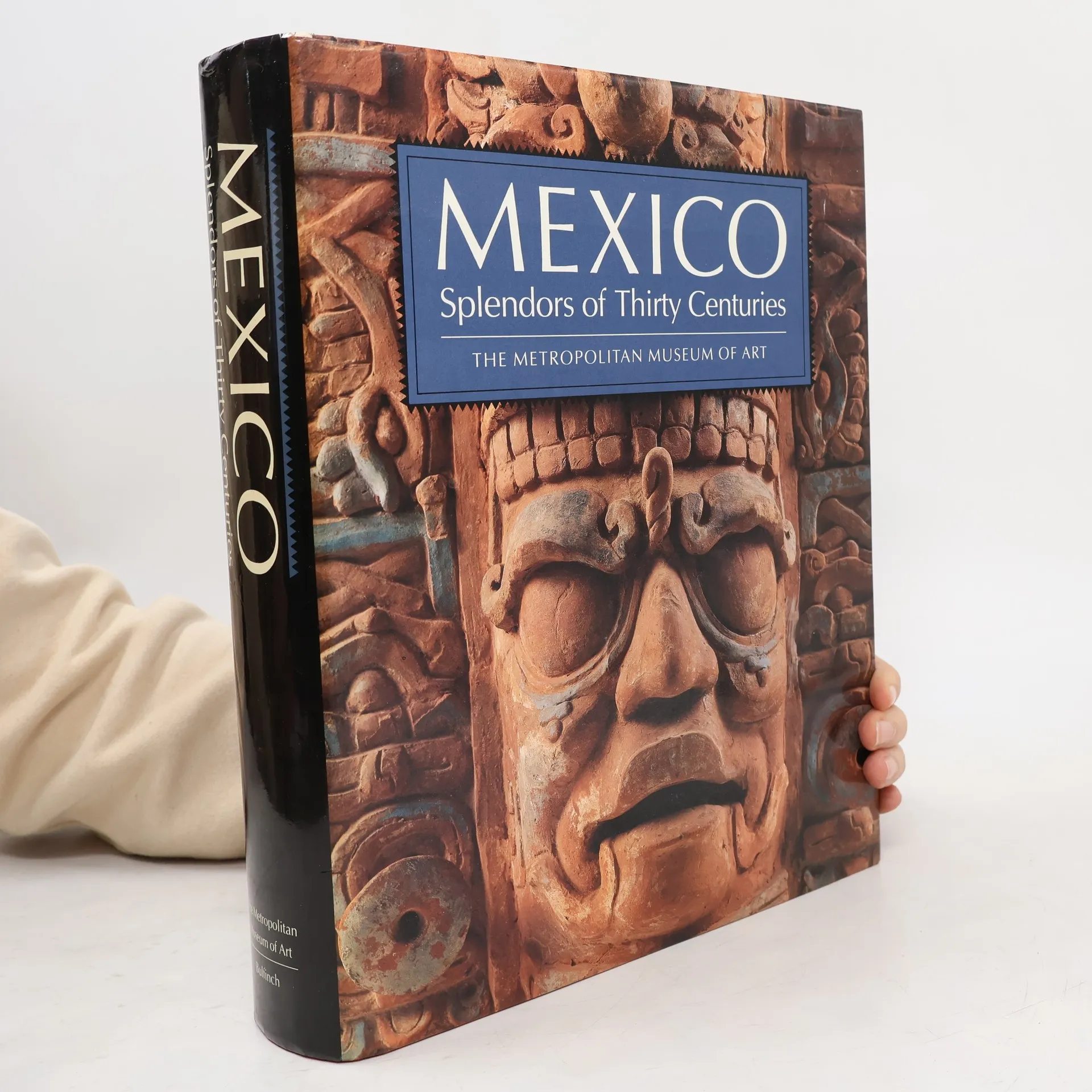
Examines the Pre-Columbian, Colonial, Nineteenth Century, and Twentieth Century periods of Mexican art and artifacts
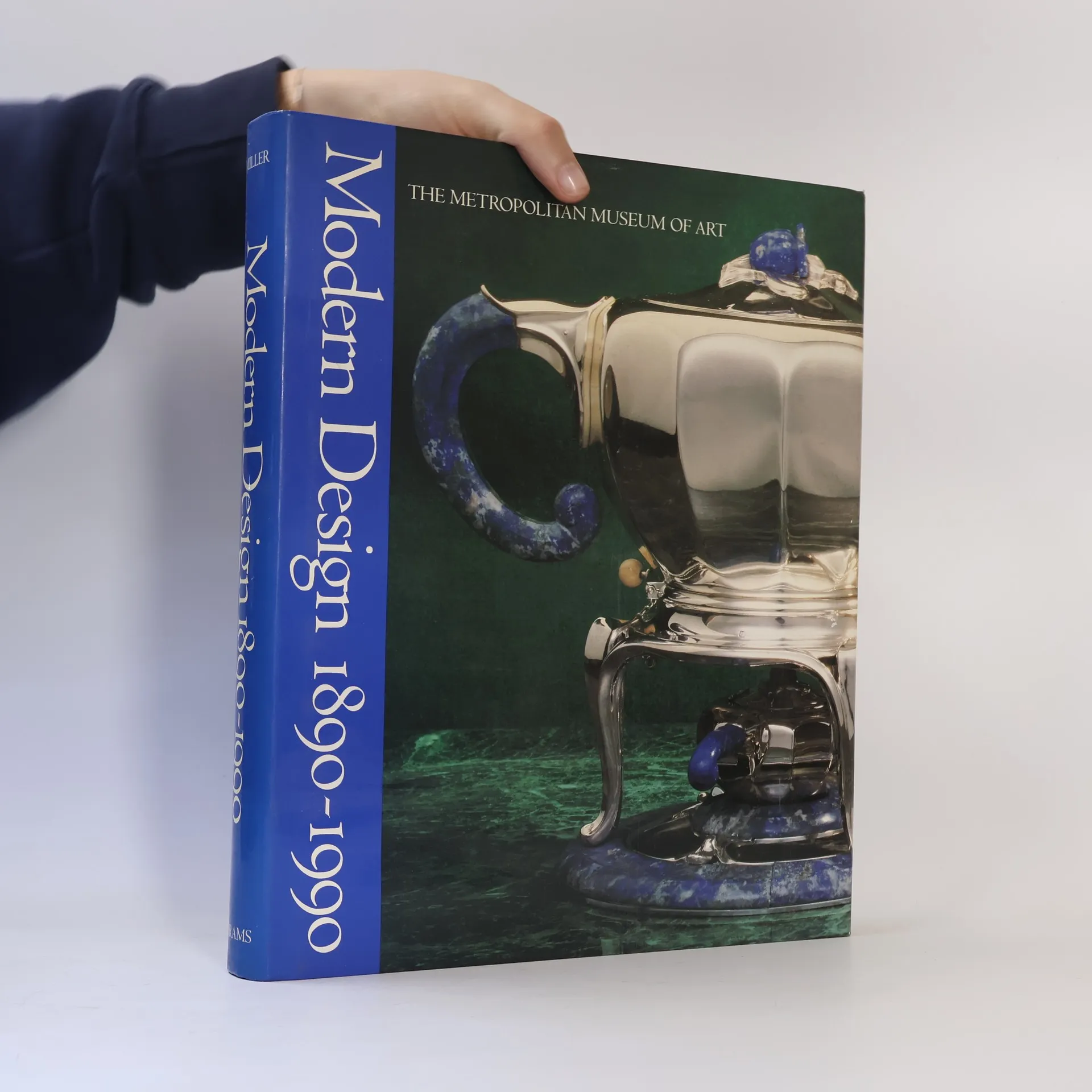
Modern Design in the Metropolitan Museum of Art, 1890-1990
- 336 Seiten
- 12 Lesestunden
. with dustjacket, still wrapped, 1990 bright clean copy
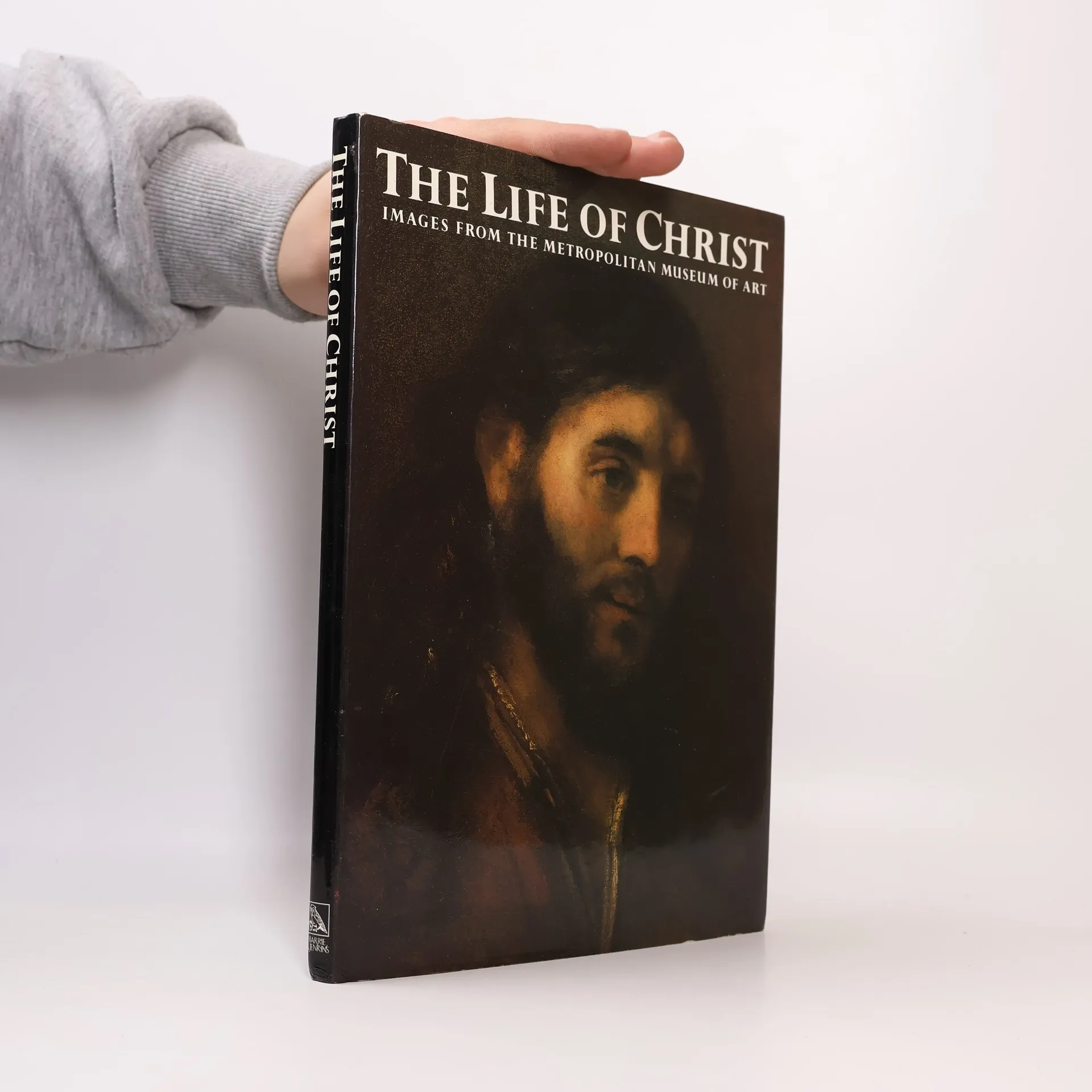
The story of Christ's life, as conveyed through the four Gospels of Matthew, Mark, Luke, and John, has profoundly influenced art and culture for nearly two thousand years. These Evangelists' words have inspired countless masterpieces by writers, composers, and visual artists, creating a rich visual narrative that shapes our perception of Jesus and His life on Earth. This book presents a selection of significant moments from Christ's life, as described by the Evangelists and illustrated by artworks from the Metropolitan Museum of Art. Arranged chronologically, it recounts this timeless story through a powerful combination of text and image, highlighting its drama and beauty. Each artwork is carefully chosen to accompany Gospel excerpts, showcasing the remarkable diversity of artistic interpretations of Christ's life. The collection features paintings, drawings, sculptures, prints, and stained glass and ceramics, primarily from the Middle Ages and Renaissance. This book is suitable for readers of all ages, meant to be cherished and revisited, making it a treasured gift for families throughout the year.
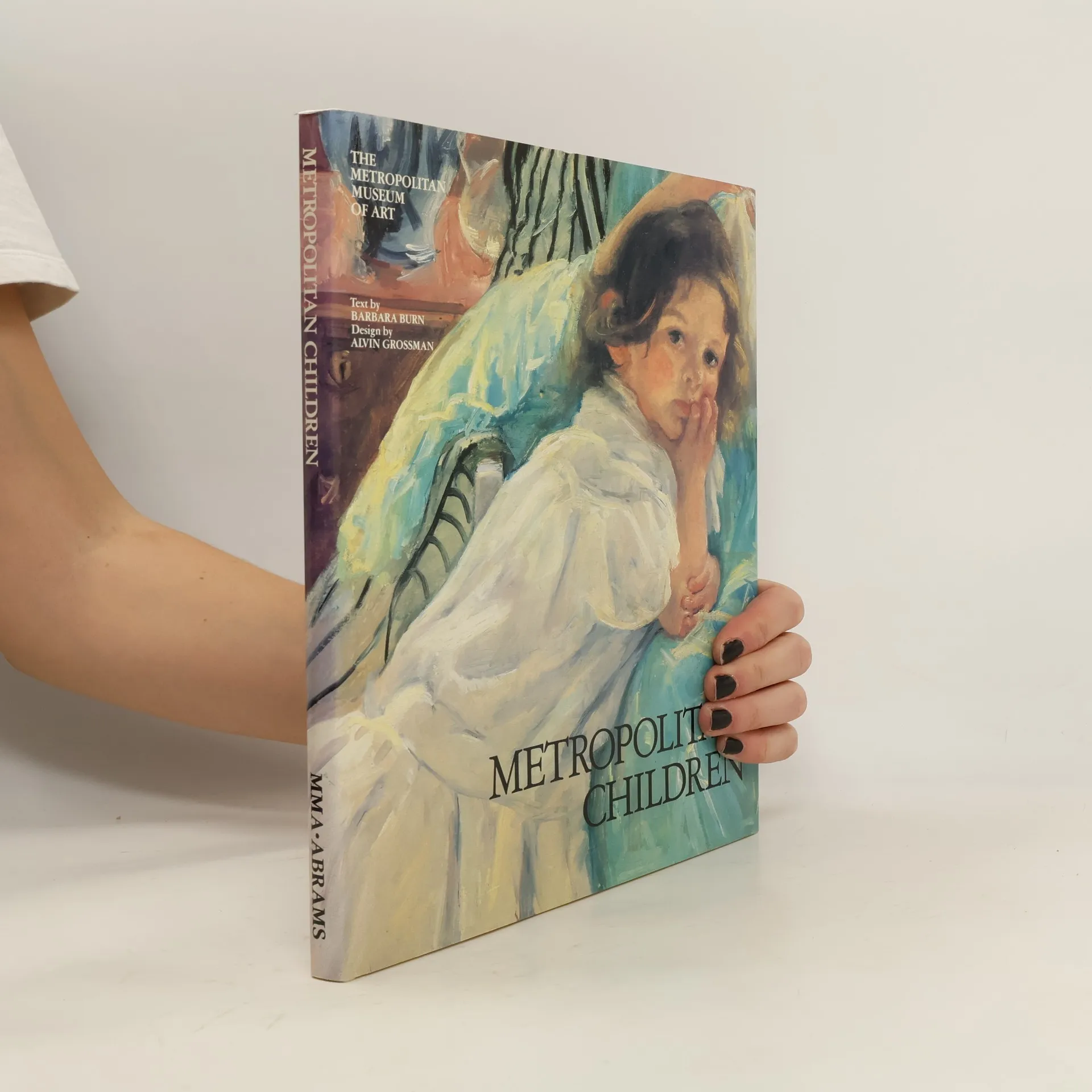
The Metropolitan Museum of Art: Metropolitan Children
- 112 Seiten
- 4 Lesestunden
Book by Metropolitan Museum of Art (New York, N.Y.)
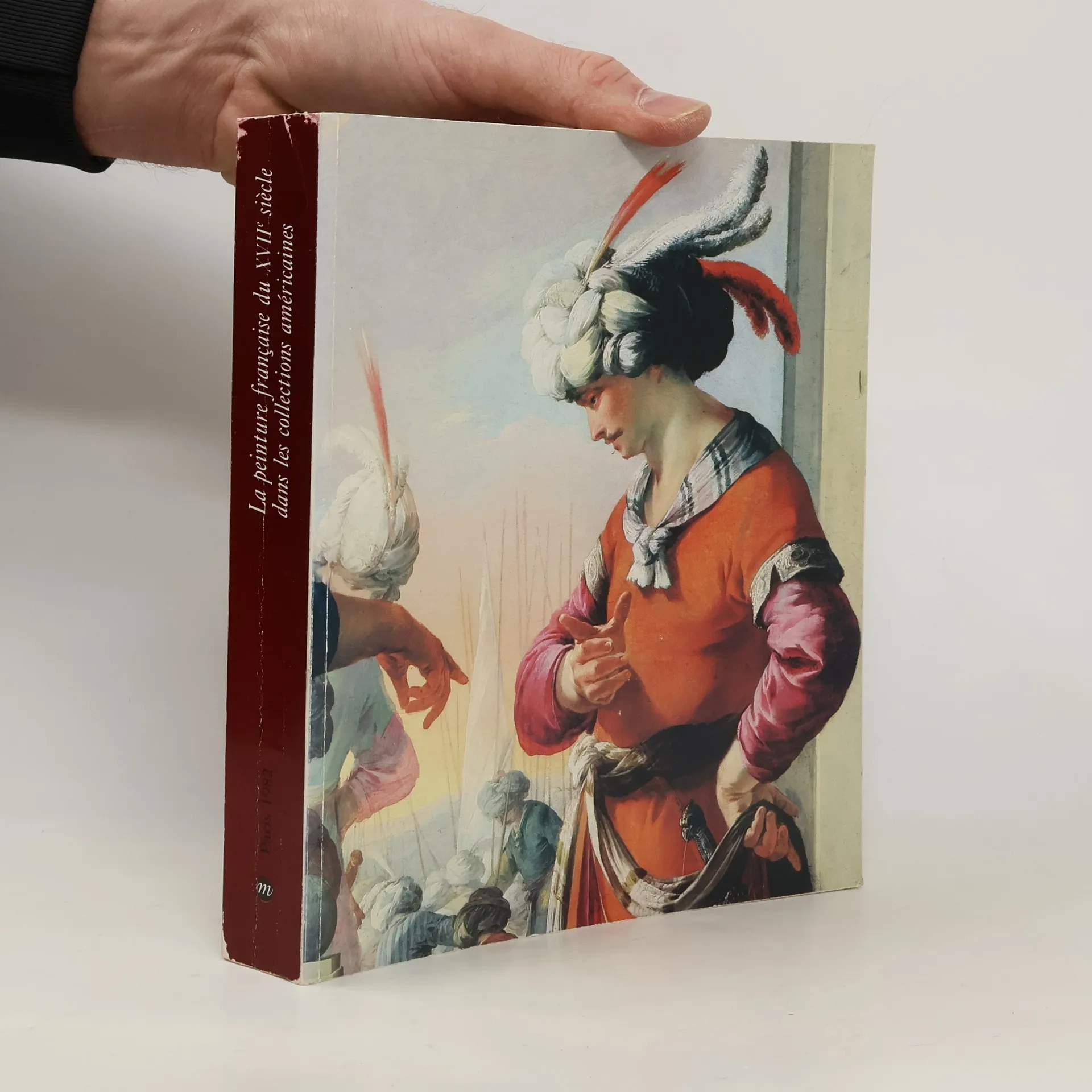
La peinture française du XVIIe siècle dans les collections américaines
[exposition], Galeries nationales du Grand Palais, Paris, 29 janvier-26 ... septembre-28 novembre 1982
- 397 Seiten
- 14 Lesestunden
French
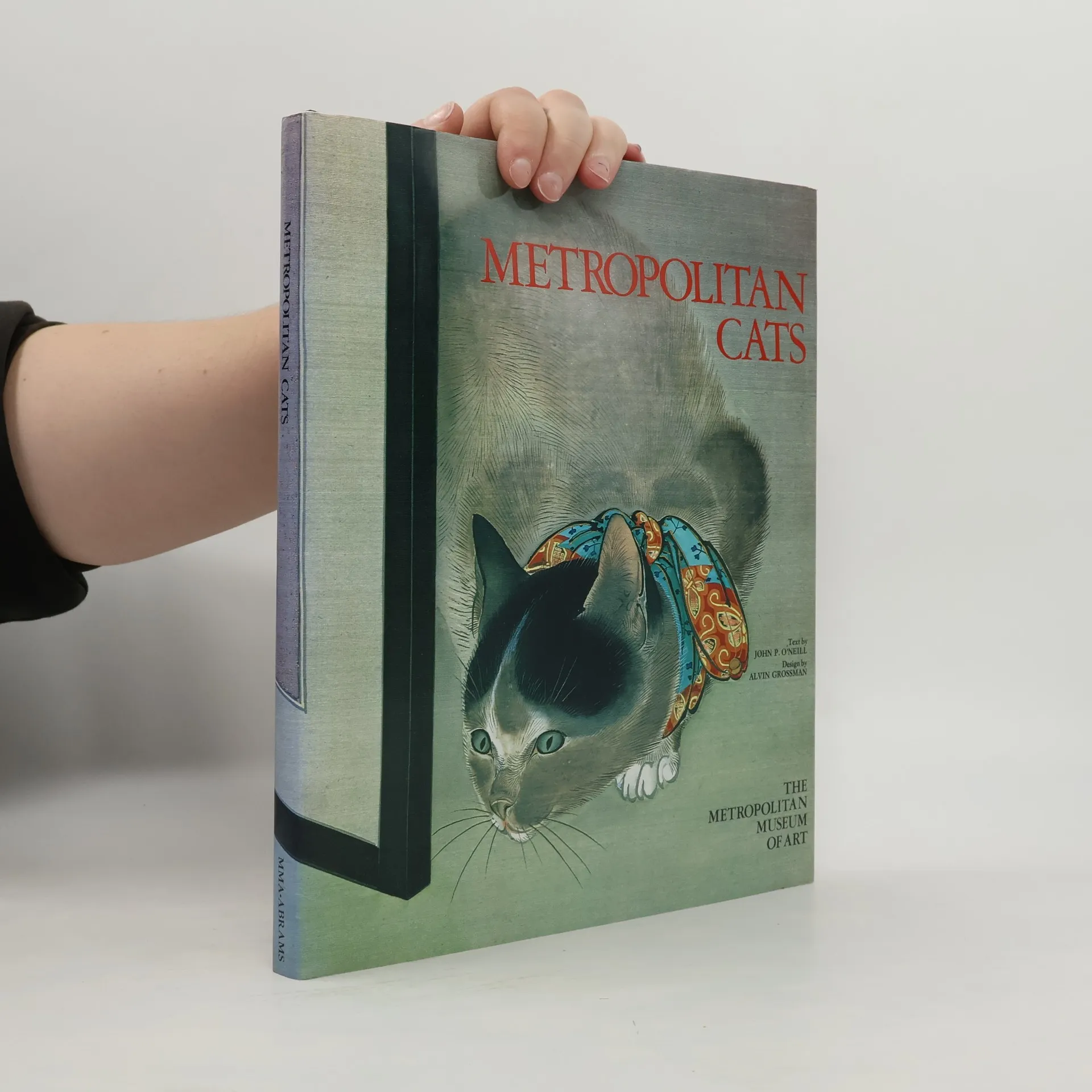
Metropolitan Cats
- 112 Seiten
- 4 Lesestunden
Showcase of cats featured in the Metropolitan Museum of Art's paintings, sculptures, prints, drawings, book illustrations, ceramics, lacquers & needlework. Illustrator: Grossman, Alvin, Published by Harry N. Abrams, Incl, N.Y. & Printed in Japan.
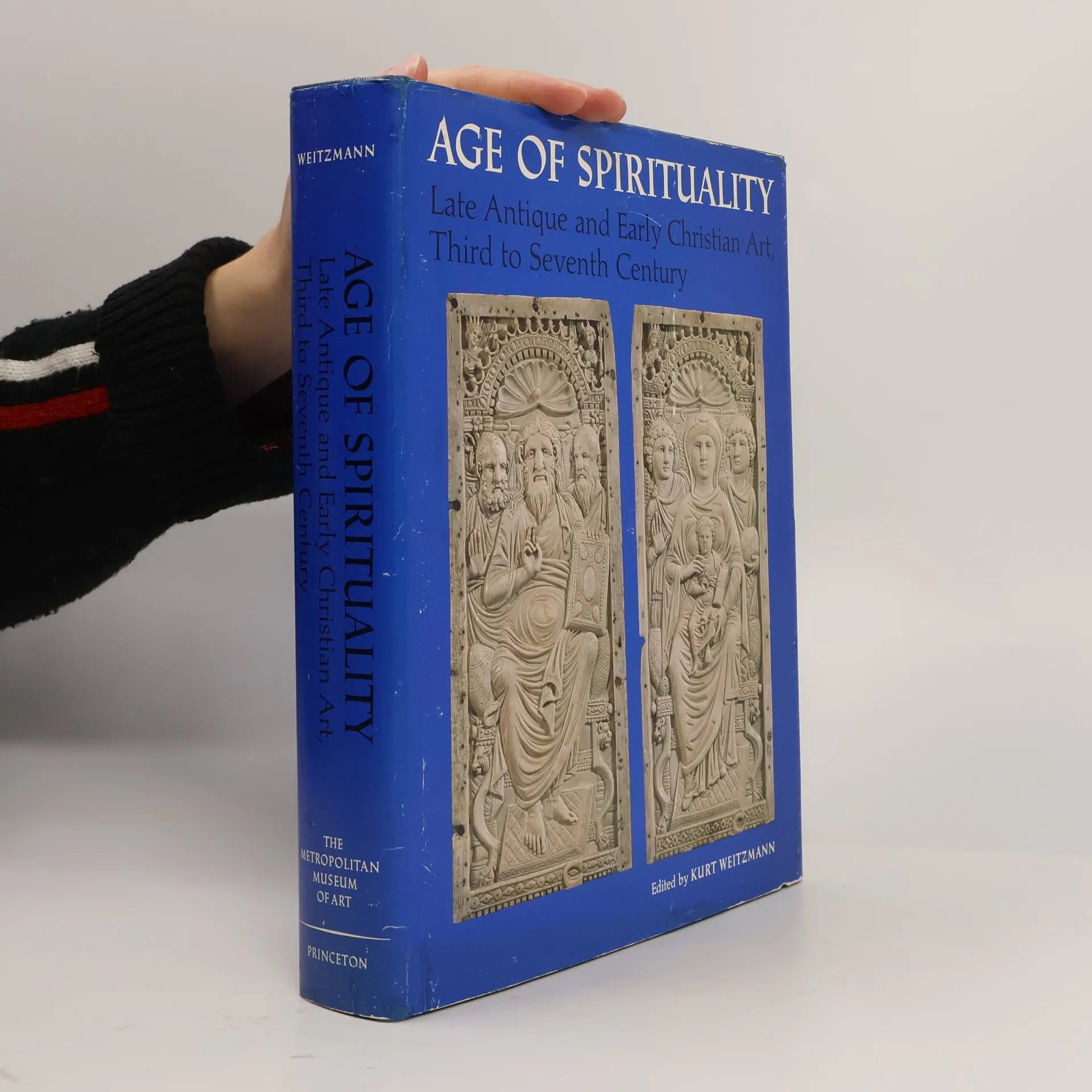
Age of Spirituality
Late Antique and Early Christian Art, Third to Seventh Century - Catalogue of the Exhibition at the Metropolitan Museum of Art, November 19, 1977, Through February 12, 1978
- 735 Seiten
- 26 Lesestunden
The first centuries of the Christian Era were marked by significant upheaval, transforming classical traditions through changes in political and social structures, warfare, and the rising influence of Christianity. While some historians view this as a decline of civilization, the art from this period reflects cultural experimentation. Artists moved away from classical realism yet continued to draw from the imagery of pagan and imperial Rome, creating works characterized by spiritual grace and abstraction. This innovative style emerged from the interaction of Eastern and Western Empires, various religions, and urban and provincial societies, shaping Byzantine and medieval artistic traditions. In November 1977, an extensive exhibition opened to the public, focusing on Late Antique and Early Christian art. It was the largest of its kind and recognized as one of the most significant educational exhibitions ever assembled by an art museum. Featuring 450 objects from over 110 institutions and private collections across fifteen countries, the exhibition presented this lesser-known period through five realms: Imperial, Classical, Secular, Jewish, and Christian. The diverse array of materials, styles, and techniques included delicate jewelry, carved ivory diptychs, rare manuscripts, monumental portraits, wall paintings, and floor mosaics. Architectural monuments, depicted in photomontage, offered insights into the lives of emperors an