Exploring the connection between storytelling and emotional patterns, this book delves into the specific structures that resonate with audiences. It examines how certain themes and emotional arcs shape narratives that captivate readers, revealing the underlying frameworks that make stories memorable and impactful. By analyzing admired tales, the author uncovers the psychological principles that drive engagement and connection in storytelling.
Patrick Colm Hogan Bücher


What Literature Teaches Us about Emotion
- 352 Seiten
- 13 Lesestunden
This book explores emotion in a range of literary works, in the context of current neurobiological, psychological, sociological and other empirical research.

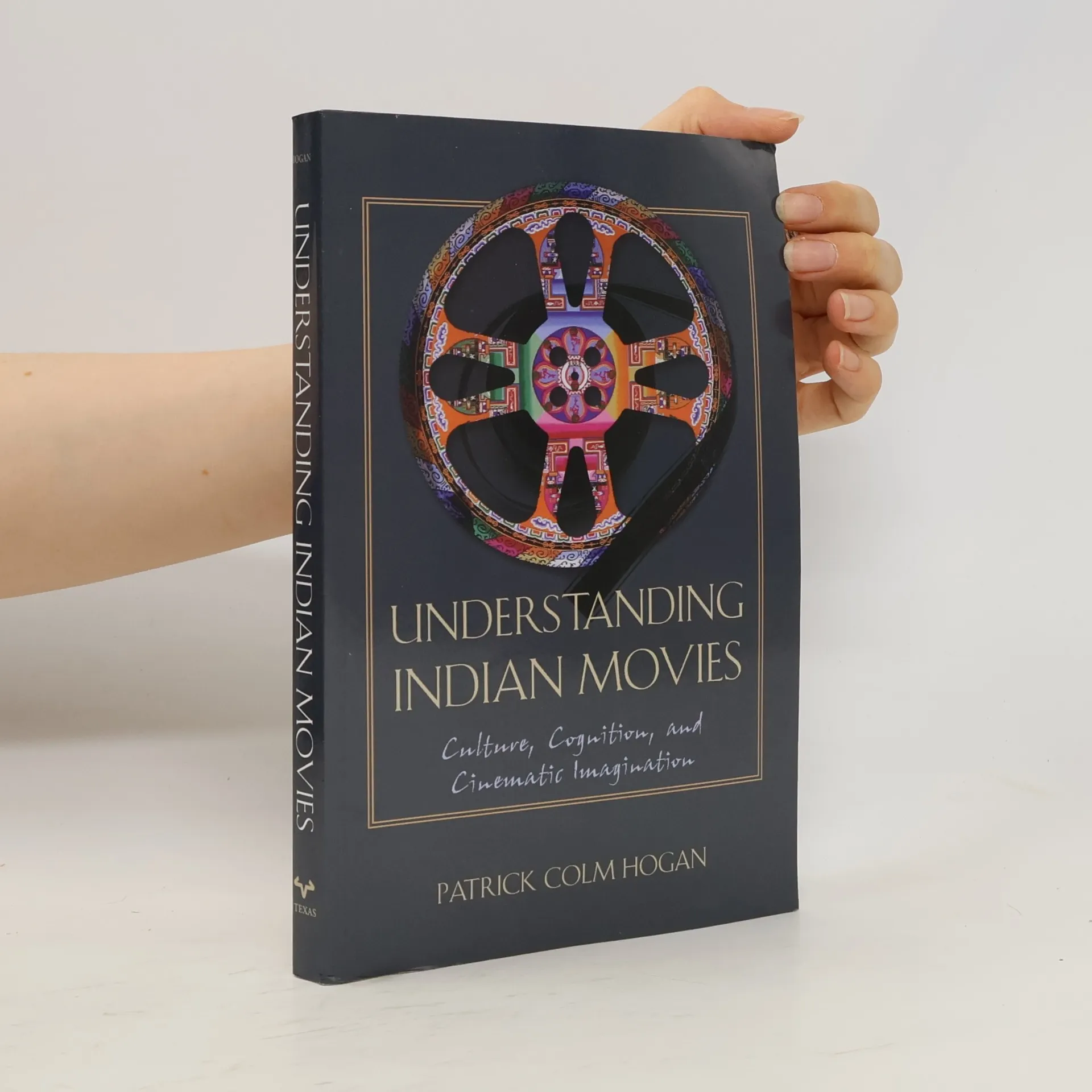
Indian cinema enjoys global popularity but often faces misunderstanding and underappreciation in English-speaking regions. This disconnect is largely attributed to cultural differences that hinder a deeper appreciation of these films. The book explores the nuances of Indian movies, aiming to bridge the gap in understanding and highlight their significance within a broader cultural context.
American Literature and American Identity
A Cognitive Cultural Study From the Revolution Through the Civil War
- 202 Seiten
- 8 Lesestunden
Exploring the intricate relationship between American literature and national identity, this book employs cognitive and affective science to analyze the ambivalence present in the writings of notable authors such as Melville, Douglass, and Stowe. It delves into how these literary figures grapple with themes of identity, culture, and societal values, revealing the complexities and contradictions inherent in the American experience.
Ulysses and the Poetics of Cognition
- 254 Seiten
- 9 Lesestunden
Utilizing insights from recent cognitive science, the author enhances the interpretation of Ulysses, offering a deeper understanding of its narrative structure. This exploration not only sheds light on the complexities of the novel but also enriches our comprehension of human cognition and the nature of storytelling itself.
What is Colonialism?
- 176 Seiten
- 7 Lesestunden
The book provides an in-depth exploration of colonialism, detailing its mechanisms and implications through a multidisciplinary lens. By integrating insights from cognitive science, affective science, social psychology, and Marxist theory, it offers a comprehensive understanding of the complexities surrounding colonial practices and their impact on societies.
American Literature and American Identity
A Cognitive Cultural Study from the Civil War to the Twenty-First Century
- 274 Seiten
- 10 Lesestunden
Focusing on post-Civil War authors, the book explores their visions of American identity through the lens of universal democratic ideals, while confronting the harsh realities of racial, sexual, and gender inequalities. Hogan's analysis reveals how these authors' imaginations are closely tied to the narrative structures that shape human understanding, highlighting the complexities of identity in a divided nation.
A People Without Shame
- 384 Seiten
- 14 Lesestunden
Set in the aftermath of World War I, the narrative follows A., a linguistic anthropologist sent to document the supposed benefits of colonial rule in Somota. Instead of finding progress, he encounters the deep scars left by conquest and administration. Through his interactions with Kehinta, a storyteller, A. discovers a rich literature that reflects the pain of historical traumas and the resilience of indigenous culture. The novel intricately weaves themes of colonial oppression, trauma, love, and the transformative power of storytelling.
In an original study, Patrick Colm Hogan brings the insights of global comparative literature to bear on central issues of ethics. A compelling, narrative-based explanation of humans' otherwise baffling array of ethical attitudes, this book also offers a thought-provoking defence of particular ethical norms, based on a re-understanding of empathy.