Gratis Versand ab € 9,99
Bookbot

Molly Guptill Manning

    The War of Words: How America's GI Journalists Battled Censorship and Propaganda to Help Win World War II
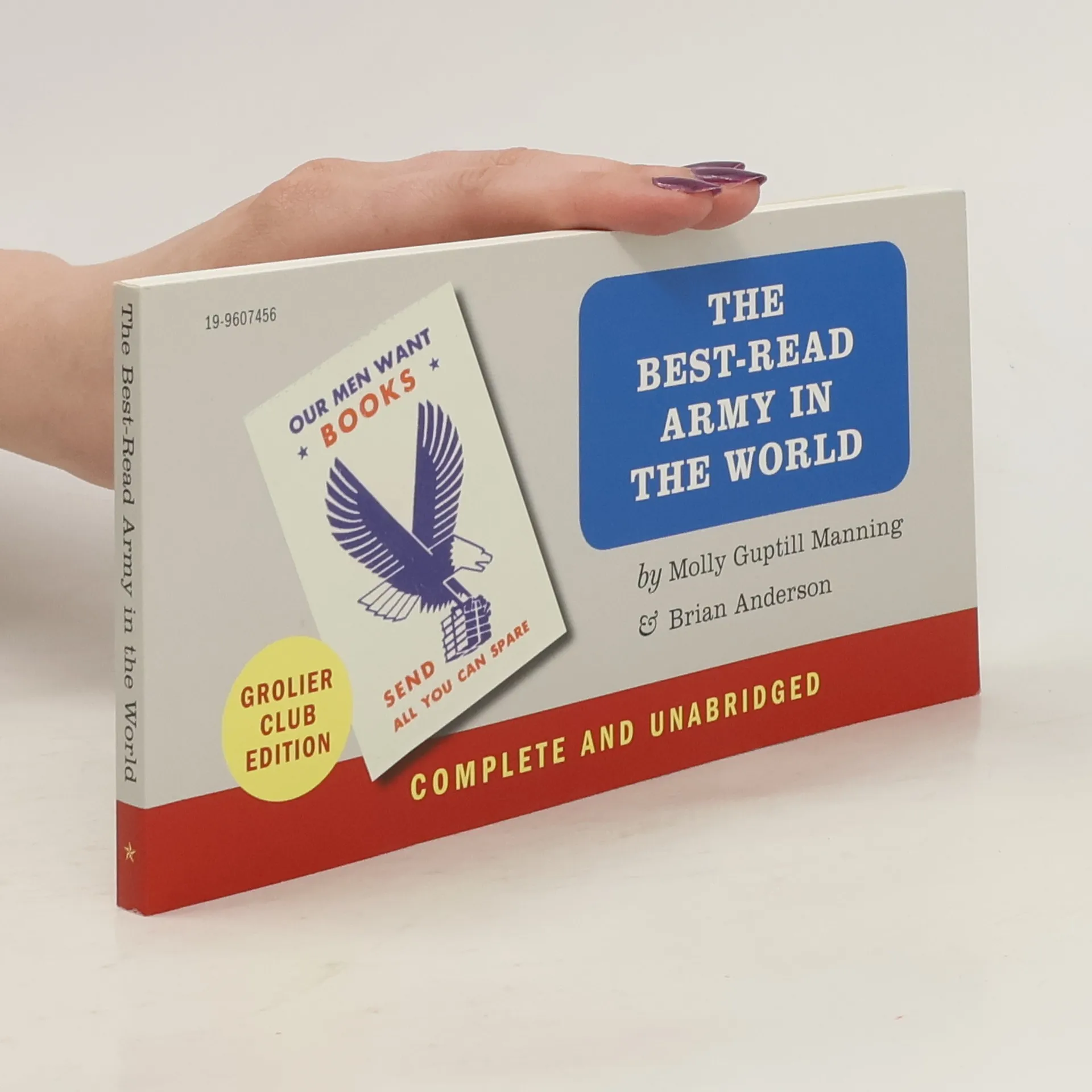
    The Best-read Army in the World
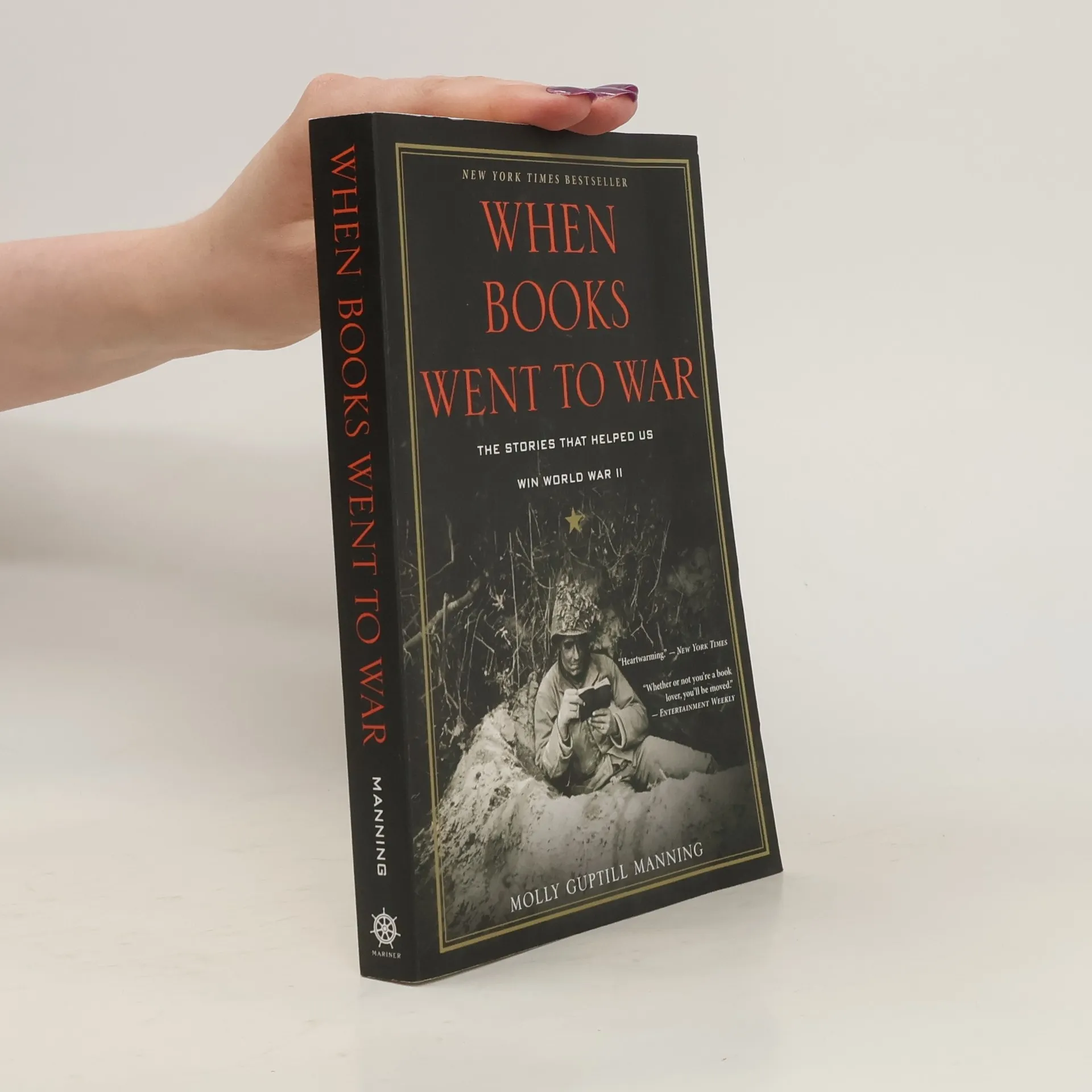
    When Books Went to War
    • The narrative highlights the unique role of American troops in World War II as they used writing to document their experiences and shape their own narratives. Through letters, journals, and other forms of communication, soldiers expressed their thoughts, emotions, and the realities of war, creating a powerful testament to their experiences. Molly Guptill Manning explores the impact of these written words on both the soldiers and the broader understanding of the war, revealing the profound connection between storytelling and history.

      The War of Words: How America's GI Journalists Battled Censorship and Propaganda to Help Win World War II2023
    • In late 1943, small packages bound in sturdy brown paper began to arrive at American military outposts, each containing a set of ingenious pocket-sized books called the Armed Services Editions. Titled the Victory Book Campaign, this initiative was led by librarians, who garnered the support of individuals, businesses, civic organizations, and Eleanor Roosevelt. For war-weary, homesick men, these books—fiction, biographies, classics, sports tales, history books, poetry, compilations of short stories, books of humor—represented the greatest gift the military could give them. This ann+BD11otated catalogue includes posters, photographs, newspaper clippings, and other contemporary documents that provide valuable context for how the written word not only increased morale during wartime but ultimately transformed American education and changed the book industry forever.

      The Best-read Army in the World2020
    • When Books Went to War

      The Stories that Helped Us Win World War II

      • 288 Seiten
      • 11 Lesestunden

      When America entered World War II in 1941, we faced an enemy that had banned and burned over 100 million books and caused fearful citizens to hide or destroy many more. Outraged librarians launched a campaign to send free books to American troops and gathered 20 million hardcover donations. In 1943, the War Department and the publishing industry stepped in with an extraordinary program: 120 million small, lightweight paperbacks, for troops to carry in their pockets and their rucksacks, in every theater of war. Comprising 1,200 different titles of every imaginable type, these paperbacks were beloved by the troops and are still fondly remembered today. Soldiers read them while waiting to land at Normandy; in hellish trenches in the midst of battles in the Pacific; in field hospitals; and on long bombing flights. They wrote to the authors, many of whom responded to every letter. They helped rescue The Great Gatsby from obscurity. They made Betty Smith, author of A Tree Grows in Brooklyn , into a national icon. When Books Went to War is an inspiring story for history buffs and book lovers alike.

      When Books Went to War2014
      4,1