

Readers of all ages, especially those in school, use learning materials in print, on digital screens, and increasingly with audio. While the words may be the same, research shows important differences in the way we concentrate, understand, and remember with these three media. In How We Read Now, linguist and reading expert Naomi Baron presents cutting-edge research on reading media and offers practical strategies for maximizing success with each format.
Naomi Baron Bücher
1. Jänner 1946
Diese Autorin befasst sich damit, wie elektronisch vermittelte Kommunikation unsere schriftliche Sprache und unseren Schreibstil beeinflusst. Ihre Arbeit untersucht die komplexe Beziehung zwischen Sprache, Technologie und Bildung und analysiert die Entwicklung des Englischen in einer zunehmend digitalen Welt. Mit einem scharfen Blick auf das Schicksal des Lesens in digitalen Umgebungen bietet ihre Analyse aufschlussreiche Perspektiven darauf, wie wir mit Text und Sprache interagieren.
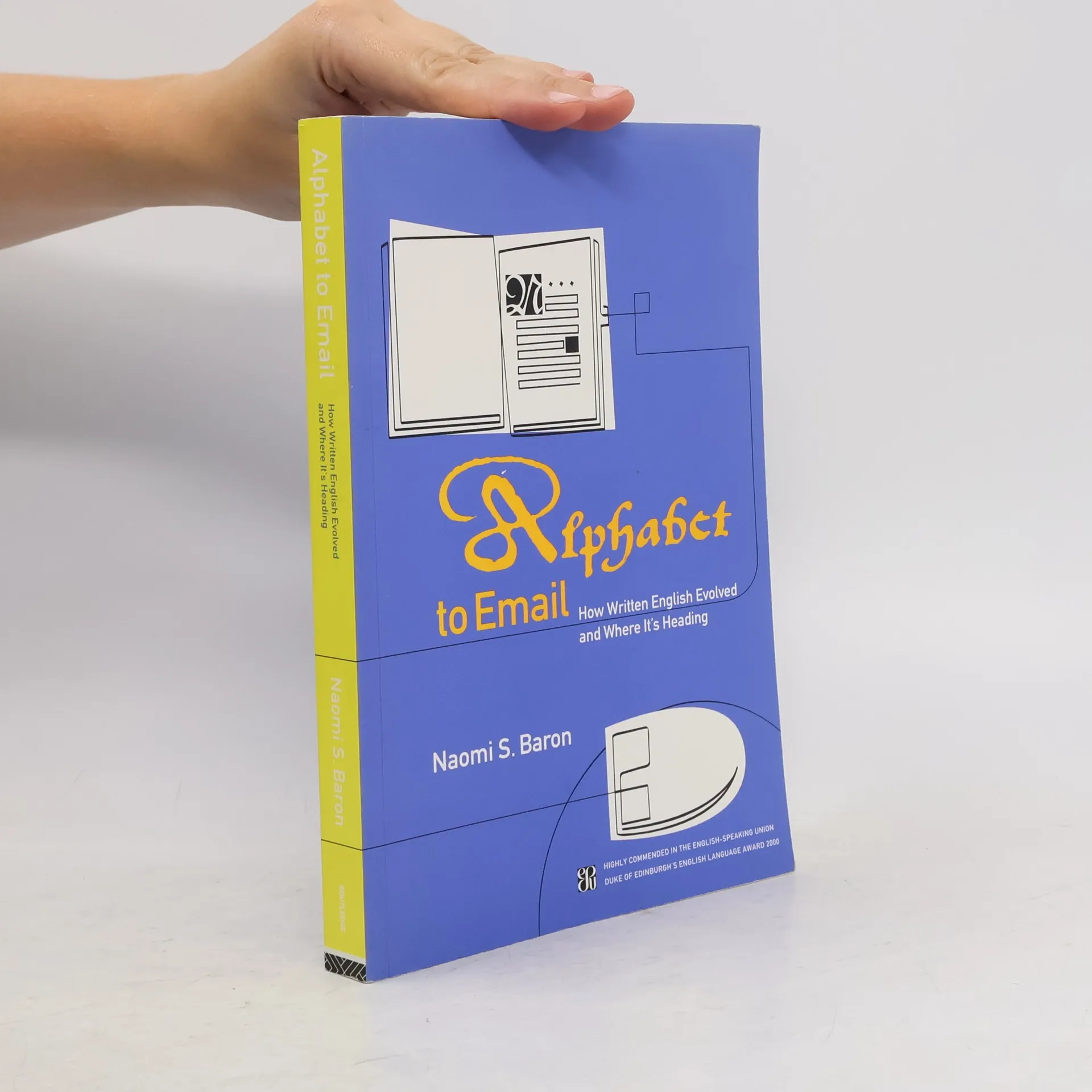

Exploring the evolution of the English language, this book highlights how technology, particularly email, is influencing communication styles. It presents an engaging narrative that examines the shift from formal language to a more casual, digital vernacular. Through historical insights and entertaining anecdotes, it reveals the implications of these changes on our language and interactions.
Book by