
Gratis Versand in ganz Österreich
Bookbot

Kumuda Reddy

    Eternal Stories from the Upanishads
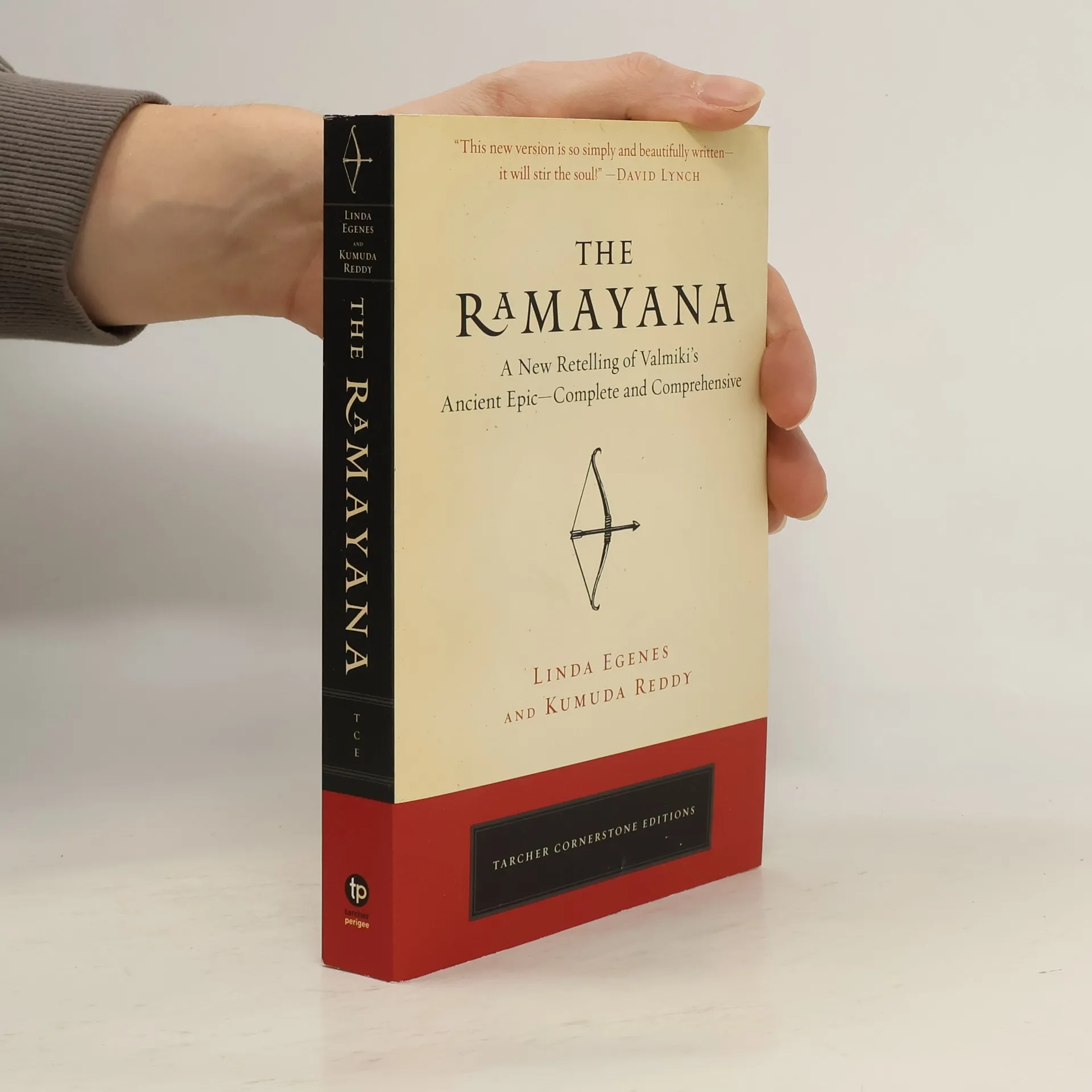
    The Ramayana
    • The Ramayana

      • 388 Seiten
      • 14 Lesestunden
      4,3(288)Abgeben

      A delightfully straightforward and lyrical retelling of the ancient Indian epic of loyalty, betrayal, redemption, and insight into the true nature of life -- one of history's most sacred ethical works, rendered with completeness and sterling accuracy for the modern reader. Here is one of the world's most hallowed works of sacred literature, the grand, sweeping epic of the divine bowman and warrior Rama and his struggles with evil, power, duplicity, and avarice. The Ramayana is one of the foundations of world literature and one of humanity's most ancient and treasured ethical and spiritual works. Includes an introduction by scholar Michael Sternfeld.

      The Ramayana
    • The Upanishads represent a vital part of India's Vedic Literature, embodying structures of our consciousness and the Self that can be directly experienced through awareness. While their narratives recount the lives of individuals and events, they ultimately delve into the dynamics of consciousness inherent in all. The Upanishads emphasize the ultimate reality of life, revealing the glory of the Self, or Ãtmå, which, once attained, leaves nothing else to be desired. They articulate the true nature of the Self as wholeness, aligning with the totality of natural law, or Brahman. This perspective fosters a sense of universal love and interconnectedness. Traditionally transmitted from teacher to student, the term “Upa-ni-shad” means “to sit down near.” The texts feature profound phrases like “Thou art That” and “I am Totality,” which encapsulate the awakening of consciousness to its true essence. Known as “great sayings” (mahåvåkya), these expressions convey the core teachings of the Upanishads, enlightening receptive students and guiding them toward wholeness. The insights of the Upanishads were revealed by enlightened Vedic Âishis, emerging spontaneously from their pure consciousness and articulated in Sanskrit. The Muktikå Upanishad identifies 108 Upanishads, highlighting ten principal ones. Each story in this collection includes the corresponding Upanishad title, with a glossary of Sanskrit terms provided at the end for refer

      Eternal Stories from the Upanishads