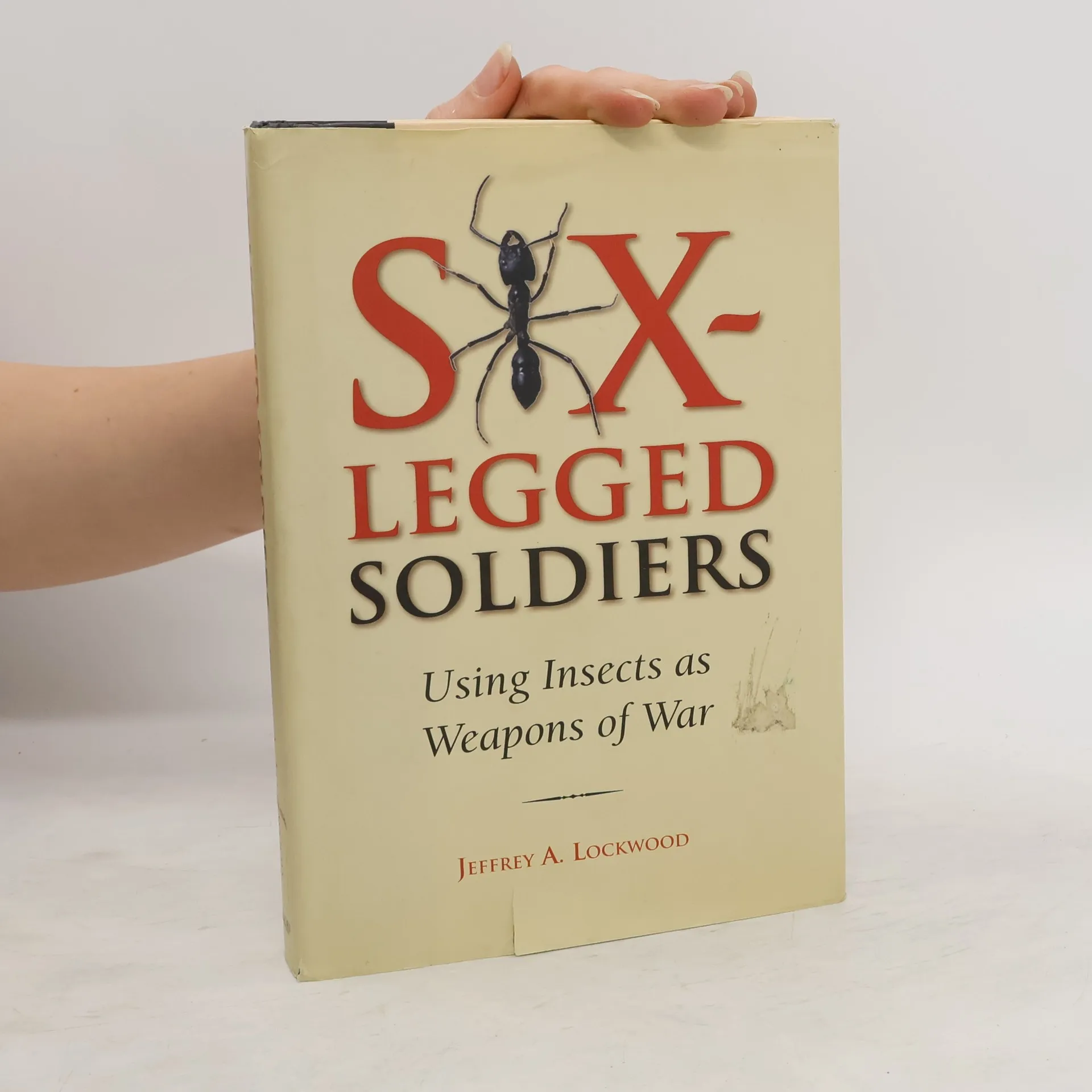
The emir of Bukhara employed assassin bugs to devour his prisoners' flesh, while General Ishii Shiro unleashed millions of infected insects in China during World War II, resulting in more deaths than the atomic bombs on Japan. These chilling examples illustrate the disturbing ways insects have been weaponized throughout history. The narrative begins in prehistoric times, showcasing the evolution of insect warfare and its impact on major battles, from ancient "bee bombs" to the trenches of World War I. Award-winning science writer Jeffrey A. Lockwood delves into the horrific insect warfare programs of World War II, including planes dropping plague-infested fleas and the breeding of millions of beetles to devastate crops. The Cold War era saw covert operations involving the release of engineered mosquitoes on the American public and the use of pests against North Korea and Cuba. Lockwood emphasizes the ease with which insects could be utilized in modern warfare and terrorism, citing a 1989 incident where ecoterrorists threatened to unleash the Medfly on California's agriculture. This compelling exploration reveals the dark ingenuity behind using insects as weapons, offering a comprehensive look at their role in conflict from ancient times to today.
Jeffrey A Lockwood Bücher