The book delves into Sophie Calle's immersive exploration of the abandoned Hôtel du Palais d'Orsay between 1978 and 1981, where she inhabited room 501 and documented its decay through photography. Over five years, she collected various artifacts that revealed stories of the past. Decades later, she revisits the site during lockdown, armed with a flashlight, to uncover its history and the remnants of its former life. This work reconstructs her archive, intertwining personal memories with the broader narrative of a forgotten space, evoking a sense of nostalgia and connection to history.
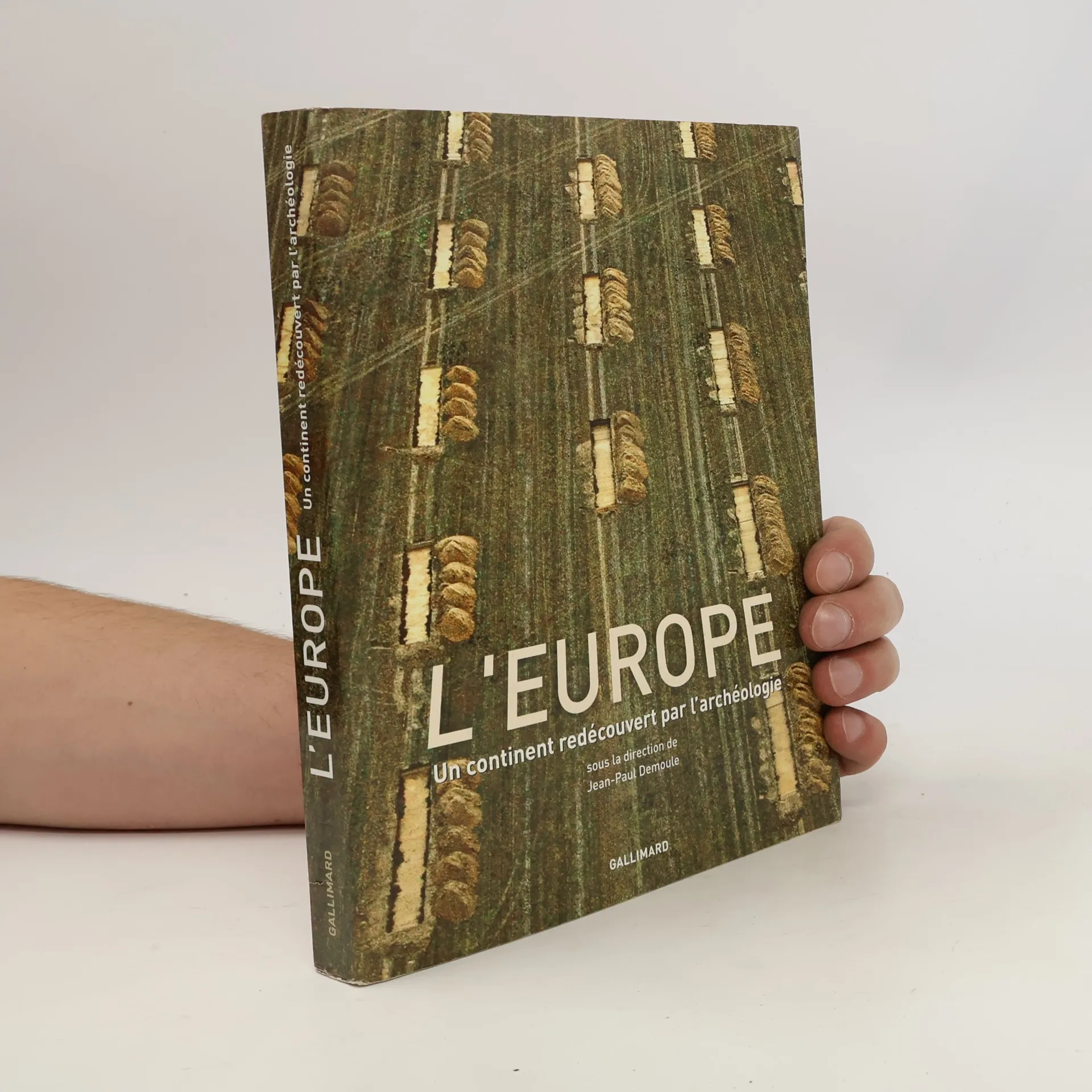
Parvenus à un point charnière de leur histoire - les 50 ans de la construction d'une Union qui intègre désormais 27 nations -, les Européens ont-ils vraiment conscience de tout ce qui les rapproche ? Il y a près de 2 millions d'années, une première vague d'"immigrants" venus d'Afrique peuple le continent du Caucase à l'Atlantique. Une deuxième vague invente l'art rupestre et partage une culture qui embrasse, elle aussi, l'Europe. Il y a 8 000 ans, une révolution venue du Proche-Orient, le Néolithique, implante l'agriculture et les premiers villages. Puis naît, à l'âge du Bronze, la civilisation urbaine, qui couvre progressivement tout le territoire. Sur les vestiges de l'Empire romain s'impose l'ordre féodal. Enfin, l'histoire européenne oscille entre des empires vastes mais provisoires et l'éparpillement d'unités territoriales souveraines. Seule l'archéologie peut faire revivre, à partir des archives du sol, cette longue mémoire, entre vie quotidienne, pratiques religieuses et relations avec l'environnement. Dans ce livre, illustré et documenté grâce aux découvertes des trente dernières années, treize archéologues européens se sont associés autour d'un même projet : contribuer, par une meilleure compréhension de la préhistoire et de l'histoire des Européens, à une plus juste perception de leur destin collectif.
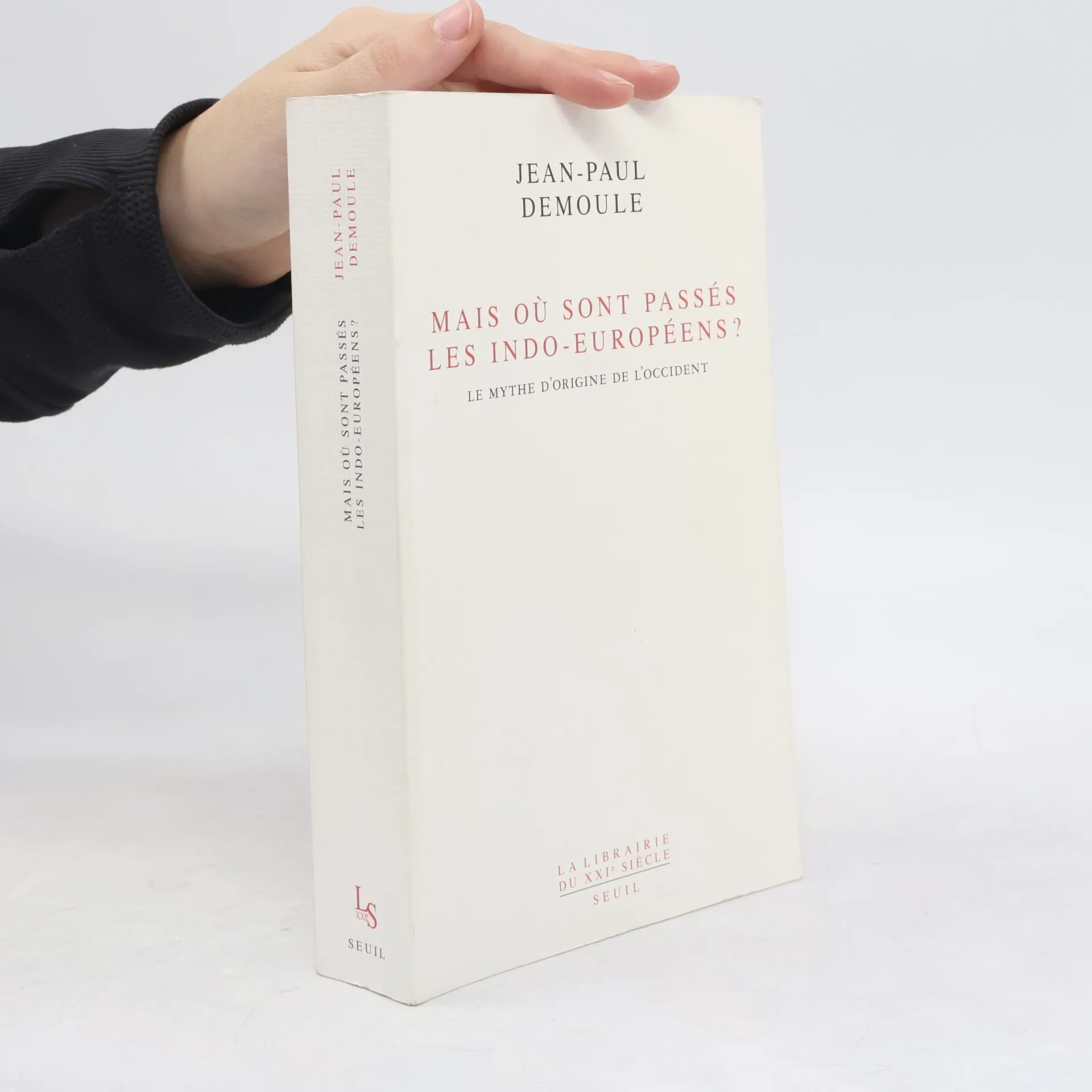
Mais où sont passés les Indo-Européens ? Ces ancêtres supposés des Européens, un petit peuple conquérant qui aurait dominé l’Europe et une partie de l’Asie, sont souvent évoqués comme les fondateurs des langues indo-européennes, allant des langues romanes aux germaniques, en passant par les indiennes et bien d'autres. Aujourd'hui, ces langues sont largement parlées, sauf dans les zones arabophones ou sinophones. Cependant, la question de l'existence réelle des Indo-Européens se pose : s'agit-il d'une vérité scientifique ou d'un mythe fondateur des Européens, les exemptant d'une origine juive, biblique ? Jean-Paul Demoule, dans cet ouvrage iconoclaste, s'attaque à ce mythe, à sa construction et à ses dérives, notamment l'idéologie aryenne du nazisme. Il démontre que l'archéologie moderne n'appuie aucune des hypothèses sur ces invasions présumées, tout comme les récentes découvertes en linguistique, biologie et mythologie. Pour expliquer les similitudes entre ces langues, il propose de développer d'autres modèles, plus complexes mais également plus fascinants.