Focusing on the evolution of domestic glass and ceramic production in Iran from 1500 to 1925, this detailed study examines the impact of foreign imports and the Qajar government's efforts to enhance local craftsmanship. It analyzes the failed attempts to transfer technology and the changing dynamics of imported goods, highlighting the rise of affordable mass-produced items. Accompanied by appendices featuring Belgian consultants' market assessments, the research provides insights into production techniques and proposes establishing a modern factory, appealing to scholars and enthusiasts alike.
"'Sofreh' is Persian for 'spread' - referring to the colorful arrangements of flowers, condiments and objects of spiritual or cultural importance that are displayed at Persian ceremonies. As the title promises, this book is a visual feast. Flush with lavish historical illustrations and contemporary photography, it documents Persian marriage and New Year celebrations in rich detail. Sofreh pays homage to ancient traditions, discussing the symbiosis of symbolism and culture. Despite their ancestral roots, the featured ceremonies are infused with life and creativity. Modern fabrics are welcomed alongside refined antique textiles, creative floral designs, unconventional pieces of furniture, and unexpected objects. References to Persian poetry, literature, art and folklore stimulate the imagination, and the text is illuminated with exquisitely detailed extracts from old manuscripts, antique woven textiles and embroideries. Each volume centres around a series of original and at times highly elaborate sofreh creations. Together they comprise an extensive project, involving research into Persian ceremonies and sofreh history by an eminent scholar, and the design and creation of stunning compositions. Book One is about the Persian New Year (Nowruz), which is celebrated on the first day of Spring. Book Two explores Persian marriage and wedding customs, and the elaborate settings for marriage ceremonies (Aqd)"-- Publisher's description.
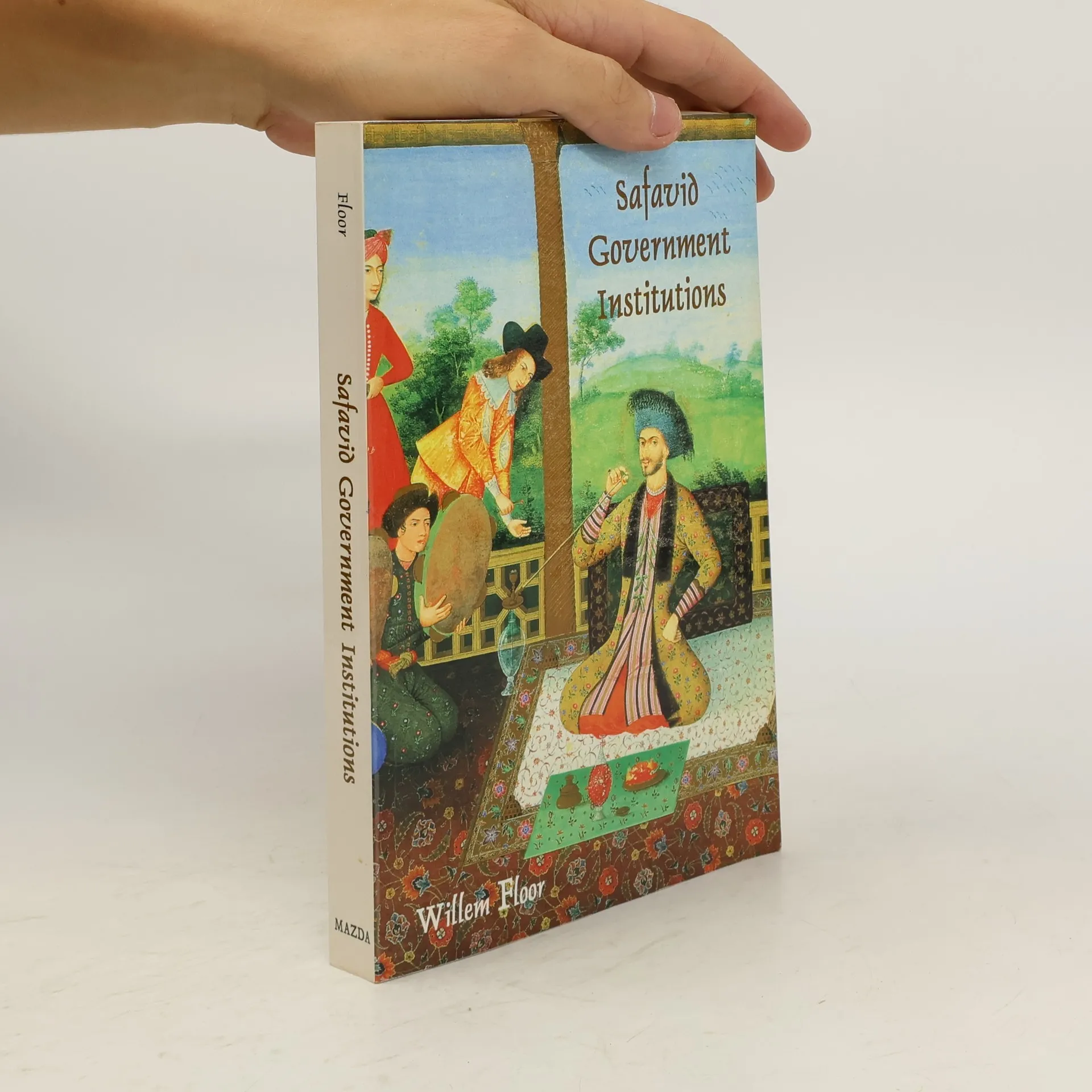
The book offers a thorough analysis and examination of virtually all the available sources of information (Persian chronicles and archival documents; European traveler accounts, memoirs, and archival sources). The Dutch material is of particular importance and their integration with the more familiar information is unique. In addition to scholars of Iran, Central Asia and the Middle East, it would also be of interest to those working in the field of comparative institutions in history, sociology and political science."--BOOK JACKET
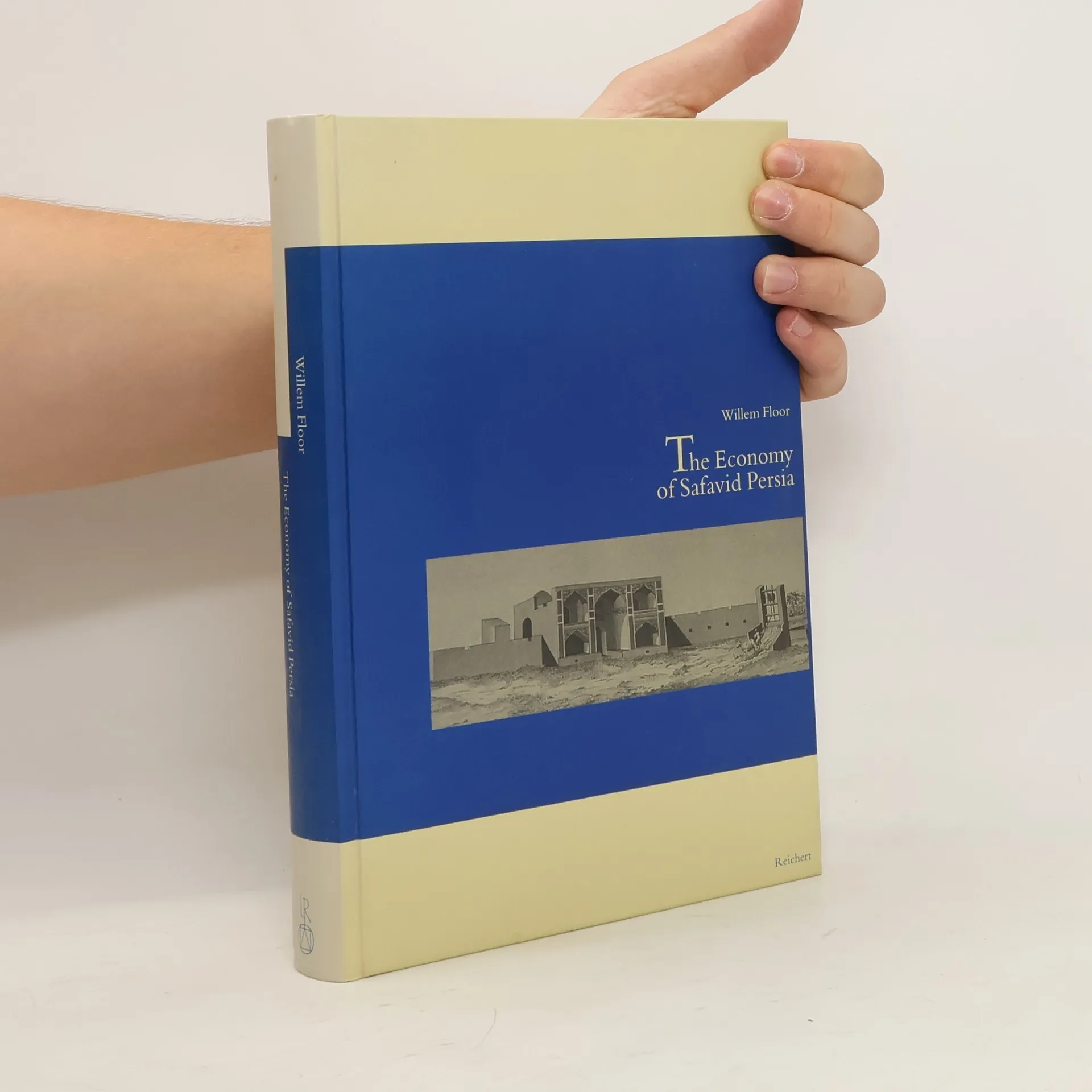
Although there are some studies which deal with particular economic issues there has not - until now - been a study dealing with the Safavid economy as a system per se. The objective of this study is therefore to provide a reference work on this subject. Through the analysis of the economy's structure and of its individual sectors and operators the author provides a better understanding of the Safavid's State's economic dimension. Willem Floor describes the economic context of the country's social, cultural, religious, and political development. As such, this book will offer historians of various fields (area and sector specialists, those dealing in comparative studies) as well as readers interested in knowledge and foreign parts a better understanding of the constraints under which the government of Safavid Persia and its people had to operate. This context is not only important for the understanding of the inner working of the country and its institutions itself, but also in relation to its foreign trading partners, including, as of the early 1500s, European traders.