Charles Murray Bücher
Charles Murray ist ein amerikanischer Autor und Politikwissenschaftler, bekannt für seine Arbeiten zu libertären und konservativen Themen. Seine Schriften erforschen häufig die komplexe Beziehung zwischen Sozialpolitik und individuellen Ergebnissen und stellen oft konventionelle Weisheiten über Chancengleichheit und die Wirksamkeit staatlicher Interventionen in Frage. Murrays Analysen sind für ihren provokanten Ansatz und ihr Ziel bekannt, tiefere Reflexionen über komplexe gesellschaftliche Probleme anzuregen.




Human Diversity
- 528 Seiten
- 19 Lesestunden
All people are equal but, as Human Diversity explores, all groups of people are not the same -- a fascinating investigation of the genetics and neuroscience of human differences.
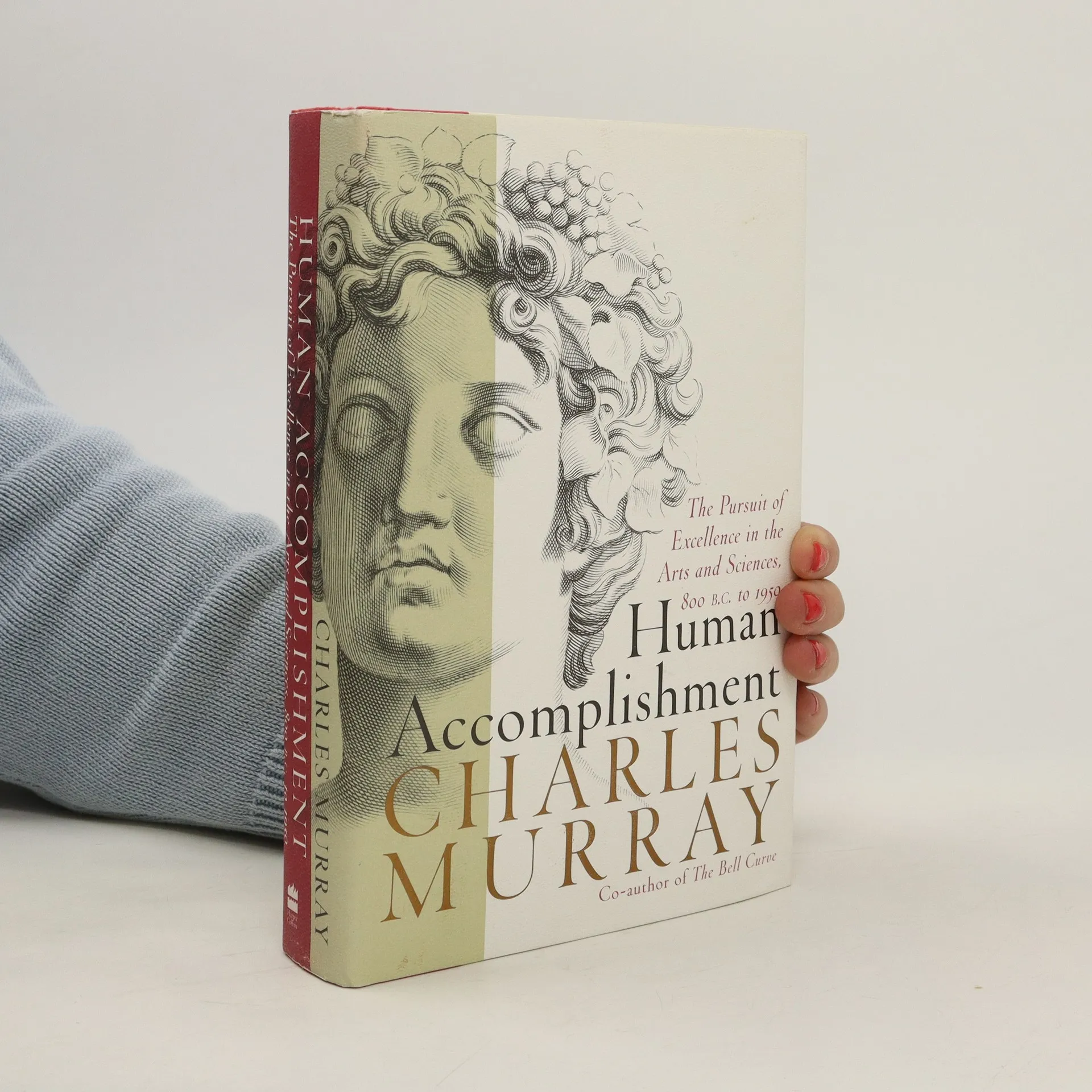
Human Accomplishment
- 688 Seiten
- 25 Lesestunden
A survey of more than four thousand of history's most significant thinkers, achievers, and creators cites the contributions and influence of key figures in science, mathematics, philosophy, music, literature, and art.
Facing Reality: Two Truths about Race in America
- 168 Seiten
- 6 Lesestunden
Charges of white privilege and systemic racism often detach from reality. Two well-documented facts must be acknowledged in public policy discussions: different racial and ethnic groups in America exhibit varying violent crime rates and cognitive abilities. Allegations of racism in policing, college admissions, housing segregation, and workplace promotions overlook how these issues stem from these underlying realities. Addressing these facts can lead to a more honest discourse. The American Creed, which emphasizes judging individuals by their character rather than their race or background, is under threat from Progressive ideology that advocates for state judgment based on race, social origins, and other identities. Those of us on the center left and center right, who support the American Creed, have found ourselves cornered by our reluctance to acknowledge significant group differences. This silence leaves us vulnerable to claims that racism is the sole cause of disparities. We must confront these issues directly. "Reality Check" aims to initiate this necessary conversation, encouraging a return to individual assessment over group identity.
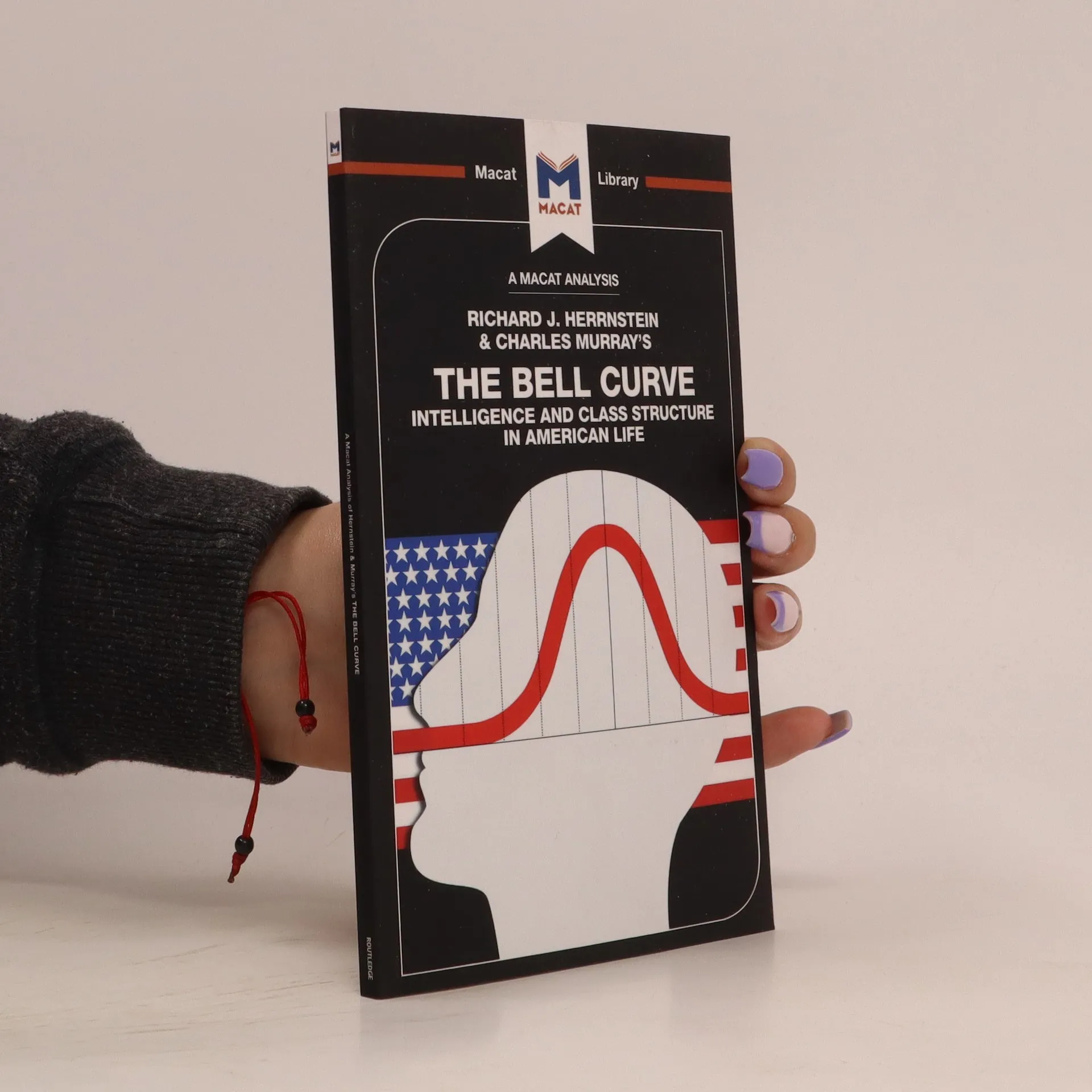
Published in 1994, The Bell Curve caused uproar. Herrnstein and Murray claim that intelligence is the key factor in determining success in life. They also claim that it is genetic - you either have it or you don't - and that some ethnic groups are more intelligent than others. Herrnstein and Murray argue that black Americans are one of the most disadvantaged groups in American society not because of unjust social and economic systems or a history of oppression. Statistically, they say, black Americans live impoverished lives simply because they lack the intelligence to advance themselves. Liberals raged against these ideas, while conservatives praised the authors for voicing important, if controversial, arguments. Book jacket.
Boogie Man
The Adventures of John Lee Hooker in the American Twentieth Century
- 638 Seiten
- 23 Lesestunden
A vivid biography of John Lee Hooker, from a critically acclaimed journalist
NEW YORK TIMES BESTSELLER • A fascinating explanation for why white America has become fractured and divided in education and class, from the acclaimed author of Human Diversity. “I’ll be shocked if there’s another book that so compellingly describes the most important trends in American society.”—David Brooks, New York Times In Coming Apart, Charles Murray explores the formation of American classes that are different in kind from anything we have ever known, focusing on whites as a way of driving home the fact that the trends he describes do not break along lines of race or ethnicity. Drawing on five decades of statistics and research, Coming Apart demonstrates that a new upper class and a new lower class have diverged so far in core behaviors and values that they barely recognize their underlying American kinship—divergence that has nothing to do with income inequality and that has grown during good economic times and bad. The top and bottom of white America increasingly live in different cultures, Murray argues, with the powerful upper class living in enclaves surrounded by their own kind, ignorant about life in mainstream America, and the lower class suffering from erosions of family and community life that strike at the heart of the pursuit of happiness. That divergence puts the success of the American project at risk. The evidence in Coming Apart is about white America. Its message is about all of America.
Žádný sociální program se nemůže vymanit z pasti, kterou bychom mohli nazývat Murrayho paradoxem. Čím účinnější je program, tím více podporuje chování, které chtěl původně eliminovat. Představme si, že existuje zázračná pilulka na narkomanie. Každý by ji chtěl vyzkoušet, protože by měl zajištěno vyléčení, což by vedlo k nárůstu užívání drog. Pokud by sociální programy fungovaly jako taková pilulka, staly by se kontraproduktivními. Lidé by se nezajímali o práci, pokud by měli jistotu rychlého vyřešení svých problémů. Ekonomové by to nazvali morálním hazardem. Naopak, pokud program nefunguje, daňoví poplatníci by utráceli peníze jen proto, aby si "koupili čisté svědomí". Murray dokládá svůj paradox na programu pomoci svobodným matkám, který byl tak štědrý, že se tisíce matek rozhodly nevdávat, aby si udržely podporu. Po letech existence programu se počet dětí žijících pouze s matkou nejenže nesnížil, ale vzrostl. Program také morálně oslabil děti, které se naučily spoléhat na sociální dávky, což vedlo k nezaměstnanosti a chudobě, čemuž měl program původně zabránit. Murray ukazuje, že vynaložené prostředky často neodpovídají kvalitě výsledků, a jeho kniha by měla být povinnou četbou pro tvůrce sociálních programů a politiky.
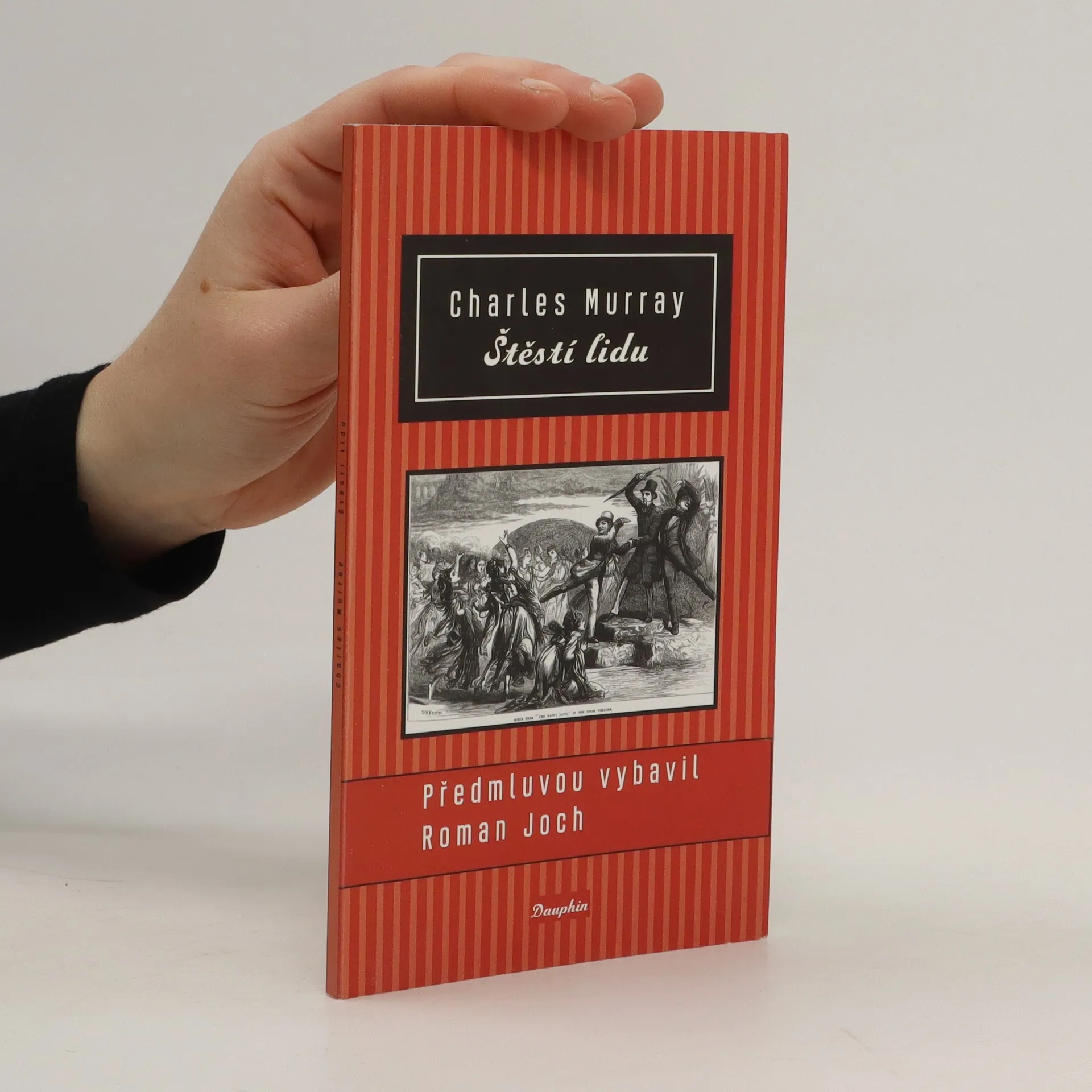
Štěstí lidu
- 56 Seiten
- 2 Lesestunden
Murray identifikoval čtyři podmínky potřebné k tomu, abychom mohli svůj život považovat za dlouhodobě šťastný: pevná rodina, přátelé nebo fungující sousedská komunita, náboženství (nebo filozofie, která jej nahrazuje) a práce, která nás naplňuje. Hmotné zabezpečení je důležité, pokud nám pomáhá vést takový život. Sociální programy, které se pokoušejí kteroukoliv z těchto institucí nahradit, se nakonec ukážou jako destruktivní. Ch. Murray je autorem kontroverzním, jeho knihy vyvolávají bouřlivé a protikladné reakce, je předmětem ideologických útoků a profesionální kritiky stejně jako vysokého obdivu. Předmluvou vybavil Roman Joch.