Gratis Versand in ganz Österreich
Bookbot

Murray Rothbard

    2. März 1926 – 7. Jänner 1995

    Murray Newton Rothbard war ein einflussreicher Historiker und Ökonom der österreichischen Schule. Er war maßgeblich an der Definition des modernen Libertarismus beteiligt und erweiterte den Fokus der Schule auf spontane Ordnung und die Kritik an zentraler Planung auf einen individualistischen anarchistischen Rahmen, den er „Anarchokapitalismus“ nannte. Seine Arbeit bietet eine unverwechselbare Perspektive auf wirtschaftliche und soziale Organisation.

    Murray Rothbard
    Für eine neue Freiheit
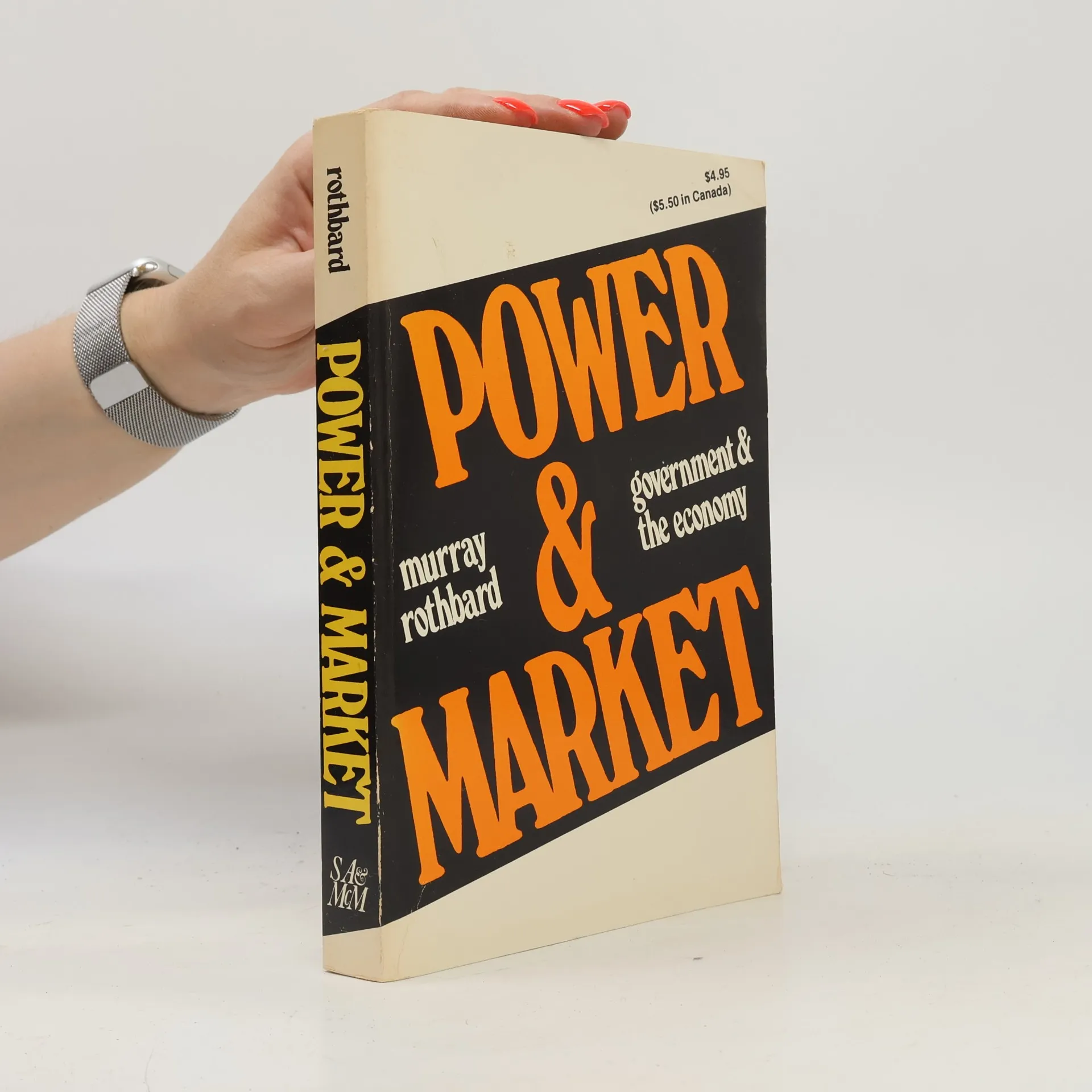
    Macht und Markt: Mensch, Wirtschaft und Staat III
    Mensch, Wirtschaft und Staat I
    Mensch, Wirtschaft und Staat II
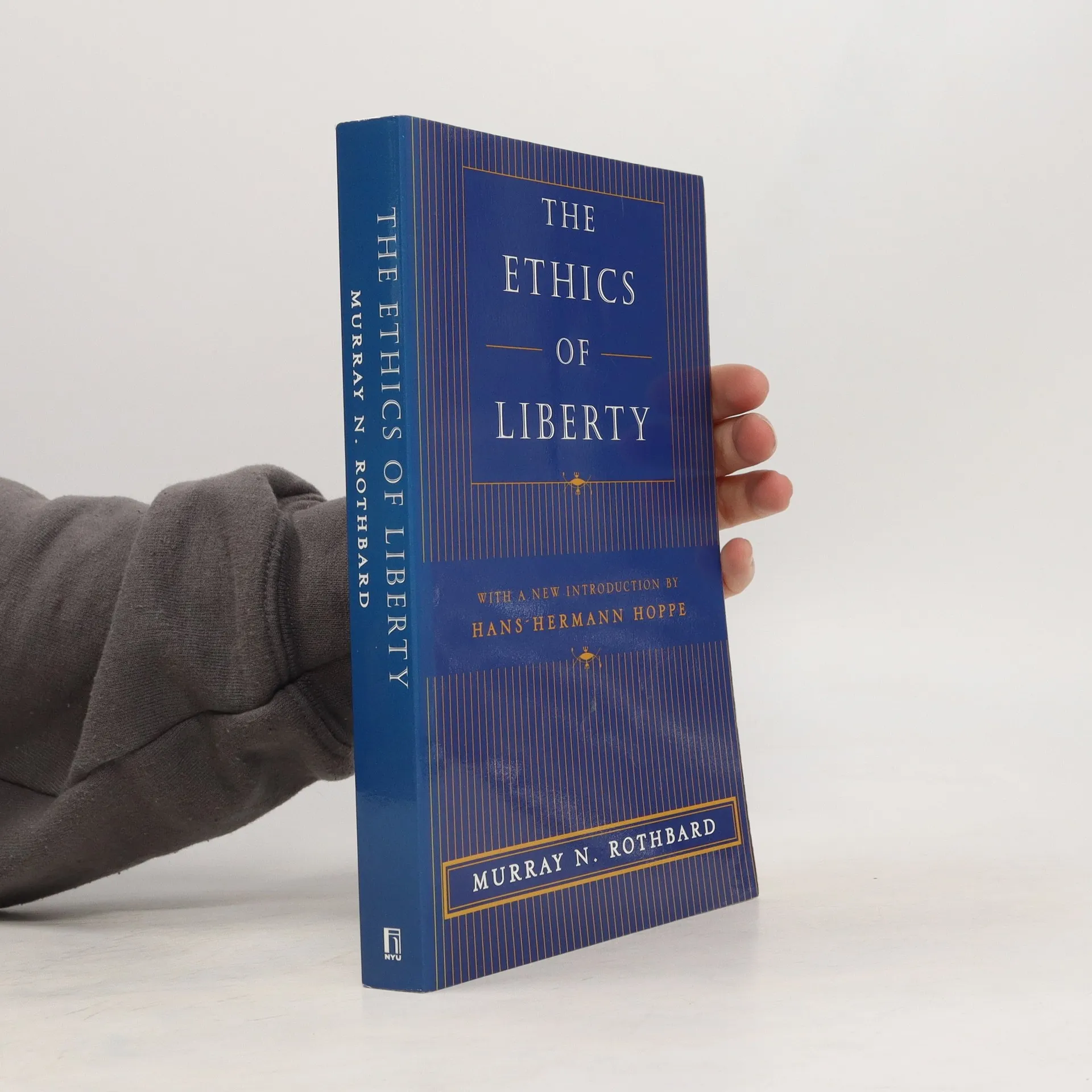
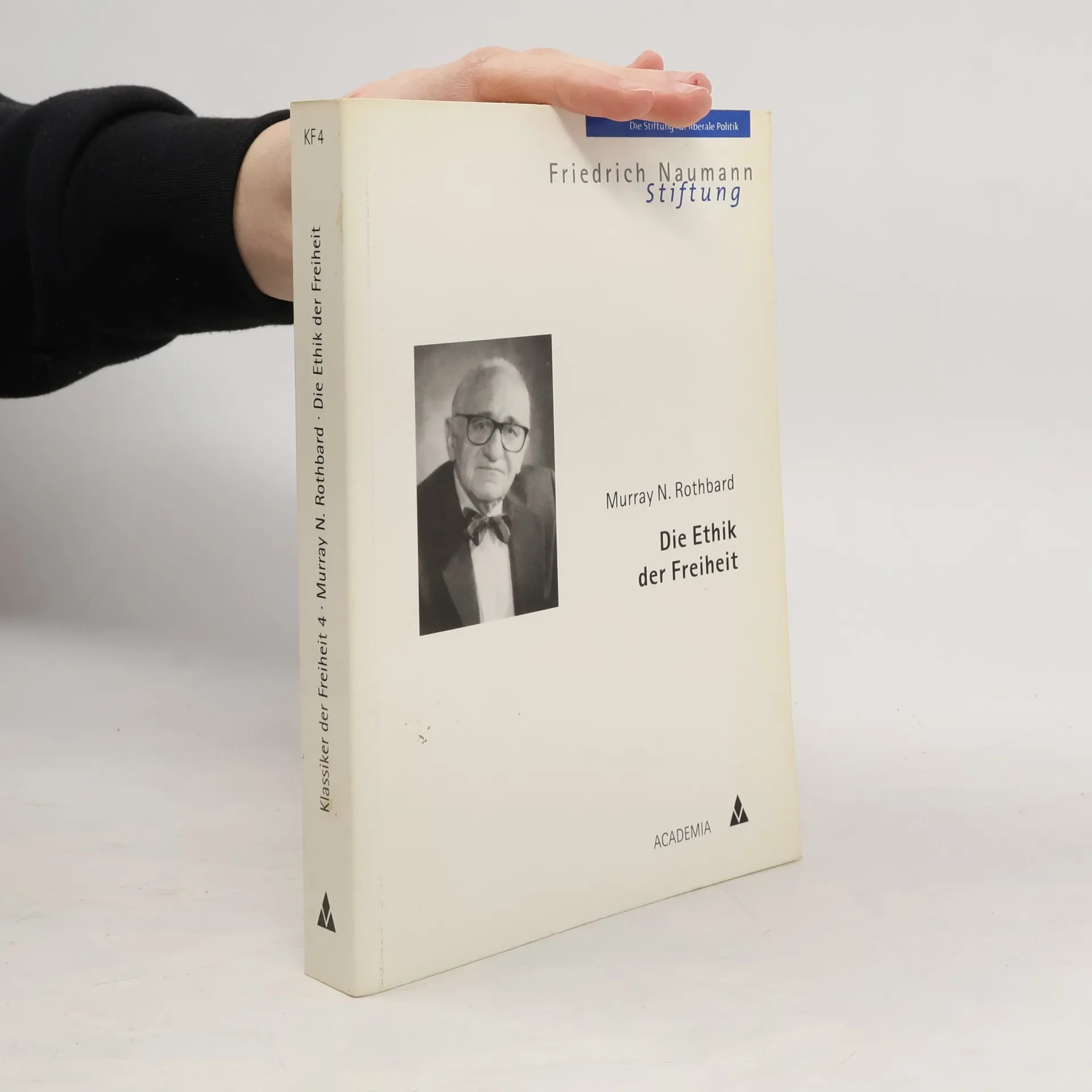
    Die Ethik der Freiheit
    Das Schein-Geld-System
    • Das Schein-Geld-System

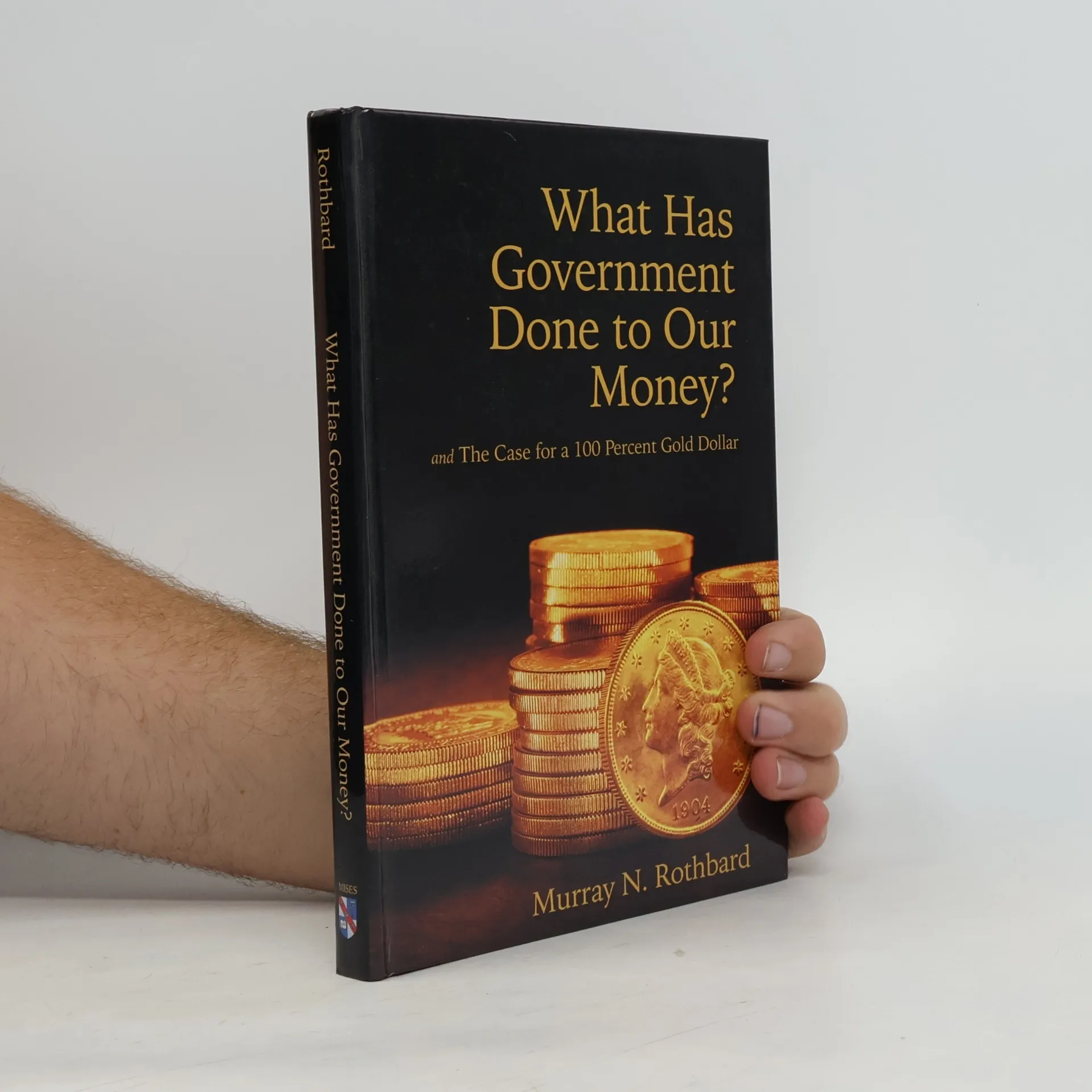
      Wie der Staat unser Geld zerstört

      4,8(4)Abgeben

      Die Diskussion über die Europäische Währungsunion ist oft zu eng gefasst. Europas Bürger haben nicht nur die Wahl zwischen nationalem und europäischem Papiergeld, sondern auch zwischen staatlichem und marktorientiertem Geld. Diese zentrale Aussage wird von Murray Rothbard in einem neu veröffentlichten Werk verdeutlicht. Rothbards Analyse der Rolle des Staates im Geldwesen ist sowohl überzeugend als auch ernüchternd. Nach der Lektüre wird niemand mehr so staatsorientiert über Geld denken wie zuvor. Die entscheidende Frage für Rothbard ist nicht, ob die staatliche Geldpolitik das Preisniveau oder die Geldmenge stabilisieren sollte, sondern ob der Staat überhaupt eine Rolle im Geldwesen spielen sollte. Wer dem Staat Geld anvertraut, öffnet der totalitären Kontrolle durch Interessengruppen Tür und Tor, was zu Wirtschafts- und Währungskrisen sowie dramatischen Preisverfällen führt. Rothbards klare Gedankenführung und umfassende Kenntnis der Literatur machen sein Werk sowohl für Wirtschaftswissenschaftler als auch für interessierte Laien zugänglich. Ein Nachwort von Dr. Jörg Guido Hülsmann ergänzt die Analyse und beleuchtet die jüngere Währungsgeschichte aus der Perspektive der „österreichischen Schule“. Es zeigt die Relevanz von Rothbards Ideen und thematisiert die Gefahren öffentlicher Schulden und staatlichen Zwangsgeldes.
      Das Schein-Geld-System
    • Mensch, Wirtschaft und Staat II

      • 470 Seiten
      • 17 Lesestunden

      Das Buch thematisiert das Konzept der Intervention als aggressives Eingreifen in die Gesellschaft, bei dem freiwillige Handlungen durch Zwang ersetzt werden. Es untersucht die Auswirkungen und Implikationen solcher Eingriffe auf das soziale Gefüge und die individuellen Freiheiten. Der Autor beleuchtet die moralischen und ethischen Fragestellungen, die sich aus der Anwendung von physischer Gewalt zur Durchsetzung von Veränderungen ergeben.

      Mensch, Wirtschaft und Staat II
    • Mensch, Wirtschaft und Staat I

      • 462 Seiten
      • 17 Lesestunden

      Die Untersuchung fokussiert sich auf das grundlegende Axiom menschlichen Handelns, das besagt, dass Menschen stets zielgerichtet agieren und Bestrebungen verfolgen. Diese zentrale Wahrheit bildet die Basis für die Praxeologie und deren Teilgebiet, die Ökonomik. Durch die Analyse der logischen Implikationen dieses Konzepts wird ein tieferes Verständnis für menschliches Verhalten und wirtschaftliche Zusammenhänge angestrebt.

      Mensch, Wirtschaft und Staat I
    • Der Text thematisiert die Idee, dass Sicherheitsdienstleistungen auf dem freien Markt das Prinzip der Gewaltlosigkeit in einer freien Gesellschaft fördern könnten. Es wird argumentiert, dass die Anwendung physischer Gewalt ausschließlich der Verteidigung dienen sollte, um das Leben und Eigentum der Menschen zu schützen. Dies führt zu der Vorstellung eines Systems ohne staatliche Kontrolle oder Regierung, was eine radikale Abkehr von traditionellen gesellschaftlichen Strukturen darstellt.

      Macht und Markt: Mensch, Wirtschaft und Staat III
    • Voluntarismus

      Aufsätze, Texte und Zitate über die Freiheit

      Voluntarismus
    • The ethics of liberty

      • 308 Seiten
      • 11 Lesestunden
      4,5(18)Abgeben

      In recent years, libertarian impulses have increasingly influenced national and economic debates, from welfare reform to efforts to curtail affirmative action. Murray N. Rothbard's classicThe Ethics of Libertystands as one of the most rigorous and philosophically sophisticated expositions of the libertarian political position.What distinguishes Rothbard's book is the manner in which it roots the case for freedom in the concept of natural rights and applies it to a host of practical problems. An economist by profession, Rothbard here proves himself equally at home with philosophy. And while his conclusions are radical--that a social order that strictly adheres to the rights of private property must exclude the institutionalized violence inherent in the state--his applications of libertarian principles prove surprisingly practical for a host of social dilemmas, solutions to which have eluded alternative traditions.The Ethics of Libertyauthoritatively established the anarcho-capitalist economic system as the most viable and the only principled option for a social order based on freedom. This edition is newly indexed and includes a new introduction that takes special note of the Robert Nozick-Rothbard controversies.

      The ethics of liberty
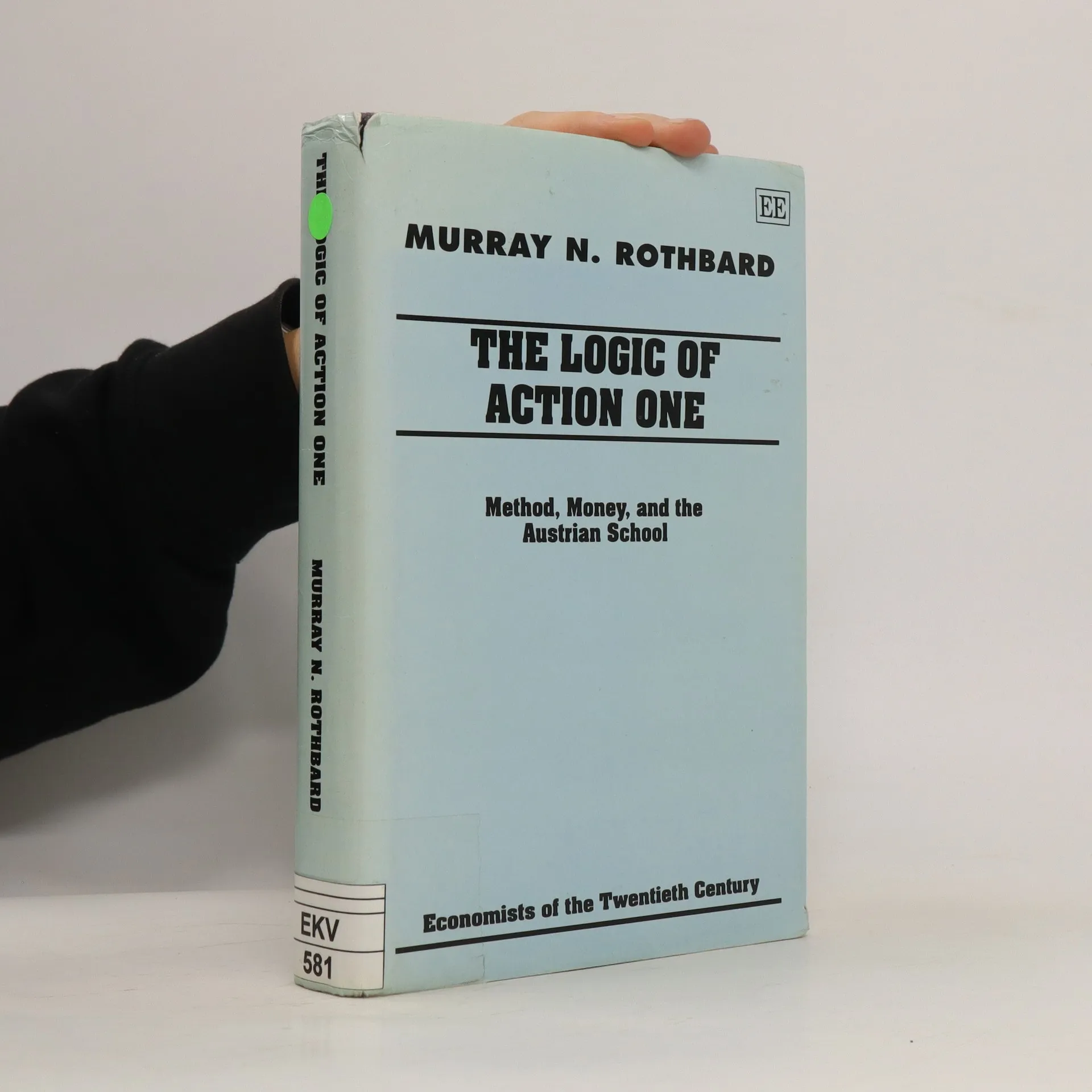
    • In this, the first of two volumes, Murray Rothbard - one of the major figures in twentieth-century Austrian economics - argues with clarity and force that economics is a deductive science based on the fundamental realities of action, scarcity and the passage of time. Such conviction is demonstrated in the first part of this book, where Professor Rothbard analyses method. The second part focuses on some of the theoretical debates within the Austrian school, including property and justice rights, welfare economics, value and efficiency. In the third section Rothbard considers the Austrian approach to money and calculation, including discussion of the definition of the supply of money, freely floating exchange rates and calculation and its role under socialism. This latest volume of Murray Rothbard's work goes some way to represent the important contributions he made to the field. The second volume of Murray Rothbard's essays on Austrian economics is also available.

      The Logic of Action one
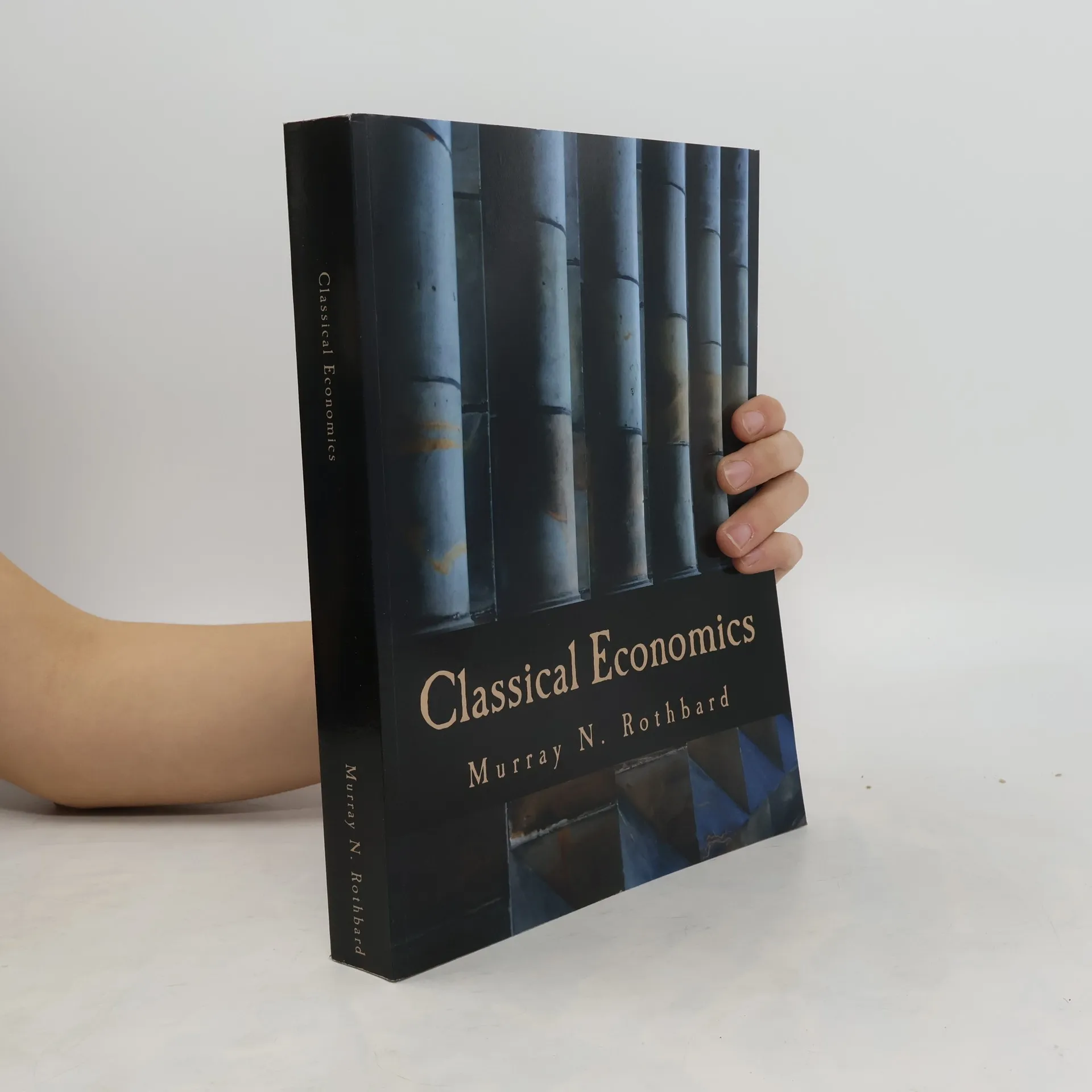
    • Classical Economics

      • 544 Seiten
      • 20 Lesestunden
      4,5(2)Abgeben

      LARGE PRINT EDITION! More at LargePrintLiberty.com Here is the last masterpiece by Murray N. Rothbard (1926-1995), the result of a lifetime of research and his crowning achievement.This volume is the first comprehensive treatment of classical economics from a modern Austrian perspective, an important history of nineteenth-century economic thought that discusses the key members of each school and reassesses their work.Professor Rothbard's approach offers new perspectives on both Ricardo and Say and their followers. He suggests that Ricardianism declined after 1820 and was only revived with the work of John Stuart Mill. The book also resurrects the important Anglo-Irish school of thought at Trinity College, Dublin under Archbishop Richard Whatley. Later chapters focus on the roots of Karl Marx and the nature of his doctrines, and laissez-faire thought in France including the work of Frederic Bastiat.Also included is a comprehensive treatment of the bullionist versus the anti-bullionist and the currency versus banking school controversies in the first half of the nineteenth century, and their influence outside Great Britain.

      Classical Economics