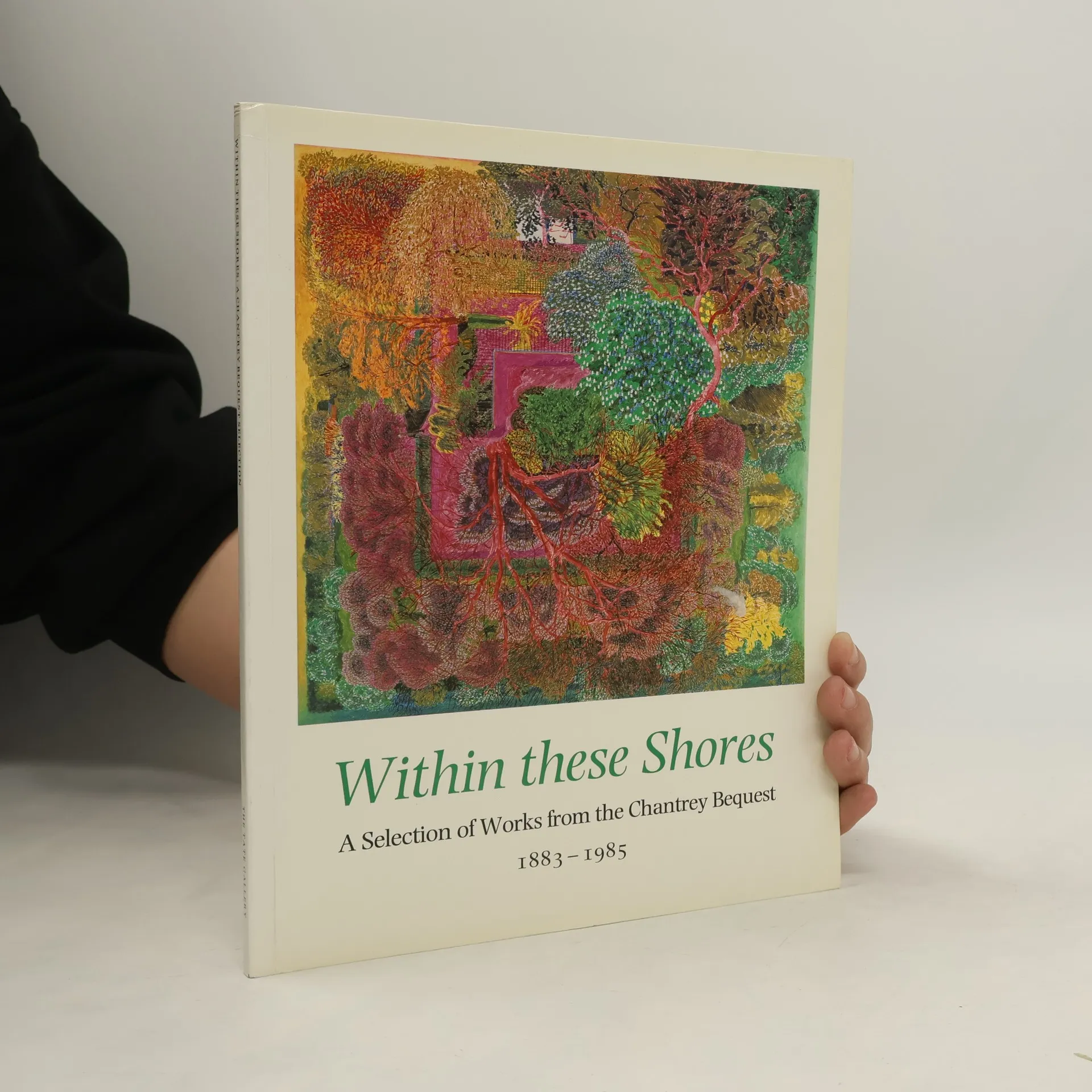
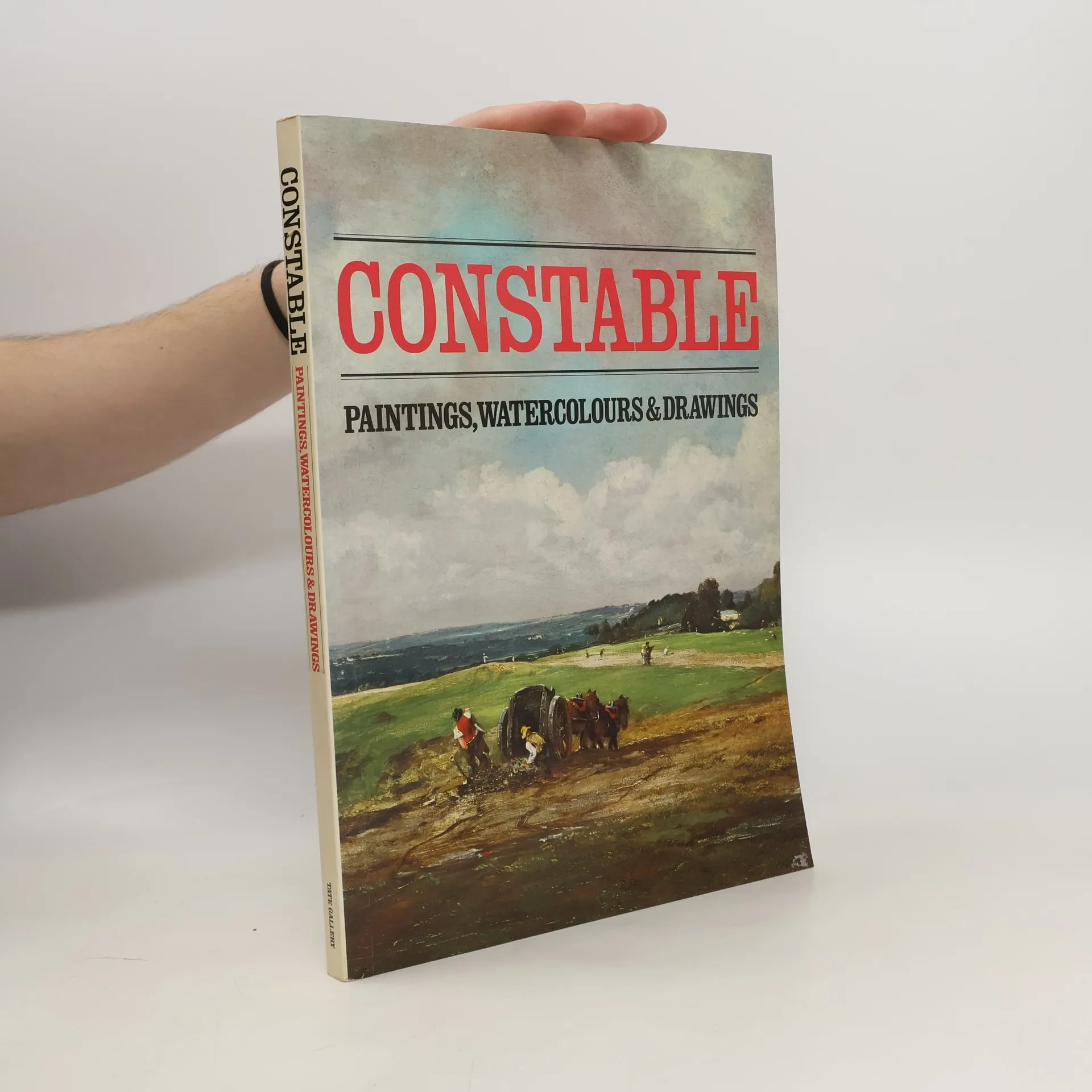
Constable: Paintings, Watercolours & Drawings
- 200 Seiten
- 7 Lesestunden
204p large format paperback, frontispiece, notes, catalogue with text, colour plates, very good, this copy published in the year 1976


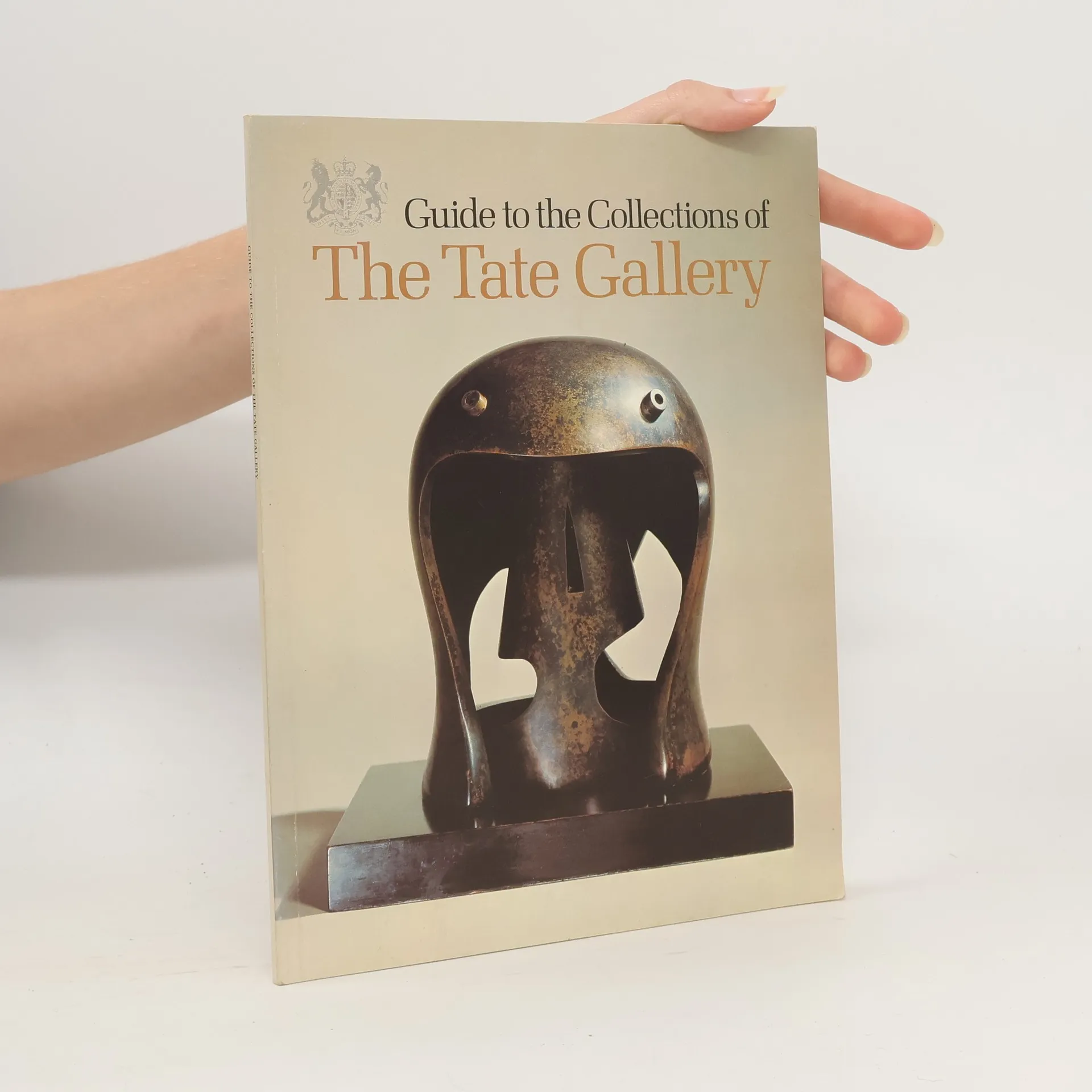
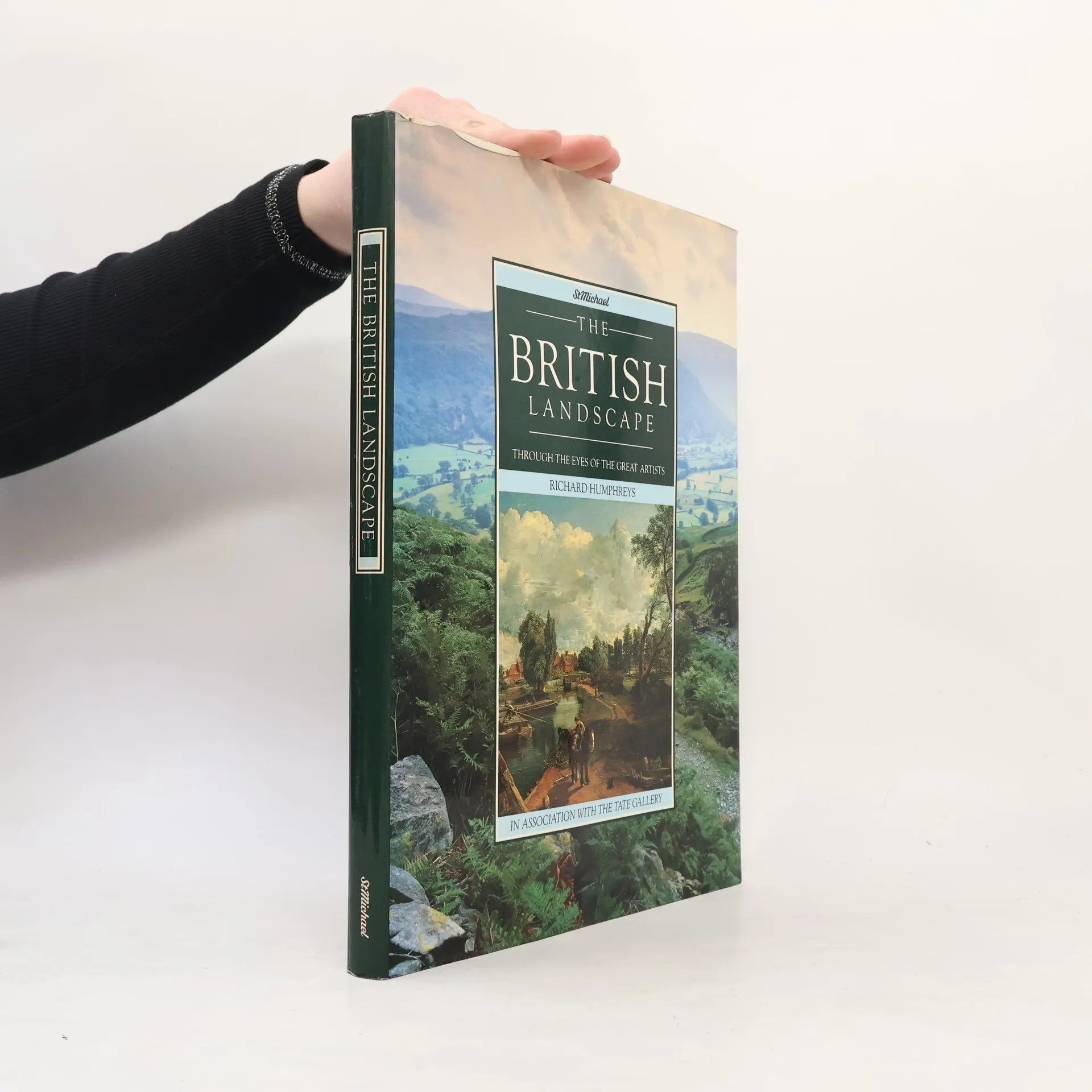
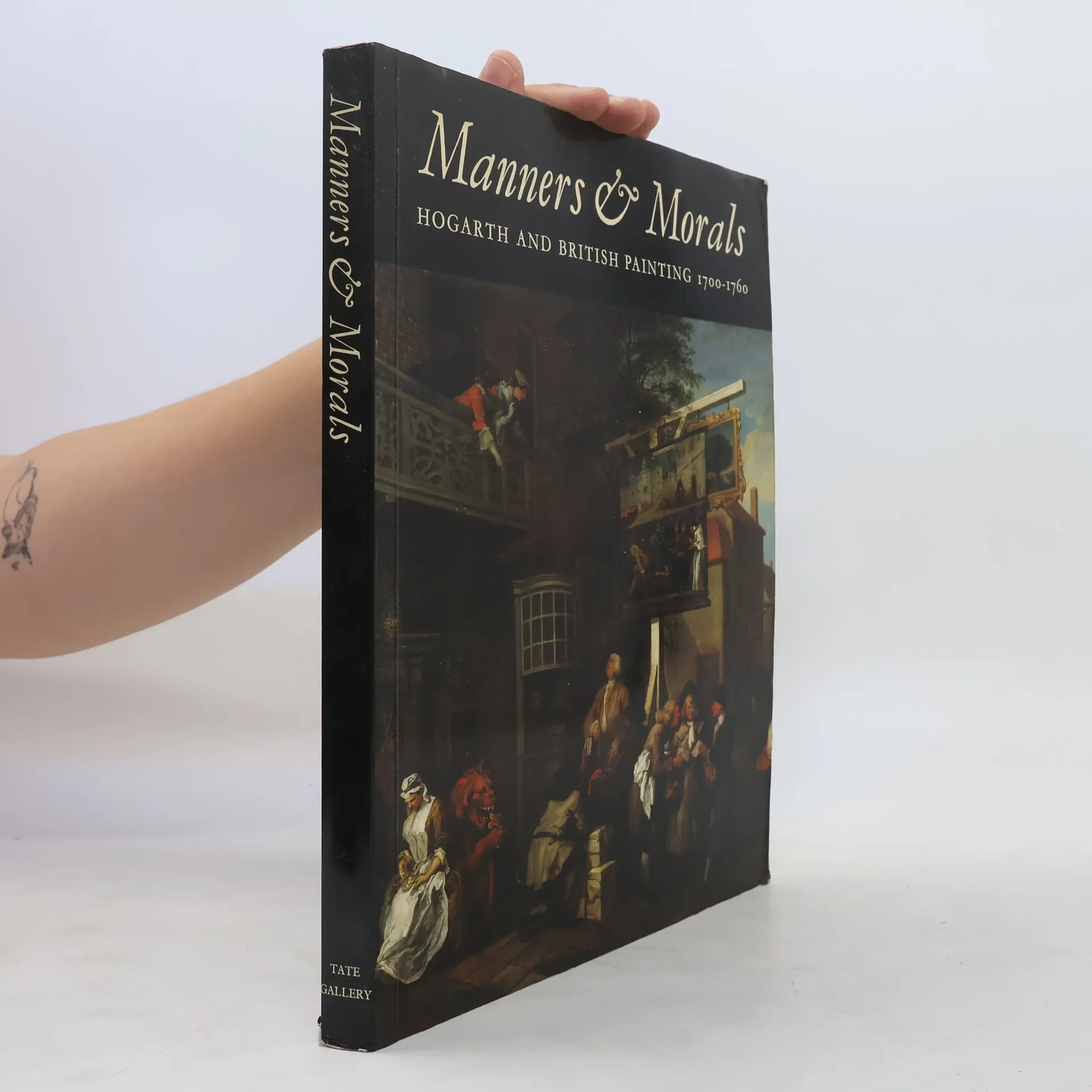
204p large format paperback, frontispiece, notes, catalogue with text, colour plates, very good, this copy published in the year 1976
This record of the collections of one of the world's great art museums has more than 300 colour reproductions, accompanied by a detailed commentary. Each of the 37 sections is introduced by a brief illustrated essay, followed by individual discussion of up to five major works.
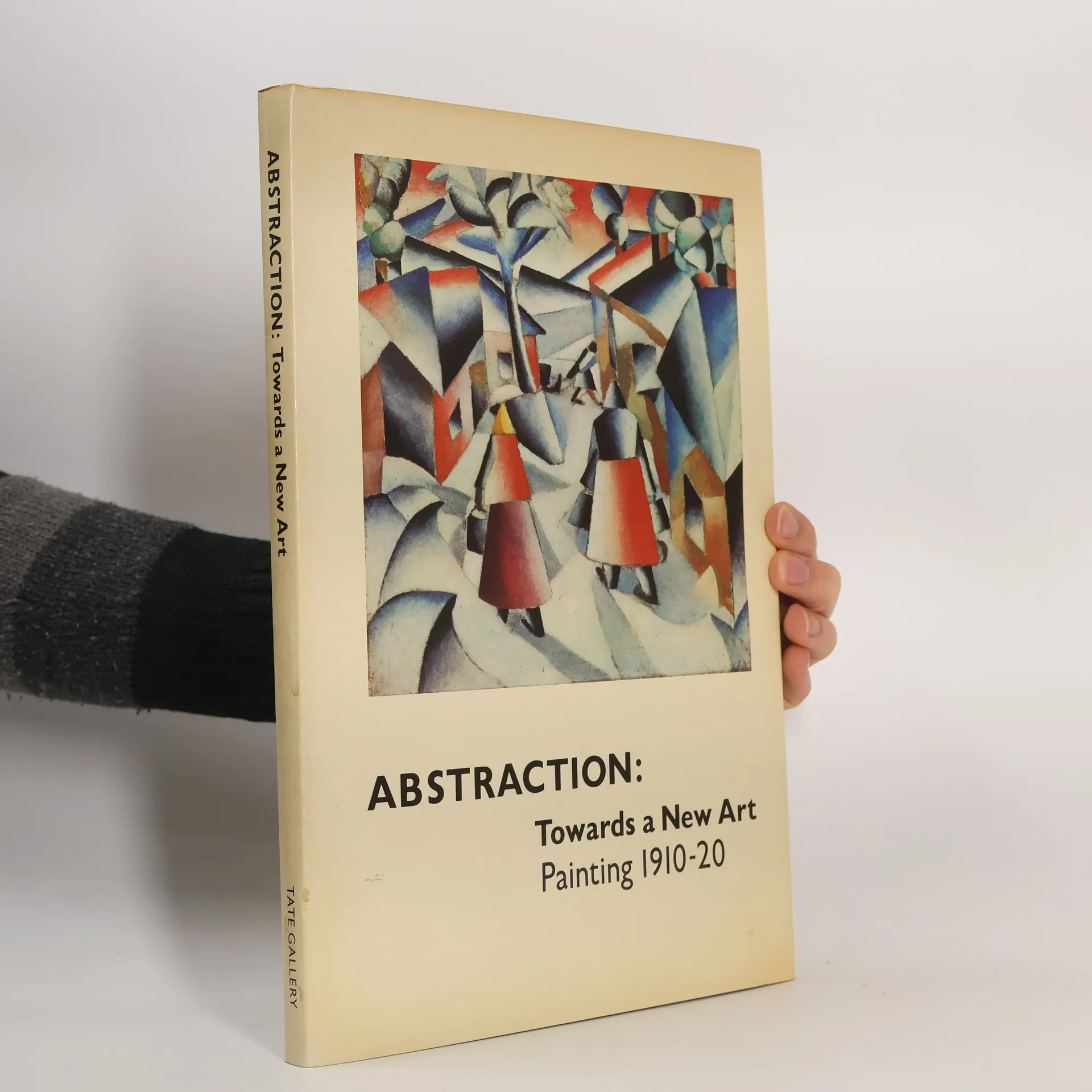
Abstract art, which emerged around seventy years ago, is a hallmark of the twentieth century. Historical accounts of the movement often focus on 'influence' and 'style,' but it's crucial to recognize that abstraction represents a 'change of understanding,' as noted by Delaunay. No broad stylistic definition can capture the diversity of artists like Kandinsky, Malevich, Mondrian, and others. This book explores the development of abstract art during its formative years, approximately 1910-1920, and the accompanying exhibition. It emphasizes the need for a fresh perspective on how artists created a vocabulary of abstract forms, influenced by their working methods, circumstances, and theoretical concerns. The text examines contributions from various countries that produced significant abstract painters, including the Netherlands, Germany, Central Europe, Italy, England, and the United States, with a focus on the pivotal activities in France. Key movements such as the Cubism of Picasso, Braque, and Gris, along with the 'pure' painters like Delaunay, Léger, and Kupka, are highlighted. The book features over 300 monochrome illustrations and 18 in color, providing a comprehensive visual context for the evolution of abstract art.
Published to accompany the exhibition held at the Tate Gallery, London, 15 October 1987 - 3 January 1988.
Book by Collins, Judith, Hamlyn, Robin