Nicht erst seit dem Getreideabkommen mit der Ukraine weiß man, was es bedeutet, wenn Russland der Welt mit Hunger droht. Schon immer wurde dort mit Essen Politik gemacht! Witold Szabłowski zeigt in dieser einzigartigen Mischung aus Reportage und Kochbuch, wie – quer durch die Geschichte – Russland Essen immer wieder instrumentalisierte und Hunger zur Waffe machte. Was schlemmten die Funktionäre, während die Genossen hungerten? Was hat Juri Gagarin im Weltraum gegessen? Wovon ernährte sich die Ukraine während der von Stalin verursachten großen Hungersnot? Ein ungewöhnlicher Blick auf Ereignisse, die die Welt bewegt haben – durch die Küchentür.
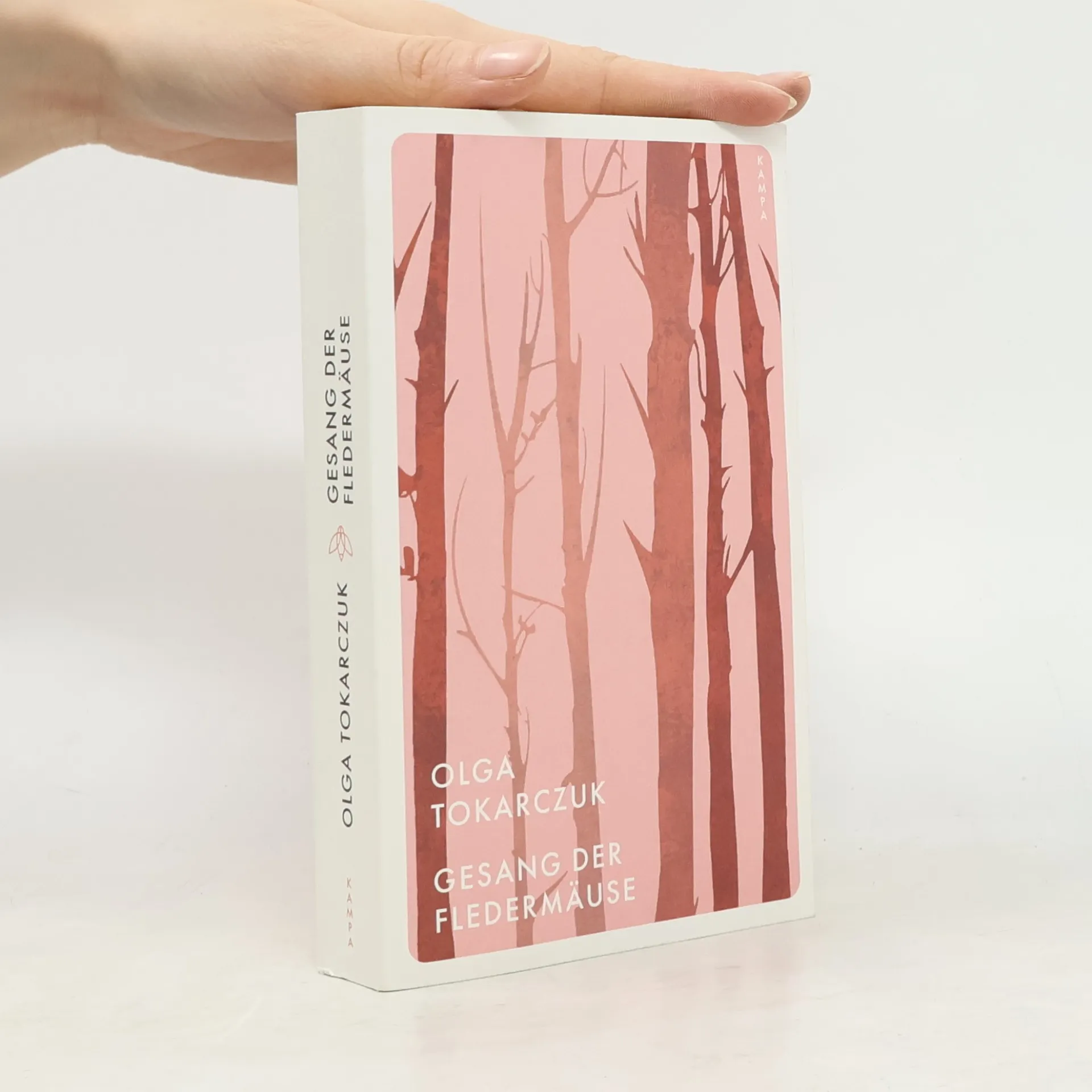
Im Sommer tummeln sich wohlhabende Städter auf dem Hochplateau an der polnisch-tschechischen Grenze. Im Winter fliehen die allermeisten Einwohner den windumtosten Ort. An den langen dunklen Tagen widmet sich Janina Duszejko der Astrologie und der Lyrik des von ihr verehrten William Blake. Man hält die ältere Dame für verschroben, wenn nicht gar für ver- rückt, auch weil sie die Gesellschaft von Tieren der von Menschen vorzieht. Dann gibt es einen Toten. Janinas Nachbar Bigfoot ist grausam erstickt: In seiner Kehle steckt der Knochen eines Rehs. Und es bleibt nicht bei einer Leiche. Janina ermittelt auf eigene Faust. Kriminalfall, philosophischer Essay, Fabel, literarisches Spiel – auf ebenso komische wie ergreifende Weise zei- gen Olga Tokarczuk und ihre hinreißende Heldin, wie sehr es unserer Gesellschaft an Respekt mangelt, ob der Natur und den Tieren gegenüber oder jenen Menschen, die am Rande stehen.
Weil einem Mann ein Bratspieß durchs Auge ins Hirn getrieben wurde, muss Staatsanwalt Szacki – groß, schlank, eisgraue Haare, nicht uneitel – den heiligen Sonntag opfern und die Ermittlungen aufnehmen. Der Tote war Teil einer Therapiegruppe, und, da sind sich alle einig, der unglücklichste Mensch auf dieser an Unglücklichen nicht armen Welt. Der Mörder wird wohl trotzdem nicht gerade ein Wohltäter sein. Zur Lösung des Falls muss sich Szacki durch ein Dickicht aus Korruption und politischen Verstrickungen kämpfen. Und sein Engagement stößt nicht gerade auf Gegenliebe…
This is a searing portrait of the human devastation wrought by the Bosnian wars, and their aftermath - told through the stories of those who are left alive and looking for their families and their remains - by a young writer who has all the makings of a Kapuscinski or a Gourevitch.This book is suitable for readers of Philip Gourevitch, Janine Di Giovanni, Timothy Garton Ash, Slavenka Drakulic, Fergal Keane, Michael Ignatieff, Anna Funder, Misha Glenny.During four years of war in Bosnia, over 100,000 people lost their lives. But it was months, even years, before the mass graves started to yield up their dead and the process of identification, burial and mourning could begin. For many, the waiting, the searching and the suspended grieving still continues.Here we travel through the ravaged post-war landscape in the company of a few of those who survived, as they visit the scenes of their a hall where the clothing of victims is displayed; an underground cave with its pale jumble of bones; a camp for homeless refugees; a city now abandoned to the ghosts of painful memories; and a funeral service where a family finally says goodbye. These encounters are snapshots and memorials, capturing a jagged moment in a community's history as it is still flinching from its raw and recent past, not quite yet able to believe in a possibility of a peaceful future.
The ancient Greeks referred to catharsis as the cleansing of both body and soul. In this inspiring work, renowned cardiologist Andrzej Szczeklik delves into the artistry and mystery of being a doctor, drawing on our humanistic heritage. He navigates between ancient and contemporary examples, illustrating how medicine and art share common roots and challenges. The process of diagnosis is likened to a poem or painting, requiring the physician to engage with it through alertness and receptivity. Speculation on slowing aging through genetics connects to the timeless dream of immortality cherished by artists and poets. The concept of catharsis has evolved from Aristotle's writings to modern interests in music's health benefits, particularly for newborns. Szczeklik examines the mysteries of heart rhythms, the history of pain relief, the logic of epidemics, and near-death experiences, weaving together classical literature, medical history, and poignant clinical anecdotes. The result is a life-affirming exploration that enriches the healing work of both patients and doctors, contributing significantly to our evolving understanding of the art of medicine.