

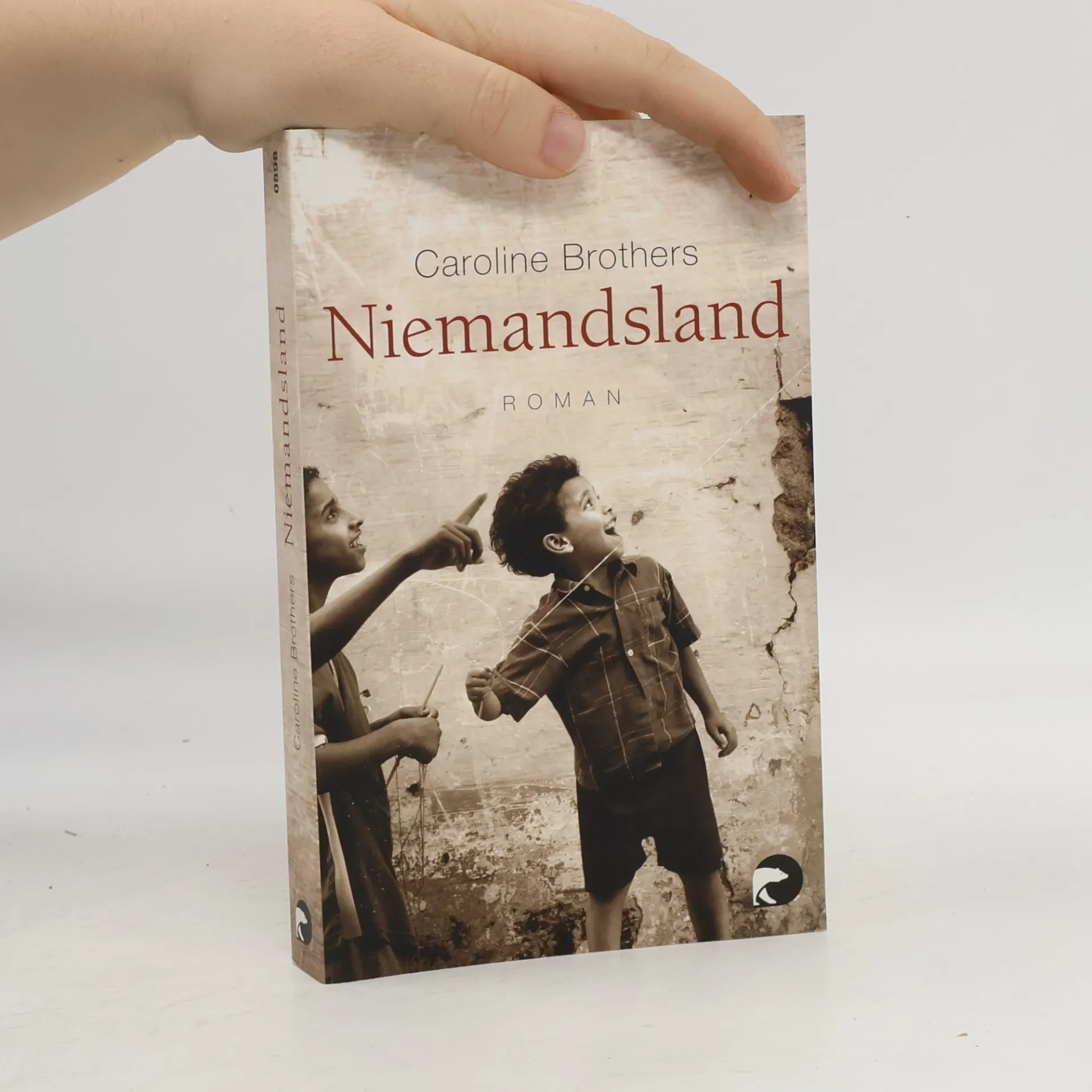
Sie sind auf der Flucht: Ihr Ziel ist London. In Lieferwagen und Güterzügen versteckt oder zu Fuß durchqueren die Brüder Aryan und Kabir ganz Europa. Sie geraten in die Hände von skrupellosen Schleppern und müssen für Bauern Zwangsarbeiten verrichten. Sie stehlen, um zu überleben. Jeden einzelnen Tag kämpfen sie, um ihrem Ziel ein kleines Stückchen näher zu kommen. Und immer halten sie zusammen. Ein bewegender Roman, der den Leser das Schicksal von Flüchtlingskindern hautnah miterleben lässt. »Eine Geschichte, die unter die Haut geht und zum Denken anregt.« Buchjournal
Caroline Brothers Bücher
Caroline Brothers wurde in Australien geboren und promovierte in Geschichte. Nach ihrer Tätigkeit als Auslandskorrespondentin in Europa und Lateinamerika lebt sie nun in Paris. Ihre Schriften tauchen tief in die menschliche Erfahrung und historische Ereignisse ein. Brothers' Prosa zeichnet sich durch ihren scharfen und sensiblen Ton aus, der die Komplexität von Beziehungen und den anhaltenden Einfluss der Geschichte auf den Einzelnen erforscht.


The Memory Stones
- 480 Seiten
- 17 Lesestunden
Buenos Aires, 1976. Osvaldo Ferrero, a distinguished doctor, and his wife Yolanda escape the city with their daughters, sensible Julieta and wilful Graciela, who is nineteen and madly in love. On their return, the Argentine military stages a coup. Friends disappear overnight, and Osvaldo is forced to flee to Europe. When her fiancé is abducted, Graciela goes into hiding, then she vanishes in turn. As Yolanda fights on the ground for some trace of their beloved daughter, she soon realises she may be fighting for an unknown grandchild as well...
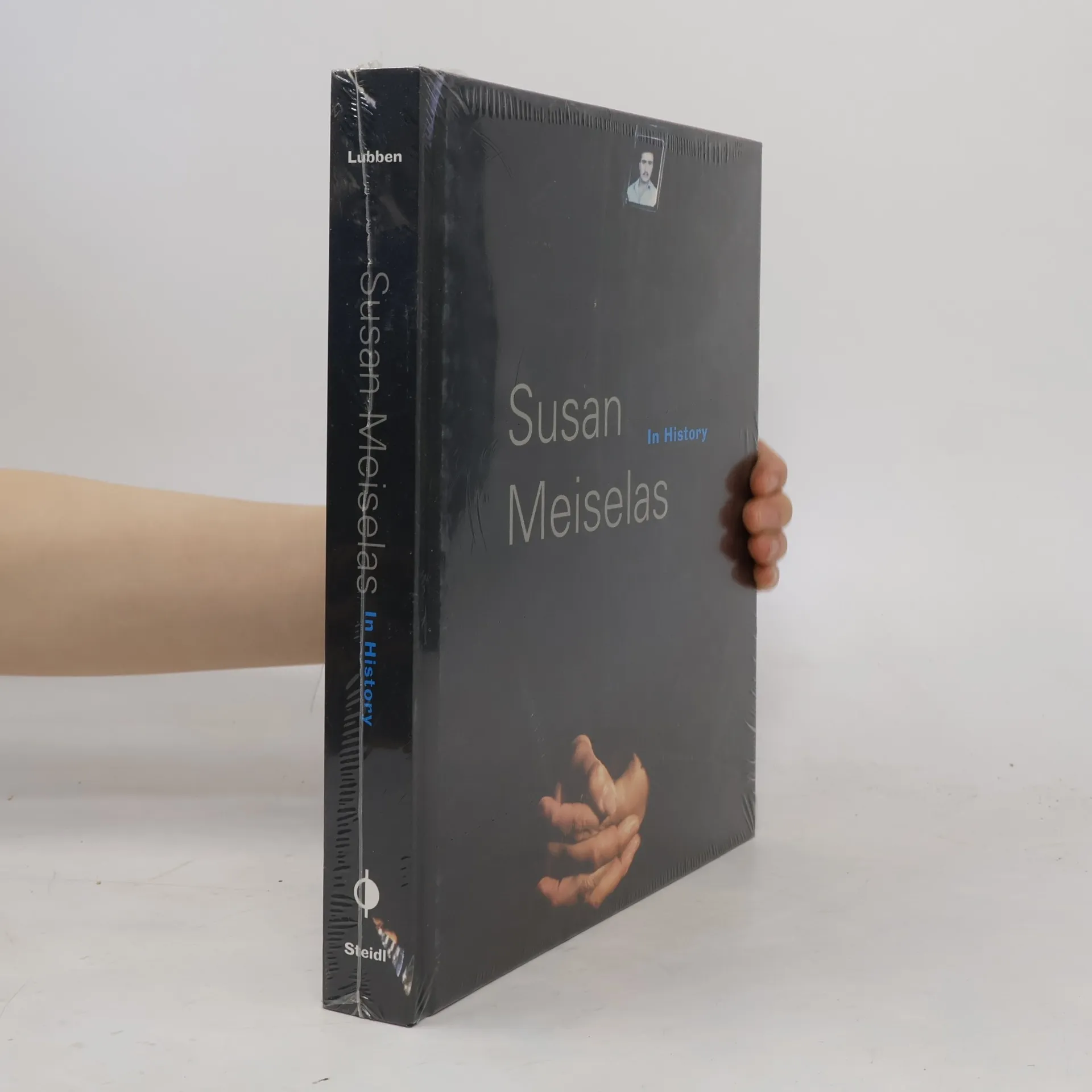
Susan Meiselas, In History
- 355 Seiten
- 13 Lesestunden
Since the 1970s, questions of ethics raised by documentary practice have been central to debates in photography. Perhaps no other photographer has so closely and consistently represented and participated in these debates than Susan Meiselas. An American photographer best known for her work covering the political upheavals in Central America in the 1970s and 80s--including the El Mozote massacre in El Salvador--Meiselas' process has evolved in radical and challenging ways as she has grappled with essential questions about her relationship to her subjects, the use and circulation of her images in the media and the relationship of images to history and memory. Meiselas is under no illusions about the dual nature of the photographer's role as "The camera is an excuse to be someplace you otherwise don't belong. It gives me both a point of connection and a point of separation." Her tenacious engagement with these matters has made her a leading commentator in the debate on contemporary photojournalism. With 200 plates and contributions from some of photography's finest theorists--among them David Levi Strauss, Lucy Lippard, Kristen Lubben, Jan-Erik Lundstrom and Allan Sekula--this volume gives an overview of Meiselas' enormously varied and courageous work to date.