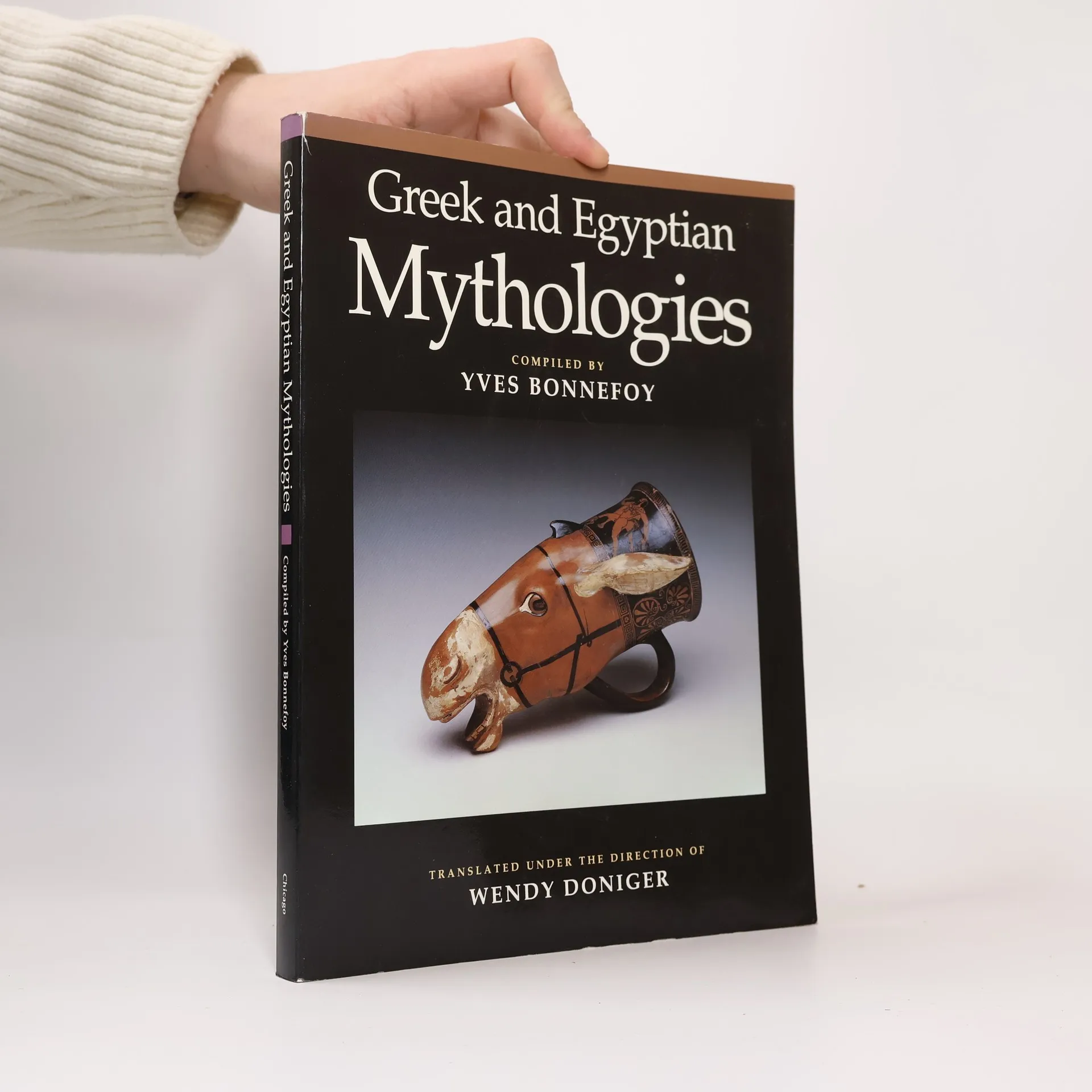

Exploring the creation of enchanting women by Brahma, this book delves into the deeper motivations behind their existence in mythology. It examines themes of beauty, desire, and the interplay between divine intention and human experience. Through captivating narratives, it reveals the significance of these figures in cultural and spiritual contexts, posing thought-provoking questions about femininity and the divine in ancient lore. The story intertwines mythological elements with philosophical inquiries, inviting readers to reflect on the nature of attraction and creation.
The final years of the Mahabharata's surviving heroes are explored through debates on the justice of war and the meaning of life, culminating in their deaths and experiences in heaven and hell. This new translation by a distinguished Sanskrit scholar offers clear, contemporary prose, making the text accessible while providing a thoughtful critical apparatus. It promises to engage general readers and deepen the understanding of students interested in Indian civilization and world literature.
Twenty-two-year-old Wendy Doniger arrived in Calcutta in August 1963, on a scholarship to study Sanskrit and Bengali. It was her first visit to the country. Over the coming year--a lot of it spent in Tagore's Shantiniketan--she would fall completely in love with the place she had till then known only through books.The India she describes in her letters back home to her parents is young, like her, still finding its feet, and learning to come to terms with the violence of Partition. But it is also a mature civilization which allows Vishnu to be depicted on the walls in a temple to Shiva; a culture of contradictions where extreme eroticism is tied to extreme chastity; and a land of the absurd where sociable station masters don't let train schedules come in the way of hospitality. The country comes alive though her vivid prose, introspective and yet playful, and her excitement is on full display whether she is telling of the paradoxes of Indian life.

Examines the horse's significance throughout Indian history from the arrival
of the Indo-Europeans, followed by the people who became the Mughals (who
imported Arabian horses) and the British (who imported thoroughbreds and
Walers).
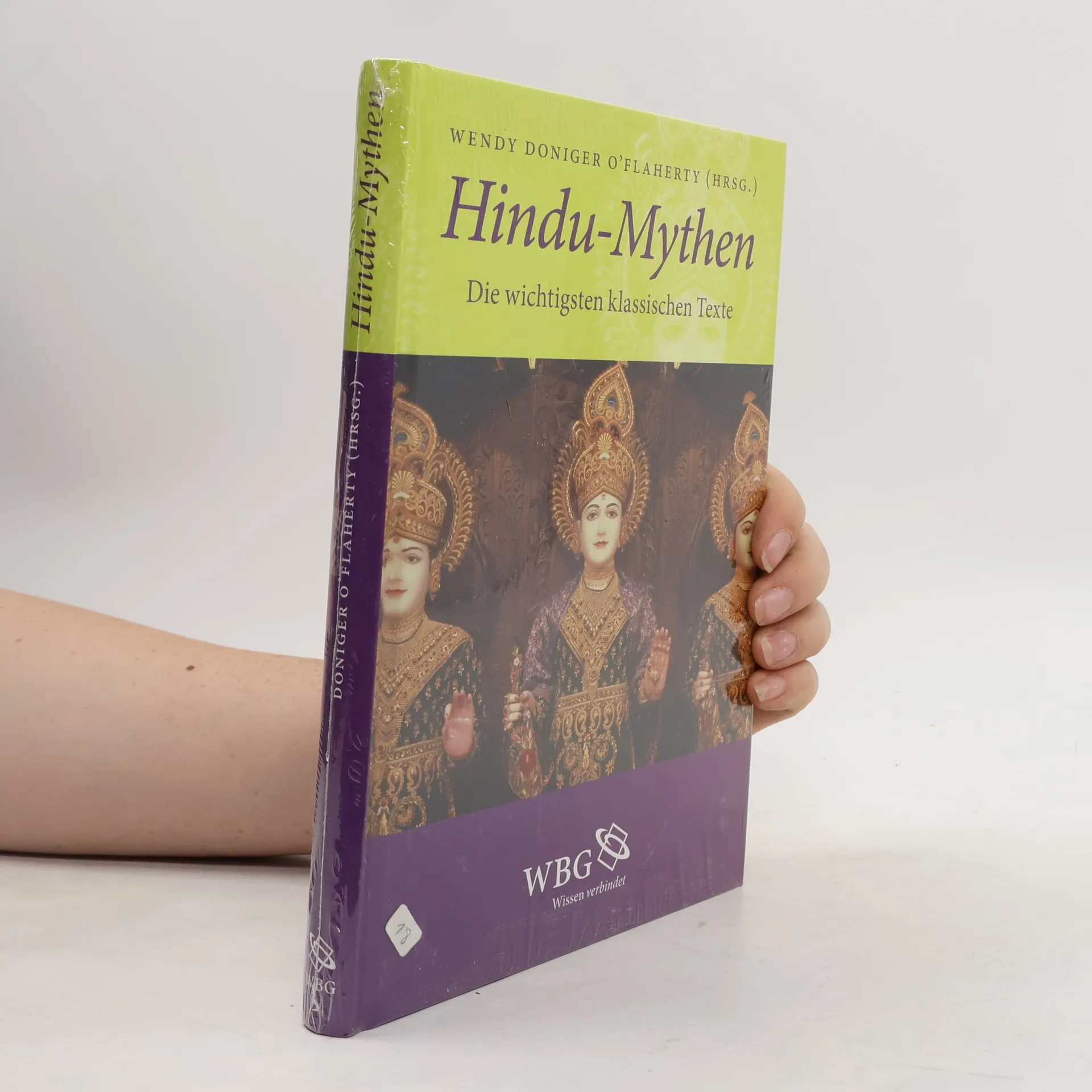
Erstmals wird hier eine kommentierte Zusammenstellung klassischer Texte des Hinduismus aus vielen Jahrhunderten in deutscher Übersetzung präsentiert. Die Übersetzung eines bekannten Klassikers des englischsprachigen Raums gibt dem Leser einen guten Überblick über das hinduistische Denken und seine Mythen. Die fachkundige Kommentierung und historische Einordnung erleichtern das Verständnis.
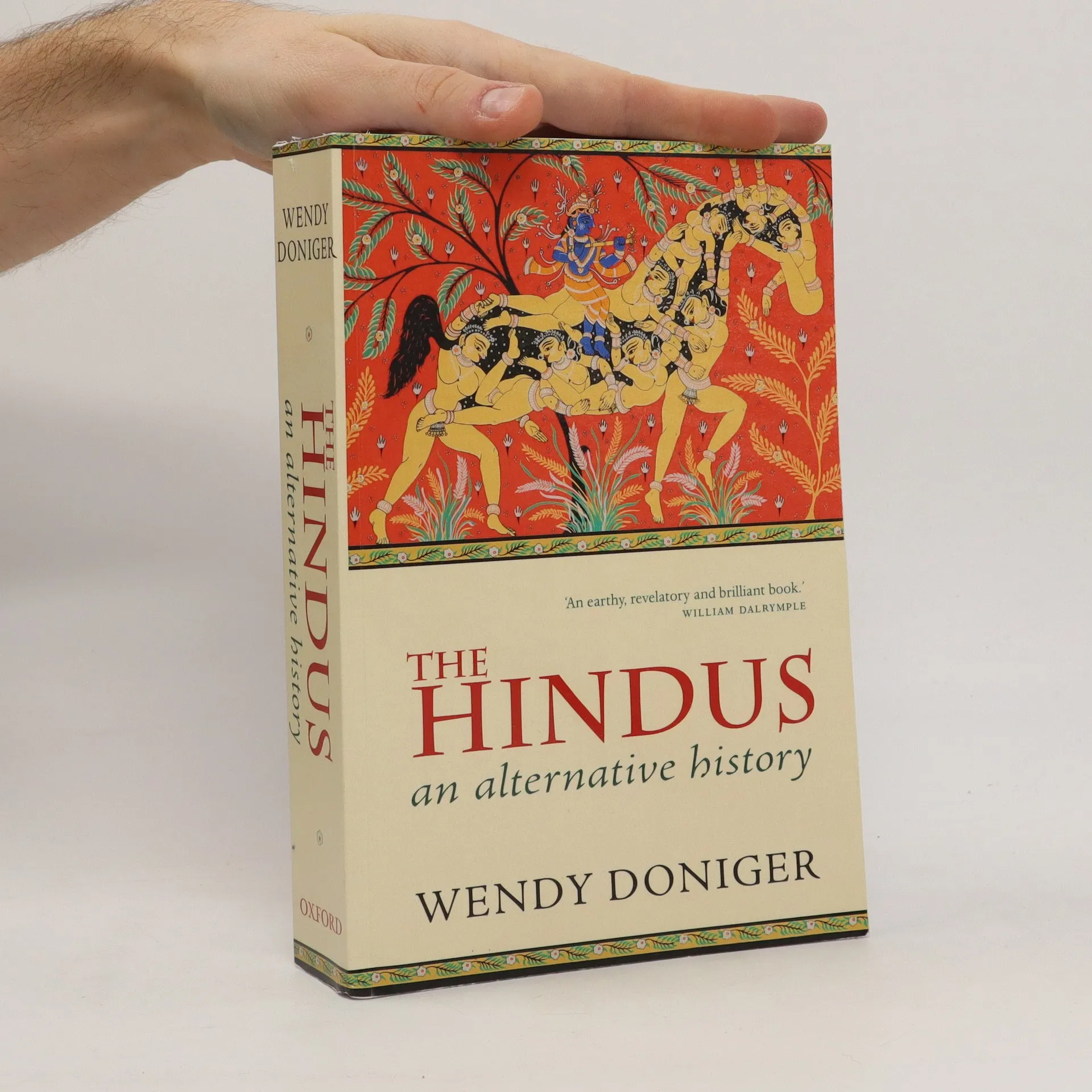
An engrossing and definitive narrative account of history and myth that offers a new way of understanding one of the world's oldest major religions from one of the world's foremost scholars on Hinduism.
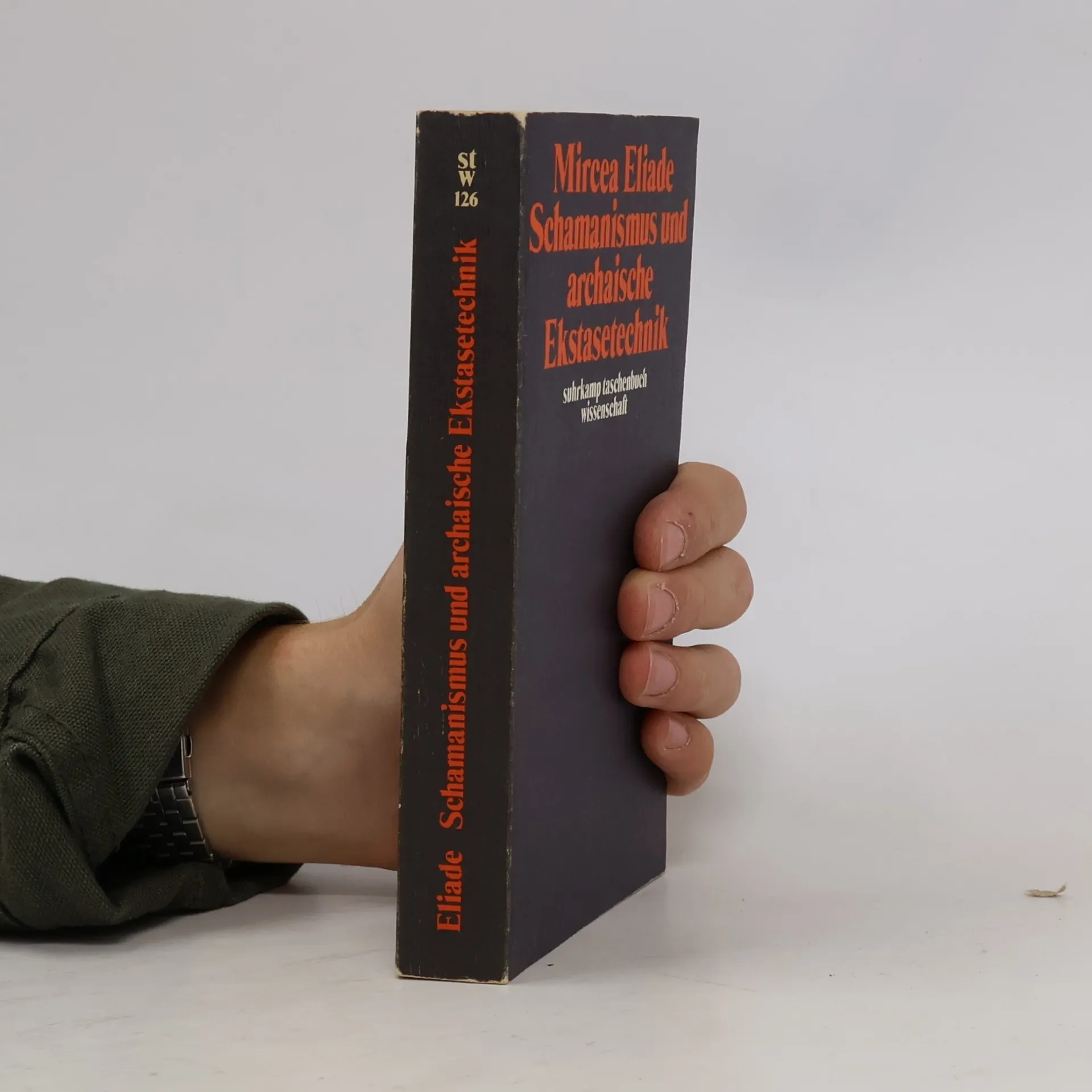
Das religiöse Phänomen des Schamanismus hat seine deutliche Ausprägung bei den Völkern Zentralasiens und Sibiriens gefunden, doch auch in Afrika und Australien, in Nord- und Südamerika ebenso wie bei den Griechen und den Germanen hat man ähnliche Erscheinungen verzeichnet. Eliades Darstellung des Schamanismus war bei ihrem Erscheinen der erste Versuch, dieses Phänomen umfassend darzustellen.
The idea of human cruelty to animals so consumes novelist Elizabeth Costello in her later years that she can no longer look another person in the eye: humans, especially meat-eating ones, seem to her to be conspirators in a crime of stupefying magnitude taking place on farms and in slaughterhouses, factories, and laboratories across the world.Costello's son, a physics professor, admires her literary achievements, but dreads his mother's lecturing on animal rights at the college where he teaches. His colleagues resist her argument that human reason is overrated and that the inability to reason does not diminish the value of life; his wife denounces his mother's vegetarianism as a form of moral superiority.At the dinner that follows her first lecture, the guests confront Costello with a range of sympathetic and skeptical reactions to issues of animal rights, touching on broad philosophical, anthropological, and religious perspectives. Painfully for her son, Elizabeth Costello seems offensive and flaky, but—dare he admit it?—strangely on target.Here the internationally renowned writer J. M. Coetzee uses fiction to present a powerfully moving discussion of animal rights in all their complexity. He draws us into Elizabeth Costello's own sense of mortality, her compassion for animals, and her alienation from humans, even from her own family. In his fable, presented as a Tanner Lecture sponsored by the University Center for Human Values at Princeton University, Coetzee immerses us in a drama reflecting the real-life situation at hand: a writer delivering a lecture on an emotionally charged issue at a prestigious university. Literature, philosophy, performance, and deep human conviction—Coetzee brings all these elements into play.As in the story of Elizabeth Costello, the Tanner Lecture is followed by responses treating the reader to a variety of perspectives, delivered by leading thinkers in different fields. Coetzee's text is accompanied by an introduction by political philosopher Amy Gutmann and responsive essays by religion scholar Wendy Doniger, primatologist Barbara Smuts, literary theorist Marjorie Garber, and moral philosopher Peter Singer, author of Animal Liberation. Together the lecture-fable and the essays explore the palpable social consequences of uncompromising moral conflict and confrontation.