Mark Epstein formuliert eine Synthese von zwei großen theoretischen und praktischen Systemen zur 'Heilung der Seele'. Durch seine Analyse wird deutlich, wo beide Systeme einander berühren - wo sie zum Beispiel mit einer unterschiedlichen Terminologie von den gleichen innerpsychischen Vorgängen sprechen - wo sie voneinander abweichen und sich im bisherigen Diskurs weitgehend mißverstanden haben, wo das eine 'fortgeschrittener' ist als das andere, und wo sie voneinander lernen und einander ergänzen können. 'Der Buddhismus ist seiner Form nach Tiefenpsychologie. Mit Begriffen, auf die jeder Psychoanalytiker stolz sein könnte, vermag er, die ganze Palette der emotionalen Erfahrung des Menschen zu beschreiben. Man könnte sagen, daß Buddha der erste Psychoanalytiker gewesen ist oder zumindest der erste Mensch, der analytisch erforschte, was Freud später systematisch entwickelte. Wie der Titel des Buches besagt, stehen die Lehren des Buddha nicht notwendig in Widerspruch zum psychodynamischen Ansatz. Manchmal sind sie genau das, was der Doktor verschreiben würde.' Mark Epstein
Mark Epstein Bücher
Mark Epstein erforscht die Schnittstelle von Buddhismus und Psychotherapie. Seine Schriften befassen sich mit der tiefgreifenden Verbindung von Geist und Körper und bieten psychologische Einblicke in spirituelle Praxis. Epsteins Ansatz konzentriert sich auf die Integration alter Weisheiten mit modernen Erkenntnissen über die menschliche Psyche. Seine Arbeit bietet Lesern neue Wege, alltägliche Herausforderungen zu betrachten und inneren Frieden zu finden.





Before Mark Epstein became a medical student at Harvard and began training as a psychiatrist, he immersed himself in Buddhism through experiences with such influential Buddhist teachers as Ram Dass, Joseph Goldstein, and Jack Kornfield. The positive outlook of Buddhism and the meditative principle of living in the moment came to influence his study and practice of psychotherapy profoundly. This is Mark Epstein's memoir of his early years as a student of Buddhism and of how the teachings and practice of Buddhism shaped his approach to therapy, as well as a practical guide to how a Buddhist understanding of psychological problems makes change for the better possible. Going on Being is an intimate chronicle of the evolution of spirit and psyche, and a highly inviting guide for anyone seeking a new path and a new outlook on life. "Mark Epstein gets better and better with each book; Going on Being is his most brilliant yet. He weaves a mindful cartography of the human heart, tying together insights from Buddhism and psychoanalytic thought into an elegant, captivating tapestry. Epstein shares the spiritual and emotional insights garnered from his own life journey in a fascinating account of what it can mean to us all to go on being." -Daniel Goleman, author of Emotional Intelligence
How to Play Blues Bass: Learn, Create and Apply Your Own Blues Bass Lines
Learn, Create and Apply Your Own Blues Bass Lines. With Audio online
- 31 Seiten
- 2 Lesestunden
(Bass Instruction). Explore various 12-bar blues forms, the shuffle feel, walking lines, box patterns, tone, turnarounds, passing tones, and transitions to establish a great blues groove with this book! Use the accompanying audio to play along with a professional band in shuffle, slow blues, rhumba, and blues rock styles. You will also learn how to lock in with the drummer in order to complement the other instruments in an authentic blues band.
Advice Not Given
- 224 Seiten
- 8 Lesestunden
"Most people will never find a great psychiatrist or a great Buddhist teacher, but Mark Epstein is both, and the wisdom he imparts in Advice Not Given is an act of generosity and compassion. The book is a tonic for the ailments of our time."--Ann Patchett, New York Times bestselling author of Commonwealth Our ego, and its accompanying sense of nagging self-doubt as we work to be bigger, better, smarter, and more in control, is one affliction we all share. But while our ego is at once our biggest obstacle, it can also be our greatest hope. We can be at its mercy or we can learn to work with it. With great insight, and in a deeply personal style, renowned psychiatrist and author Dr. Mark Epstein offers a how-to guide that refuses a quick fix. In Advice Not Given, he reveals how Buddhism and Western psychotherapy, two traditions that developed in entirely different times and places, both identify the ego as the limiting factor in our well-being, and both come to the same conclusion: When we give the ego free rein, we suffer; but when it learns to let go, we are free.
Psychotherapy without the Self. A Buddhist Perspective
- 272 Seiten
- 10 Lesestunden
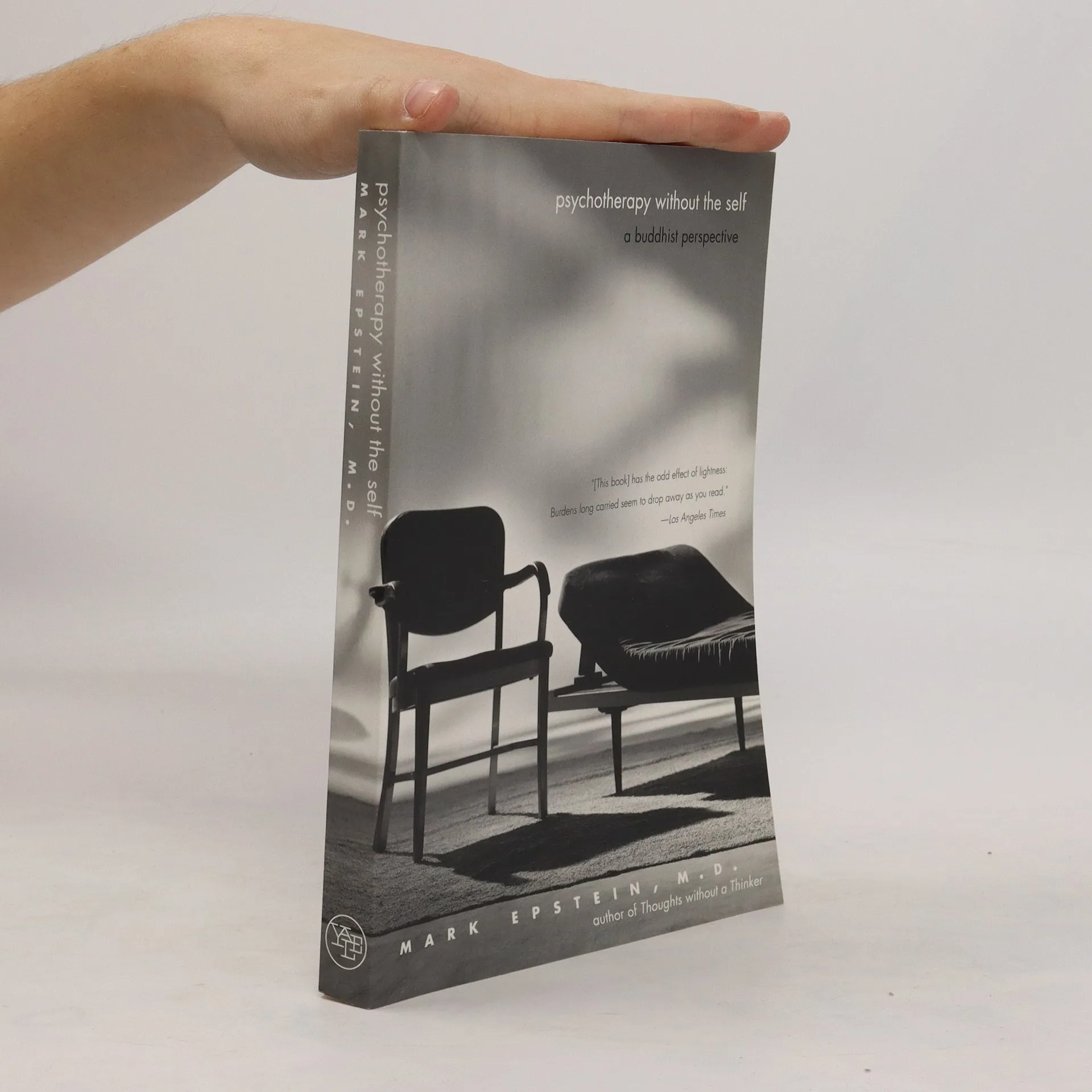
Immersed in Buddhist psychology prior to studying Western psychiatry, Dr. Epstein first viewed Western therapeutic approaches through the lens of the East. This book wrestles with the complex relationship between Buddhism and psychotherapy and offers nuanced reflections on therapy, meditation, and psychological and spiritual development.
Zen of Therapy
- 288 Seiten
- 11 Lesestunden
In a profound exploration of the therapeutic relationship, Dr. Mark Epstein shares insights from a year of therapy sessions, merging his extensive experience in Western psychotherapy with his deep understanding of Buddhism. Initially, he kept his spiritual beliefs separate from his psychiatric practice, using mindfulness privately to enhance his listening skills. However, as he began to openly discuss these spiritual aspects, he discovered that many patients were eager to engage with them, revealing that the lines between psychological, emotional, and spiritual realms are often blurred. Dr. Epstein reflects on selected patient sessions, illustrating how his Buddhist background subtly influences his therapeutic approach. He presents therapy as a form of two-person meditation, where both therapist and patient confront life's challenges with courage. Mindfulness, akin to a skilled therapist, can help hold awareness and facilitate self-discovery. Through detailed dialogues and explanations of his thoughts and actions, he demonstrates that embracing our true selves can be difficult, yet essential. This personal inquiry intertwines the wisdom of psychotherapy and Buddhism, portraying the therapist as a spiritual friend who aids patients in recognizing the inherent magic and trust in their lives, regardless of past struggles. By letting go of misconceptions and connecting with our true essence, we can find peace and a sense of home
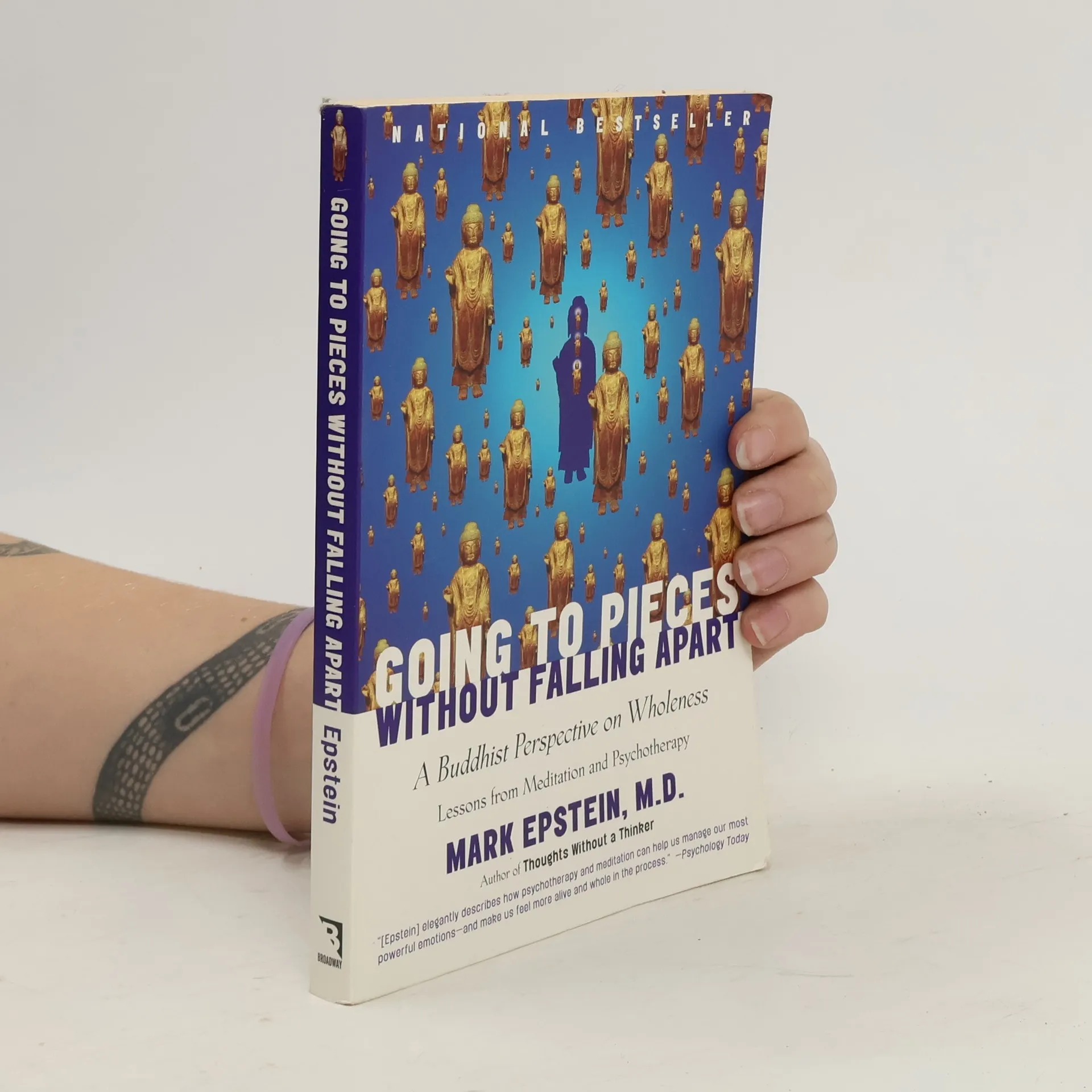
For decades, Western psychology has promised fulfillment through building and strengthening the ego. We are taught that the ideal is a strong, individuated self, constructed and reinforced over a lifetime. But Buddhist psychiatrist Mark Epstein has found a different way. Going to Pieces Without Falling Apart shows us that happiness doesn't come from any kind of acquisitiveness, be it material or psychological. Happiness comes from letting go. Weaving together the accumulated wisdom of his two worlds--Buddhism and Western psychotherapy--Epstein shows how "the happiness that we seek depends on our ability to balance the ego's need to do with our inherent capacity to be." He encourages us to relax the ever-vigilant mind in order to experience the freedom that comes only from relinquishing control. Drawing on events in his own life and stories from his patients, Going to Pieces Without Falling Apart teaches us that only by letting go can we start on the path to a more peaceful and spiritually satisfying life.About The Author: Mark Epstein, M.D., is a psychiatrist in private practice and the author of Thoughts Without a Thinker . He is a contributing editor to Tricycle: The Buddhist Review and clinical assistant professor of psychology at New York University. He lives in New York City.
Helps to capture the onboarding margin with the '4 pillars' of successful onboarding. This book provides a business case, a systemic approach to the entire process, and instructive inside stories from Apple, Starbucks, Netflix, Microsoft, Baird, Bank of America, John Deere, and dozens of other industry leaders.
The Trauma of Everyday Life
- 240 Seiten
- 9 Lesestunden
Trauma is a fundamental aspect of our psychology, affecting everyone through death, illness, loneliness, and fear. In this insightful exploration, a renowned psychiatrist reveals the transformative potential of trauma, suggesting it can foster personal growth and deeper understanding. While Western psychology often seeks to understand trauma to move past it, and Eastern practices like meditation aim to distance from difficult emotions, both overlook trauma's integral role in life. By embracing trauma as a universal experience, we can connect more profoundly with the world. Epstein illustrates this perspective through the life of Buddha, whose journey reflects the impact of childhood trauma on his teachings. Yet, the narrative extends beyond Buddha, incorporating Epstein's experiences, those of his patients, and various teachers he encounters. Each shares the common thread of trauma, whether significant or minor. Epstein emphasizes that trauma, rather than destroying us, can awaken our awareness of our own capacities and the suffering of others. It ultimately makes us more compassionate and wise, serving as a powerful teacher and a pathway to freedom available to everyone.
Through selected patient sessions, Dr. Epstein explores the intersection of Buddhism and psychotherapy, illustrating how his spiritual background informs his therapeutic approach. He argues that both meditation and therapy foster courage in confronting life's challenges, suggesting that therapy can be seen as a collaborative meditation. The book highlights the importance of mindfulness, which, like a skilled therapist, helps individuals gain awareness and achieve inner peace, showcasing the therapeutic process as a profound journey of self-discovery.
Trauma každodenního života
- 202 Seiten
- 8 Lesestunden
Cesta k dosažení vnitřního klidu. Trauma nezažívá jen několik málo nešťastných lidí. Ve skutečnosti je jedním ze základních stavebních kamenů našeho života a v té či oné podobě ho zná každý z nás. Trauma patří neodmyslitelně k lidské existenci, můžeme si však vybrat, jak se k němu budeme vztahovat. Můžeme se mu snažit vyhýbat, nebo ho můžeme využívat jako zdroj životního rozvoje. Zatímco západní psychologie nás přesvědčuje, že trauma lze zvládnout, zbavit se ho tím, že nalezneme a pochopíme jeho příčinu, příznivci východních praktik často vidí v meditaci prostředek k povznesení nebo distancování se od nepříjemných a obtěžujících emocí. Oba přístupy jsou podle Epsteina chybné, protože neuvažují o traumatu jako o neoddělitelné součásti života, která však může sloužit jako živná půda dalšího růstu a pomáhat hlubšímu pochopení života. Epstein vysvětluje, že trauma je univerzální zkušenost, která se neřídí lidskou logikou a nemusí nás nutně zničit, naopak v nás může probudit schopnost vztahovat se a být vnímavý vůči utrpení druhých. Trauma má velký transformační potenciál, může nás stejně jako Buddhu učinit lidštějšími, laskavějšími a moudřejšími.