

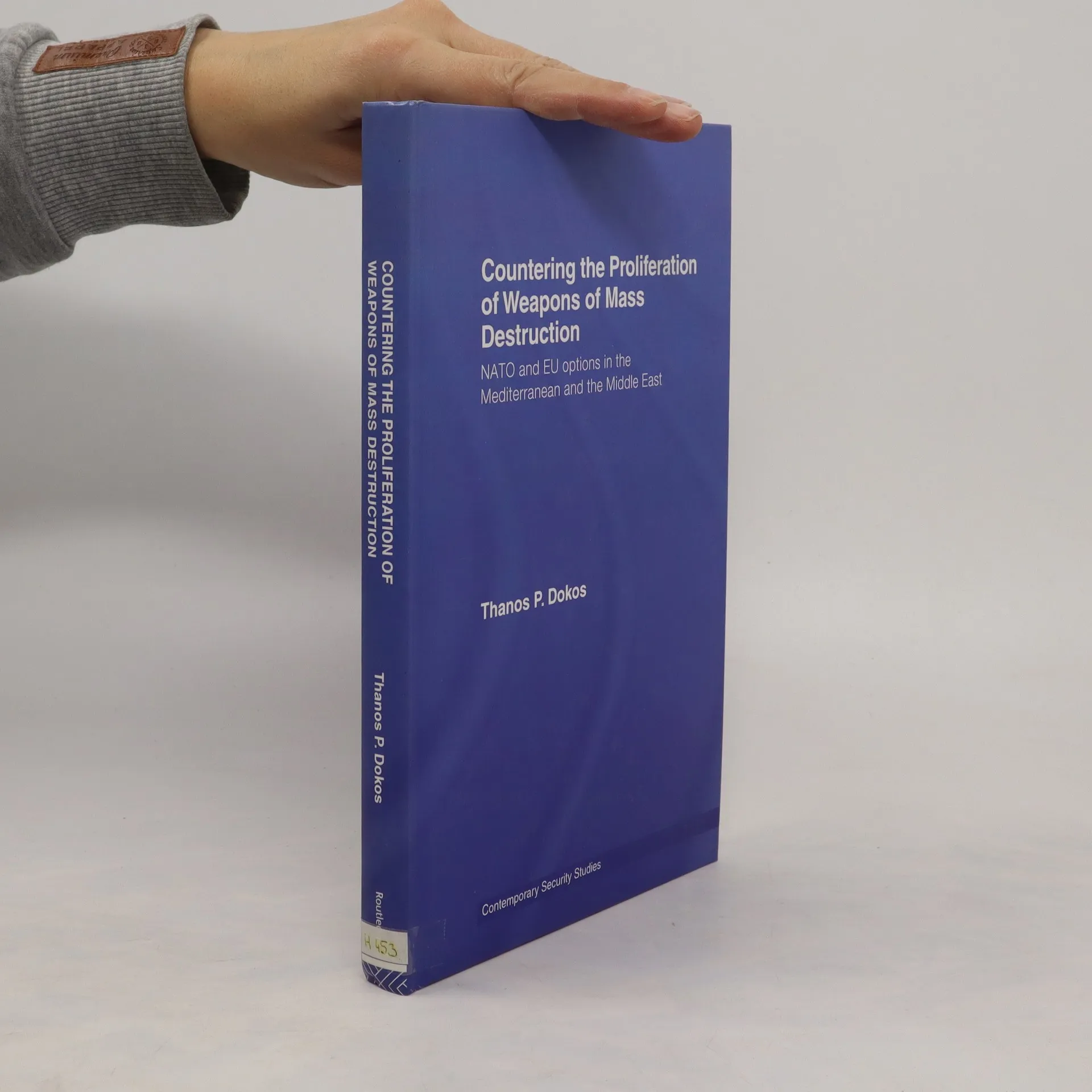
Countering the proliferation of weapons of mass destruction
NATO and EU options in the Mediterranean and the Middle East
As counter-proliferation becomes central to the US national security policy, it will play a key role in major international conflicts in the early 21st century. A significant trend in the past decade is the diffusion of war-making capabilities from the developed North to the developing South. For some proliferant states, acquiring nuclear, biological, and chemical (NBC) weapons enhances regional stature and provides an asymmetrical counter to Western conventional forces. In the Eastern Mediterranean and the Middle East, several countries are believed to possess varying NBC capabilities. Concerns arise from the historical use of such weapons, the region's proximity to Europe, and the West's vital interests, which may prompt military intervention. Additionally, ongoing conflicts, security issues, and regional instability, including the rise of religious extremism, heighten these concerns. This timely work evaluates predictions and perceptions regarding potential military threats from the Southern Mediterranean (Muslim) world and their implications for NATO's political and military strategies. Thanos P. Dokos explores the Alliance's options for addressing these challenges, making this an invaluable resource for researchers and policymakers.