
Robert Frank Bücher
Robert H. Frank ist ein angesehener Ökonom und Autor, dessen Werk sich mit ökonomischen Prinzipien und deren gesellschaftlichen Auswirkungen befasst. Durch seine Schriften und seine Kolumne in der New York Times bietet er aufschlussreiche Perspektiven auf die Komplexität der modernen Wirtschaft. Seine Analysen beleuchten, wie sich wirtschaftliche Kräfte im täglichen Leben manifestieren, und geben den Lesern Werkzeuge an die Hand, um die wirtschaftliche Landschaft zu verstehen und sich darin zurechtzufinden.


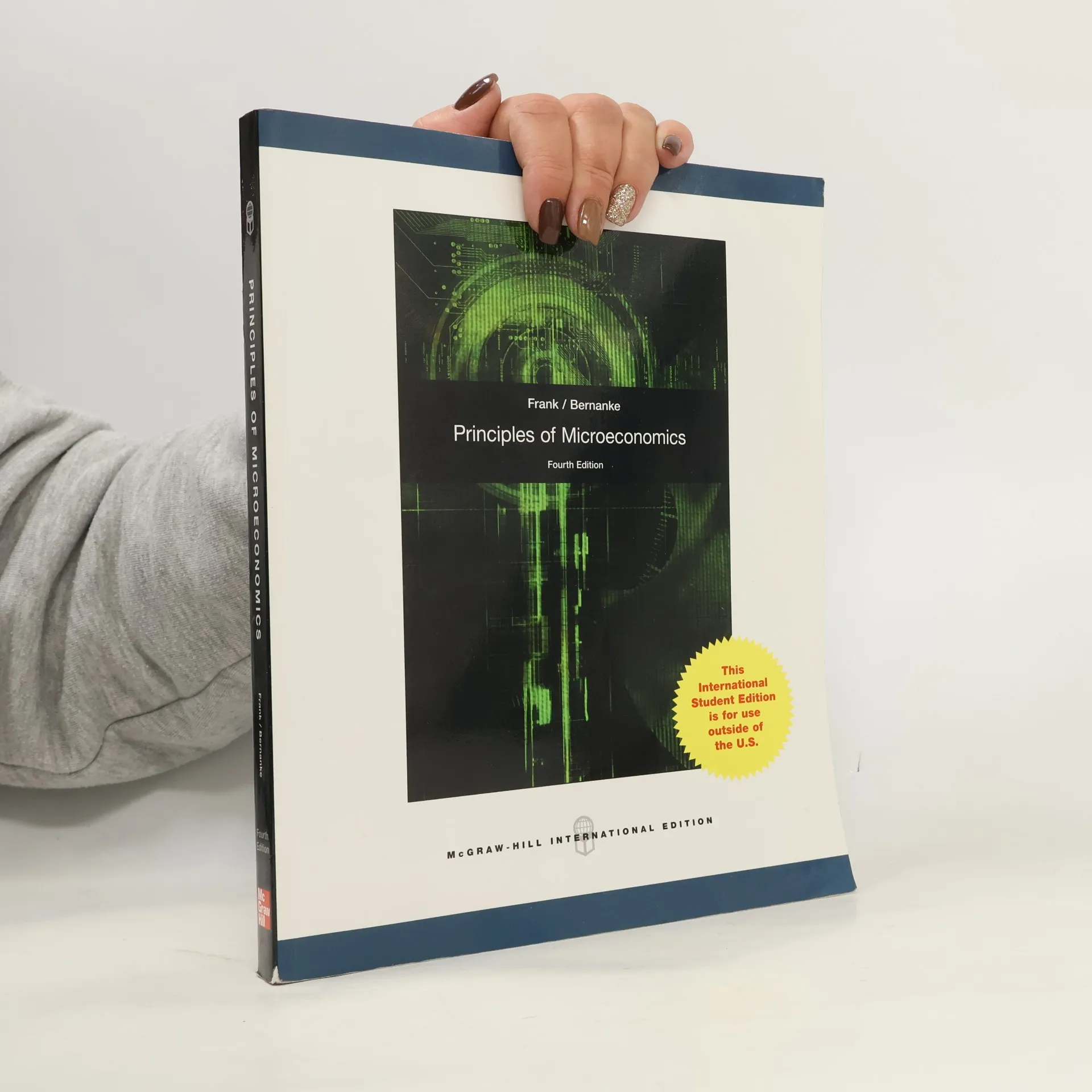
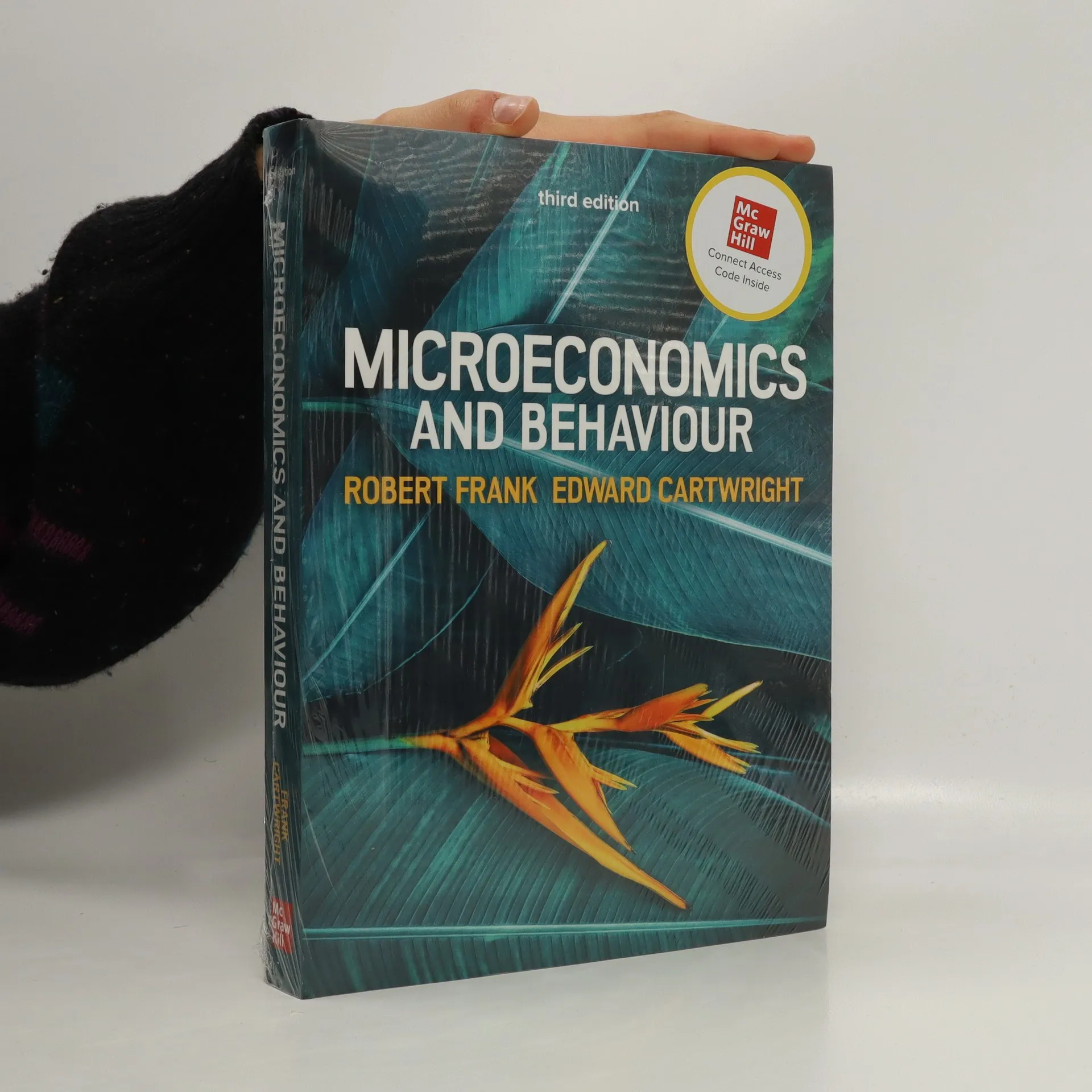
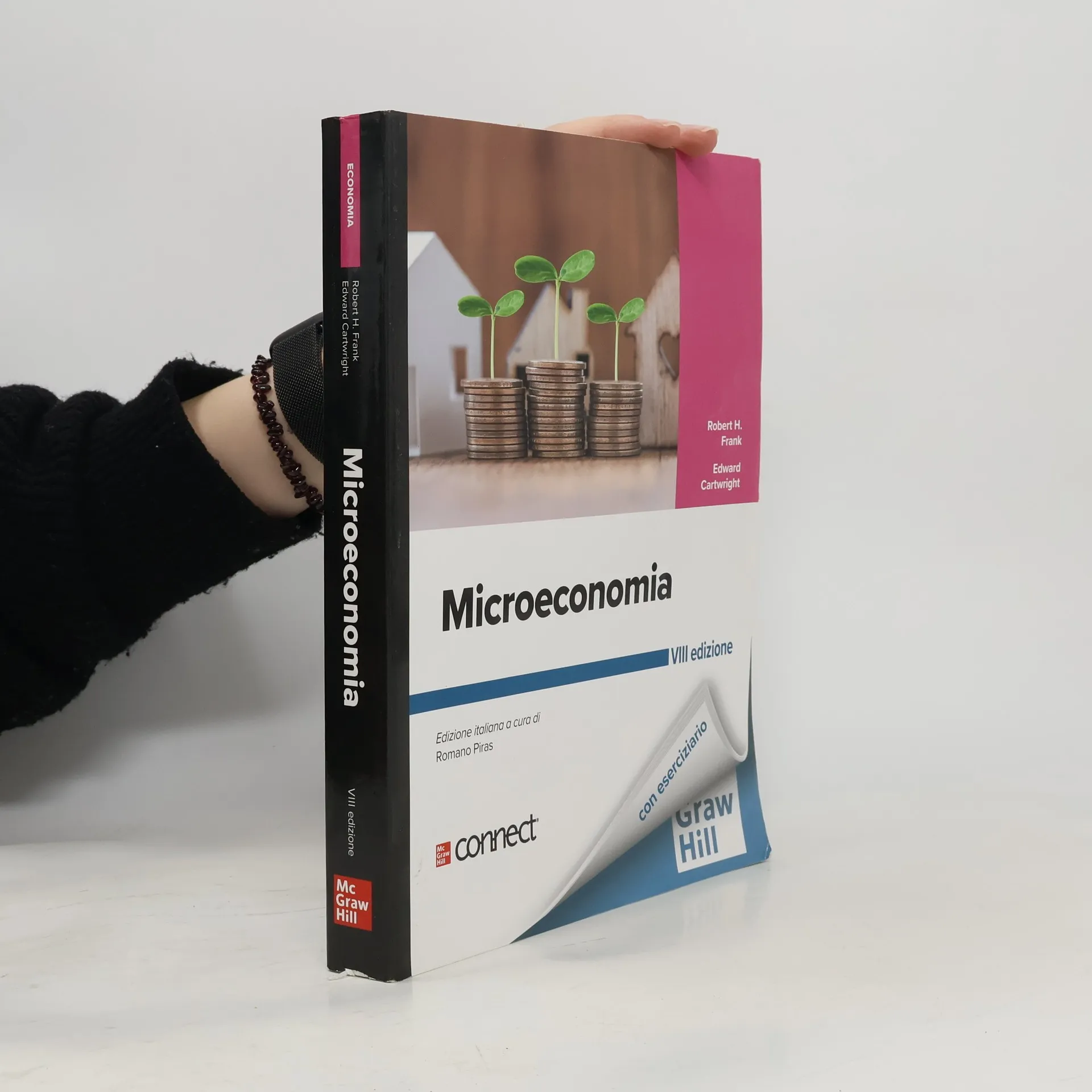
Die dritte Auflage von Microeconomics and Behaviour bietet eine zugängliche und gleichzeitig intellektuell anspruchsvolle Auseinandersetzung mit mikroökonomischen Konzepten. Das Lehrbuch richtet sich an Studierende und fördert ein tiefes Verständnis der wirtschaftlichen Verhaltensweisen, indem es komplexe Theorien ansprechend und verständlich aufbereitet. Es kombiniert theoretische Grundlagen mit praktischen Anwendungen, um die Relevanz der Mikroökonomie im Alltag zu verdeutlichen.
Im Rahmen von acht spannend zu lesenden Kapiteln erfährt man mehr darüber, was alles unseren Werdegang beeinflusst und wieso nicht wenige Menschen die Bedeutung von glücklichen Zufällen oft unterschätzen aber auch, weshalb diese Wahrnehmung sich letztlich nachteilig auswirkt. Helga König, 17.01.2018
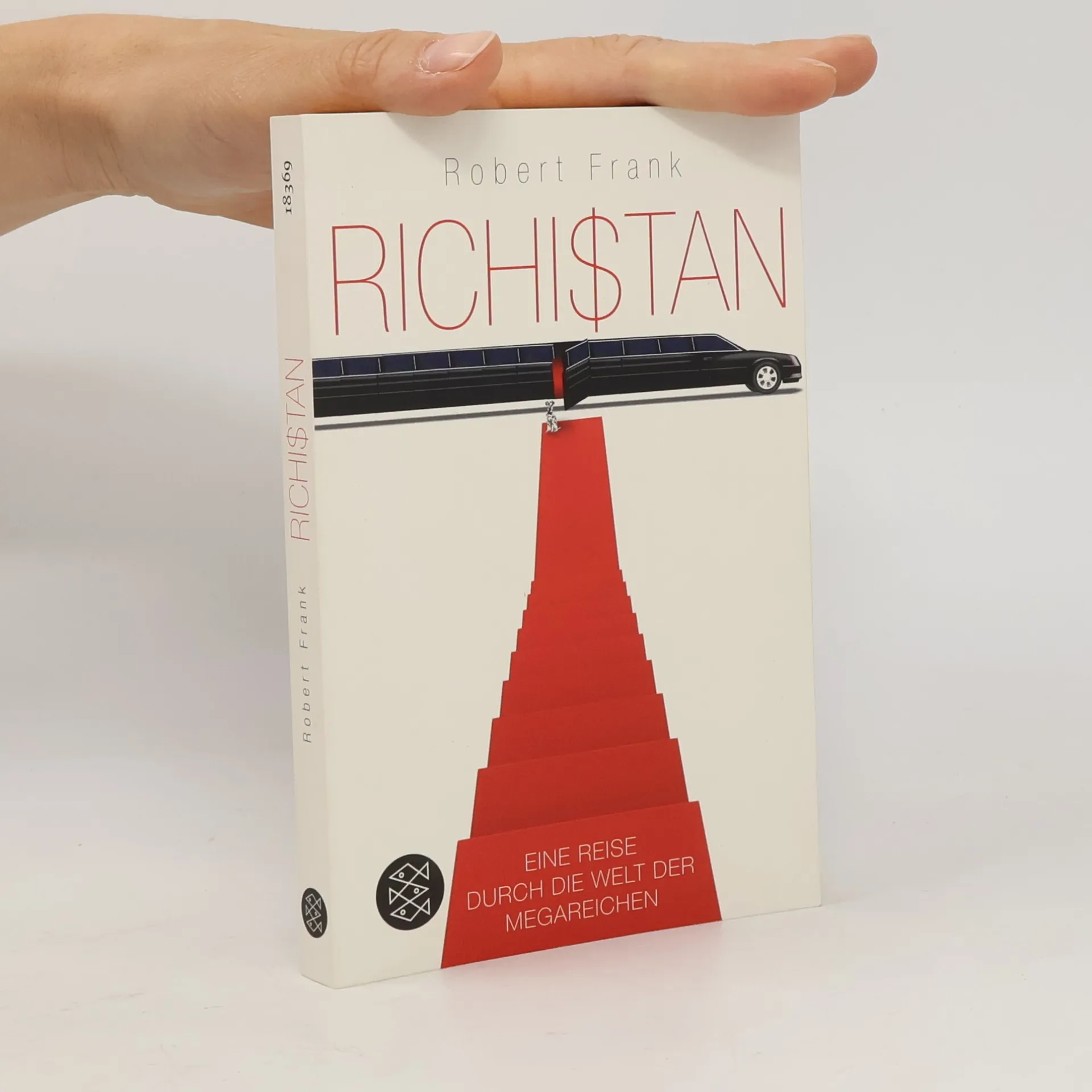
Wie leben sie wirklich, die Ultrareichen dieser Welt? Robert Frank ist Spezial-Korrespondent des Wall Street Journal für die Welt des Supergeldes und nimmt uns mit auf die unglaubliche Reise durch die sonst unerreichbare Welt Richistan. Man erhält witzige und spannende Einblicke in das Leben seiner Einwohner, ihre ungewöhnlichen Sitten und teilweise seltsamen Gebräuche. Beruhigende Einsicht: Es gibt, außer für Warren Buffet, immer einen, der mehr hat – wie im richtigen Leben auch. »Gleich einem Anthropologen im Amazonasbecken wagt sich Robert Frank in andere Welten. Statt dem Lendenschurz trägt er einen weißen Smoking.« New York Times Book Review
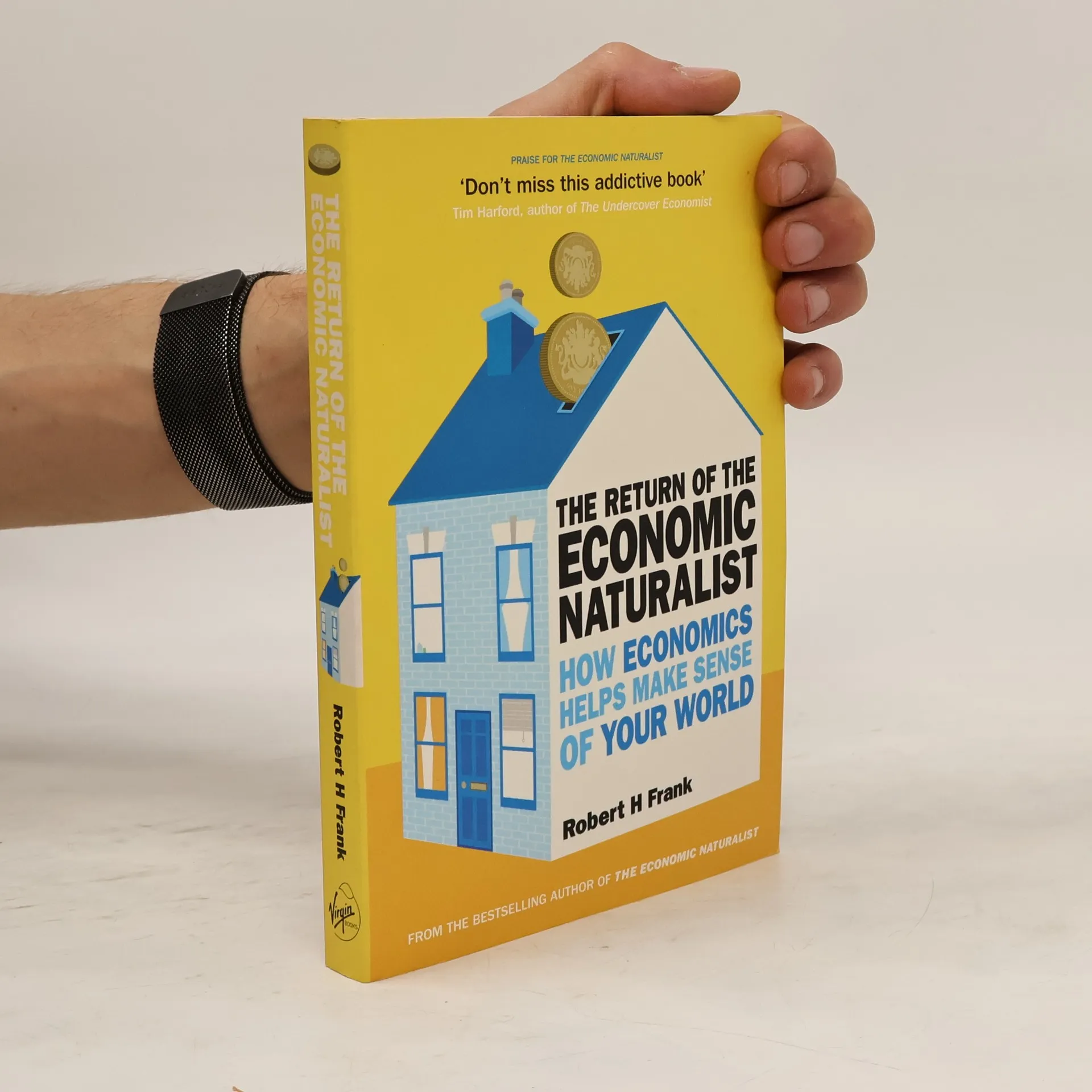
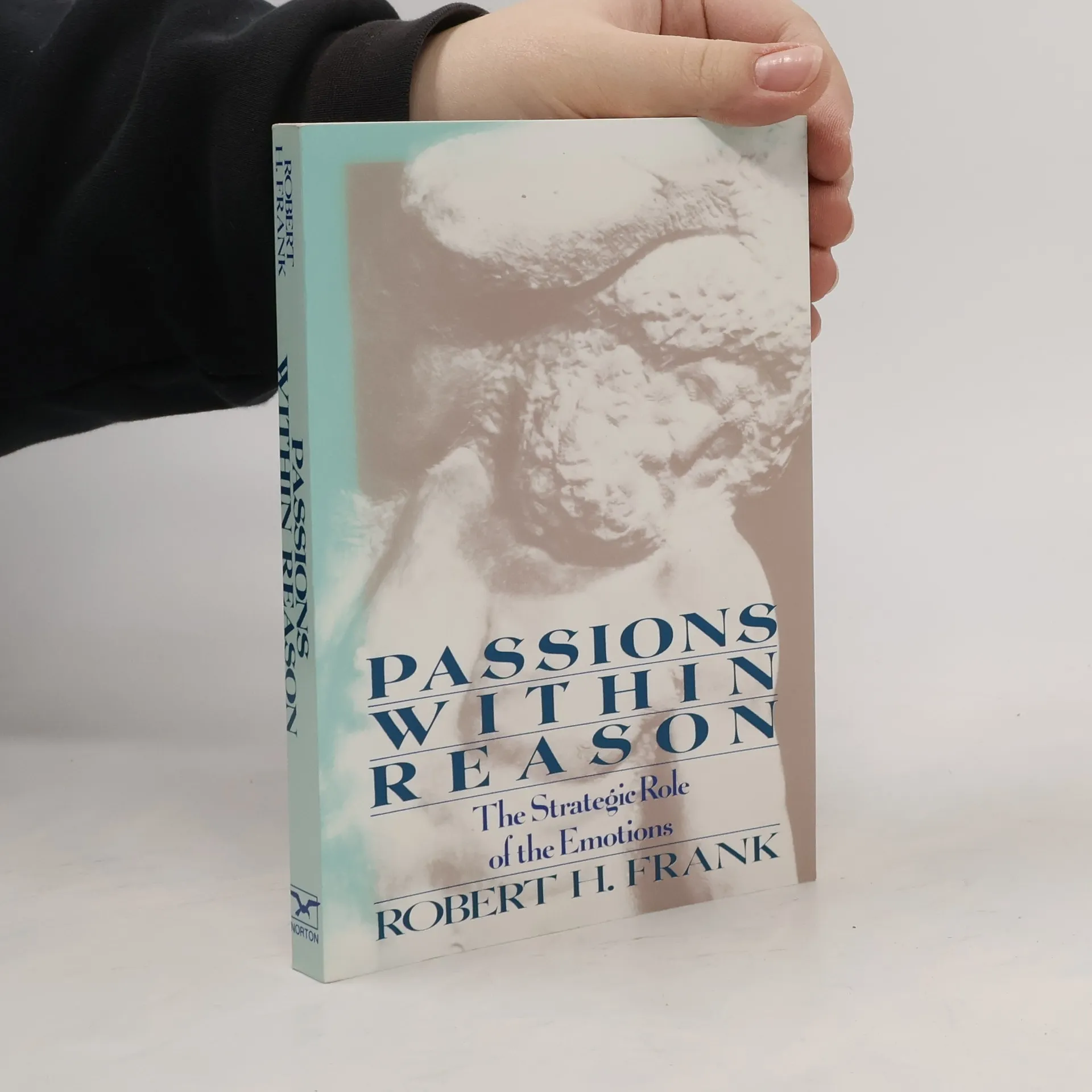
In this book, I make use of an idea from economics to suggest how noble human tendencies might not only have survived the ruthless pressures of the material world, but actually have been nurtured by them.
After completing his seminal photography book The Americans in 1958, Robert Frank put aside the still image and concentrated throughout the 1960s on film-making. He only returned to still photography in the 1970s, using a Polaroid camera with black-and-white positive/negative film. These images were frequently layered with text, which Frank inscribed by hand onto the Polaroid negative. He found that these works allowed him more freedom to "destroy that image, that perfect image." In recent years Frank has worked almost exclusively with Polaroids, exploring the collage and assemblage possibilities of the instant photograph.Originally announced as Robert Polaroids , This slipcased collection of small, staple-bound books represents a new stage in the practice of a remarkable artist who continually challenges the limits of photography and film, and strives to avoid repeating himself. It brings together seven sequences of single new images compiled by Frank. As always, the photographs and stories relate Frank's life and milieu--his homes in Mabou and New York, for example, or trips to China and Spain.
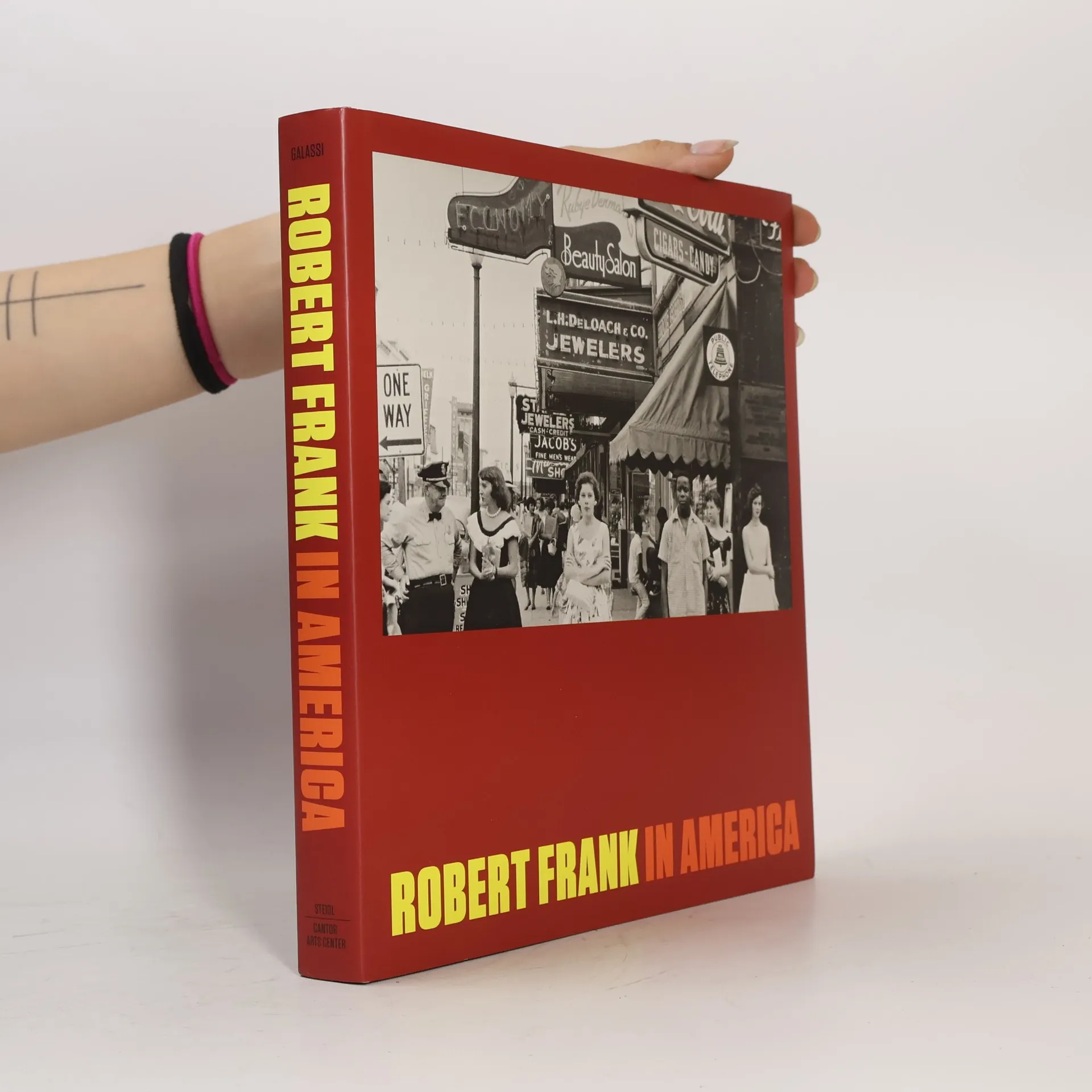
Robert Frank in America
- 195 Seiten
- 7 Lesestunden
Because of the importance of Robert Frank’s The Americans; because he turned to filmmaking in 1959, the same year the book appeared in the United States; and because he made very different kinds of pictures when he returned to still photography in the 1970s, most of Frank’s American work of the 1950s is poorly known. This book, based on the important Frank collection at the Cantor Arts Center at Stanford University, is the first to focus on that work. Its careful sequence of 131 plates integrates 22 photographs from The Americans with more than 100 unknown or unfamiliar images to chart the major themes and pictorial strategies of Frank’s work in the United States in the 1950s. Peter Galassi’s text presents a thorough reconsideration of Frank’s first photographic career and examines in detail how he used the full range of photography’s vital 35mm vocabulary to reclaim the medium’s artistic tradition from the hegemony of the magazines.
The lines of my hand
- 102 Seiten
- 4 Lesestunden
After The Americans, The Lines of My Hand is arguably Robert Frank’s most important book and without doubt the publication that established his autobiographical, sometimes confessional, approach to bookmaking. The book was originally published by Yugensha in Tokyo in 1972, and this new Steidl edition, made in close collaboration with Robert Frank, follows and updates the first US edition by Lustrum Press of 1972. The Lines of My Hand is structured chronologically and presents selections from every stage of Frank’s work until 1972—from early photos in Switzerland in 1945–46, to images of his travels in Peru, Paris, Valencia, London and Wales, and to contact sheets from his 1955–56 journey through the US that resulted in The Americans and made him famous. Here too are intimate photos of Frank’s young family, later photo-collages and stills from films including Pull My Daisy (1959) and About Me: A Musical (1971). This structure itself mirrors the rhythm of Frank’s life but it is his short personal texts, like diary entries, that fully bring his voice into the book. In its original combination of text and image, its fearless self-reflection, and its insistence on photography and film as equal though different aspects of the artist’s visual language, The Lines of My Hand has become an inspiration for many photographers—not least Robert Frank himself, who continues and expands this approach in the visual diaries he makes today.
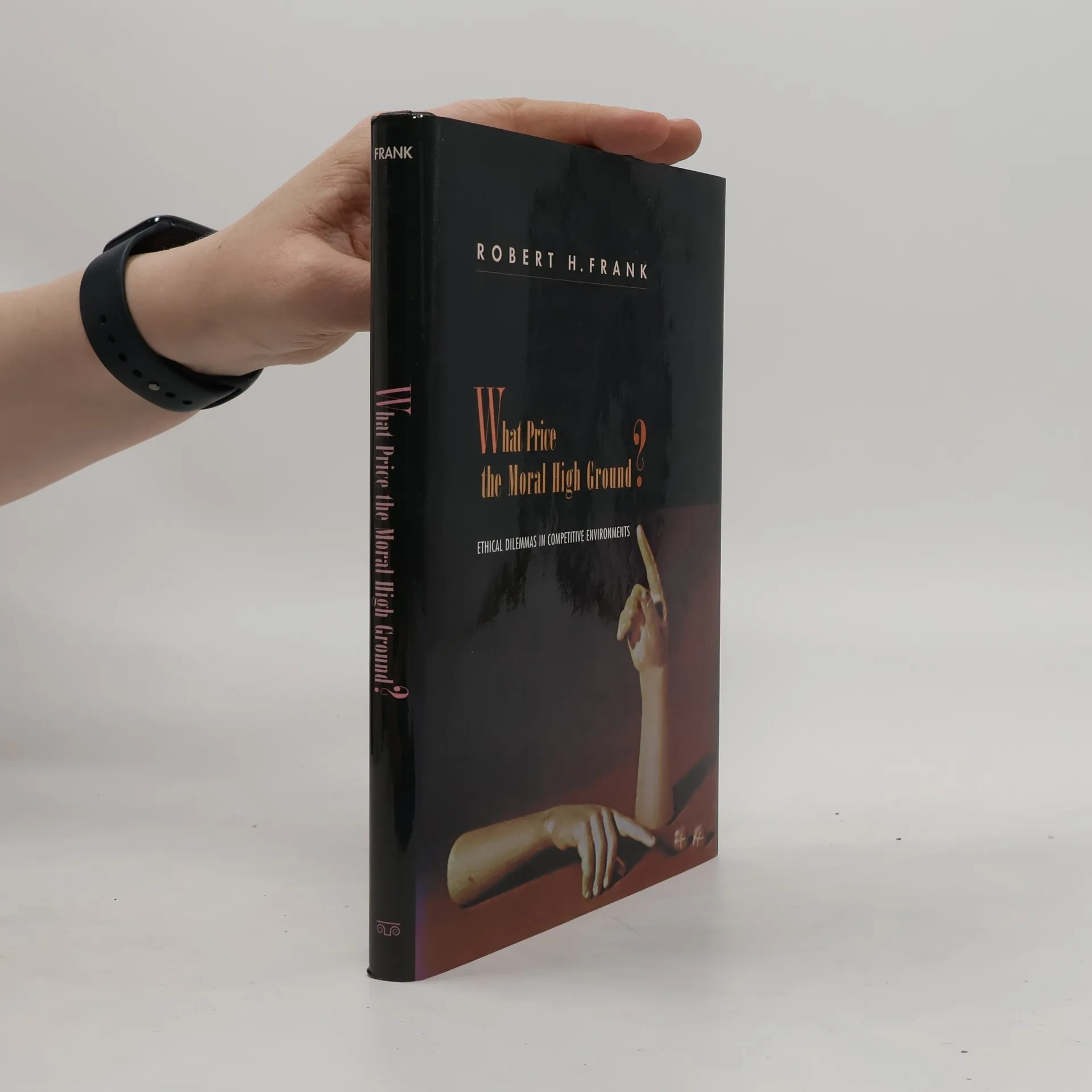
What Price the Moral High Ground?
- 256 Seiten
- 9 Lesestunden
Drawing on research Robert Frank has conducted and published since 1990, he challenges the familiar homo economicus stereotype by describing how people create bonds that sustain cooperation in one-shot prisoner's dilemmas.
"War is over; the heroic French population reaffirms superiority. Love, Paris, and Flowers but London was black, white, and gray, the elegance, the style, all present in front of always changing fog. Then I met a man from Wales talking about the Miners and I had read "How Green Was My Valley." This became my only try to make a 'Story'." --"Robert Frank" This magnificent new edition of "London/Wales," which features never-before-seen photographs, juxtaposes Frank's images of the elegant world of London money with the grimy working-class world of postwar Wales--bankers opposite coal miners. It brings together two distinct bodies of work, and reveals a significant documentary precedent for "The Americans." In also offers an important view of Frank's development, demonstrating an early interest in social commentary, in the narrative potential of photographic sequencing, and innovative use of the expressionistic qualities of the medium.