

Focusing on the interplay between military power and international relations, this comprehensive work explores both theoretical frameworks and practical policy implications of strategic studies. It posits that military power is essential to the international system, emphasizing that strategy serves as the mechanism for leveraging military capabilities to fulfill political goals.
John Baylis Reihenfolge der Bücher (Chronologisch)


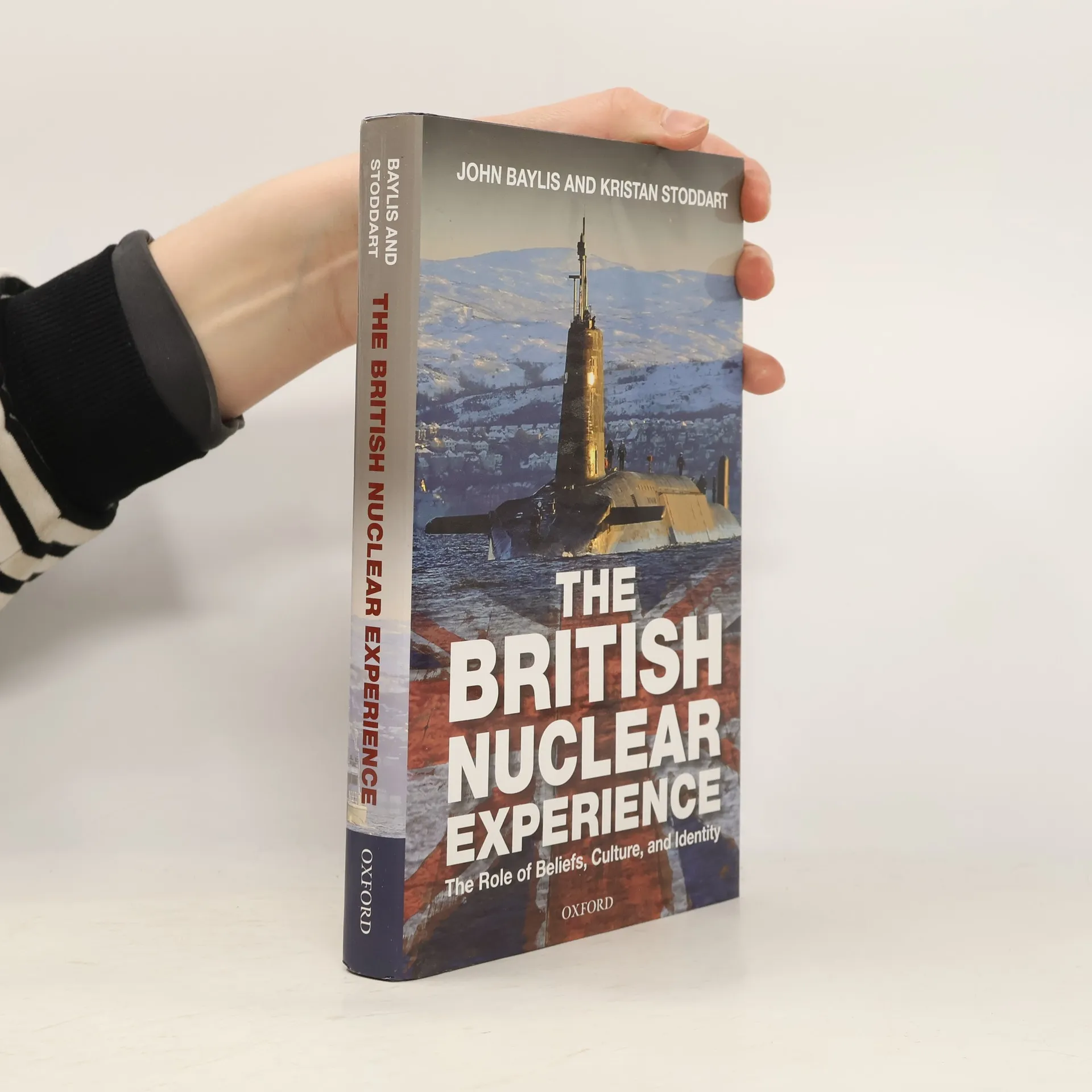
Based on a detailed analysis of archives and high level interviews this book looks at the role of beliefs, culture and identity in the making of British nuclear policy from 1945 through to the present day. This book also examines Britain's nuclear experience by moving away from tradtional interpretations of why states develop and maintain nuclear weapons by adopting a more contemporary approach to political theory.Traditional mainstream explanations tend to stress the importance of factors such as the 'maximization of power', the persuit of 'national security interests' and the role of 'structure' in a largely anarchic international system. This book does not dismiss these approaches, but argues that British experience suggests that focusing on 'beliefs', 'culture' and 'identity', provides a more useful insight and distinctive intepretation into the process of British nuclear decision making than the more traditional approaches.
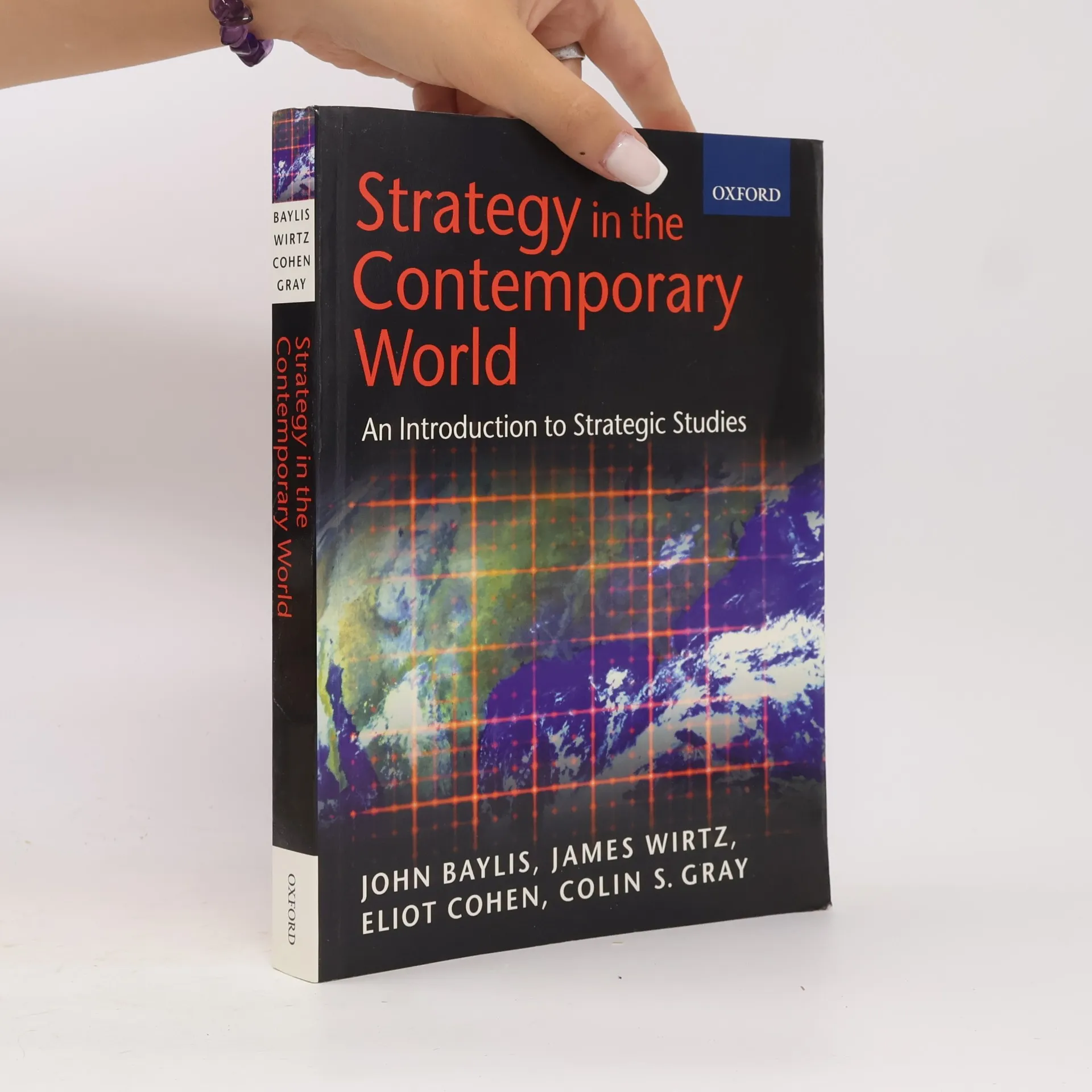
Strategy in the Contemporary World
- 376 Seiten
- 14 Lesestunden
This major new textbook explores the traditional and contemporary uses of organized force for political purposes, bringing together leading scholars in the field to address both strategy theory and practice. It emphasizes the ongoing significance of various strategic approaches in understanding the complexities of war and peace in the early twenty-first century. The volume opens with an introduction from the editors that underscores the central theme: the historical and ongoing role of military power in achieving political objectives. The content is organized into four main sections: the evolution of strategic thought; the theory and practice of land, sea, and air power; new and adapted theories of peace and security that emerged during the Cold War; and developments in strategic thinking and practice since the Cold War, including concepts like Revolution in Military Affairs, Information (Cyber) Warfare, and Space Warfare. The book concludes by revisiting themes from the introduction and discussing future directions for strategic studies. With careful editing and strong pedagogical elements, this textbook serves as a clear, accessible, and engaging introduction to strategic studies for students of politics and international relations.
Taking the special relationship as a central theme, this text explores the public and private diplomacy between Britain and the United States in periods of war and peace. Using released archives and contemporary sources, the areas of both cooperation and conflict are revealed.
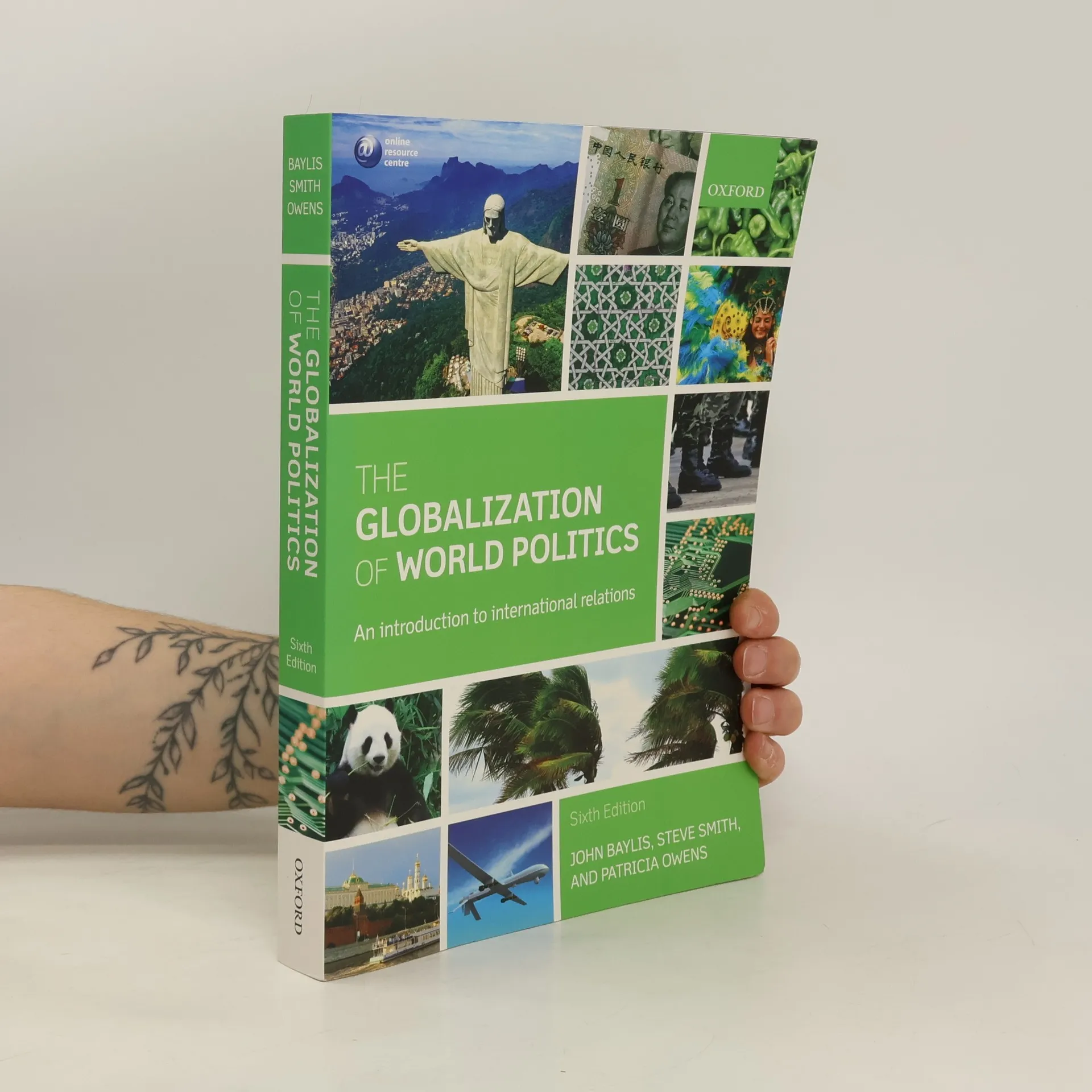
The globalization of world politics: an introduction to international relations
- 596 Seiten
- 21 Lesestunden
Working from a unique non-U.S. perspective, this market-leading text provides a coherent, accessible, and engaging introduction to the globalization of world politics. Now in its sixth edition, The Globalization of World Politics has been fully revised and updated in light of recent developments in world politics. FEATURES * Presents contributions from an impressive line-up of international experts, each of whom provides accessible but stimulating insights into history, theory, structures, processes, and other key issues in the field * Offers a visually appealing full-color interior * Provides a strong pedagogical program that includes numerous boxes, figures, tables, maps, questions, lively examples, and case studies