Josef K., der Protagonist des Romans, wird am Morgen seines 30. Geburtstages verhaftet, ohne sich einer Schuld bewusst zu sein. Trotz seiner Festnahme darf sich der Bankprokurist Josef K. noch frei bewegen und weiter seiner Arbeit nachgehen. Vergeblich versucht er herauszufinden, weshalb er angeklagt wurde und wie er sich rechtfertigen könnte. Dabei stößt er auf ein ebenso wenig greifbares Gericht, dessen Kanzleien sich auf den Dachböden großer ärmlicher Mietskasernen befinden. Die Frauen, die mit der Gerichtswelt in Verbindung stehen und die K. als „Helferinnen" werben versucht, üben eine erotische Anziehungskraft auf Josef K. aus.
Edwin Muir Reihenfolge der Bücher (Chronologisch)
Edwin Muir war ein orkadischer Dichter, Romanautor und Übersetzer, der zusammen mit seiner Frau Willa Anderson maßgeblich dazu beitrug, Franz Kafka in englischer Sprache zugänglich zu machen. Muirs Werk befasst sich mit der Komplexität der inneren Welt und erforscht oft Themen wie Identität und Erinnerung. Sein umfangreiches dichterisches und erzählerisches Schaffen, das mehrere Gedichtsammlungen und Romane umfasst, bietet eine tiefgreifende Auseinandersetzung mit der menschlichen Erfahrung. Muirs unverwechselbarer Stil zeichnet sich durch seine introspektive Qualität und seinen meditativen Ton aus und bietet den Lesern eine einzigartige Perspektive auf existentielle Fragen.


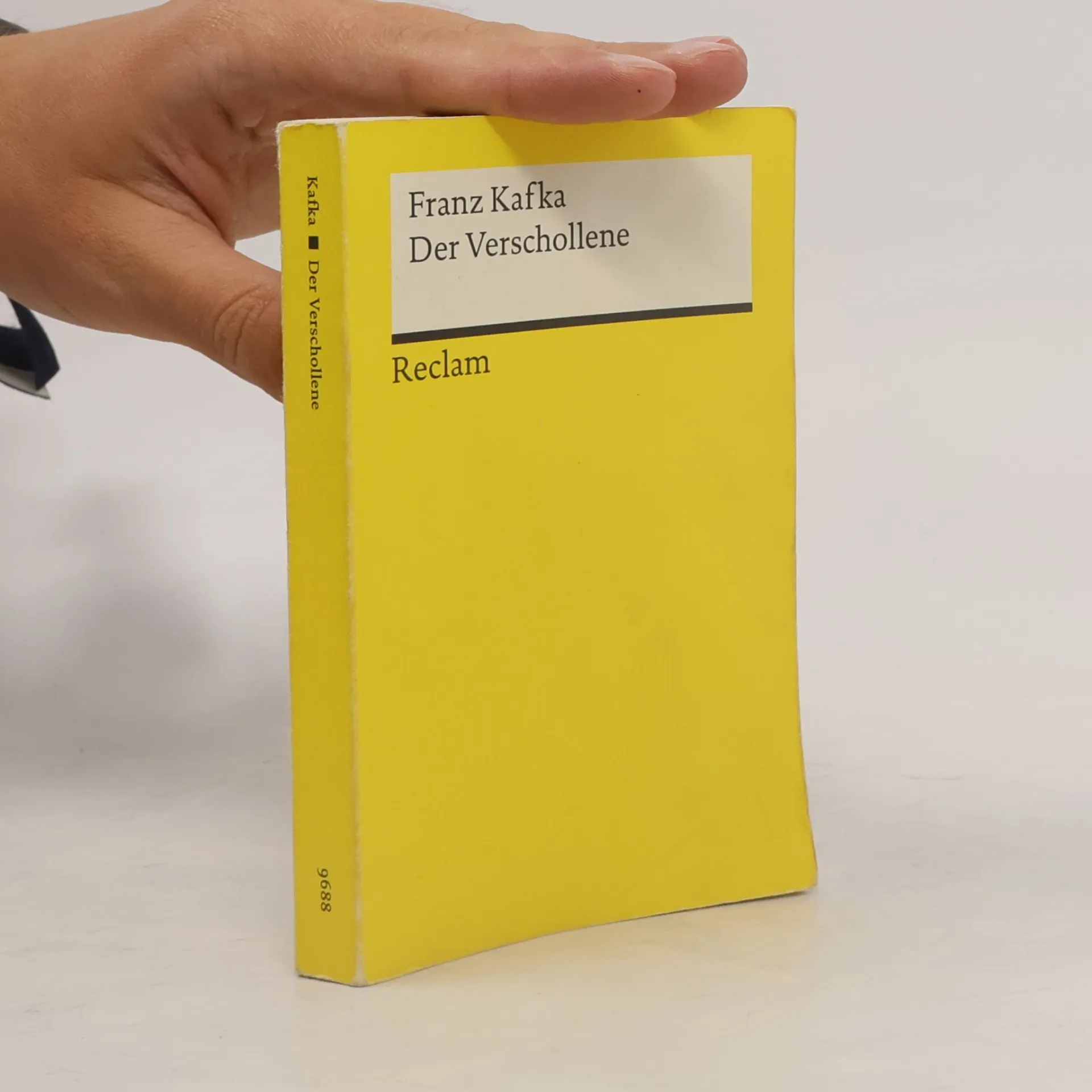
Der Verschollene
- 319 Seiten
- 12 Lesestunden
This is an alternate-cover edition of ISBN 315009688X. You can find the older edition here »Als der siebzehnjährige Karl Roßmann, der von seinen armen Eltern nach Amerika geschickt worden war, weil ihn ein Dienstmädchen verführt und ein Kind von ihm bekommen hatte, in dem schon langsam gewordenen Schiff in den Hafen von New York einfuhr, erblickte er die schon längst beobachtete Statue der Freiheitsgöttin wie in einem plötzlich stärker gewordenen Sonnenlicht. Ihr Arm mit dem Schwert ragte wie neuerdings empor und um ihre Gestalt wehten die freien Lüfte.« (Klappentext)
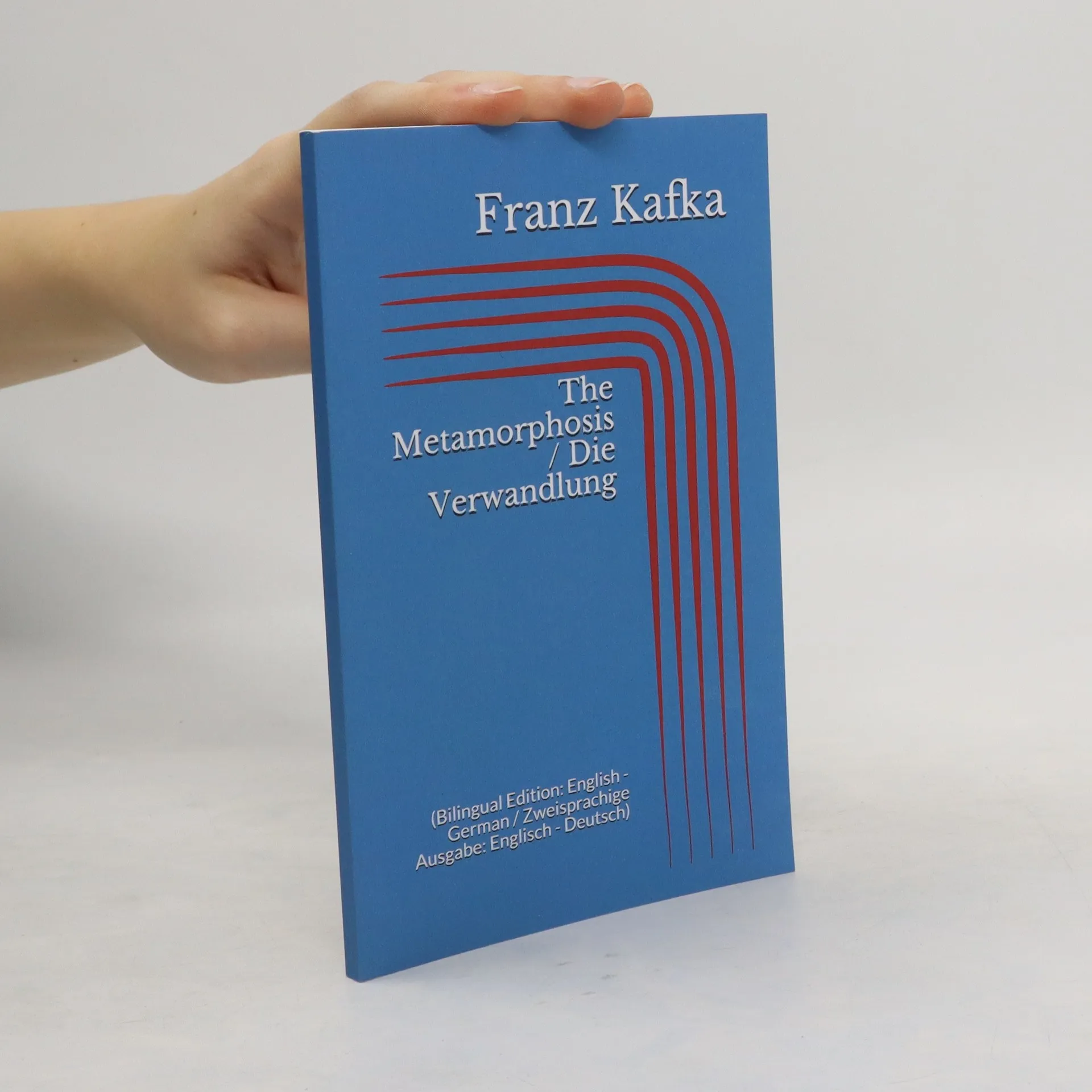
The Metamorphosis / Die Verwandlung
- 103 Seiten
- 4 Lesestunden
Described by Nobel laureate Elias Canetti as, "one of the few great and perfect works of the poetic imagination," this short fable about a man who wakes up one morning transformed into a giant insect is deeply funny in its tragedy and heartbreaking in its humor.
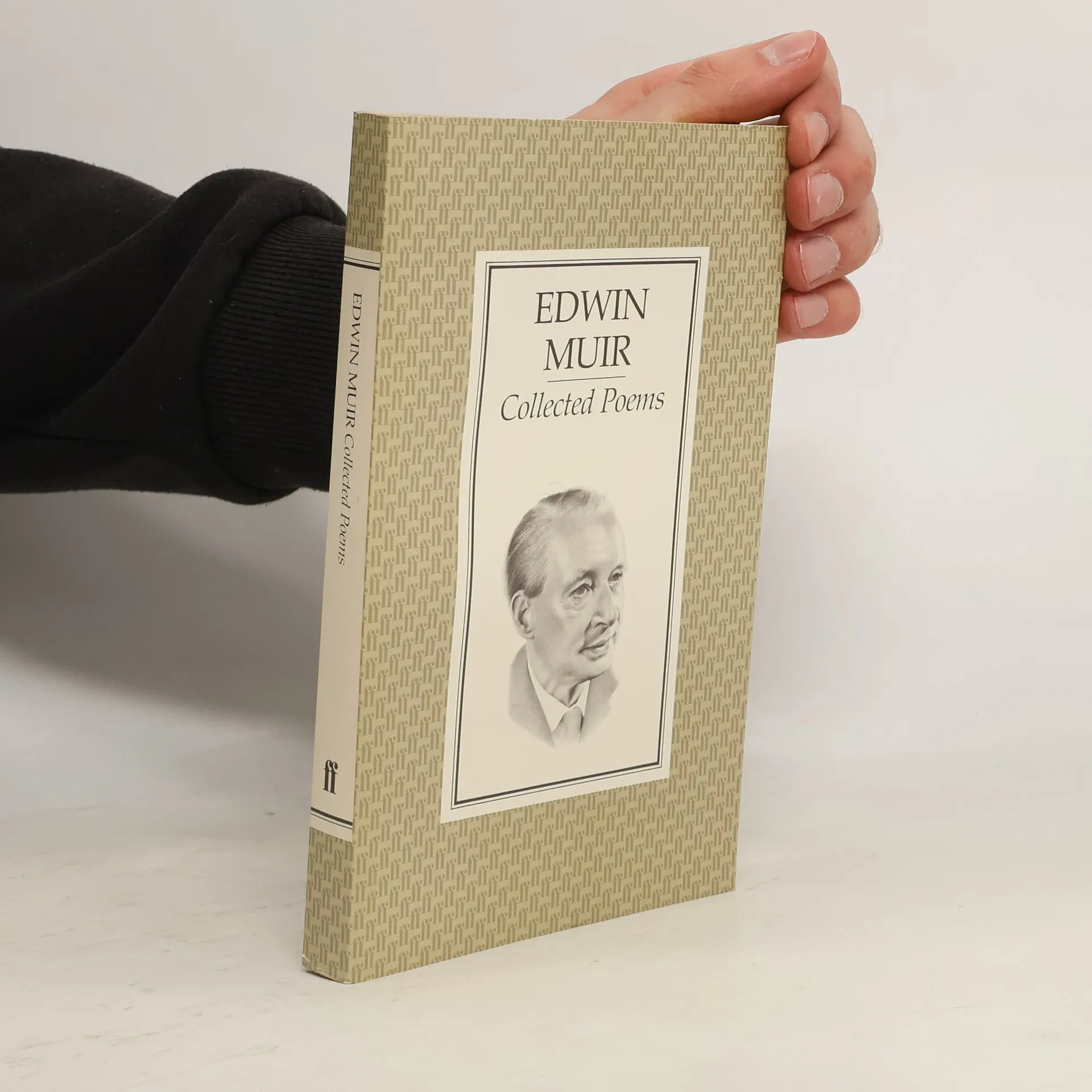
Collected poems
- 314 Seiten
- 11 Lesestunden
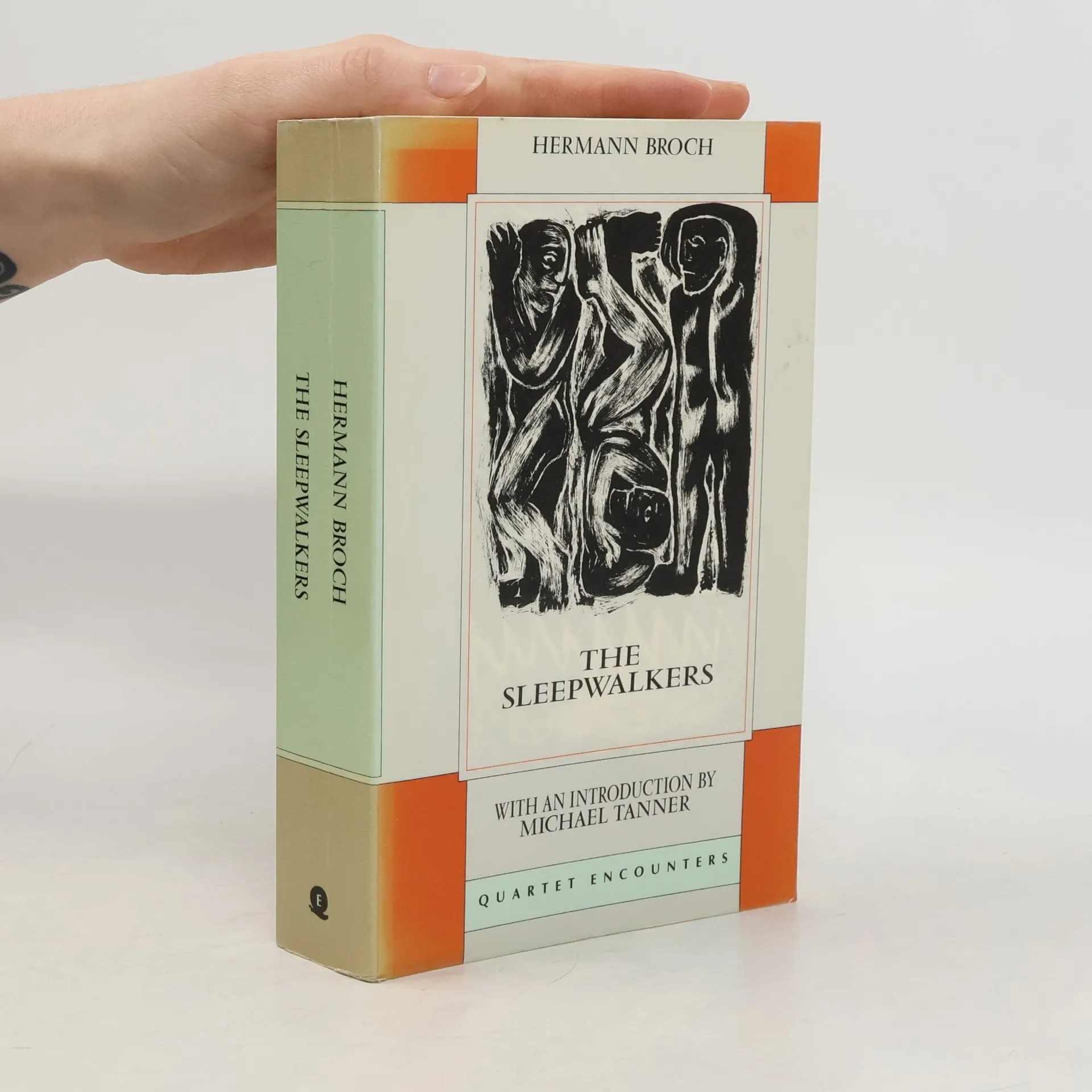
Quartet Encounters: The Sleepwalkers
- 648 Seiten
- 23 Lesestunden
With his epic trilogy, The Sleepwalkers , Hermann Broch established himself as one of the great innovators of modern literature, a visionary writer-philosopher the equal of James Joyce, Thomas Mann, or Robert Musil. Even as he grounded his narratives in the intimate daily life of Germany, Broch was identifying the oceanic changes that would shortly sweep that life into the abyss. Whether he is writing about a neurotic army officer (The Romantic) , a disgruntled bookkeeper and would-be assassin (The Anarchist) , or an opportunistic war-deserter (The Realist) , Broch immerses himself in the twists of his characters' psyches, and at the same time soars above them, to produce a prophetic portrait of a world tormented by its loss of faith, morals, and reason.
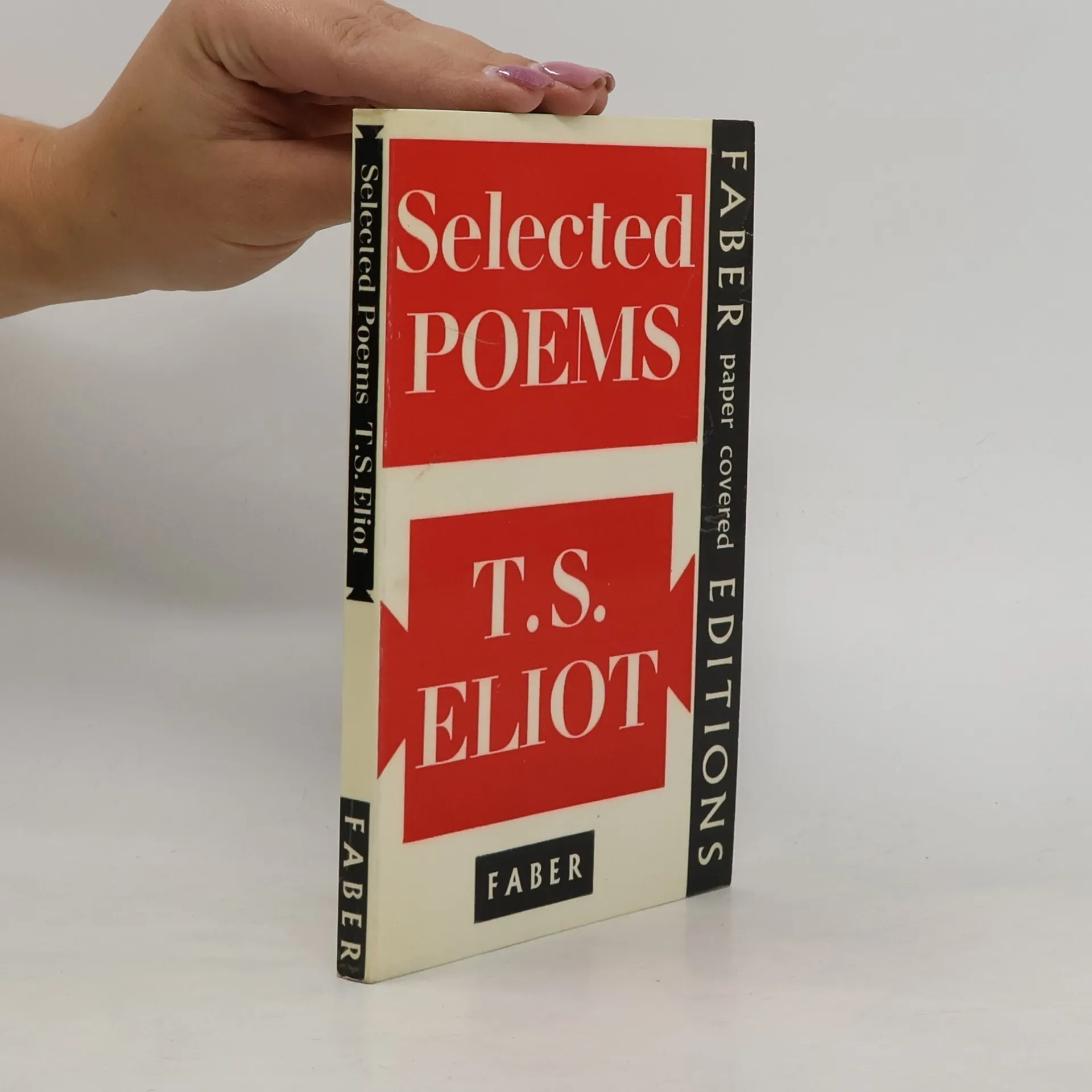
Presents a collection of the best known poems by Nobel Prize winning author T.S. Eliot.
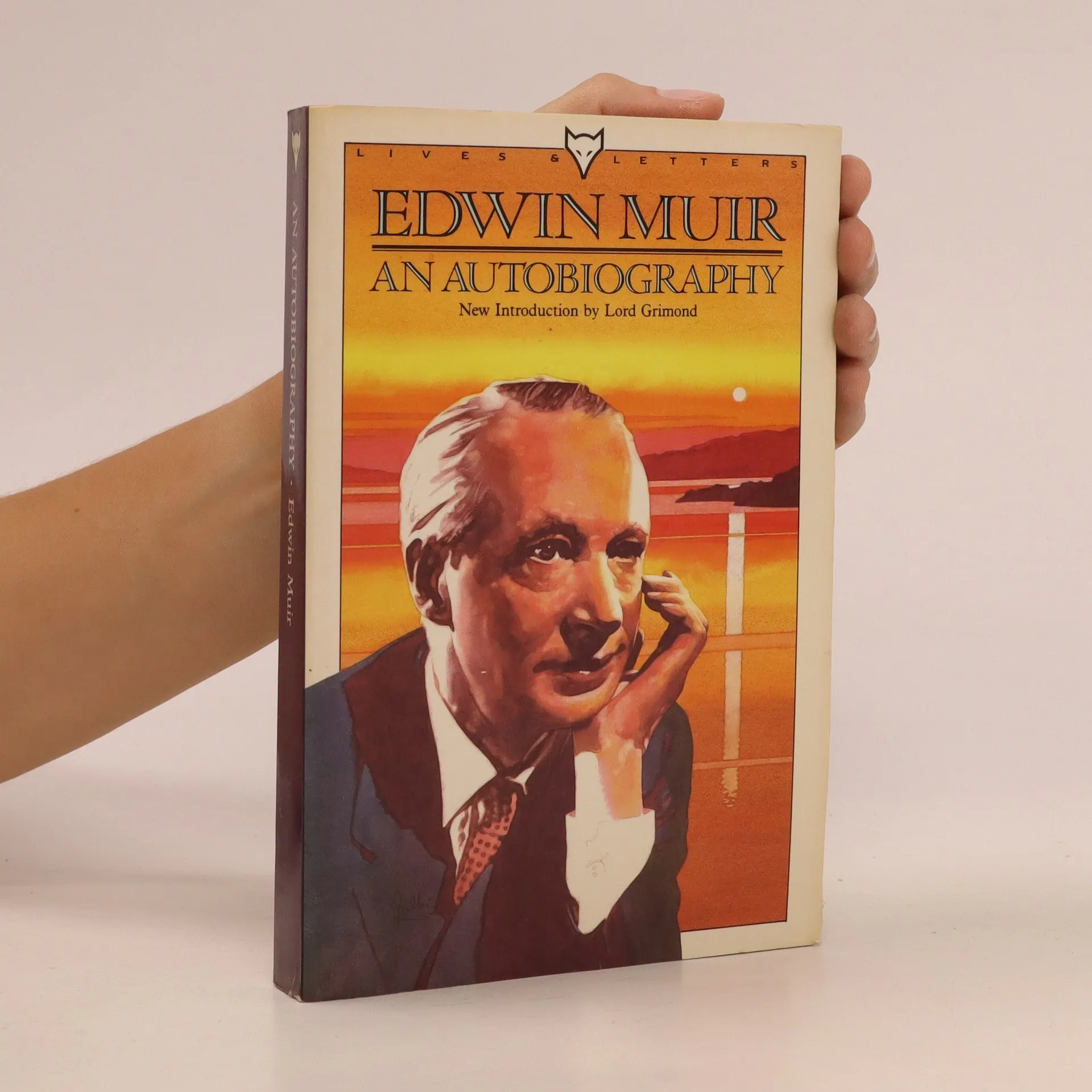
Edwin Muir: An Autobiography
- 287 Seiten
- 11 Lesestunden
From his sheltered childhood in Orkney to the turmoil of industrial Glasgow, Edwin Muir was witness to some of the most traumatic years and events of our modern age. And yet, in his life and in his art, he was constantly haunted by the symbolic 'fable' which he longed to find beneath the surface reality of the everyday. From his dream notebooks to his travels in Eastern Europe, Muir paints an unforgettable picture of the slow and sometimes painful growth of a poet's sensibility as he comes to terms with his own nature amidst the terror and confusion of the twentieth century.
Selected Short Stories of Franz Kafka
- 360 Seiten
- 13 Lesestunden
Franz Kafka's enigmatic, deadpan, and deeply pessimistic stories are central to literary modernism. In 'The Metamorphosis', the estrangement of everyday life becomes corporealized when Gregor Samsa wakes up as a giant bug and wonders how he is going to get to work on time. Kafka inverts the implied degradation of a man's transformation into an animal in 'A Report of the Academy', an ape's address to a group of scientists.