Die Bewohner der kleinen Bayou-Stadt Jeanette ringen noch immer mit dem Überleben. Erst Hurrikan Katrina, dann das Unglück der Bohrplattform Deepwater Horizon. Und jeder Bewohner kämpft auf seine Art. Der Fischer Lindqvist jagt einem Kindertraum hinterher, einem Goldschatz. Die Brüder Toup nehmen eine Abkürzung zum Reichtum und bauen das beste Marihuana des Südens an, während Brady Grimes alle und jeden im Namen der Ölgesellschaft über den Tisch zieht. Und mittendrin Wes Trench, der seine Mutter an den Sturm und seinen Vater an die unermessliche Trauer verloren hat. Ein großer Roman, der packend und mit viel Liebe zu seinen störrischen, gebeutelten Figuren von Verlust erzählt und davon, was es heißt, allen Widrigkeiten zum Trotz weiterzumachen.
Tom Cooper Bücher
Tom Cooper ist ein Autor, der sich auf die Erforschung des menschlichen Zustands und die Komplexität von Beziehungen konzentriert. Sein stilistischer Ansatz zeichnet sich durch eindringliche Introspektion und präzise Sprache aus. Coopers Werke spiegeln oft Themen wie Verlust, Erlösung und die Suche nach Sinn in einer chaotischen Welt wider. Seine einzigartige Fähigkeit, lebendige Charaktere und fesselnde Handlungsstränge zu erschaffen, macht ihn zu einem bedeutenden zeitgenössischen Erzähler.





Titanic Captain: The Life of Edward John Smith
- 255 Seiten
- 9 Lesestunden
Commander Edward John Smith's career had been a remarkable example of how a man from a humble background could get far in the world. Born to a working-class family in the landlocked Staffordshire Potteries, he went to sea at the age of 17 and rose rapidly through the ranks of the merchant navy, serving first in sailing vessels and later in the new steamships of the White Star Line. By 1912, he as White Star's senior commander and regarded by many in the shipping world as the 'millionaire's captain'. In 1912, Smith was given command of the new RMS Titanic for her maiden voyage, but what should have been among the crowning moments of his long career at sea turned rapidly into a nightmare following Titanic's collision with an iceberg. In a matter of hours the supposedly unsinkable ship sank, taking over 1,500 people with her, including Captain Smith.
Between 1973 and 1989, Western powers and Libya were entangled in an exchange of blows. Supposedly launched in retaliation for one action or the other, this confrontation resulted in a number of high-profile clashes between the Libyan Arab Air Force (LAAF), the US Navy and the French. Meanwhile, the LAAF also saw deployment in Chad. Initially, with
Largely based on new research and containing previously unpublished material, the highly successful Lebanese Civil War mini-series provides an in-depth insight into a complex, multi-facetted conflict, and an inclusive and balanced, blow-by-blow account of all the known actions in the air, on the ground, and at sea.
Lie to Me
- 304 Seiten
- 11 Lesestunden
Shocking, dark and addictive - Lie to Me is a compulsive psychological thriller about obsession, revenge and how far a woman will go to make someone pay. Perfect for fans of Blood Orange by Harriet Tyce and You by Caroline Kepnes.
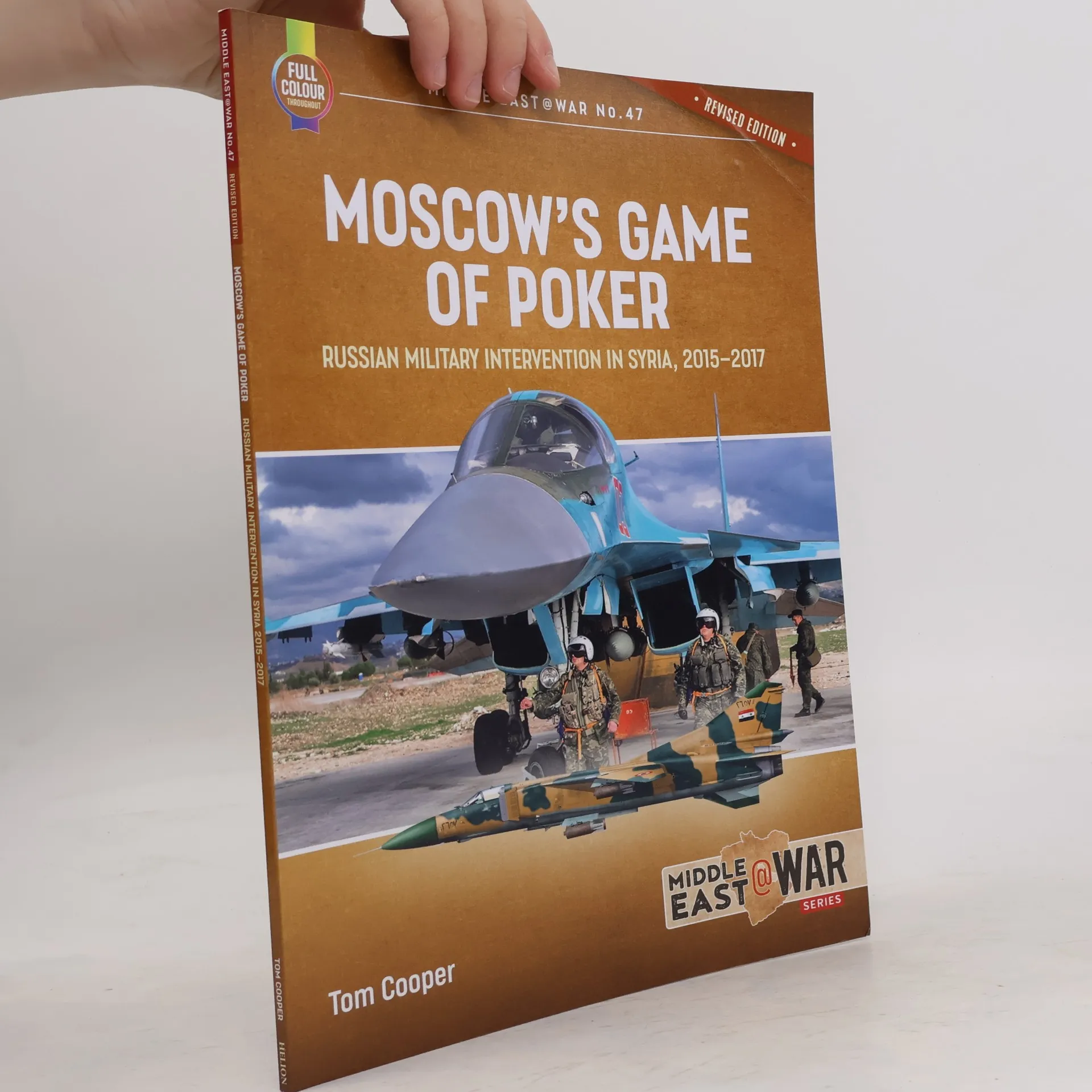
Middle East at War - 47: Moscow's Game of Poker
Russian Military Intervention in Syria, 2015-2017 - Revised Edition
- 96 Seiten
- 4 Lesestunden
In August 2015, the Russian government initiated a military intervention in Syria, sparking extensive debate about its military capabilities and intentions. The performance of the Russian military, particularly the Air-Space Force (VKS), was seen by some as a showcase of advanced technology, improved training, and formidable firepower. Others argued that the operation revealed significant shortcomings, including the use of aircraft ill-suited for expeditionary warfare and a lack of advanced weaponry. While the military aspect indicated that Russia could not directly challenge NATO's eastern frontiers, it undeniably marked a turning point in the Syrian Civil War and had broader geostrategic implications. The intervention involved collaboration with diverse allies, including the Iranian Revolutionary Guards, Hezbollah, the PKK, and various local militias. Through targeted bombardments of insurgent-held areas and indirect support for Iranian forces, Russia played a crucial role in preserving Bashar al-Assad's regime. This analysis offers a detailed examination of Moscow's political objectives, strategy, military technology, tactics, and daily operations, alongside insights into the actions of the remaining Syrian Arab Air Force.
The Book Club
- 368 Seiten
- 13 Lesestunden
Can you trust the woman next door? An addictive, edge-of-your-seat psychological thriller for fans of Big Little Lies, The Couple Next Door and The Neighbour.