
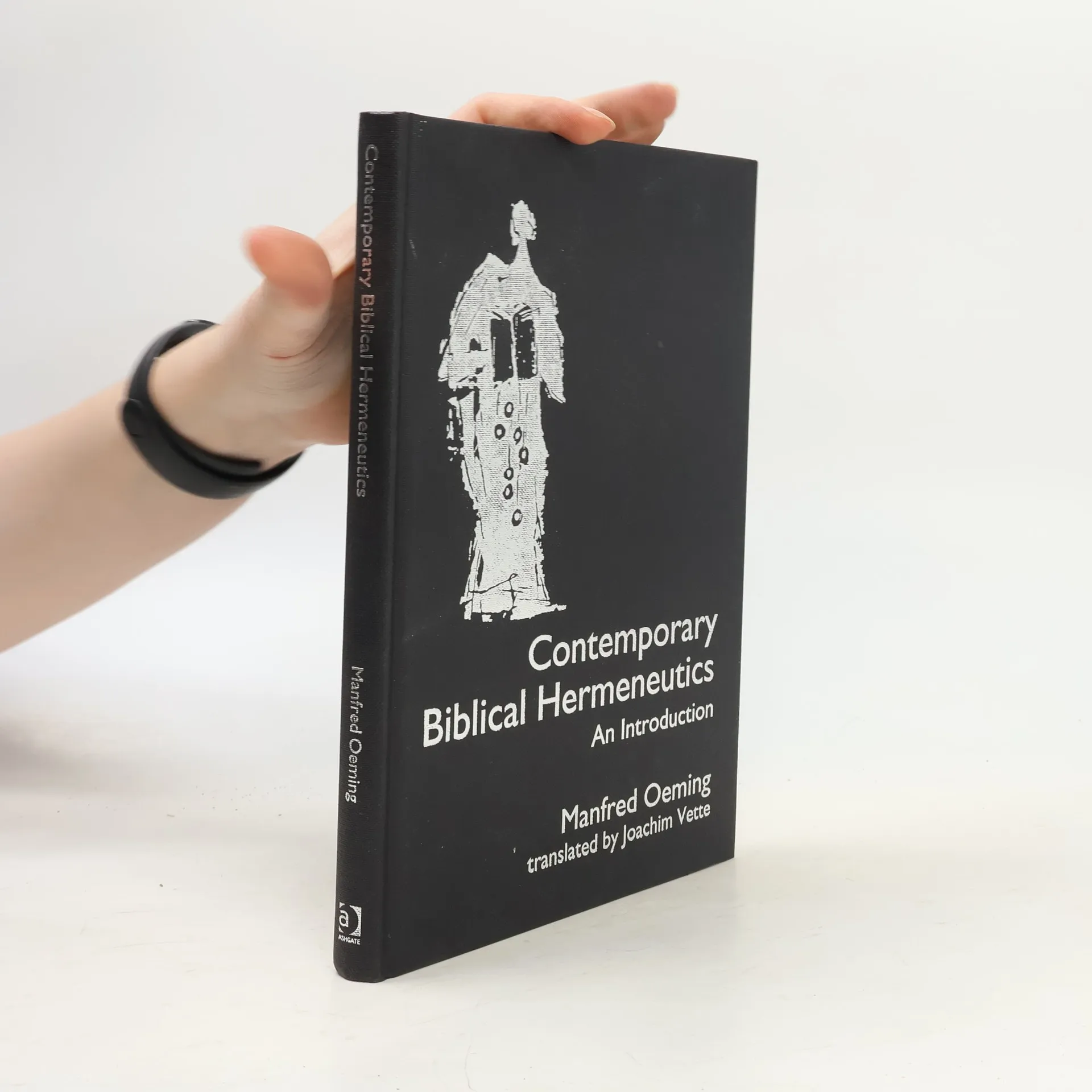

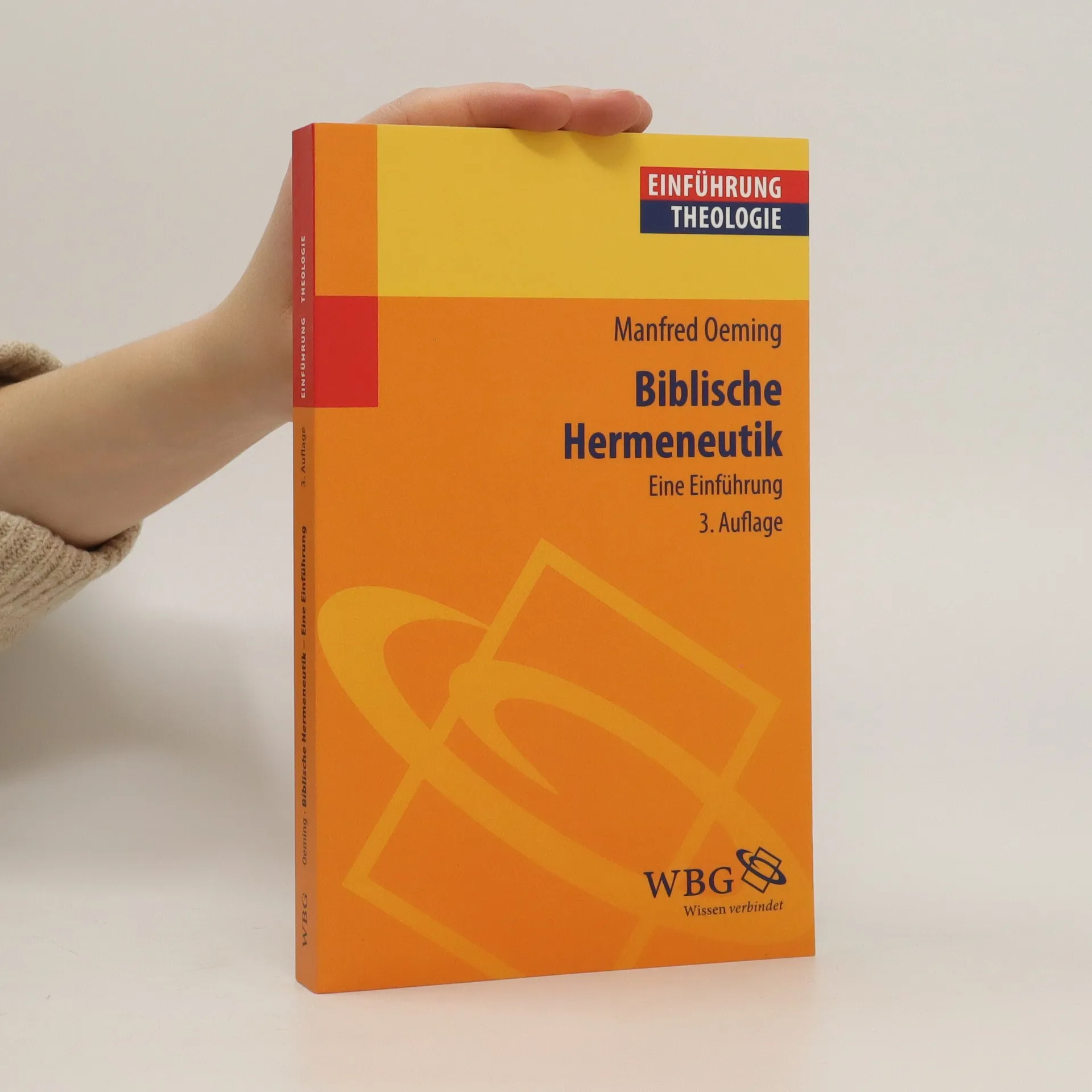
Die biblische Hermeneutik ist die Wissenschaft vom Verständnis der biblischen Schriften, entwickelt also die Methoden, die dem Verständnis der Heiligen Schrift dienen. Sie analysiert die Art und Weise, wie die wissenschaftliche Bibelauslegung vorgeht, aber auch, wie die Bibel im außeruniversitären Bereich verstanden und angewendet wird. Die vorliegende Einführung erläutert zunächst den grundsätzlichen Prozess des Verstehens und gibt dann einen geschichtlichen Überblick zu Formen und Methoden. Vorgestellt werden u. a. die historisch-kritische Exegese, die Sozialgeschichte, die historische Psychologie, die Lingustik, die kanonische Schriftauslegung, die tiefenpsychologische Bibelauslegung und die symbolorientierte Exegese. So entsteht ein umfassendes Bild der Bemühungen, die ‘Bedeutung der Worte’ in der Bibel zu erkunden.
Manfred Oeming Bücher


Die Einführung von Manfred Oeming zur biblischen Hermeneutik analysiert wissenschaftliche und alltägliche Lesarten der Bibel. Sie beschreibt den Verstehensprozess und die historische Entwicklung hermeneutischer Methoden, verbindet theologische und literaturwissenschaftliche Fragestellungen und richtet sich an Theologiestudenten zur Seminar- und Prüfungsvorbereitung.
Bibelkunde Altes Testament
- 112 Seiten
- 4 Lesestunden
Focusing on the diverse methodologies of biblical interpretation, this classic work offers a comprehensive introduction to hermeneutics, now available in English. Manfred Oeming outlines the historical development of philosophical hermeneutics and explains the necessity for varied interpretative approaches, particularly regarding biblical texts. By integrating insights from the German hermeneutical tradition, the book serves as a valuable resource for students, educators, and preachers, fostering a dialogue between Anglo-American and German scholarship.
Job's Journey
- 110 Seiten
- 4 Lesestunden
"From the Introduction: "The book of Job does not promote silence about God because we cannot say anything about him. Otherwise, this book would never have been written. But the book of Job does bid farewell to certain types of theology--and we need not bemoan their loss: theology as the wisdom of the world projected into heaven; theology as pious reflection on a higher being that then mistakes traditional or innovative ideas about God entirely for God himself; theology that purports to communicate direct revelation from God. The book of Job distrusts and disbelieves all this to its core. Instead, it states clearly that this is not God; these are only graven images. Such fundamental criticism of all pseudo-theology is--and here we can only agree with the book of Job--not the end but the very beginning of theology." This book is not an attempt to cover every angle and answer every question that we have about the book of Job. Instead, Konrad Schmid, in the introductory chapter, provides us with an analysis of the structure of the book that helps us to see the book as a whole. And Manfred Oeming, in the chapters that follow, provides clear snapshots of various elements of the book, including a summary of the dialogues, Job's monologue, Elihu's speech ("the Anti-Monologue"), Job's encounter with God, and the destination (of Job's journey). Between them, the two authors provide an accessible scholarly and theological approach to the book that is richly satisfying"-- Provided by publisher