Aktueller Anlass des Buches waren die politischen Bewegungen der 30er Jahre in Europa, insbesondere der deutsche Nationalsozialismus. Das spezifische Anliegen Voegelins bestand darin - die politische Oberfläche durchstoßend - den religiösen Wesenskern dieser Bewegungen freizulegen und im Rückblick auf die europäische Geistesgeschichte den Prozess ihres allmählichen Aufstiegs nachzuzeichnen. In einer Zeit, da mit dem Bankrott der "Idées générales" auch die politischen Religionen sich endgültig als ruinös erwiesen haben, in der aber gleichzeitig die Entwicklungen in der islamischen Welt die von Voegelin aufgezeigte enge Verbindung von Religion und Politik nachdrücklich bestätigen, gewinnt diese inzwischen in mehrere Sprachen übersetzte Studie Voegelins aus dem Jahre 1938 eine neue und bezwingende Aktualität. Neben einem neuen ausführlichen Nachwort des Herausgebers enthält die Neuauflage den Text des ursprünglichen Vorworts sowie einen bislang unveröffentlichten Brief Thomas Manns über die Politischen Religionen.
Eric Voegelin Bücher
Dieser Autor befasst sich mit den tiefgreifenden politischen und sozialen Strömungen, die die menschliche Gesellschaft prägen. Seine Arbeit erforscht die Natur von Ordnung, Unordnung und menschlicher Existenz im politischen Bereich und betont zeitlose Fragen über den spirituellen Zustand der Menschheit. Seine Gedanken, die sich zwischen den akademischen Welten Europas und Amerikas bewegten, spiegeln eine reiche Vielfalt intellektueller Traditionen wider. Seine Analyse ist scharfsinnig und zielt darauf ab, grundlegende Wahrheiten über die politische Erfahrung aufzudecken.


Unsterblichkeit
- 100 Seiten
- 4 Lesestunden
Die „geistige Krise“ der westlichen Moderne bildet den Mittelpunkt, um den das Denken Voegelins kreiste. Die Rekonstruktion der Prozesse, die in diese Krise führten und die Bestimmung ihrer geistigen Wurzeln bilden das eine große Thema seines Werkes, die Suche nach Wegen aus dieser Krise und der Entwurf einer Philosophie der Ordnung das andere. 1938, noch in Wien, hatte Voegelin in der Studie die Politischen Religionen eine erste Deutung dieser Krise vorgelegt. Ein Jahrzehnt später, inzwischen noch immer in der Emigration, folgte im Schlussteil seiner History of Political Ideas, eine zweite, weitaus präzisere Diagnose. Unter dem Titel „Die Krise“ verfolgte sie jene intellektuellen und politischen Strömungen seit der Aufklärung, die zur Zerstörung der geistigen Grundlagen der westlichen Zivilisation führten und schließlich in den totalitären Regimen des 20. Jahrhunderts ihren blutigen Höhepunkt fanden.
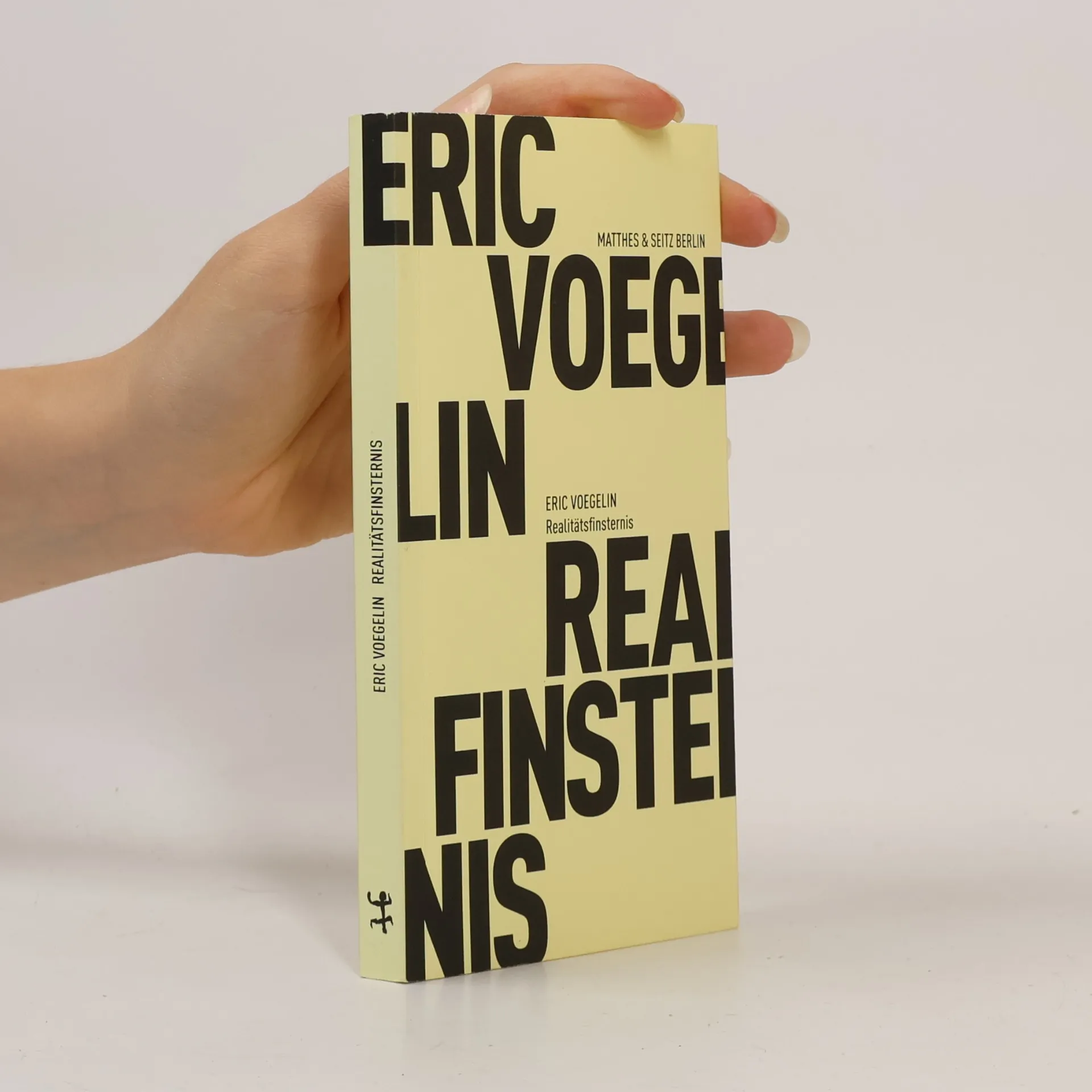
Realitätsfinsternis
- 160 Seiten
- 6 Lesestunden
Einer der dunkelsten und faszinierendsten Texte Eric Voegelins. Fragment geblieben, behandelt er das Thema der Metaphysikblindheit der Moderne. Peter J. Opitz, der Herausgeber seiner Schriften, geht in einem luziden Nachwort auf die Zusammenhänge seiner Entstehung und den Kontext ein, in dem »Realitätsfinsternis« thematisch und werkgeschichtlich steht. »Durch einen Akt der Imagination kann der Mensch sich zu einem Selbst schrumpfen, das dazu ›verdammt ist, frei zu sein‹.«
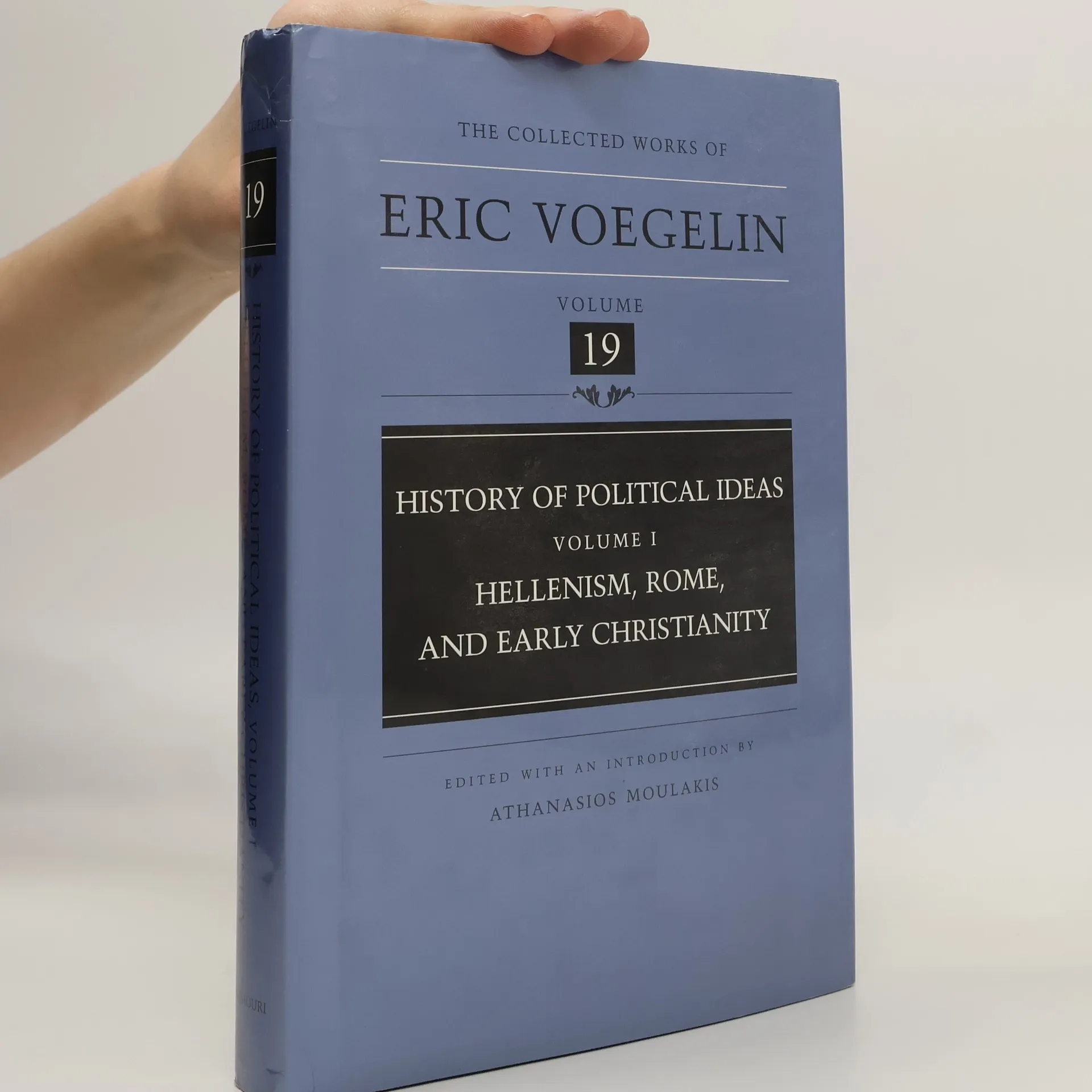
The Collected Works Of Eric Voegelin - 19: History Of Political Ideas, Volume 1
Hellenism, Rome, And Early Christianity
- 281 Seiten
- 10 Lesestunden
Spanning from the decline of the Greek Polis to Saint Augustine, this first volume of Eric Voegelin's History of Political Ideas bridges the gap between the third and fourth volumes of Order and History. Central to the work is a compelling exploration of Apostolic Christianity's political implications and the contributions of early church fathers. Voegelin's insights into Roman political philosophy and his distinctive analysis of Greek and early Roman law are particularly noteworthy. Originally conceived as a textbook for Macmillan, Voegelin aimed for an original interpretation rather than a conventional synthesis, relying on primary sources and the most advanced scholarship available. Consequently, the book expanded beyond a marketable college survey and remained unpublished until now. As he wrote, Voegelin evolved beyond the framework of a "History of Political Ideas," leading to the creation of Order and History and other mature works. This volume serves as a rich collection of materials that informed much of his later theoretical development, revealing the conceptual foundations of his thought. In examining Hellenism, Rome, and Early Christianity, Voegelin illustrates how the "spiritual disintegration" of the Hellenic world initiated a significant transition in the self-understanding of Mediterranean and European societies. His reflections address universal concerns about the order of human existence in society and hist
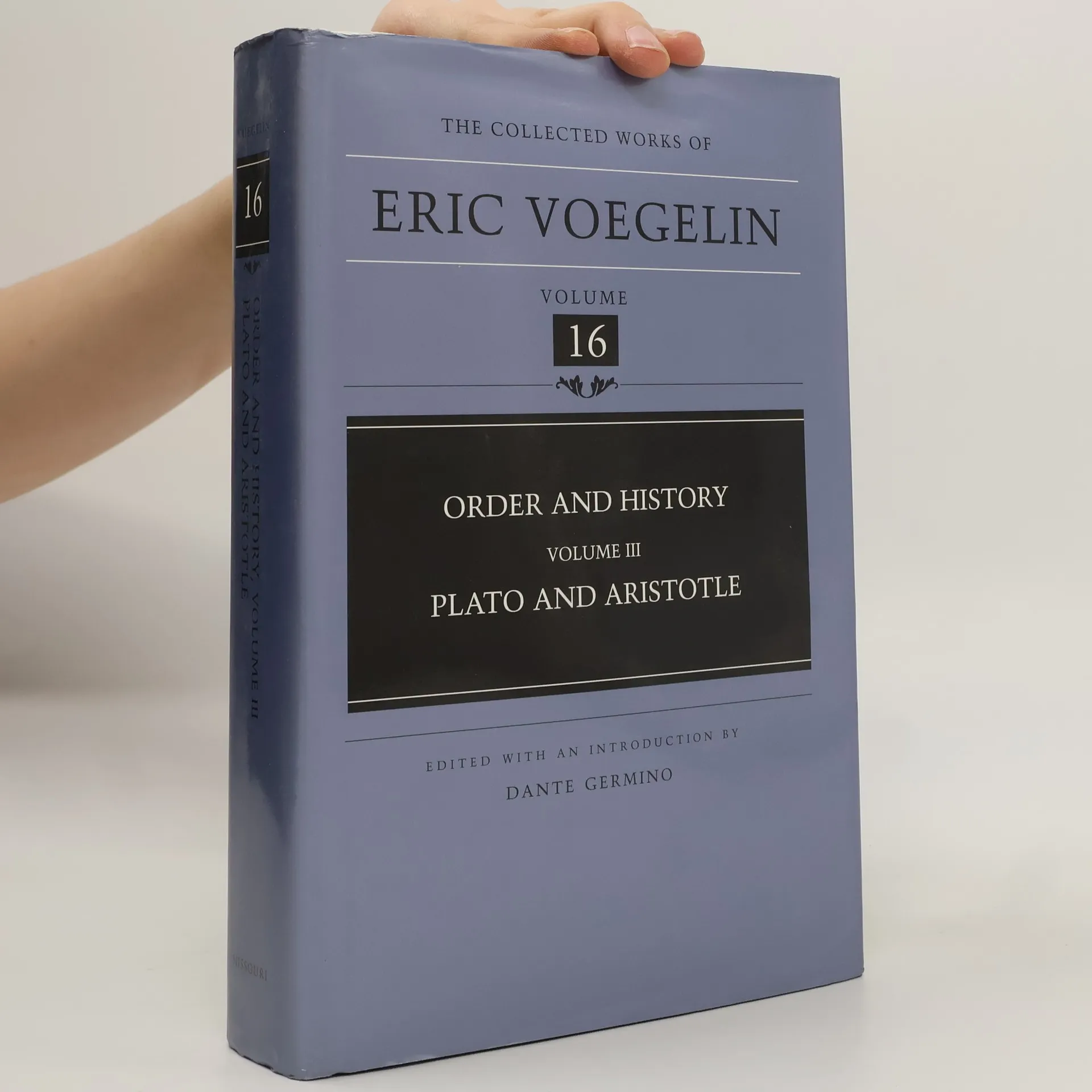
Plato and Aristotle
- 464 Seiten
- 17 Lesestunden
This third volume of Order and History together with its companion volume, The World of the Polis, completes the study of Greek culture from its earliest pre-Hellenic origins to its full maturity with the dominance of Athens. As its title indicates, it is principally devoted to the work of the two great thinkers who represent the high point of philosophic inquiry among the Greeks.
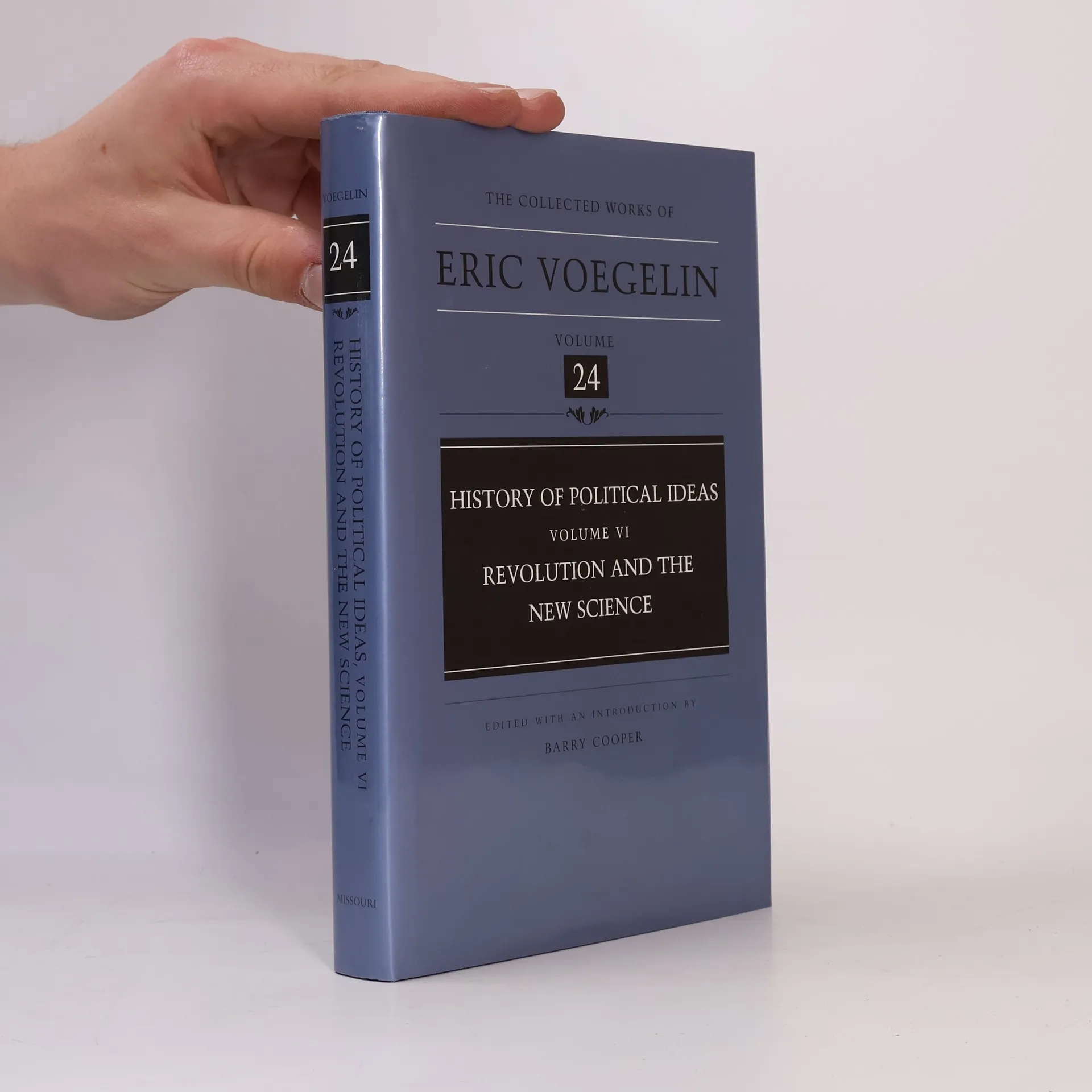
The Collected Works of Eric Voegelin - 24: History of Political Ideas, Volume 6
Revolution and the New Science
- 227 Seiten
- 8 Lesestunden
Volume VI of Voegelin's exploration of Western political ideas delves into the mystic-philosopher Jean Bodin, beginning with the conflict between Bishop Bossuet and Voltaire over sacred versus profane history. Bossuet upholds the traditional Christian view rooted in Saint Augustine's City of God, while Voltaire highlights historical facts, such as the sizes of the Russian and Roman empires, Chinese civilization, and the New World, which challenge Bossuet's framework. This volume centers on the historicity of evocative symbols of political order, a problem initially addressed by Vico's New Science. Voegelin connects this issue to a broader trend of increasing closure toward the world-transcendent ground of reality, leading to disorientation in personal, social, and political life, reflected in diminished experiences and narratives of history and nature. Vico stands out as an exception to the decline in modern political thought and self-understanding. The extensive chapter on Vico offers a profound analysis that supports Voegelin's intellectual project. Alongside similarly thought-provoking chapters on Bodin and Schelling in other volumes, this section can be viewed as part of Voegelin's own spiritual autobiography.
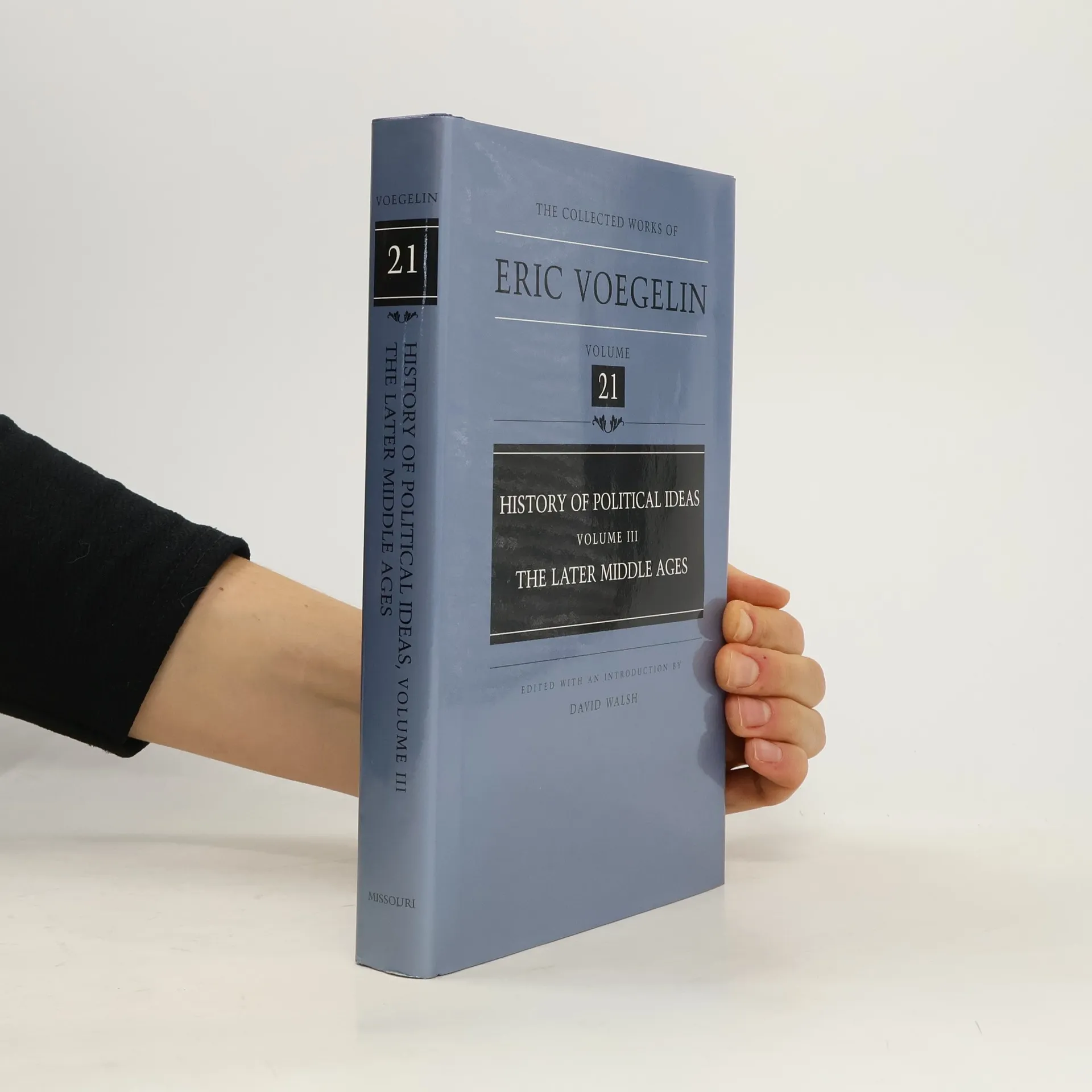
The Collected Works of Eric Voegelin - 21: History of Political Ideas, Volume 3
The Late Middle Ages
- 283 Seiten
- 10 Lesestunden
In "The Later Middle Ages," the third volume of his monumental "History of Political Ideas," Eric Voegelin delves into a pivotal era in political thought, illuminating key figures of the high Middle Ages. He explores the historical momentum that shaped the modern world through the core symbols of medieval civilization, centered on the aspiration for the "sacrum imperium," an order that unites the transcendent and immanent, ecclesiastical and political, divine and human. This period is marked by a "civilizational schism," where both the reality and aspiration for the "sacrum imperium" faded, leading to the dissolution of faith and reason. Voegelin's unique perspective highlights figures like William of Ockham, Dante, Giles of Rome, and Marsilius of Padua, who sought personal authority and intellectual analysis to understand the loss of this ideal. He also investigates lesser-studied aspects of the era, such as the mysticism in "Piers Plowman" and Cola di Rienzo's apocalyptic revolt, which reflect reactions to societal disintegration. However, Voegelin also identifies the emergence of the constitutional political tradition as a significant positive development, particularly in distinguishing between representative institutions and communal consciousness. His insights into the English political pattern and the German imperial zone culminate in a compelling analysis of Nicholas of Cusa, who envisioned the unity of mankind beyond f
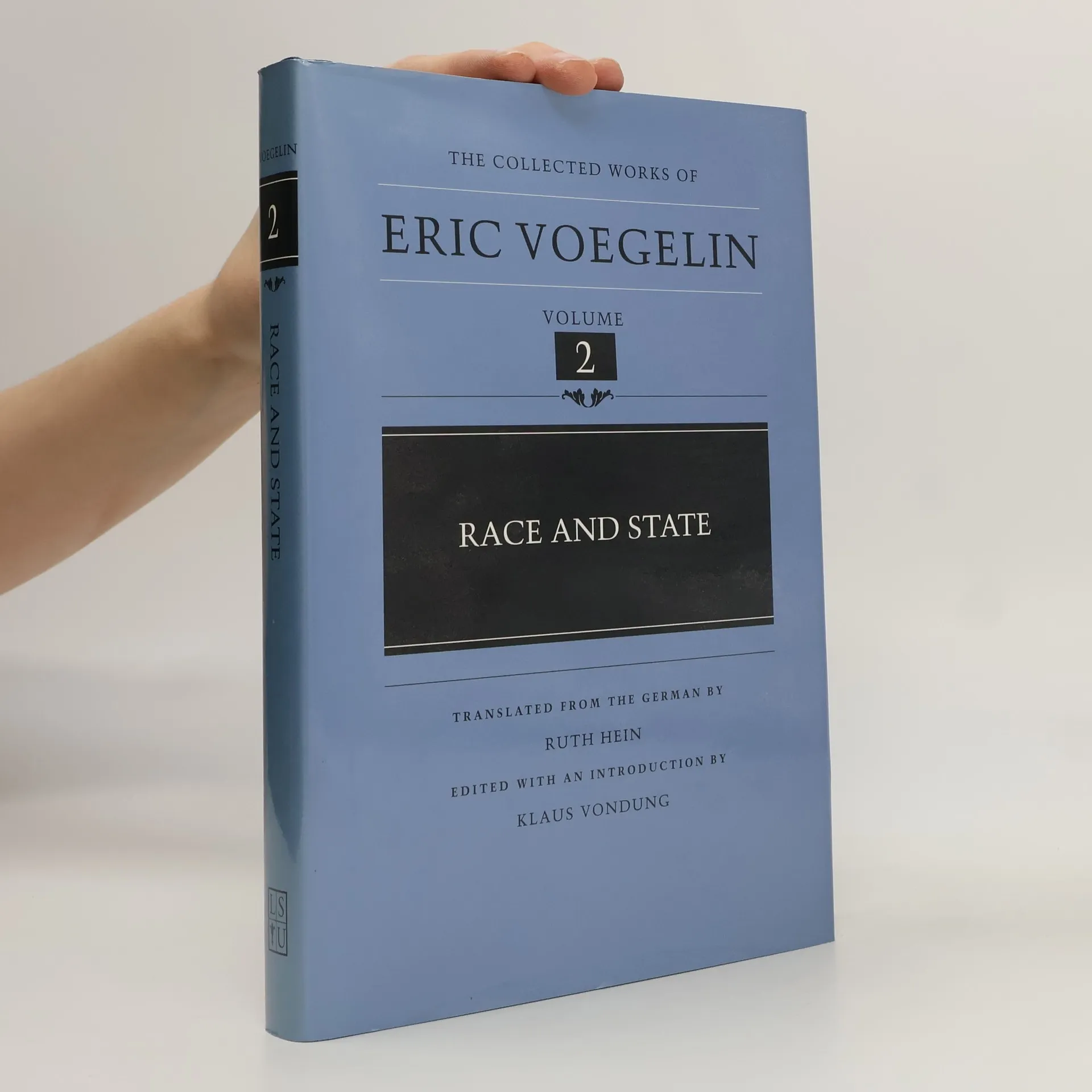
The Collected Works of Eric Voegelin - 2: Race and State
- 256 Seiten
- 9 Lesestunden
In Part II Voegelin deals with race ideas, which he distinguishes from race theories. Race ideas, like other political ideas, form a part of political reality itself, contributing to the formation of social groups and societies. Voegelin shows that the modern race idea is just one "body idea" among others, such as the tribal state and the Kingdom of Christ, each offering a different symbolic image of community.
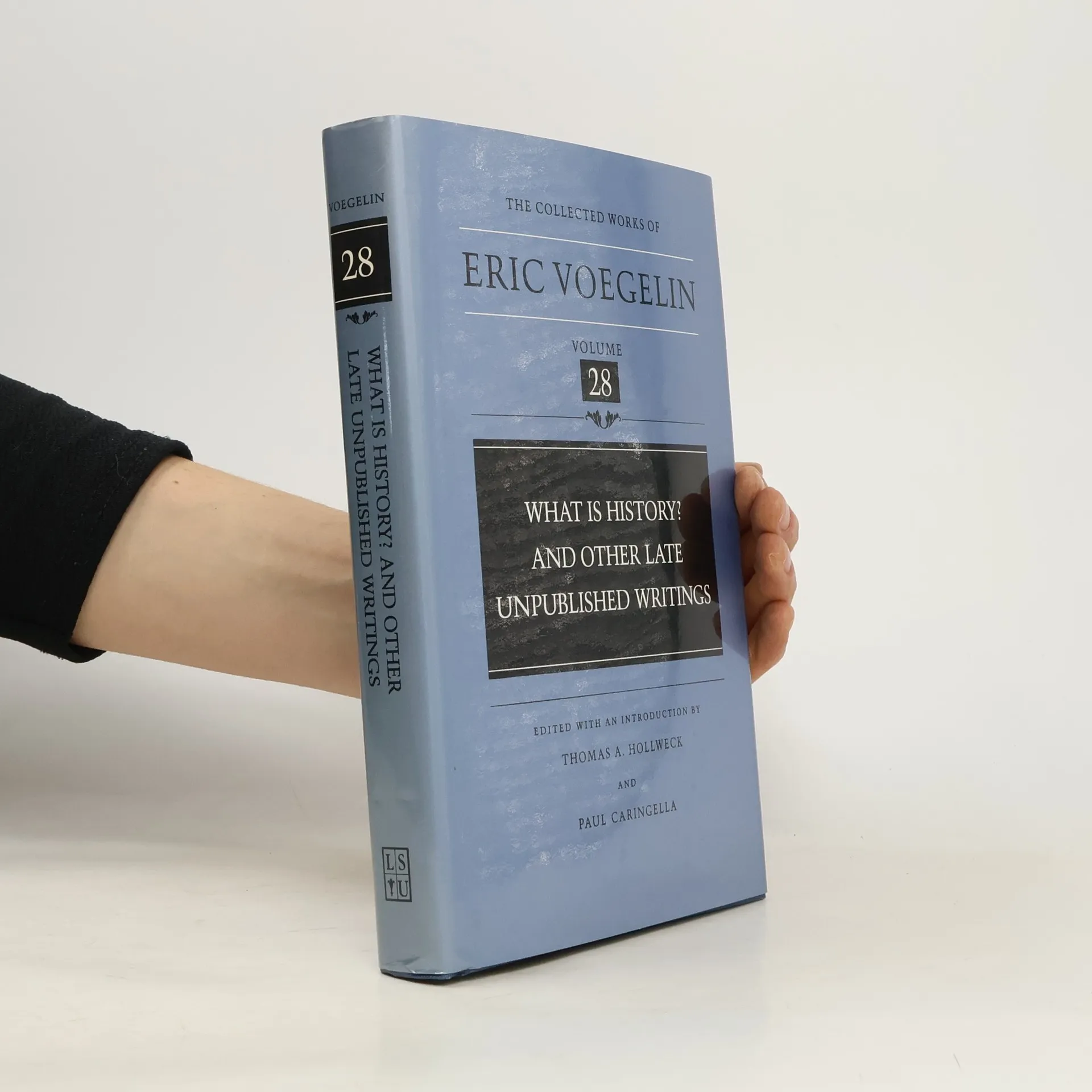
The Collected Works of Eric Voegelin - 28: What Is History? and Other Late Unpublished Writings
- 280 Seiten
- 10 Lesestunden
This volume features significant unpublished writings by Eric Voegelin from the early 1960s to the late 1970s, complementing his published works following the first three volumes of Order and History. It includes five texts: "What Is History?", "Anxiety and Reason," "The Eclipse of Reality," "The Moving Soul," and "The Beginning and the Beyond." The introduction by Thomas A. Hollweck and Paul Caringella contextualizes these writings and highlights their role in the evolution of Voegelin's thought. In "What Is History?", Voegelin explores the development of a transcendent historical structure while rejecting the idea of universal meaning in history. "Anxiety and Reason" delves into his theory of historiogenesis, linking pragmatic history with legendary events tied to the cosmic order's beginnings. "The Eclipse of Reality" critiques modernity through analyses of thinkers like Sartre and Comte. "The Moving Soul," inspired by Henry Margenau, reformulates the relationship between physics and myth. The most significant essay, "The Beginning and the Beyond," reflects on the universality of experience shaped by the tension of existence under God. These previously unpublished writings allow scholars to trace the genesis of Voegelin's concerns during a transformative period in his intellectual journey.
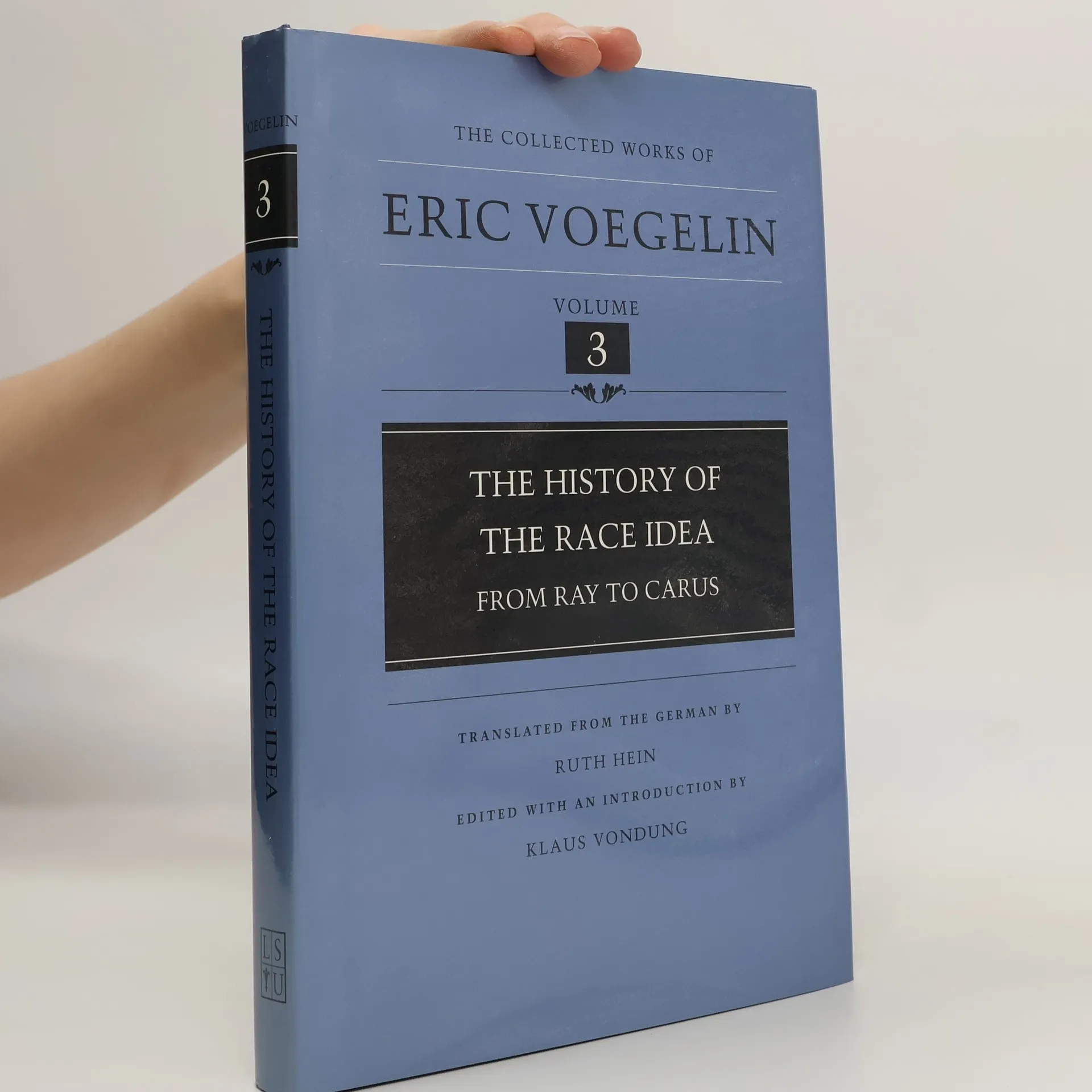
The Collected Works of Eric Voegelin - 3: The History of the Race Idea From Ray to Carus
- 216 Seiten
- 8 Lesestunden
By the middle of the eighteenth century the effort of philosophy was to place man, with his variety of physical manifestations throughout the world, within a systemic order of nature. Voegelin perceives the problem of race as the epitome of the difficulties presented by this new theoretical approach.
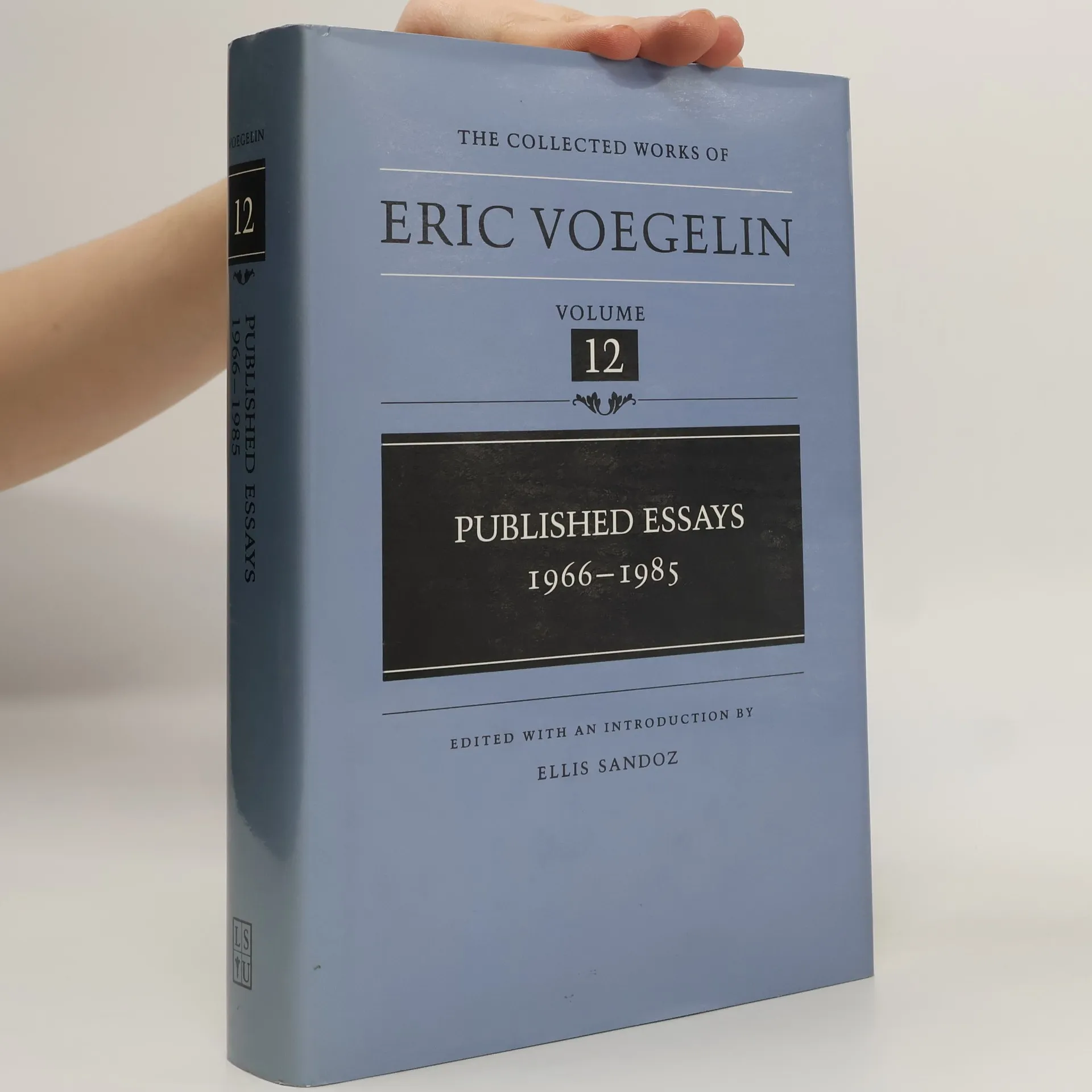
Published Essays, 1966-1985 includes some of the most trenchant and compelling of Eric Voegelin's work and is an indispensable companion to his
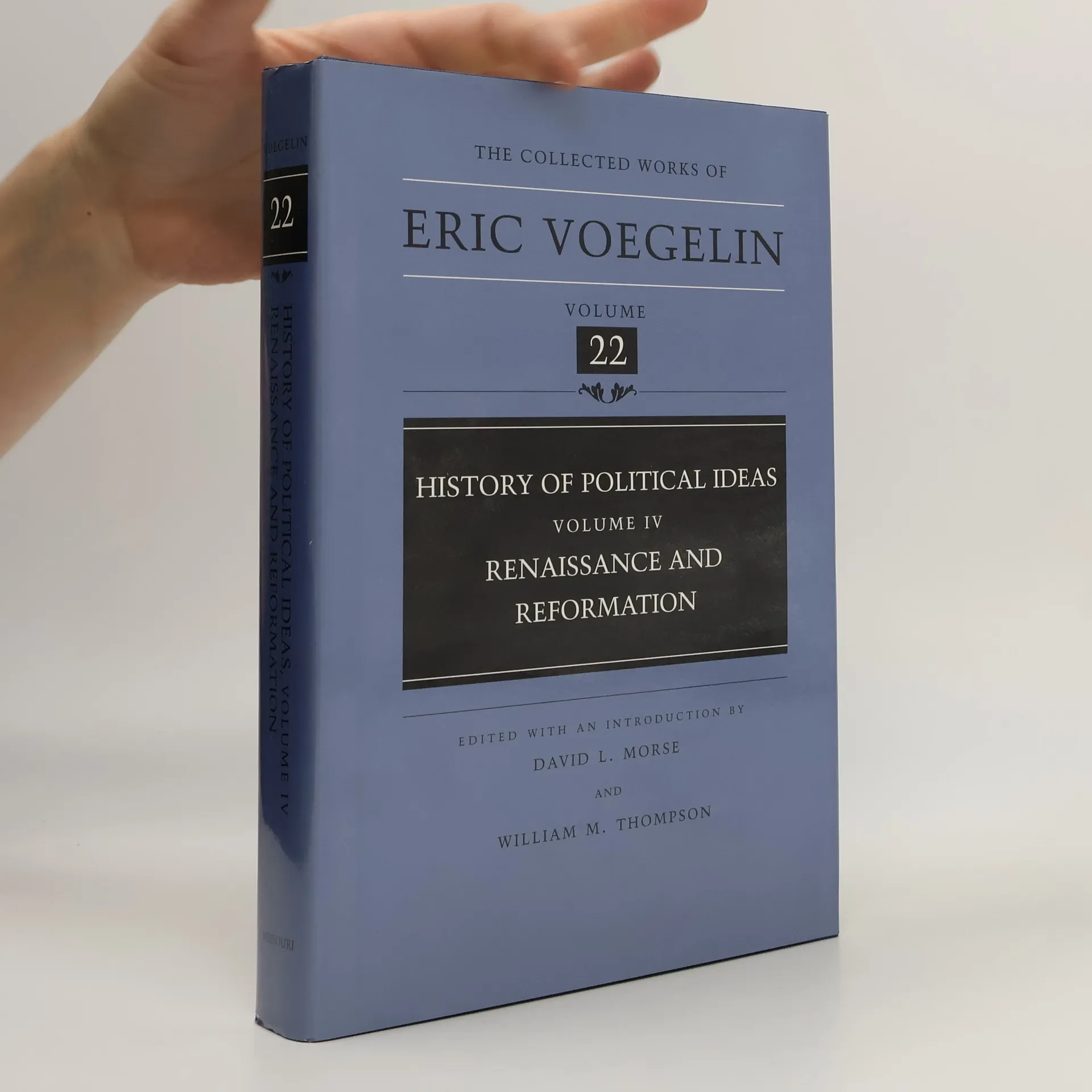
The Collected Works of Eric Voegelin - 22: History of Political Ideas
Volume 4: Renaissance and Reformation
- 309 Seiten
- 11 Lesestunden
《文艺复兴与宗教改革》是沃格林八卷本“政治观念史稿”的第四卷,本卷涵盖了文艺复兴与宗教改革所代表的现代时期。现代性的哲学之维一直都是作为政治科学家的沃格林著作的主题之一,在本书中,沃格林阐析了帝国基督教统一性的崩溃,此种崩溃引发了自主理性与教派反叛的崛起,这些趋势在19世纪与20世纪得到更为充分的展开。本书所包含的不仅有沃格林对现代性早期的分析,还有他在后期作品中处理的、对许多现代运动之直接根源的描述与分析。这些分析足以为我们理解现代性的种种特征提供基础。
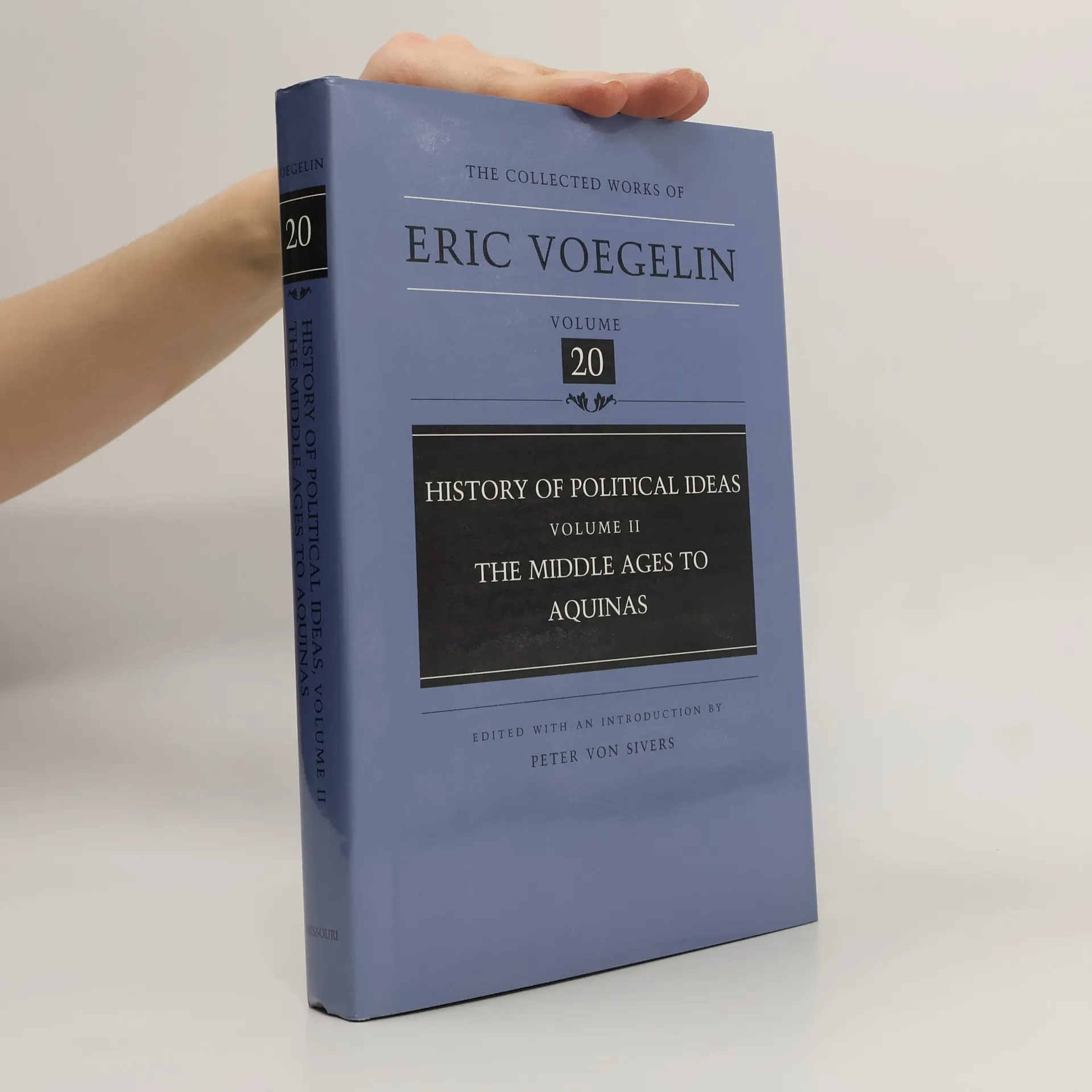
History of Political Ideas. Volume II
The Middle Ages to Aquinas
The series will publish all of philosopher Voegelin's (1901-1985) works, including the previously unpublished, multi-volume History of Political Ideas, of which this is the second volume. Completed in 1944, it is not a conventional chronological account but an original comprehensive account of the political thought and experiential underpinnings that typified the medieval period. A survey of the structure of the period is followed by analysis of the Germanic invasions, the fall of Rome, and the rise of empire and monastic Christianity, climaxing in a study of Saint Thomas Aquinas. Annotation copyrighted by Book News, Inc., Portland, OR
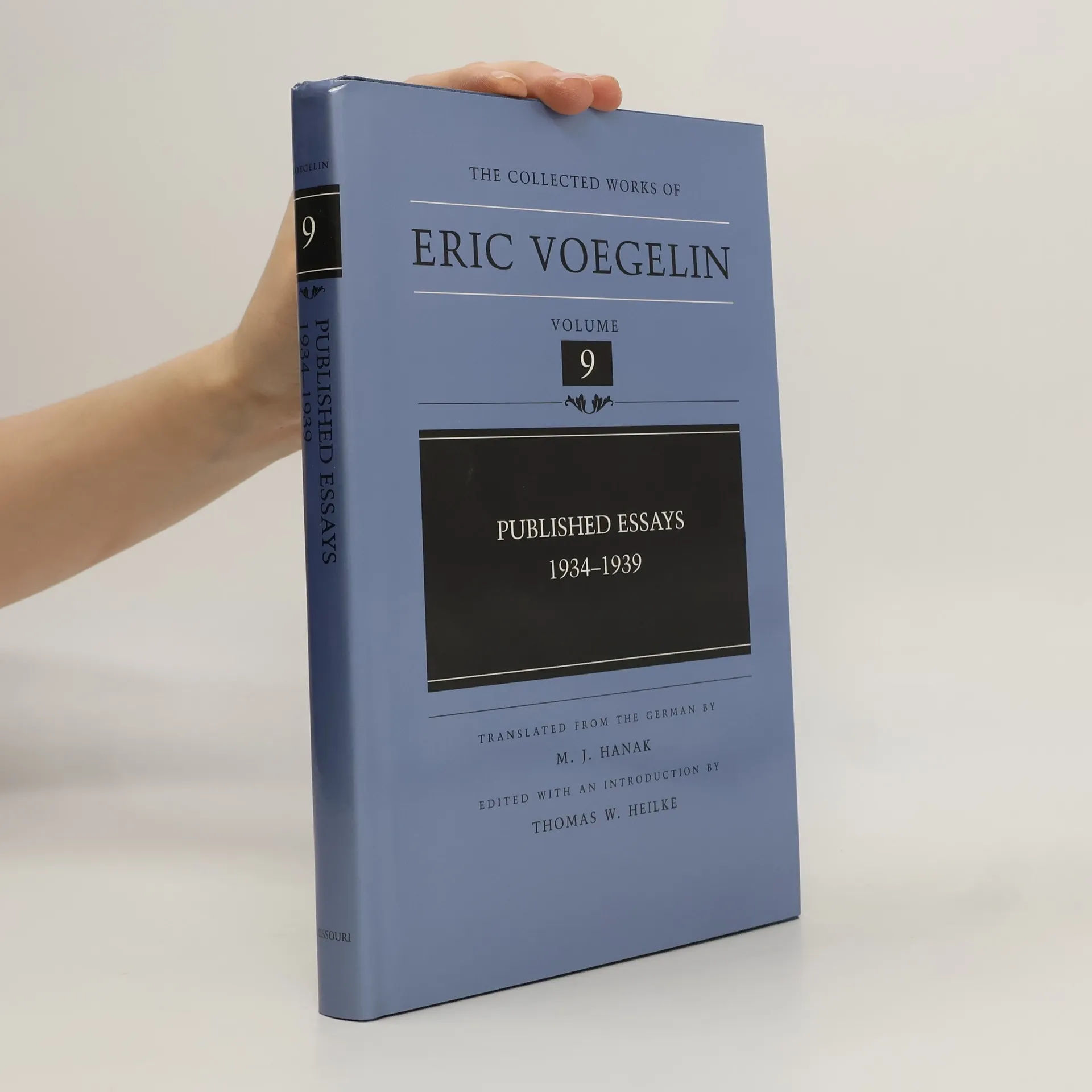
This collection of essays showcases Eric Voegelin as both a scholar and public intellectual in Vienna from 1934 to 1939, before his escape from Nazi terror in 1938. The essays reflect his diverse thinking and scholarly pursuits, addressing topics such as Austrian politics, constitutional history, European racism, public opinion formation, administrative law theories, and the role of political science in university education. Several pieces offer commentaries or summaries of arguments he presented in his five published books from 1928 to 1938. The essays weave together multiple thematic threads that resonate with contemporary readers. Thirteen pieces are shorter works published in trade journals and newspapers, with nine appearing in the Wiener Zeitung in 1934 and the Neue Freie Presse in 1937. These highlight two key periods when Voegelin engaged as a public intellectual, both as a lecturer and in print. This collection will appeal to a broad audience, including constitutional historians, political science historians, political theorists, and those interested in Voegelin's later contributions.
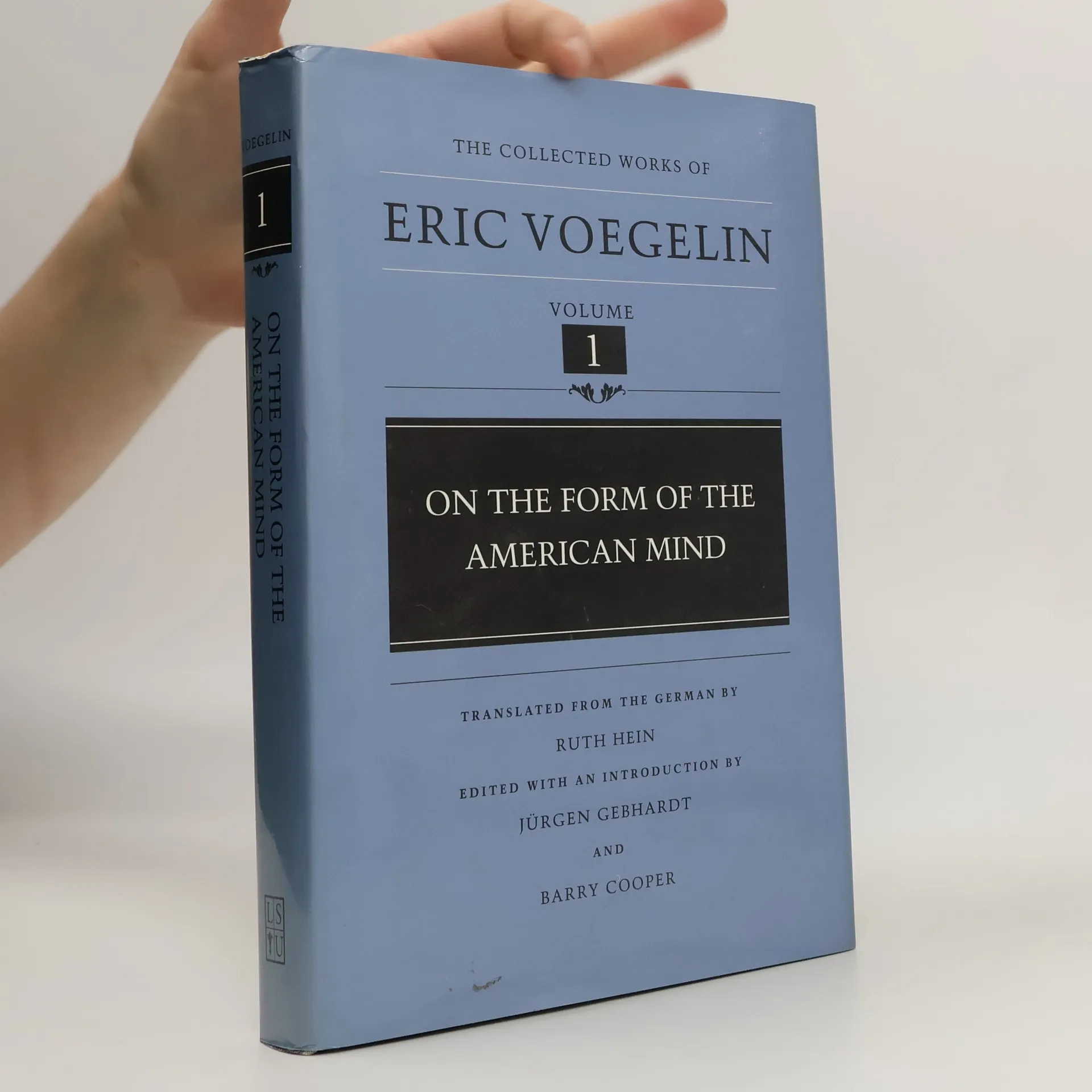
The Collected Works of Eric Voegelin - 1: On the Form of the American Mind
- 312 Seiten
- 11 Lesestunden
In 1924, Eric Voegelin, shortly after earning his doctorate from the University of Vienna, became a Laura Spelman Rockefeller Memorial Fellow, allowing him to pursue postdoctoral studies in the United States. Over the next two years, he collaborated with influential scholars at prominent universities, shaping his scholarly and personal perspectives. This experience culminated in the 1928 publication of his first major work, where his sharp insights and analyses are presented alongside a developing conceptual vocabulary. Voegelin explores the American mind's form, starting with a nuanced discussion of time and existence in European and American philosophy. He interprets George Santayana, examines the Puritan mystic Jonathan Edwards, analyzes Anglo-American jurisprudence, and considers John R. Commons' views on democracy's mental, political, social, and economic dimensions in modern America. Despite the seemingly disparate themes, Voegelin reveals their underlying unity, focusing on linguistic expressions of theoretical nature. His work integrates Lebensphilosophie with what Georg Misch termed the "philosophical combination of anthropology and history," contributing to a theoretical paradigm of philosophical anthropology. Jürgen Gebhardt and Barry Cooper's two-part introduction contextualizes Voegelin's study within the methodological debates of his time and compares it with contemporaneous works from the post-World War I era.
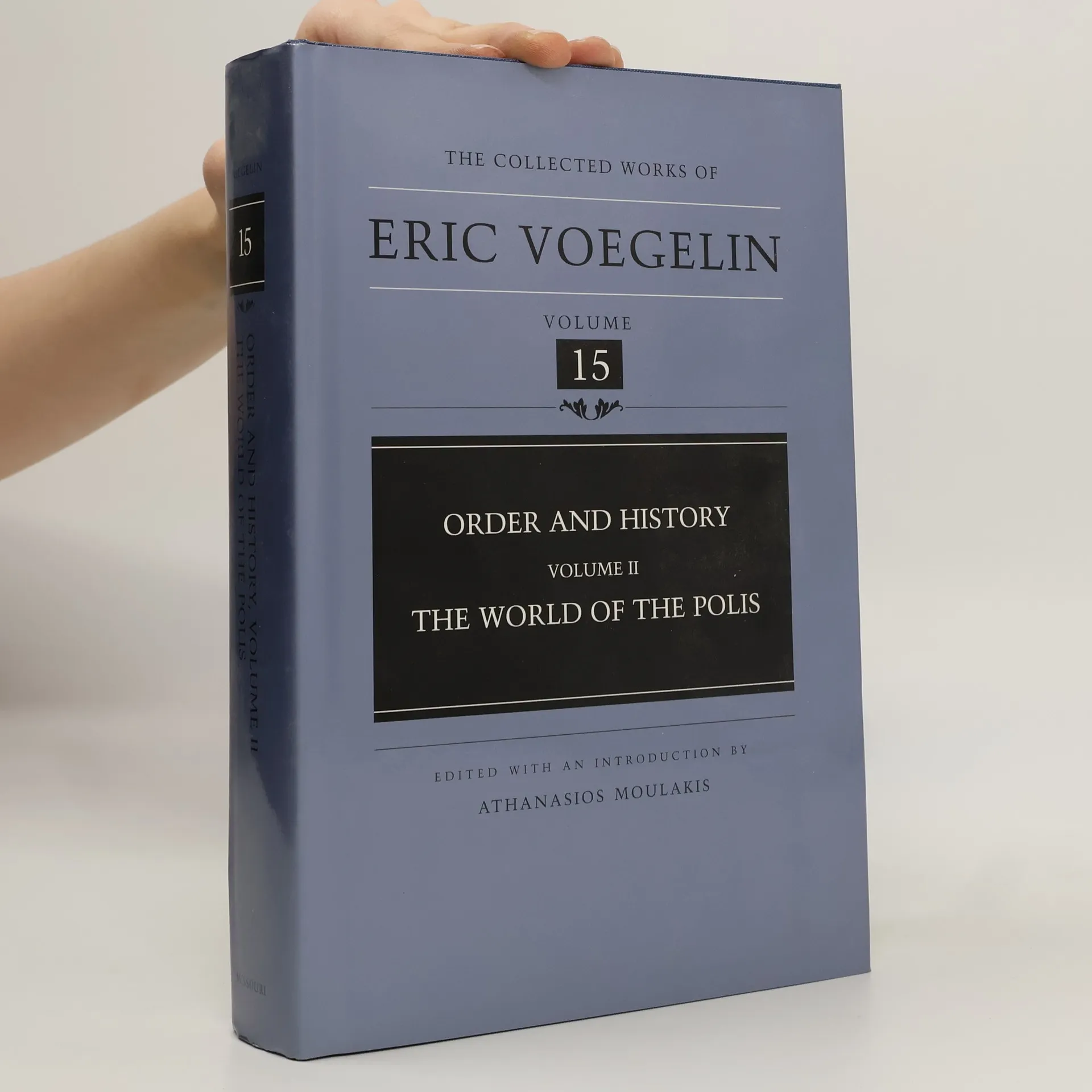
The Collected Works of Eric Voegelin - 15: Order and History
The World of the Polis
- 488 Seiten
- 18 Lesestunden
Esta obra explora a antiga simbolização grega da realidade humana. Conduzindo os leitores desde as origens da cultura grega nas civilizações da Creta pré-homérica pela Ilíada e pela Odisséia, passando por Hesíodo e pelo surgimento da filosoia com os pré-socráticos Parmênides e Heráclito.
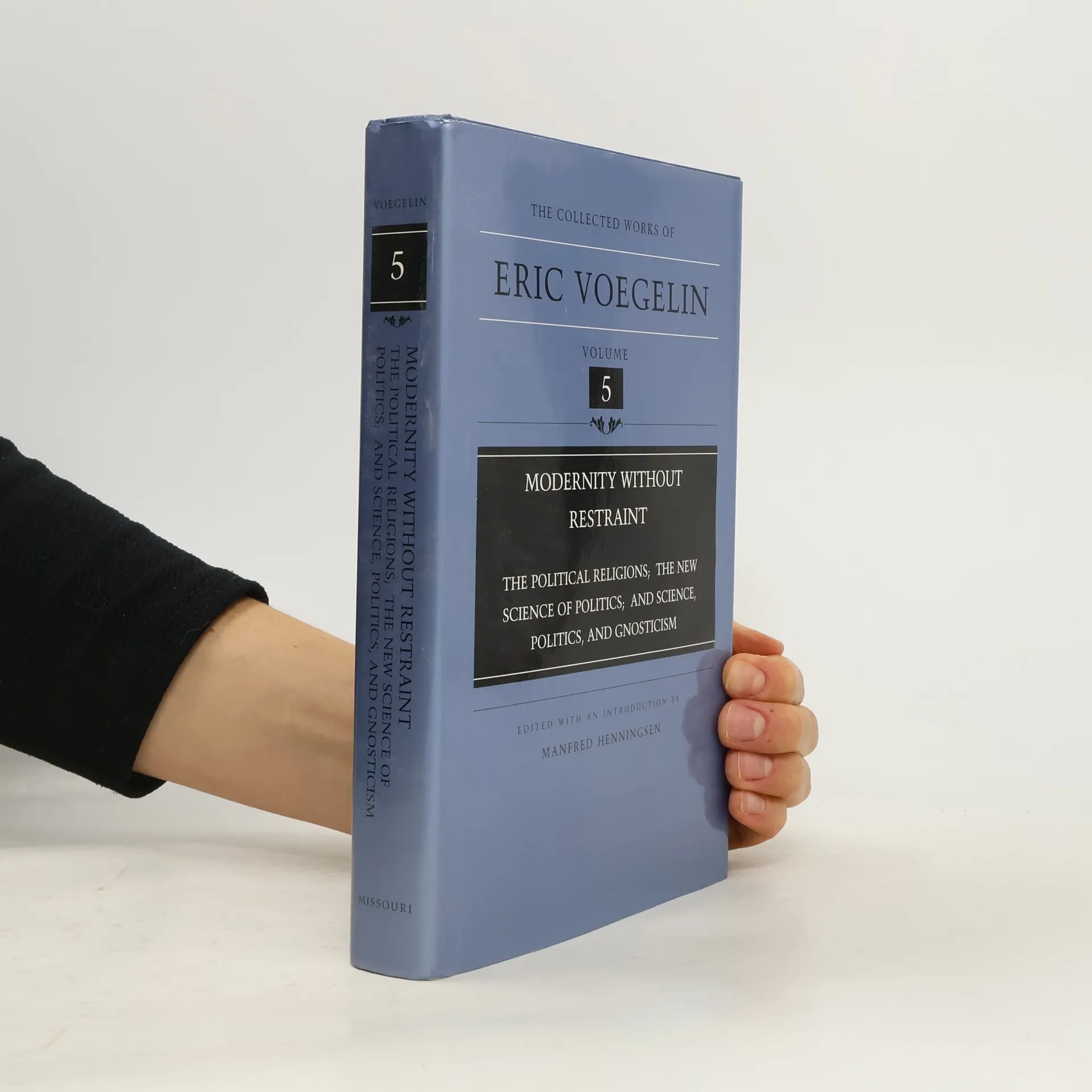
The Collected Works Of Eric Voegelin - 5: Modernity Without Restraint
Political Religions; The New Science Of Politics; And Science, Politics And Gnosticism
- 336 Seiten
- 12 Lesestunden
This volume brings together Eric Voegelin's three significant works: Political Religions, The New Science of Politics, and Science, Politics, and Gnosticism. Political Religions, published in 1938, marked Voegelin's emigration from Austria, while The New Science of Politics, written in 1952, solidified his reputation in American political philosophy. Science, Politics, and Gnosticism, presented as his Inaugural Lecture in 1958 at the University of Munich, introduced him to the West German intellectual community. Despite being written during different historical periods, all three works analyze modern Western civilization's loss of spiritual foundations and the challenges posed by various ideologies. Voegelin critiques a "modernity without restraint," characterized by Hegelian, Marxian, Nietzschean, and other German influences. He contrasts this with the Western meaning derived from ancient Greece, Rome, Israel, and Christianity, evolving through the Middle Ages, the Renaissance, and Anglo-American political thought. This collection examines the intellectual and spiritual complexities of modernity, tracing its development from ancient civilizations to the twentieth century. In a substantial new introduction, Manfred Henningsen discusses the experiential background that shaped Voegelin's analyses and highlights the renewed relevance of his work following the collapse of state socialism in Eastern Europe. This volume is a signifi
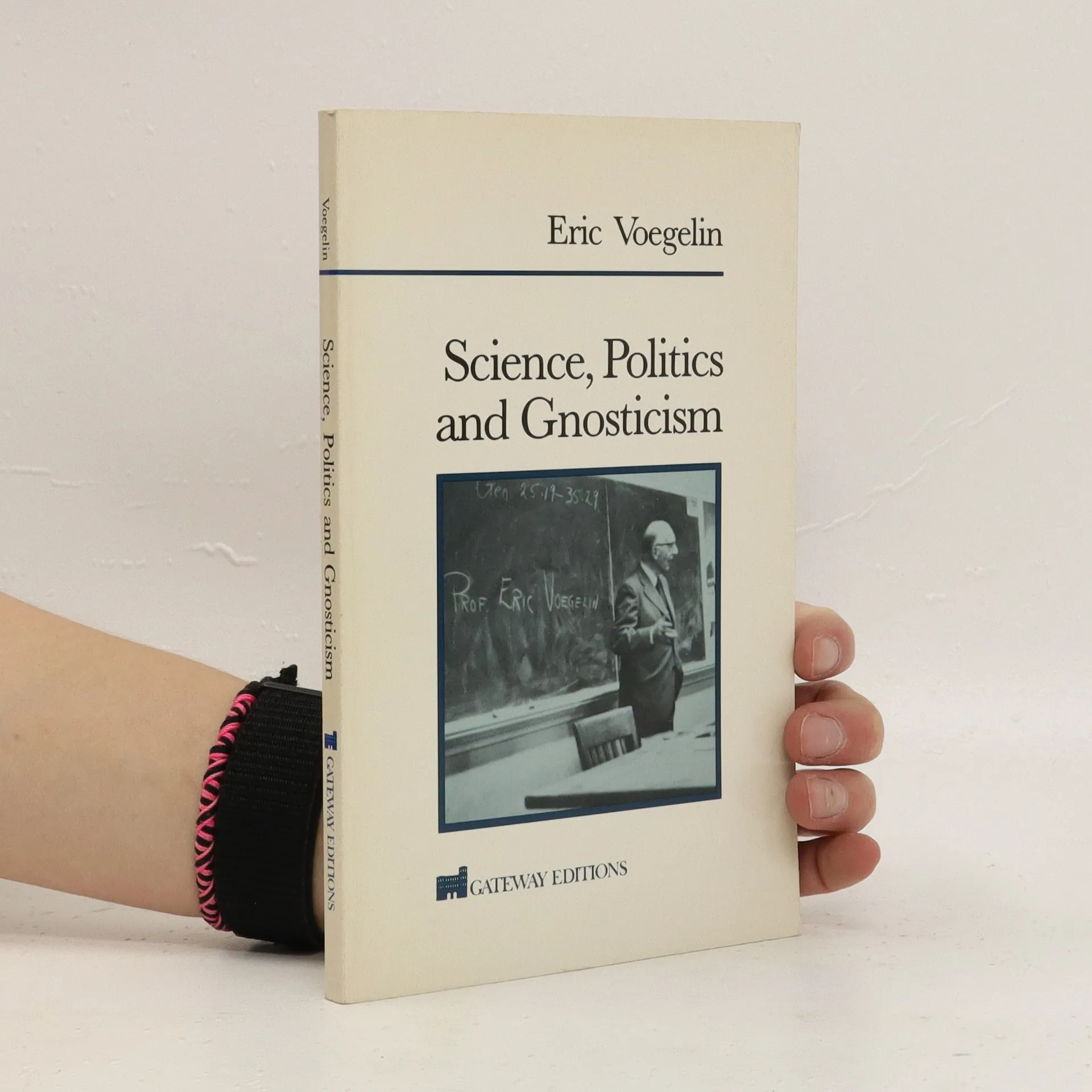
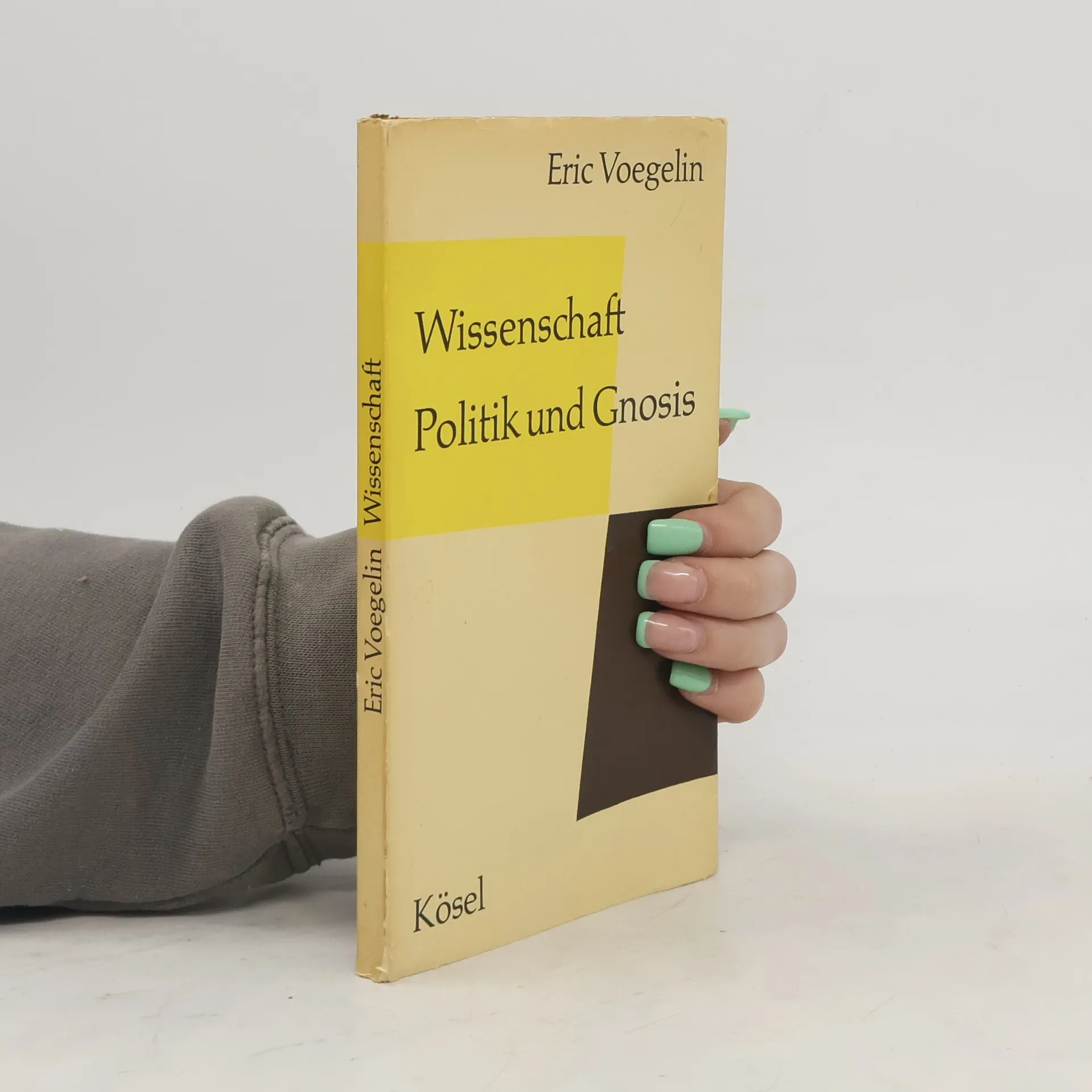
Science, Politics, and Gnosticism
- 128 Seiten
- 5 Lesestunden
This concise classic is the most accessible work in the canon of one of the 20th century's greatest political scientists. Eric Voegelin here contends that certain modern movements, including Positivism, Hegelianism, Marxism, and the "God is Dead" movement, are variants of the Gnostic tradition of antiquity. Highly provocative, this book is essential reading for students of modern politics, philosophy, and religion. Hailed by the "American Political Science Review" as "one of the most distinguished interpreters to Americans of the non-liberal streams of European thought," Professor Voegelin was director of the Institute for Political Science at the University of Munich as well as professor of political science and lecturer at numerous universities in the United States and Europe. With a new introduction by Ellis Sandoz, professor of political science at Lousiana State University and director of the Eric Voegelin Institute for American Renasissance Studies.
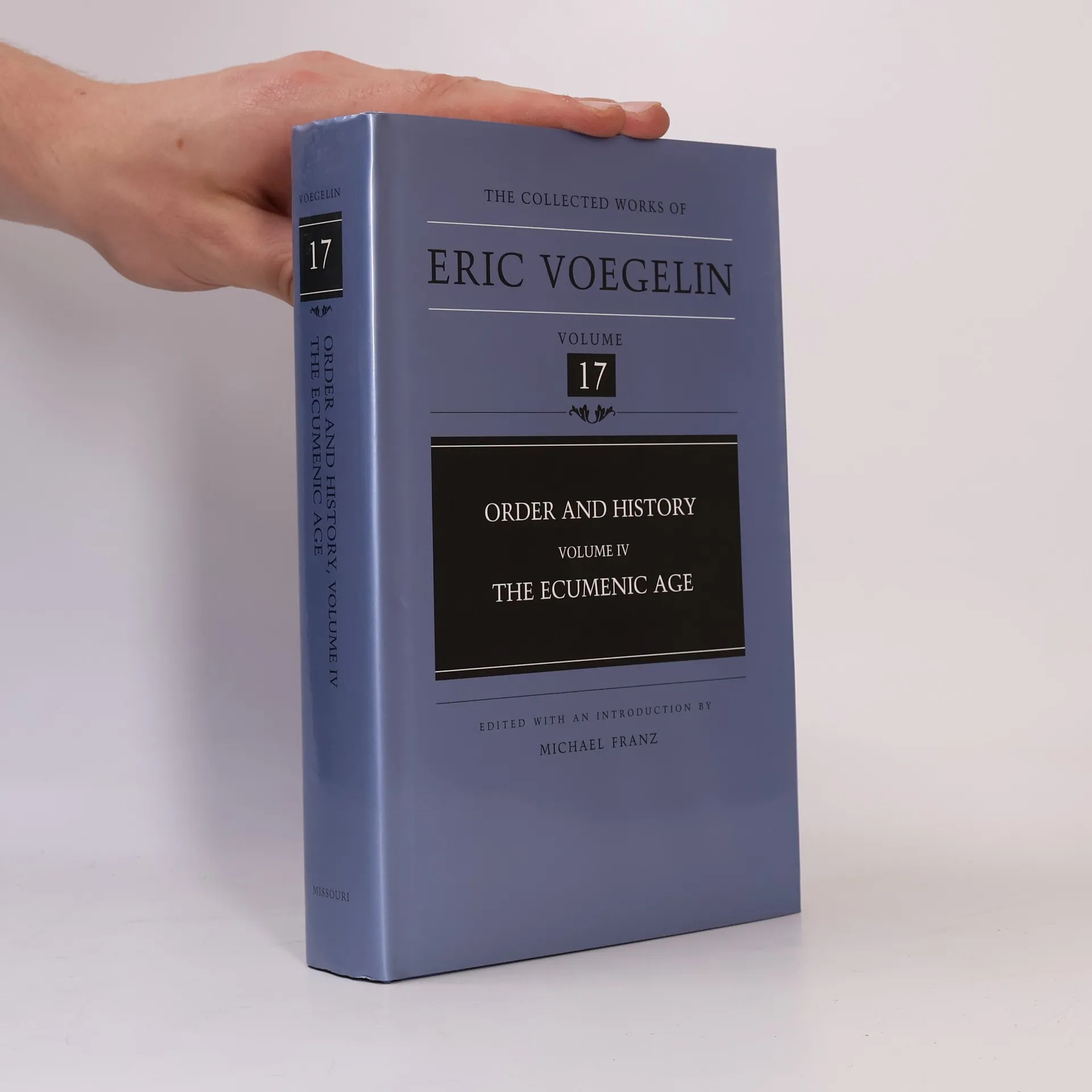
The Ecumenic Age 17
- 456 Seiten
- 16 Lesestunden
In this book, Eric Voegelin presents the ecumenic age, which addresses history not as a succession of human beings and their actions over time, but as the process of human participation in the flow of divine presence, whose direction is eschatological.
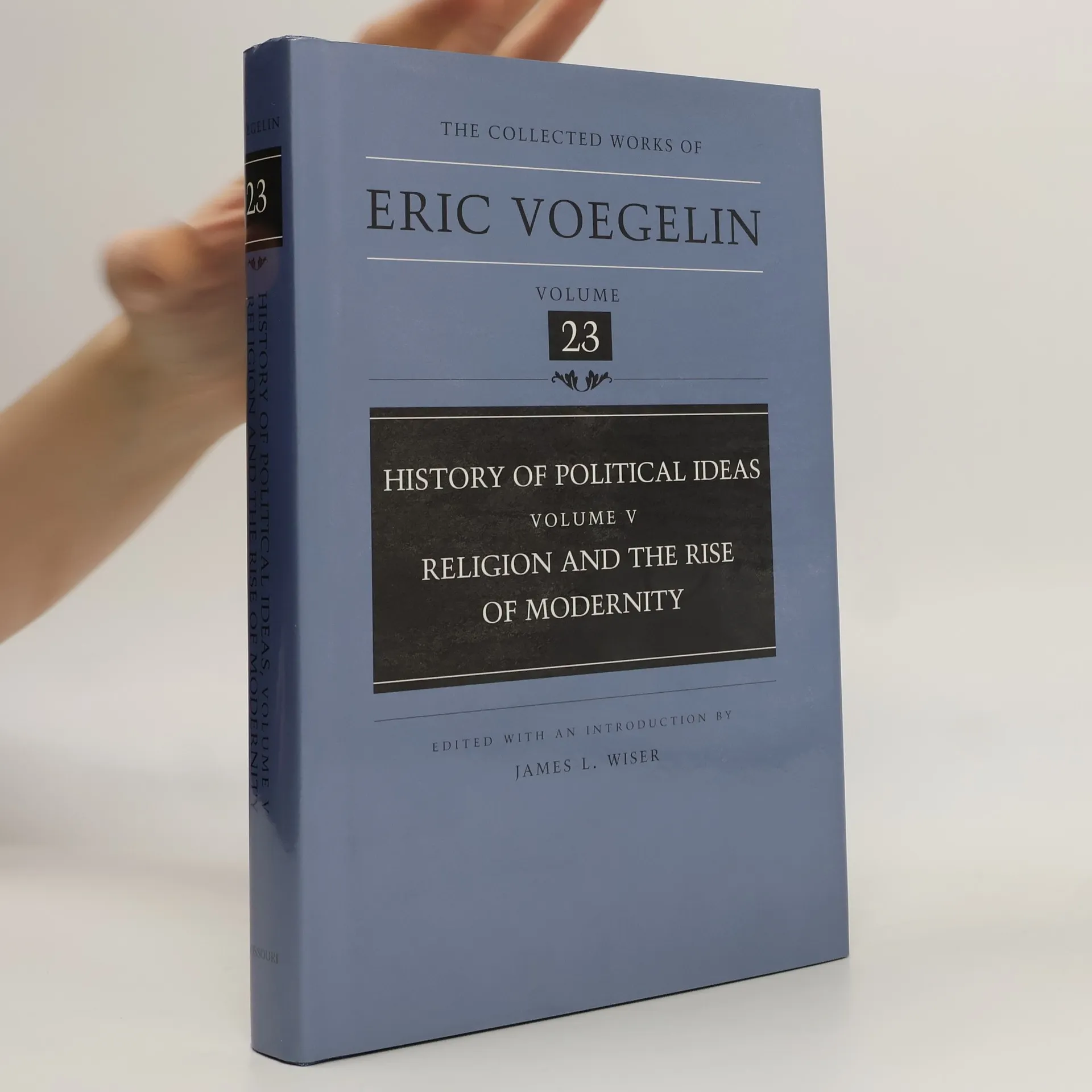
The Collected Works of Eric Voegelin - 23: History of Political Ideas, Volume 5
Religion and the Rise of Modernity
- 264 Seiten
- 10 Lesestunden
Examining the emergence of modernity within the philosophical and political debates of the sixteenth century, this work resumes the analysis of the "great confusion" introduced in Volume IV of History of Political Ideas. This period, ignited by Luther's Ninety-Five Theses, is marked by controversy, revolution, and partiality. Despite its fragmentation, Voegelin's analysis clarifies the significance of the era, suggesting a shift from the medieval Christian understanding of a divinely created closed cosmos to a modern consciousness that positions man as the origin of meaning in the universe. Voegelin explores a wide range of thought and issues, featuring both prominent and lesser-known figures such as Calvin, Althusius, Hooker, Bracciolini, Savonarola, Copernicus, Tycho de Brahe, and Giordano Bruno. He devotes considerable attention to Jean Bodin, portraying him as a prophet of a new, true religion amidst the civilizational disorder of the post-Christian era. The work addresses traditional themes like monarchy, just war theory, and the philosophy of law, while also delving into astrology, cosmology, and mathematics. This scholarly contribution is valuable not only for its treatment of influential thinkers and doctrines of the sixteenth century and beyond but also for its examination of the experiences that shaped the modern outlook.
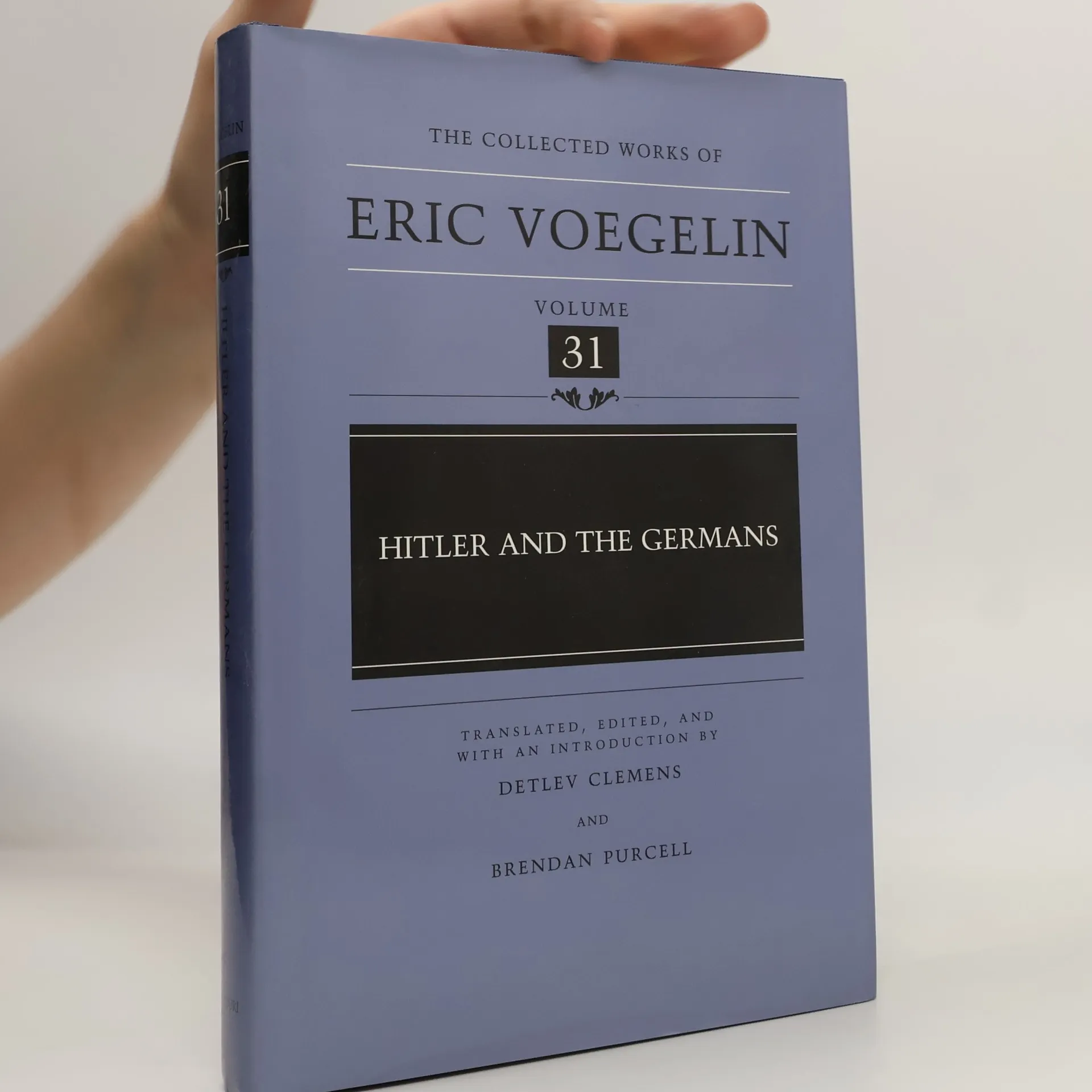
The Collected Works of Eric Voegelin - 31: Hitler and the Germans
- 285 Seiten
- 10 Lesestunden
Between 1933 and 1938, Eric Voegelin published four books that brought him into increasingly open opposition to the Hitler regime in Germany. As a result, he was forced to leave Austria in 1938, narrowly escaping arrest by the Gestapo as he fled to Switzerland and later to the United States. Twenty years later, he was invited to Munich to become Director of the new Institute of Political Science at Ludwig-Maximilian University. In 1964, Voegelin gave a series of memorable lectures on what he considered "the central German experiential problem" of his time: Adolf Hitler's rise to power, the reasons for it, and its consequences for post-Nazi Germany. For Voegelin, these questions demanded a scrutiny of the mentality of individual Germans and of the order of German society during and after the Nazi period. Hitler and the Germans, published here for the first time, offers Voegelin's most extensive and detailed critique of the Hitler era.
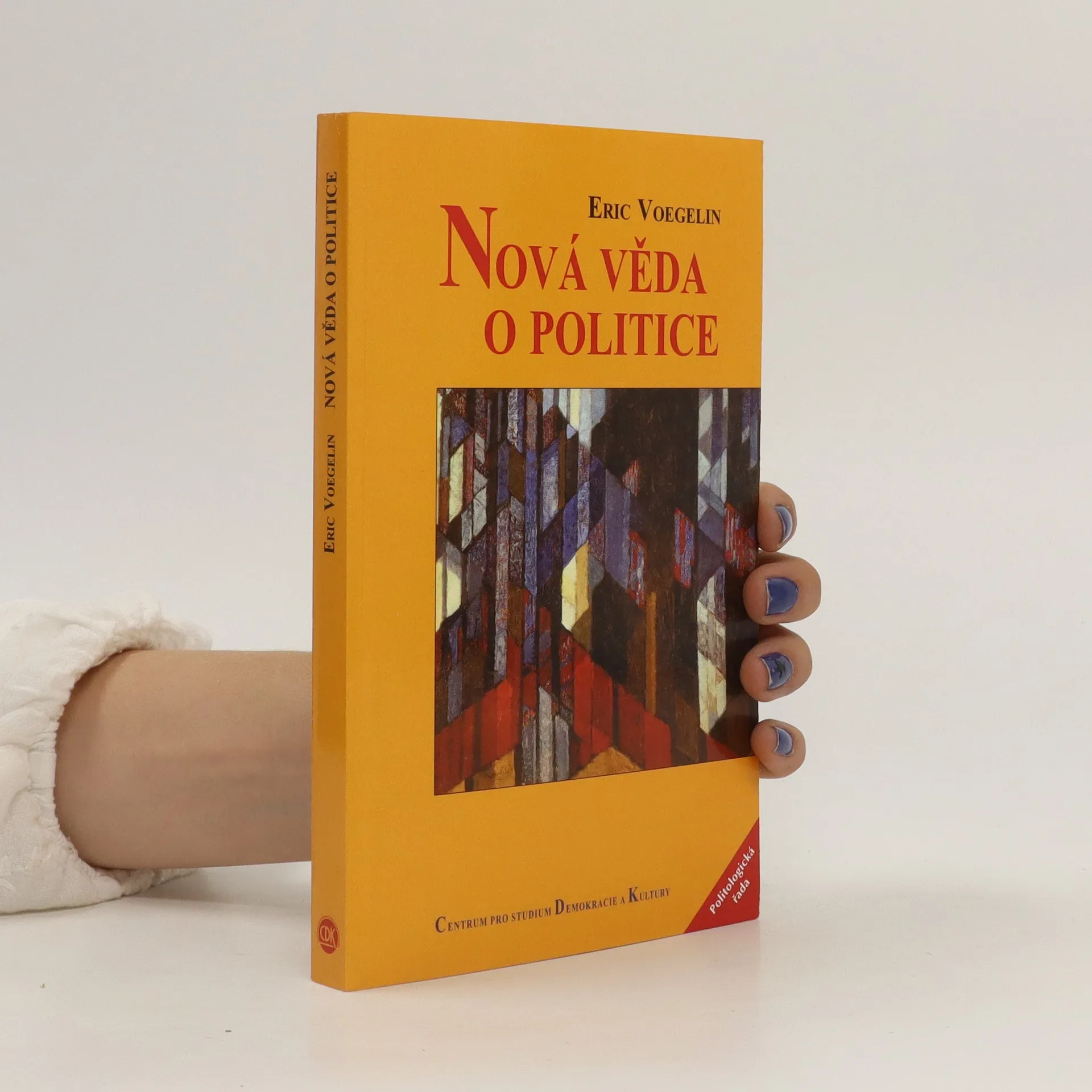
Voegelinova Nová věda o politice je jedním ze stěžejních děl moderní politické filozofie. Voegelin vychází z otázky reprezentace, kterou rozebírá filozoficky tak důkladně a svědomitě, že se mu stává východiskem skutečně „nové vědy o politice“.
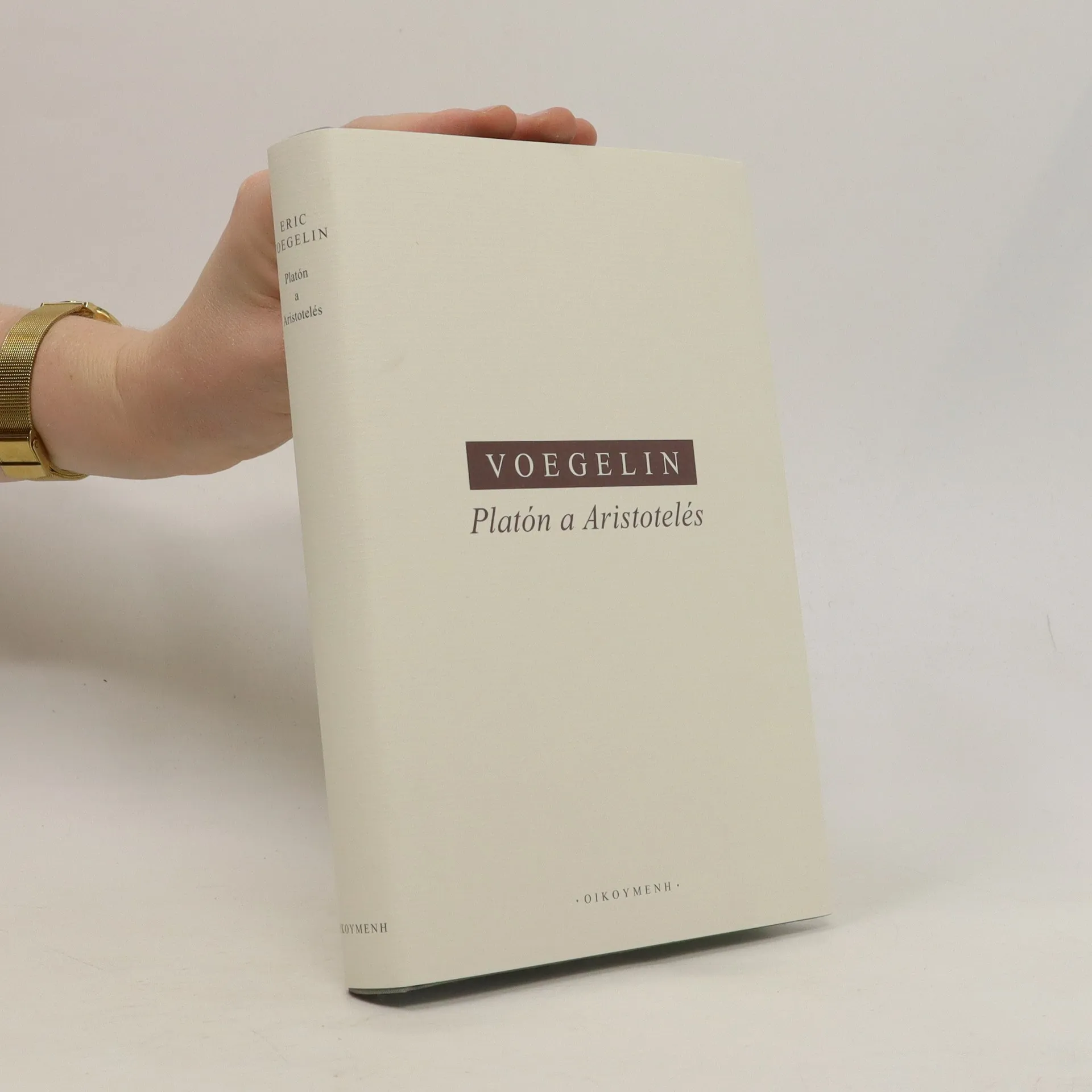
Platón a Aristotelés
- 422 Seiten
- 15 Lesestunden
Eric Voegelin (1901-1985) byl německo-americký politický filosof. Jeho dílo Řád a dějiny mělo být ojedinělým příspěvkem k filosofii dějin. Tématem byl řád v lidské duši, ve společnosti a v dějinách a metodou mělo být zkoumání symbolů tohoto řádu, jak se historicky proměňovaly od starověkých orientálních civilizací po současnost. Voegelin však tento projekt záhy přerušil, protože pokládal za nutné revidovat jeho teoretická východiska; posledním svazkem uskutečňujícím původní rozvrh se tak stal svazek věnovaný Platónovi a Aristotelovi. Ten ukazuje filosofii (právě v její vrcholné fázi) jako symbolickou formu, jíž duše artikuluje pohyby kosmu a společnosti a především svůj vlastní pohyb mezi řádem a neuspořádaností, pravdou a nepravdou, spravedlností a nespravedlností, vzestupem a upadáním, láskou k moudrosti a láskou ke zdání a vposled mezi životem a smrtí.
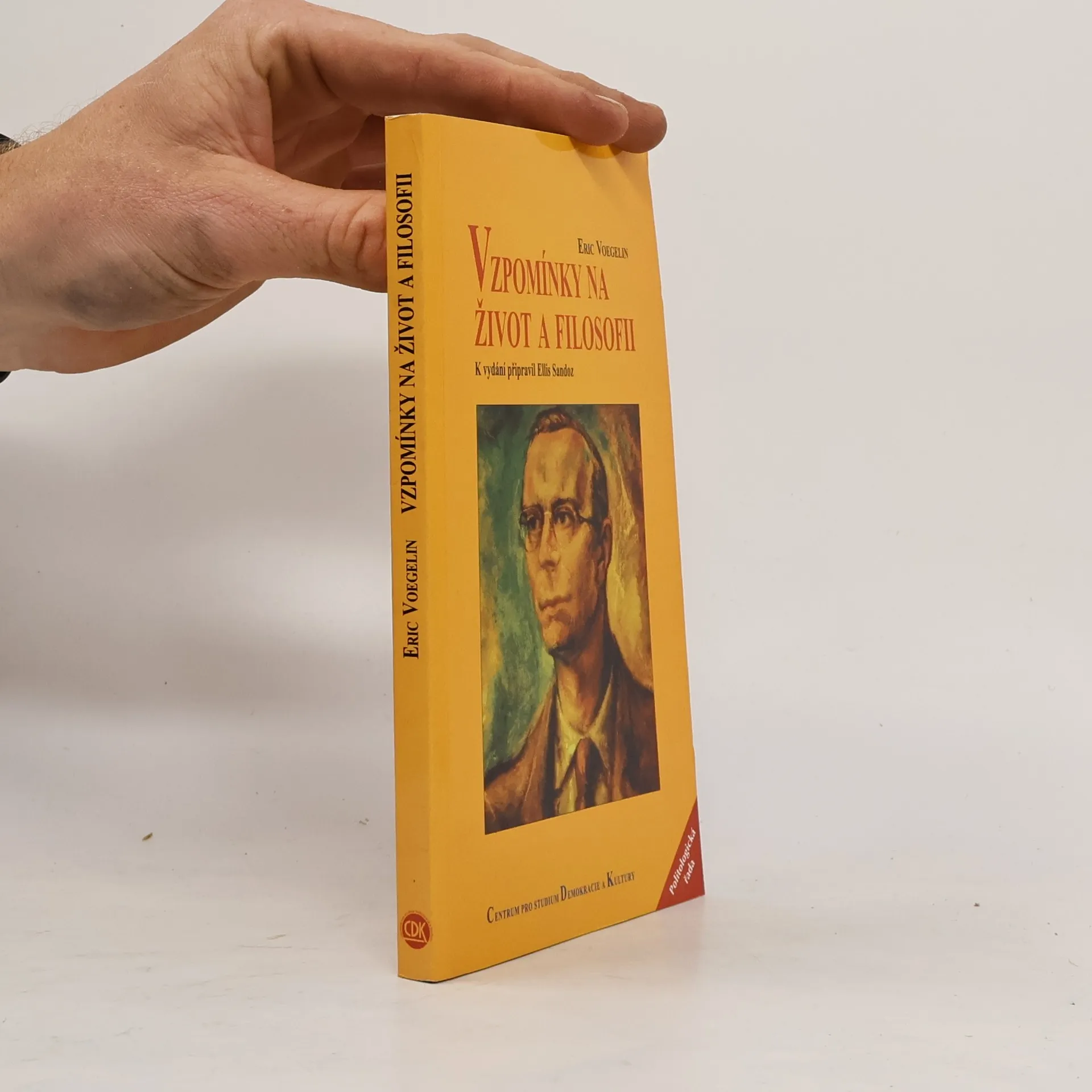
Kniha představuje pro českého čtenáře příležitost blíže se seznámit s životem a dílem E. Voegelina (1901–1985), který bezesporu patří k největším myslitelům 20. století. Autobiografii zpracoval na základě magnetofonového záznamu ředitel Institutu Erica Voegelina a přední znalec jeho díla prof. Ellis Sandoz. Na Západě se jeho vzpomínky setkaly s okamžitým úspěchem a dnes jsou doporučovány jako nejlepší úvod do Voegelinova myšlení.
Kouzlo extrému
- 253 Seiten
- 9 Lesestunden
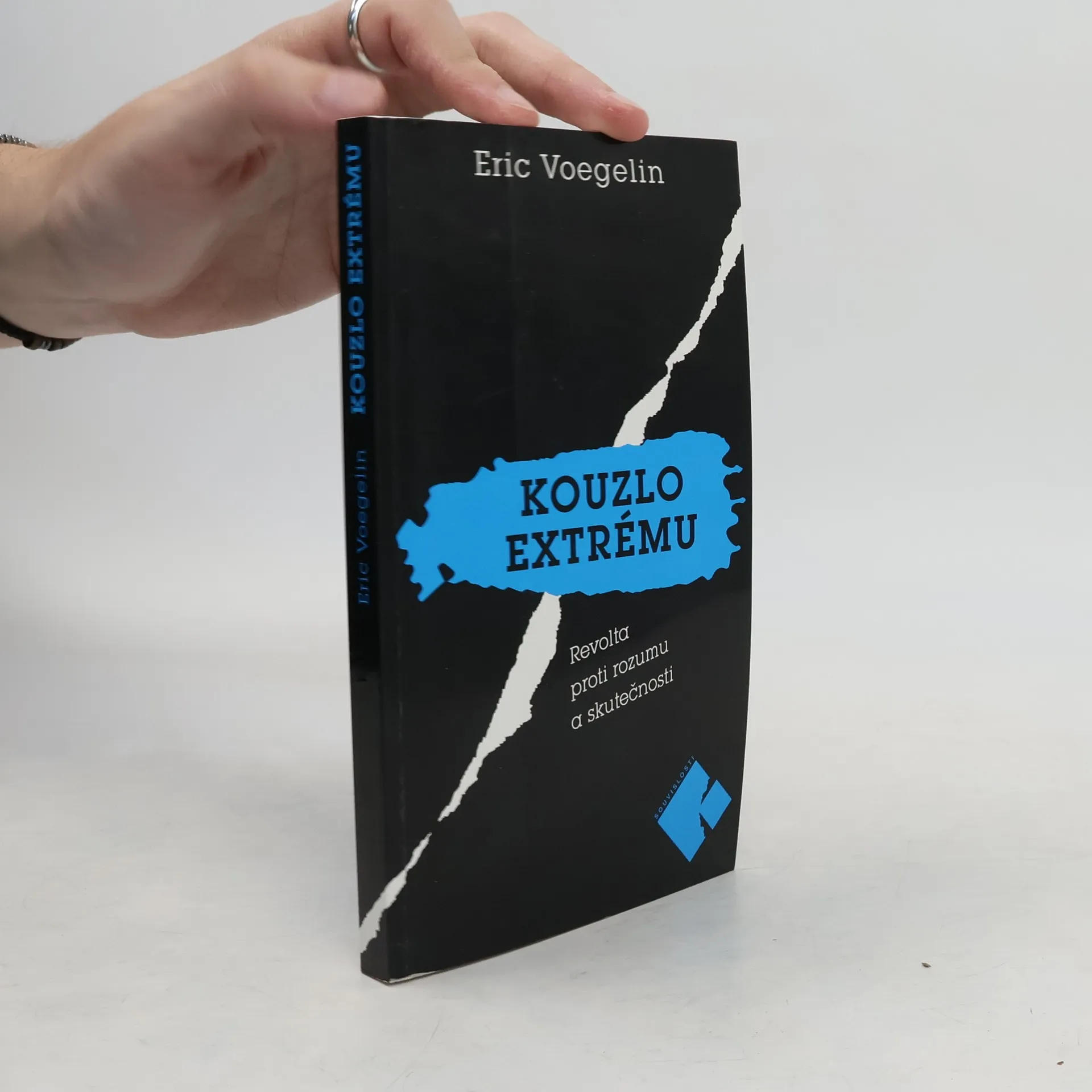
Výbor z esejů „euroamerického“ autora, jehož pozornosti se těší ta filozofie, která je výslovně zaměřena na politickou dimenzi člověka, neboť řád či chaos vládnoucí v politické sféře je přesným odrazem řádu či chaosu v lidských duších. Voegelin považuje zlo pustošící v tomto století svět za důsledek pádu evropského ducha, úpadku filozofie a myšlení vůbec, který vedl i k zatemnění jeho skutečných příčin. Obnovu myšlení proto pokládá za první předpoklad nápravy.
Podtitul: Texty z let 1960–1977 Výbor z pozdních textů, v nichž se Voegelin silněji než ve svých dřívějších pracích soustředí na individuální zkušenost transcendence a její symbolizaci. Ústředním tématem jsou tedy na jedné straně zkušenosti člověka o jeho bytostném napjatém vztahu k transcendentnímu základu skutečnosti i jeho vlastní existence, na druhé pak symboliky, které z těchto zkušeností vzcházejí a jsou díky nim pochopitelné – symboliky člověka, duše, kosmu a Boha; smrti, života a nesmrtelnosti, smrtelníků a bohů; stvoření, zjevení, vtělení a Božího syna; zajetí a exodu, obrácení, víry, soudu a dalších. Historickou rozmanitost těchto symbolik sleduje Voegelin v sondách do myšlení starověkého Egypta, biblického Izraele, řeckých filosofů, Nového zákona, gnóze a novověku. Za jejich vznikem a zpřesňováním, deformacemi, nepochopením a novým objevováním se snaží zahlédnout jediný konstantní proces hledání pravdy o lidské existenci a celku skutečnosti.