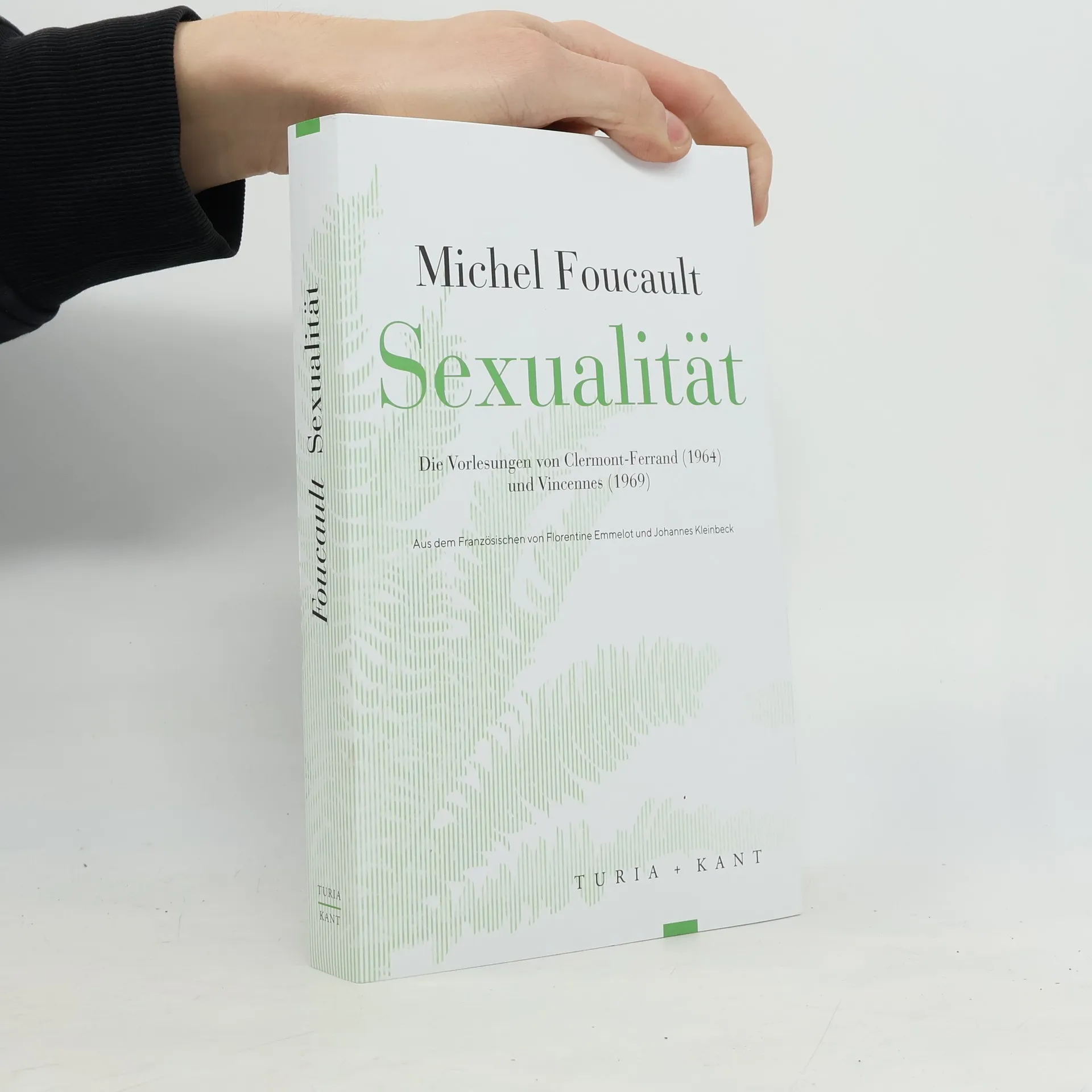
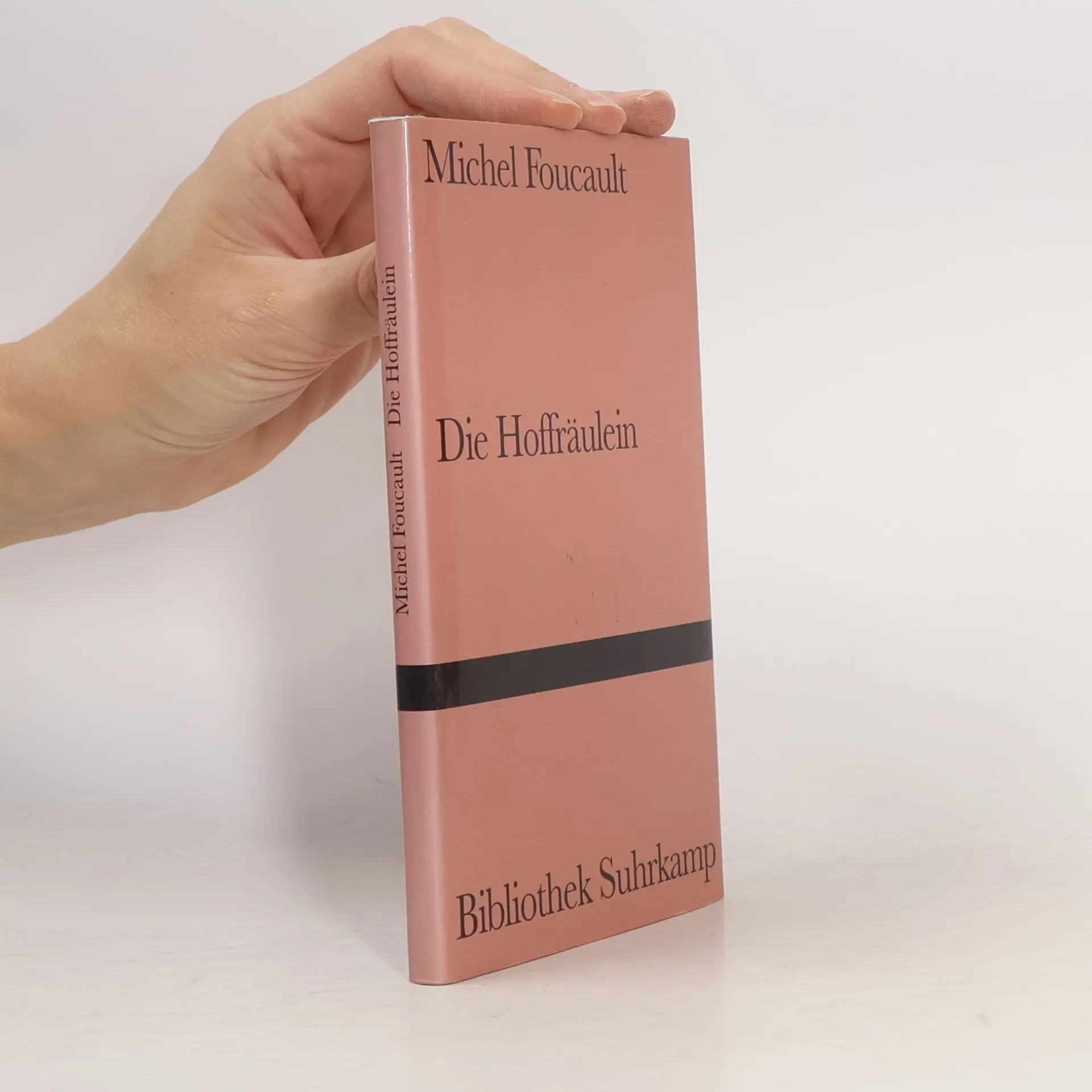
Neue Subjektile: Sexualität
Die Vorlesungen von Clermont-Ferrand (1964) und Vincennes (1969)


Michel Foucault war ein französischer Philosoph und Ideenhistoriker, dessen Werk sich auf kritische Studien sozialer Institutionen und Machtsysteme konzentrierte. Er untersuchte die Beziehung zwischen Wissen und Macht und analysierte Diskurse, die unser Verständnis von Medizin, Psychiatrie und dem Gefängnissystem prägen. Seine von Nietzsche beeinflusste Methodik versuchte, die historischen Wurzeln unserer modernen Denksysteme aufzudecken. Foucaults Einfluss auf akademische Kreise ist bis heute tiefgreifend.


Die Vorlesungen von Clermont-Ferrand (1964) und Vincennes (1969)
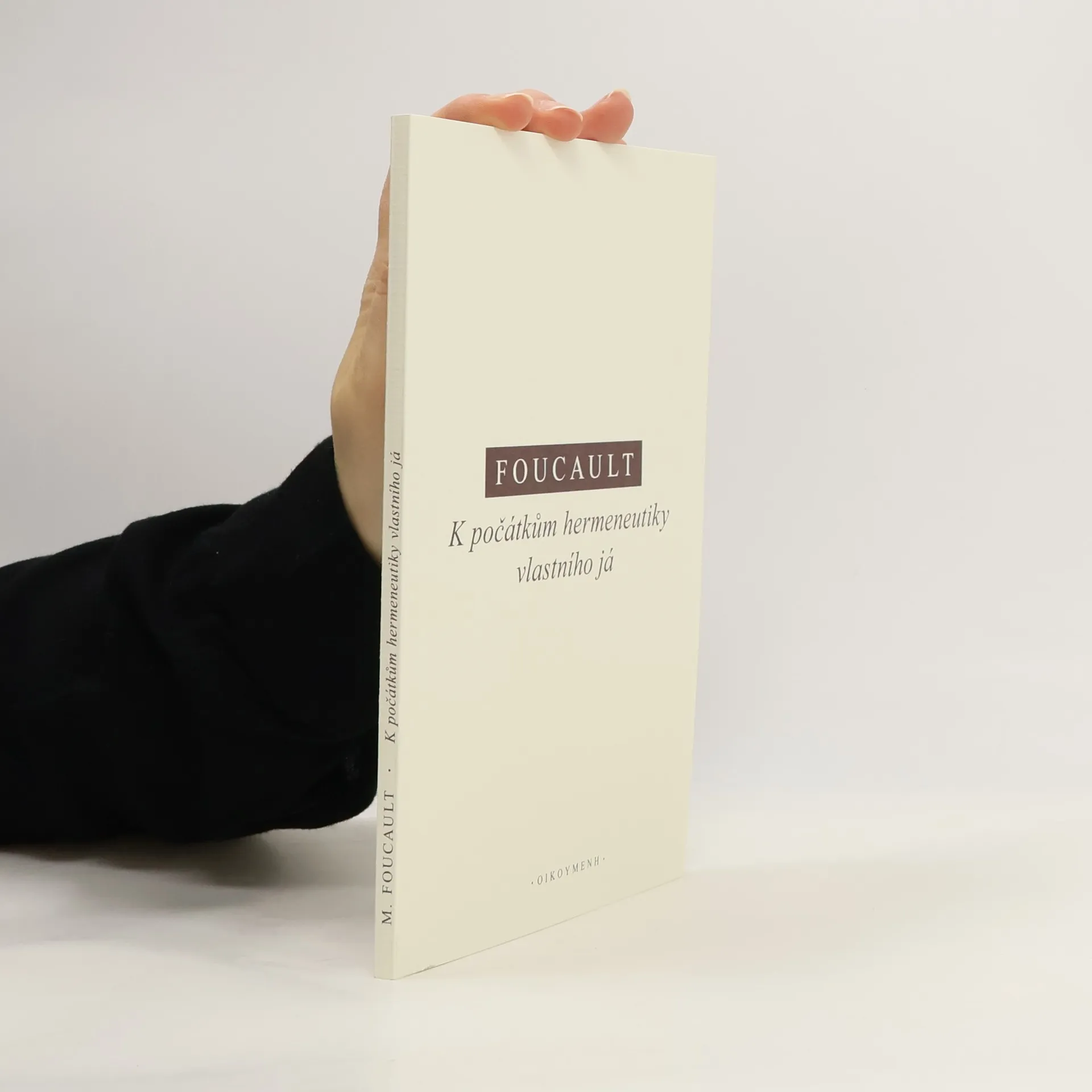
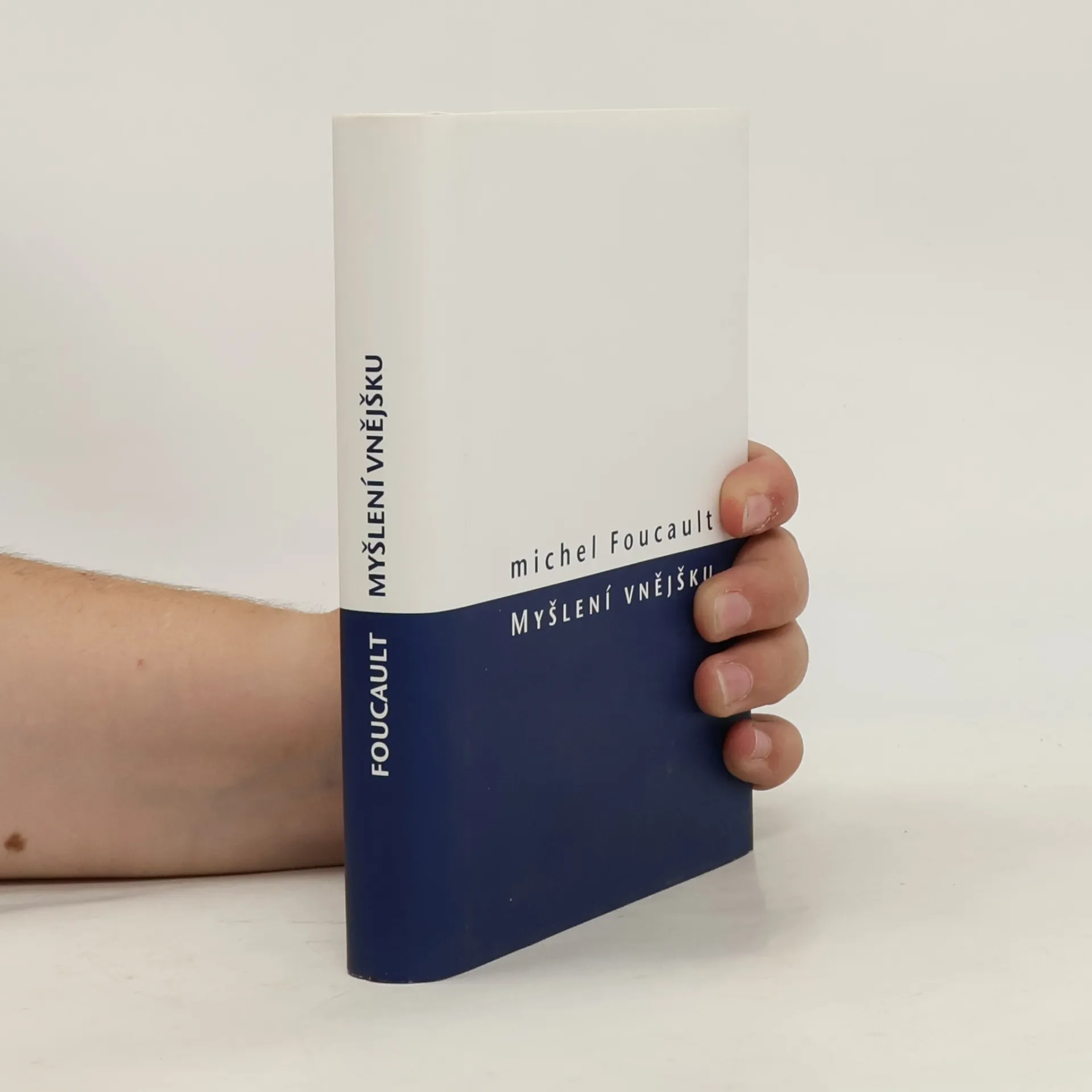
V roce 1980 Foucault přednesl na Dartmouth College dvě přednášky nazvané „Pravda a subjektivita“ a „Křesťanství a doznání“, v nichž stopuje genealogický původ moderního vztahu k vlastnímu já ve starověkých a raně křesťanských praktikách sebezpytování a doznání. Klíčovým zlomem pro konstituci moderní subjektivity je pro něj proměna delfské zásady gnóthi seauton v klášterní imperativ doznání všech myšlenek a tužeb. Předložený překlad obsahuje kromě obou těchto přednášek také Foucaultovu diskusi s publikem v Berkeley a rozhovor, v němž autor přibližuje cíle své historické analýzy vztahů mezi subjektivitou a pravdou. Spojujícím prvkem těchto textů je Foucaultovo přesvědčení, že jedním z významných politických úkolů současnosti je „politika nás samých.“
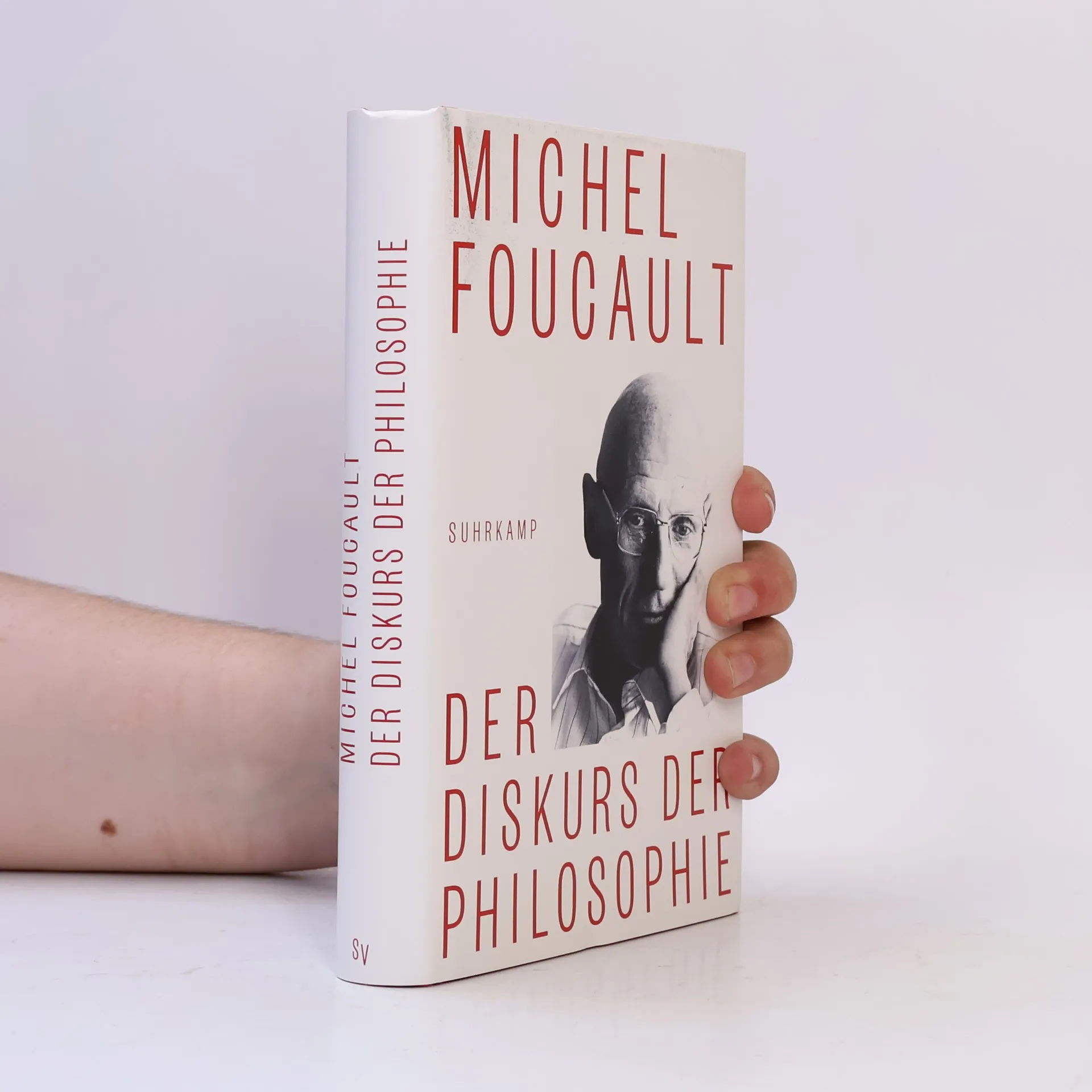
Bisher unbekannt und unveröffentlicht | Foucaults Geschichte der Philosophie von Decartes bis zum 20. Jahrhundert
Was ist Philosophie? Und welche Rolle spielt sie in der Gegenwartsgesellschaft? Zwischen Juli und Oktober 1966, einige Monate nachdem er durch das Erscheinen von Die Ordnung der Dinge schlagartig zum neuen Star der Philosophie aufgestiegen war, gab Michel Foucault in einem sorgfältig durchkomponierten Manuskript seine Antwort auf diese bis heute viel diskutierten Fragen. Im Gegensatz zu denjenigen, die entweder das Wesen der Philosophie enthüllen oder sie gleich für tot erklären wollen, begreift Foucault sie als einen Diskurs, dessen Ökonomie im Vergleich mit anderen Diskursen – wissenschaftlichen, literarischen, alltäglichen, religiösen – herausgearbeitet werden muss.Der Diskurs der Philosophie schlägt somit eine neue Art und Weise der Philosophiegeschichtsschreibung vor, die von der reinen Kommentierung der großen Denker wegführt. Nietzsche nimmt allerdings einen besonderen Platz ein, da er eine neue Epoche einleitet, in der die Philosophie zur Gegenwartsdiagnose wird: Von nun an ist es ihre Aufgabe, einer Gesellschaft zu erklären, was ihr Zeitalter ausmacht. Nirgendwo hat Michel Foucault die Ambitionen seines intellektuellen Programms so deutlich gemacht wie in diesem Werk, das fast 60 Jahre nach seiner Niederschrift nun erstmals veröffentlicht wird. Eine kleine Sensation!
Foucault's lectures and interviews from 1978 in Japan are presented in English for the first time, offering insights into his thoughts and philosophies. The book explores the historical context of these discussions while highlighting their ongoing significance and relevance in contemporary society. Through this collection, readers gain a deeper understanding of Foucault's ideas and their implications for modern thought.
Collection of thirteen essays, for the most part unpublished.
Foucault's exploration of the history of sexuality, initiated in the 1960s through his lectures, reveals significant insights into his evolving ideas. This collection marks the first English publication of these pivotal lectures, providing readers with an opportunity to engage with Foucault's foundational thoughts on sexuality that have shaped contemporary discourse.
Foucault's History of Sexuality changed the way we think about power, selfhood and sexuality. In this fourth and final volume, he turns his attention to early Christianity, exploring how ancient ideas of pleasure were modified into the Christian notion of the 'flesh' - a transformation that would define the Western experience of sexuality.
Now in paperback, this collection of Foucault’s lectures traces the historical formation and contemporary significance of the hermeneutics of the self. Just before the summer of 1982, French philosopher Michel Foucault gave a series of lectures at Victoria University in Toronto. In these lectures, which were part of his project of writing a genealogy of the modern subject, he is concerned with the care and cultivation of the self, a theme that becomes central to the second, third, and fourth volumes of his History of Sexuality. Foucault had always been interested in the question of how constellations of knowledge and power produce and shape subjects, and in the last phase of his life, he became especially interested not only in how subjects are formed by these forces but in how they ethically constitute themselves. In this lecture series and accompanying seminar, Foucault focuses on antiquity, starting with classical Greece, the early Roman empire, and concluding with Christian monasticism in the fourth and fifth centuries AD. Foucault traces the development of a new kind of verbal practice—“speaking the truth about oneself”—in which the subject increasingly comes to be defined by its inner thoughts and desires. He deemed this new form of “hermeneutical” subjectivity important not just for historical reasons, but also due to its enduring significance in modern society.
Powiedzenie, jaki się ma zawód, to żadne wyznanie, chyba że mowa o handlarzu narkotyków. Wyznanie kosztuje, ale pozwala zrozumieć i zaakceptować zło. Tylko czy prawda naprawdę wyzwala? W 1981 roku Michel Foucault, świecki myśliciel związany z lewicą, przyjeżdża na Katolicki Uniwersytet w Louvain, aby przybliżyć studentom prawa chrześcijańskie praktyki, takie jak rachunek sumienia, spowiedź i kierownictwo duchowe. Prezentuje je w kontekście starożytnych i nowożytnych przykładów, zestawiając średniowiecznych inkwizytorów i mnichów z bohaterami dramatów Sofoklesa oraz prokuratorami i psychiatrą. Wykłady te wprowadzają w charakterystyczne dla Foucaulta tematy: szaleństwa, seksualności i przestępczości, a także wyznaczają kluczowy moment w jego późnej twórczości. Odkrywa w starożytnych szkołach filozoficznych i wczesnym chrześcijaństwie ćwiczenia zwiększające naszą wolność. Książka stawia fundamentalne pytania: Jaką cenę jesteśmy w stanie zapłacić za prawdę? Czy jej wyznanie nas zmienia? Co ma wspólnego spowiedź z postępowaniem sądowym? Foucault był francuskim filozofem, psychologiem i historykiem, a jego analizy wpłynęły na rozwój współczesnej humanistyki. Miał silne związki z Polską, gdzie pracował w Ambasadzie Francuskiej i wspierał antykomunistyczną opozycję.
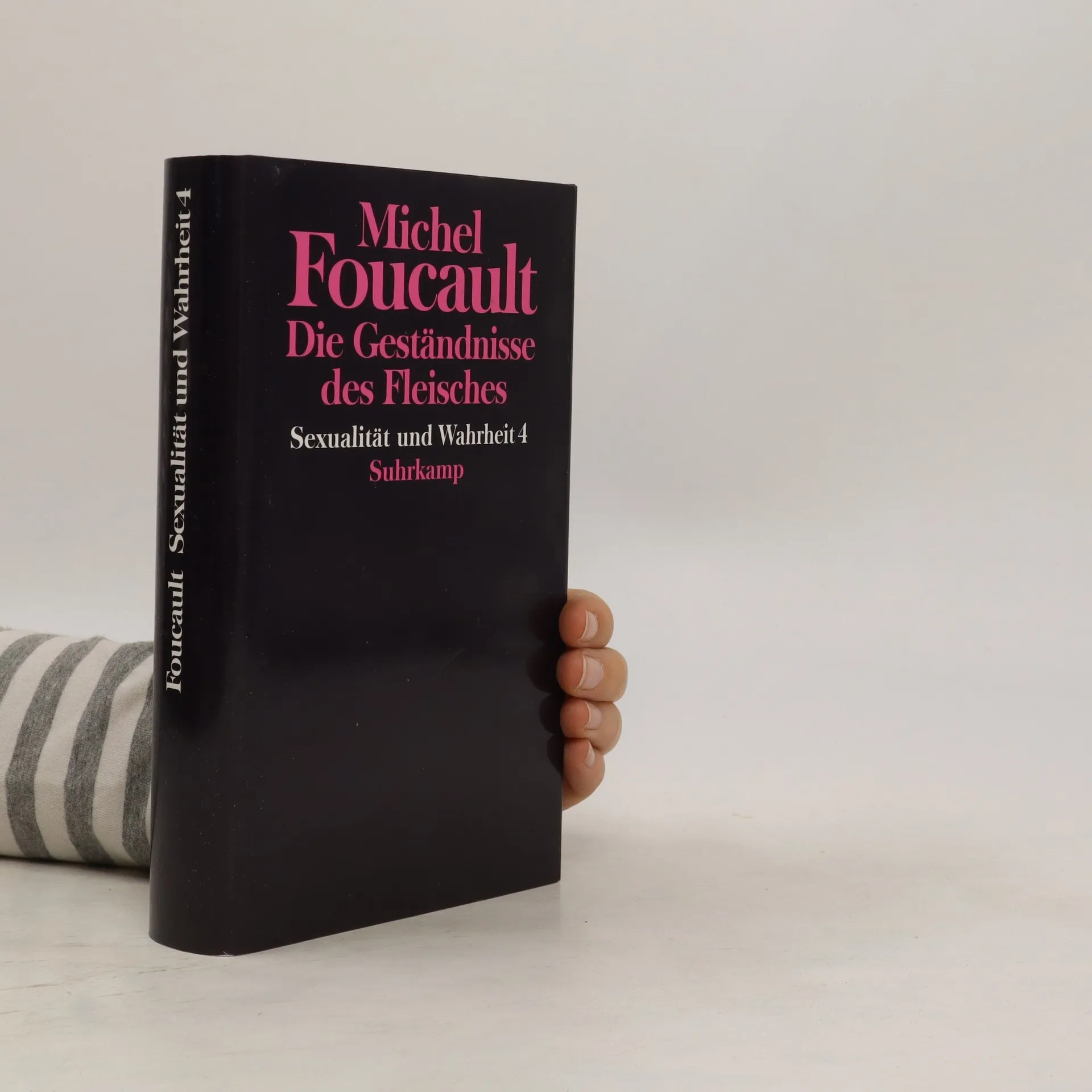
Dreieinhalb Jahrzehnte nach dem Tod des Autors erscheint der vierte und letzte Band von Sexualität und Wahrheit - Michel Foucaults grossangelegter Geschichte der Sexualität und Meilenstein philosophischer Forschung im 20. Jahrhundert. Die Geständnisse des Fleisches , von Foucault noch auf dem Sterbebett vollendet, schliesst an die legendären Vorgängerbände an und zeugt einmal mehr von der Ausnahmestellung dieses Denkers. Im Mittelpunkt stehen die ethischen Diskussionen der Kirchenväter über das Geschlechtsleben in den ersten frühchristlichen Jahrhunderten. Foucault liest die Predigten und Abhandlungen von Clemens von Alexandria, Gregor von Nyssa, Johannes Chrysostomos, Johannes Cassianus oder Augustinus von Hippo als Dokumente einer Sorge um das Seelenheil - als Zeugnisse der Herausbildung einer neuen Moral und Selbsterfahrung, die das Abendland fortan prägen sollten. Insbesondere die Jungfräulichkeit und die Ehe stehen dabei im Fokus der Auseinandersetzungen, die bei Augustinus in eine bis in unsere Gegenwart wirkende Ökonomie der Begierde münden: in eine konstitutive Pflicht des Subjekts zur stetigen Problematisierung des Verhältnisses von Freiheit und Natur, von Vernunft und Begehren
Throughout the modern era, photography has been enlisted to classify the world and its people. Driven by a belief in the scientific objectivity of photographic evidence, the systems utilized to classify photographs have shaped modern visual culture. Accompanying the exhibition “The Order of Things: Photography from The Walther Collection,” this book investigates the production and uses of serial portraiture, vernacular imagery, architectural surveys and time-based performance in photography from the 1880s to the present, bringing together works by artists from Europe, Africa, Asia and North America. Setting early modernist photographers Karl Blossfeldt and August Sander in dialogue with contemporary artists such as Ai Weiwei, Nobuyoshi Araki, Richard Avedon, Zanele Muholi, Stephen Shore and Zhang Huan, The Order of Things illustrates how typological methods in photography have developed globally.
Michel Foucaults in den Jahren 1972 und 1973 gehaltene große Vorlesungen Die Strafgesellschaft untersuchen die Beziehungen zwischen Recht und Wahrheit und wie beide sich verbunden haben, um zur Entstehung eines neuen Strafregimes beizutragen, das unsere Gesellschaften bis heute bestimmt. Sie sollten der Vorbereitung von Foucaults wirkmächtigem Buch Überwachen und Strafen dienen, entfalten aber eine ganz eigene Dynamik, die über eine Genealogie des Gefängnissystems hinausgeht und die gesamte kapitalistische Gesellschaft in den Blick nimmt als eine spezifische Organisation vielfältiger Regelverstöße. Foucault arbeitet sich durch ein zuvor für die klassische politische Ökonomie unerschlossenes historisches Material: den Diskurs der englischen Quäker und Dissenter, ihre Philanthropie und ihre Moralisierung der Arbeitszeit, die den modernen Strafvollzug hervorbringen. Im Zuge einer Kritik an Hobbes liefert Foucault vor diesem Hintergrund eine Analyse des Bürgerkriegs, den er nicht als einen Krieg aller gegen alle begreift, sondern als eine allgemeine Matrix der Funktionsweise von Strategien der Strafe, deren Ziel weniger der Kriminelle als der innere Feind ist. Die Strafgesellschaft kann als bahnbrechende Analyse der Entstehung der modernen Gesellschaft zweifellos zu den großen Werken über die Geschichte des Kapitalismus gerechnet werden.
Michel Foucaults Vorlesungen am Collège de France aus den Jahren 1980 und 1981 markieren einen Wendepunkt in seinem Werk und leiten über zu seinen beiden letzten großen Werken Der Gebrauch der Lüste und Die Sorge um sich. Die antike Lebenskunst und Ethik tritt nun ganz in den Fokus der Analyse, mit dem Ziel einer Genealogie der Sexualmoral der Gegenwart. »Was geschah während des 1. Jahrhunderts unserer Zeitrechnung am Übergang von einer paganen zu einer christlichen Moral?«, so Foucaults Ausgangsfrage. Durch eine minutiöse Untersuchung antiker medizinischer Schriften und Abhandlungen über die Ehe, die Liebe sowie die Deutung erotischer Träume legt er ein Verhältnis des Selbst zu seinen Lüsten frei, das der christlichen Angst vor der Fleischeslust und der Konstruktion einer modernen Sexualwissenschaft vorausging. Schon im griechischen Denken beginnt sich eine Einteilung der Geschlechter nach Aktivität und Passivität zu etablieren, und bereits im Stoizismus des römischen Kaiserreichs entwickelt sich ein Modell der Ehe, das auf lebenslanger Treue basiert, sowie eine Disqualifikation der Homosexualität, jedoch integriert in eine umfassende Lebenskunst. Erst das Christentum transformiert diese Formen der Subjektivität und Sexualität zu Objekten des Wissens und einer Moral, die uns bis heute prägt. Ein bahnbrechendes Werk über die Quellen unseres modernen Selbst.
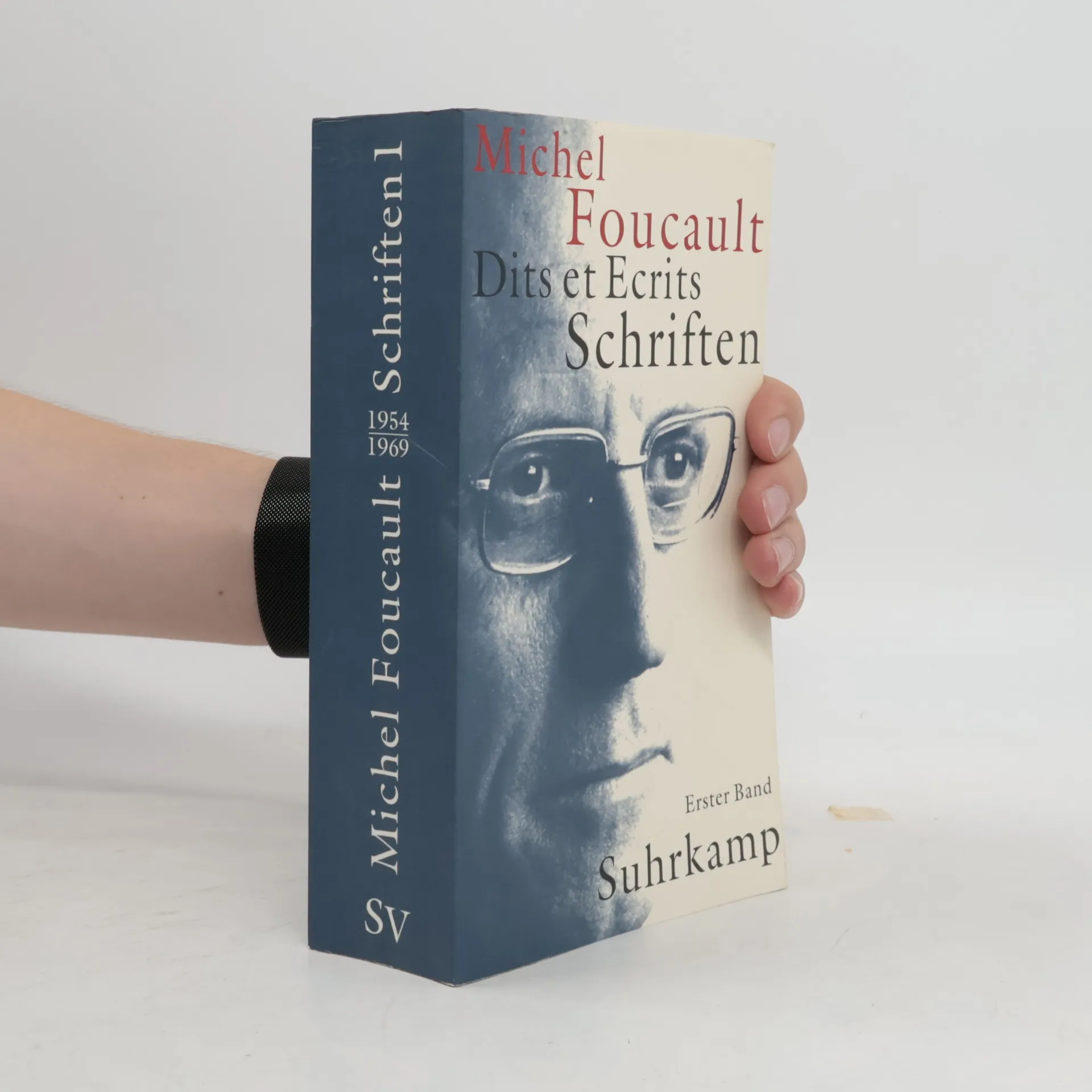
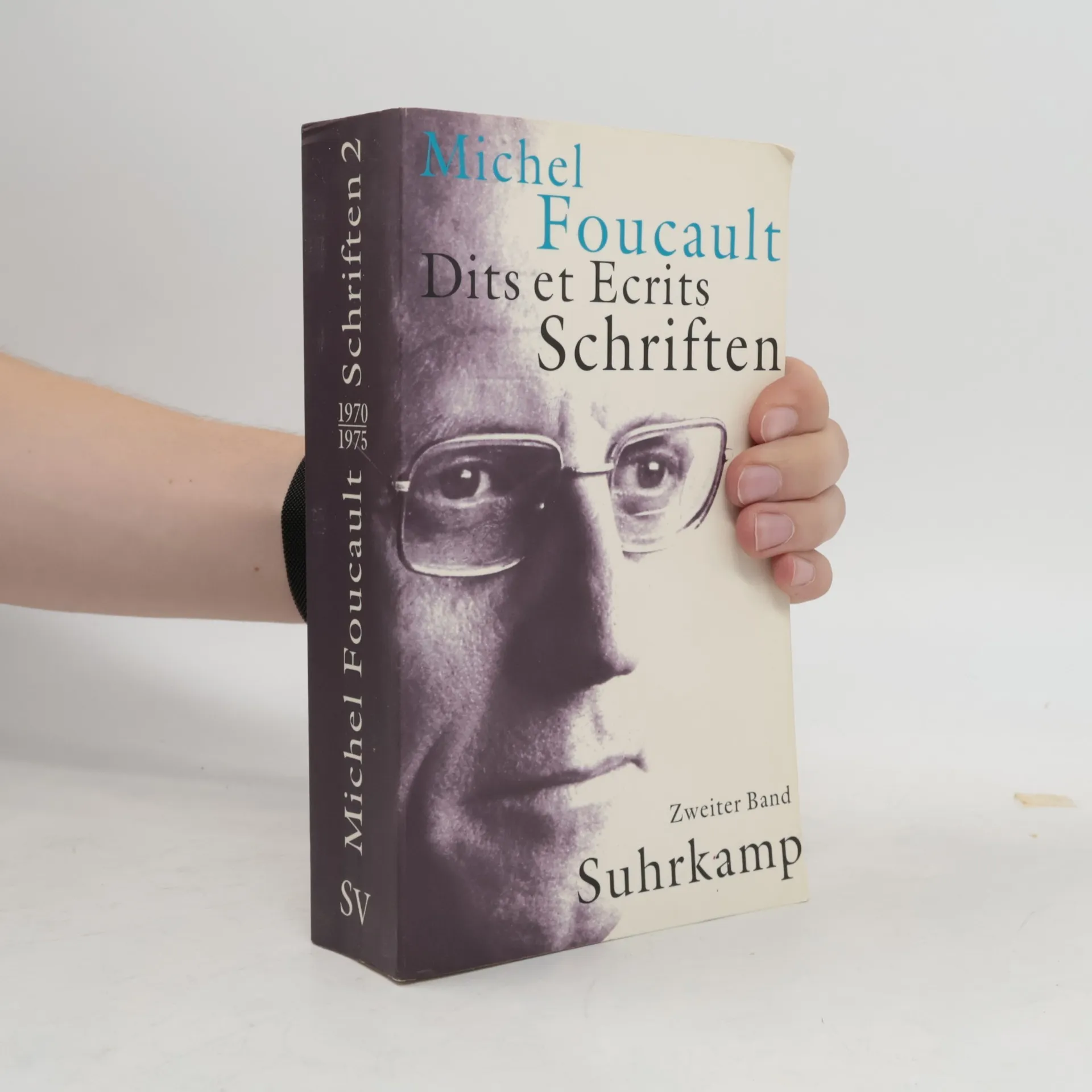
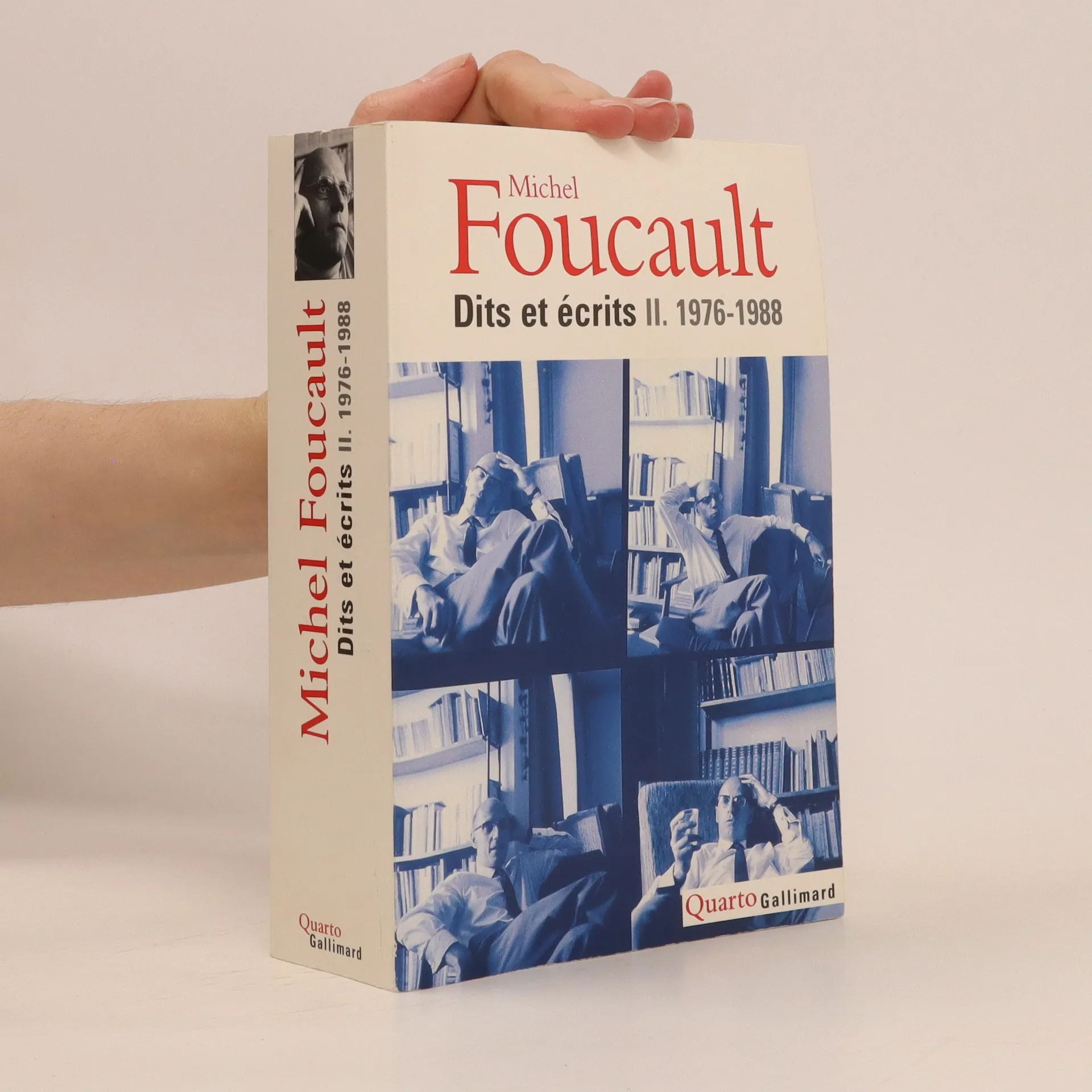
Die vierbändige Ausgabe der Schriften – Dits et Ecrits – umfaßt, in vollständig neuer Übersetzung, sämtliche zu Lebzeiten Michel Foucaults publizierten Aufsätze, Interviews, Vorworte und Reden. Dieser Teil seines Werkes, der hier zu entdecken ist und spannende, überraschende Funde bereithält, steht in Einfluß und philosophischer Bedeutung gleichberechtigt neben seinen Büchern. Die vollständige und genau dokumentierte Ausgabe der Schriften leistet ein Doppeltes: Zum einen versammelt sie Vorarbeiten und erste Entwürfe der publizierten Werke, zum anderen zeigt sie in eindrucksvoller Weise Foucaults Versuch, die historisch-philosophischen Analysen seiner umfangreichen Werke in pointierter Form für eine Diagnose der Gegenwart fruchtbar zu machen. Die hier versammelten Texte zeigen, wie philosophisches Denken als aktuelles und zugleich politisches Denken ernst zu nehmen und die Philosophie als gesellschaftliches Engagement neu zu verorten ist. Der erste Band der Schriften umfaßt sämtliche kleineren Schriften aus dem Zeitraum von 1954 bis 1969, die im Umkreis von Foucaults frühen epistemologischen Arbeiten, der umfassenden Analyse der Geschichte des Wahnsinns und der epochalen und wirkmächtigen diskursanalytischen Studie Die Ordnung der Dinge entstanden sind.
In den hier erstmals vorgelegten Texten verhandelt Foucault die Beziehungen zwischen der Sprache des Wahnsinns, der Literatur und dem, was er ihre »Kritik« nennt. Mit Shakespeare und Cervantes greift er das Hereinbrechen des Wahnsinns in die Literatur auf, gibt am Beispiel von Homer und Proust eine Einführung in sein eigenes literaturontologisches Denken und zeigt sich zugleich ganz als Literaturarchäologe. Im Spannungsfeld der permanenten Überschreitung einer außer sich geratenen Sprache und dem Trugbild eines »Buches«, das, um Literatur zu werden, seine eigene Existenz bestreiten muss, entwirft Foucault das Bild einer Literatur, die sich der Repräsentation entzieht und zugleich die sie verdoppelnde Sprache der Kritik ermöglicht. Dabei geht er das Risiko ein, eine »andere Ordnung« zuzulassen, um der modernen Erfahrung der Literatur Raum zu geben und den historischen Augenblick ihrer Entstehung zu konkretisieren. Diese Erfahrung kommt nirgends so deutlich zum Ausdruck wie bei de Sade: In der bedingungslosen Zurschaustellung, in der zeremoniellen Form der erotischen Szenen zeigt sich eine Verbindung zwischen Wahrheit und Begehren, die die Literatur eingeht, um all das vehement abzulehnen, was im Namen Gottes oder der Natur bislang gesagt wurde.
Die Vorlesungen, die Michel Foucault in den Jahren 1979 und 1980 am Collège de France gehalten hat, haben in seinem Werk eine Scharnierfunktion. Nach der Untersuchung der politischen Wahrheitsregime, die im Zentrum der großen Vorlesungen zur Gouvernementalität standen, treten hier nun die ethischen Wahrheitsregime, die Selbsttechnologien, ganz in den Fokus von Foucaults Forschungen. Ein Thema, das ihn bis zu seinem Tod beschäftigt hat. Wie kommt es, so Foucaults zentrale Frage, dass in der christlich-abendländischen Kultur von den Menschen nicht mehr nur Akte des Gehorsams und der Unterwerfung, sondern auch »Akte der Wahrheit«, des Wahrsprechens über sich selbst, über ihre Fehler, Wünsche und den Zustand ihrer Seele, verlangt werden? Zur Beantwortung dieser Frage unterzieht Foucault zunächst Sophokles' König Ödipus einer neuen Lektüre, wendet sich aber dann dem Urchristentum und dessen Praktiken der Taufe, Gewissensprüfung und Buße zu. In diesen Ritualen wird eine pastorale Ökonomie sichtbar, die um das öffentliche Geständnis kreist. Im Gegensatz zu dieser Ethik der Reinigung war die antike, heidnische Moral noch durch eine »Kunst der Existenz« bestimmt, wie sich in einem abschließenden Vergleich zeigt. Mit Die Regierung der Lebenden liegen nun Foucaults erste Untersuchungen zu diesen Fragen der Ethik und Ästhetik der Existenz vor, die den fulminanten Auftakt zu seinem Spätwerk bilden.
Drugi tom bogato ilustrowanej trylogii, opisującej dzieje ludzkiego ciała od renesansu aż po współczesność. Ciało fizyczne, materialne, które można dotknąć, poczuć, obejrzeć. Naukowcy manipulują nim i wnikają w nie. Mierzą jego masę, gęstość, objętość i temperaturę. Analizują, jak się rusza i jak pracuje. Ale to ciało anatomów, fizjologów i gimnastyków radykalnie różni się od ciała, które cierpi lub się cieszy, odczuwa przyjemność i ból. Autorzy tej książki próbują przywrócić równowagę między tymi dwiema perspektywami, kładąc akcent na takie aspekty ludzkiego ciała, jak narodziny nowoczesnej medycyny anatomiczno-klinicznej i anestezji, wpływ religii na stosunek do cielesności, powstanie seksuologii, rozwój gimnastyki, sportu i higieny czy wyniszczanie ciał robotników w dobie rewolucji przemysłowej i percepcja ciała ułomnego.
Argues that punishment has gone from being mere spectacle to becoming an instrument of systematic domination over individuals in society - not just of our bodies, but our souls.
Michel Foucault war Philosoph und Historiker, Begründer einer bestimmten Spielart der Diskursanalyse, aber kein Medienwissenschaftler. Nie empfahl er seine Schriften als "Rezepte" für irgendeine Denkweise oder gar Fachdisziplin, sondern nannte sie lieber "Werkzeuge" und sogar "Träume". Darin kommt eine von Foucault kultivierte "experimentelle Haltung" zum Ausdruck, die sowohl für seine großen Abhandlungen als auch für seine Essays, Vorträge und Gelegenheitsäußerungen zu Malerei und Photographie, zur Musik und zum Kino, zur Ordnung des Diskurses und zum Rauschen der Informationstechnologien prägend war. Der Band versammelt erstmals all jene (kürzeren) Texte, in denen Foucault die Entstehung und den Wandel der heutigen Medienkultur beleuchtet.
Der Wille zum Wissen, die Sorge des Subjekts um sich selbst und die Selbsttechnologien erscheinen als zentrale Themen in Michel Foucaults Spätwerk. Überraschend ist jedoch die Entdeckung, dass bereits seine ersten Vorlesungen am Collège de France aus den Jahren 1970 und 1971 diese Fragen aufgreifen. Die übliche Dreiteilung seiner Werkphasen in eine frühe "Archäologie des Wissens", eine mittlere "Genealogie der Disziplinargesellschaft" und schließlich eine späte Geschichte der "Selbsttechnologien" und "Gouvernementalität" erweist sich als fragwürdig. Die Vorlesungen zeigen bereits deutliche Spuren der späteren Gedanken zu Selbsttechnologien, während auch Motive der Archäologie des Wissens und der sich entwickelnden Genealogie der Disziplinargesellschaft erkennbar sind. Foucault beschäftigt sich vor allem mit der Frage, wie eine Geschichte der Wahrheit oder der Diskurse über Wahrheit zu schreiben ist. Er beginnt in der griechischen Antike und verfolgt das Thema bis zu Nietzsche, einem für sein Werk wichtigen Autor. In der Frage nach der Wahrheit und ihrer Geschichte scheinen alle Motive seines Œuvres bereits Anfang der 1970er Jahre zusammenzulaufen. Ein bemerkenswertes Dokument, das nicht nur für Foucault-Kenner, sondern auch für Interessierte von Bedeutung ist.
Gespräch mit Claude Bonnefoy
Michel Foucault spricht hier auf gänzlich unpathetische Weise über das intime Verhältnis von Schreiben und Tod, die Verwandtschaft von Literatur und Chirurgie und die biographischen Triebfedern seines Werks. Kurz nach dem Erscheinen von »Die Ordnung der Dinge« reflektiert er seine eigene Suche nach dem Wesen der Sprache und dem Wert der Worte, denen der Diskurs der Medizin, der Diskurs seiner Kindheit, keinerlei Bedeutung zumisst. Dagegen setzt er seine eigene Arbeit an der Sprache, die schreibend ihren diagnostischen Blick auf die Wahrheit entfalten will. In einer Art Vivisektion am eigenen Leib legt Foucault die Nahtstellen von philosophischer und sprachlicher Erarbeitung bloß und präpariert die Nervenbahnen eines Schaffens heraus, das sich gerade erst formt. Dem Leser dieses außergewöhnlichen Zeugnisses stellt sich unwillkürlich die Frage, an welchem Roman Foucault in seinen philosophischen Entwürfen eigentlich selber schrieb.
Historia ciała, monumentalne dzieło francuskich historyków, pokazuje, w jaki sposób ciało staje się przedmiotem historii. Autorzy nie pomijają żadnej sfery: mówią o religii, medycynie, seksualności, sztuce i innych dziedzinach życia. Ewolucję wyobrażeń ciała w kolejnych stuleciach ukazują w perspektywie "konkretnego" człowieka danej epoki. W rozważaniach tych daje się już przeczuć ciało naszych czasów. Uwadze autorów nie umyka żaden krzyk, szmer, milczenie ani gest, który może powiedzieć coś o kondycji człowieka. Ciało ukazane zostaje we wszelkich możliwych stanach: w cierpieniu, pragnieniu, marzeniu, w relacji do innych ciał. Także, jak chciał Foucault, w relacji do samego siebie.
Slovenskému čitateľovi sa prostredníctvom tejto publikácie prvýkrát dostáva do rúk prehľad myšlienok významného francúzskeho postmoderného mysliteľa Michela Foucaulta. Hlavným cieľom tohto výberu je priblížiť Foucaultove myšlienky širšej verejnosti, pričom sa predpokladá, že súbor myšlienok bude atraktívnejší než jeho zložité a pre laickú verejnosť takmer neznáme dielo. „Myšlienky“ však poskytujú len plytkú exkurziu do Foucaultovho myslenia, pričom sa podobajú zlomkom, ktoré samostatne tvoria obraz novátorského myslenia jedného z postmoderných mysliteľov a poskytujú rámec na pochopenie širokého spektra súčasných problémov. Náročnosť niektorých výrokov predpokladá aspoň základnú znalosť filozofie, avšak väčšinu z nich je možné chápať aj na menej odbornej úrovni. Je dôležité si uvedomiť, že Foucault ponúka „iný“ pohľad na problémy, než aký sa nachádza v učebniciach a vedeckých publikáciách. Jeho dominantou nebolo ohúriť čitateľa formou, ale skôr popísať svoju kontroverznú koncepciu myslenia a prístup k problémom, ako aj originálne prepojenie rôznych metód a disciplín. Mnohí sa ho snažili zaradiť medzi štrukturalistov, no jeho práca je komplexnejšia a neustále sa vyvíja, čo ho robí jedinečným.
Schriften zur Politik
Michel Foucault beschreibt Politik nicht als gesonderten Wirklichkeitsbereich, sondern als ein Kräfteverhältnis. Politik ist für ihn zunächst die Fortsetzung des Kriegs mit anderen Mitteln. Später rückt er den Begriff des Regierens ins Zentrum und untersucht Technologien und Rationalitäten der Menschenführung. Er entwirft keine Theorie des Staates, seine Analysen zielen vielmehr auf eine Kritik der politischen Vernunft. Die vorliegende Auswahl aus seinen Schriften und Vorlesungen präsentiert jedoch nicht nur den Analytiker von Machtmechanismen und Wissensformationen, sondern auch den politischen Intellektuellen Michel Foucault. Der Band versammelt neben Grundtexten zu Foucaults politischer Philosophie auch seine Stellungnahmen unter anderem zur Strafjustiz, zur iranischen Revolution und zur Verhängung des Kriegsrechts in Polen. Ulrich Bröcklings Nachwort zeigt die spannungsreiche Entwicklung von Foucaults politischem Denken zwischen Analyse und Intervention.
An exciting and highly original examination of the practices of truth-telling and speaking out freely (parresia) in ancient Greek tragedy and philosophy. Foucault discusses the difficult and changing practices of truth-telling in ancient democracies and tyrannies.
Als Gilles Deleuze in den achtziger Jahren bemerkte, Foucault sei letztlich »Kantianer«, wirkte das noch wie eine bewußt forcierte Übertreibung, die eine zu wenig beachtete Seite des Autors ins Licht rücken sollte. In der Folge trat dann immer deutlicher zutage, welche große Bedeutung Kants kritischer Philosophie für Foucaults gesamtes philosophisches Unternehmen zukommt. Sein letzter Vorlesungszyklus am Collège de France beginnt mit einer eingehenden Lektüre von »Was ist Aufklärung?«; und damit schließt sich ein Kreis, der Ende der fünfziger Jahre mit der Übersetzung von Kants Anthropologie in pragmatischer Hinsicht begann. Die ausführliche Einleitung, mit der Foucault seine Übersetzung versehen hatte, war lange Zeit nur im Archiv zugänglich und nur einer kleinen Zahl von Spezialisten bekannt. Nun liegt der Text endlich in einer sorgfältig edierten Fassung vor. Er zeigt, daß Foucault die Kunst der geduldigen, klarsichtigen und gleichsam unerschrockenen Lektüre nicht erst in seinen späten Auslegungen antiker Texte beherrschte. Seine Einführung in Kants Anthropologie legt nicht nur den Grund für die berühmten Analysen des anthropologischen Zirkels in der Ordnung der Dinge; sie markiert mit der Frage nach dem Verhältnis von Anthropologie und Kritik auch den entscheidenden Punkt, an dem Foucault Kants Denken aufnimmt.
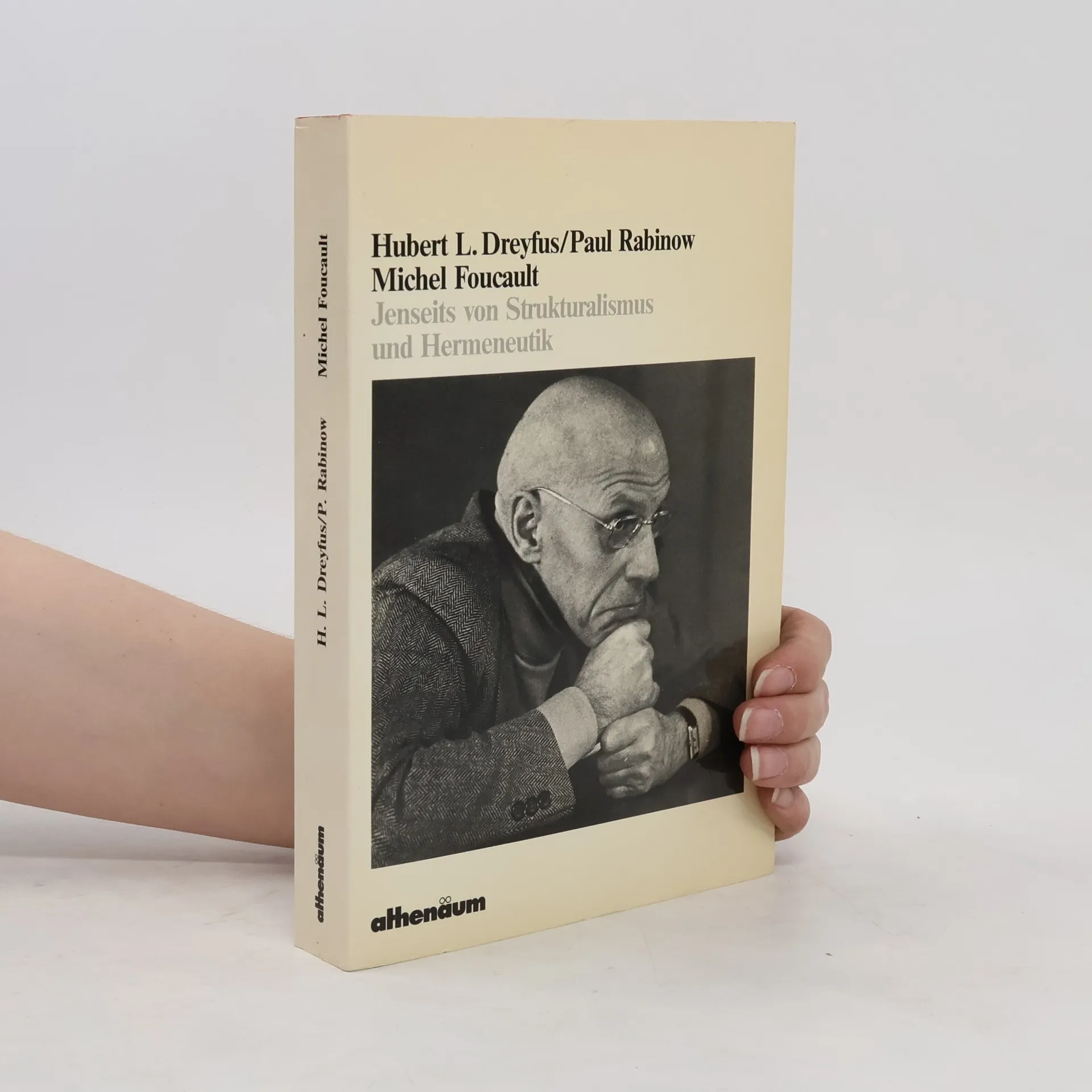
Dieses Buch bietet eine umfassende, kohärente Analyse von Foucaults Werk als Ganzes. Um zu zeigen, inwiefern Foucaults Arbeit über den Strukturalismus und die Hermeneutik hinausgeht, entfalten die Autoren eine sorgfältige, analytische Darstellung seines Schaffens. Sie argumentieren, dass Foucaults Werk eine nachhaltige und weitgehend erfolgreiche Anstrengung darstellt, eine neue Methode – die "interpretative Analyse" – zu entwickeln, die sowohl die Logik des strukturalistischen Anspruchs auf objektive Wissenschaft als auch die scheinbare Gültigkeit des hermeneutischen Gegenanspruchs erklärt, dass die Geisteswissenschaften nur durch das Verständnis der tiefsten Bedeutung des Subjekts und seiner Tradition vorankommen können. Die Autoren bieten eine kritische Auseinandersetzung mit Foucaults Ideen und deren Einfluss auf die Geisteswissenschaften, wobei sie die Komplexität und Relevanz seiner Theorien herausarbeiten.
Die Regierung des Selbst und der anderen I. Vorlesungen am Collège de France 1982/83
Die letzten Vorlesungen Michel Foucaults am Collège de France sind der »parrhesia« gewidmet: der freimütigen, öffentlichen, aufbegehrenden Rede. Es ist das große Thema seines späten Denkens: der »Mut zur Wahrheit«, mit dem das aufrichtige Sprechen in die Politik eingreift. »Die Regierung des Selbst und der anderen« erschließt das vergessene ethische Fundament der athenischen Demokratie. »Der Mut zur Wahrheit« konfrontiert Sokrates, die strahlende Gründergestalt der abendländischen Philosophie, mit den Kynikern, den selbsternannten Underdogs des Denkens.
Deleuze und Guattari begreifen den Ödipus-Komplex als ein kulturspezifisches, nämlich abendländisch-bürgerliches Phänomen. Ausgangspunkt ihrer Arbeit ist die Wunschproduktion »normaler« und »schizophrener« Menschen in der gegenwärtigen kapitalistischen Gesellschaft, wobei insbesondere die Analyse des »Schizo« die Mechanismen der Gesellschaft erhellt, die ihn ausstößt. In einem umfangreichen Exkurs zeigen Deleuze und Guattari verschiedene Formen von Vergesellschaftung und Schizophrenie auf und gewinnen dabei erste Kategorien für eine »Schizo-Analyse«, die im Kern eine Sozio-Analyse ist.
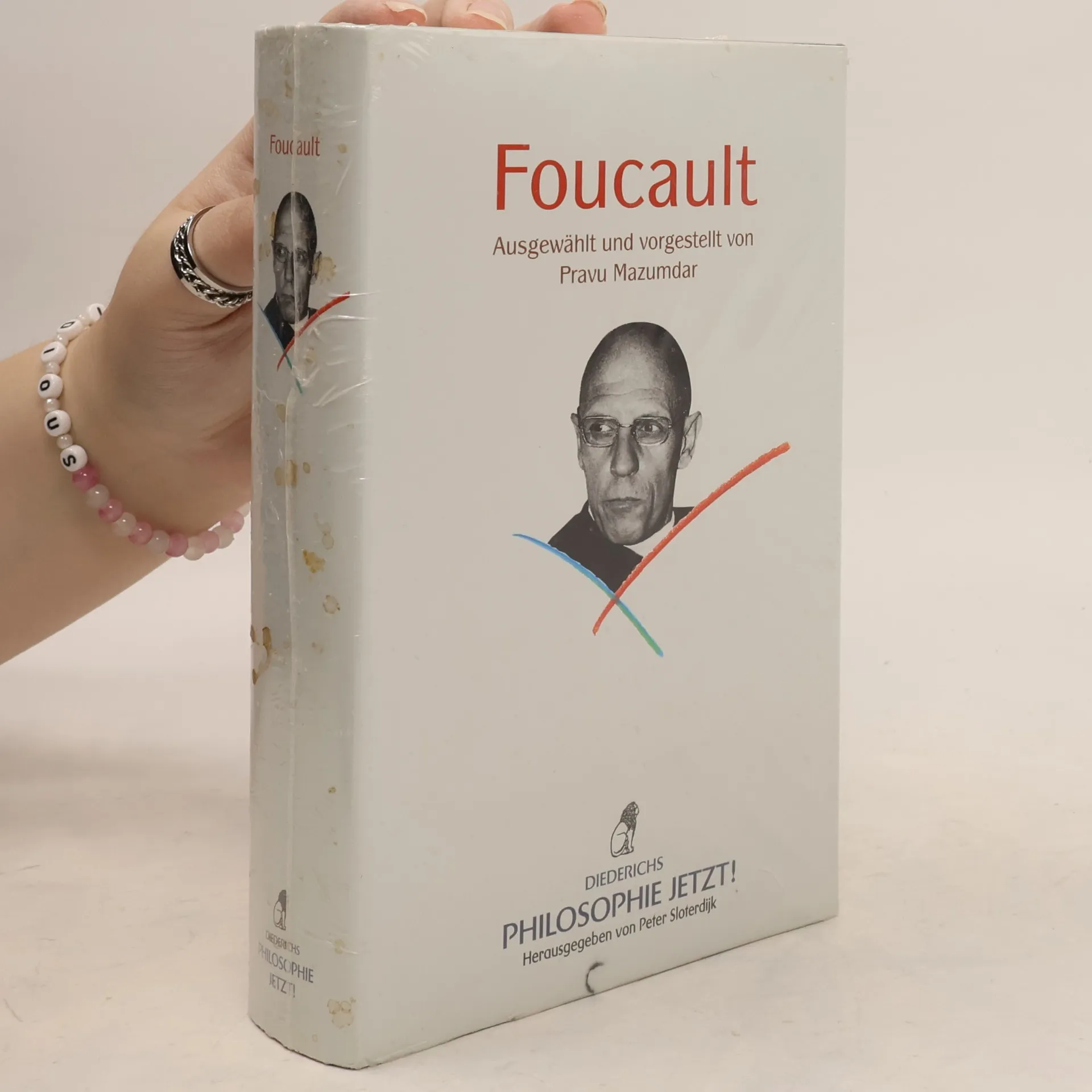
Michel Foucault, Philosoph und Historiker, politischer Aktivist und Professor am Collège de France, verband die Arbeit im Archiv mit unmittelbarem politischem Engagement und verstand es wie kein zweiter, die historisch-philosophische Analyse unserer Kultur für eine kritische Diagnose der Gegenwart fruchtbar zu machen. Seine Analysen der neuzeitlichen Ordnungen der Sexualität und des Wissens, der modernen Biomacht und der Gouvernementalität haben das theoretische Terrain abgesteckt, auf dem die aktuellen Debatten um eine Neubestimmung der condition humaine geführt werden. Vor allem seine diskurs- und machttheoretischen Schriften haben eine ganze Generation von Intellektuellen geprägt. Der Band versammelt die einschlägigen Hauptschriften Foucaults, die nach wie vor den Königsweg zu seinem Denken darstellen: Die Ordnung der Dinge, Archäologie des Wissens, Überwachen und Strafen und die drei Bände der Studien über Sexualität und Wahrheit: Der Wille zum Wissen, Der Gebrauch der Lüste und Die Sorge um sich.
"1971 kommt es im niederländischen Fernsehen zu einer einzigartigen Begegnung: Noam Chomsky, amerikanischer Linguist und Vordenker der Globalisierungskritik, diskutiert mit Michel Foucault, dem wohl einfl ussreichsten französischen Philosophen des 20. Jahrhunderts. Was unter dem Titel 'Human Nature: Justice versus Power' ausgestrahlt wurde, dreht sich um eine der Kernfragen der Philosophie: Gibt es so etwas wie eine menschliche Natur? Inwieweit ist der Mensch Produkt gesellschaftlicher Bedingungen? Ausgehend vom Problem der Sprache setzt die vom Philosophen Fons Elders moderierte Diskussion die Positionen der beiden Denker in scharfen Kontrast. orange-press legt dieses eindrucksvolle Dokument neuerer Philosophiegeschichte nun zum ersten Mal auf deutsch vor. Ein hervorragender Einstieg in die Denksysteme von Michel Foucault und Noam Chomsky."
Ranging from reflections on the Enlightenment and revolution to a consideration of the Frankfurt School, this collection offers insight into the topics preoccupying Foucault as he worked on what would be his last body of published work, the three-volume History of Sexuality.
In der letzten Phase seines Schaffens hat sich Michel Foucault mit Passion und Akribie dem Studium antiker Texte gewidmet und die klassischen Modelle einer lebenspraktischen »Sorge um sich« und »Ästhetik der Existenz« der historischen Vergessenheit entrissen. In den kleinen Texten und Interviews derselben Zeit, die der Auswahlband versammelt, unternimmt Foucault den riskanten und faszinierenden Versuch einer Aktualisierung dieser antiken Denkfiguren. Die alles entscheidende Frage für Foucault ist dabei: Kann es heute eine Lebensform geben, die nicht vom Wissen und von der Norm bestimmt wird, sondern die ein Experiment ist und das Leben als Kunst versteht?
Foucault delves into the origins of psychiatry, analyzing how Western society distinguishes between the 'mad' and the 'sane.' He investigates the roles of medicine and law in shaping these perceptions, providing a critical examination of societal attitudes towards mental health. This work contributes significantly to historical and philosophical discourse, offering fresh insights from one of modern thought's foremost figures.
Después de la publicación del primer volumen de la Historia de la sexualidad -dice Michel Foucault- "recentré todo mi estudio en la genealogía del hombre de deseo, desde la Antigüedad clásica hasta los primeros siglos del cristianismo. Seguí una distribución cronológica simple: El uso de los placeres, está consagrado a la forma en que la actividad sexual ha sido problematizada por los filósofos y los médicos, en la cultura griega clásica del siglo IV a.C.; El cuidado de sí está consagrado a esta problematización en los textos griegos y latinos de los dos primeros siglos de nuestra era. [...] En cuanto a los documentos que habr é de utilizar, en gran parte serán textos "prescriptivos"; por ello quiero decir textos que, sea cual fuere su forma (discurso, diálogo, tratado, compilación de preceptos, cartas, etc.), su objeto principal es proponer reglas de conducta. S ólo me dirigiré a los textos teóricos sobre la doctrina del placer o de las pasiones con el fin de hallar en ellos mayor claridad. [...] Estos textos tienen como función ser operadores que permitan a los individuos interrogarse sobre su propia conducta, velar por ella, formarla y darse forma a sí mismos como sujetos éticos; revelan en suma una función "eto-poética", para transponer una palabra que se encuentra en Plutarco".
Was geschieht heute? Was geschieht jetzt? Und was ist dieses ›Jetzt‹, innerhalb dessen wir die einen und die anderen sind und das den Zeitpunkt bestimmt, an dem ich schreibe? Michel Foucault
Paul-Michel Foucault, geboren am 15. Oktober 1926 in Poitiers in eine angesehene Arztfamilie, starb am 25. Juni 1984 an den Folgen einer HIV-Infektion. Nach seiner Schulzeit studierte er Philosophie und Psychologie in Paris und begann 1952 seine berufliche Laufbahn als Assistent für Psychologie in Lille. 1955 war er Lektor an der Universität Uppsala, gefolgt von Direktorenstellen in Warschau und Hamburg (1958/1959). 1960 kehrte er nach Frankreich zurück und arbeitete bis 1966 als Professor für Psychologie und Philosophie in Clermont-Ferrand. 1961 veröffentlichte er seine Dissertationsschrift, die die Geschichte des Wahnsinns und die Trennung von geistiger Gesundheit und Krankheit thematisierte. 1965 und 1966 war er Mitglied der Fouchet-Kommission zur Reform des Hochschulwesens. 1966 erschien sein Werk, das die Wissenschaftsgeschichte von der Renaissance bis ins 19. Jahrhundert analysierte. Nach einem Aufenthalt als Gastprofessor in Tunis war er an der Reform-Universität von Vincennes tätig. 1970 wurde er Professor für Geschichte der Denksysteme am Collège de France und engagierte sich politisch. In diesem Kontext entstand die Studie über Überwachung und Strafe. Zwischen 1975 und 1982 reiste er nach Berkeley, Japan, in den Iran und nach Polen.
Die Frage nach der Macht durchzieht nicht nur wie ein roter Faden das Werk Michel Foucaults, sondern war auch Anlaß zu höchst kontroversen Diskussionen, die keineswegs abgeschlossen sind – im Gegenteil: Foucaults Konzepte, wie etwa die Biomacht, die Gouvernementalität, aber auch die Ästhetik der Existenz oder die Disziplinarmacht, geben aktuellen Debatten in der Philosophie und Soziologie, aber auch der Politik- und Geschichtswissenschaft entscheidende Impulse. Dieser Band versammelt die wichtigsten Texte Foucaults und bietet somit einen umfassenden Überblick über einen der zentralen Bereiche der Theoriebildung der letzten Jahrzehnte. In seinem Nachwort erschließt Thomas Lemke sowohl den historischen als auch den systematischen Kontext von Foucaults Machttheorie.
V roce 1971 se Noam Chomsky a Michel Foucault zúčastnili televizní debaty v Holandsku, která představovala střet dvou významných myšlenkových směrů. Chomsky, lingvista a politický aktivista, vycházel z racionalistické tradice a optimistického pohledu na lidskou přirozenost a možnosti společnosti. Naopak Foucault, filozof zpochybňující zavedené normy, upozorňoval na mocenské vztahy a dominantní diskurzy, které ovlivňují lidskou činnost. Debata se nejprve soustředila na lidskou přirozenost, jazyk a dějiny vědy. Chomsky obhajoval tvořivou podstatu člověka a jeho schopnost rozvíjet vědění, zatímco Foucault kritizoval pojem lidské přirozenosti a zdůrazňoval význam kolektivního vědění. V druhé části se oba myslitelé zaměřili na politiku a společenskou změnu. Chomskyho anarchistické pojetí socialismu kontrastovalo s Foucaultovým maoistickým marxismem. Jejich výměna názorů se stala pokračováním diskuse o lidské přirozenosti a způsoby, jak dosáhnout změny ve společnosti. Český překlad obsahuje také dvě eseje, které debatu interpretují z různých politických perspektiv. Politolog Pavel Barša přistupuje k tématu z pohledu postrevoluční politiky, zatímco Ondřej Slačálek z časopisu A-kontra zvažuje možnosti světové revoluce.
Diese Vorlesungen Michel Foucaults am Collège de France stehen am Anfang eines der wirkmächtigsten Konzepte der modernen Sozialwissenschaften und Politischen Philosophie – der »Gouvernementalität«. Foucaults zweibändige Geschichte der Gouvernementalität entwickelt diesen Begriff und seine theoretischen Implikationen anhand einer materialreichen Analyse der Genese des modernen Liberalismus und seines Schattens: der Biomacht. Während der erste Band den Akzent auf die Beziehungen zwischen der Regierungskunst, der Normalisierung und der Subjektivierung legt, konzentriert sich Die Geburt der Biopolitik auf den Neoliberalismus und die komplexen Relationen, die er mit dem Staat unterhält. Hinter allen historischen, soziologischen, politischen und ökonomischen Untersuchungen steht aber das, was für Foucault das eigentliche Interesse des Philosophen ausmacht: die »Politik der Wahrheit«.
Diese Vorlesungen Michel Foucaults am Collège de France stehen am Anfang eines der wirkmächtigsten Konzepte der modernen Sozialwissenschaften und Politischen Philosophie – der »Gouvernementalität«. Foucaults zweibändige Geschichte der Gouvernementalität entwickelt diesen Begriff und seine theoretischen Implikationen anhand einer materialreichen Analyse der Genese des modernen Liberalismus und seines Schattens: der Biomacht. Während der erste Band den Akzent auf die Beziehungen zwischen der Regierungskunst, der Normalisierung und der Subjektivierung legt, konzentriert sich Die Geburt der Biopolitik auf den Neoliberalismus und die komplexen Relationen, die er mit dem Staat unterhält. Hinter allen historischen, soziologischen, politischen und ökonomischen Untersuchungen steht aber das, was für Foucault das eigentliche Interesse des Philosophen ausmacht: die »Politik der Wahrheit«.
Librarian note: an alternate cover for this edition can be found here. Il est aujourd'hui deux manières de mesurer l'œuvre de Michel Foucault : soit cerner par des colloques l'actualité de la pensée de Foucault ; soit en souligner l'inactualité. C'est-à-dire son appartenance désormais à la grande tradition philosophique occidentale. L'ambition de ce volume est à la fois simple et immense : inscrire l'œuvre de Michel Foucault dans le corpus philosophique au même titre et sur un pied d'égale importance que ses voisins de catalogue - Rousseau ou Platon, Montesquieu ou Hobbes, Aristote ou Kierkegaard, Marx ou Nietzsche, Leibniz ou Kant. Trois grandes parties organisent cette anthologie : anthropologie et langage, régimes de pouvoir er régimes de vérité ; gouvernement de soi et des autres. Restituant, par la problématique philosophique, les étapes d'un parcours singulier, elles en soulignent l'originalité foncière à partir de l'écart qu'il creuse d'avec la tradition.
Der dritte Band der großangelegten Edition der Dits et Ecrits , die sämtliche zu Lebzeiten Foucaults publizierten Aufsätze, Interviews und kleineren Beiträge enthält, bietet eine Vielzahl von Texten, die um die wirkmächtigen Konzepte der Biopolitik und der Gouvernementalität kreisen. Kern dieser theoretischen Neuerkundung ist Foucaults Theorie der Macht, die die bis dahin vorherrschenden Modelle scharf kritisiert und zu polemischen Diskussionen Anlaß gab. Der erste Band der Geschichte der Sexualität, dessen Erscheinen in diesen Zeitraum fällt, entwickelt dieses neue Konzept der Macht, das bis heute nichts an theoretischer Sprengkraft eingebüßt hat. Foucaults Auseinandersetzung mit der Frage der Sexualität kommt in den zahlreichen Interviews, Aufsätzen und Artikeln, die in dieser Zeit entstanden sind, in überaus plastischer Weise zum Ausdruck. Ein weiterer Schwerpunkt liegt auf seinem kontrovers diskutierten politischen Engagement für das neue religiöse Regime im Iran, eine politische Stellungnahme, die heute eine ungeahnte Aktualität angenommen hat. In seinen kleinen Schriften ist Foucault als Denker zu entdecken, für den eine theoretische Neuerkundung mit der Erörterung konkreter politischer Fragen notwendig Hand in Hand geht.
In dieser Vorlesung am Collège de France, die thematisch in engem Zusammenhang mit Überwachen und Strafen steht, beschäftigt sich Foucault mit Personengruppen, die gesellschaftlich als anormal stigmatisiert worden sind. Dazu zählen, in der Reihenfolge ihres historischen Auftretens, die Monstren wie z. B. Hermaphroditen oder siamesische Zwillinge, die Korrektionsbedürftigen wie z. B. Straftäter und schließlich die Onanisten. An ihnen untersucht er das Auftauchen von Normalisierungstechniken zusammen mit den neu entstehenden Machtformen. Die Art und Weise, wie sie sich ausgebildet und installiert haben, ohne sich jemals auf eine einzige Institution zu stützen, und das Spiel, das sie zwischen den verschiedenen Institutionen betreiben, haben, so Foucault, unsere Gesellschaft bis heute zutiefst geprägt.
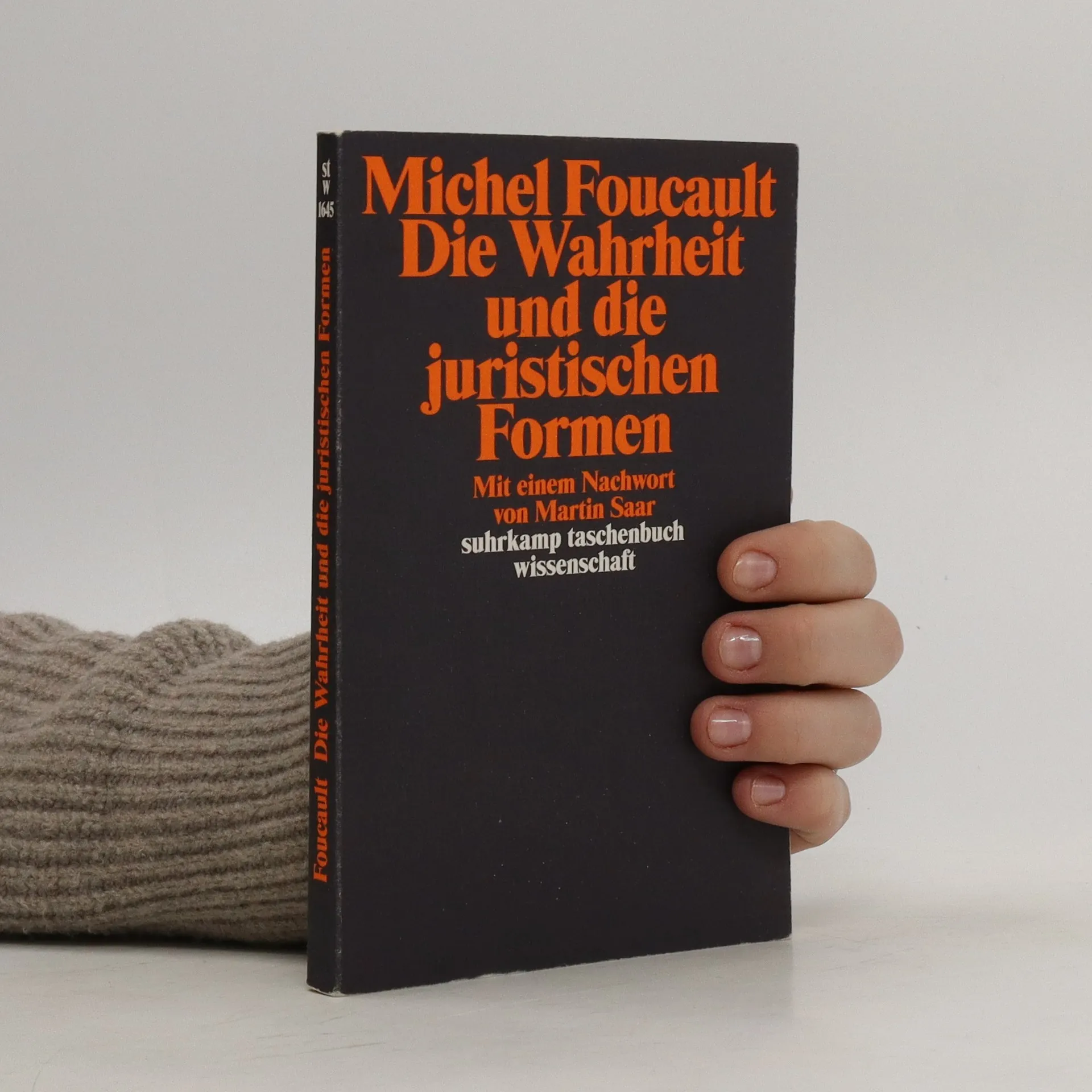
Im Jahre 1973 hat Michel Foucault an der Katholischen Universität in Rio de Janeiro drei Vorträge gehalten, in denen er seiner Idee einer neuen, einer anderen Geschichte der Wahrheit nachging. Ausgehend von den juristischen Praktiken und der Art, wie man über Schuld und Verantwortung unter den Menschen urteilte, untersucht Foucault, wie die Gesellschaft Typen von Subjektivität definiert hat, Formen von Wissen, und damit auch die Beziehung zwischen dem Mensch und der Wahrheit. In brillanten Analysen des König Ödipus von Sophokles, methodologischen Reflexionen ausgehend von Nietzsche und historischem Material aus seinen Forschungen zum Gefängnis entfaltet Foucault eine Geschichte der Wahrheit, die ganz anders ist als jene, welche die herkömmliche Wissenschaftsgeschichte gerne erzählt.
Das Erscheinen des ersten Bandes von Michel Foucaults »Schriften« wurde weithin als Ereignis wahrgenommen. Mit der in weiten Teilen erstmaligen Übersetzung aller Aufsätze, Interviews und kleineren Arbeiten Foucaults liegt nun derjenige Teil von Michel Foucaults Werk vor, der ihn zu Lebzeiten zum Klassiker und zum >enfant terribleÜberwachen und Strafen< mündet, profilieren sich die Genealogie als theoretischer Fokus und die Neubestimmung einer Theorie der Macht als wirkmächtige Kritik an der philosophischen, psychoanalytischen und politischen Tradition. Foucaults Entwurf einer Disziplinarmacht als höchst provokative Verbindung einer Theorie der Genealogie, der Norm, der Subjektivität, der Institutionen, der Macht, der Politik und des Rechts hat einen nicht zu unterschätzenden Einfluß auf das gesamte Feld der Geistes- und Sozialwissenschaften. Eine Vielzahl der Beiträge ist dem politischen Engagement Foucaults gewidmet: Foucault als luzider Kritiker des politischen Systems, das ist eine der Entdeckungen, die dieser Band bereithält.
1977 ist der Text französisch erschienen, geschrieben als Vorwort für eine Sammlung von Dokumenten zur Geschichte der Internierung im Frankreich des 17. und 18. Jahrhunderts. Das Buch kam nicht zustande, geblieben ist dieser großartige Text. „Das Leben der infamen Menschen ist ein Meisterwerk.“ (Gilles Deleuze)
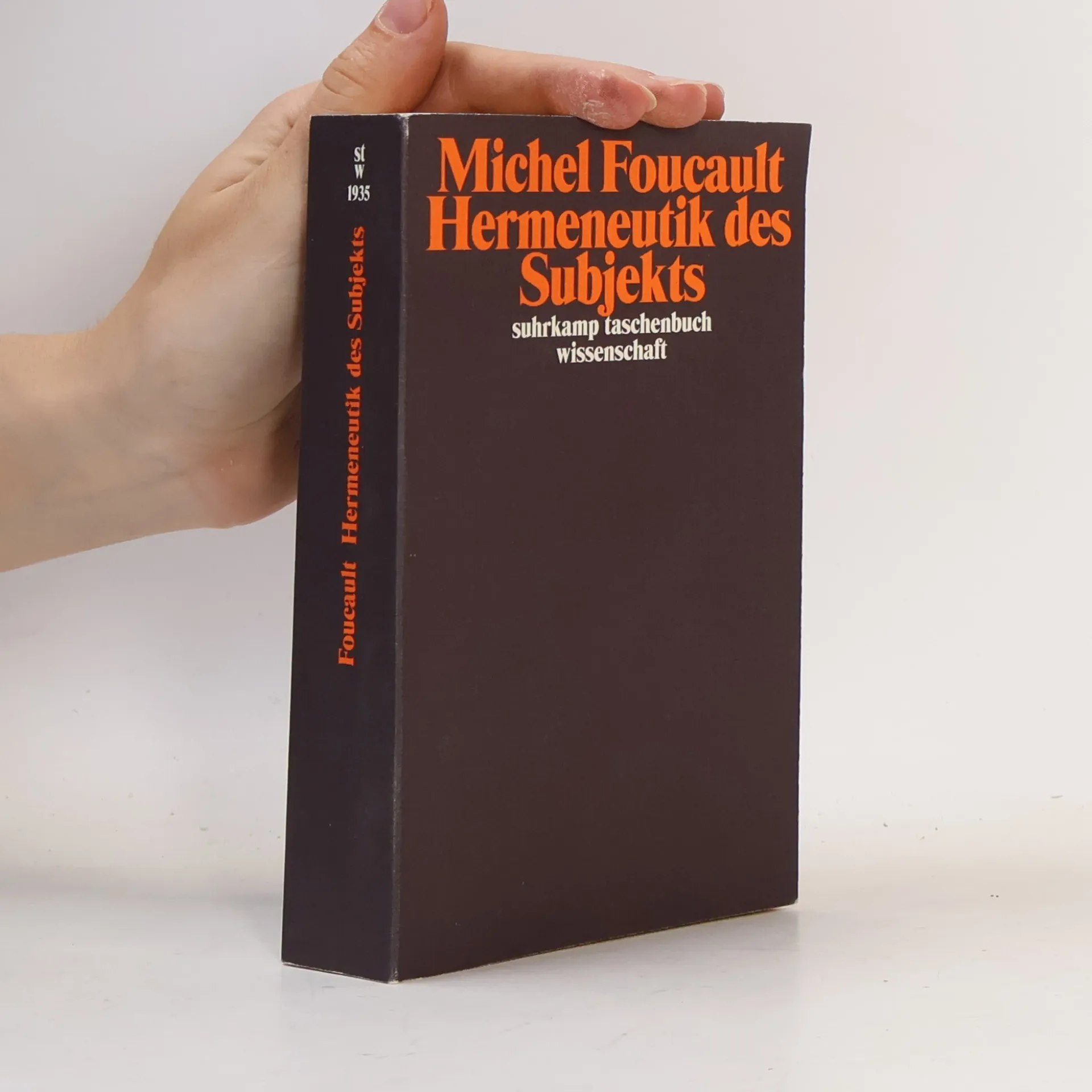
Michel Foucaults Vorlesung »Hermeneutik des Subjekts«, die er 1981/82 am Collège de France hielt, war ein so umstrittenes wie einflußreiches Ereignis. Foucault bestimmte hier die historischen wie theoretischen Voraussetzungen eines seiner wirkmächtigsten Konzepte: der Sorge um sich. Der Entwurf einer Ästhetik der Existenz gewinnt in Foucaults subtiler Interpretation klassischer antiker Texte seine Konturen. Seine Lektüre kanonischer Texte von Platon, Mark Aurel, Epikur und Seneca zielt dabei auf eine neue Theorie des Subjekts, die sich nicht auf eine historische Rekonstruktion beschränkt, sondern versucht, eine andere – historische – Perspektive auf die Konstitution des modernen Subjekts zu gewinnen: auf die Art und Weise, wie wir uns als Subjekte zu uns selbst verhalten. Dadurch eröffnet sich zugleich eine neue Sicht auf die politischen Kämpfe der Gegenwart, die sich nun als ein Aufbegehren gegen das Verschwinden der Identität begreifen lassen.
The third and final volume of the Essential Works of Foucault series, Power brings together his writings on the issues that he helped make the core agenda of Western political culture- medicine, prisons, psychiatry, government and sexuality, in particular showing his concerns with human rights, discrimination and exclusion. It also includes articles and open letters published directly in response to the issues of the time, calling for reform in abortion, asylum and the death penalty. All the pieces here bring a new sense of Foucault's huge influence on the politics of personal freedom.
Portrét významného spisovateľa strednej generácie slovenských prozaikov, ktorého prózy sú rafinovane konštruované ako mnohovýznamové, otvorené diela: protagonistovi, rozprávačovi i čitateľovi textu sa ponúka viacero interpretačných hypotéz toho, „čo sa vlastne stalo“.
Vorlesungen am Collège de France 1975/1976
Neben der großen vierbändigen Ausgabe der Dits et Ecrits erscheint gegenwärtig eine umfangreiche Ausgabe der Vorlesungen Foucaults am Collège de France. In diesen Vorlesungen ist ein neuer Foucault zu entdecken: Neben der pointierten mündlichen Präsentation des Gegenstands, die seinen Denkweg verdeutlicht, findet sich immer das Bemühen um Aktualisierung, um eine Analyse der Gegenwart. Die Edition der Vorlesung aus dem Jahr 1975/76 In Verteidigung der Gesellschaft, mit der diese Edition begann, folgt Manuskripten und Tonbandmitschnitten. Foucault geht hier der Frage nach, inwieweit Machtverhältnisse nach dem Modell des Krieges analysiert werden können. Seine im doppelten Wortsinn polemischen Ausführungen lassen sich in der Frage zusammenfassen, ob, in Umkehrung von Clausewitz, die Politik die Fortsetzung des Krieges mit anderen Mitteln sei.
The definitive survey of Land Art and contemporary environmental art, now available in paperback
Collecting the writings and interviews of Michel Foucault outside his published monographs, this work contains Foucault's summaries of the highly influential courses he taught at the College de France from 1970 to 1982, as well as engaging and unusally candid interviews and Foucault's key writings on ethics. schovat popis
Presents a collection of Michel Foucault's articles, interviews and seminars. This work focuses primarily upon the philosophy, literature and other works of the imagination which have informed Foucault's particular engagement with ethics and power and includes Foucault's arresting commentaries on the work of de Sade, Rousseau, Marx, and Nietzsche. schovat popis
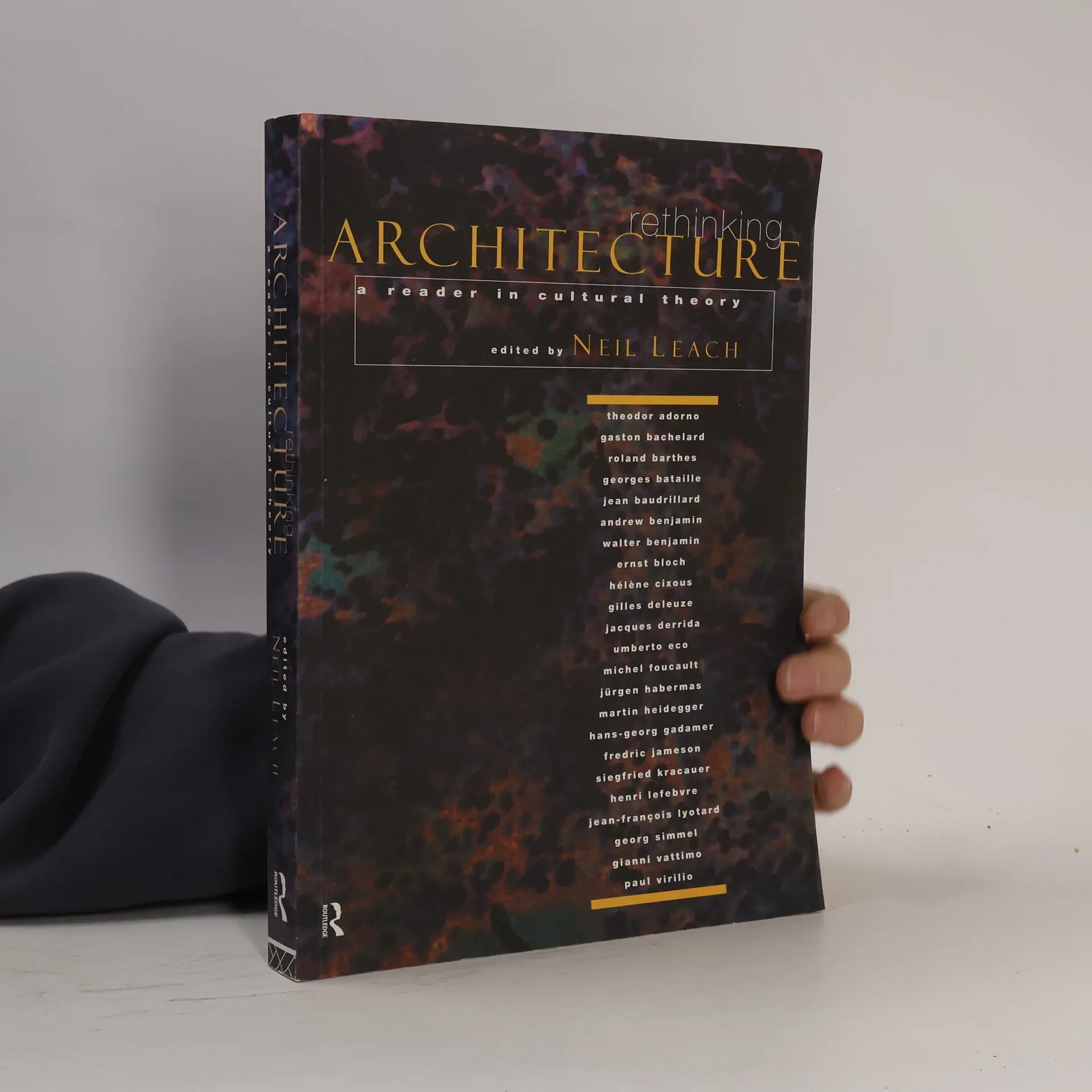
The collection features essential writings from influential philosophers and cultural theorists of the twentieth century, exploring the foundational ideas that have shaped urban environments and architectural experiences. It delves into the theoretical frameworks that underpin contemporary architecture, offering insights into the cultural and philosophical contexts that inform our understanding of space and design. This compilation serves as a critical resource for those interested in the intersection of architecture, philosophy, and urban theory.
Si hoy en día todo el mundo admite que la «cuestión del poder» es uno de los temas centrales de la filosofía de Michel Foucault, no siempre fue así del todo. Él mismo ha reconocido lo difícil que le resultó formularla, a pesar de que ya estuviera implícita en su obra desde la Historia de la locura en la época clásica, y cómo también esa dificultad estaba indudablemente ligada a la situación política. Pues bien, después de Mayo del 68, en la obra de Michel Foucault se produce un cambio. Este texto que ahora presentamos marca precisamente ese giro en el que Foucault abandona la primacía discursiva, la primacía de la arqueología, para elaborar el método genealógico que constituye el primer paso hacia un análisis del poder. El genealogista examina las relaciones entre el poder, el saber y el cuerpo en la sociedad moderna, y establece un diagnóstico. Podría decirse que este pequeño ensayo, no por ello menos importante, contiene el germen de su obra de los años 70.
The most accessible and exhaustive introduction to Foucault's thought to date, including every extant interview made by Foucault from the mid-60s until his death in 1984.
Michel Foucault führte dieses Gespräch Ende 1978, bald nach dem Erscheinen von Der Wille zum Wissen. Wie ein roter Faden zieht sich durch diese Unterredungen der Begriff der »Erfahrung« und ihre Bedeutung für das Individuum. Eine Erfahrung ist etwas, in der das Subjekt nicht dasselbe bleibt, aus der es als ein anderes hervorgeht. In der Offenheit für Erfahrungen entsteht ein anderes Verständnis des Subjekts - eines Subjekts, das den Verlust seiner Identität in »Grenzerfahrungen« geradezu sucht.
Paul-Michel Foucault wurde am 15. Oktober 1926 in Poitiers geboren und starb am 25. Juni 1984 an den Folgen einer HIV-Infektion. Nach seiner Schulzeit studierte er Philosophie und Psychologie in Paris. 1952 begann er als Assistent für Psychologie in Lille und war 1955 Lektor an der Universität Uppsala. Nach Direktorenstellen in Warschau und Hamburg kehrte er 1960 nach Frankreich zurück, wo er bis 1966 Professor für Psychologie und Philosophie an der Universität Clermont-Ferrand war. 1961 veröffentlichte er seine Dissertationsschrift über die Geschichte des Wahnsinns und die Abgrenzung von geistiger Gesundheit und Krankheit. 1965 und 1966 war er Mitglied der Fouchet-Kommission zur Reform des Hochschulwesens. 1966 erschien sein Werk, in dem er die Wissenschaftsgeschichte von der Renaissance bis ins 19. Jahrhundert analysierte. Nach einem Aufenthalt als Gastprofessor in Tunis war er an der Reform-Universität von Vincennes tätig. 1970 wurde er Professor für Geschichte der Denksysteme am Collège de France und engagierte sich politisch. In diesem Kontext entstand seine Studie über Überwachung und Strafe. 1975-1982 reiste er nach Berkeley, Japan, Iran und Polen.
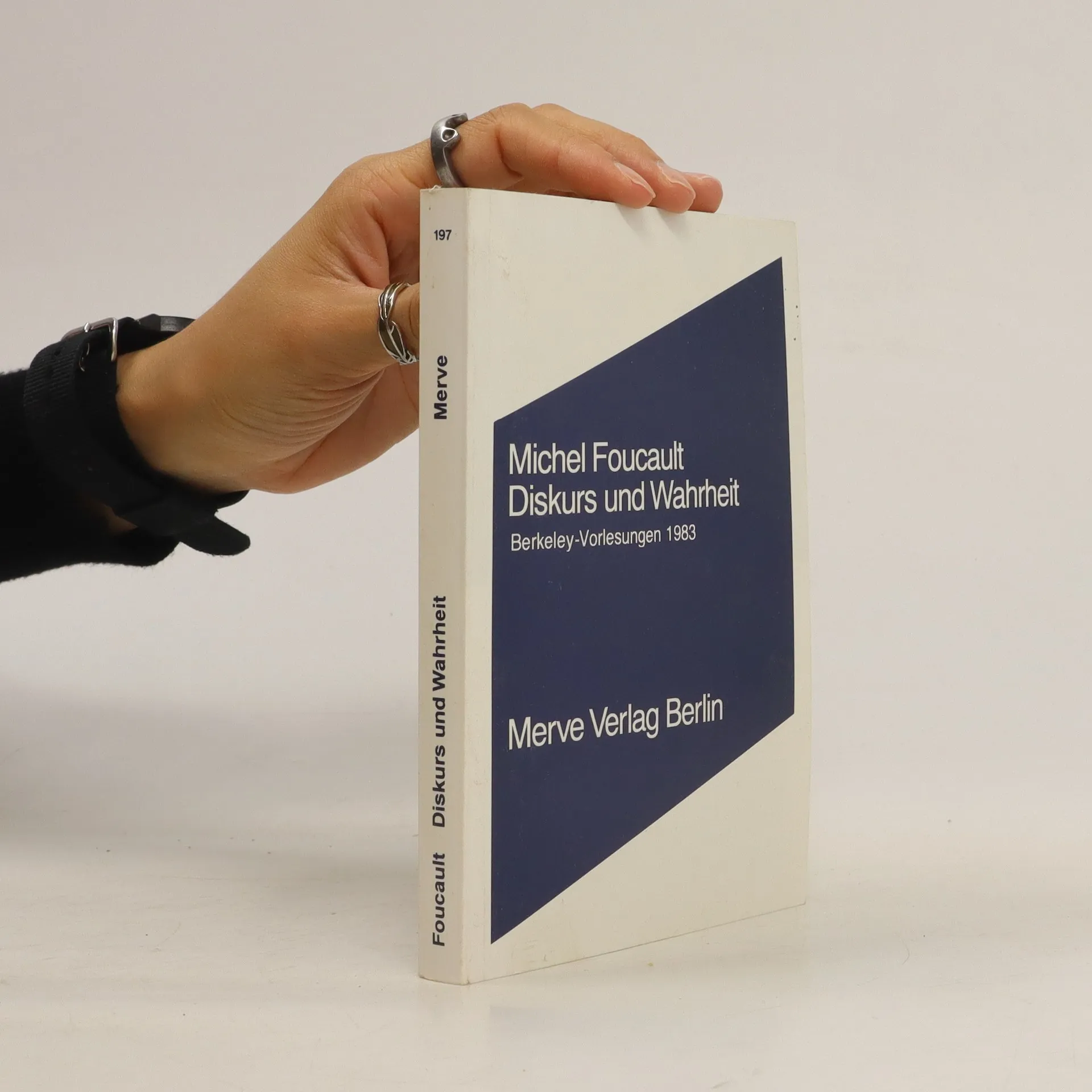
Die Problematisierung der Parrhesia. Berkeley-Vorlesungen 1983
6 Vorlesungen, die 1983 in Berkeley gehalten wurden: Wer ist in der Lage, die Wahrheit zu sagen? Mit welchen Folgen und mit welcher Beziehung zur Macht? Parrhesia bedeutet, freimütig und aufrichtig die Wahrheit zu sagen, und ist zuallererst eine Praktik, der es um die Übereinstimmung zwischen Denken und Leben geht.
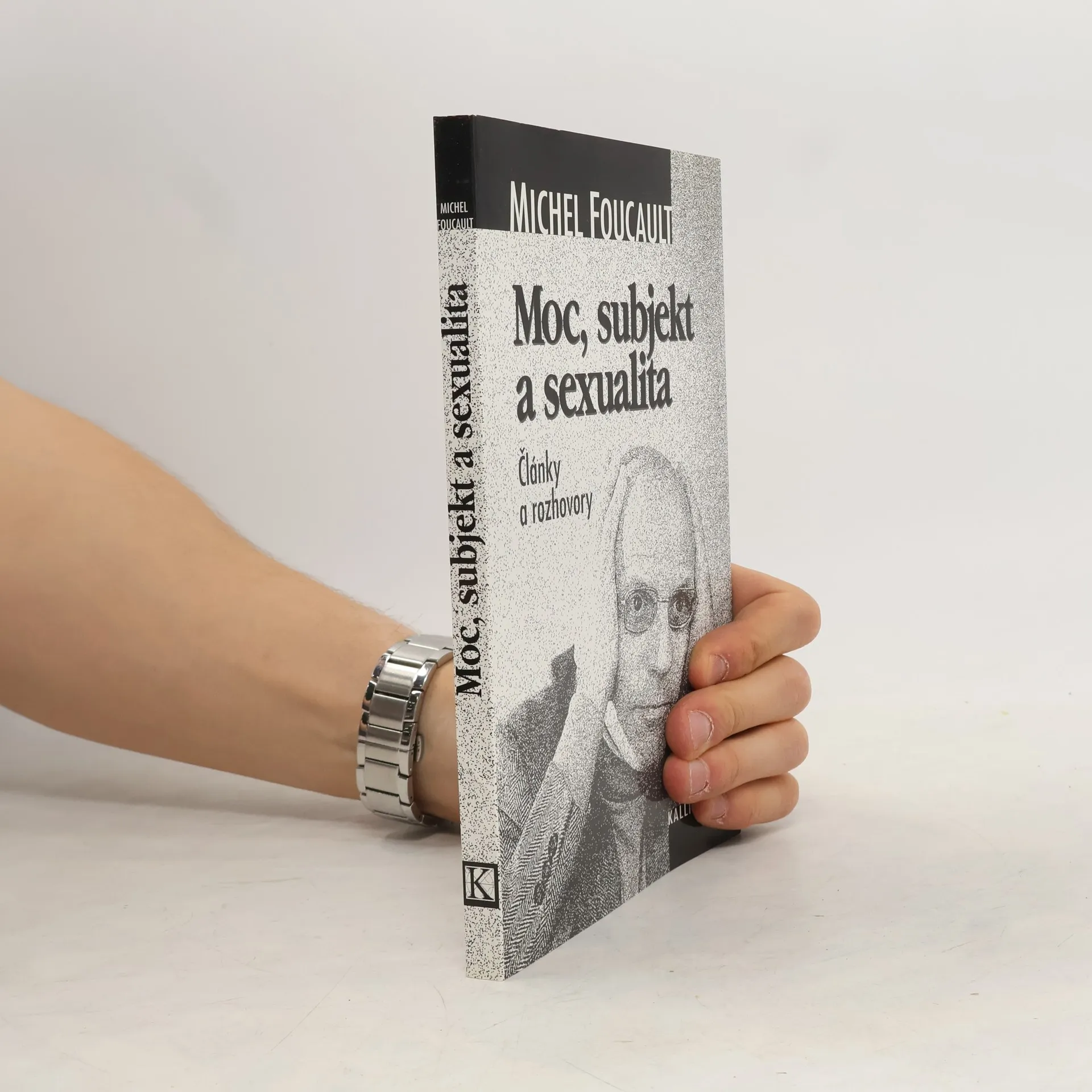
Výbor z Foucaultových článků a rozhovorů, který dokládá proměny jeho myšlení od 60. let až do jeho smrti. Zahrnuje tedy i rané statě věnované literatuře a těm spisovatelům, kteří inspirovali jeho generaci (Bataille, Blanchot), důkladnou recenzi dvou knih Gillese Deleuze, ale stejně tak i články a rozhovory, v nichž Foucault stručně shrnuje své pojetí politického rozumu, moci a moderní racionality. V posledním rozhovoru se pak dotýká i svého nedokončeného projektu "dějin sexuality".
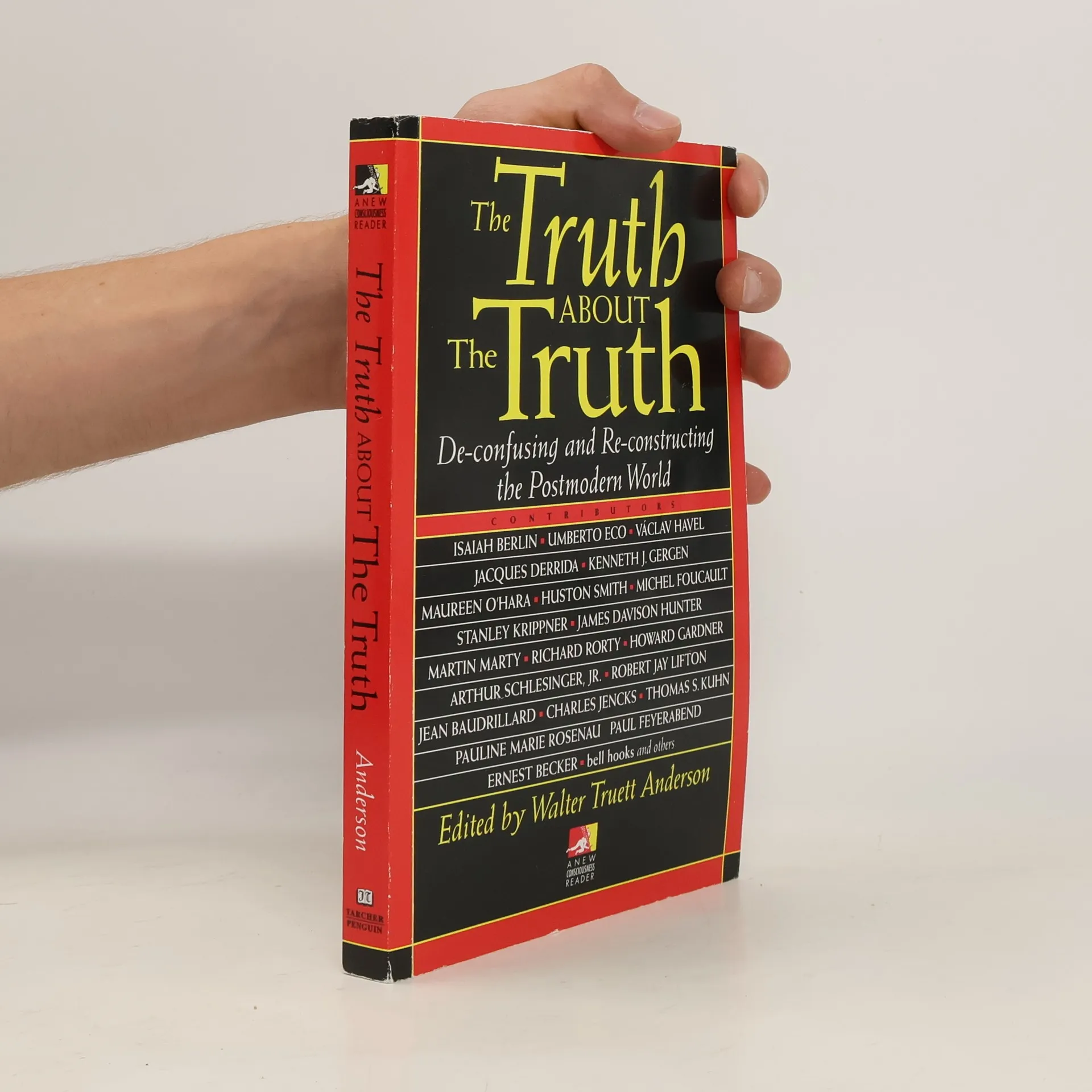
De-confusing and Re-constructing the Postmodern World
Includes essays and excerpts from the works of prominent modern thinkers such as Umberto Eco, Jacques Derrida, and Isaiah Berlin among others.
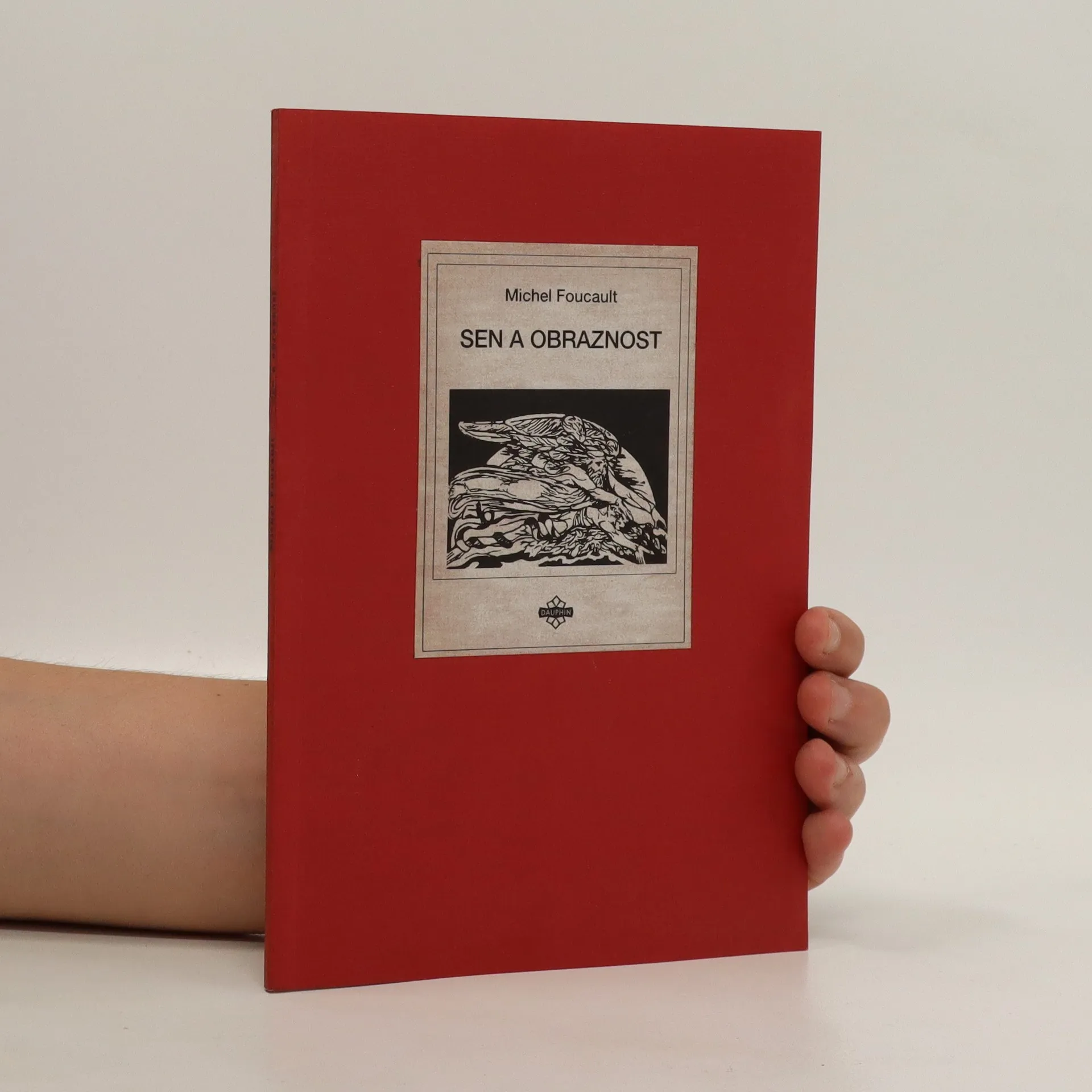
Raná práce předního francouzského filozofa, interpretace snu a imaginace v kontextu moderní antropologie a psychologie.
La 4e de couv. porte : "Ces Dits et écrits, qui réunissent, parallèlement à ses grands livres, la totalité des textes publiés du vivant de Michel Foucault (1926-1984), constituent l'autobiographie intellectuelle de l'un des grands esprits du XXe siècle. On y découvre l'immensité de sa culture, la variété de ses préoccupations, une curiosité toujours en éveil, une liberté et une générosité de parole et d'engagement, qui permettent de mieux cerner le personnage et éclairent la lecture de ses ouvrages. Publiés dans l'ordre chronologique, ces conférences, préfaces, articles, essais et entretiens, croisés avec la biographie qui les précède, donnent la possibilité de suivre les cheminements de sa pensée, son perpétuel renouvellement. "
Tři pozoruhodné studie významného francouzského filozofa a historika, které spojuje myšlenka o moci jako základním motivu lidské touhy po vědění.
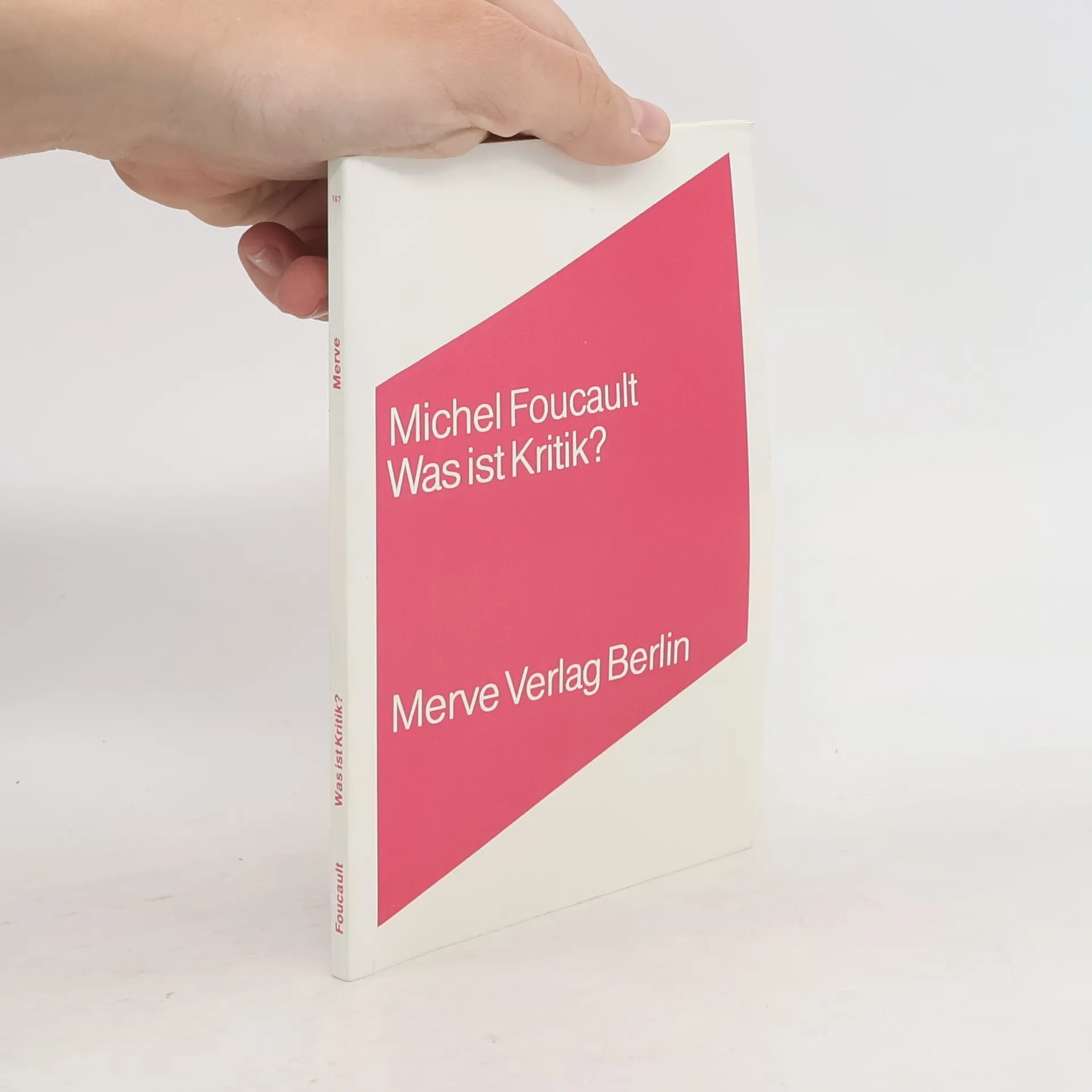
„Erst in der Rückschau wird deutlich, inwiefern es sich bei Foucaults Vortrag aus dem Jahr 1978 um ein Wegkreuz gehandelt hat. Foucaults Frage nach der Kritik ist eine verschobene Urszene, die über das frühere Werk Rechenschaft ablegt - und die Fäden, die das Spätwerk webt, im noch unverknüpften Zustand zeigt.“ (Armin Adam, SZ)
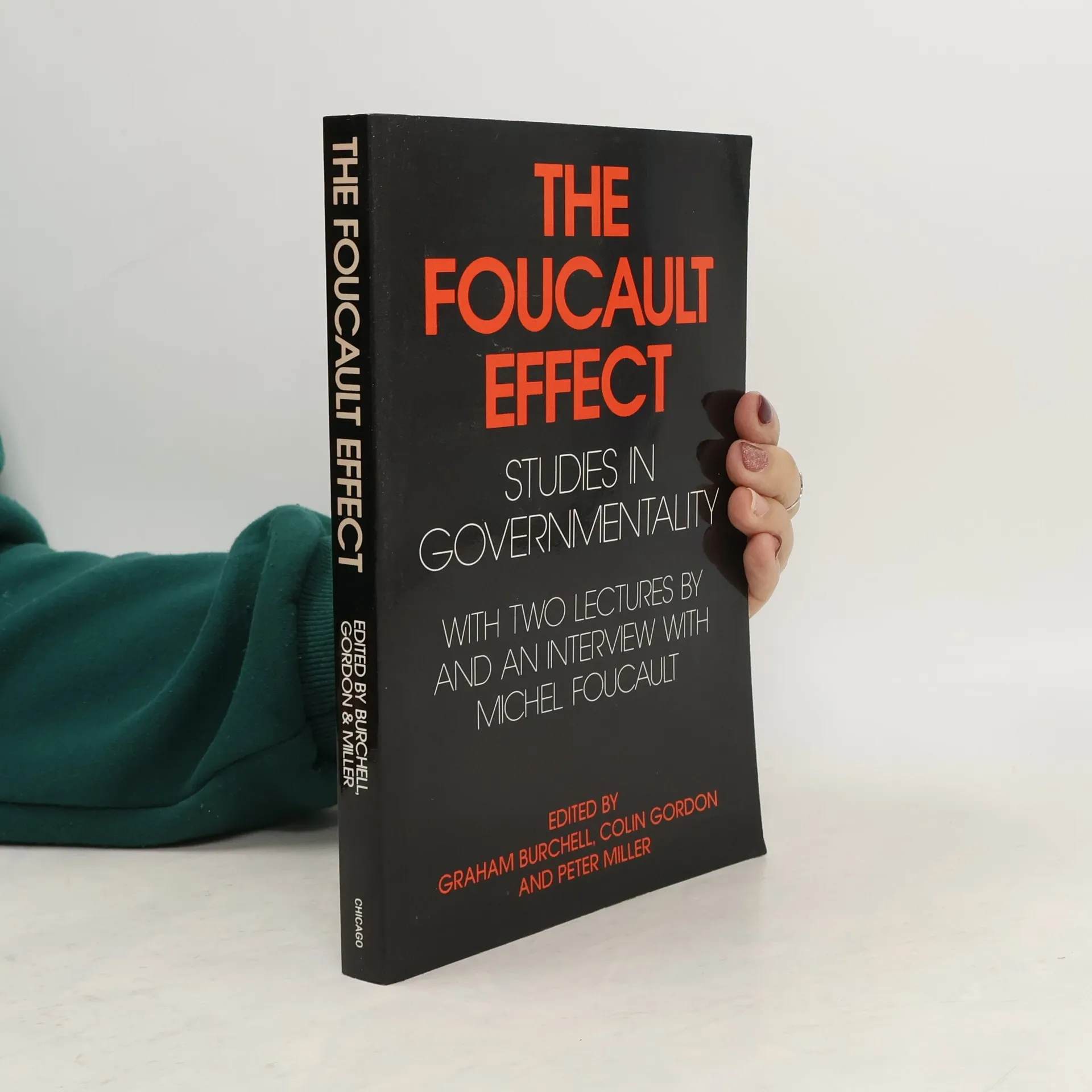
Studies in Governmentality: With Two Lectures by and an Interview with Michel Foucault
This volume is a sequel to Power/Knowledge, based on Michel Foucault's lectures at the Collège de France in 1978 and 1979, and his 1977 interview on imprisonment. Foucault explores governmental rationalities, examining government as both a contemporary practice and a historical phenomenon, highlighting how governmentality has been conceptualized and enacted. His insights into political discourse and governmentality are complemented by essays from esteemed scholars influenced by Foucault's work. They delve into various modern forms of government, such as state reasoning, police functions, liberalism, security, social economy, insurance, solidarity, welfare, and risk management. A central theme is that government is not an instinctive or natural phenomenon but rather an invention shaped by historical contexts. The collection also investigates the relationship between governmental practices and criticism, suggesting that critique can drive meaningful change and inspire new practices. This unique anthology of articles and primary materials paves the way for renewed discussions on Foucault's contributions and the implications for liberalism, social policy, and insurance.
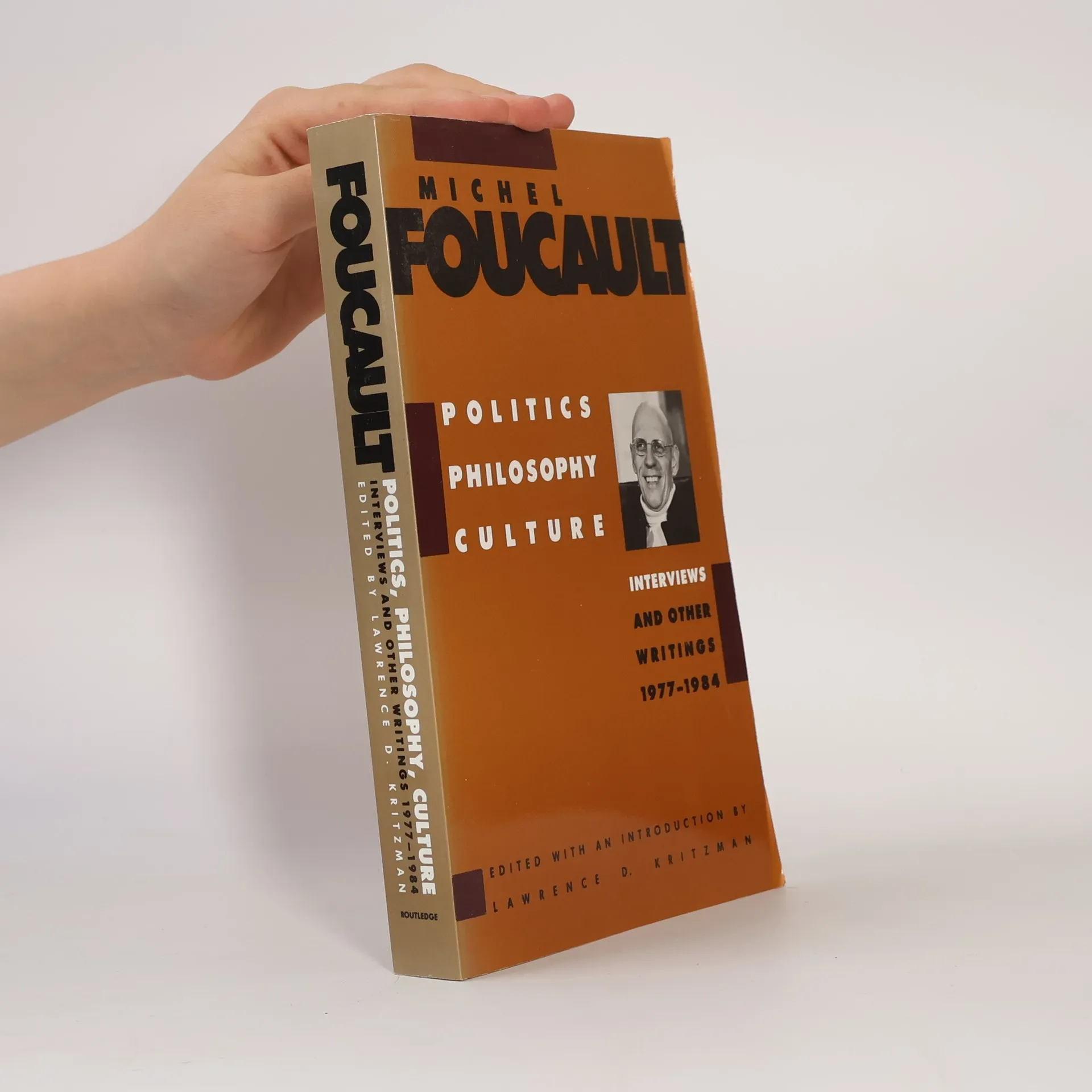
Politics, Philosophy, Culture contains a rich selection of interviews and other writings by the late Michel Foucault. Drawing upon his revolutionary concept of power as well as his critique of the institutions that organize social life, Foucault discusses literature, music, and the power of art while also examining concrete issues such as the Left in contemporary France, the social security system, the penal system, homosexuality, madness, and the Iranian Revolution.
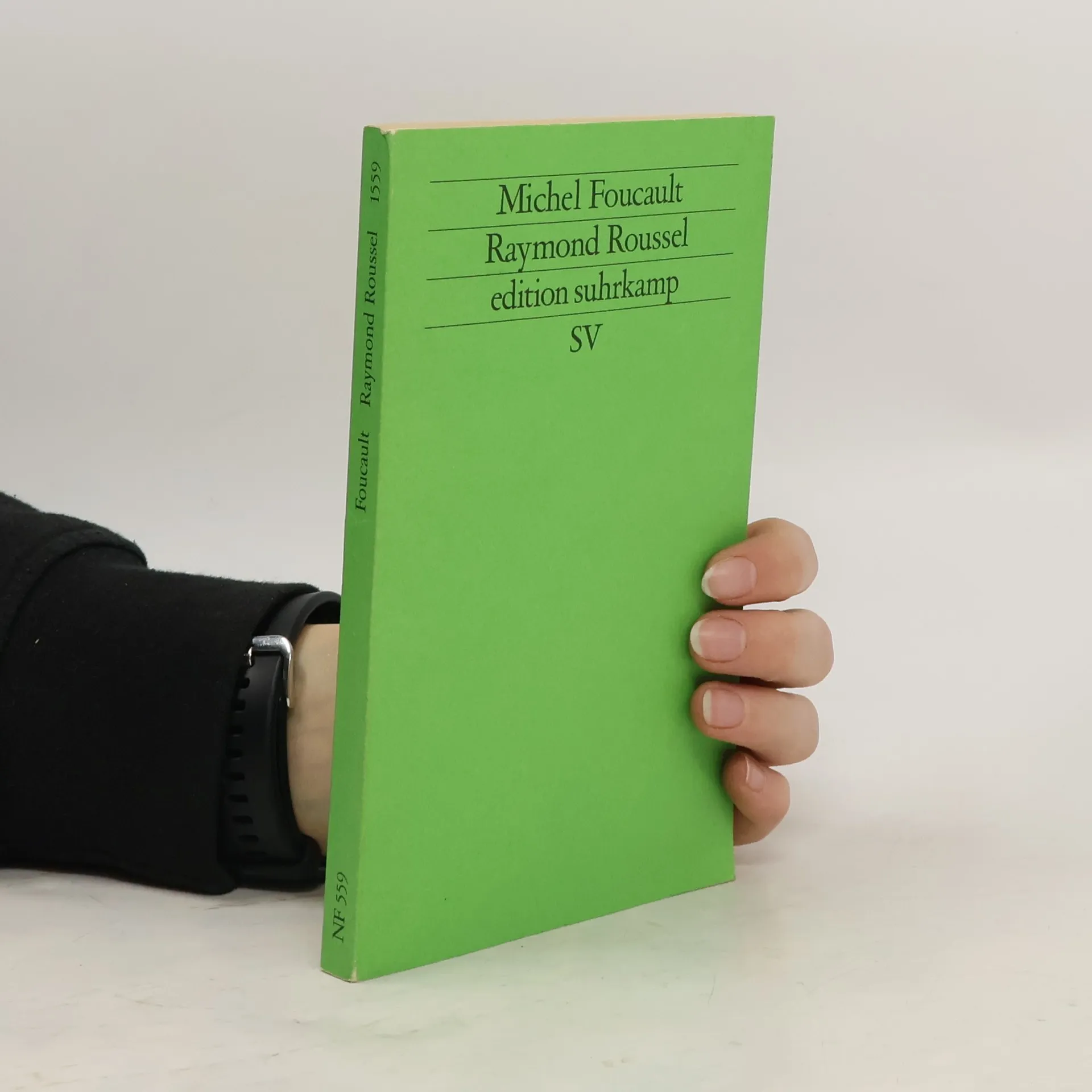
Im Mittelpunkt der Untersuchung steht die Erarbeitung von Kategorien und Beschreibungsmitteln, die in der Lage sind, den in der Moderne gewandelten Status literarischer Texte zu erfassen. Am Beispiel Roussel schlägt Foucault als zentralen Begriff dafür den des »double« vor, ein Begriff, der auch für die poststrukturale Ästhetik von besonderer Bedeutung ist, Mit Raymond Roussel wird dem deutschen Publikum somit nicht allein das Werk eines der Bedeutendsten Philosophen unserer zeit vorgestellt, sondern darüber hinaus ein Beitrag zur aktuellen Diskussion geleistet, die im Rahmen des Poststrukturalismus geführt wird.