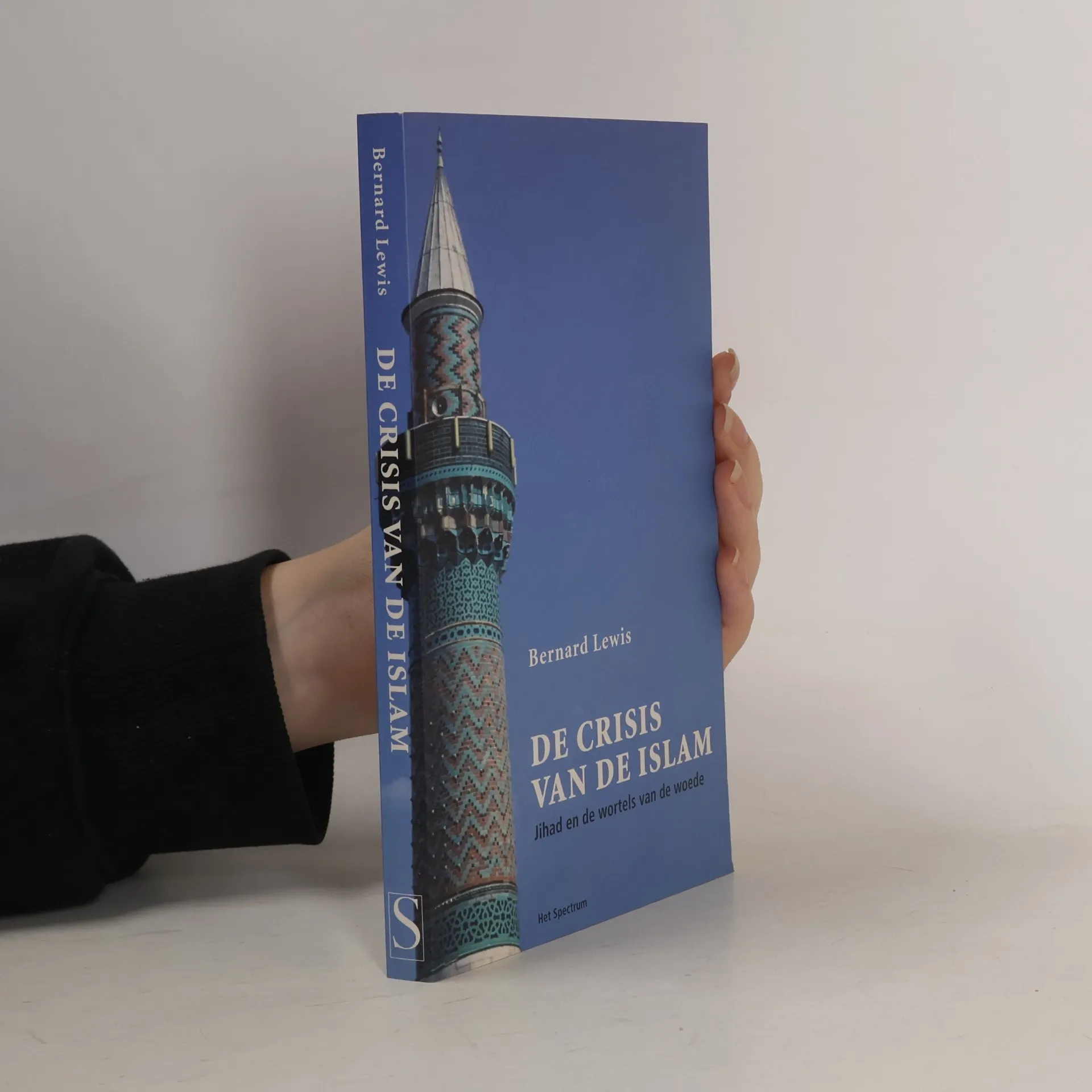
The eleventh-century Muslim world was a great civilization while Europe lay slumbering in the Dark Ages. Slowly, inevitably, Europe and Islam came together, through trade and war, crusade and diplomacy. The ebb and flow between these two worlds for seven hundred years, illuminated here by a brilliant historian, is one of the great sagas of world history.
Bernard Lewis Bücher
31. Mai 1916 – 19. Mai 2018
Bernard Lewis war ein renommierter Historiker, der sich auf den Nahen Osten spezialisierte und dessen einflussreiche Werke die komplexe Geschichte und die gegenwärtigen Herausforderungen der Region untersuchten. Er näherte sich dem Thema mit einem tiefen Verständnis für dessen kulturelle und politische Dynamik und bot aufschlussreiche Analysen, die breite Resonanz fanden. Lewis' Schriften zeichnen sich durch wissenschaftliche Strenge und ihre Fähigkeit aus, komplizierte historische Erzählungen einem breiten Publikum zugänglich zu machen. Seine Beiträge prägten maßgeblich das globale Verständnis der nahöstlichen Angelegenheiten.

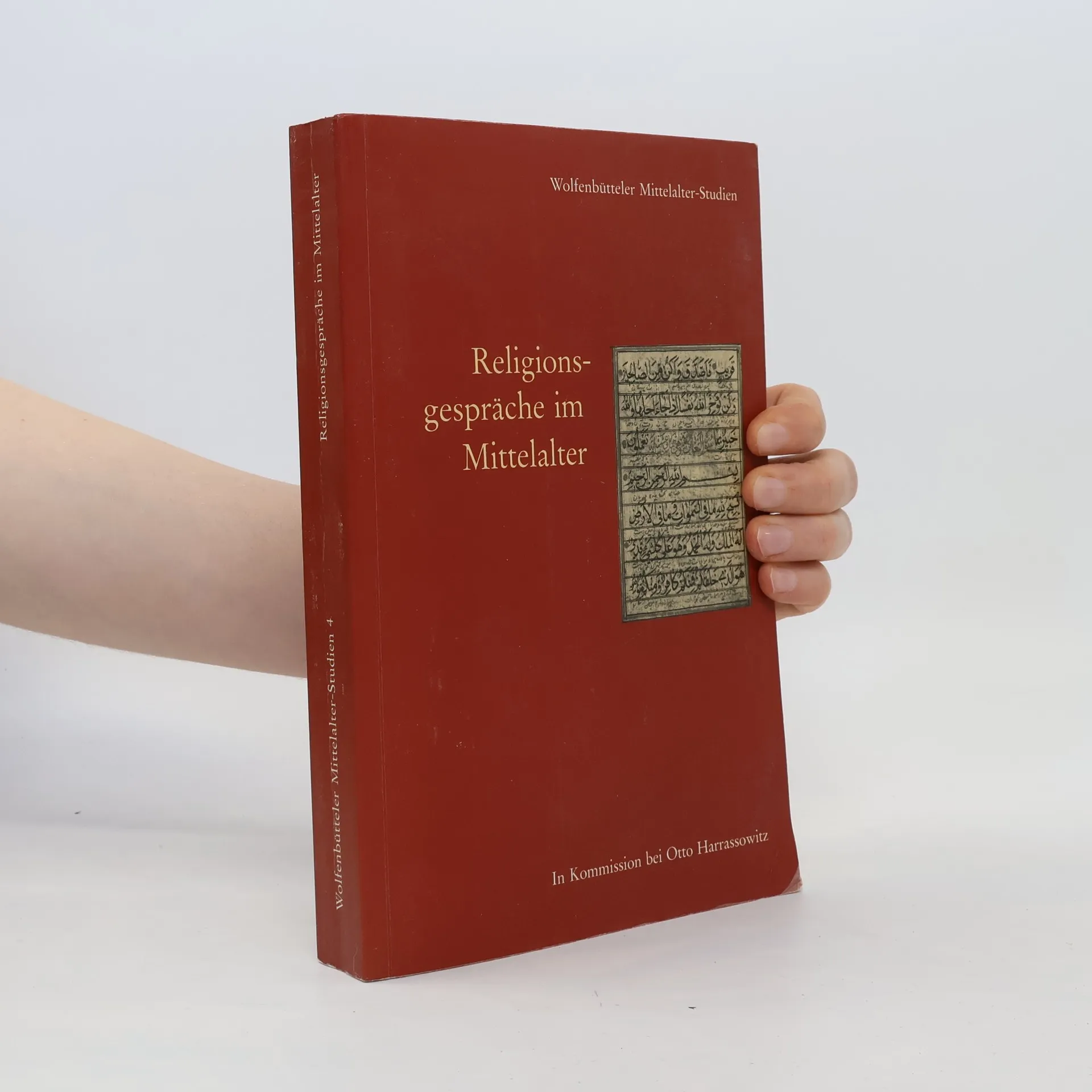
Religionsgespräche im Mittelalter
- 388 Seiten
- 14 Lesestunden
Die Vorträge des 25. Wolfenbütteler Symposions, das vom 11.-15. Juni 1989 in der Herzog August Bibliothek stattfand, beleuchten die Frage, ob die „Dialoge“ und „Disputationen“ zwischen den Religionen im Mittelalter tatsächlich so stattfanden, wie sie überliefert sind, oder ob die Berichte lediglich die Sichtweise der aufzeichnenden Partei widerspiegeln. Die 22 Vorträge sind in drei Gruppen unterteilt: I: Innerjüdische Auseinandersetzungen sowie jüdisch-christliche und christlich-jüdische Disputationen, darunter Themen wie die Karaite-Kontroverse und die Barcelona-Disputation von 1263. II: Innerchristliche Auseinandersetzungen sowie christlich-muslimische und muslimisch-christliche Gespräche, mit Vorträgen über Anti-Cathar-Polemik und den Dialog zwischen Byzantinern und Türken während der osmanischen Expansion. III: Innermuslimische Auseinandersetzungen sowie zwei muslimische Untersuchungen über Juden und den interreligiösen Dialog. Den Abschluss bildet ein übergreifender Beitrag, der die Wahrnehmungen von Identität und Differenz im Islam thematisiert.
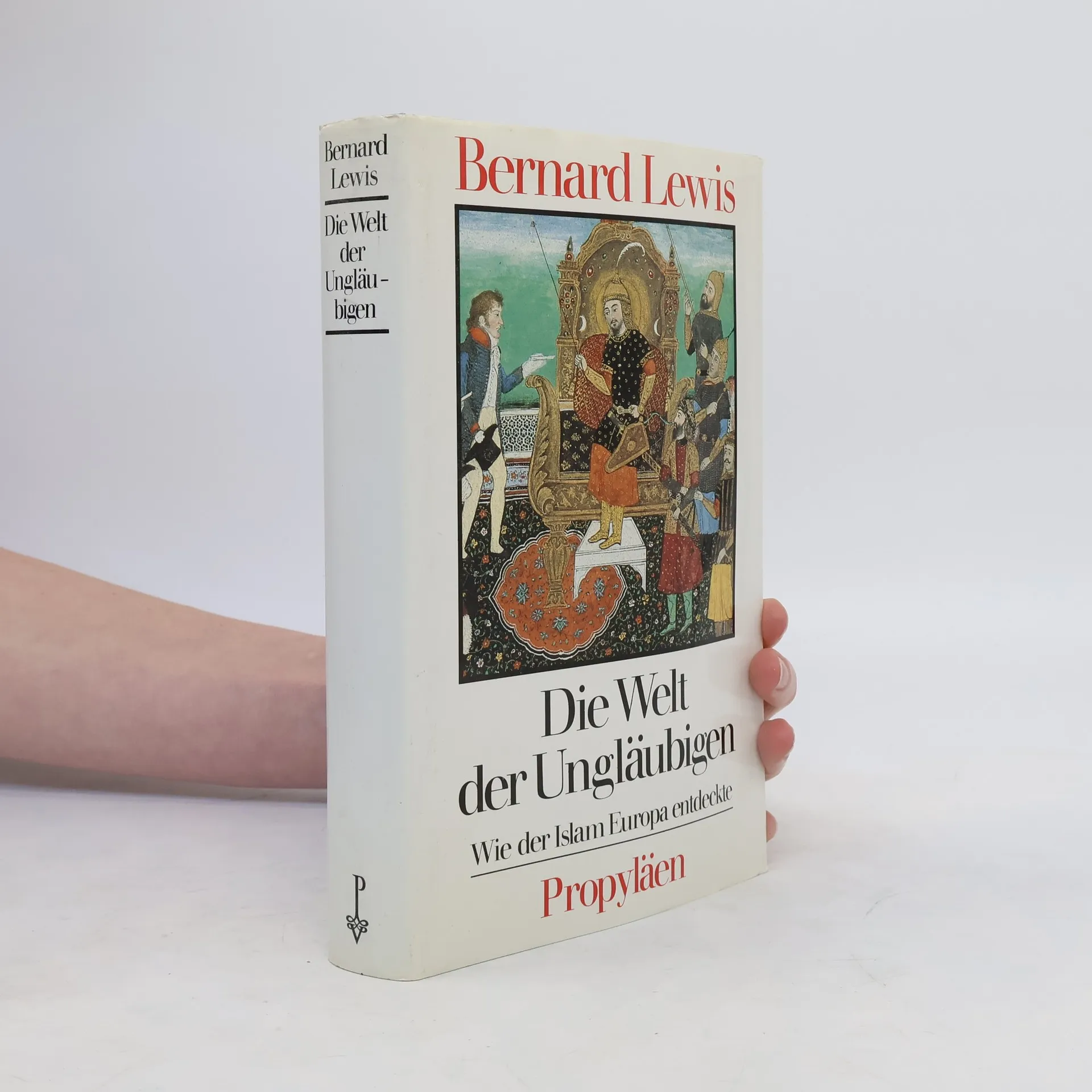
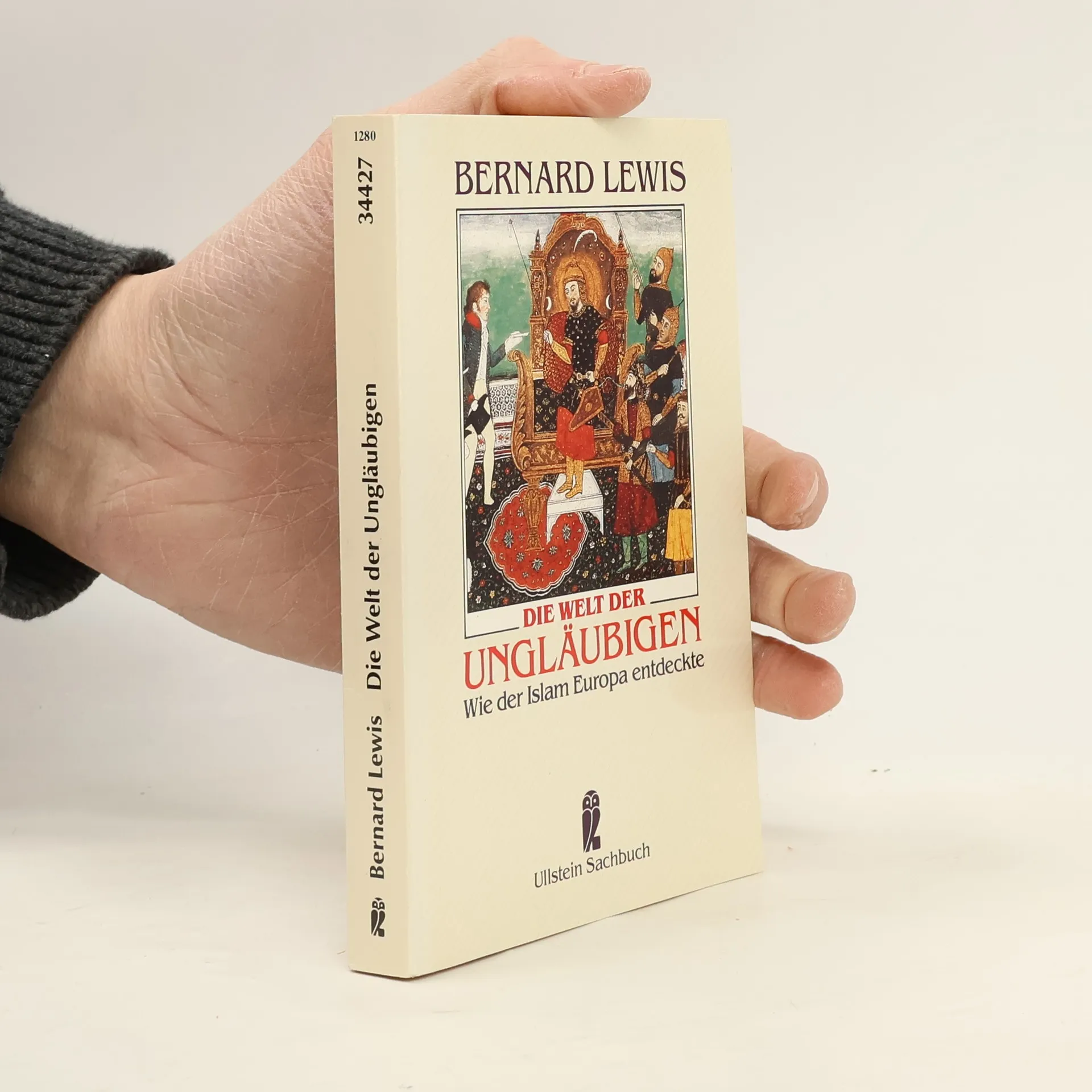
Die Welt der Ungläubigen
- 336 Seiten
- 12 Lesestunden
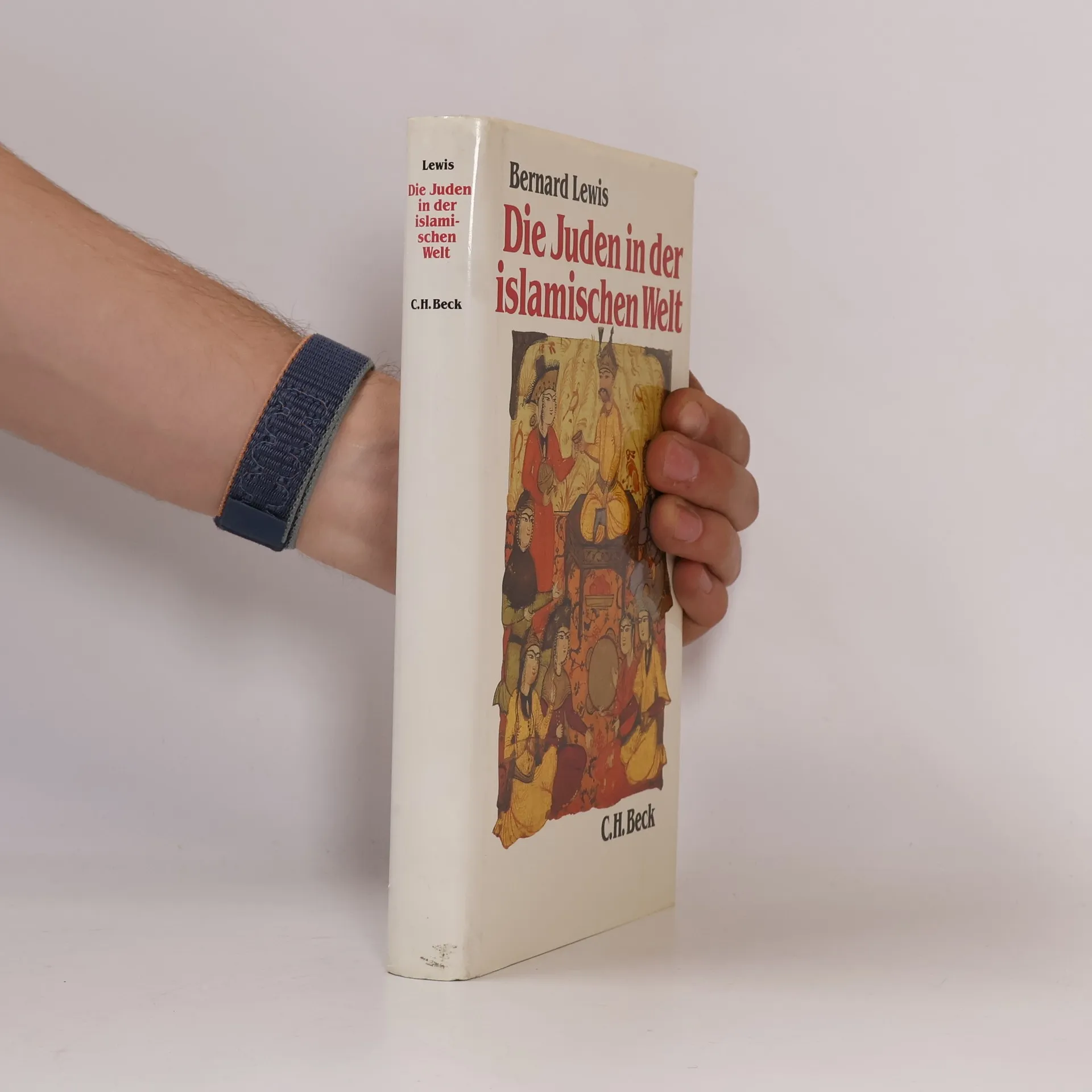
Die Juden in der islamischen Welt
- 216 Seiten
- 8 Lesestunden
Bernard Lewis, einer der bedeutendsten Islamisten, stellt mit diesem Buch die Geschichte der Beziehungen von Juden und Muslimen vom frühen Mittelalter bis in 20. Jahrhundert dar. Zumindest im Mittelalter und in der frühen Neuzeit, so der Autor, gab es eine jüdisch-islamische Symbiose von großer Bedeutung für beide Kulturen. Das heißt jedoch nicht, daß es zwischen Juden und Muslimen nicht gewaltige Spannungen gegeben hätte, die für die jüdischen Untertanen Diskriminierung und Demütigungen mit sich brachten, nie aber Mißhandlung oder brutale Verfolgung. Die Geschichte der Beziehungen wird hier im einzelnen souverän und mit großer Sachkenntnis beschrieben
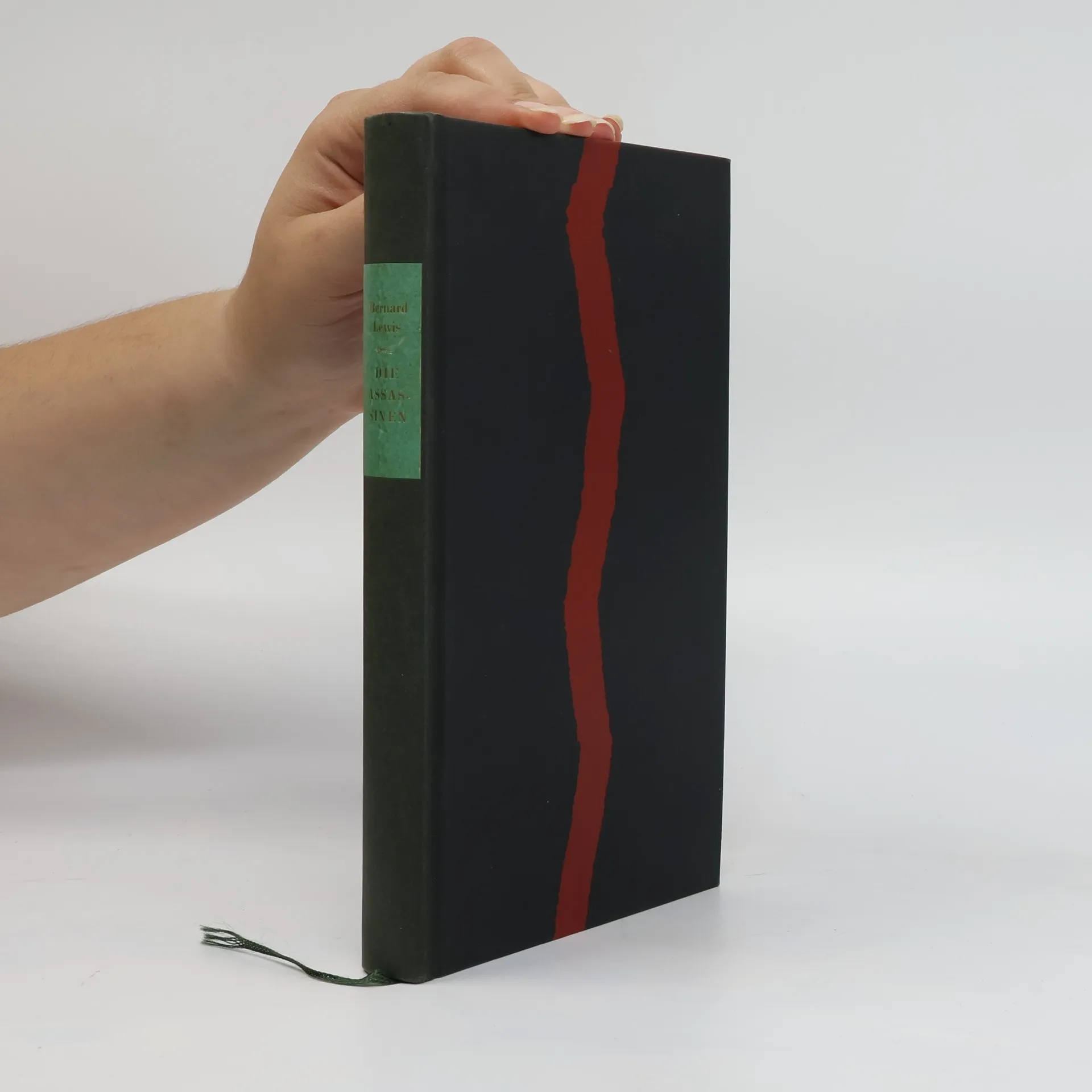
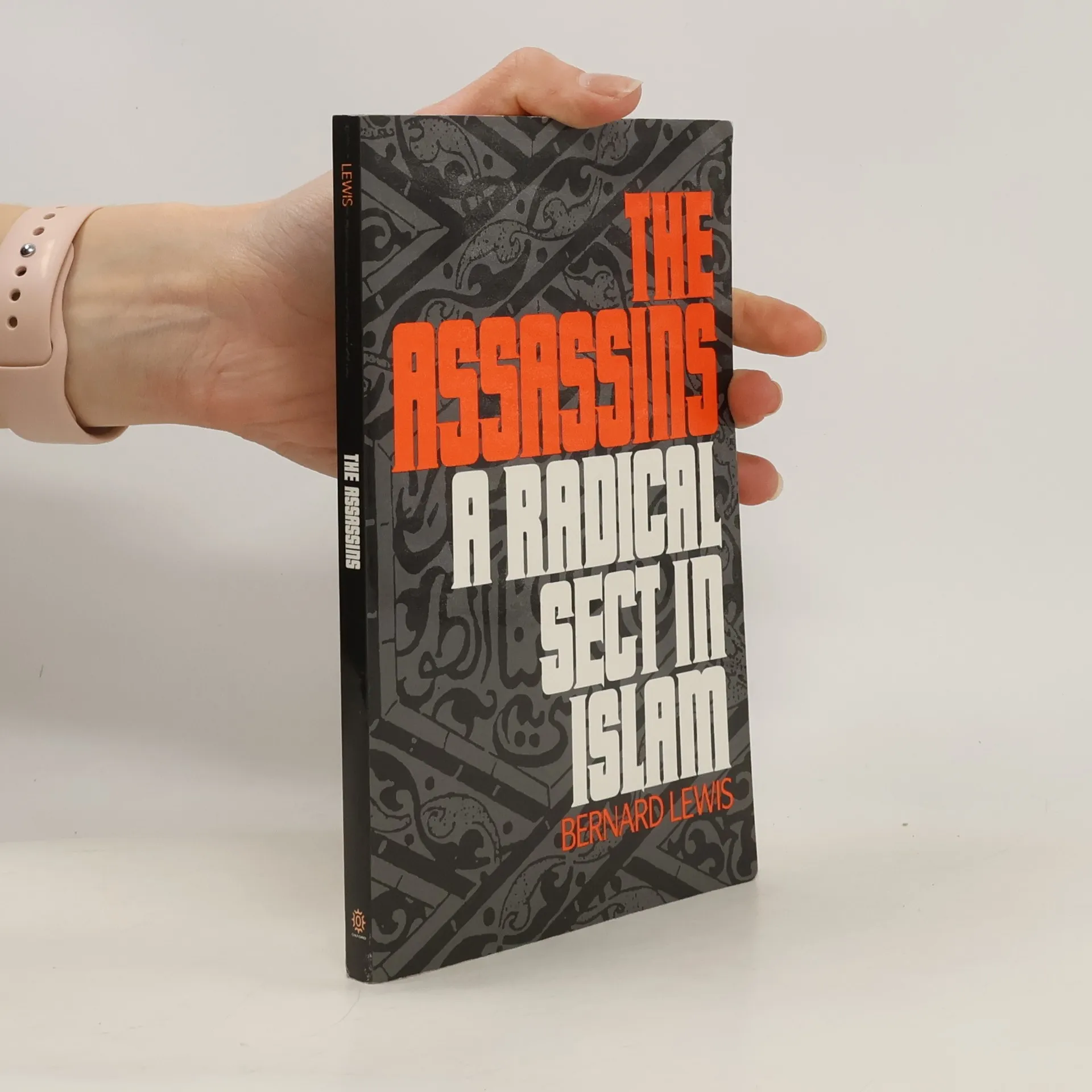
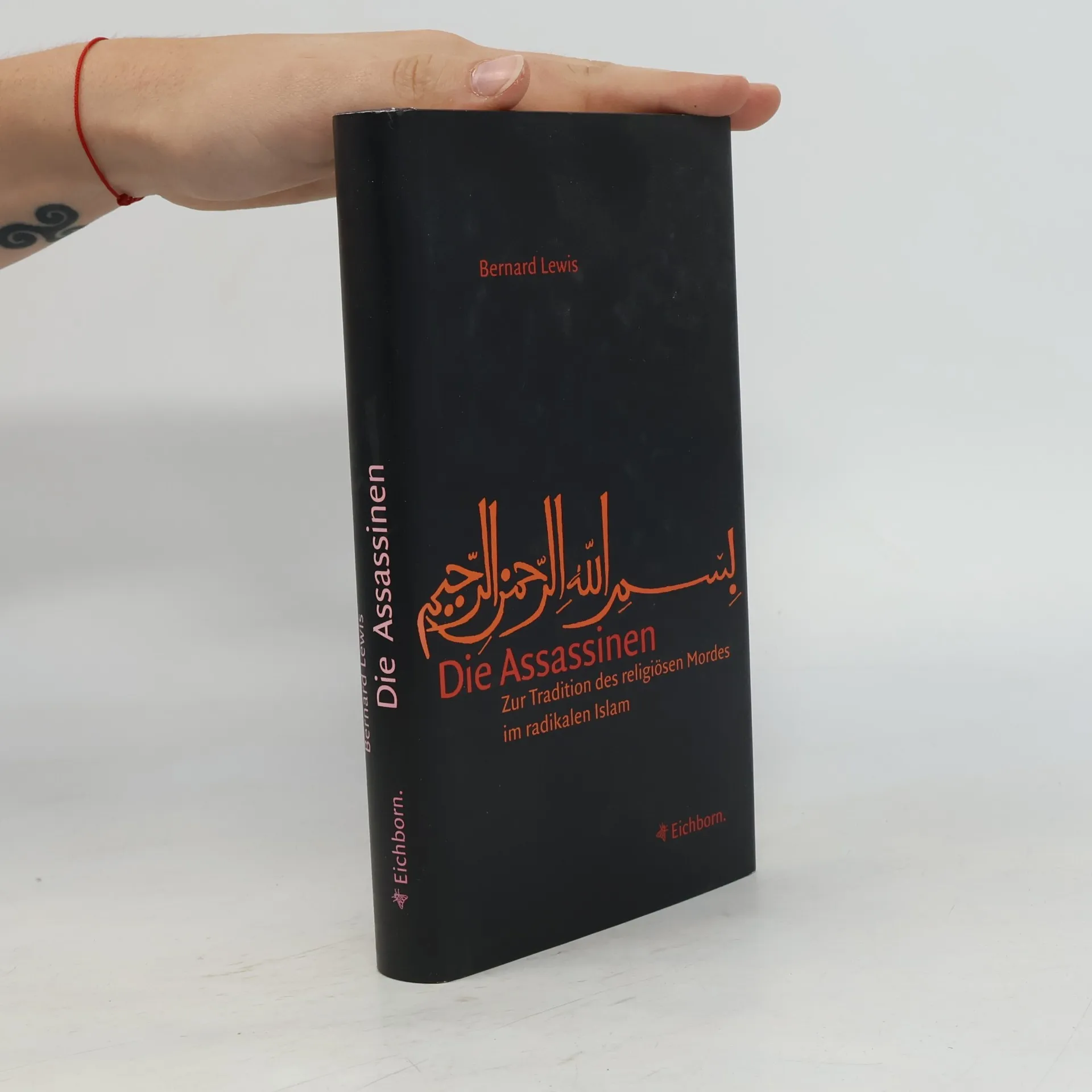
Die Assassinen. Zur Tradition des religiösen Mordes im radikalen Islam.
- 259 Seiten
- 10 Lesestunden
Das Wort 'Assassine' wurde von den Kreuzfahrern aus Syrien zurückgebracht und erlangte im Laufe der Zeit die Bedeutung von Mörder. Ursprünglich wurde es auf die Mitglieder einer muslimischen Religionsgemeinschaft angewendet - einem Zweig der Ismailiten, und den Anhängern eines Anführers, der als der Alte vom Berge bekannt war. Ihre Überzeugungen und Methoden machten sie zu einem Synonym für Fanatismus und Terrorismus in Syrien und Persien im 11. und 12. Jahrhundert und zum Gegenstand eines üppigen Wachstums von Mythen und Legenden. In diesem Buch verfolgt Bernard Lewis zunächst die Entwicklung dieser Legenden im mittelalterlichen und modernen Europa und die allmähliche Durchdringung von genauem Wissen über die Ismailiten. Anschließend untersucht er die Ursprünge und Aktivitäten der Sekte auf der Grundlage zeitgenössischer persischer und arabischer Quellen und vor dem Hintergrund der Geschichte des Nahen Ostens und des Islam. In einem abschließenden Kapitel diskutiert er einige der politischen, sozialen und wirtschaftlichen Implikationen der Ismailiten und untersucht die Bedeutung der Assassinen in der Geschichte revolutionärer und terroristischer Bewegungen.
Die Wut der arabischen Welt
- 192 Seiten
- 7 Lesestunden
Bernard Lewis macht eindringlich klar, dass islamischer Terror keineswegs die Sache einer isolierten Minderheit ist. Die Ressentiments gegen den Westen sind verbreitet und reichen zurück in eine lange Geschichte der Erniedrigungen. Lewis erklärt die Befindlichkeit der Muslime einfach und einleuchtend. Objektiv und verständlich wie kein anderer zeichnet er die großen Linien der Geschichte nach und benennt die Ursachen für die wachsende Wut auf den Westen.
Die politische Sprache des Islam
- 257 Seiten
- 9 Lesestunden
Politische Macht, Recht und Gesetz, herrscher und Untertan, Krieg und Fireden haben im muslimischen Kulturkreis eine eigene Semantik. Ihre Geschichte und gegenwart ist Bernard Lewis nachgegangen, um den spezifischen Radikalismus dieser Weltreligion verständlich zu machen. Zentrale Begriffe aus den Bereichen Religion, Politik, Gesellschaft und der Auseinandersetzung mit Andersgläubigen werden erklärt und in ihrem Entstehungszusammenhang verständlich gemacht. „Was also macht die Stärke und Attraktion des Islam aus, sowohl in seinem Anspruch auf Gefolgstreue als auch in seiner revolutionären Ausstrahlung? Es ist der Islam, der die grenzen bildet zwischen dem Eigentum und dem Fremden, zwischen dem Zugehörigen und dem Außenseiter. Nation und Vaterland sind natürlich auch in der islamischen Welt altbekannte Phänomene, doch als Bestimmungsgründe für politische Identität und Zugehörigkeit sind sie moderne und von außen eingedrungene Vorstellungen.“ (Bernard Lewis)
Die Araber
- 287 Seiten
- 11 Lesestunden
Die Geschichte der arabischen Kultur und Zivilisation von den Anfängen bis in die Gegenwart von einem der besten Kenner des Nahen Ostens. Bernard Lewis gibt einen anschaulichen und fundierten Einblick in die Identität und in das kulturelle Erbe der arabischen Völker. Er zeichnet ihre Geschichte von den Anfängen in vorislamischer Zeit über die ersten Eroberungskriege, die Entstehung des osmanischen Weltreiches, den Zerfall der arabischen Macht bis zu den heutigen arabischen Nationalstaaten nach. Er zeigt einerseits, welchen Einfluss die arabische Kultur auf die europäische Geschichte hatte und verdeutlicht andererseits den Einfluss des Westens auf die islamischen Staaten in der Neuzeit.
In dieser aufschlussreichen und hochgelobten Essaysammlung untersucht Lewis das umfangreiche gemeinsame Erbe von Islam und Westen, die Geschichte der schwierigen Beziehung und die Wahrnehmungen, die jede Seite von der anderen hat. Dies ist ein unvergleichlicher Leitfaden zu den Hintergründen der heutigen Konflikte im Nahen Osten aus der Perspektive eines angesehenen Experten.
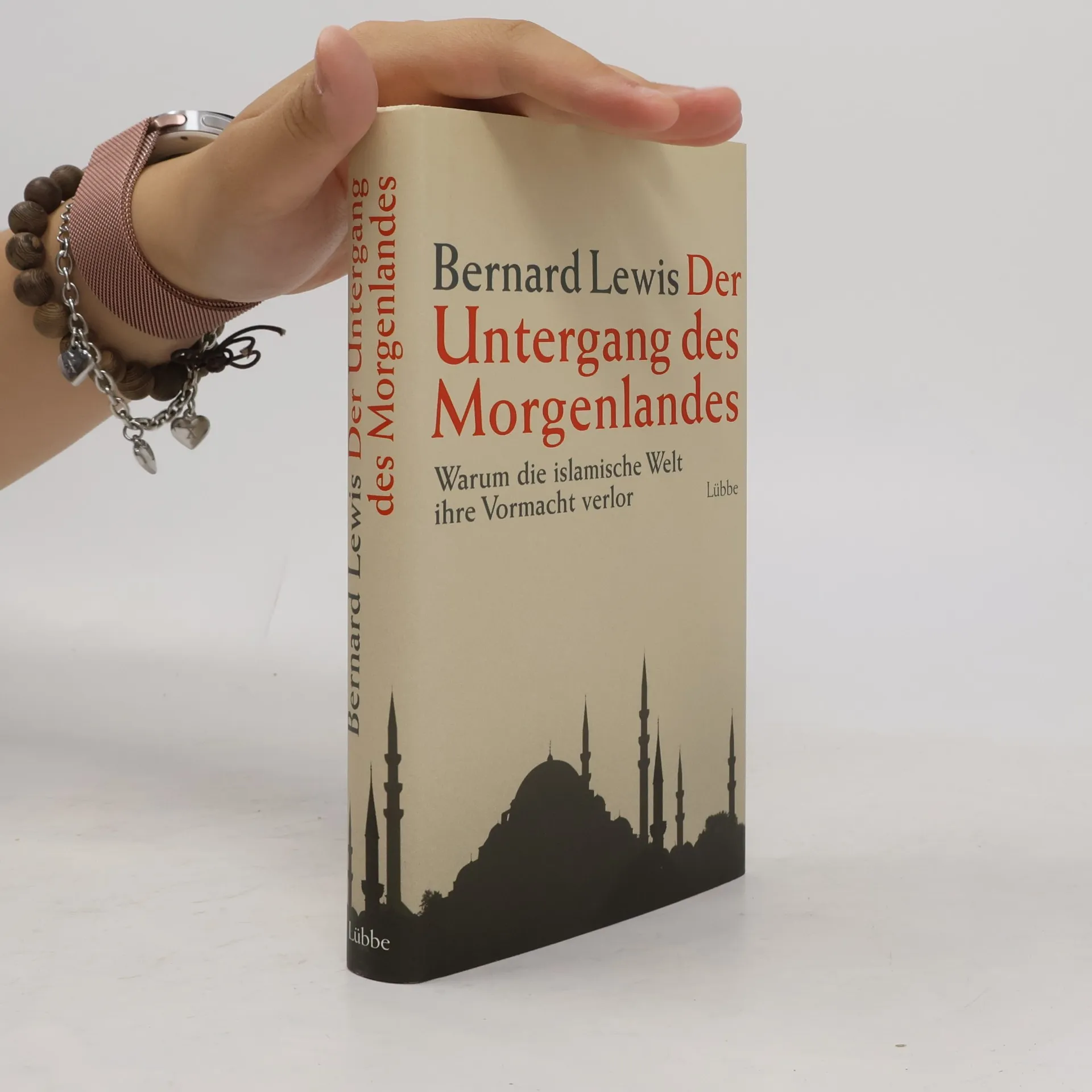
Der Untergang des Morgenlandes
- 256 Seiten
- 9 Lesestunden
Die Probleme der islamischen Welt sind unübersehbar, ebenso deren Folgen für den Westen. Mit dieser provokanten Feststellung analysiert Beranard Lewis die historische Entwicklung des Orients - insbesondere des Osmanischen Reiches und seine Nachfolgestaaten: Die einstige Drehscheibe der Kultur, des Fortschritts und der Kunst verlor im Laufe der Geschichte ihre zivilisatorische Vormachtrolle gegenüber dem Westen und geriet in einen konfliktträchtigen Dualismus zwischen Tradition und Moderne. Das E-Book wendet sich an Leser und Leserinnen, die sich für Lösungsansätze der Krise zwischen der islamischen und der westlichen Welt interessieren: Themenfelder wie Wohlstand und Macht, soziale und kulturelle Schranken, Modernisierung und soziale Gleichheit, Säkularismus und Zivilgesellschaft. Zeit, Raum und Modernität sind die Leitfäden der Darstellung. Die Originalausgabe des Bandes aus der Feder des Princeton-Emeritus Lewis erschien unter dem Titel "What went wrong?".
"Treibt sie ins Meer!"
- 342 Seiten
- 12 Lesestunden
Treibt sie ins Meer! - Die Geschichte des Antisemitismus - bk1401; Ullstein Verlag; Bernard Lewis; pocket_book; 1989
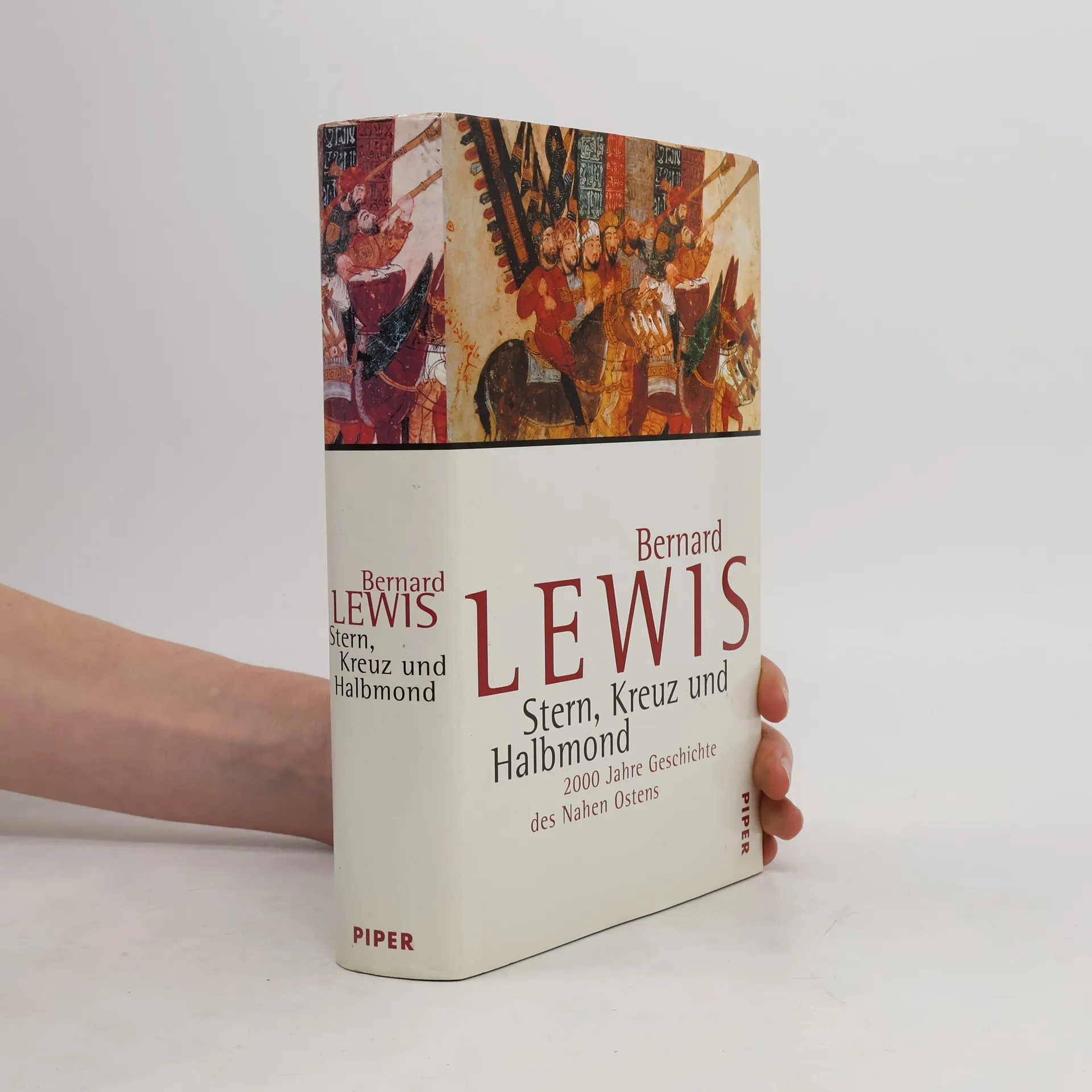
Stern, Kreuz und Halbmond
- 519 Seiten
- 19 Lesestunden
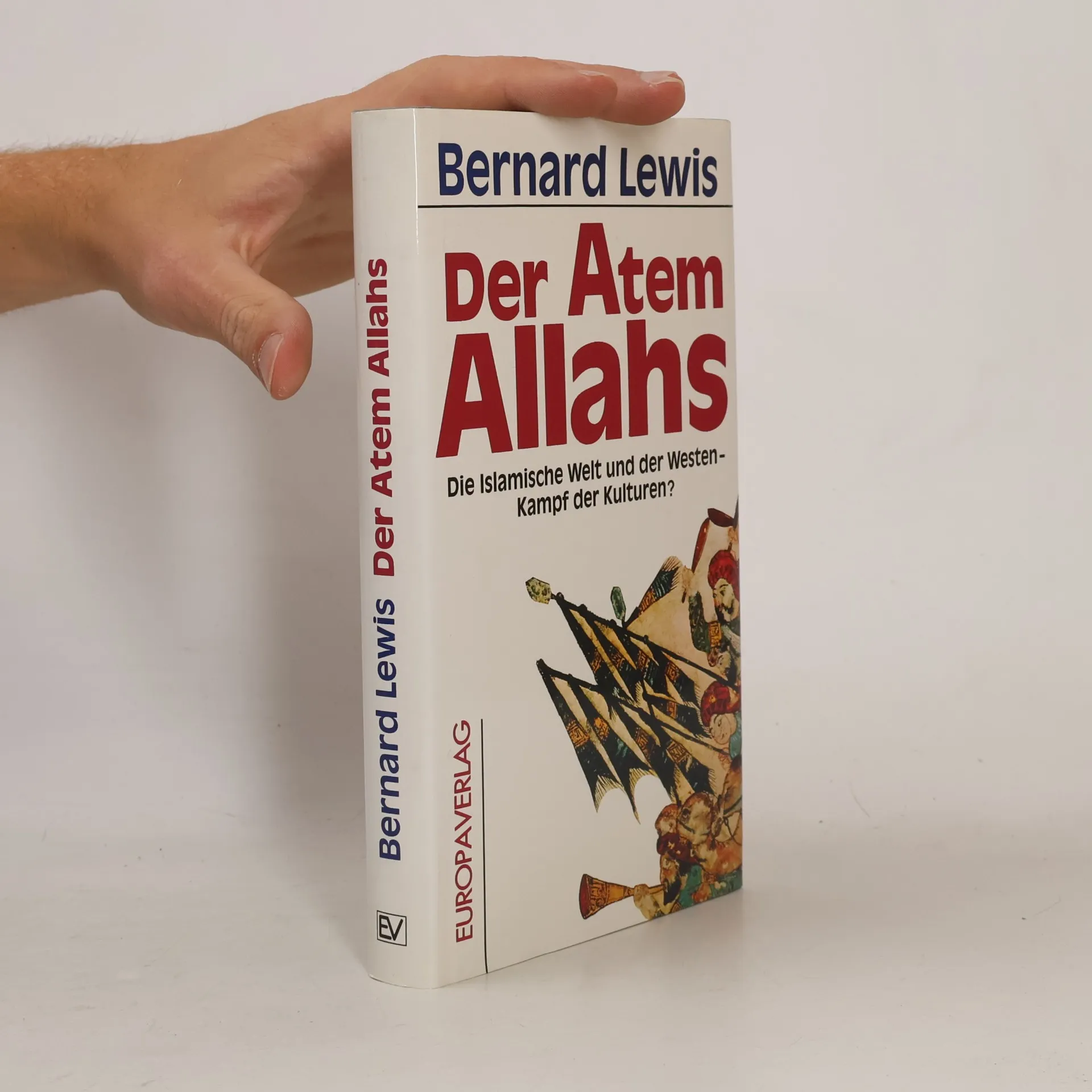
Der Atem Allahs
- 264 Seiten
- 10 Lesestunden
Bernard Lewis erklärt das aktuelle politische Geschehen im Licht der historischen Zusammenhänge. Der Nahe Osten wird als historische, geographische und kulturelle Einheit definiert. Die Bedeutung des Westens für die Menschen im Nahen Osten wird erläutert und das Verhalten des Westens dargestellt. Die politischen und geistigen Bewegungen der neueren und neuesten Zeit, eingeteilt in drei Hauptgruppen, liberal-sozialistische, patriotisch-nationalistische und islamische, werden geschildert. Zuletzt befaßt sich der Autor mit dem Standort und der Rolle der Länder des Nahen Ostens in der internationalen Politik und betrachtet die Fakten, die das wesdiche Verhalten ihnen gegenüber bestimmen. »Es gibt Bücher, die sollten von der Bild-Zeitung in Fortsetzung gedruckt und von Sat 1 verfilmt und zur besten Sendezeit ausgestrahlt werden, Bücher, die gegen Verstocktheit und Borniertheit zu Felde ziehen, die das Gegenmittel gegen den Bazillus menschlicher Dummheit sein können. Dazu gehört unbedingt das Werk von Bernard Lewis.« (Süddeutsche Zeitung)
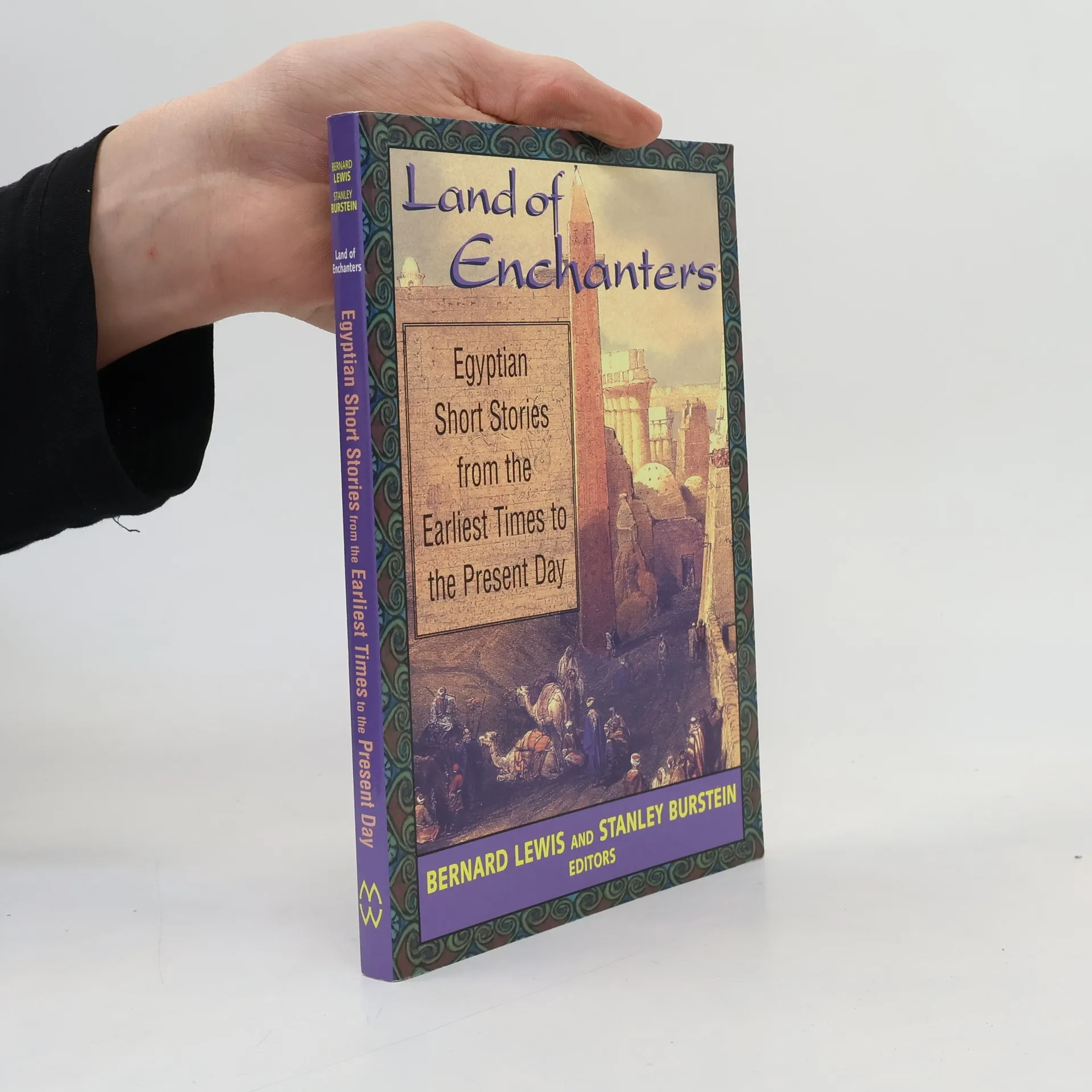
Land of Enchanters
Egyptian Short Stories from the Earliest Times to the Present Day
- 196 Seiten
- 7 Lesestunden
The 1948 first edition, published by Harvill Press, was among the first to translate Egyptian stories into modern English without ye olde archaic affectation. In this second edition, four stories have been added and some revisions in translation have been made. The 22 stories are from ancient, Greco-Roman, Coptic, and Muslim Egypt. Names and allusions are explained in footnotes. There is no index or bibliography. Annotation c. Book News, Inc., Portland, OR
Political Words and Ideas in Islam
- 200 Seiten
- 7 Lesestunden
Exploring Islamic political thought, this collection features 11 essays by Bernard Lewis, a prominent figure in Middle Eastern studies. Renowned for his accessible writing, Lewis engages a diverse audience, including scholars, politicians, and journalists, making complex historical insights approachable for the general public. The essays reflect his deep understanding of the subject, offering valuable perspectives on the interplay between Islam and politics.
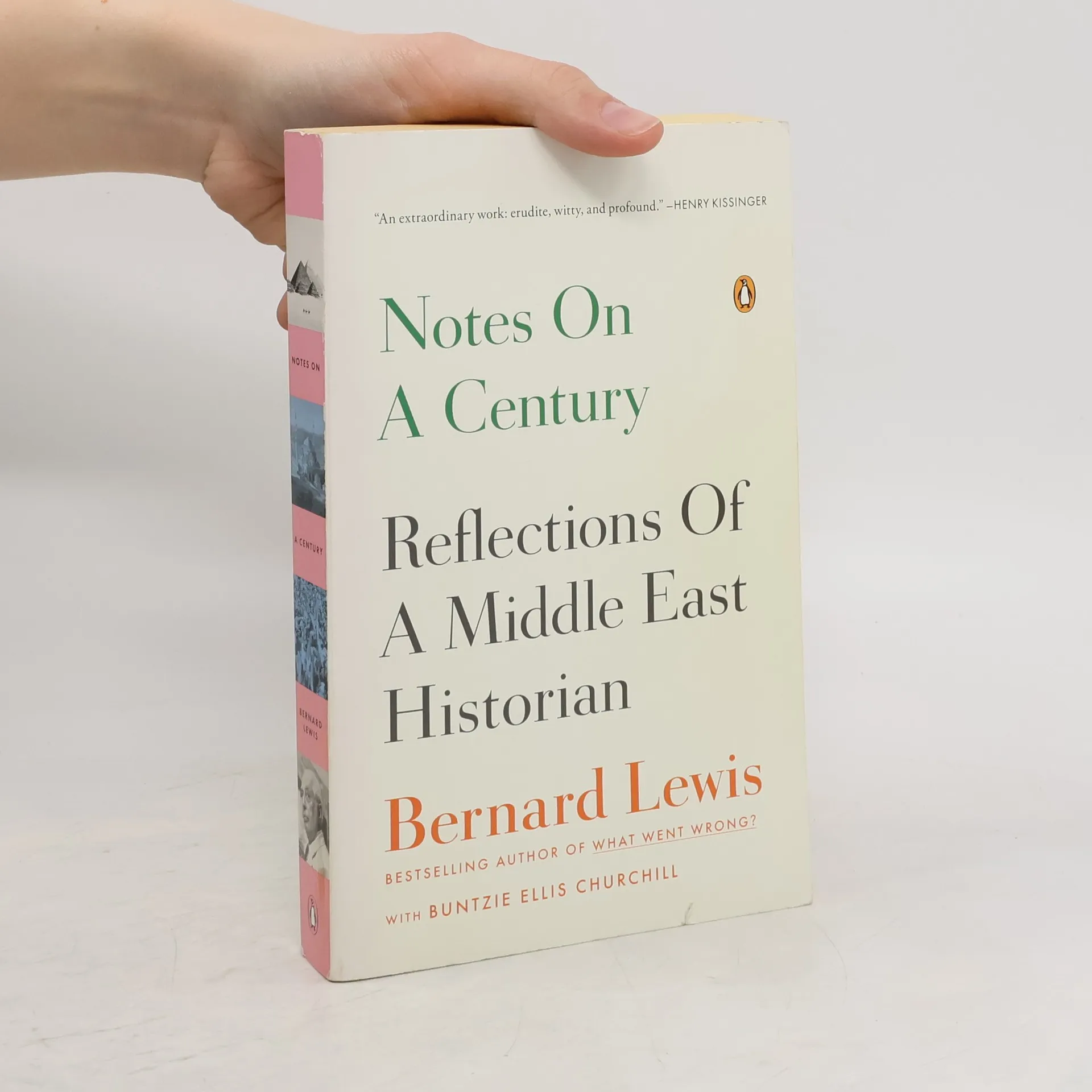
Notes on a Century: Reflections of a Middle East Historian
- 416 Seiten
- 15 Lesestunden
There are few historians like Bernard Lewis, who end up as historical actors in their own right. When we think of the Middle East, we see it in terms that he defined and articulated. In this exceptional memoir, the bestselling author of What Went Wrong? shares stories of his wartime service in London and Cairo as an intelligence officer for MI6. After the war, he was the first Western scholar to enter the Ottoman archives. He explains how he coined the phrase "clash of civilizations" in the 1950s, long before anyone imagined that political Islam would one day pose more of a threat than communism. Then September 11 catapulted him onto the world stage. Notes on a Century chronicles a time of spectacular upheaval in the Middle East-from the Second World War and the founding of Israel to the Iranian Revolution and the Arab Spring. Book jacket.
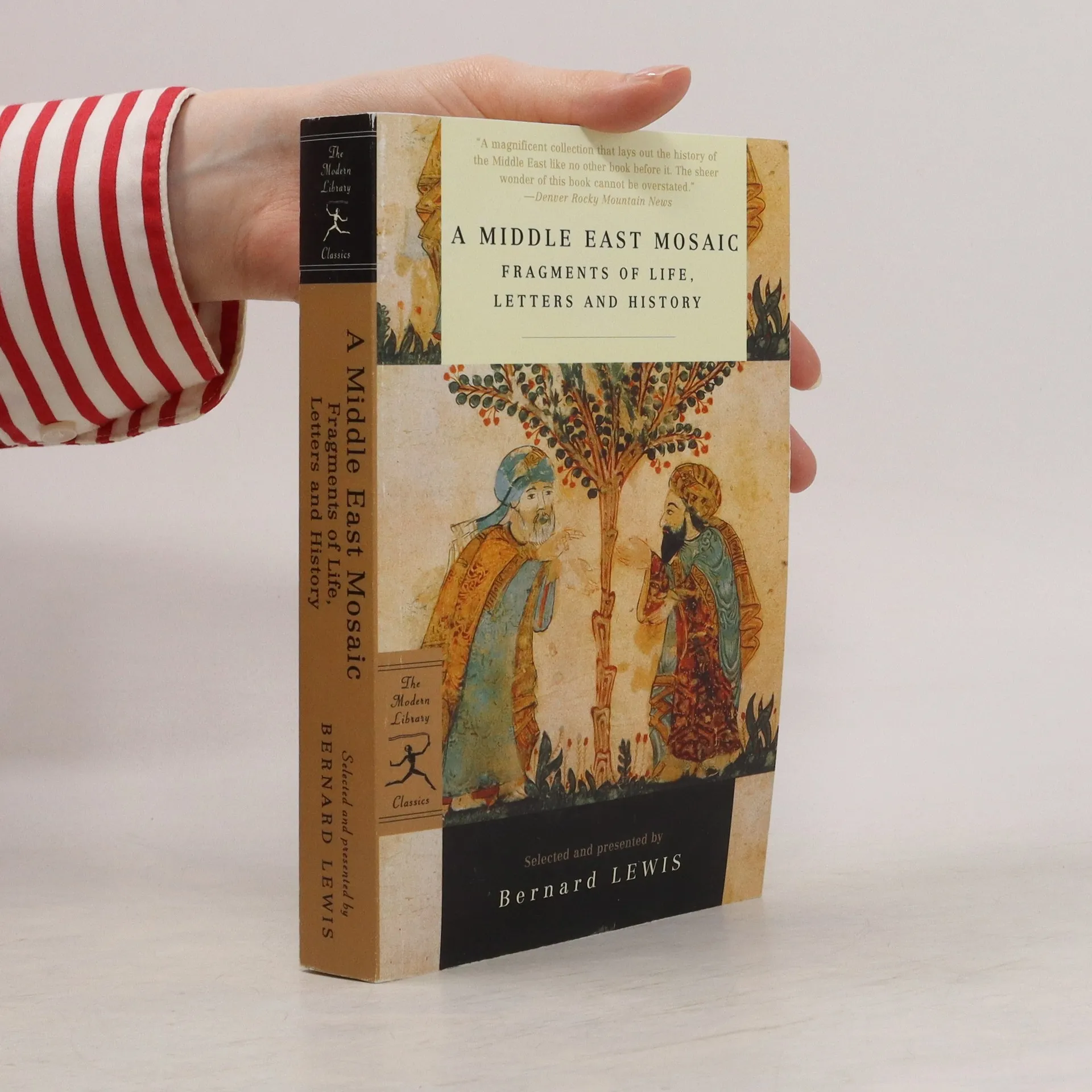
In times of war and in peace, from the earliest days of the Roman Empire to our own, Westerners have traveled to the lands of the Middle East, bringing back accounts of their adventures and impressions. But it was never a one-way journey. In this spirited collection of Western views of the Middle East and Middle Eastern views of the West, Bernard Lewis gives us a rich overview of two thousand years of commerce, diplomacy, war and exploration. We hear from Napoleon, St. Augustine, T. E. Lawrence, Karl Marx and Ibn Khaldun. We peer into Queen Elizabeth's business correspondence, strike oil with Freya Stark and follow the footsteps of Mark Twain and Ibn Battuta, the Marco Polo of the East. This book is a delight, a treasury of stories drawn not only from letters, diaries and histories, but also from unpublished archives and previously untranslated accounts.
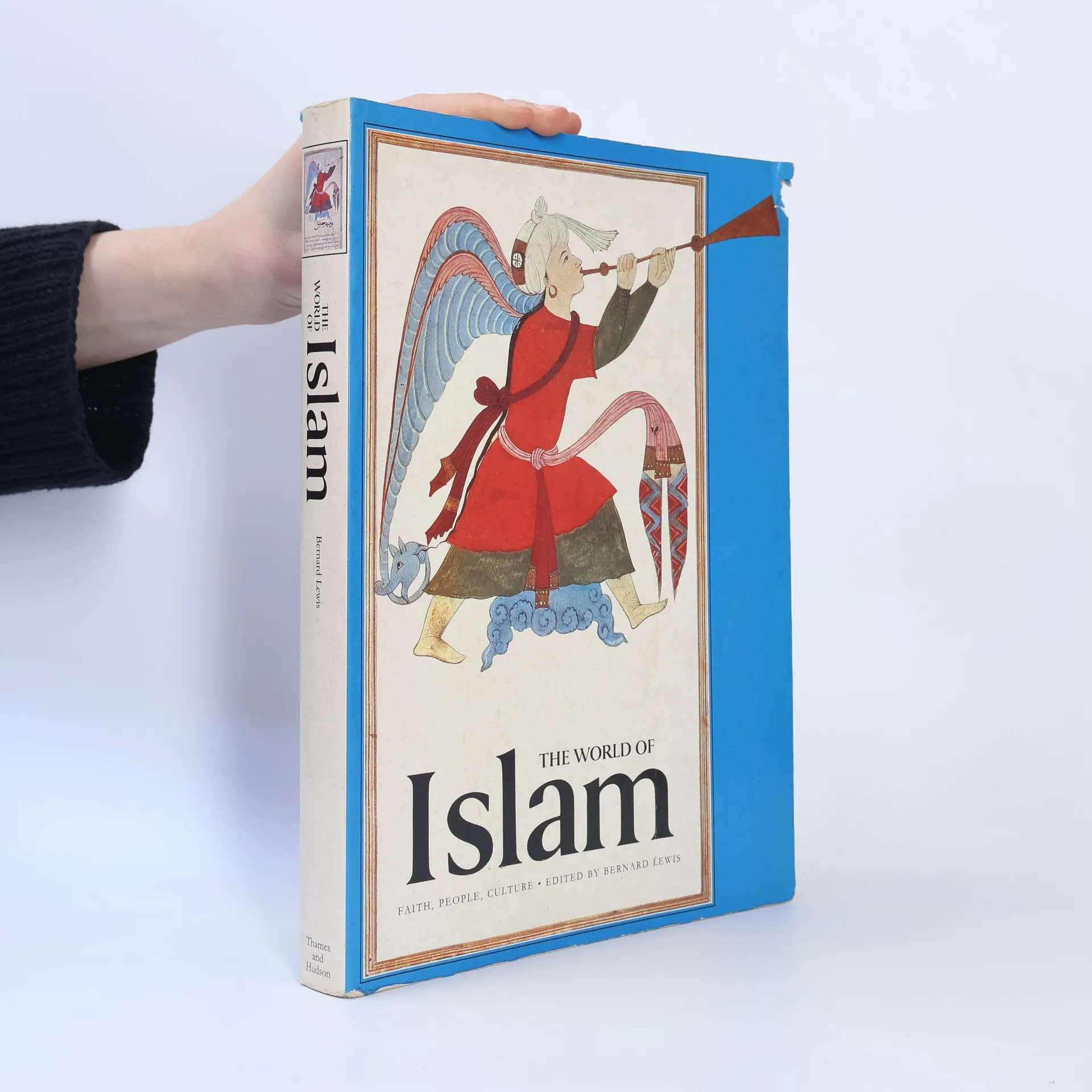
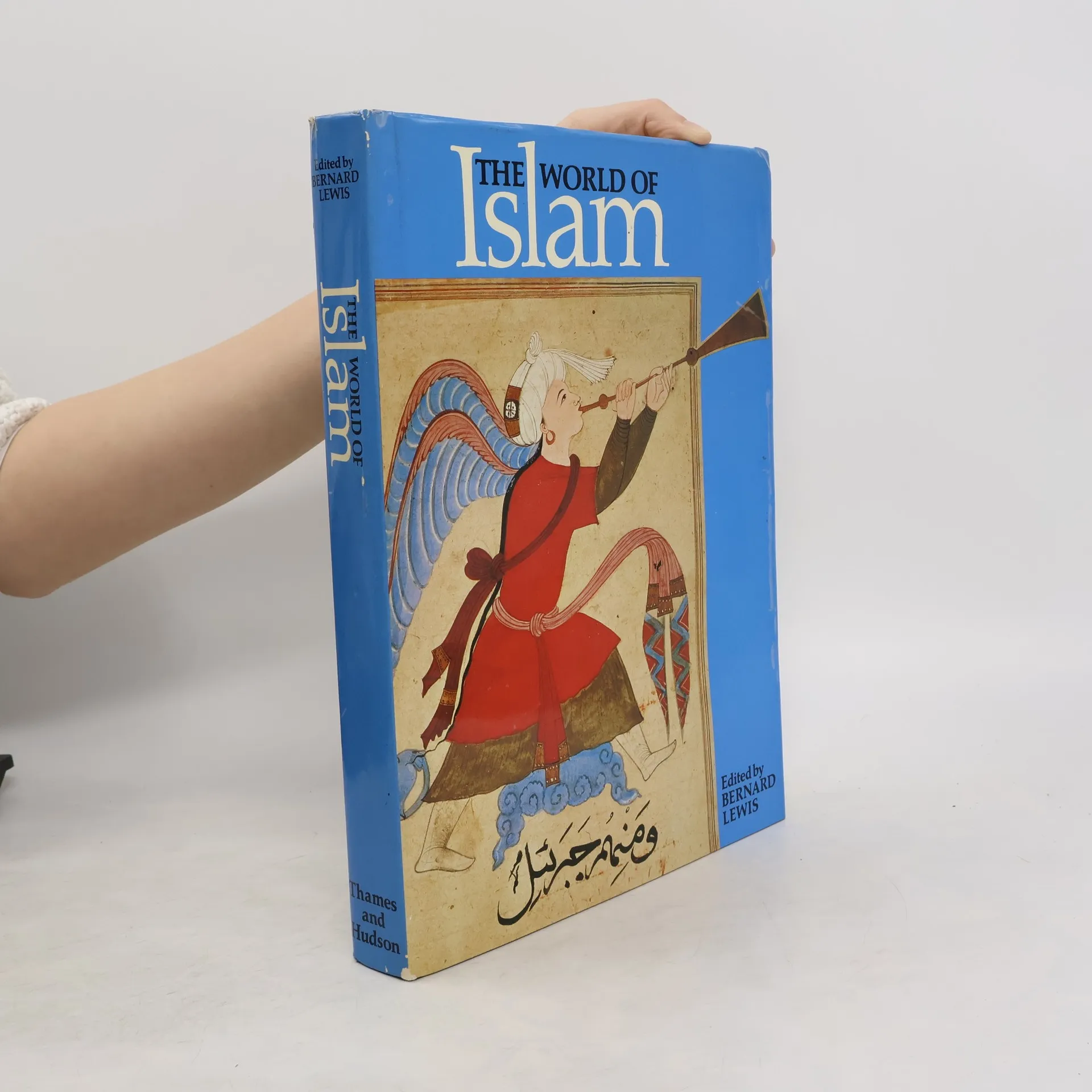
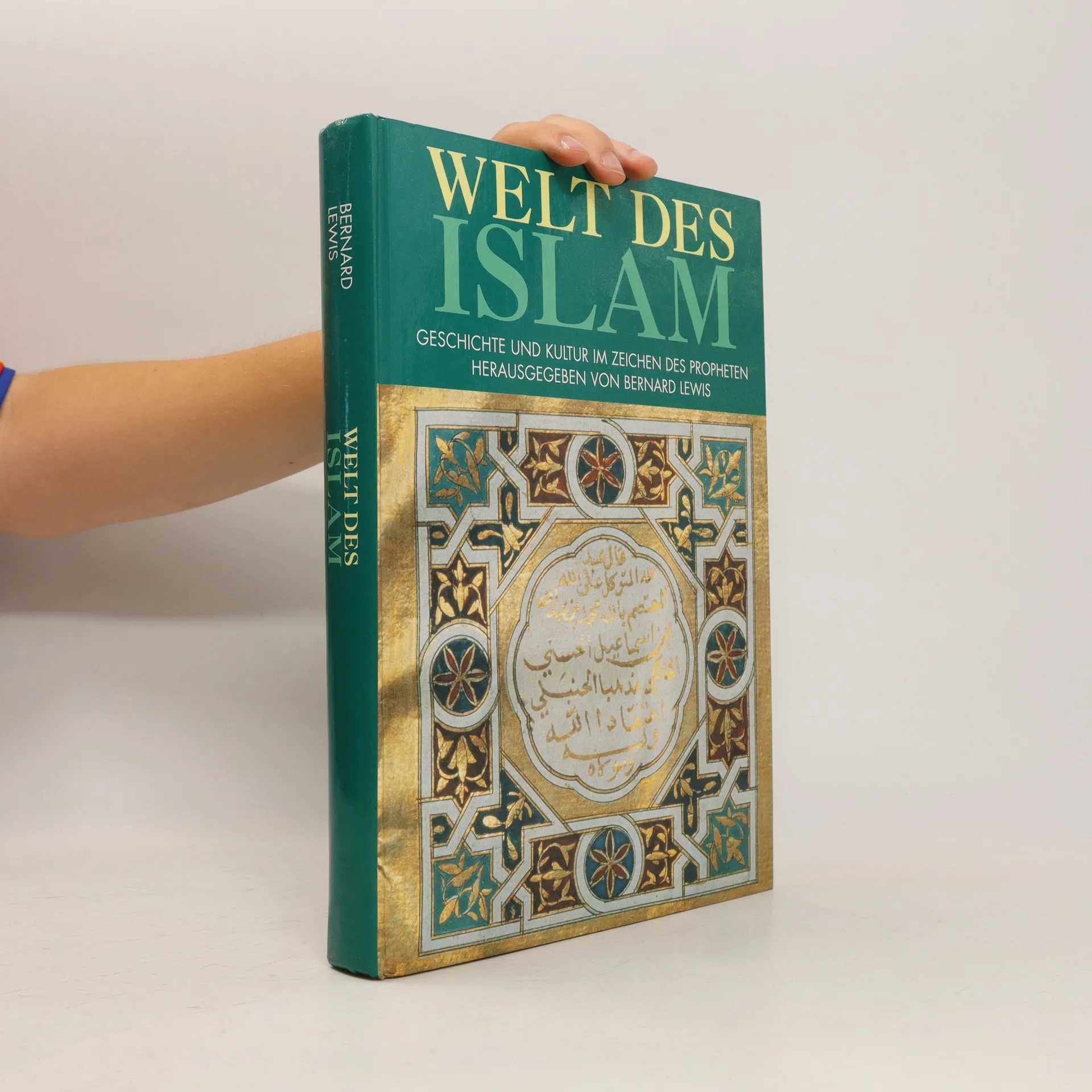
World of Islam (Great Civilization)
- 360 Seiten
- 13 Lesestunden
Libro usado en buenas condiciones, por su antiguedad podria contener señales normales de uso
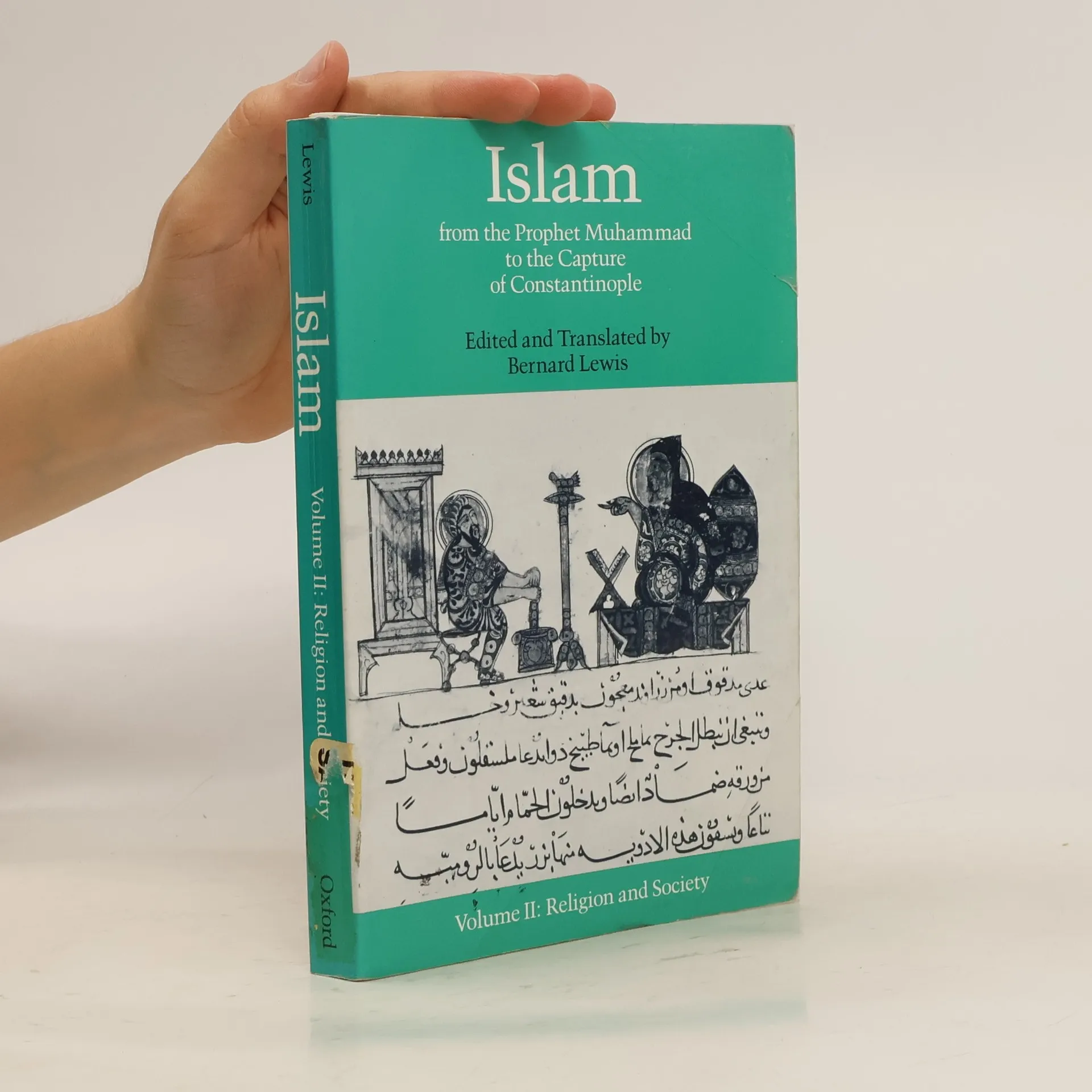
Religion And Society - 2: Islam From The Prophet Muhammad To The Capture Of Constantinople
- 350 Seiten
- 13 Lesestunden
This second volume examines the religion and structure of Islamic society. Bernard Lewis draws on a broad range of Islamic literature, including books on religious sects, politics and economics, philosophy and science, travel, biography and literary works, and even bureaucratic records from such disparate sources as the postal service and the judiciary. Comprehensive and cogently translated, these documents bring into sharp focus aspects of a world long neglected by Western historians.
The Multiple Identities of the Middle East
- 176 Seiten
- 7 Lesestunden
Most of the modern states of the Middle East are of recent origin, yet the region is the birthplace of three religions and many civilizations. Bernard Lewis, one of the world's most respected historians of the Middle East, discusses the countries and frontiers; their religions and communities; language and loyalties to place, and Middle Eastern perceptions of outsiders. He also considers the effect of alien ideas and influences including liberalism, nationalism, fascism, socialism and democracy.
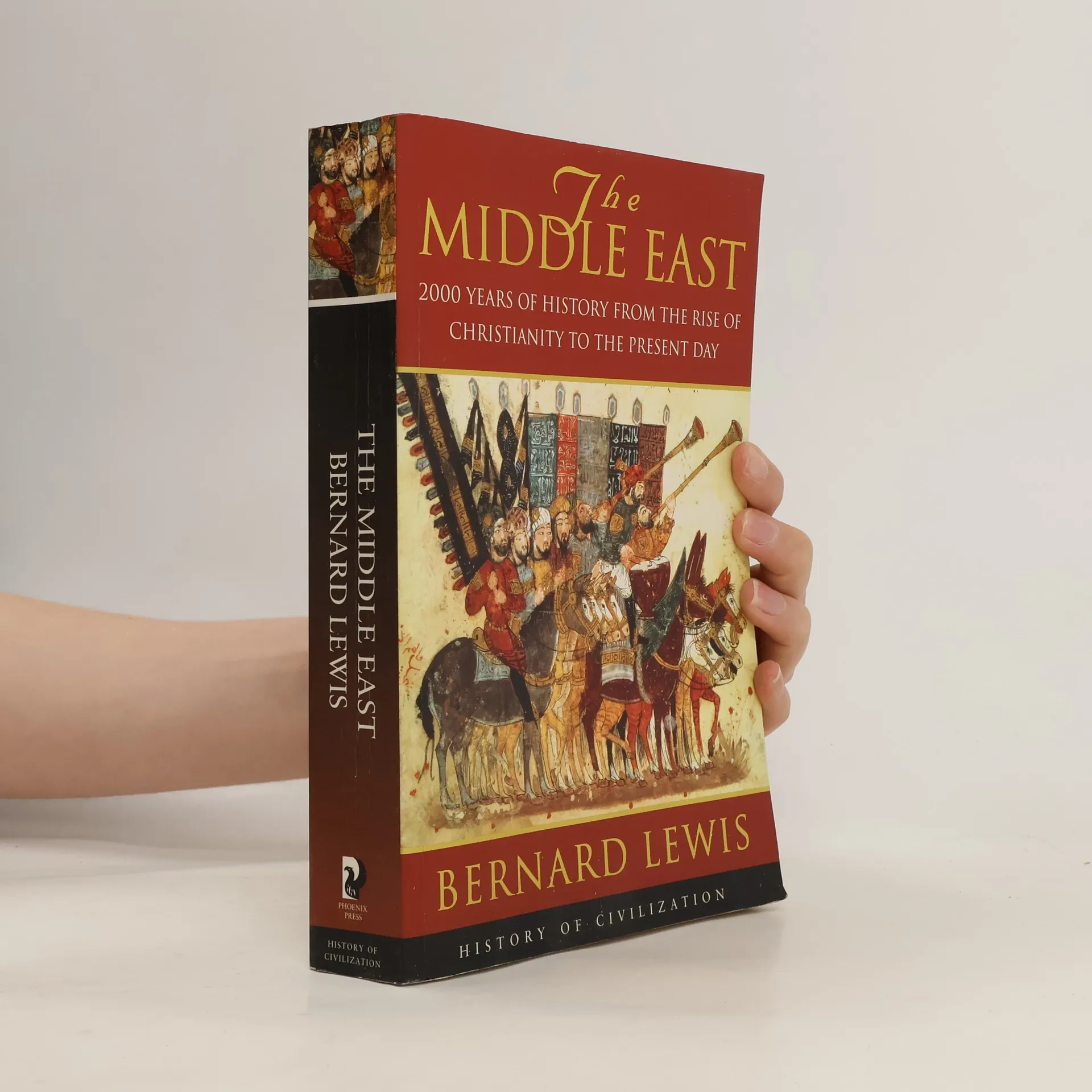
In this immensely readable and wide ranging book,Bernard Lewis charts the successive transformations of the Middle East,beginning with the two great empires,the Roman and the Persian,and covering the growth of Christianity,the rise and spread of Islam,the waves of invaders from the east,the Mongol hordes of Jengiz Khan,the rise of the Ottoman Turks,and the changing balance of power between the Muslim and Christian worlds.THE MIDDLE EAST is a brilliant survey of the history and civilisations of the region.
President Bush has made it clear that we are engaged in a war against terrorism. But for Usama bin Laden and his followers this is religious war, a war for Islam against infidels, especially the United States, the greatest power in the world of the infidels. In this book Bernard Lewis shows us where the anger and frustration have come from, and the extent to which almost the entire Muslim world is affected by poverty and tyranny. He looks at the influence of extreme Wahhabist doctrines in the Saudi kingdom, where custodianship of Islam's holy places and the revenues of oil have given worldwide impact to what would otherwise have been an extremist fringe in a marginal country. He looks at American double standards, which have long caused Muslim anger, and tells us the real meaning of `Islamic fundamentalism', `jihad' and `fatwa', and why the peoples of the Middle East are conscious of history in a way most Americans find difficult to understand.
The World of Islam
- 360 Seiten
- 13 Lesestunden
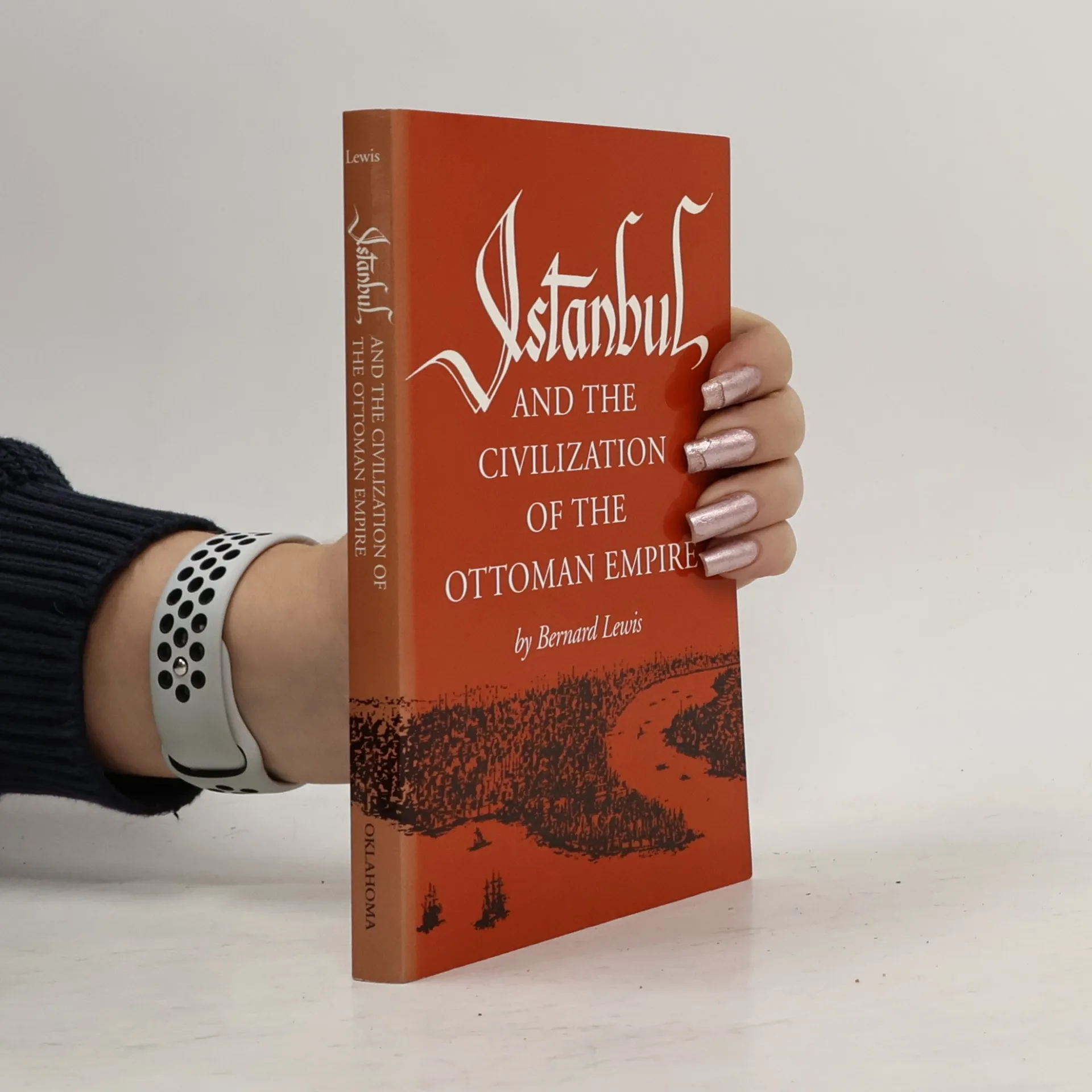
Istanbul and the Civilization of the Ottoman Empire
- 190 Seiten
- 7 Lesestunden
Administration, society and intellectual life of the Turkish Empire during the two centuries that followed the capture of Constantinople in 1453.
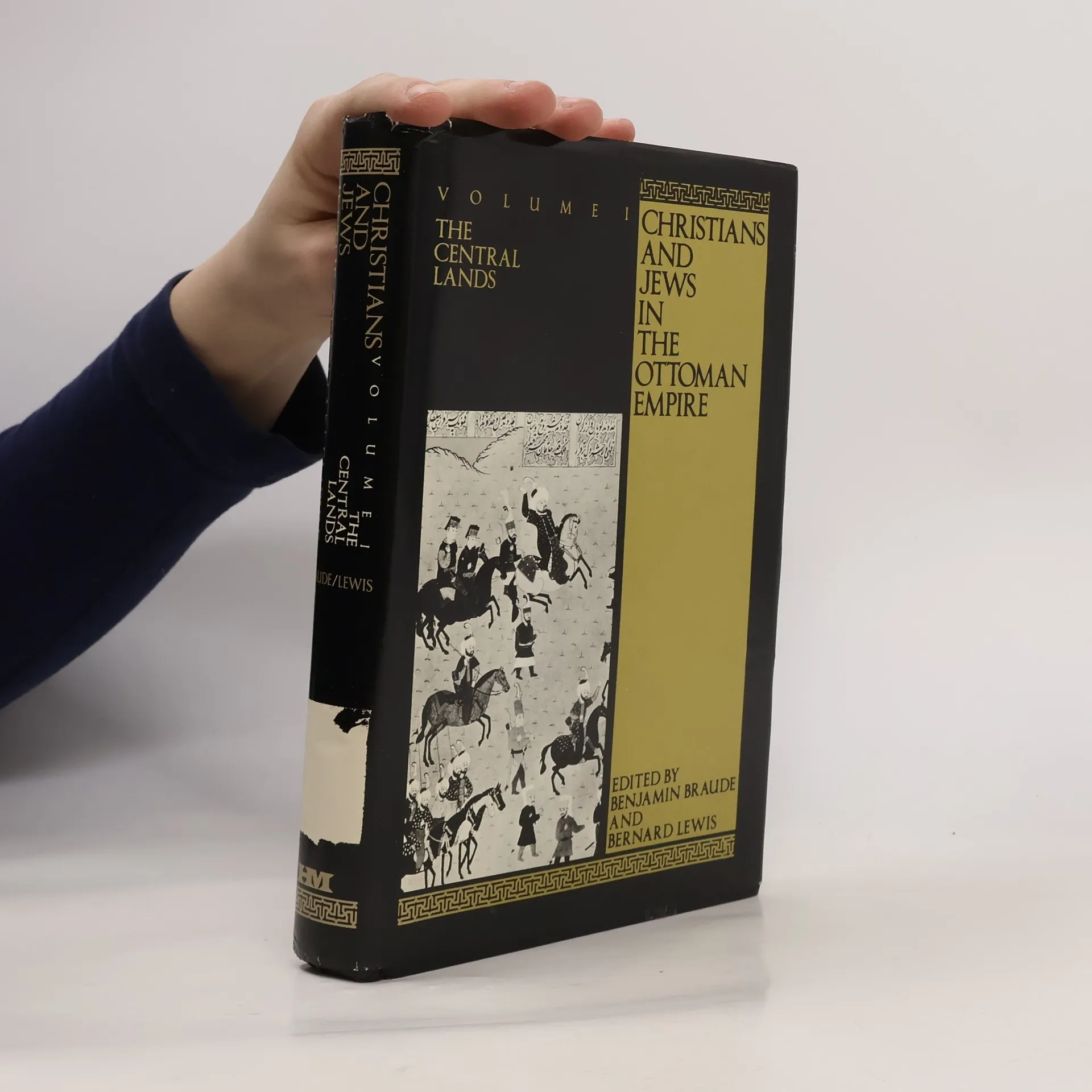
This two-volume set explores the history of Christians and Jews in the Arab provinces of the Ottoman Empire and how their identities as non-Muslims evolved over 400 years.
Il mondo largo
- 106 Seiten
- 4 Lesestunden
Quando si discute di globalizzazione, emergono atteggiamenti contrastanti: da un lato opportunità e crescita, dall'altro oppressione e mercificazione. Questo fenomeno suscita dibattiti tra studiosi e cittadini, generando sia speranze che timori. È davvero nuovo, o rappresenta una sfida rinnovata alla conoscenza e al progresso, simile a rivoluzioni passate? Se non è innovativo, come possiamo garantire che i benefici siano equamente distribuiti tra i popoli? Il mondo si sta espandendo: commerci, relazioni economiche, politiche e culturali si intrecciano, portando con sé valori e aspirazioni. Tuttavia, sorgono interrogativi su cosa non funzioni in questo processo e su cosa debba essere corretto. È giusto fermare l'espansione o continuare a promuoverla? Le lezioni raccolte nella Sala Zuccari di Palazzo Giustiniani affrontano queste tematiche, presentando contributi di figure di spicco come Giovanni Agnelli, Henry Kissinger, Václav Havel, Valéry Giscard d’Estaing, Bill Gates e Bernard Lewis. Insieme, offrono una prospettiva preziosa e originale sul fenomeno della globalizzazione, esplorando le sue dimensioni economiche, politiche, culturali e storiche.
Svoboda a spravedlnost v islámu
- 11 Seiten
- 1 Lesestunde
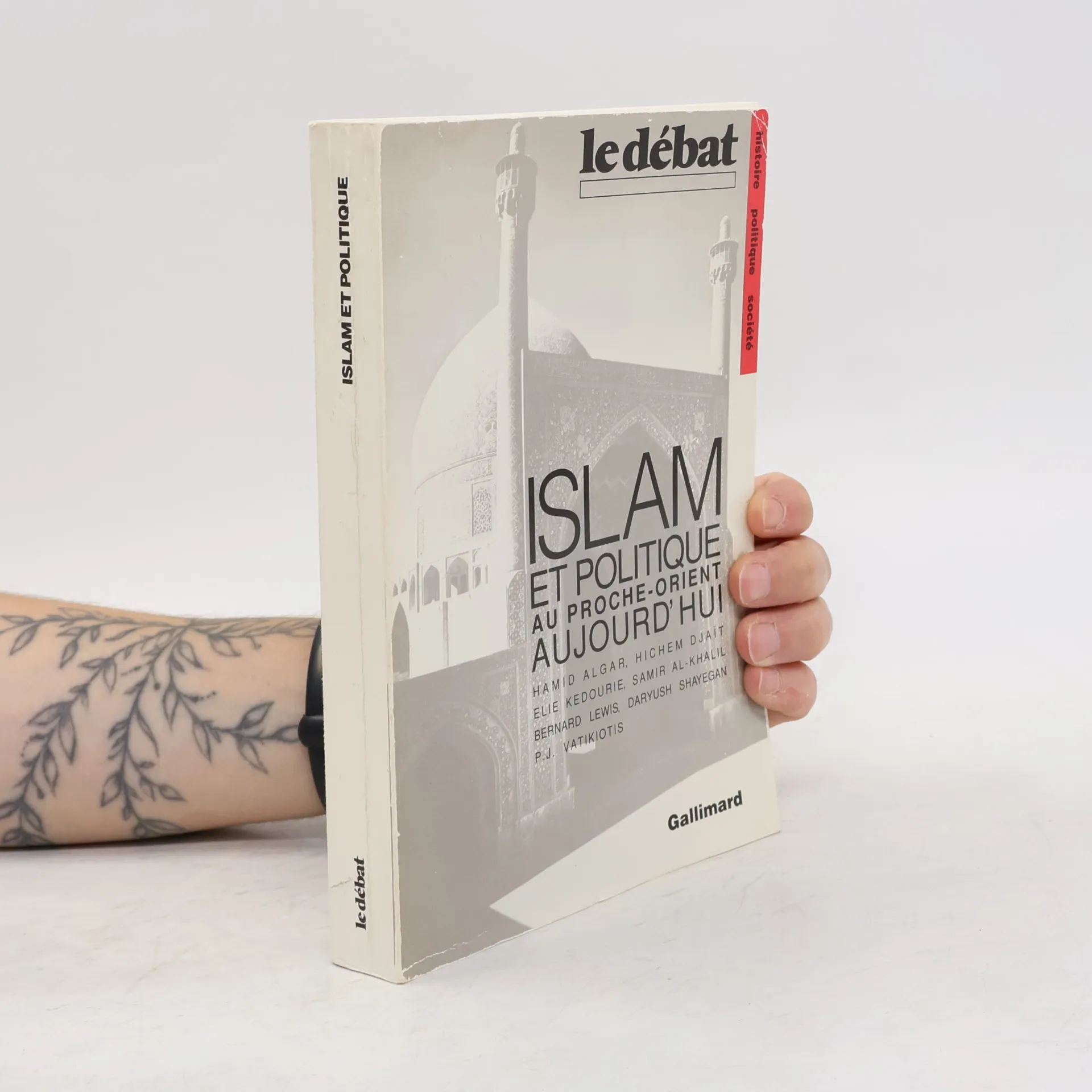
Le Débat: Islam et politique au Proche-Orient aujourd'hui
- 360 Seiten
- 13 Lesestunden
La guerre du Golfe a suscité une demande d'information et de compréhension en profondeur sur le Proche-Orient et, au- delà, sur un univers de civilisation dont l'articulation entre Islam et politique forme pour les Européens le point d'interrogation majeur. Depuis sa création en 1980, Le Débat a publié sur le sujet une série d'études de haute qualité, venues des connaisseurs les plus avertis, qui n'ont rien perdu de leur actualité et de leur portée. Il nous a paru que la meilleure contribution à l'intelligence des événements que nous puissions apporter consistait à rendre plus commodément accessibles, en les réunissant dans un volume de la collection "Le Débat", les plus significatifs de ces articles, mis à jour et complétés par les points de vue et les analyses exigés par l'actualité.