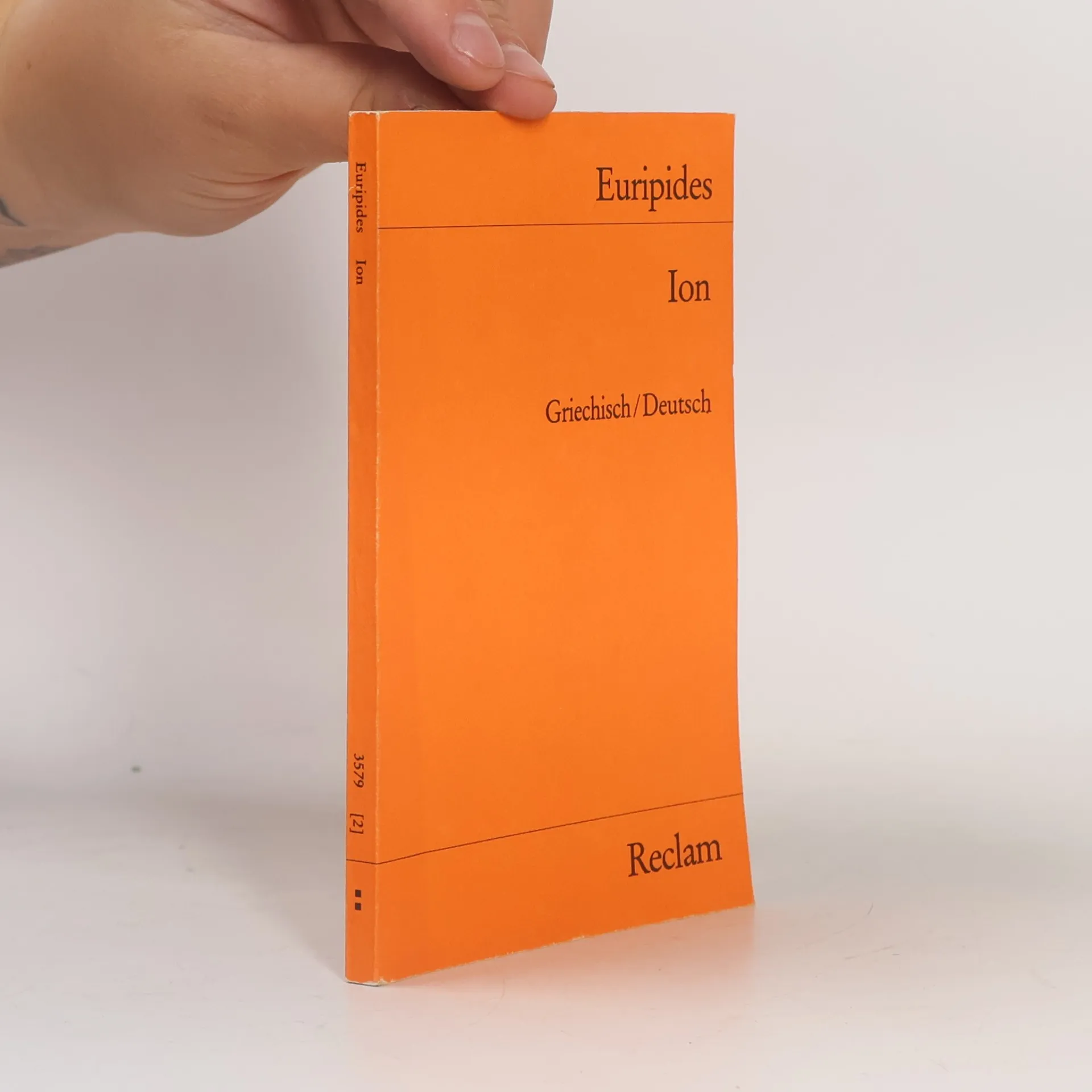
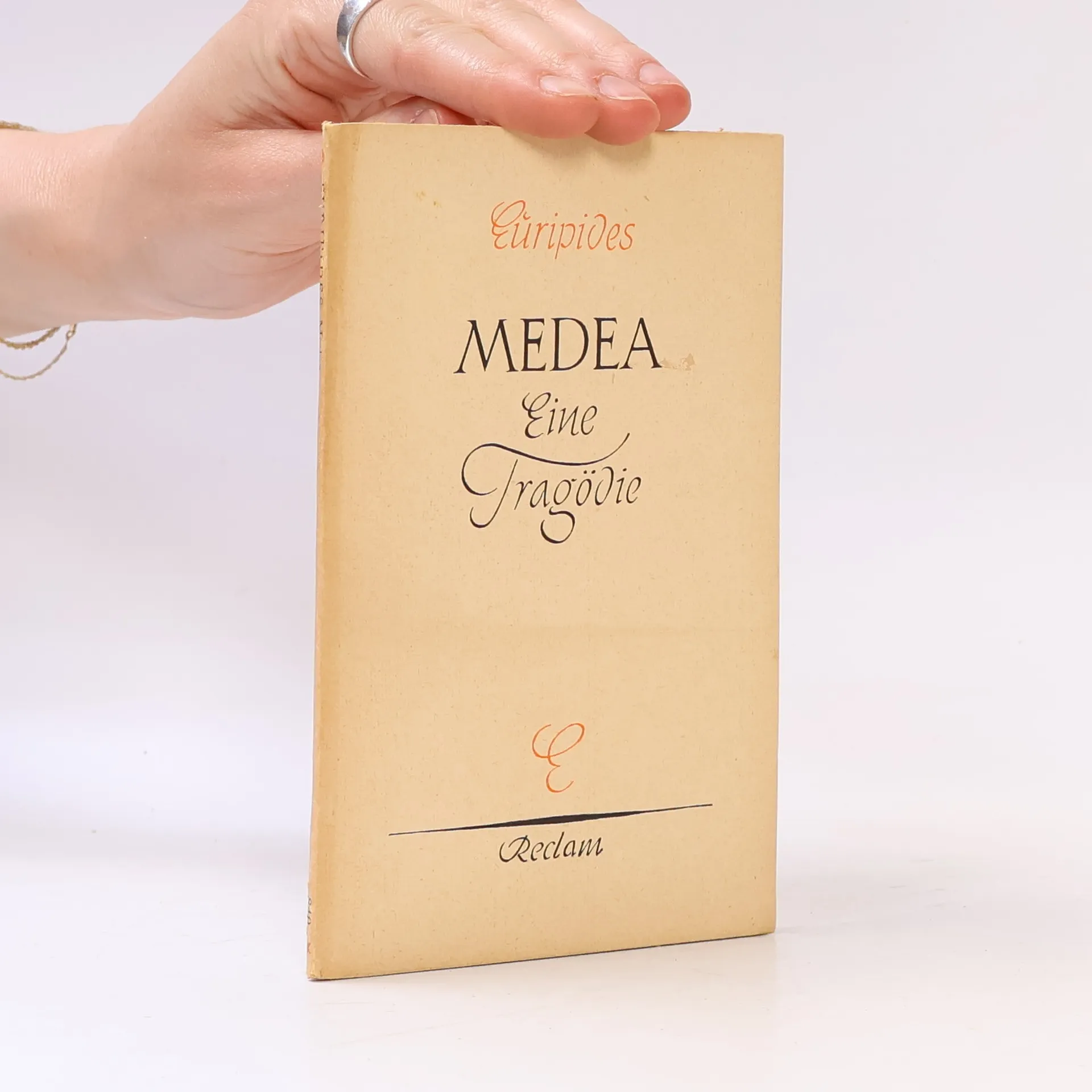
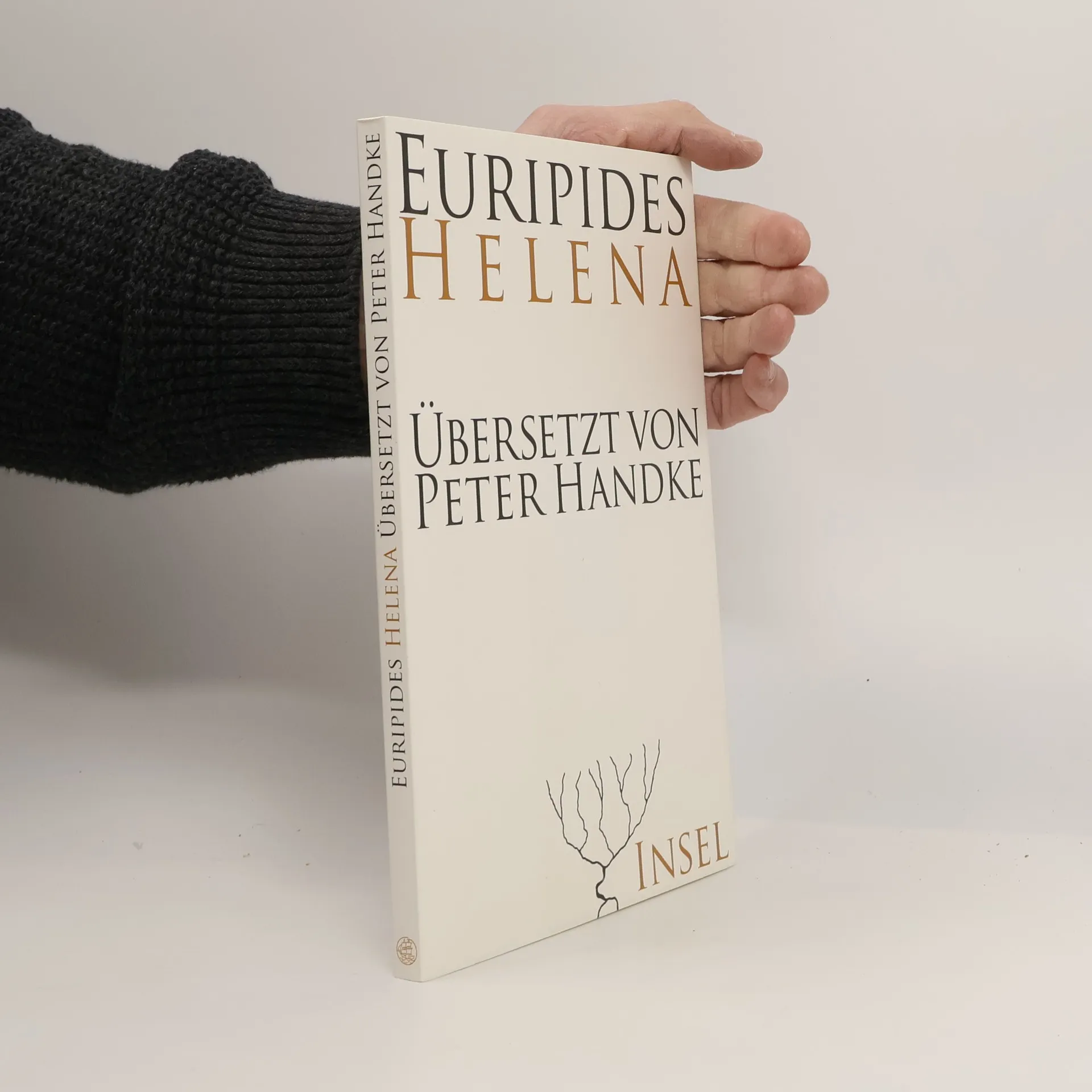
Peter Handke hat durch seine Neuübersetzung der "Helena" des Euripides eine einzigartige Trilogie geschaffen, die auch "Prometheus, gefesselt" von Aischylos und "Ödipus in Kolonos" von Sophokles umfasst. "Helena", erstmals 412 v. Chr. in Athen aufgeführt, erzählt Euripides' eigene Version der Geschichte der schönen Helena. In dieser Erzählung wird sie von Hera auf der ägyptischen Insel Pharos in Sicherheit gebracht; sie befindet sich also nicht in Troja, sondern nur ihr Ebenbild. Kurz bevor sie König Theoklymenos heiraten soll, trifft Menelaos auf der Insel ein, und gemeinsam gelingt es ihnen, durch Täuschung nach Griechenland zurückzukehren. Handke beschreibt seine Übersetzungsmethode als das „Laufen lassen“, inspiriert von einem Rat eines Altphilologen. Er betont, dass das Verstehen jedes einzelnen Wortes und Satzes entscheidend war, bevor er den Text in die deutsche Sprache übertrug. Dieses Verständnis, das oft langwierig war, gab den Rhythmus und Takt für die Übersetzung vor. So wurde das „Laufen lassen“ des Textes durch das Rhythmusgefühl des Verstehens geleitet, was zu einer tiefen und nuancierten Neuinterpretation führte.
Euripides Bücher
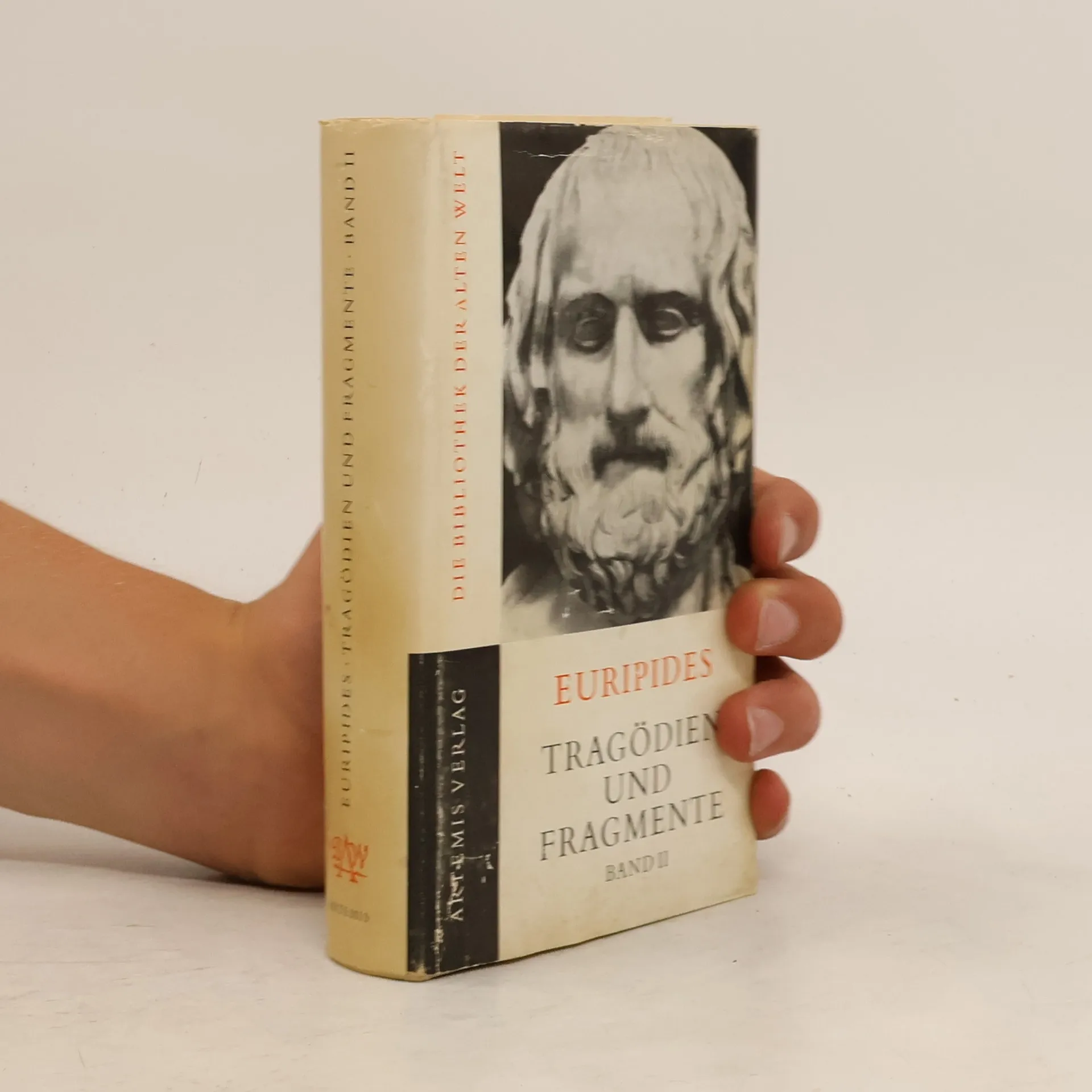
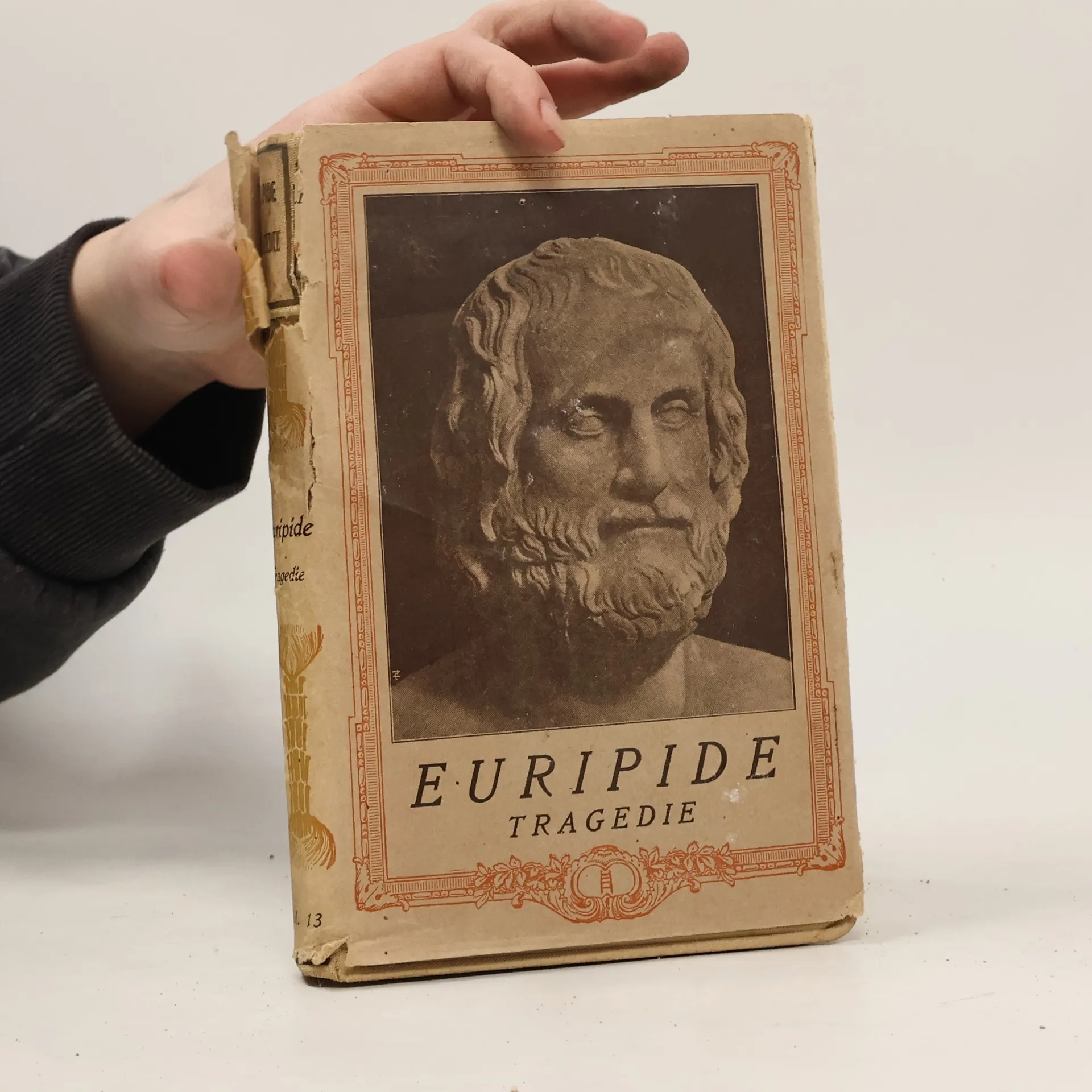
Euripides gilt als der letzte der drei großen Tragiker des klassischen Athen. Seine erhaltenen Stücke, von denen achtzehn vollständig und die meisten anderen fragmentarisch vorliegen, zeichnen sich durch tiefe psychologische Einsicht und die Erforschung menschlicher Leidenschaften aus. In seinem Werk stellte er oft traditionelle Mythen und moralische Werte in Frage und brachte so eine neue, kritische Perspektive in die Tragödie ein. Sein dramatisches Schaffen stellt einen bedeutenden Beitrag zum Welttheater dar und inspiriert bis heute durch seine Komplexität und Zeitlosigkeit.


Das griechische Drama
- 68 Seiten
- 3 Lesestunden
Ödipus war der Sohn von König Laios und Königin Iokaste. Bevor er geboren wurde, konsultierten seine Eltern das Orakel von Delphi. Das Orakel prophezeite, dass Ödipus seinen Vater ermorden und seine Mutter heiraten würde. Um die Erfüllung dieser Prophezeiung zu verhindern, ließ Laios die Füße von Ödipus zusammenbinden und durchbohren. Danach wurde das Baby einem Hirten übergeben, der beauftragt war, ihn zu töten. Unfähig, seinen Auftrag auszuführen, gab er das Kind stattdessen einem zweiten Hirten, der den Säugling Ödipus zum König von Korinth, Polybos, brachte. Polybos adoptierte Ödipus als seinen Sohn. Ödipus wurde als Kronprinz von Korinth erzogen. Viele Jahre später wurde Ödipus gesagt, dass Polybos nicht sein leiblicher Vater sei. Auf der Suche nach der Wahrheit suchte er Rat bei einem Orakel und begann damit die größte Tragödie, die je geschrieben wurde.
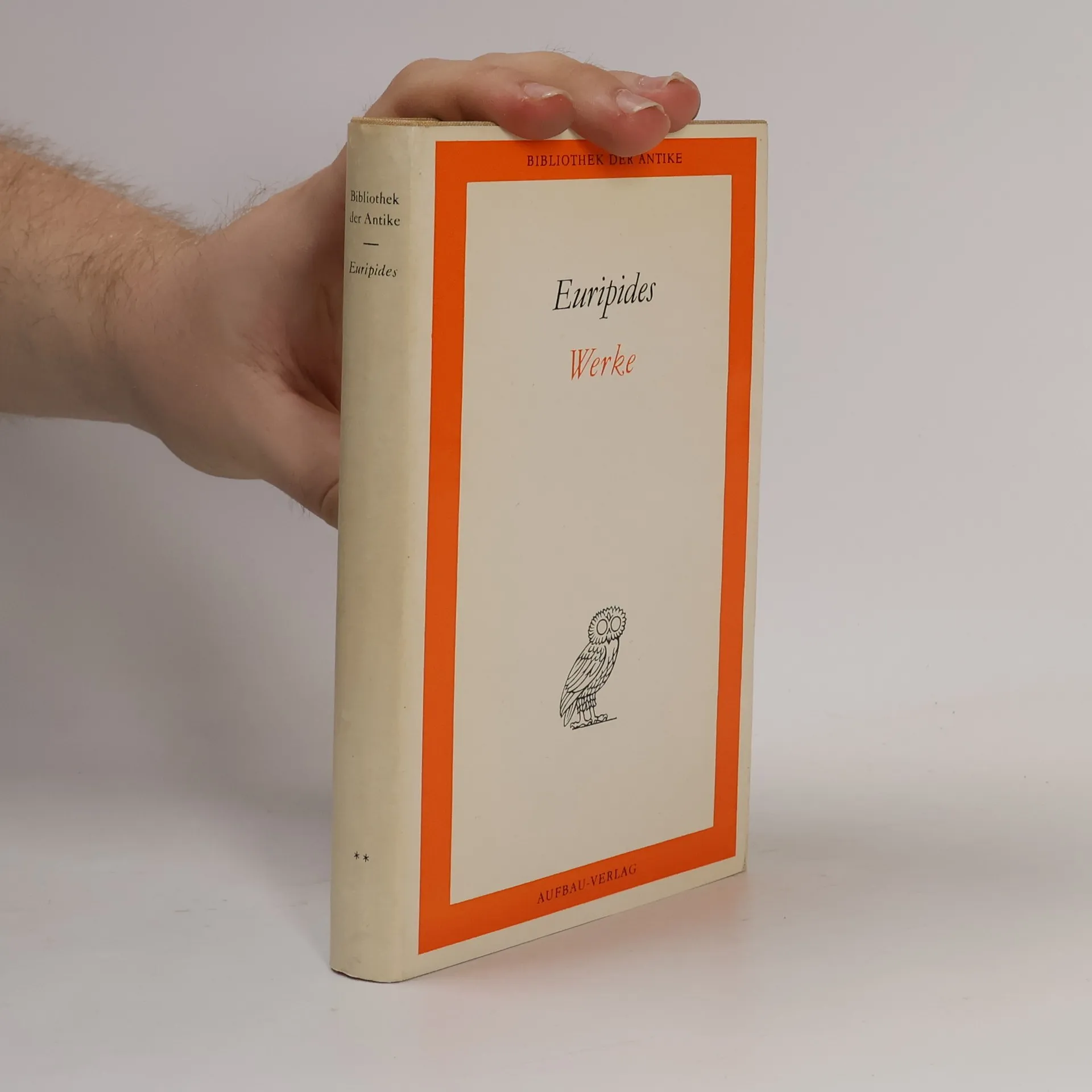
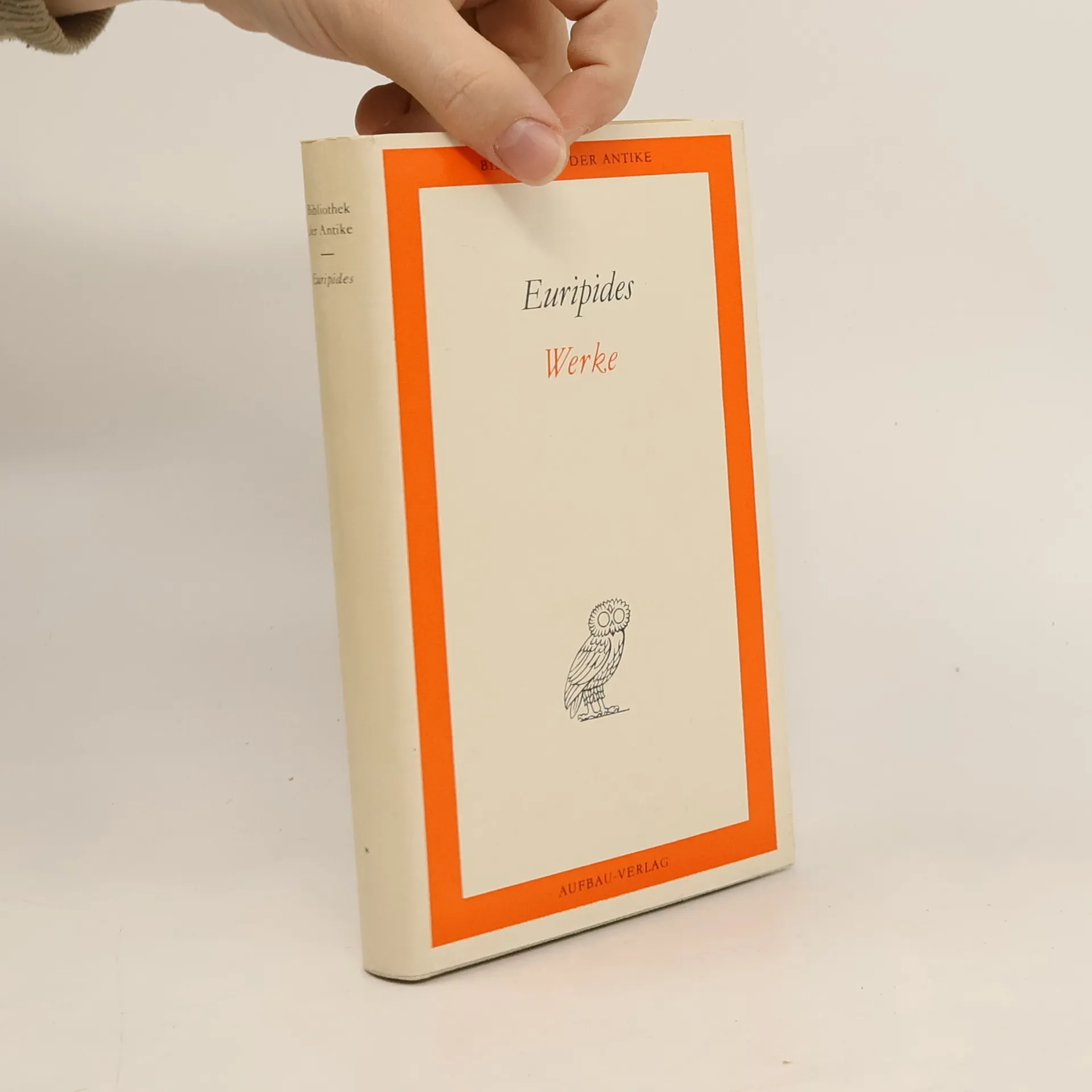
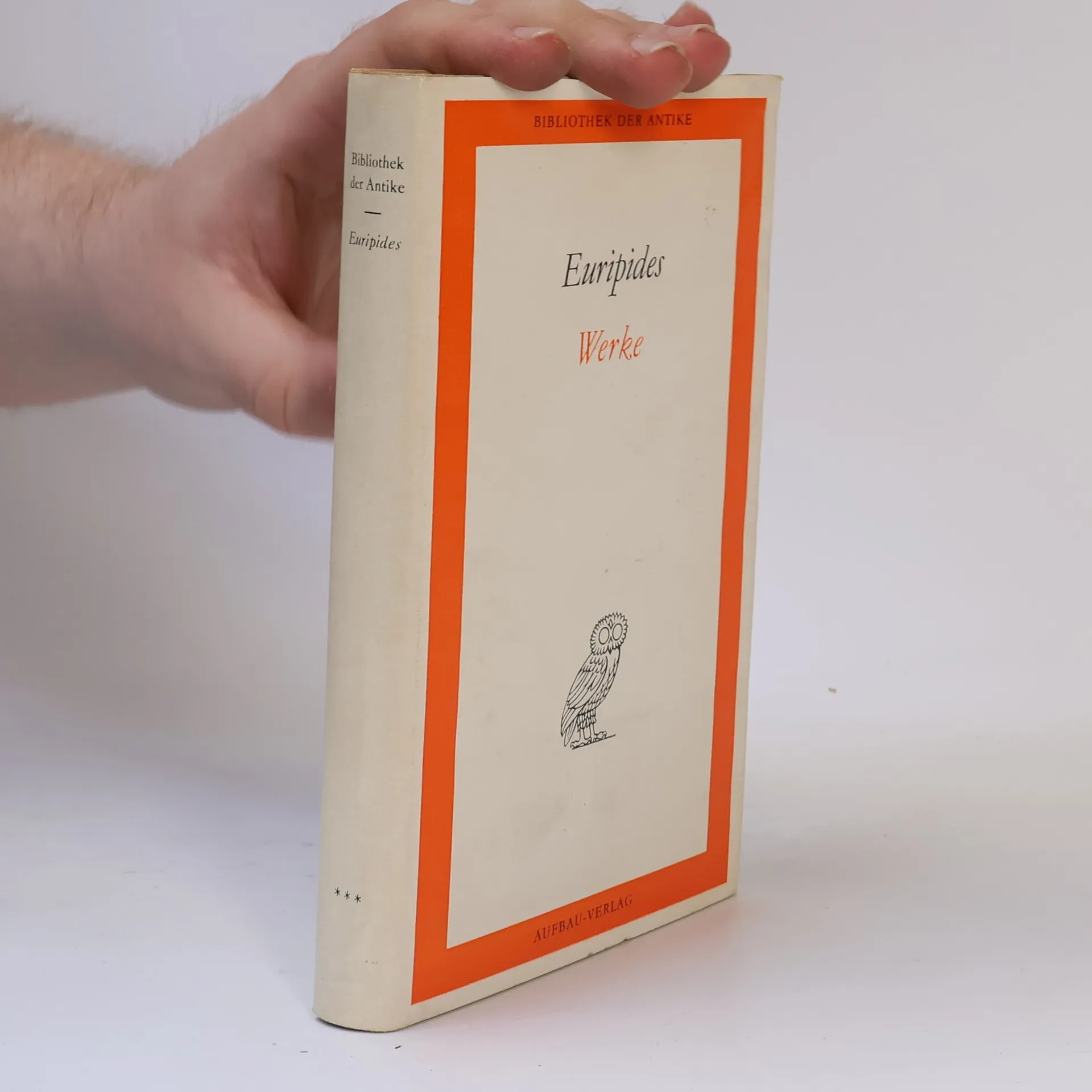
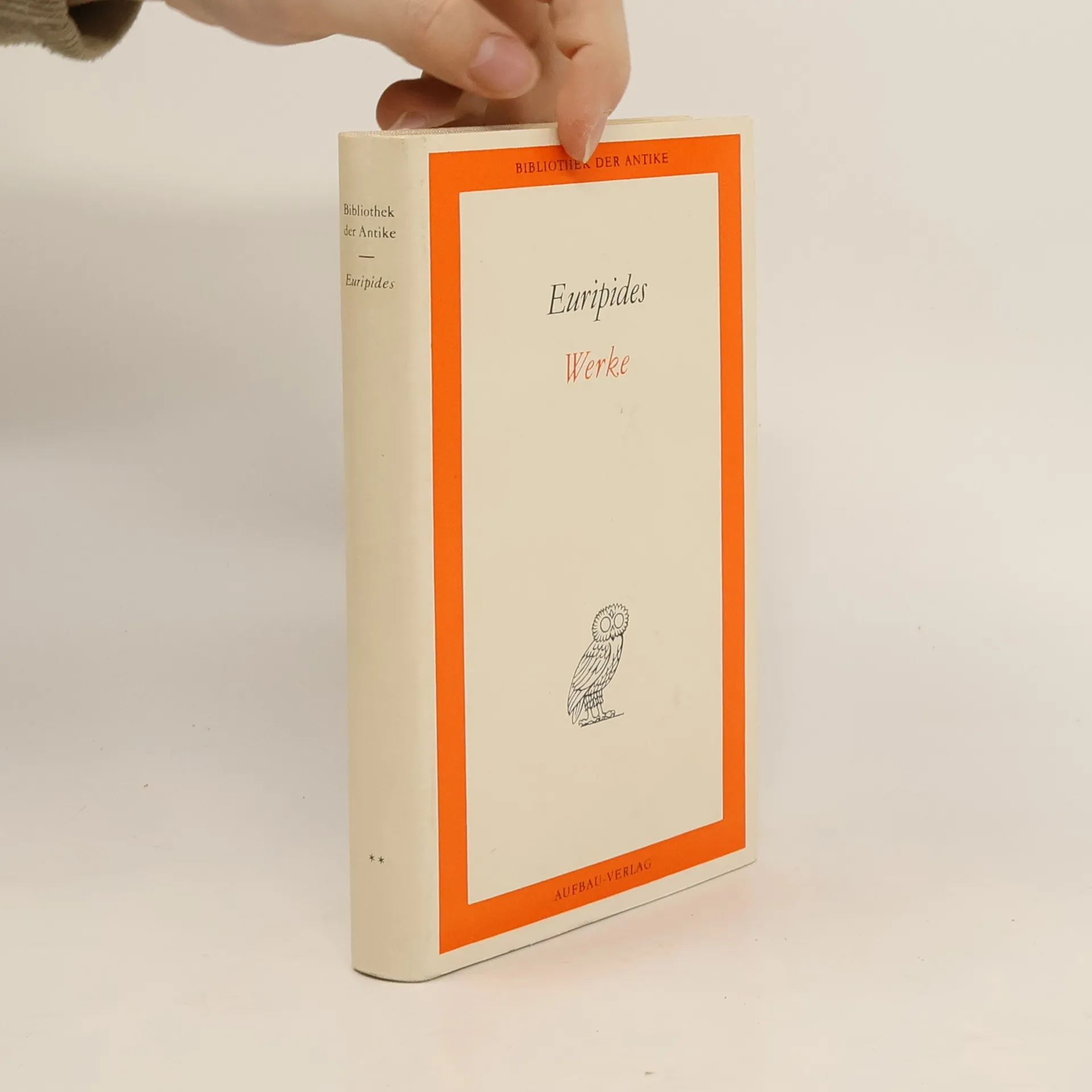
Euripides Werke
- 444 Seiten
- 16 Lesestunden
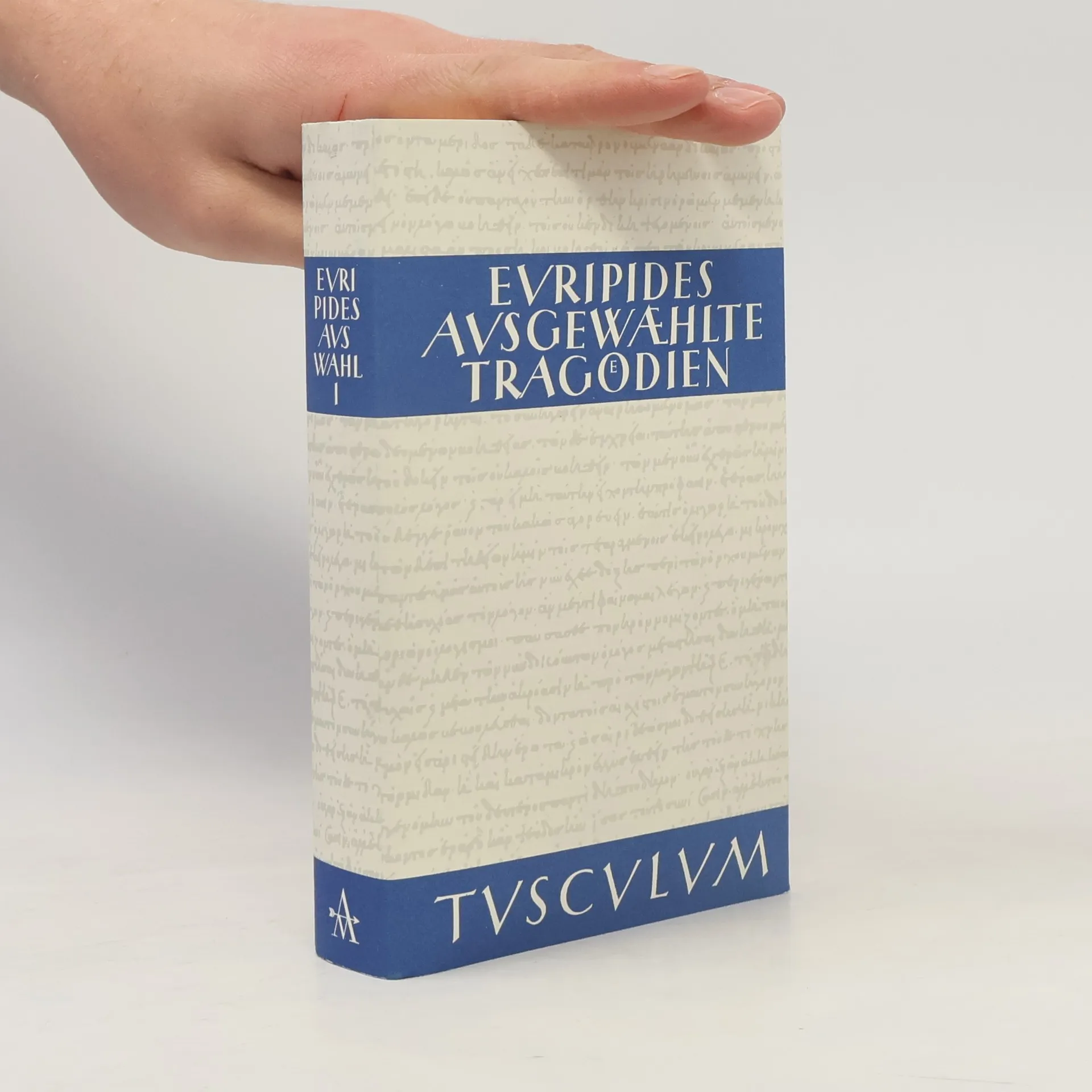
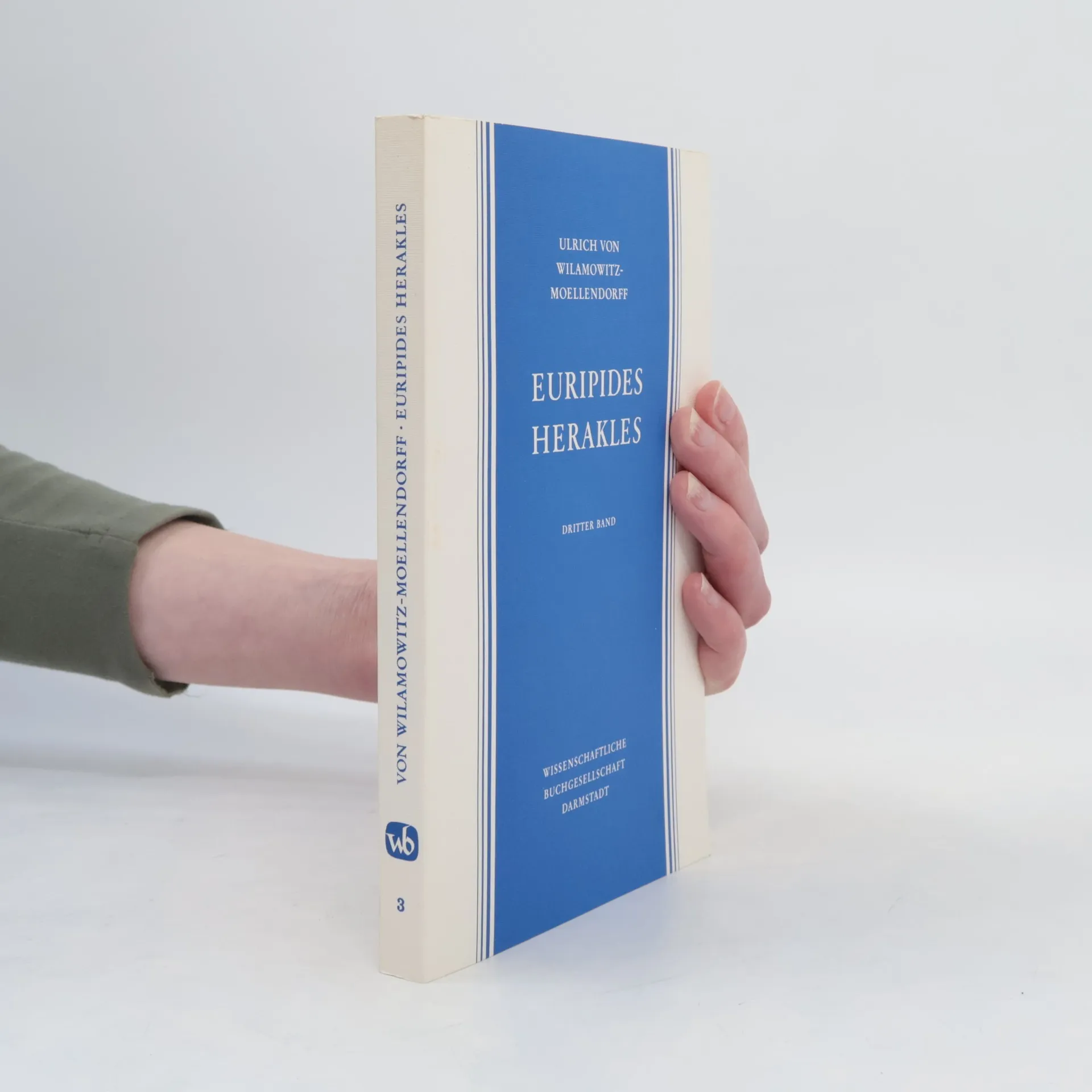
HippolytosHekabeHelenaDie PhönikerinnenMedeiaOrestes
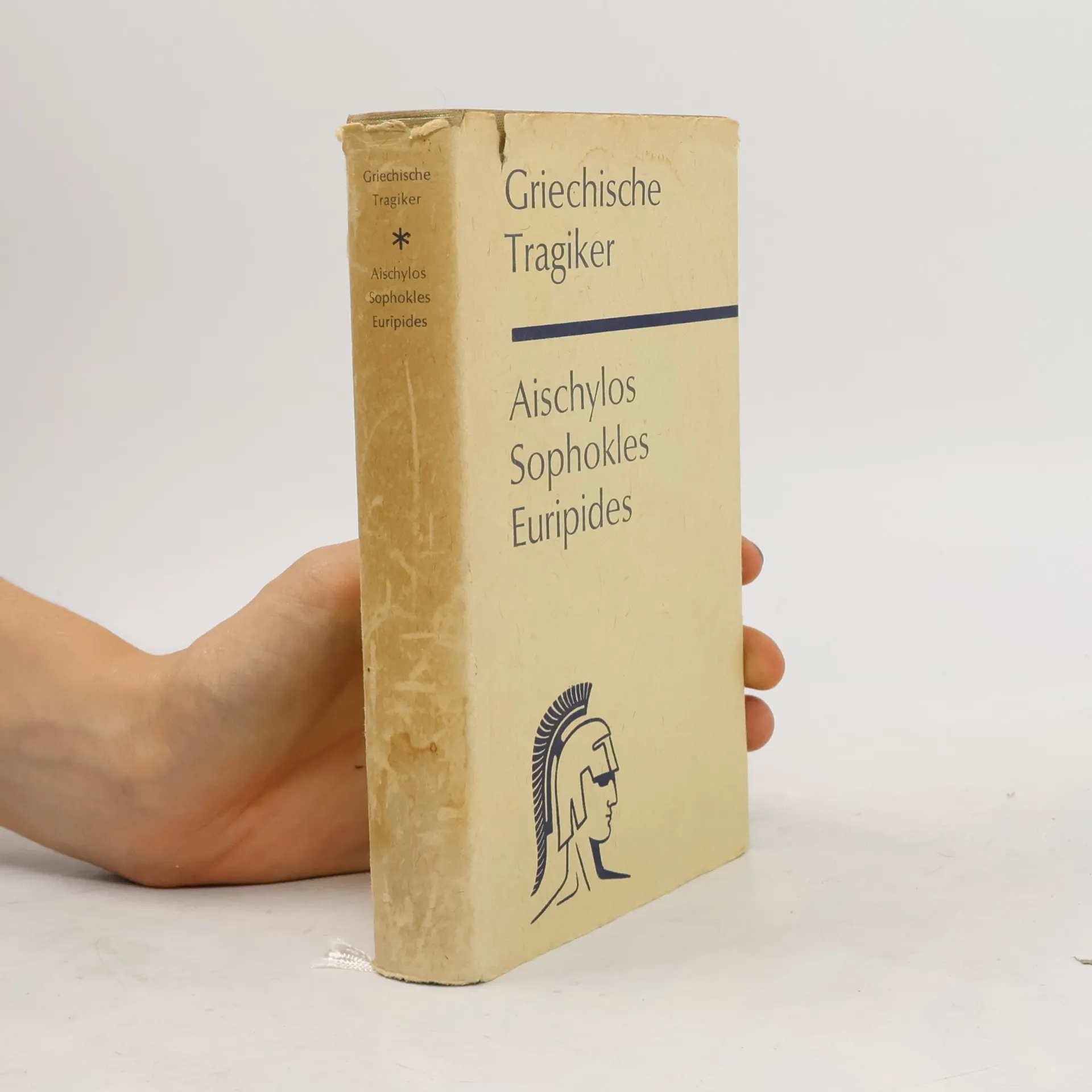
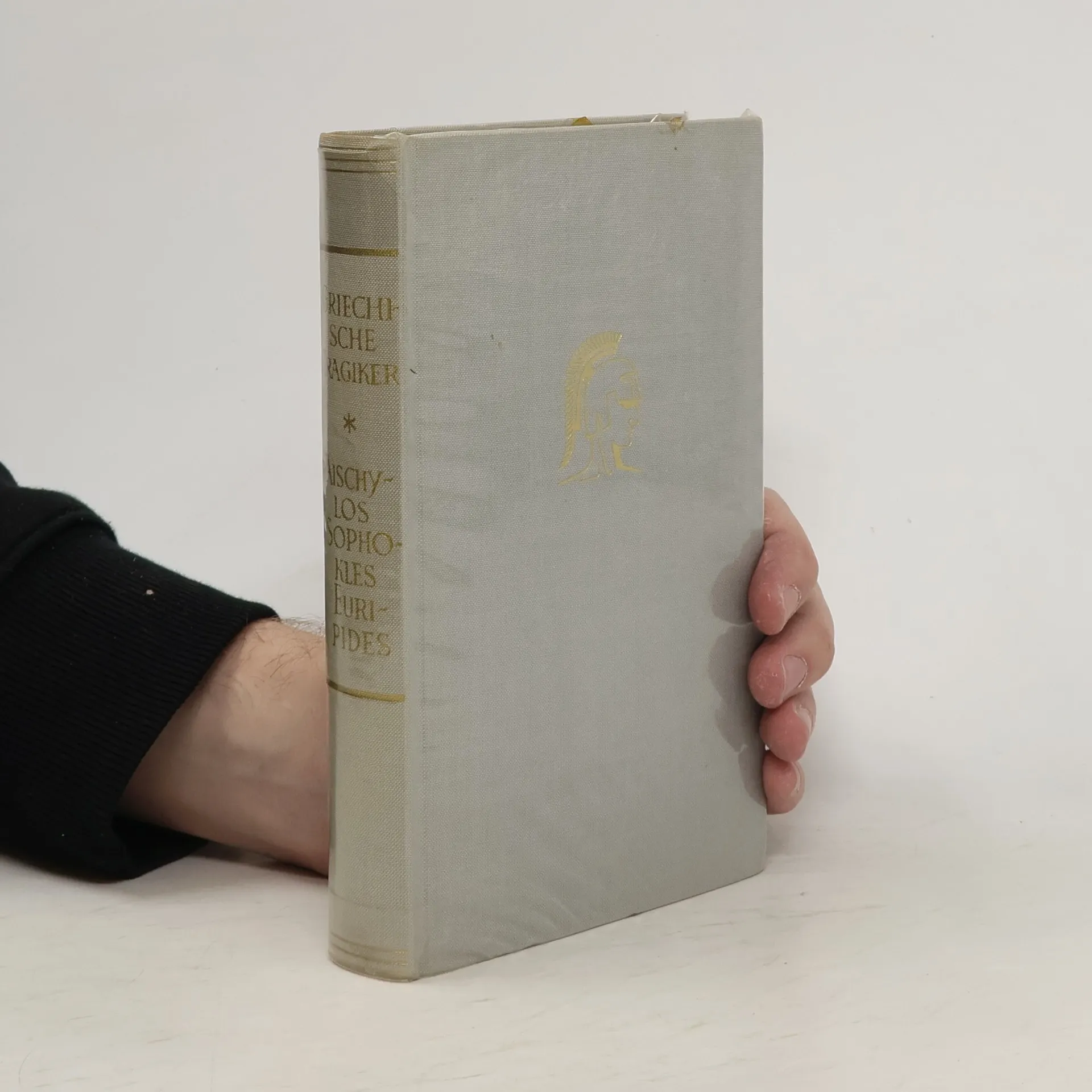
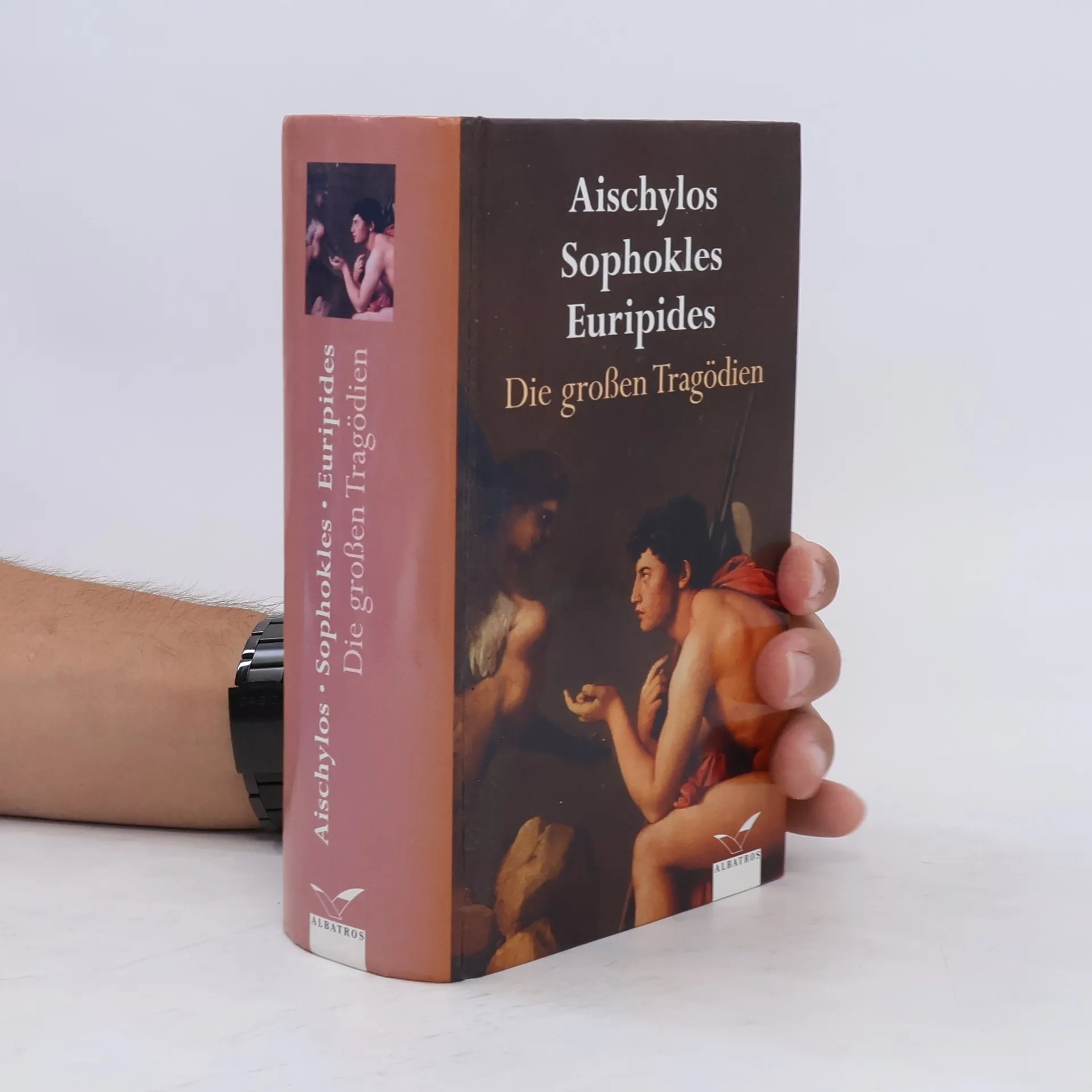
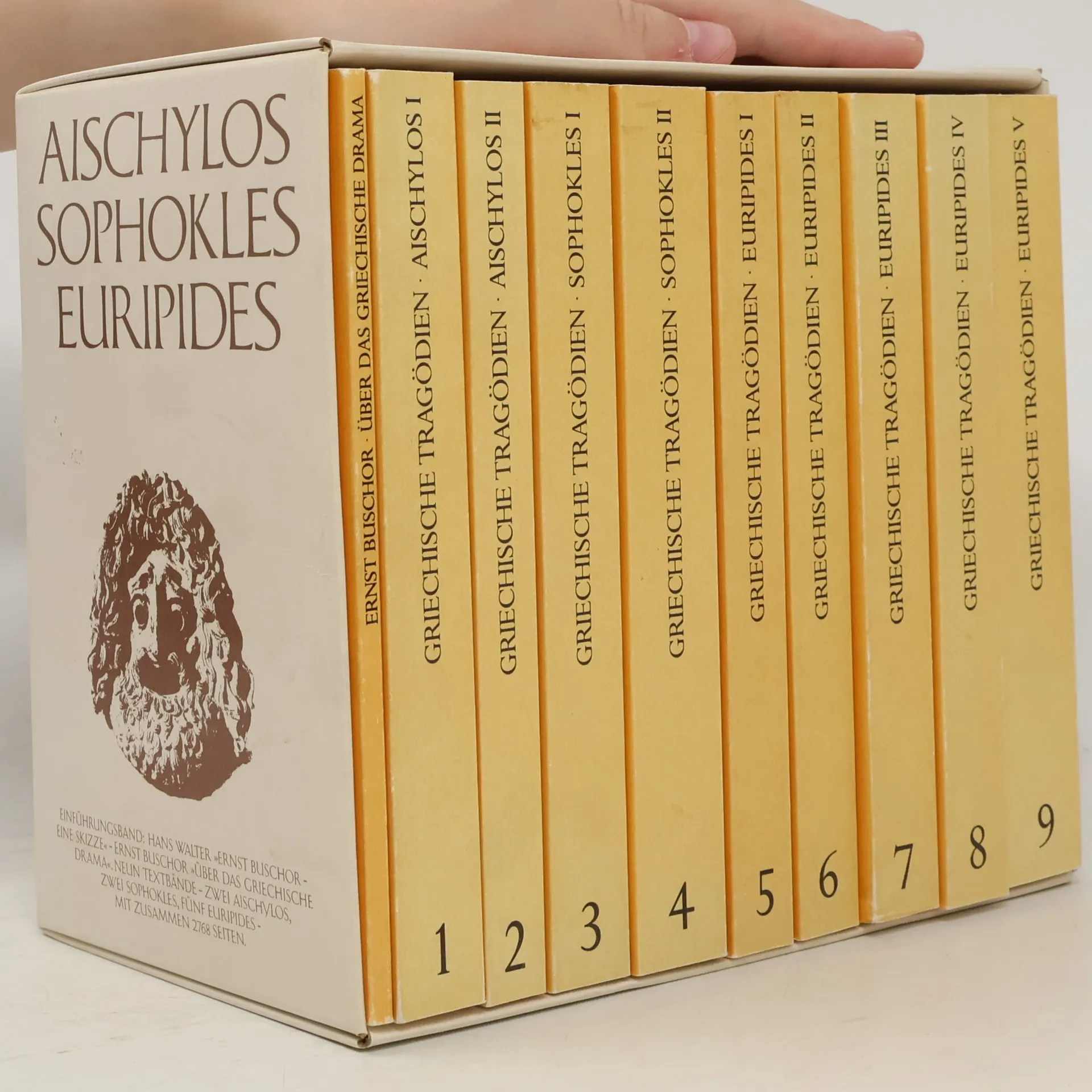
Die vollständige Ausgabe aller vollendeten Tragödien der größten griechischen Dramatiker Aischylos, Sophokles und Euripides in deutscher Übersetzung.
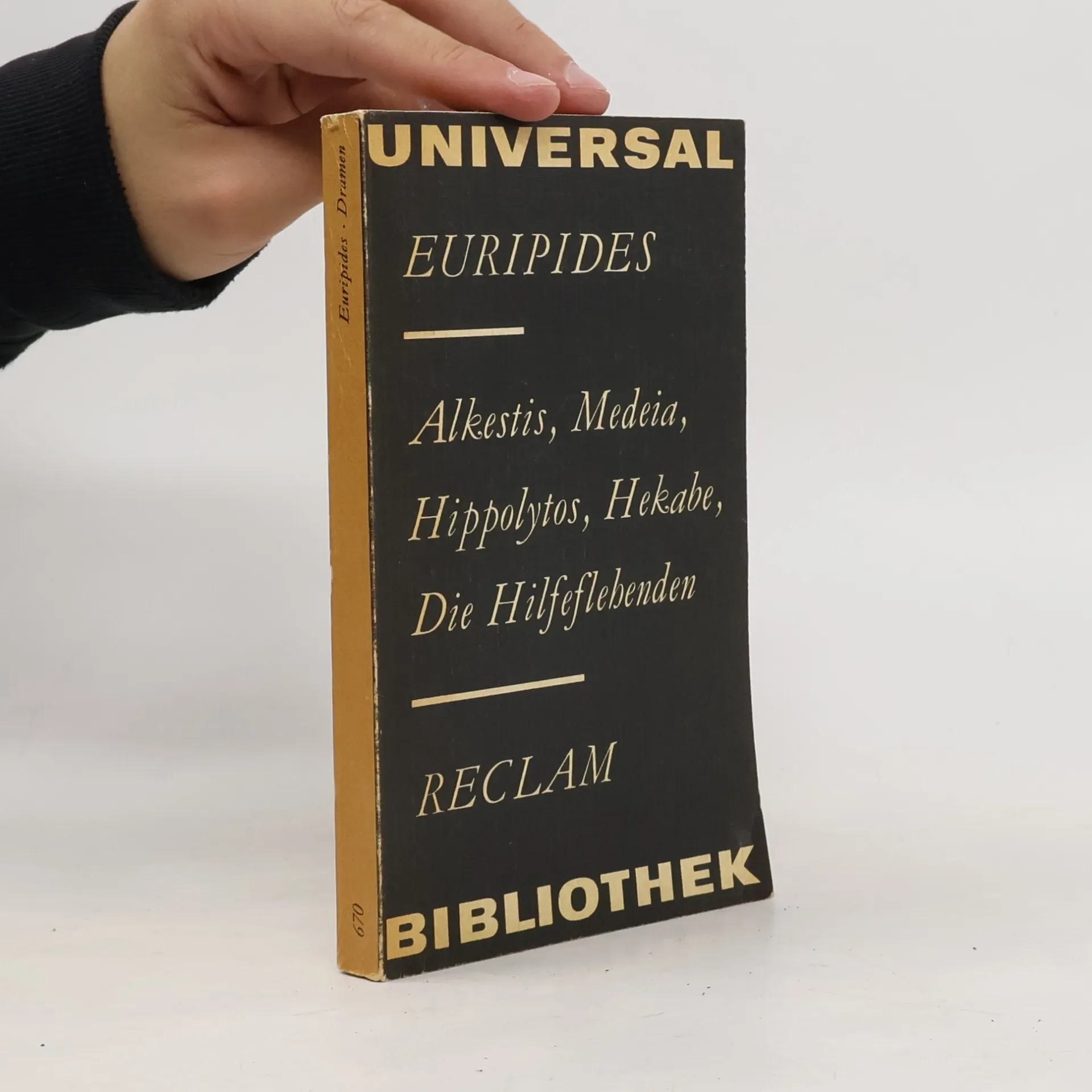
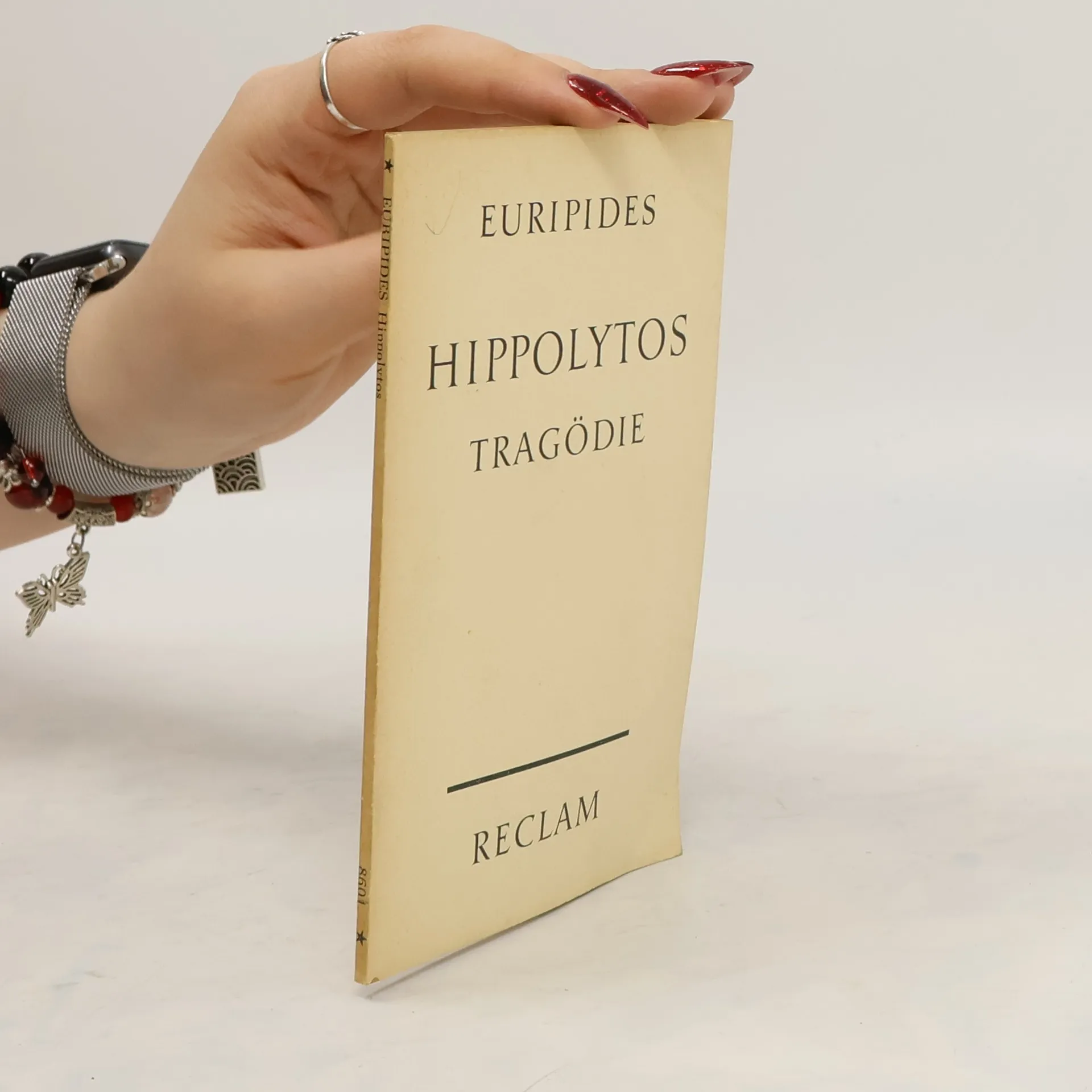
Hippolytos, ein junger Jäger, ignoriert Frauen, was Aphrodite verärgert. Aus Eifersucht entfaltet sie eine Intrige, die in einer tragischen Liebesgeschichte endet und alle ins Verderben führt. Eine beeindruckende griechische Tragödie voller Leidenschaft und Konflikte.
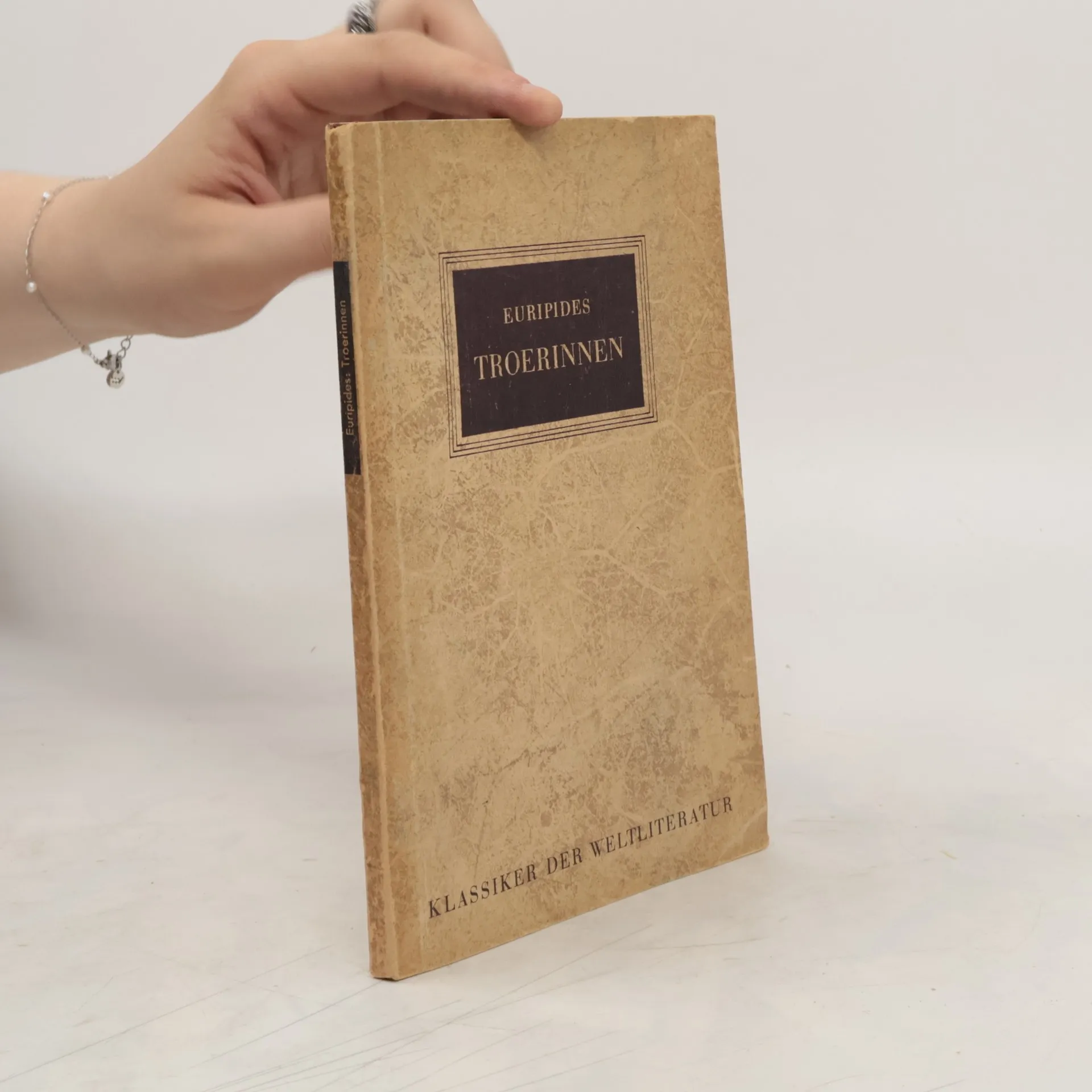
Das Lager der Griechen vor Troia. In der Ferne die rauchenden Trümmer der Stadt. In den griechischen Zelten die gefangenen Troerinnen: die Königin Hekabe, die Seherin Kassandra, Hektors Frau Andromache und Helena, um die der Krieg geführt wurde. Sie müssen weiterleben und leiden, obwohl Andromache weiß: »Totsein ist besser als ein qualvolles Leben.« Die bewegende Anti-Kriegs-Tragödie des Euripides. Sprachen: Deutsch, Griechisch (bis 1453)
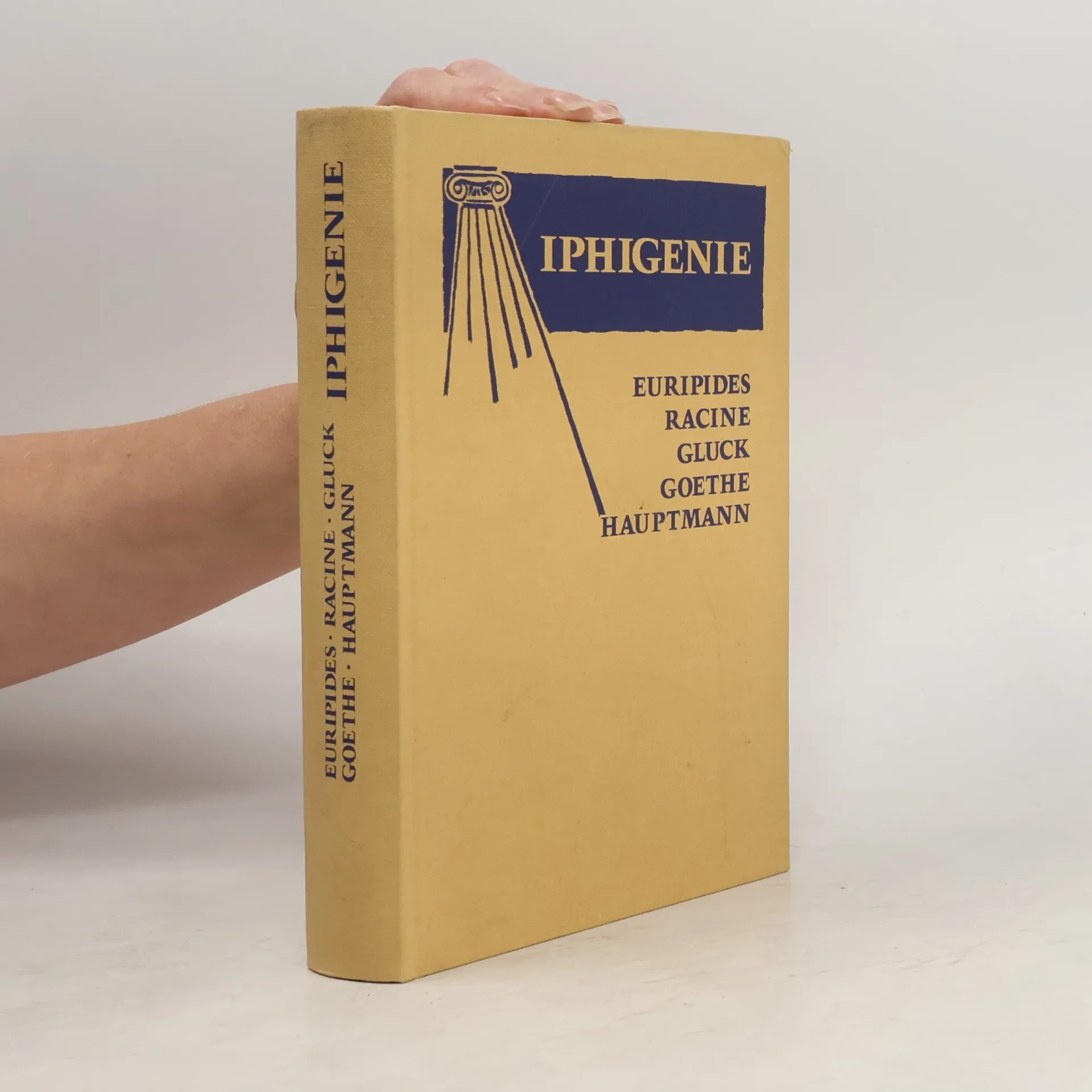
Euripides: Iphigenie in Aulis Auffuhrung nach 406 v. Chr. in Athen. Hier nach der Ubers. von Johann Adam Hartung in: Griechische Tragiker, hg. v. Wolf Hartmut Friedrich, Munchen (Winkler) 1958. Neuausgabe mit einer Biographie des Autors. Herausgegeben von Karl-Maria Guth. Berlin 2016, 2. Auflage. Textgrundlage ist die Ausgabe: Griechische Tragiker: Aischylos, Sophokles, Euripides. Hg. v. Wolf Hartmut Friedrich, ubers. v. J. G. Droysen (Aischylos), K. W. F. Solger (Sophokles), J. A. Hartung (Euripides), Munchen: Winkler, 1958. Die Paginierung obiger Ausgabe wird in dieser Neuausgabe als Marginalie zeilengenau mitgefuhrt. Umschlaggestaltung von Thomas Schultz-Overhage unter Verwendung des Bildes: Anselm Feuerbach, Iphigenie, 1871. Gesetzt aus der Minion Pro, 11 pt.
Die Bakchen
- 78 Seiten
- 3 Lesestunden
Der Gott Dionysos kommt mit der Schar seiner Anhängerinnen, den Bakchen, aus dem fernen Kleinasien, um der mittelgriechischen Stadt Theben seine Göttlichkeit zu beweisen.
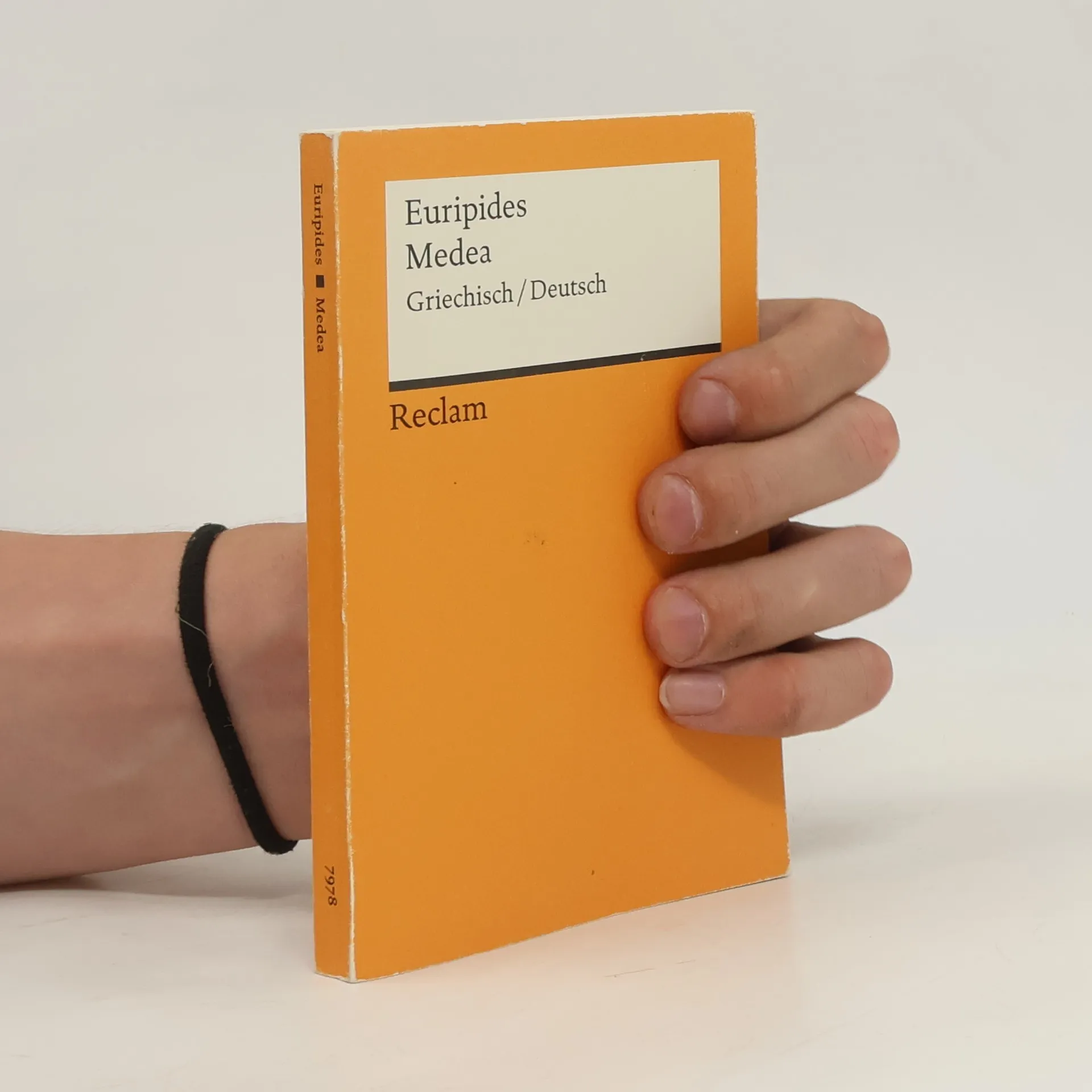
Medea
- 174 Seiten
- 7 Lesestunden
Kaum eine Frauengestalt des antiken Mythos ist bis heute so lebendig wie Medea. Der Mythos von der Frau, die in ihrem Rachestreben zum Äußersten geht, ist seit der Antike zahllose Male aufgegriffen und bearbeitet worden. Einen Markstein dieser Rezeptionsgeschichte bildet Euripides‘ Tragödie, die im Jahre 431 v. Chr. erstmals aufgeführt wurde und für uns die älteste erhaltene dramatische Fassung des Stoffes darstellt - ein unausweichliches Stück Literatur für alle, die sich mit der Medea-Gestalt auseinandersetzen.
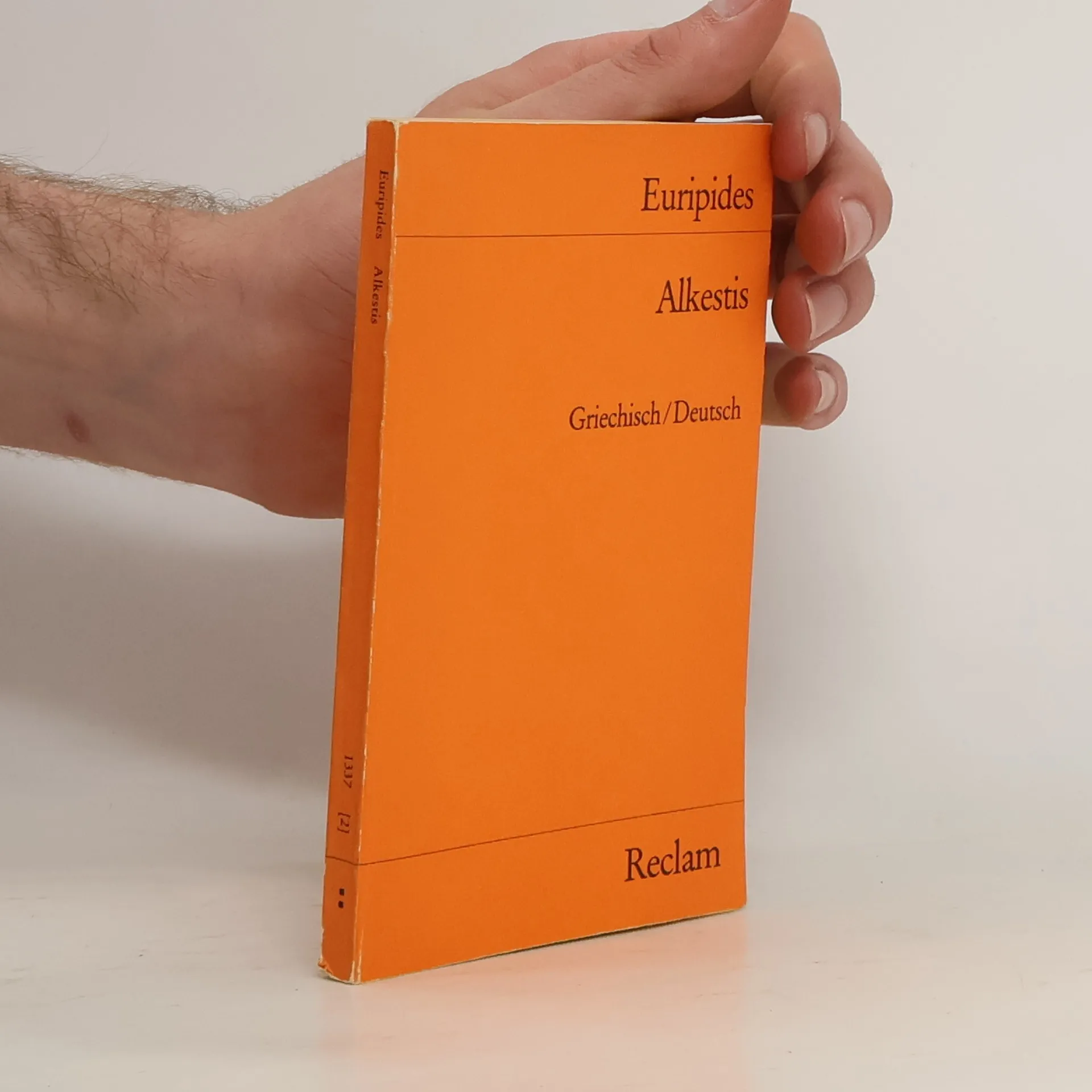
Alkestis
- 176 Seiten
- 7 Lesestunden
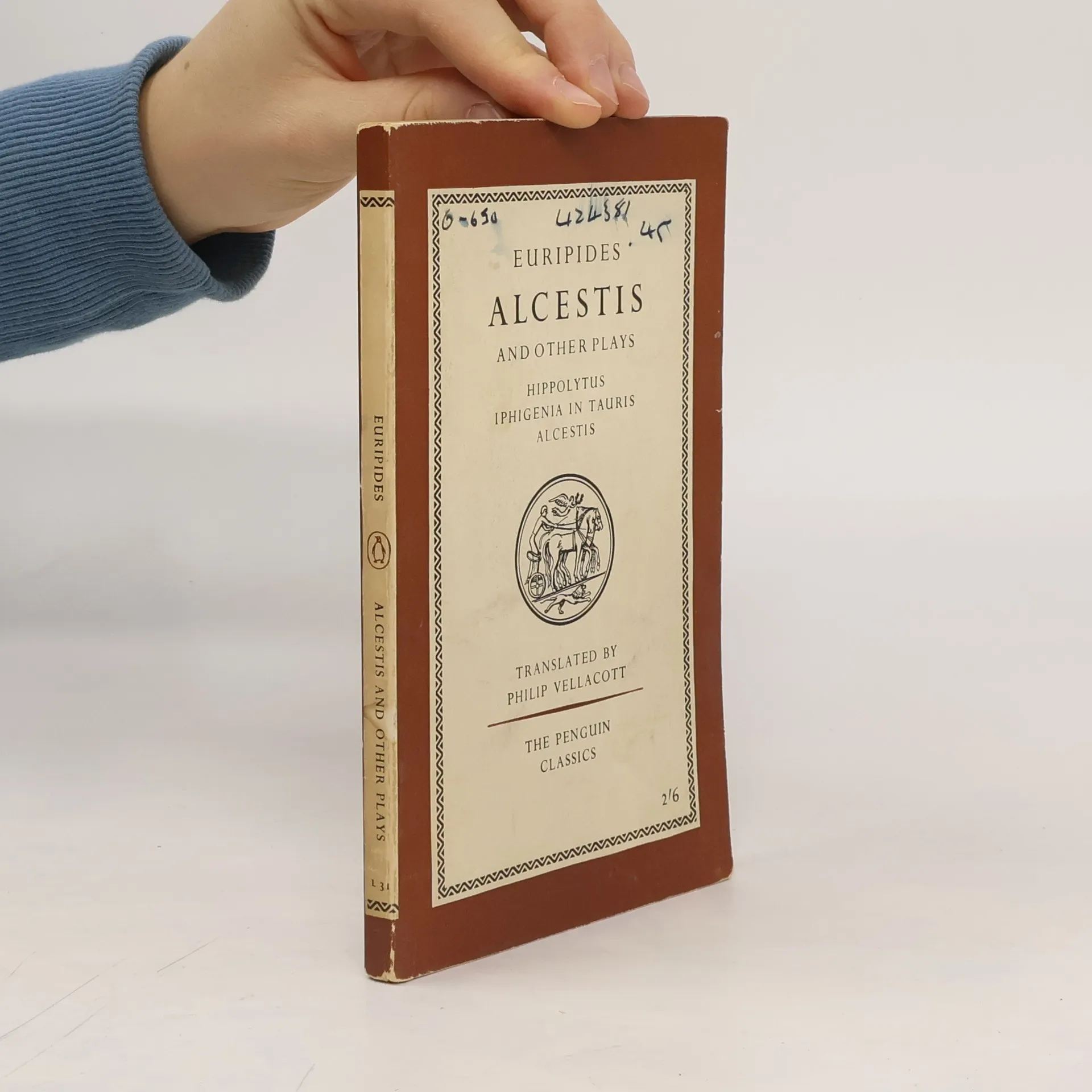
Sowohl eine kraftvolle Übersetzung eines der subtilsten und witzigsten Stücke von Euripides als auch eine völlig neue Interpretation, enthüllt diese Version die außergewöhnliche formale Schönheit und thematische Konzentration der Alkestis. Der Übersetzer präsentiert das Stück als ein Drama der menschlichen Existenz, das in der Tradition der griechischen Tragödie steht. Die Charaktere sind erkennbar menschlich und verkörpern zugleich maskierte Darstellungen menschlicher Zustände. Die Alkestis wird somit zu einer metaphysischen Tragikomödie, in der Admetos, der bisher ein Leben ohne Einschränkungen geführt hat, lernt, "sterbliche Gedanken" zu denken. Er erwirbt das Wissen um Grenzen – die Akzeptanz des Todes sowie die Pflicht zu leben – was, so Euripides, den Menschen bedeutungsvoll menschlich macht und ihn zu Mut und Mitgefühl fähig. Diese neue Interpretation argumentiert überzeugend, dass das Leiden den Menschen menschlich macht, während Befreiung egoistisch und kindisch macht. Nur der Mut, sowohl das Leben als auch den Tod zu akzeptieren, führt zur Verwirklichung der eigenen Menschlichkeit und im Fall von Alkestis zum Heldentum.
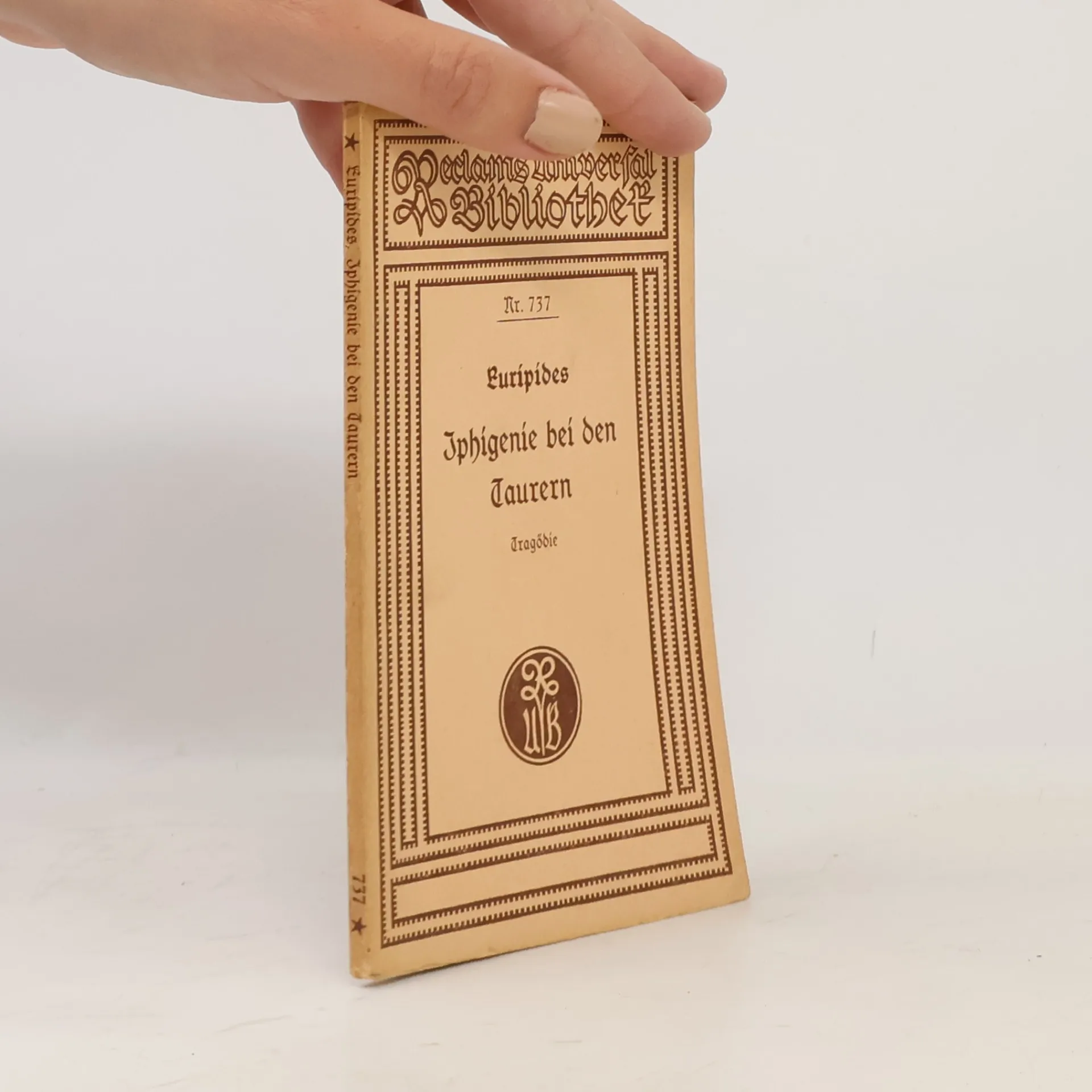
Wer sich mit Goethes Iphigenie-Drama beschäftigt, kommt um das antike ›Original‹ des Euripides nicht herum, das auch anderweitig in Literatur, Musik und Kunst rezipiert worden ist. Im Mittelpunkt steht, wie öfter bei Euripides, eine Frau, die einen gewitzten Plan ersinnt, um die männlichen Machthaber zu täuschen und ihre Ziele zu erreichen. Die philologisch wortgetreue Übersetzung gibt den griechischen Text in seinen unterschiedlichen Dimensionen wieder – und das Nachwort zeigt, dass auch Euripides den Mythos schon vorfand und für seine Zwecke neu gestalten musste.
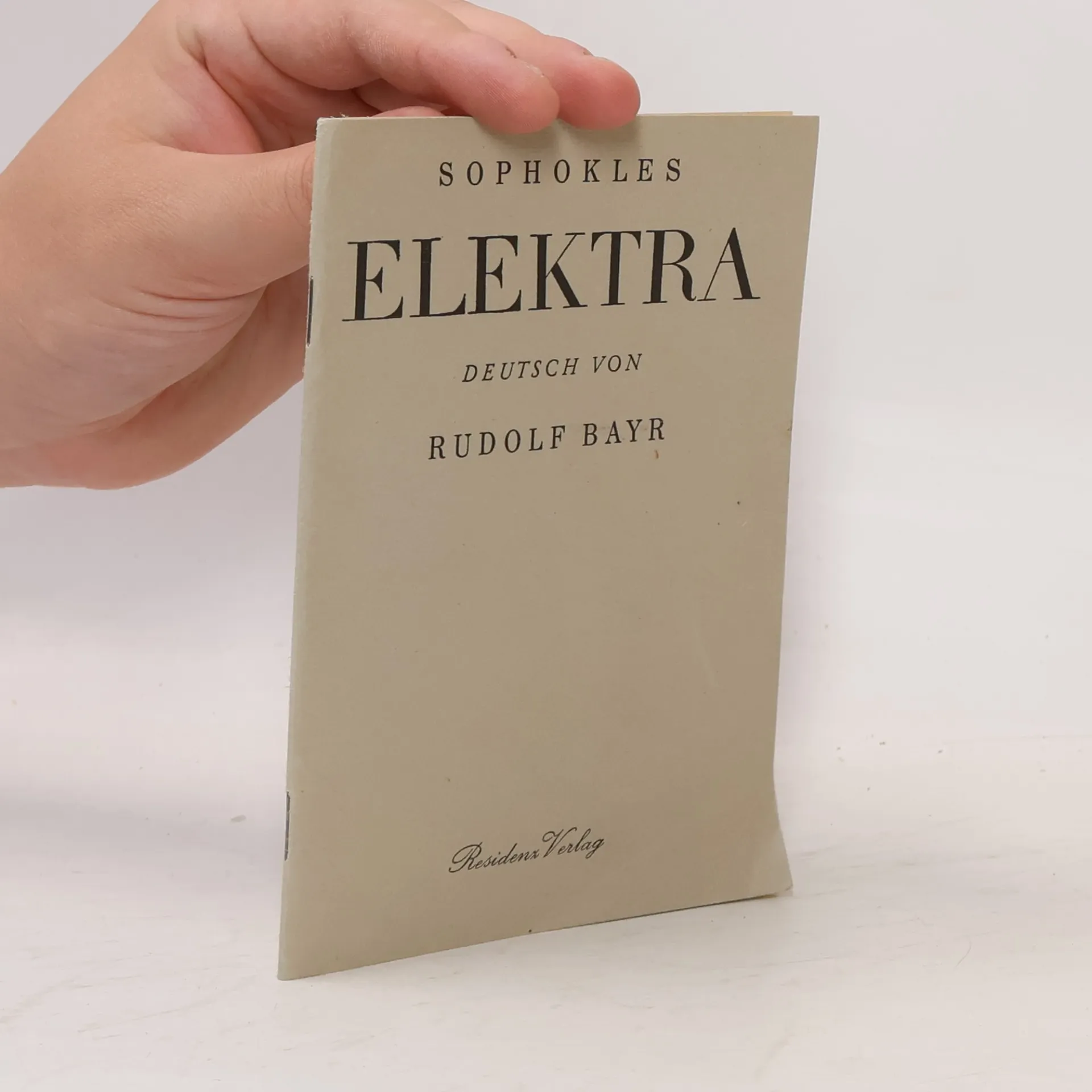
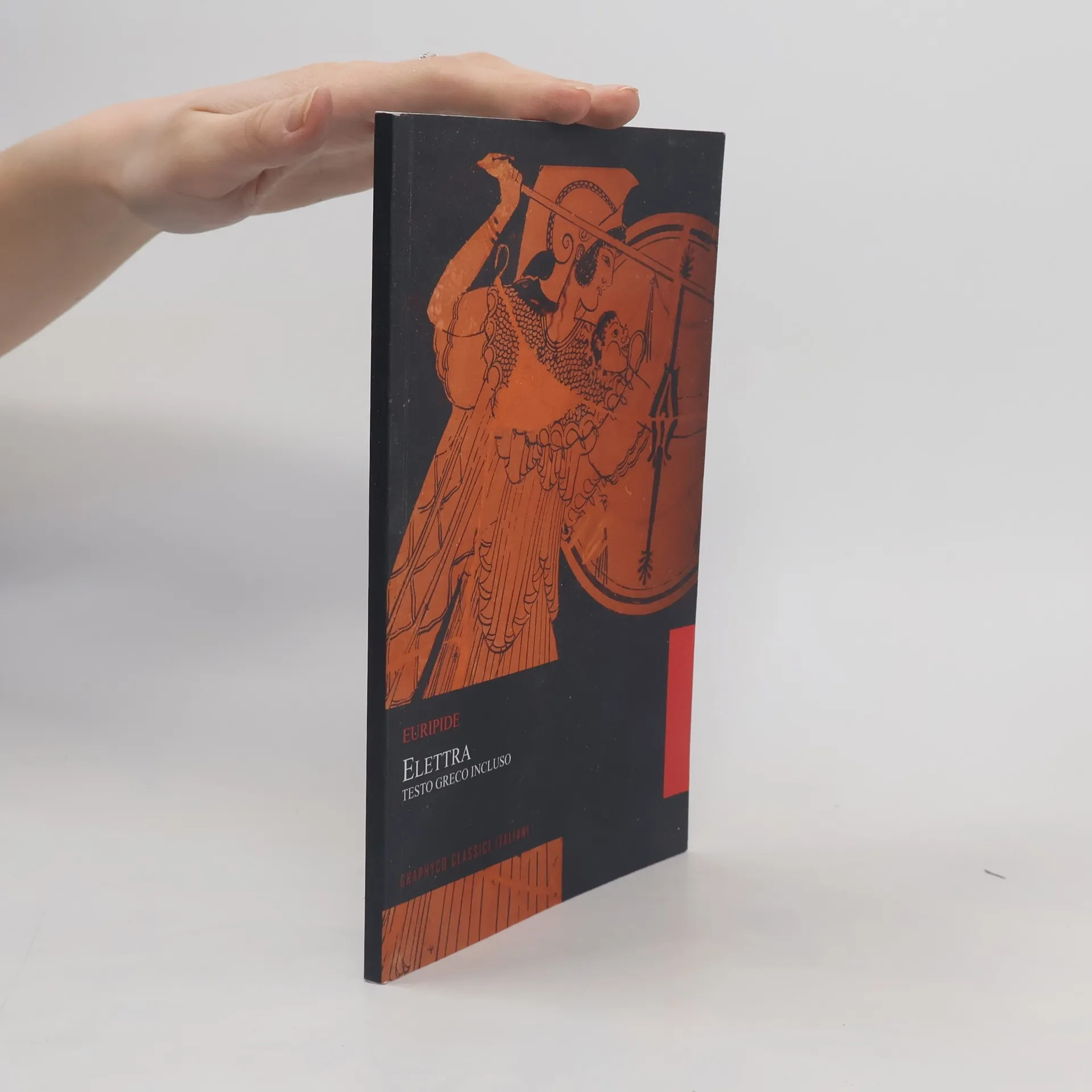
Von jedem der drei großen griechischen Tragiker ist eine Elektra-Tragödie erhalten. Aischylos’ »Choephoren« (2. Teil der »Orestie«) stehen am Anfang, ob Sophokles mit seiner »Elektra« auf Euripides folgte oder umgekehrt, ist umstritten. Der Vergleich der drei Stücke ist aufschlussreich für die Gestaltung des Mythos. Elektras Rache an ihrer Mutter Klytaimnestra, die Agamemnon, den Vater Elektras, ermordet hatte, und an ihrem Stiefvater Aigisthos beherrscht die Tragödie. Mit »Elektra« hat Euripides wiederum eine große Frauengestalt auf die Bühne gebracht, deren Wirkung auf die europäische Literatur bis heute anhält.
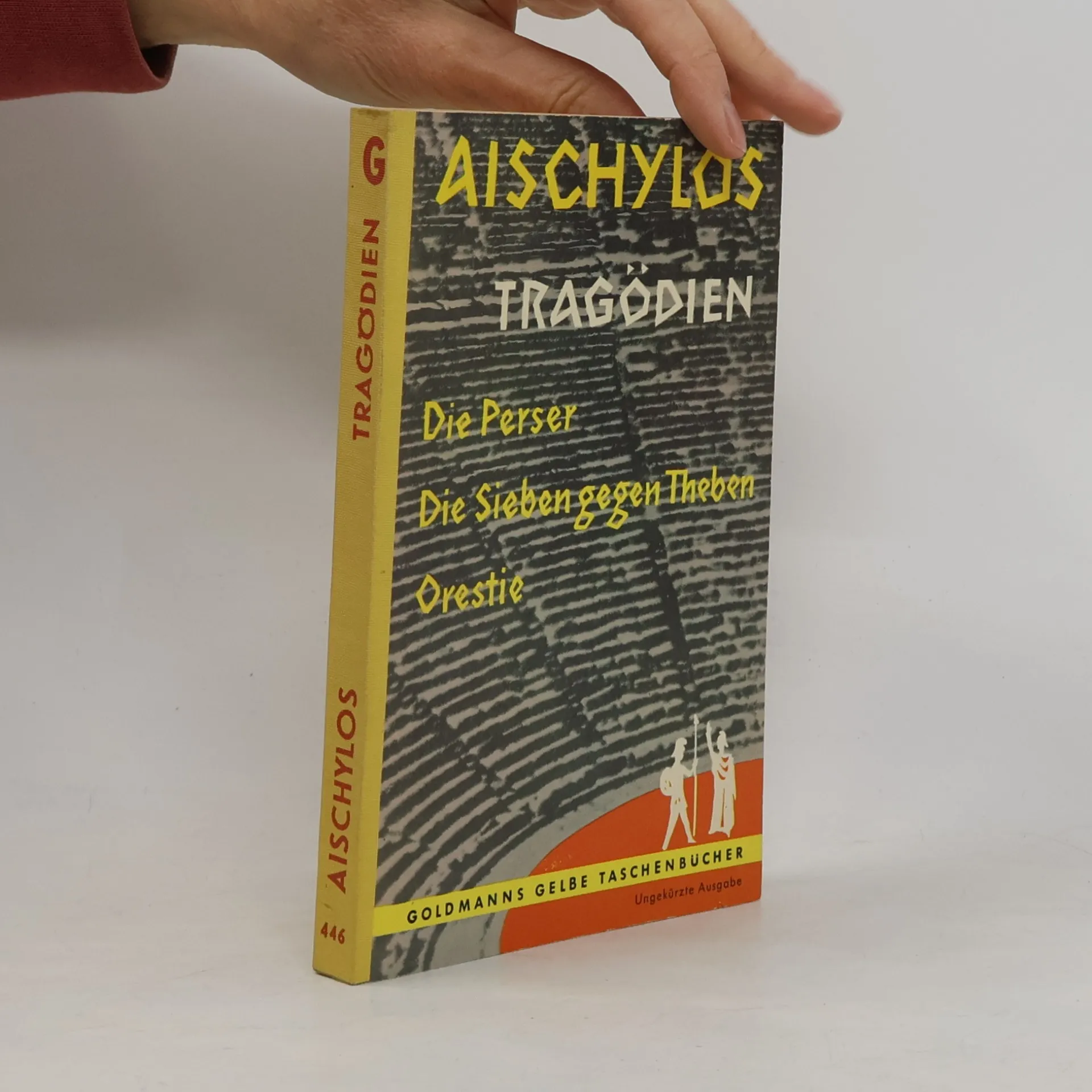
Tragödien
Die Perser. Die Sieben gegen Theben. Orestie
Übers. v. Ebener, Dietrich ; Schottlaender, Rudolf. Nachw. v. Kuckhoff, Armin-Gerd. 567 S. 2. A.
Die Zuneigung zum Bruder wird ihr zum Verhängnis: Antigone wird auf Befehl Kreons bei lebendigem Leib eingemauert. Sie hatte es gewagt ihren Bruder Polyneikes zu bestatten, der gegen die Heimatstadt Theben ins Feld gezogen war. Damit handelte sie dem Verbot des Königs zuwider. Das »Recht der Götter« und das »Recht des Staats« stehen sich in diesem Konflikt unversöhnlich gegenüber. Sophokles’ Tragödie aus dem Jahr 442 v. Chr. bringt damit zeitlose Fragen auf die Bühne: Wo sind die Grenzen der Selbstbestimmung des Einzelnen – und wo sind die Grenzen der Verfügungsgewalt des Staates?
Tragödien 1
- 155 Seiten
- 6 Lesestunden
Euripides' "Medea" ist eine der großen dramatischen Tragödien der klassischen Antike. Es ist die Geschichte der Titelheldin Medea, der Frau von Jason, die Rache an ihrem untreuen Ehemann sucht, als er sie für eine neue, jüngere Braut verlässt. "Medea" brach viele der dramatischen Konventionen der Zeit, als es uraufgeführt wurde, und steht aus diesem Grund als eines der größten Werke der klassischen Dramenzeit.
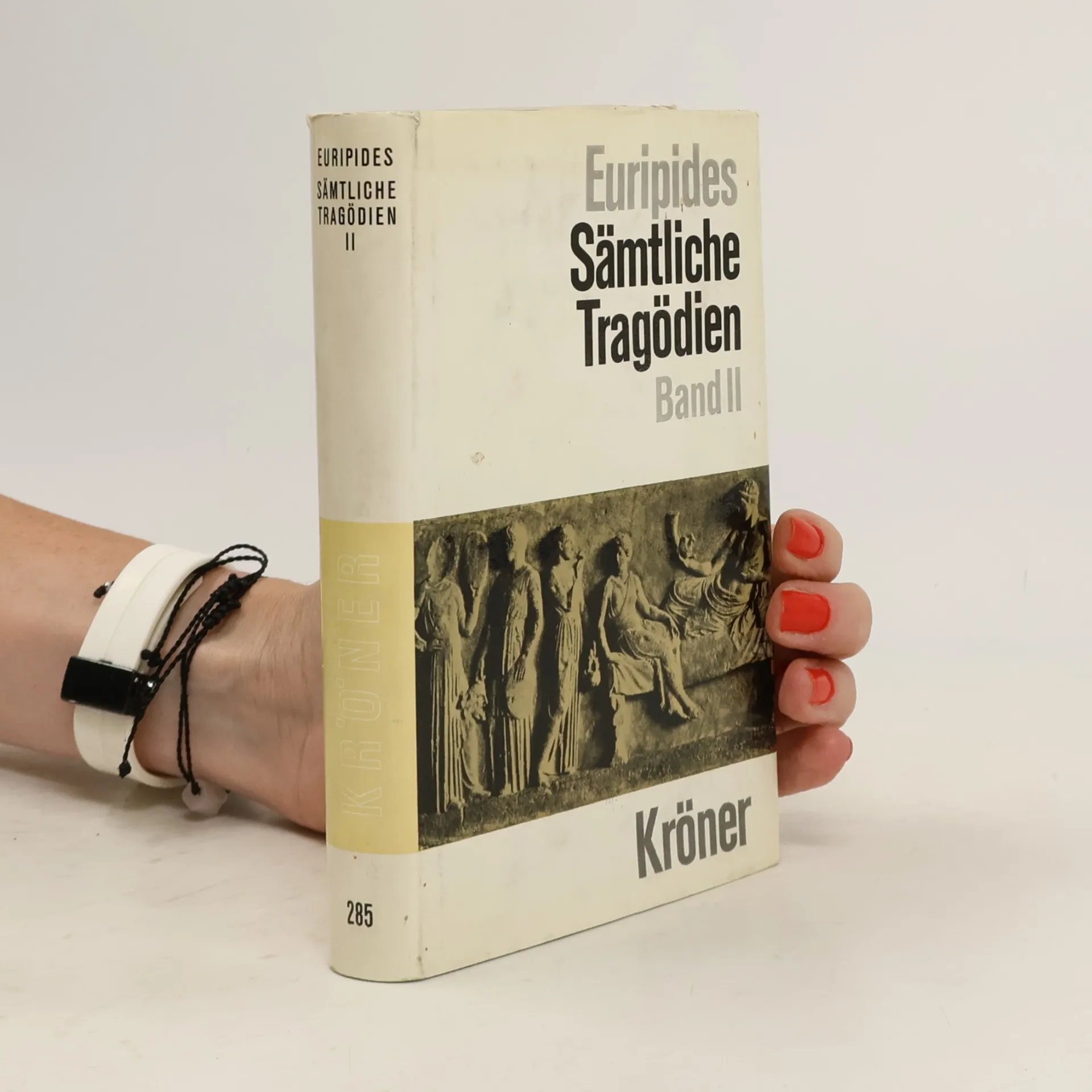
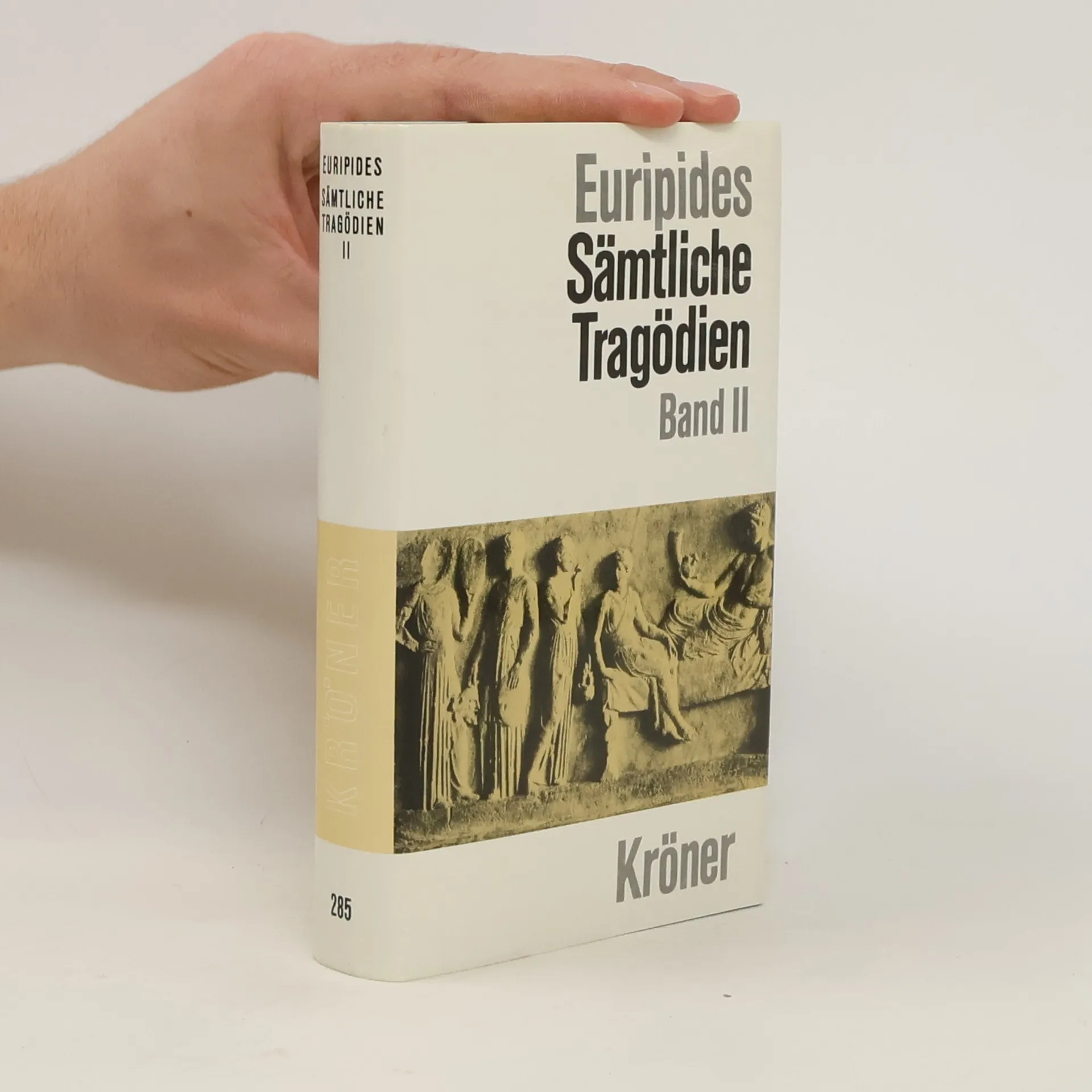
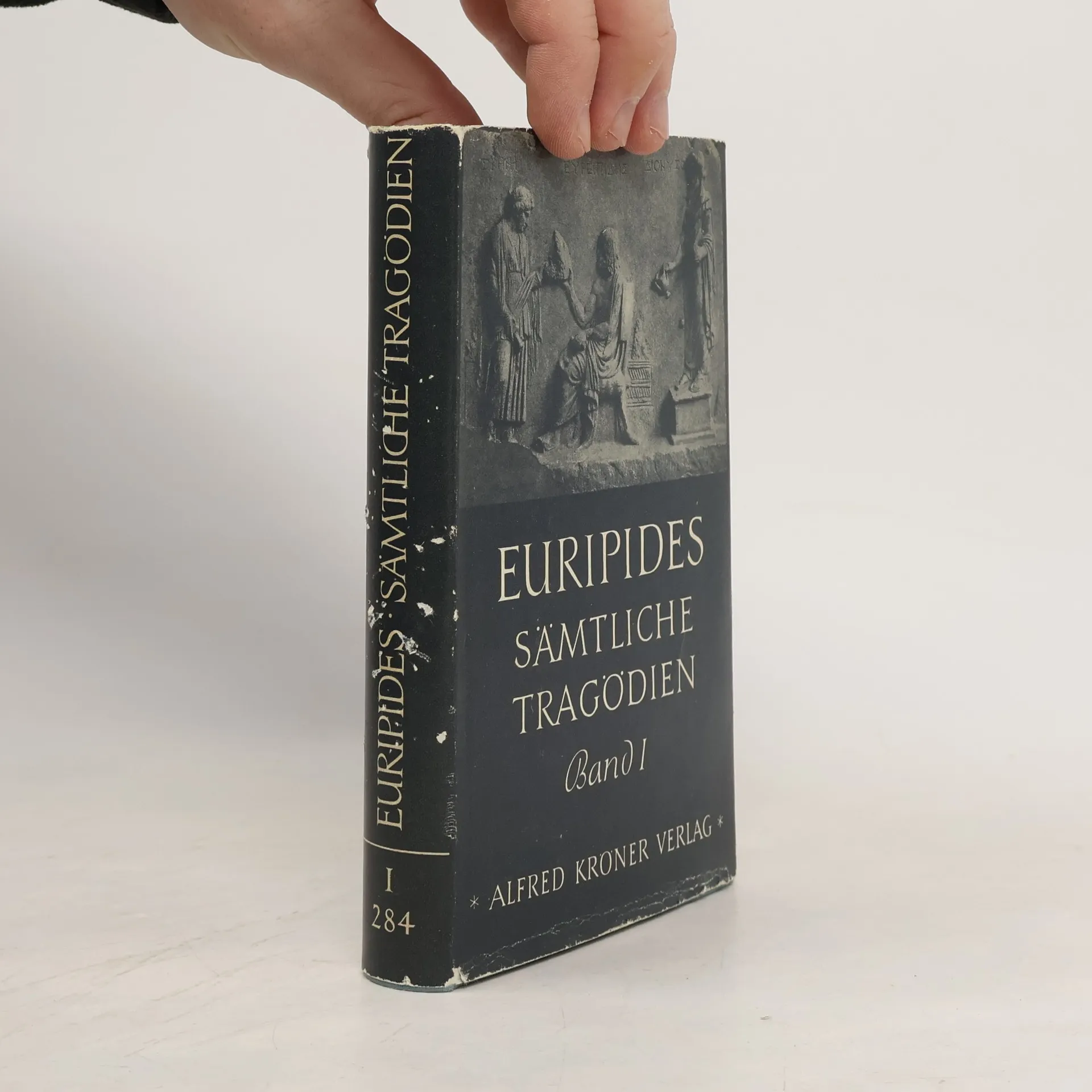
Sämtliche Tragödien II.
- 509 Seiten
- 18 Lesestunden
Die Reihe präsentiert bedeutende Werke der Weltliteratur in zeitgemäßer Rechtschreibung, basierend auf den Empfehlungen des Dudens. Klara Neuhaus-Richter sorgt dafür, dass klassische Texte zugänglicher und verständlicher für moderne Leser sind, ohne den ursprünglichen Inhalt zu verändern. Diese Ausgabe ermöglicht es, literarische Meisterwerke in einer neuen, lesefreundlichen Form zu erleben.
Die großen Stücke
Alkestis, Bakchen, Elektra, Orestes – Übertragen von Raoul Schrott
Mit Raoul Schrott entdecken, wie modern Euripides ist Liebe und Leidenschaft, Mord und Heimtücke, Zweifel und Verantwortung – Euripides’ Tragödien sind Fundament der Weltliteratur und von verblüffender Aktualität: ›Alkestis‹ ist das erste feministische Drama der Weltgeschichte, seine ›Bakchen‹ analysieren das Sektenwesen und seine ›Orestie‹ – die hier erstmals seit der Antike wieder präsentiert wird – ist nach wie vor eines der besten Stücke über Terrorismus und Populismus. Raoul Schrott macht sie mit großer sprachlicher Virtuosität zu Dramen von heute: mitreißend, modern, monumental.
Dieser Band präsentiert die zeitlosen Tragödien von Euripides, einem bedeutenden Werk der klassischen Literatur, das die Menschheitsgeschichte über Jahrhunderte hinweg beeinflusst hat. Die Tragödien thematisieren universelle menschliche Konflikte, Emotionen und moralische Dilemmata. Euripides' Charaktere sind oft komplex und vielschichtig, was zu einer tiefen Auseinandersetzung mit Themen wie Liebe, Macht, Rache und Schicksal führt. Seine Werke laden dazu ein, die menschliche Natur und die Herausforderungen des Lebens zu reflektieren. Die kraftvollen Themen und Figuren Euripides' bleiben sowohl für gegenwärtige als auch zukünftige Generationen zugänglich und relevant.
The Greek Plays
- 864 Seiten
- 31 Lesestunden
A landmark anthology of the masterpieces of Greek drama, featuring all-new, highly accessible translations of some of the world's most beloved plays, including Agamemnon, Prometheus Bound, Bacchae, Electra, Medea, Antigone, and Oedipus the King
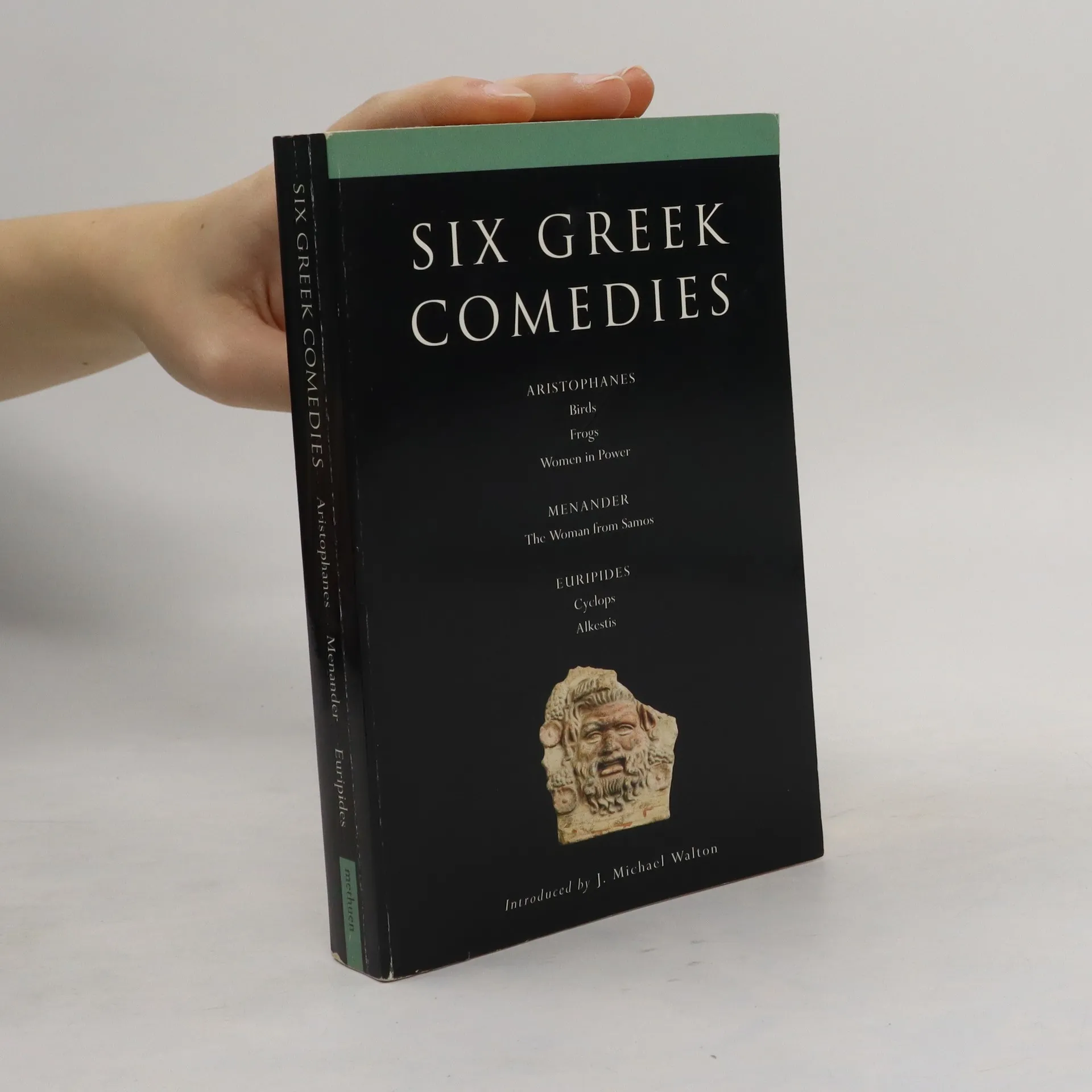
Six Greek Comedies
Birds. Frogs. Women in Power. The Woman from Samos. Cyclops. Alkestis
- 256 Seiten
- 9 Lesestunden
Six wide ranging classic plays with introduction by the editorThe comedies of the Athenian theatre not only lie at the root of Western drama, they also offer a unique insight into everyday life in ancient Greece. This selection of six wide ranging plays includes the comic fantasies of Aristophanes, which combine the ridiculous with serious satirical comment (Birds, Frogs, Women in Power); Menander's The Woman from Samos, a recognisable forebear of today's situation comedy; Euripides ribald satyr play, Cyclops, the only surviving example of the genre, and his Alkestis, a complex romance which gave a new face to comedy.The volume is edited and introduced by J. Michael Walton, Professor of Drama at the University of Hull and founder/director of the Performance Translation Centre there.
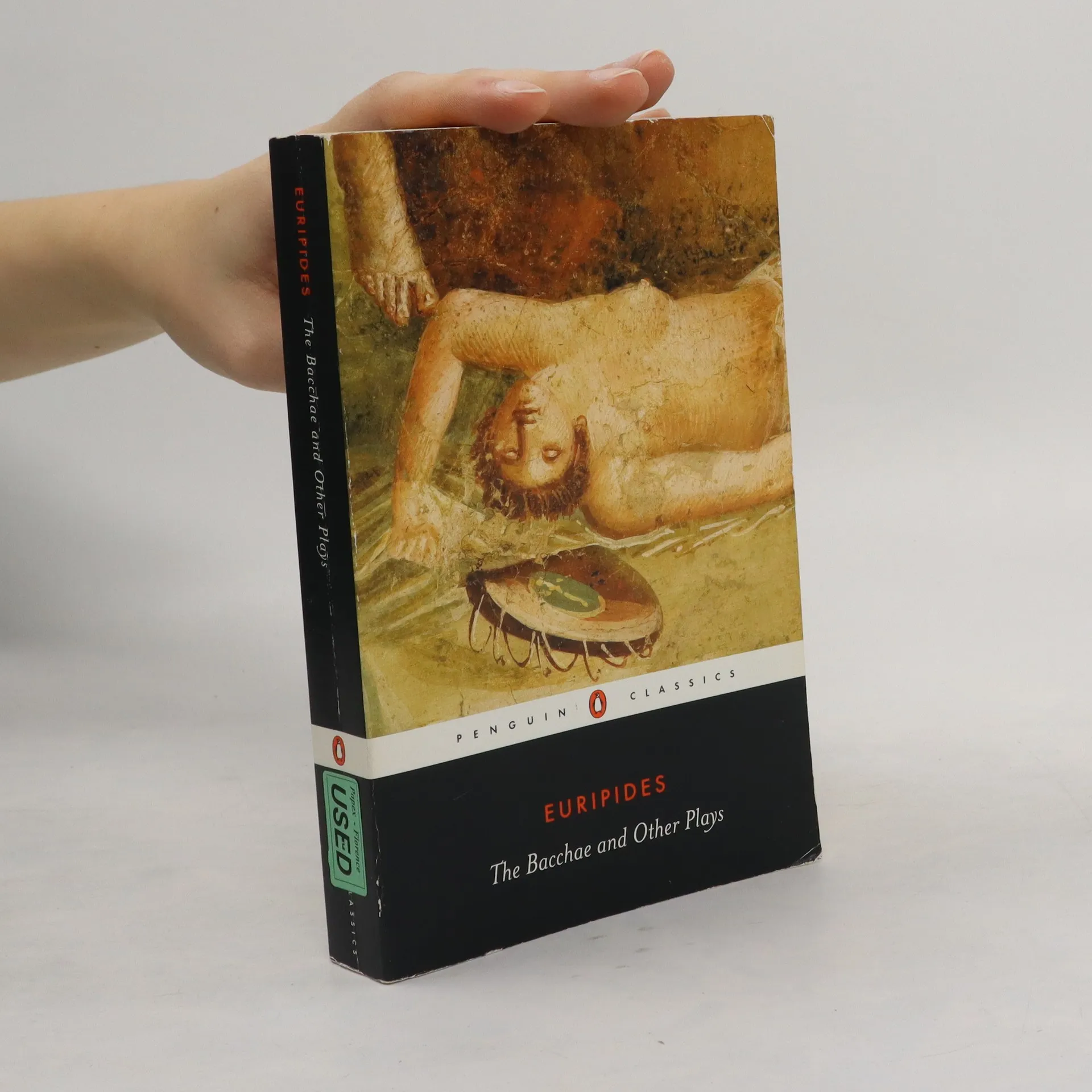
The Bacchae and Other Plays
- 432 Seiten
- 16 Lesestunden
Covers such plays as: Phoenician Women, Orestes, Bacchae, Iphigenia at Aulis, and the Rhesus.
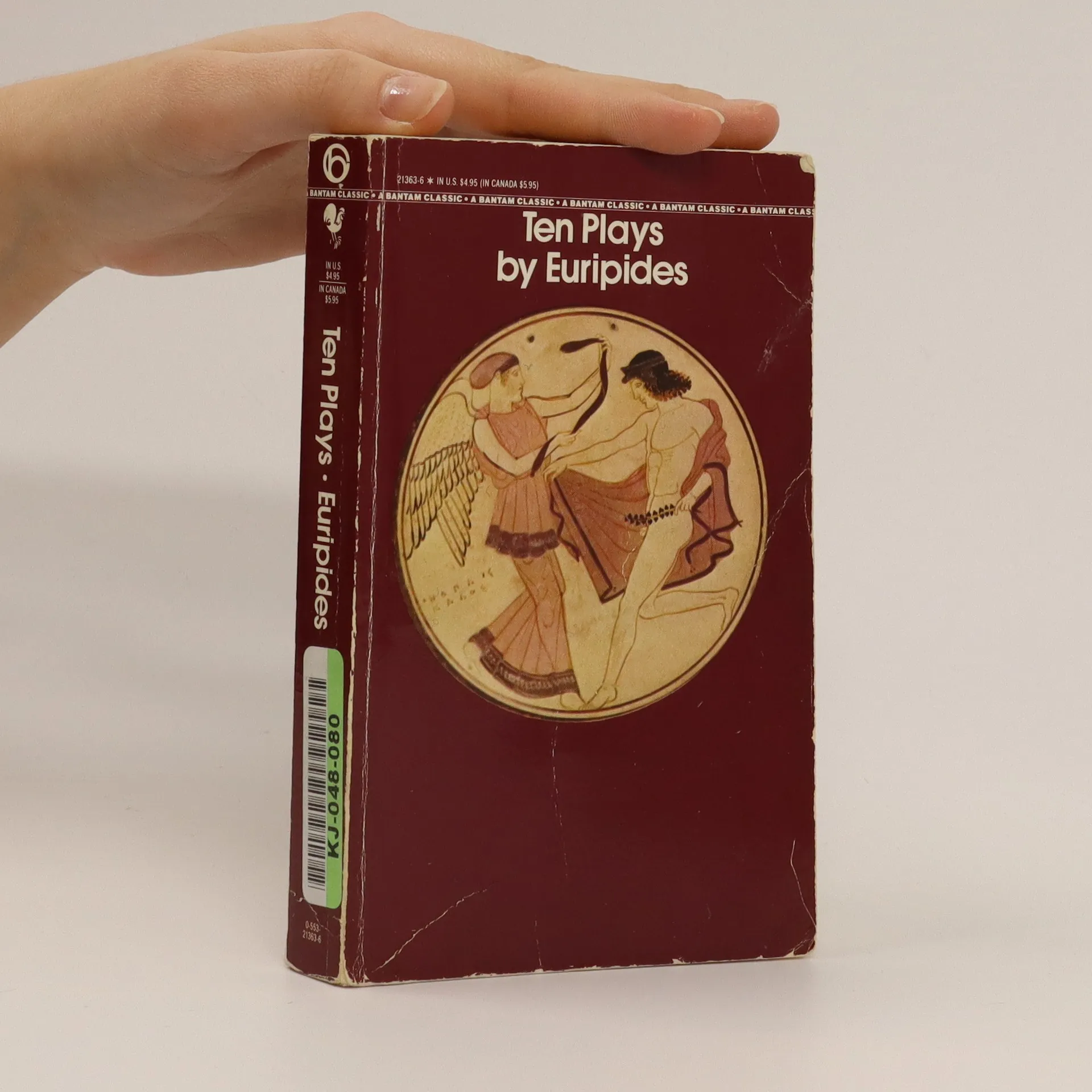
Ten Plays by Euripides
- 384 Seiten
- 14 Lesestunden
The first playwright of democracy, Euripides wrote with enduring insight and biting satire about social and political problems of Athenian life. In contrast to his contemporaries, he brought an exciting--and, to the Greeks, a stunning--realism to the "pure and noble form" of tragedy. For the first time in history, heroes and heroines on the stage were not idealized: as Sophocles himself said, Euripides shows people not as they ought to be, but as they actually are.
Medea and Other Plays
- 208 Seiten
- 8 Lesestunden
Features four tragedies, all of which focus on a central character, once powerful, brought down by betrayal, jealousy, guilt and hatred.
The Bacchae of Euripides: A Communion Rite
- 120 Seiten
- 5 Lesestunden
The translation captures the essence of ancient Greek theater through a vibrant and rhythmic interpretation. Wole Soyinka transforms "The Bacchae" into a lively communal celebration, emphasizing themes of life, nature, and the human psyche. He portrays the narrative as a grand banquet that reflects humanity's connection to the earth and the cyclical nature of existence. This unique blend of Euripides' original work and Soyinka's poetic vision creates a powerful and unforgettable theatrical experience.
Three Plays
- 189 Seiten
- 7 Lesestunden
One of the greatest playwrights of Ancient Greece, the works of Euripides (484 406 BC) were revolutionary in their depiction of tragic events caused by flawed humanity, and in their use of the gods as symbols of human nature. The three plays in this collection show his abilities as the sceptical questioner of his age.
The Trojan Women: A Comic
- 96 Seiten
- 4 Lesestunden
The comic-book adaptation reimagines Euripides's The Trojan Women, focusing on the aftermath of Troy's destruction through the experiences of Hekabe, Andromache, and Kassandra. In a unique artistic approach, characters are depicted as animals to symbolize the dehumanizing effects of war, while Kassandra retains her human form, reflecting her psychological detachment. This collaboration between visual artist Rosanna Bruno and poet Anne Carson offers a poignant exploration of the emotional toll of conflict on individuals.
Elektra und ihr Bruder Orest nehmen Rache an den Mördern ihres Vaters Agamemnon, an ihrer eigenen Mutter Klytaimnestra und deren Geliebten Ägisth. Elektra hatte Orest das Leben gerettet, als er, noch ein Kind, von Ägisth ermordet werden sollte. (Amazon)
Klassenlektüre und Textarbeit einfach gemacht: Die Reihe »Reclam XL – Text und Kontext« erfüllt alle Anforderungen an Schullektüre und Bedürfnisse des Deutschunterrichts: * Das Format ist größer als die gelben Klassiker der Universal-Bibliothek, mit ausreichend Platz für Notizen am Seitenrand. * Schwierige Wörter werden am Fuß jeder Seite erklärt, ausführlichere Wort- und Sacherläuterungen stehen im Anhang. * Zusatz-Materialien im Anhang erleichtern das Verständnis des Werkes und liefern Impulse für Diskussionen im Unterricht: zu Quellen und Stoff, Biographie des Autors, Epoche und Rezeptionsgeschichte. »König Ödipus« ist Sophokles’ dramatische Bearbeitung des Ödipus-Mythos. Die Tragödie wurde 425 v. Chr. aufgeführt. Die Handlung basiert auf einer Legende, in der Ödipus prophezeit wird, dass er seinen Vater töten und mit seiner Mutter Kinder zeugen wird. Dieser Mythos war dem damaligen Publikum bereits bekannt und so geht es in Sophokles’ Drama vielmehr um die Wahrheitssuche und Selbstenthüllung des Ödipus. Die Bände von Reclam XL sind im Textteil seiten- und zeilenidentisch mit den gelben Ausgaben der Universal-Bibliothek. UB- und XL-Ausgaben sind also nicht nur im Unterricht nebeneinander verwendbar – es passen auch weiterhin alle Lektüreschlüssel, Erläuterungsbände und Interpretationen dazu.
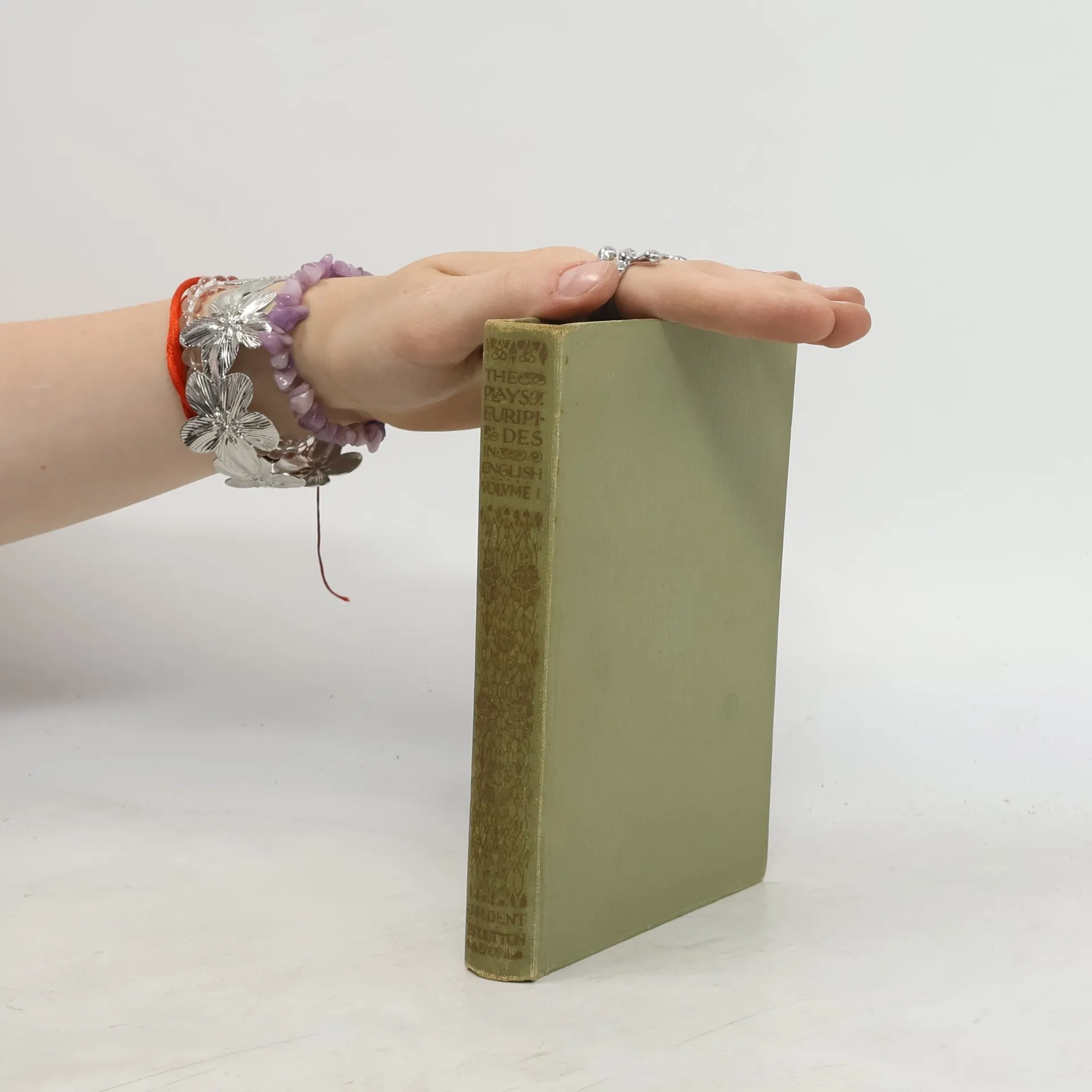
The Plays
Volume I
Euripides, an influential tragedian from classical Athens, is notable for having more complete plays survive than Aeschylus and Sophocles combined. While ancient sources attribute up to ninety-five plays to him, only eighteen or nineteen are largely intact, with many fragments of others. His work gained prominence during the Hellenistic Age, establishing him as a key figure in ancient literary education alongside Homer and Demosthenes. His unique contributions to drama and character development have left a lasting legacy in literature.
An epic novel featuring the Russian role in the Napoleonic wars and providing a complex panorama of the life of the time
Greek Tragedies 1 - Third Edition
- 328 Seiten
- 12 Lesestunden
Offers translations of Euripides' Medea, The Children of Heracles, Andromache, and Iphigenia among the Taurians, fragments of lost plays by Aeschylus, and the surviving portion of Sophocles' The Trackers. In this title, introductions for each play offer information about its first production, plot, and reception in antiquity and beyond.
Greek Tragedies 2
Aeschylus: The Libation Bearers; Sophocles: Electra; Euripides: Iphigenia Among The Taurians, Electra, The Trojan Women - Third Edition, Edited By Mark Griffith And Glenn W. Most
- 328 Seiten
- 12 Lesestunden
Offers translations of Euripides' Medea, The Children of Heracles, Andromache, and Iphigenia among the Taurians, fragments of lost plays by Aeschylus, and the surviving portion of Sophocles' The Trackers. In this title, introductions for each play offer information about its first production, plot, and reception in antiquity and beyond.
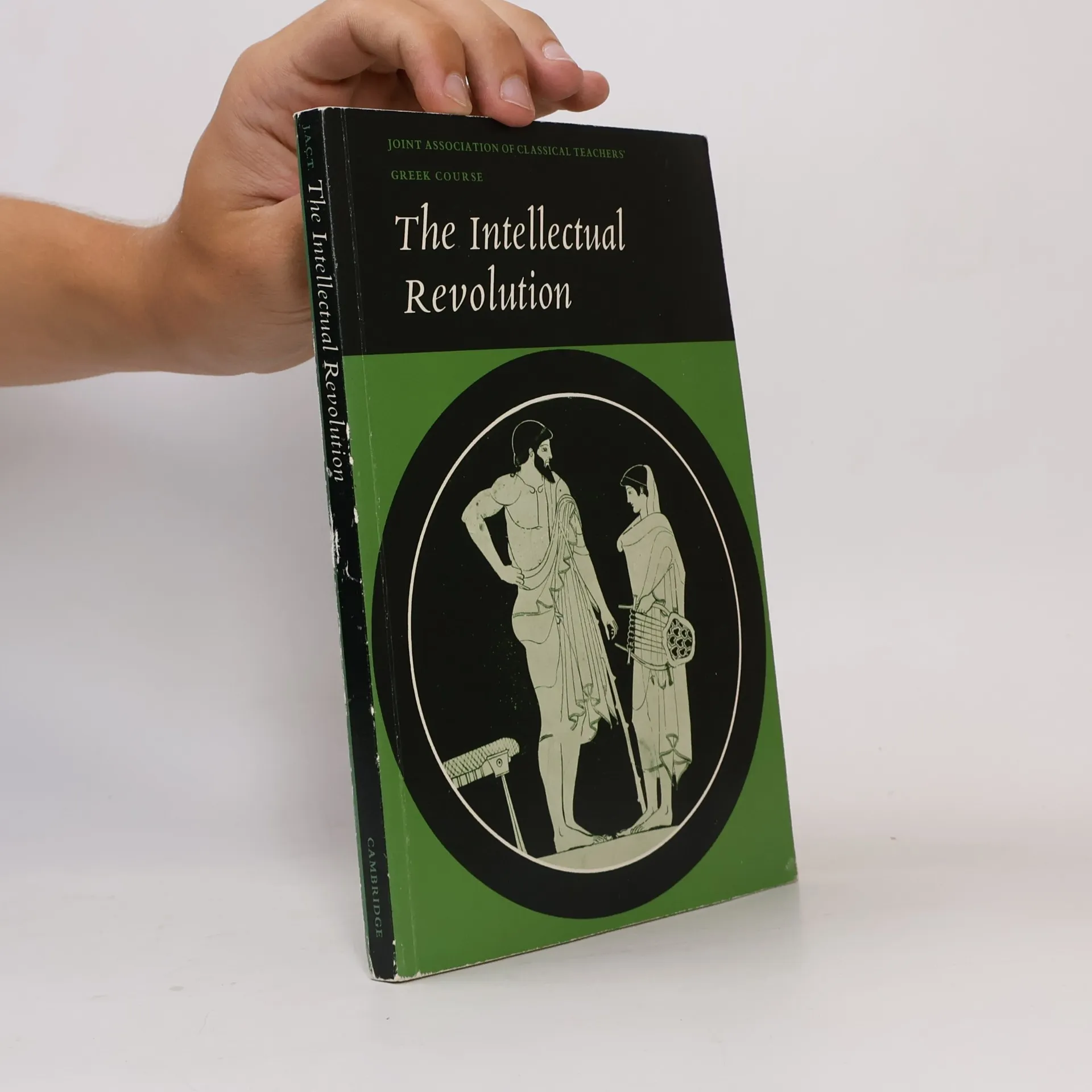
The Intellectual Revolution
- 172 Seiten
- 7 Lesestunden
Designed to take students from Reading Greek to wider reading.
Médea: „Z toho se tvoje srdce nikdy nevzpamatuje!“ (program)
- 129 Seiten
- 5 Lesestunden
Premiéra 27. dubna 2024 v Divadle Antonína Dvořáka. *** Jedna z nejslavnějších antických tragédií v novém překladu grécisty Matyáše Havrdy a spisovatele Petra Borkovce, který vznikl přímo pro naše divadlo. Snad žádná jiná postava v dějinách divadla nebudí tolik vášní jako ona! Médea – žena, která z lásky k Iásonovi zradila svého otce, zabila bratra a navždy opustila vlast. Následovala ho do Řecka a porodila mu dvě děti. Po pár letech ale musí uvolnit místo jiné ženě, mladší královské dceři. A tak se rozhodne pro pomstu, během které spáchá nejhorší čin, jakého se matka může dopustit… Co se stane, když lásku a věrnost nahradíme sobectvím a pragmatismem? Jaké strašné zápasy a oběti nás pak čekají? Médea přináší téma zrady a pomsty, ale i opuštění. Zážitek toho, že jsme byli zrazeni a opuštěni někým blízkým, nutně podkopává bezpečnost světa. Je vůbec možné někomu věřit? Eurípidés ve svém zpracování slavné báje zároveň zpochybňuje tradiční genderové role, zabývá se otázkou zla v nás i kolem nás a neschopností člověka mu trvale vzdorovat. Obsahuje též: Médea / Eurípidés v překladu P. Borkovce a M. Havrdy.
Due tragedie “forti”, in cui la presenza degli dèi ha ormai solo una funzione di immagine-simbolo di valori immanenti nella vita dell’uomo, come la forza dell’eros e l’ideale della purezza. La protagonista di Ippolito, Fedra, e ancor più Medea sono tra i personaggi più drammatici del teatro d’ogni tempo: la tragedia è tutta interiore, il conflitto è dentro l’animo delle due straordinarie figure femminili, nello scontro tra le ragioni del cuore e della passione e la lucidità delle risoluzioni estreme portate a compimento.
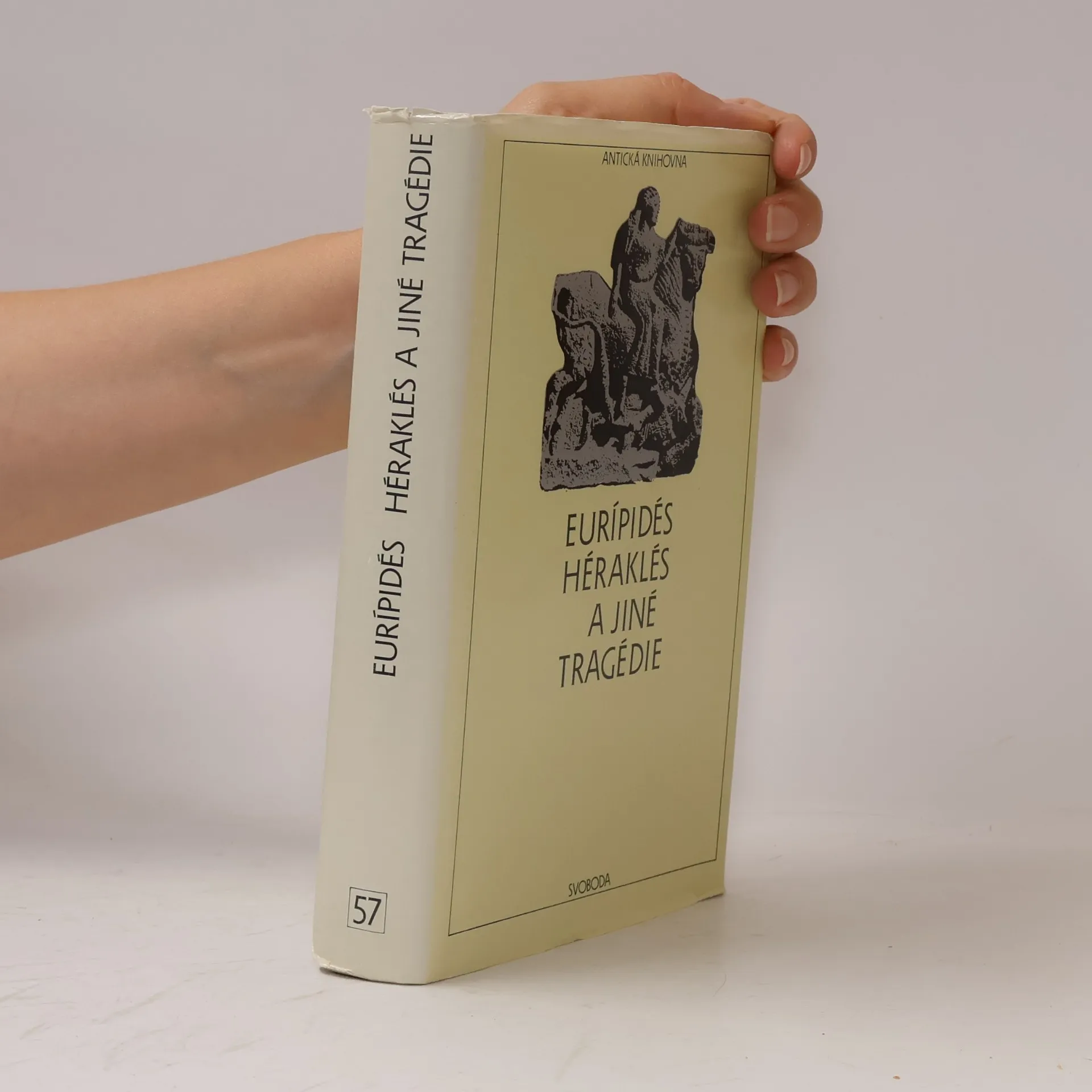
Třetí svazek Eurípidových tragédií uzavírá první úplné české vydání souboru všech zachovaných Eurípidových dramat. Vedle patriotické tragédie Hérakleovci, která ukazuje básníka v aktuální službě zápasům doby peloponnéské války, přináší i jediné úplně zachované satyrské drama Kyklóp, které je specifickým žánrem starého athénského jeviště, jakousi komickou tragédií. Několik dalších děl ovládá opět obraz velkých tragických ženských osudů. Zotročená a zahořklá Andromaché, ochotná dát vlastní život za dítě, velkolepá tragická postava královny Hekaby, bolestné matky, která se po tolika vraždách svých dětí změní v běsa pomsty, a nešťastná svobodná matka Kreúsa, která se v tragédii Ión z hoře a ponížení málem dopustí zločinu. K nim však přistupují i zcela originálně vidění mužští hrdinové, velkolepý starý Péleus (z tragédie Andromaché), půvabně mladistvý delfský chrámový sluha Ión, a především Héraklés, nejoblíbenější hrdina řeckého mýtu, v němž Eurípidés vytvořil své nové pojetí hrdinství. Konečně zahrnuje svazek nejstrmější a nejzáhadnější a snad poslední Eurípidovo dílo, Bakchantky, překypující básnickým žárem a svěží inspirací tohoto do posledních dnů života vášnivě hledajícího a experimentujícího básníka jeviště.
Garzanti i grandi libri: Andromaca-Troiane. Testo greco a fronte
- 190 Seiten
- 7 Lesestunden
In Euripide si afferma il tema della famiglia come ciclo e assistiamo alla caduta del'eroe maschile. Euripide invece dimostra cosa la donna può fare, nel bene e nel nei suooi impulsi di generosità, nella sua astuzia paziente, nella cupa violenza dei suoi sentimenti, nella sua forza distruttiva.
Tento svazek Antické knihovny, uvadějící překlady tragédií Alkéstis, Trójanky, Ífigeneia v Aulidě, Élektra, Orestés, k nimž je přiřazena Médeia, je reprezentační ukázkou hodnot, jimiž Eurípidés už v době svého života fascinoval diváky, provokoval jejich myšlenky, pobuřoval konzervativní zastánce starých tradic a navíc – aniž si toho byl vědom – psal kroniku myšlenkových svárů své doby.
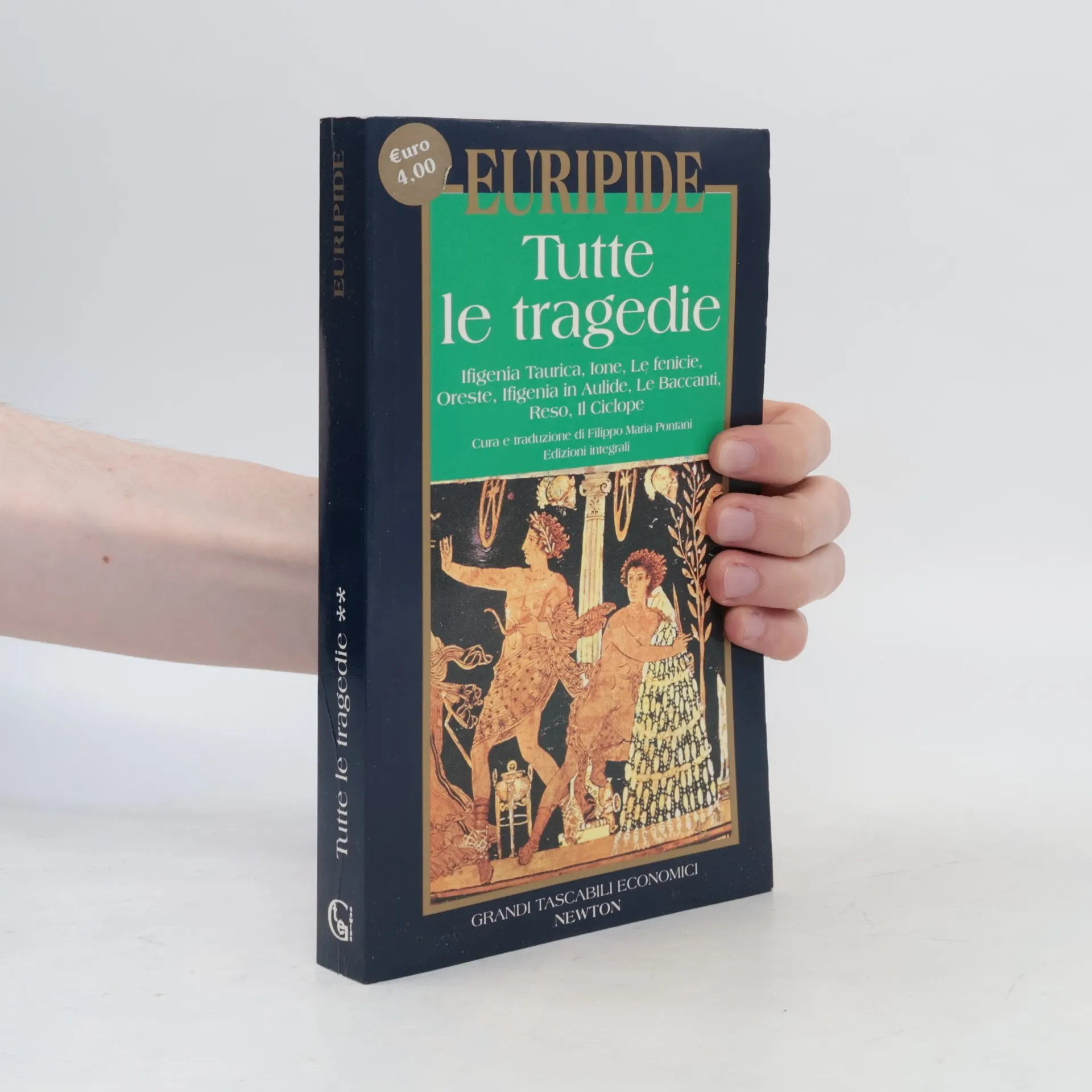
Tutte le tragedie
- 400 Seiten
- 14 Lesestunden
Immerso nella storia del suo tempo, il teatro di Euripide prende senso attraverso alcune folgoranti e reticenti intuizioni di Tucidide di cui, a sua volta, illumina, con tutte le diffrazioni di cui è capace, il non detto. Alimentata dell'immaginario custodito nei vari rami della tradizione e del patrimonio di saperi accumulati dall'epica e dall'etnografia, fino a Erodoto, la drammaturgia di Euripide non esita a scegliere le versioni piú peregrine, meno valorizzate nella cultura della città, e neppure a contraddire le versioni piú accreditate delle antiche storie, rivelando strane, sconcertanti consonanze con i miti minori, con i racconti che Socrate, sapendo e volendo stupire, risuscita nei dialoghi platonici. Ma, in particolare, la sigla di Euripide si coglie nel confronto costante, duro, profondo del suo teatro con quello eschileo che lo ha preceduto, accompagnando gli inizi della città. È il teatro della memoria teatrale quello di Euripide, consapevole della tradizione drammaturgica in cui si inscrive, della forza del teatro politico che continua a sopravvivere alla sua storia, che riempie ancora le scene dei suoi eroi, che ossessiona ancora il pubblico con il fantasma di Oreste, il matricida ingombrante della leggenda democratica.Dalla Nota introduttiva di Anna Beltrametti
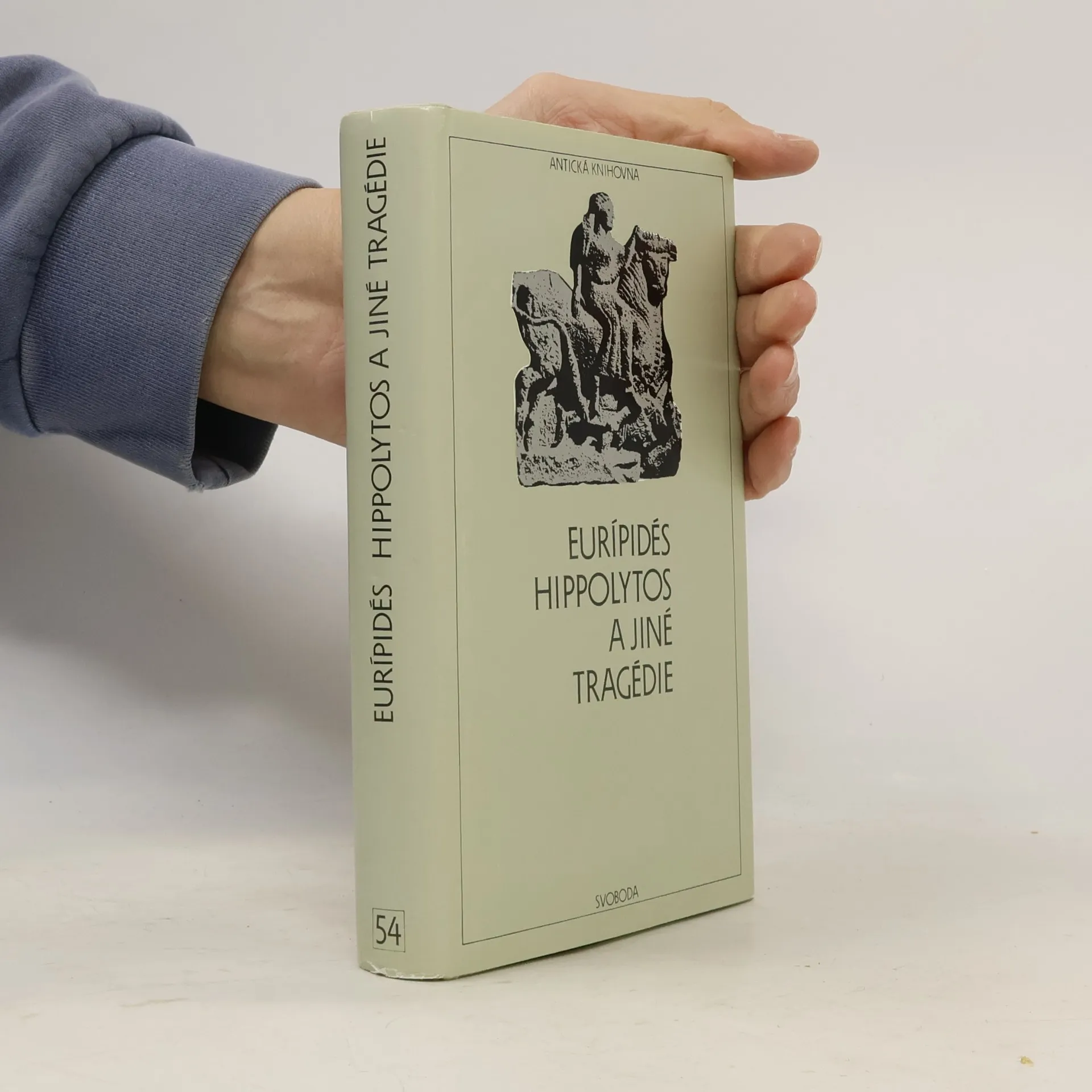
další svazek z díla slavného athénského dramatika 5. stol. př. n. l. přináší tragédie Hippolytos, Ífigeneia v Tauridě, Foiníčanky, Prosebnice, Helena a Rhésos. Děj Eurípidových tragédií čerpá tradičně z řecké mytologie, v jejím zpracování však autor projevuje značnou originalitu. Často si vybírá méně známé verze bájí, jako např. v tragédii Helena, jindy do známých bájí vkládá nové podstatné rysy. V dějovém rámci mytických příběhů zpravidla řeší aktuální společenské problémy své doby a vznešení hrdinové antických bájí se v jeho pojetím mění v prosté smrtelníky s jejich city, utrpením a vášněmi. Eurípidés, básník lidského jnitra, je představuje v kritických životních situacích a sugestivně vystihuje jejich složité psychické stavy...
"Insieme al successo arriva una reputazione di saggezza." Euripide (485 a.C. - 406 a.C.) è stato un drammaturgo greco antico.È considerato uno dei maggiori poeti tragici greci.
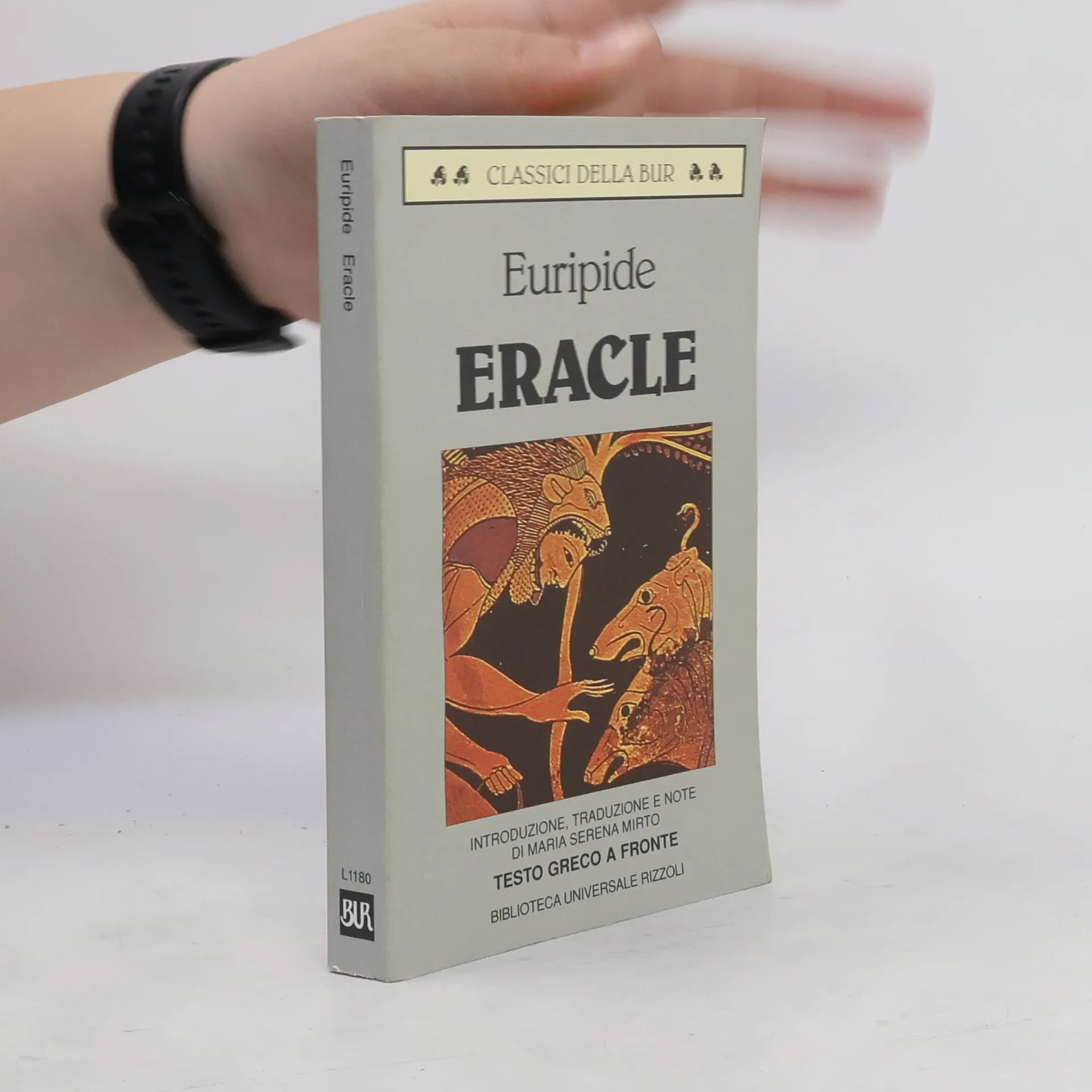
Eracle
- 285 Seiten
- 10 Lesestunden
Eracle, dopo aver compiuto le mirabili "fatiche" che l'hanno innalzato definitivamente al rango di eroe, torna a casa e la trova minacciata: l'usurpatore Lico in sua assenza si è fatto re a Tebe e si appresta a sterminare i suoi parenti. Eracle si prepara allo scontro, ma anziché salvare la famiglia, sarà lui stesso a trucidare la moglie e i figli, in preda a un inspiegabile furore. Cosa lo ha spinto a tanto? In questo sfaccettato dramma della follia, Euripide rivisita e sovverte il mito classico, interrogandosi sulla precarietà della condizione umana, tanto fragile e vulnerabile: la forza dell'uomo più forte è debolezza di fronte, se non agli dèi, cui Euripide non crede, al capriccio insondabile del destino. Dello stesso autore Bi Classici ha pubblicato, tra gli altri: Supplici, Medea, Ifigenia in Aulide, ALcesti, Oreste, Le Troiane e Reso. Traduzione di Ettore Romagnoli.
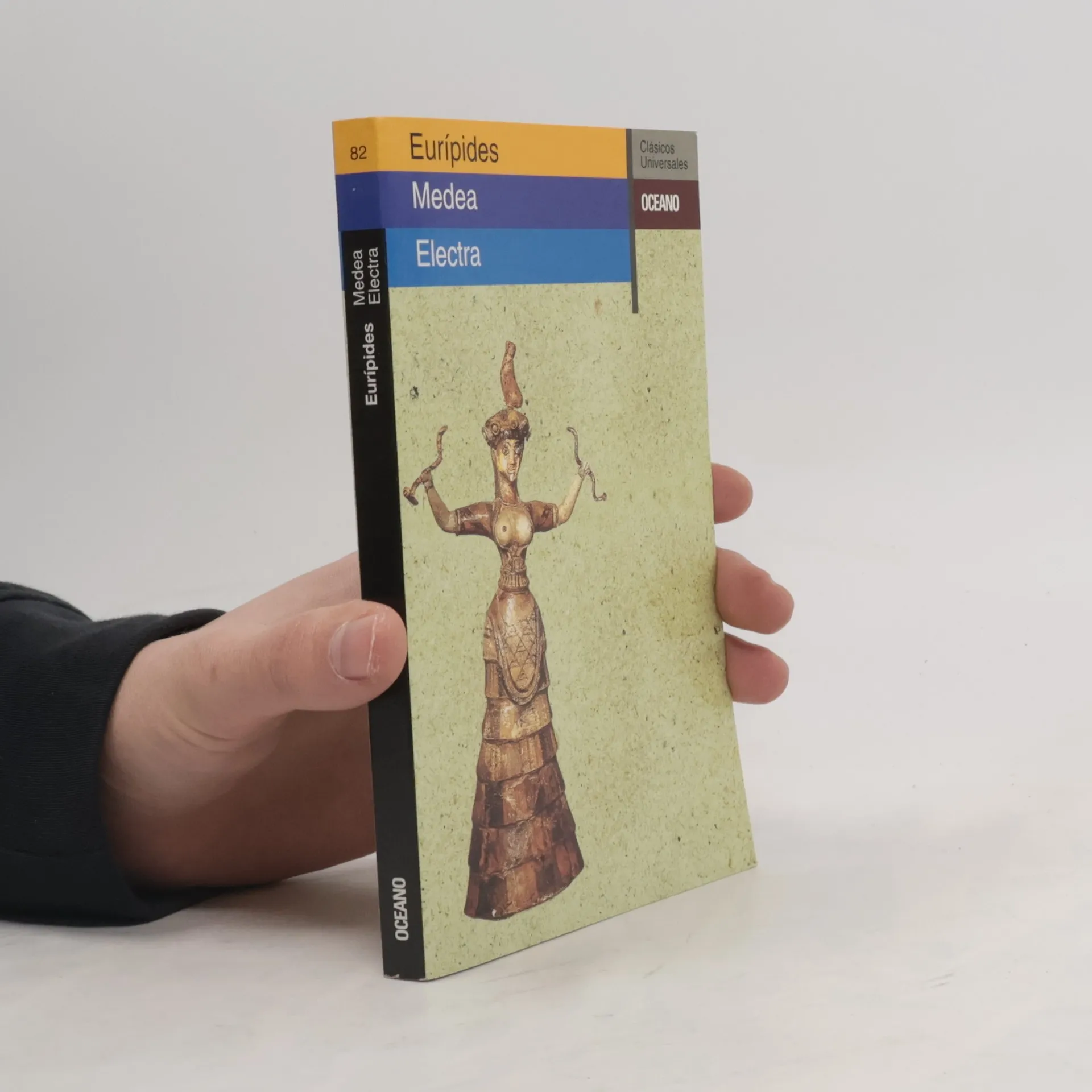
Medea / Electra
- 160 Seiten
- 6 Lesestunden
MAXnotes offer a fresh look at masterpieces of literature, presented in a lively and interesting fashion. Written by literary experts who currently teach the subject, MAXnotes will enhance your understanding and enjoyment of the work. MAXnotes are designed to stimulate independent thought about the literary work by raising various issues and thought-provoking ideas and questions. MAXnotes cover the essentials of what one should know about each work, including an overall summary, character lists, an explanation and discussion of the plot, the work's historical context, illustrations to convey the mood of the work, and a biography of the author. Each chapter is individually summarized and analyzed, and has study questions and answers.