Jean Genet
- 878 Seiten
- 31 Lesestunden
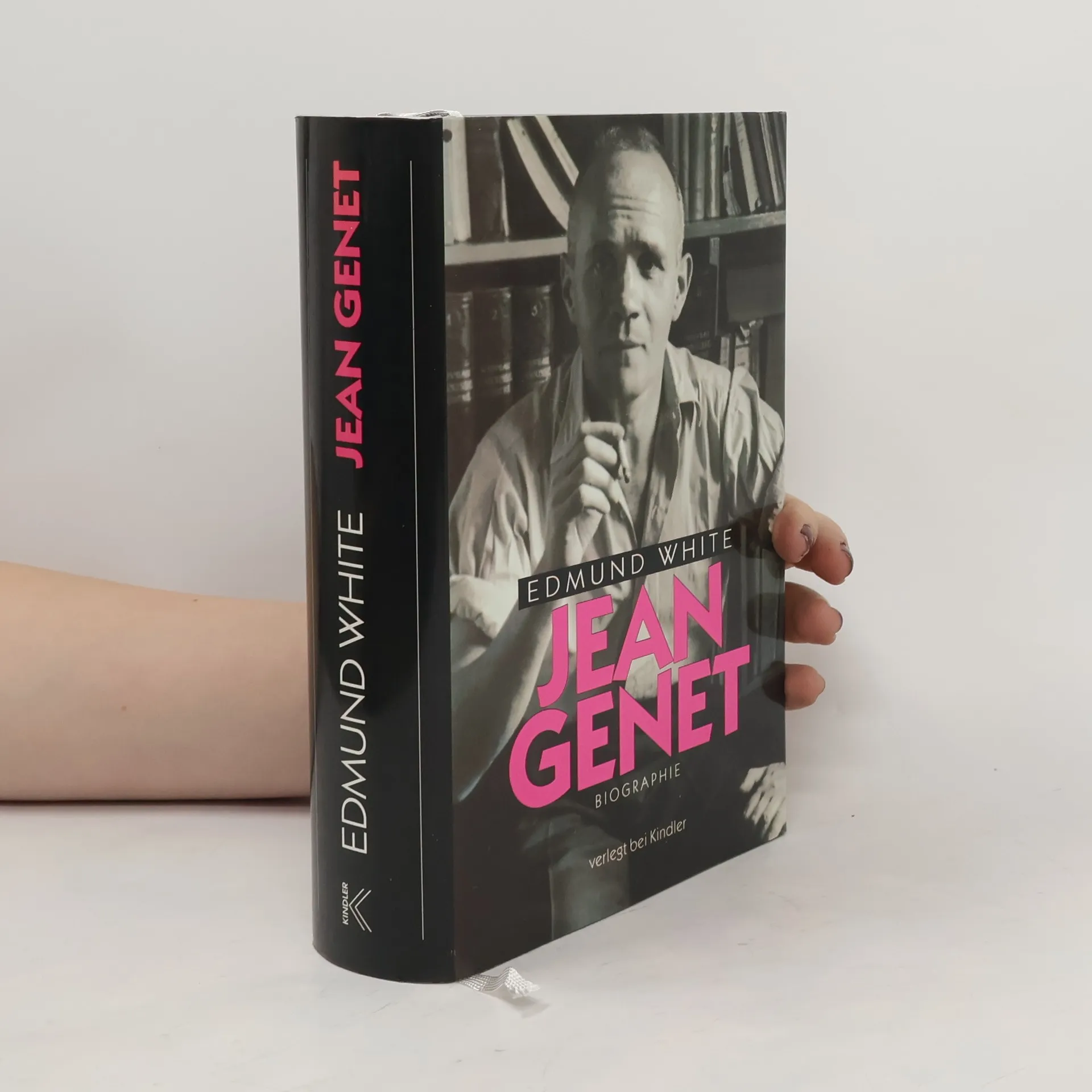
Der Autor schildert Leben und Werk des wohl größten französischen Dichters und Genies des 20. Jahrhunderts ..


Edmund White taucht ein in die Komplexitäten von Identität und Sexualität, oft durch intime Erkundungen des Innenlebens seiner Charaktere. Sein Schreiben zeichnet sich durch tiefgründige psychologische Einsichten und einen lyrischen Prosa-Stil aus, der die feinen Nuancen menschlicher Erfahrung einfängt. White konzentriert sich auf Themen wie Liebe, Verlangen und die Suche nach Sinn in der modernen Welt, und seine Werke bieten durchdringende Beobachtungen zu den sozialen und persönlichen Herausforderungen, denen sich seine Protagonisten stellen müssen. Seine literarische Bedeutung liegt in seiner mutigen und aufrichtigen Auseinandersetzung mit bisher tabuisierten Themen, wodurch er kontinuierlich die Grenzen der erzählerischen Fiktion erweitert.



Der Autor schildert Leben und Werk des wohl größten französischen Dichters und Genies des 20. Jahrhunderts ..
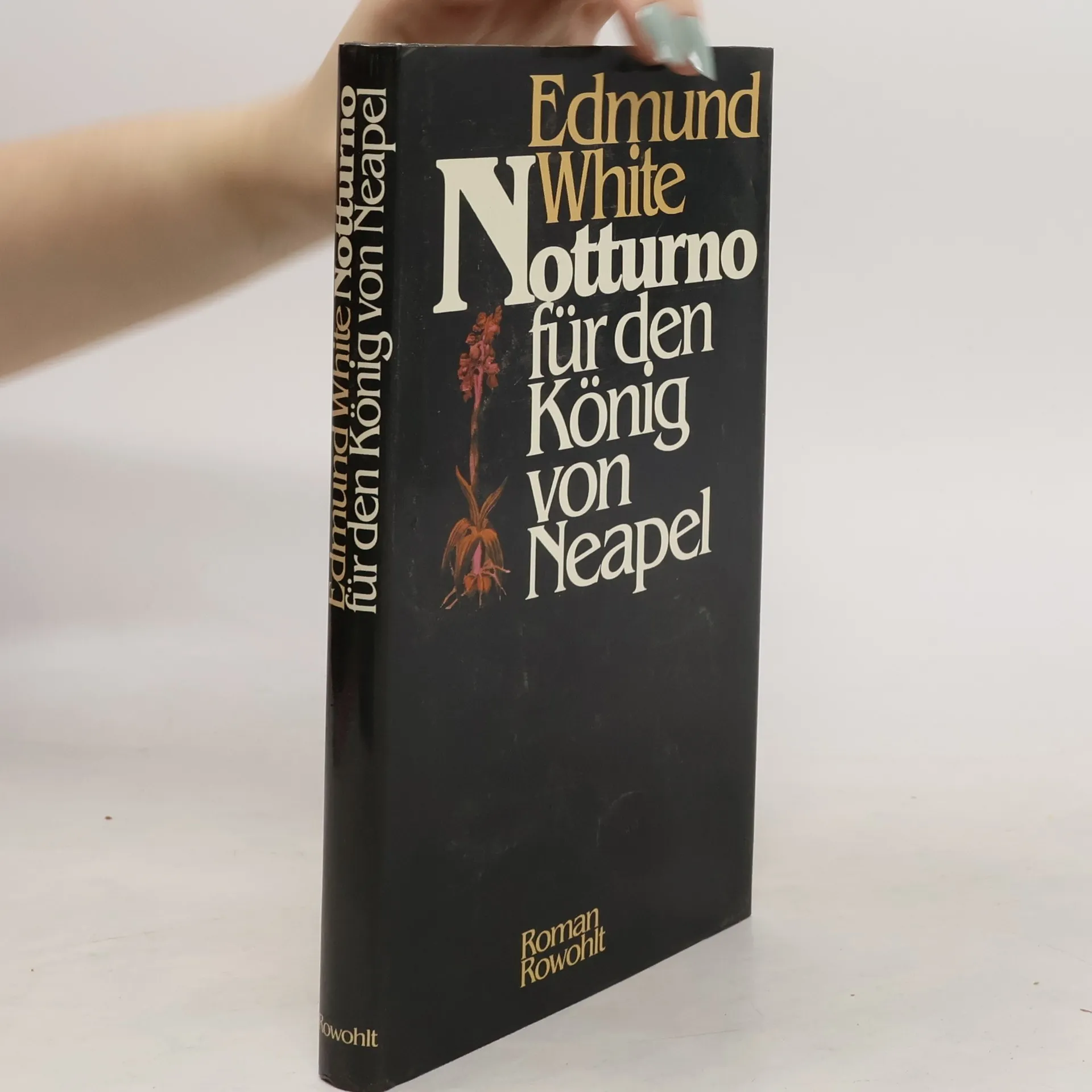
A hauntingly beautiful evocation of lost love, Noctunes for the King of Naples has all the startling, almost embarrassing, intimacy of a stranger's love letters. The intense emotional situation envelops the readers from the first page; like all images in a dream, White's characters are the most real people we know, thought they remain phantoms. Each chapter, each nocturne, is set in a different emotional key, but all are interconnected through such subtle modulations that the final effect is devastating.
Mit feiner Ironie, doch voll menschlicher Anteilnahme läßt Edmund White, der vielgepriesene Chronist schwulen Lebens, in seinen Stories mit nur wenigen Strichen Menschen, Landschaften und Milieus lebendig werden.
Der letzte Band von Edmund Whites autobiografischer Trilogie setzt die Erforschung von Identität, Sexualität und persönlicher Geschichte fort. Aufbauend auf den Themen seiner vorherigen Werke, dringt er tiefer in die Komplexität der Erfahrungen und Beziehungen des Autors ein. Dieser Teil verspricht, eine tiefgründige und intime Reflexion über sein Leben zu bieten, die die in den früheren Büchern etablierte Erzählung bereichert und den Lesern einen fesselnden Abschluss seiner Geschichte bietet.
Mein Leben in New York
In den Sechzigern und Siebzigern war New York eine gefährliche, chaotische und turbulente Stadt. Es war die Stadt von William Burroughs, Susan Sontag, Robert Mapplethorpe – und Edmund White. Mit schonungsloser Offenheit, mit Witz und Eleganz beschreibt White in seinen Erinnerungen das Leben der Bohème dieser bewegten Jahre an einem Ort, an dem alles möglich schien. City Boy beschwört die lebendige Künstler- und Intellektuellenszene und die berauschende Atmosphäre New Yorks mit beeindruckender Klarheit, Brillanz und einem unvergleichlichen Gespür für den Augenblick.
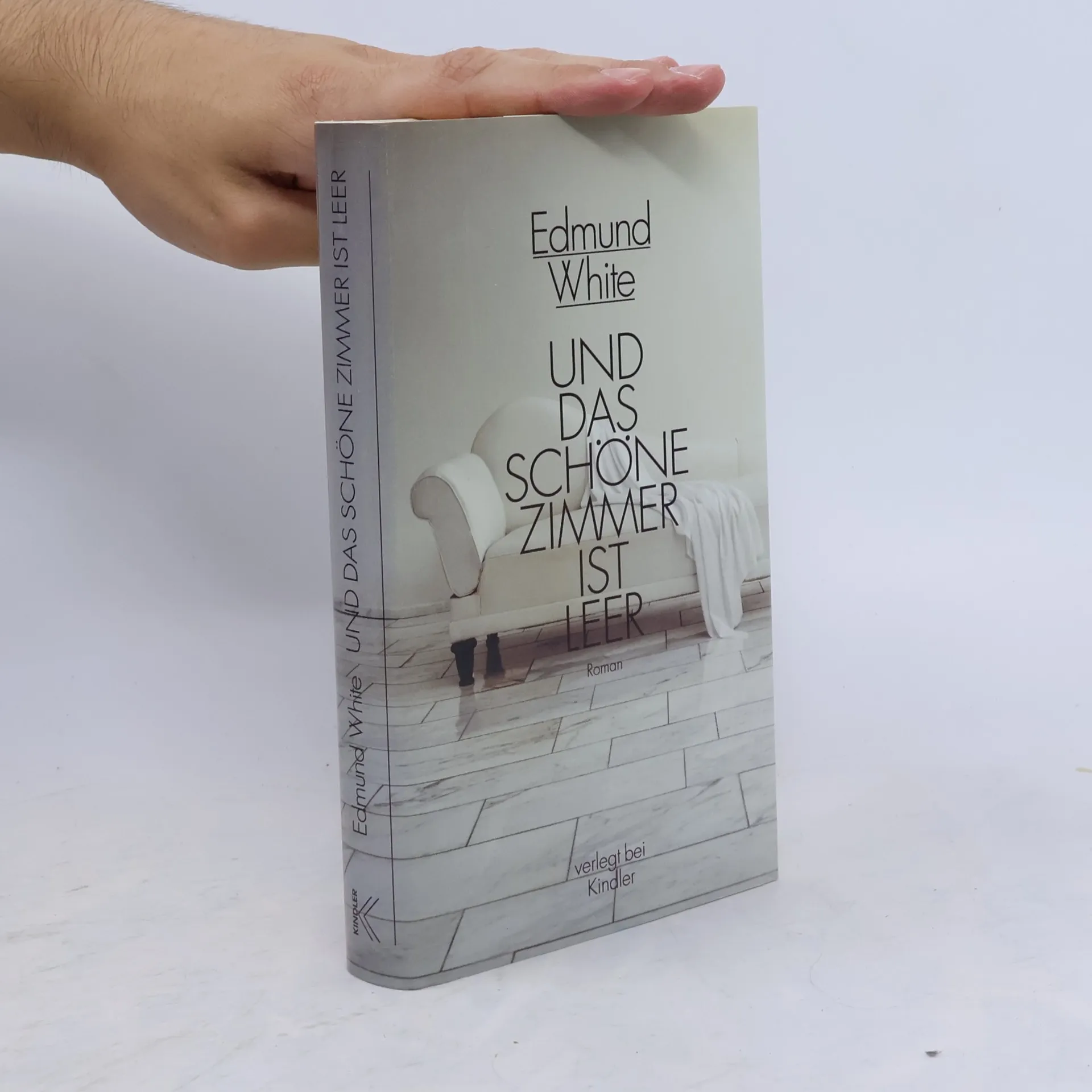
Mit Und das schöne Zimmer ist leer schrieb Edmund White die Fortsetzung von seinem autobiografi schen Bestseller Selbstbildnis eine Jünglings. Whites poetisches Gespür für Sprache, seine oft überraschenden, ausdrucksstarken Bilder machen auch dieses Buch zu einem Leseerlebnis mit erstaunlichem Sog. Mittlerweile ist die Hauptfigur Student; die eigene Homosexualität ist nicht mehr nur eine abstrakte Sehnsucht, sondern beginnt sein Denken und Handeln zu dominieren. Auch wenn Abweichungen von der Norm in den uSA der frühen 60er kaum geduldet sind, erkennt er bald, dass es überall Leute wie ihn gibt. zwischen Wagemut und verzweifl ung beginnt eine Auseinandersetzung mit der eigenen Person, mit den Wünschen und Ängsten, die ihn hemmen und antreiben zugleich.
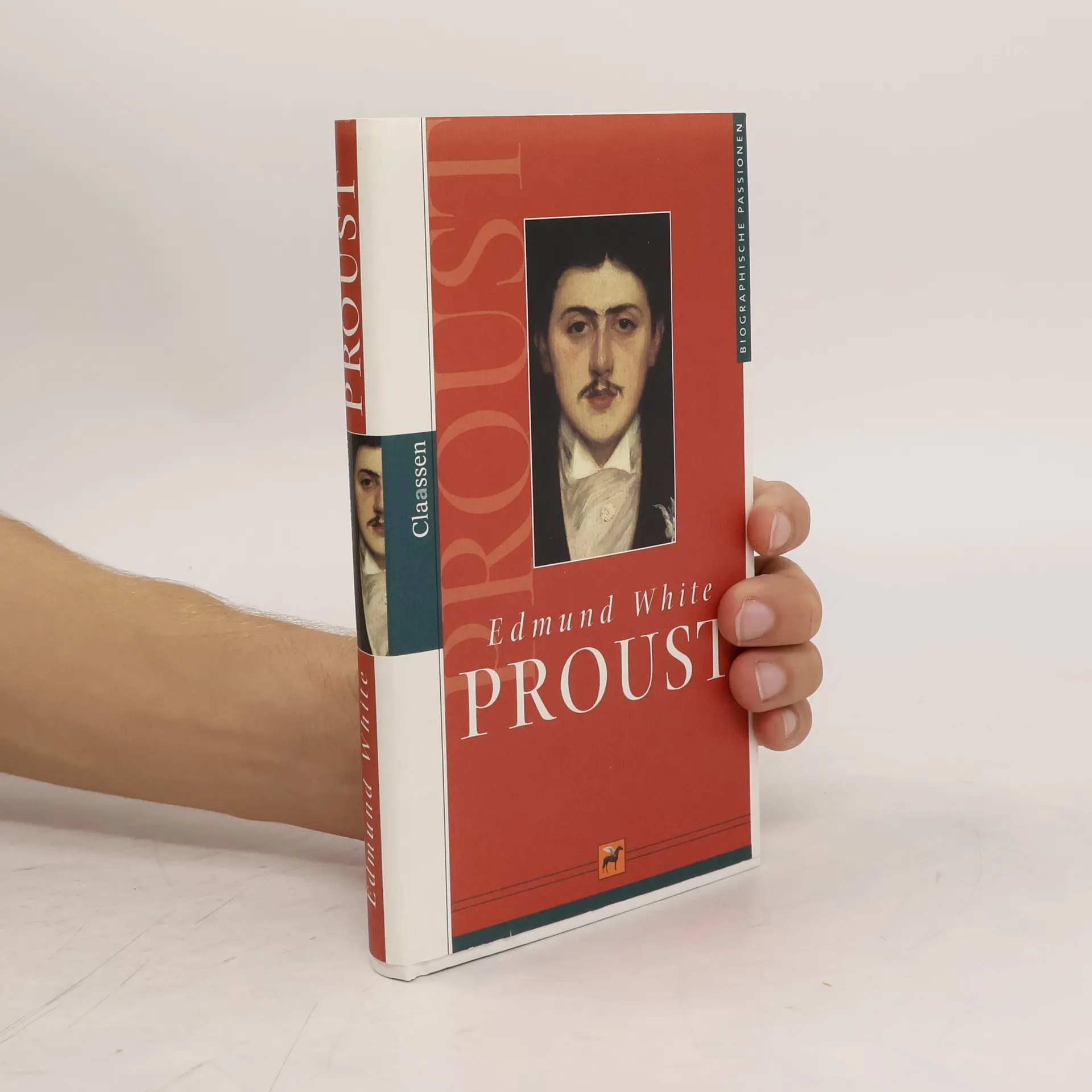
Alle großen Denker beschäftigten sich mit Proust. Samuel Beckett schrieb ein prägnantes Studium über ihn, und auch Walter Benjamin sowie José Ortega y Gasset widmeten ihm Aufmerksamkeit. Ortega hebt in einem Essay hervor, dass Proust eine neue Nähe zwischen uns und den Dingen erfand, im Gegensatz zur früheren Literatur, die eine Vogelperspektive hatte. In Frankreich analysierten unter anderem Gérard Genette, Julia Kristeva und Roland Barthes sein Werk. Barthes stellt in einem kurzen Essay fest, dass Proust 1909 von einem inkompetenten Schriftsteller zu einem großen Romanautor wurde, indem er vier entscheidende Entdeckungen machte. Erstens entwickelte er eine Erzählweise in der ersten Person, die Autor, Erzähler und Protagonisten kohärent verband. Zweitens wählte er suggestive Namen für seine Figuren. Drittens entschied er sich für ein vielschichtiges Denken, was seiner Geschichte größere Dimensionen verlieh. Schließlich entdeckte er das romanhafte Gefühl des Wachsens und Wiederholens, inspiriert von Balzacs Erfindung, die dieselben Figuren in verschiedenen Romanen hielt.
Erinnerungen
Edmund White erkundet offen seine Erfahrungen als schwuler Mann in der Mitte Amerikas und bietet einen ehrlichen und fesselnden Bericht über sein Leben. Er geht über die Fiktion hinaus und präsentiert die Realitäten seiner Reise, indem er seine Leidenschaften, Beziehungen und die Komplexität seiner Identität teilt. Durch persönliche Anekdoten zeichnet er ein lebendiges Porträt seiner Lieben und Wünsche und offenbart die Nuancen seines Daseins mit sowohl Ehrlichkeit als auch Charme.
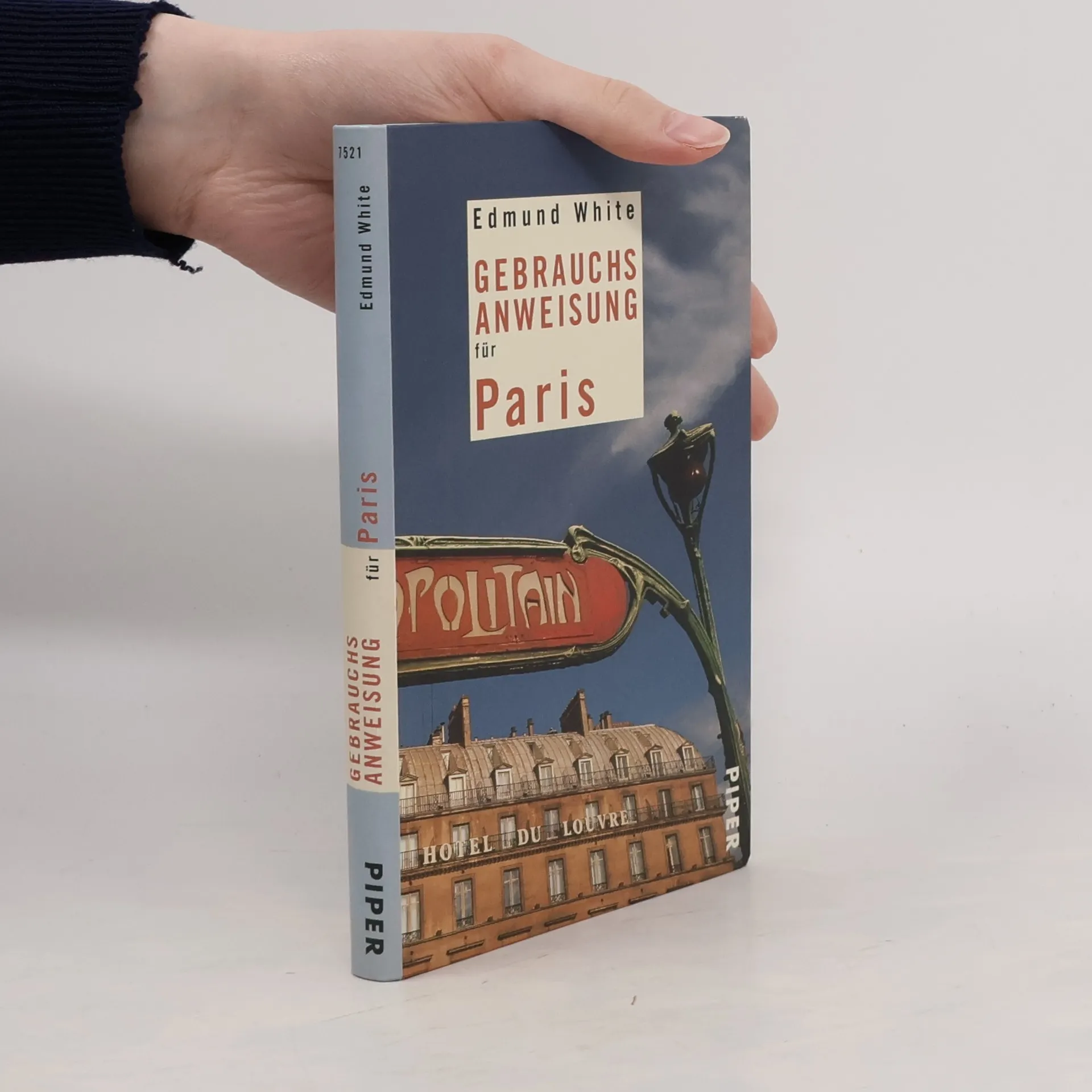
Paris ist mehr als Sacré-Coeur und Pont Neuf. Der große amerikanische Schriftsteller Edmund White flaniert an der Rive Gauche entlang, zu den Cafés von St. Germain und den unentdeckten Plätzen und originellen Boutiquen im Marais. Ein Wegweiser durch das andere Paris.§Von Montparnasse bis zum Montmartre, vom Triumphbogen bis zur Bastille lädt Edmund White den Leser zu einem Spaziergang durch elegante Parks, über lebhafte Boulevards und in verträumte Gäßchen ein. White folgt den Spuren großer Pariser Flaneure wie Baudelaire, Hemingway und Rilke und zeigt das Gesicht der Seinemetrople zwischen der Boheme von gestern und dem dynamischen Lebensgefühl von heute. Dem sprichwörtlichen Charme von Paris begegnet White auf Spaziergängen durch die Tuilerien, auf dem Trödelmarkt von Porte Clignancourt und im arabischen Flair von Belleville. Seine Impressionen sind so verführerisch wie ihr Thema - die Stadt der Liebe. "Ein erfrischender Blick auf die Gegensätze von Paris." The Guardian
Edmund White berichtet aus dem Leben eines Jungen, der seine Andersartigkeit fühlt, erkundet und versucht, sie zu verdrängen – oder zumindest zu kontrollieren. Autobiografische und fiktive Elemente sind ineinandergewoben; die nüchterne Weltsicht eines intelligenten Jungen, der selbst seinen imaginären Freunden mit Zurückhaltung begegnet, steht im Kontrast zu seiner Sehnsucht nach einem Leben, in dem er Bewunderung und Liebe findet. Die Ohnmacht, die er immer wieder spürt, weckt in ihm den Wunsch, Macht über einen Mann auszuüben, so wie es der gleichaltrige Tadzio in Thomas Manns Der Tod in Venedig tut. Edmund Whites Erzählung ist ebenso schillernd wie klug. Aus brillanten Nahaufnahmen fügt er ein erstaunliches, bewegendes und oft auch witziges Ganzes zusammen. Das Erstaunliche daran: Wie zeitlos seine Geschichte ist, wie wenig sich für uns in all den Jahren geändert hat – und wie sehr wir uns wiedererkennen können in diesem Selbstbildnis.
Guy hat es geschafft: Aus der Armut der französischen Provinz hat er den Olymp der Modewelt im New York der Achtziger erklommen. Reihenweise erliegen die Männer seiner Schönheit, die ihn im Sommer zur größten Attraktion Fire Islands macht. Wie ein moderner Dorian Grey scheint er niemals zu altern und wird von älteren Verehrern mit Geschenken überhäuft -- bis ihn die Zeit schließlich einholt und sein Leben für immer verändert. In seinem eleganten wie geistreichen Roman schwelgt Edmund White in der Magie der Schönheit, um im nächsten Moment ihre Oberfläche zu durchdringen und ihre Macht zu ergründen -- die Macht, zu faszinieren, zu täuschen, zu beherrschen.
Das Finanzsystem steckt in einer schweren Krise, während eine führende Weltmacht feindliche Kämpfer auf einer abgelegenen Insel foltert und viele, vor allem arme Menschen, an einer gefährlichen Geschlechtskrankheit sterben. Literarisch talentierte Autoren sind unbekannt und leben in bitterer Armut, da Verlage sich weigern, Bücher über Homosexualität zu veröffentlichen. In diesem Kontext spielt der Roman im New York des Jahres 1900 und beschreibt die letzten fiktiven Tage des realen Autors Stephen Crane, einer Art „James Dean“ der amerikanischen Literatur des späten 19. Jahrhunderts. Crane trifft den kleinen Stricher Elliott, gibt ihm zu essen und die beiden lernen sich kennen. Angesichts seines bevorstehenden Todes wagt Crane einige Jahre später, das Leben des Straßenjungen literarisch zu verarbeiten, obwohl er weiß, dass ein solches Buch im prüden Amerika niemals erscheinen wird. Der Autor kombiniert geschickt reale Fakten mit literarischer Fantasie. Elliott führt die Leser durch die homosexuelle Unterwelt New Yorks zur Jahrhundertwende, während Crane im Exil Berühmtheiten wie Henry James und Joseph Conrad empfängt, die ebenfalls mittellos sind. Mit der Liebesgeschichte zwischen Elliott und Crane erzählt der Autor von den feindlichen Umständen, gegen die sich ihre Beziehung behaupten muss. „Ein sinnliches, großes, ganz und gar wunderbares Buch“ (Blu).
Verder in dit nummer: Rudi Molacek, Adrian Schiess, Rachel Whiteread.
Die Frühzeit des Menschen
The art of Mel Odom is an original synthesis of the Art Nouveau with a sensual modern fantasy twist.
Far from merely paying respect to a man proclaimed as one of the key figures of twentieth-century American literary and cultural history, this volume provocatively recreates the impassioned voice of Ginsberg as man, poet, revolutionary and political activist. Always witty and engaging, this collection of interviews from throughout Ginsberg's career reveals his attitudes towards poetry and drugs, his literary influences and personal relationships.
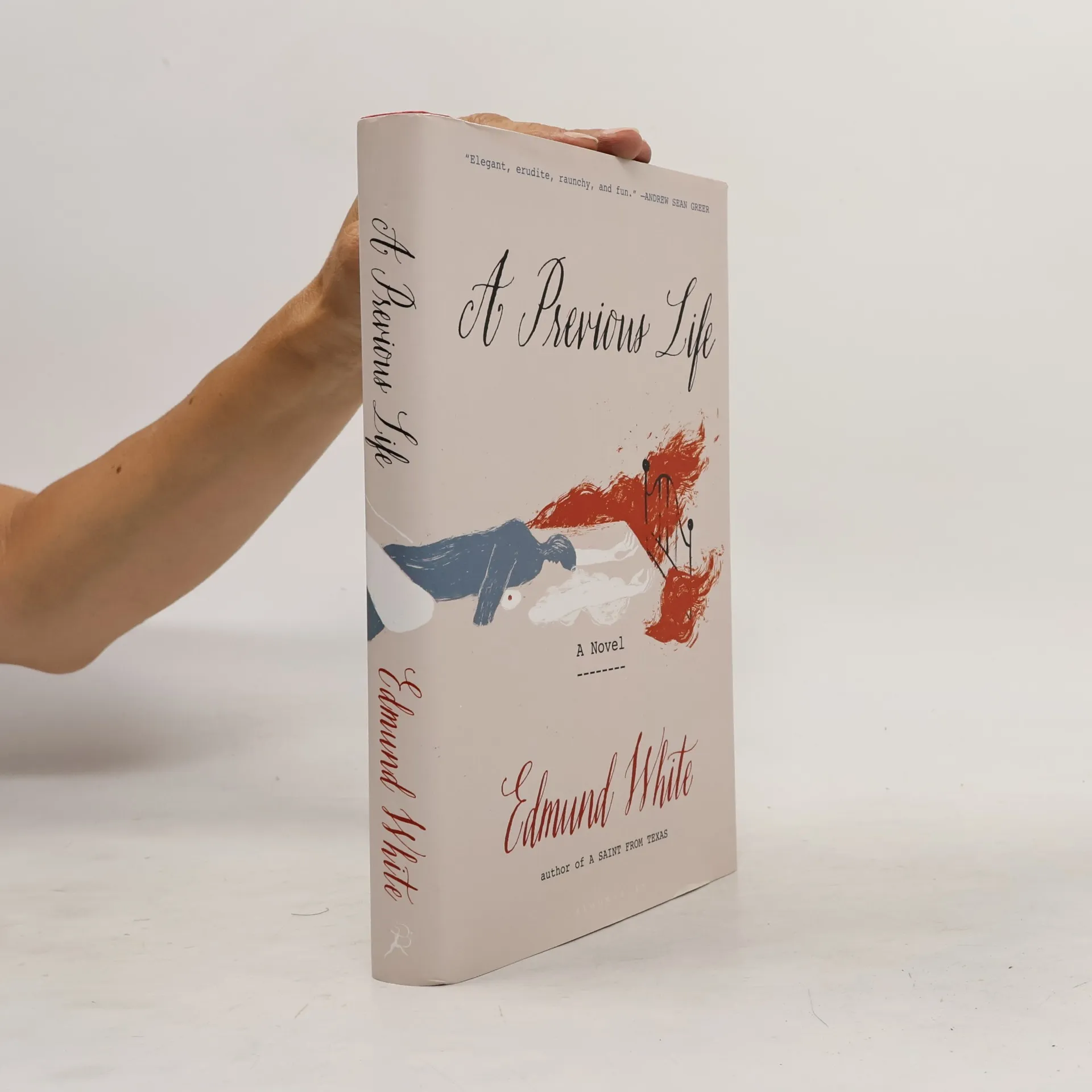
From Edmund White, a bold and sweeping new novel that traces the extraordinary fates of twin sisters, one destined for Parisian nobility and the other for Catholic sainthood. Yvette and Yvonne Crawford are twin sisters, born on a humble patch of East Texas prairie but bound for far grander fates. Just as an untold fortune of oil lies beneath their daddy's land, both girls harbor their own secrets and dreams-ones that will carry them far from Texas and from each other. As the decades unfold, Yvonne will ascend the highest ranks of Parisian society as Yvette gives herself to a lifetime of worship and service in the streets of Jericó, Colombia. And yet, even as they remake themselves in their radically different lives, the twins find that the bonds of family and the past are unbreakable. Spanning the 1950s to the recent past, Edmund White's marvelous novel serves up an immensely pleasurable epic of two Texas women as their lives traverse varied worlds: the swaggering opulence of the Dallas nouveau riche, the airless pretention of the Paris gratin, and the strict piety of a Colombian convent. For nearly half a century, Edmund White's work has revitalized American literature, blithely breaking down boundaries of class and sexuality, and A Saint in Texas is one of his most joyous, gorgeously written, and piercing works to date.
States of Desire Revisited looks back from the twenty-first century at a pivotal moment in the late 1970s: Gay Liberation was a new and flourishing movement of creative culture, political activism, and sexual freedom, just before the 1980s devastation of AIDS. Edmund White traveled America, recording impressions of gay individuals and communities that remain perceptive and captivating today. He noted politicos in D.C. working the system, in-fighting radicals in New York and San Francisco, butch guys in Houston and self-loathing but courteous gentlemen in Memphis, the "Fifties in Deep Freeze" in Kansas City, progressive thinkers with conservative style in Minneapolis and Portland, wealth and beauty in Los Angeles, and, in Santa Fe, a desert retreat for older gays and lesbians since the 1920s. White frames those past travels with a brief, bracing review of gay America since the 1970s ("now we were all supposed to settle down with a partner in the suburbs and adopt a Korean daughter"), and a reflection on how Internet culture has diminished unique gay places and scenes but brought isolated individuals into a global GLBTQ community.
What happens when one of our most celebrated writers combines talents with a French artist and architect to capture life in their Parisian neighborhood? The result is a lighthearted, gently satiric portrait of the heart of Paris -- including the Marais, Les Halles, the two islands in the Seine, and the Châtelet -- and the people who call it home. It is an enchantingly varied world, populated not only by dazzling literati and ultrachic couturiers and art dealers but also by poetic shopkeepers, grandmotherly prostitutes, and, ever underfoot, an irrepressible basset hound named Fred. The foibles and eccentricities of these sometimes outrageous, always memorable individuals are brought to life with unfailing wit and affection.Below the surface of the sparkling humor in Our Paris, there is a tragic undercurrent. While Hubert Sorin was completing this work, he was nearing the end of his struggle with AIDS. The book is a tribute to the loving spirit with which the authors banished somberness and celebrated the pleasures of their life together.
The two early novels of Edmund White, author of A Boy's Own Story. This is the first time that Forgetting Elena has been published in Britain.
'Elegant, filthy – and quite possibly the queerest thing you will read all year.' - Guardian 'Intriguing and inventive.' - Electric Literature, "Most Anticipated LGBTQ+ Book of the Year" 'A dizzyingly enticing and kaleidoscopic take on the spectrum of sexual experiences.' - Publishers Weekly, starred review A daring and ruthlessly funny novel from National Book Award honored author Edmund White that explores polyamory, bisexuality, aging, and love. Ruggero, a Sicilian aristocrat and musician, and his younger American wife, Constance, decide to break their marital silence by writing their Confessions. They had previously avoided discussing the past, as transparency had disrupted their earlier marriages. As they alternate reading their memoirs, Constance reveals her multiple marriages to older men, while Ruggero recounts his affairs with both men and women, notably his passionate relationship with White. Set against the backdrop of a Swiss ski chalet, the narrative expands across Europe and the United States, challenging conventional understandings of sexual orientation. White blends humor and truth to create his most complex characters yet, offering a searing exploration of physical beauty and its decline. In this experimental mode, where the author appears as a secondary character, themes of love and age are examined through various perspectives. Delightful, irreverent, and innovative, this work reaffirms White's status as a
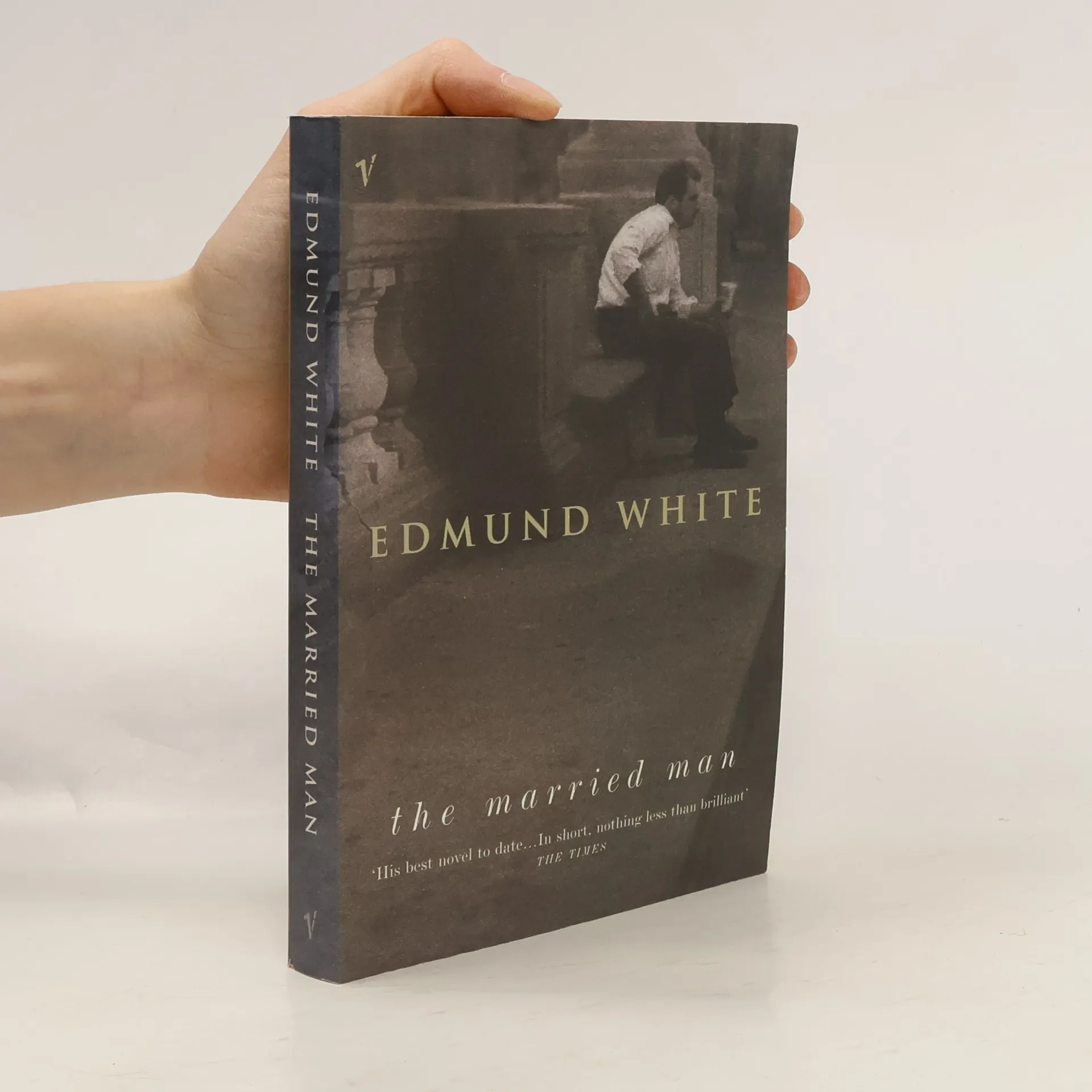
'Poignant and challenging...A love story, yet with an ambition and sweep that make it much more than that...subtle, complex, unsparing and profound' Daily Telegraph Austin Smith, a middle aged American, works out in a Paris gym - an ordinary day, except that he catches the eye of a stranger, Julien, a young French architect with a gleam in his eye. To Austin's amused astonishment, life takes on the colour of romance. As they dash between Bohemian suppers and glittering salons, they deal with comic clashes of cultures, of ages, of temperaments. But there is sadness in Julien's past and a grim cloud on the horizon. Soon, with increasing desperation, their quest for health and happiness drives them to Rome, Venice, Key West, Montreal and Providence - landscapes soaked with feeling which lead, in the end to the bleak, baking sands of the Sahara where their love is pushed to its ultimate crisis.
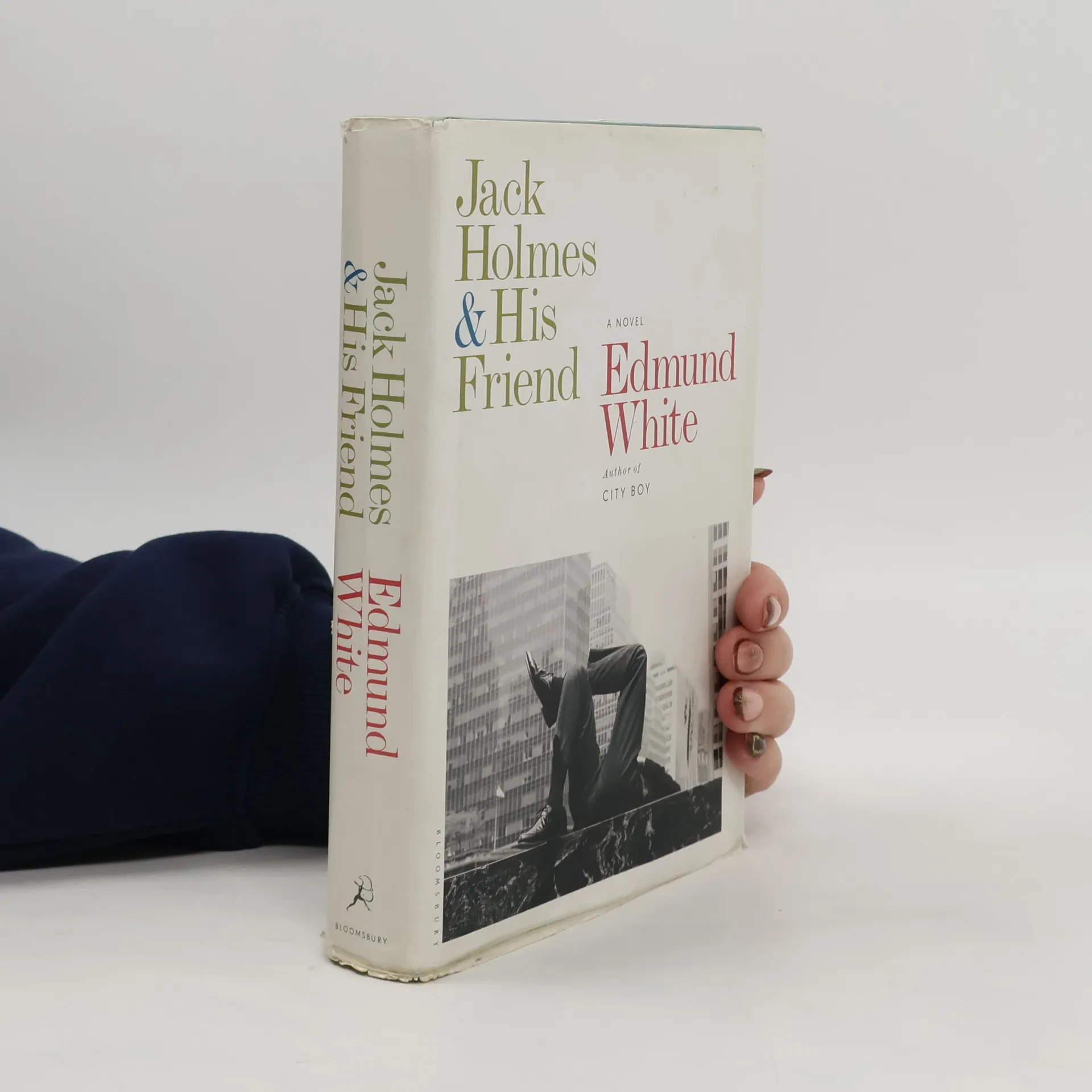
Jack Holmes and Will Wright arrive in New York in the calm before the storm of the 1960s. Coworkers at a cultural journal, they soon become good friends. Jack even introduces Will to the woman he will marry. But their friendship is complicated: Jack is also in love with Will. Troubled by his subversive longings, Jack sees a psychiatrist and dates a few women, while also pursuing short-lived liaisons with other men. But in the two decades of their friendship, from the first stirrings of gay liberation through the catastrophe of AIDS, Jack remains devoted to Will. And as Will embraces his heterosexual sensuality, nearly destroying his marriage, the two men share a newfound libertinism in a city that is itself embracing its freedom. Moving among beautifully delineated characters in a variety of social milieus, Edmund White brings narrative daring and an exquisite sense of life's submerged drama to this masterful exploration of friendship, sexuality, and sensibility during a watershed moment in history.
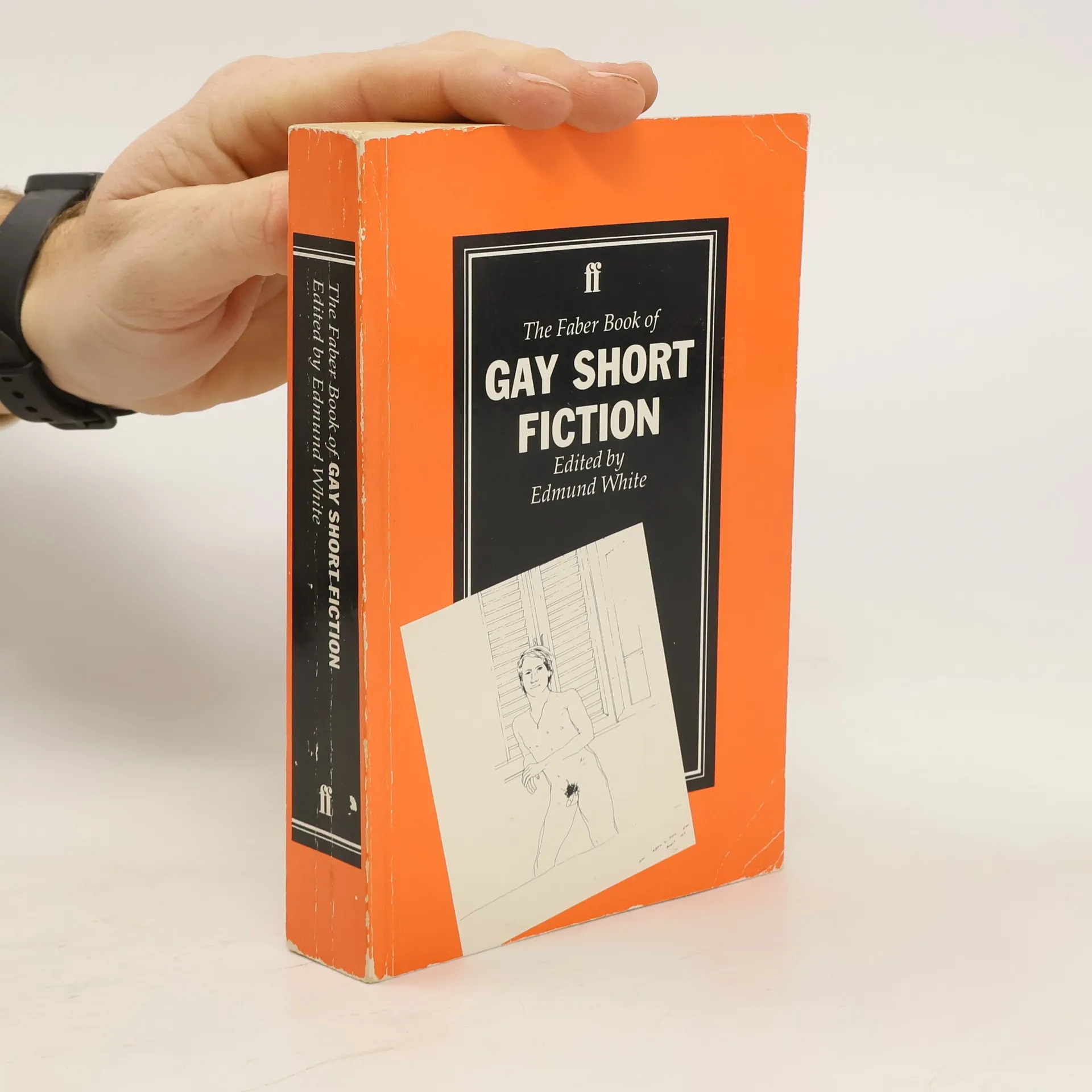
What happens when a life implodes? When a respected older man, a product of the liberated 1970s, is incapable of cleaning up his act for the twenty-first century? When he pursues sex with a rabidity his body and his reputation can no longer sustain? In this collection, which features two new, previously unpublished stories, Edmund White explores different aspects of ageing, romance and sex. Taking an unsparing look at gay midlife, these stories are not fiction devoted to the dim splendours and miseries of the past but rather to the unsettling, irresistible claims of the present. Age remains one of the great taboos of gay culture, but Edmund White, as iconcolastic as ever, writes about maturity with the same precision and insight he brought to adolescence in A Boy's Own Story. Edmund White has always been the ideal travelling companion, as he demonstrated in The Flaneur, here, he invites the reader to accompany him to Florida, the Greek Isles, and Turkey - and into the chaotic gay demimonde of contemporary New York.
______________ 'I find it impossible to imagine anyone better read than White ... Wisdom and a certain kind of tenderness are to be found on every page' - Observer 'One of the great prose stylists of our time ... There are few paragraphs that pass by without an illuminating, wise or funny comment' - Tim Smith-Laing, Daily Telegraph 'A rallying cry for the pleasures of reading ... The best writers are energetic readers, constantly diving for buried treasure. Anyone who encounters this book is likely to emerge with something new and gleaming' - Financial Times ______________ Edmund White made his name as a writer, but he remembers his life through the books he read. For White, each momentous occasion came with books to match: Proust's Remembrance of Things Past, which opened up the seemingly closed world of homosexuality; the Ezra Pound poems adored by a lover he followed to New York; the biography of Stephen Crane that inspired one of White's novels. White's larger-than-life presence on the literary scene lends itself to fascinating, intimate insights into the lives of some of the world's best-loved cultural figures. Blending memoir and literary criticism, The Unpunished Vice is a sensitive, smart account of a life in literature.
Originally published to promote his French translation of Moby-Dick, Jean Giono's Melville: A Novel is an astonishing literary compound of fiction, biography, personal essay, and criticism. In the fall of 1849, Herman Melville traveled to London to deliver his novel White-Jacket to his publisher. On his return to America, Melville would write Moby-Dick. Melville: A Novel imagines what happened in between: the adventurous writer fleeing London for the country, wrestling with an angel, falling in love with an Irish nationalist, and, finally, meeting the angel’s challenge—to express man’s fate by writing the novel that would become his masterpiece. Eighty years after it appeared in English, Moby-Dick was translated into French for the first time by the Provençal novelist Jean Giono and his friend Lucien Jacques. The publisher persuaded Giono to write a preface, granting him unusual latitude. The result was this literary essay, Melville: A Novel—part biography, part philosophical rumination, part romance, part unfettered fantasy. Paul Eprile’s expressive translation of this intimate homage brings the exchange full circle. Paul Eprile was a co-winner of the French-American Foundation's 2018 Translation Prize for his translation of Melville.
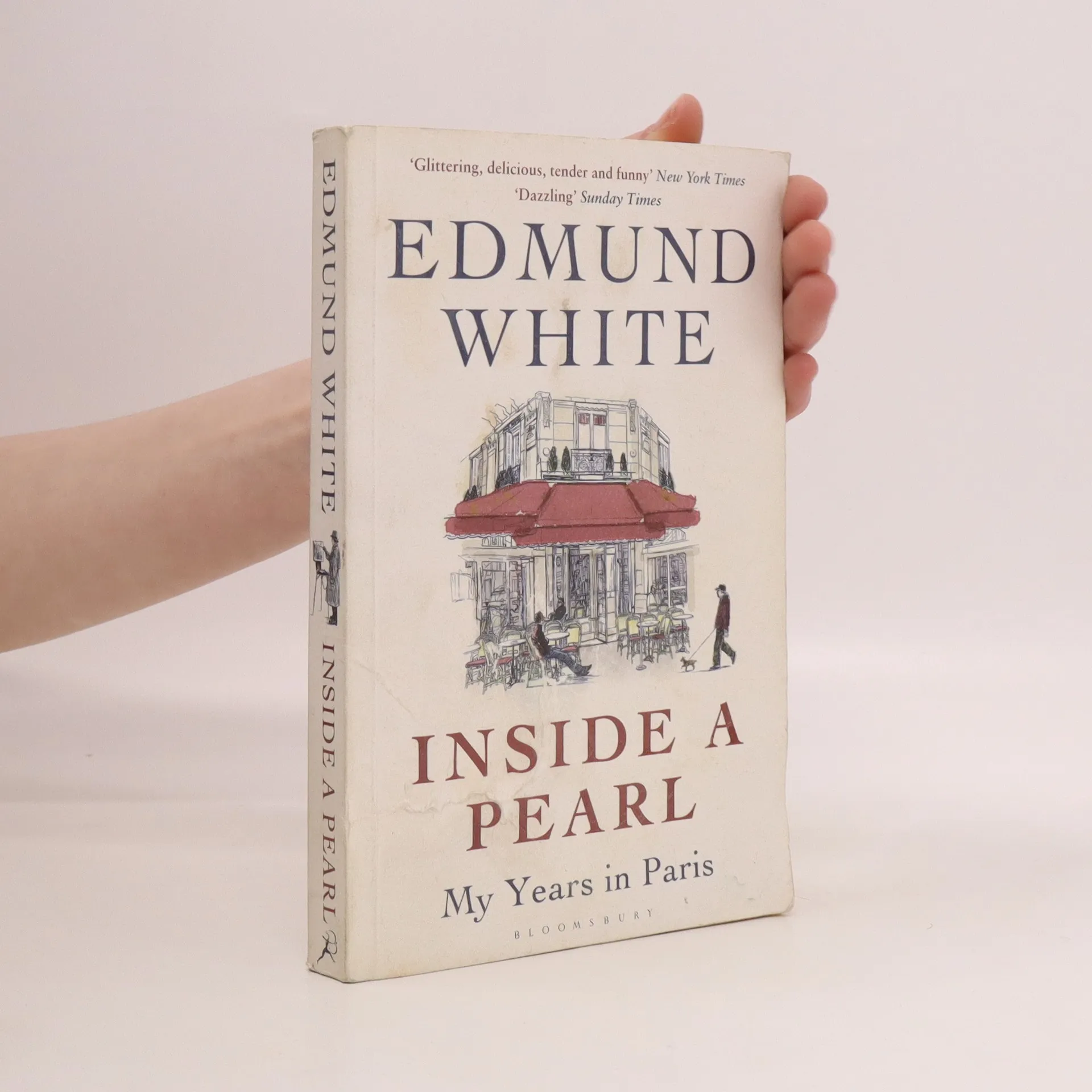
The celebrated author of The Flâneur traces his relocation to 1983 Paris in spite of his unfamiliarity with the language and culture, tracing how he established intimate, intellectual relationships with the city and new friends while advancing his literary career.
From National Book Award-honored author Edmund White, a wildly hilarious and irreverent novel about a rich older man who falls in love with a young ballerino.Aldwych West, an eighty-year-old modern-day aristocrat living alone in his Manhattan townhouse, is used to having what he wants. And when he sets eyes on August Dupond, a strong, stunningly beautiful soloist in the New York City Ballet, he decides he must have him. Soon they strike up a closeness that falls between the blurry lines of friendship, sponsorship, and love, and August moves in with Aldwych. But eventually August starts bringing home other men, and a formidable woman in Aldwych's circle named Ernestine also takes a deep interest in the young, enchanting star. Messy entanglements and fierce rivalries ensue, and the result is an unforgettable, outrageous tragicomedy that explores the many layers of love and sexual desire as only Edmund White can.
"A Boy's Own Story is a now-classic coming-of-age story, but with a twist: the young protagonist is growing up gay during one of the most oppressive periods in American history. Set in the time and place of author Edmund White's adolescence, the Midwest of the 1950s, the novel became an immediate bestseller and, for many readers, was not merely about gay identity but the pain of being a child in a fractured family while looking for love in an anything-but-stable world. Now, to bring this landmark novel to new life for today's readers, White is joined by co-writers Brian Alessandro and Michael Carroll and artist Igor Karash for a stunning graphic novel interpretation"-- Provided by publisher
Hrsg. u. gestaltet v. Holborn, Mark ; Levas, Dimitri Mit e. Essay v. White, Edmund Zahlr., tls. farb. Abb. 139 S.
In her fifties Fanny Trollope, mother of the novelist Anthony, became famous overnight for her book attacking the United States. Now, twenty-five years later, she sharpens her pen for her most controversial work yet: the biography of her old friend Frances Wright, the Scottish radical and feminist. Back in the 1820s the young Fanny Wright erupted into the Trollopes' sleepy English cottage like a volcano, her talk aflame with utopian ideals. Before long, Wright had convinced the older woman to follow her to America - a journey of extreme penury, frontier hardships and the most satisfying (and surprising) sensual romance of Fanny Trollope's life. The 'biography soon degenerates into a settling of scores with Fanny Wright and wild digressions on the misadventures of Mrs Trollope's own family.
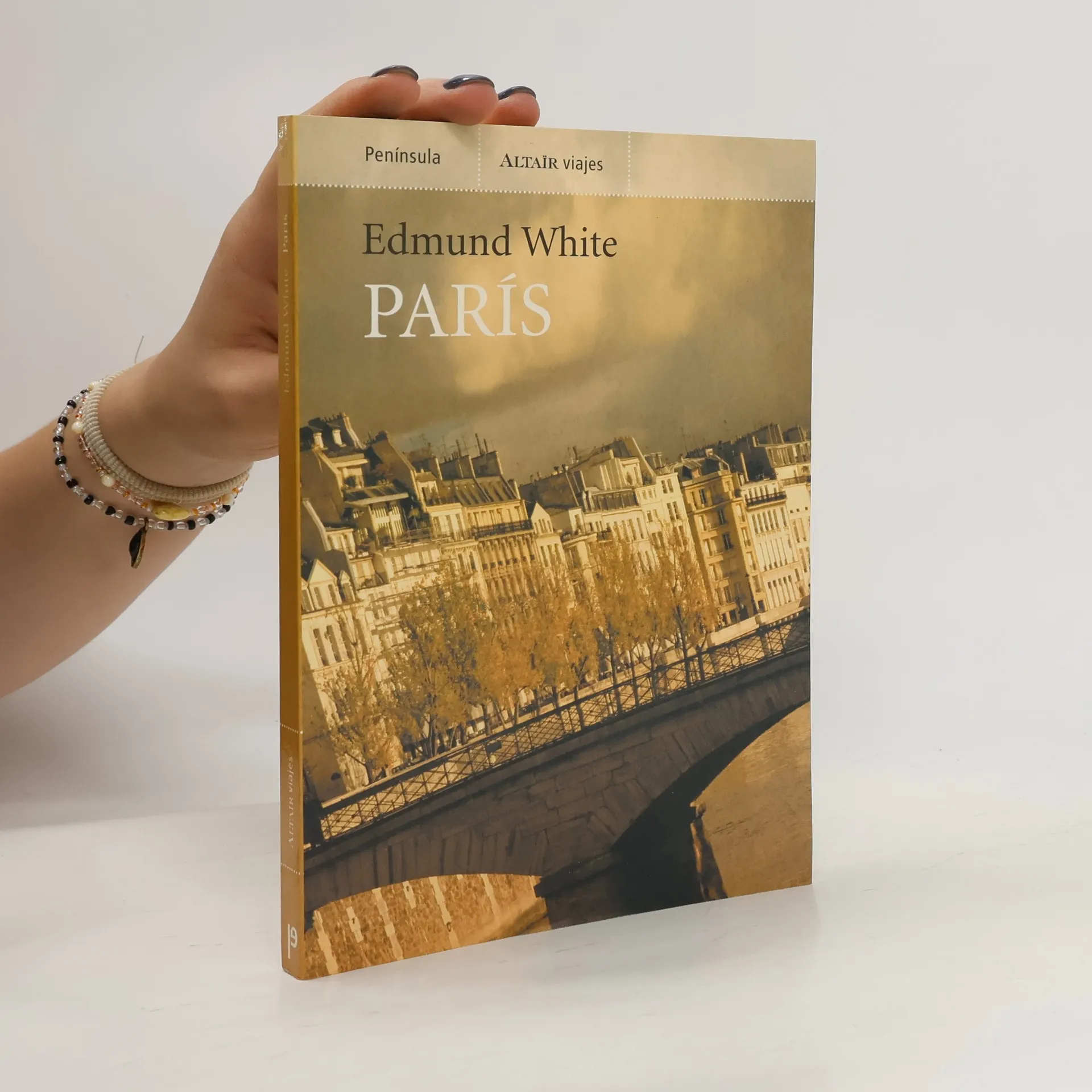
Tras dieciséis años en la capital, Edmund White atrae al lector hacia los fascinantes recovecos de su París personal y nos presenta un retrato de la Ciudad de la Luz desde la perspectiva de un caminante ocioso, alguien que deambula sin propósito aparente, pero que sintoniza en secreto con la historia del lugar, y en secreto va en busca de aventuras, ya sean estéticas o eróticas. Así, el paseante vagabundea por las calles y avenidas y a lo largo de los muelles, por unos rincones y unas aceras de París prácticamente desconocidos para los visitantes e incluso para los propios parisinos.
'Zapominanie Eleny' to już trzecia, po sukcesie 'Zucha' i 'Hotelu de Dream', książka Edmunda White’a, jednego z najsłynniejszych powieściopisarzy gejowskich, wydana przez Biuro Literackie. Ta znakomita komedia, debiut pisarza, przenosi nas w krainę paranoi, konwenansów i pozornej wolności. Młody narrator stara się odnaleźć swoje miejsce na pewnej specyficznej wyspie. Nie wie, kim jest – ani kim są otaczający go ludzie. Widzi, że tutaj nawet 'wyzwolona' poezja podlega sztywnym regułom.