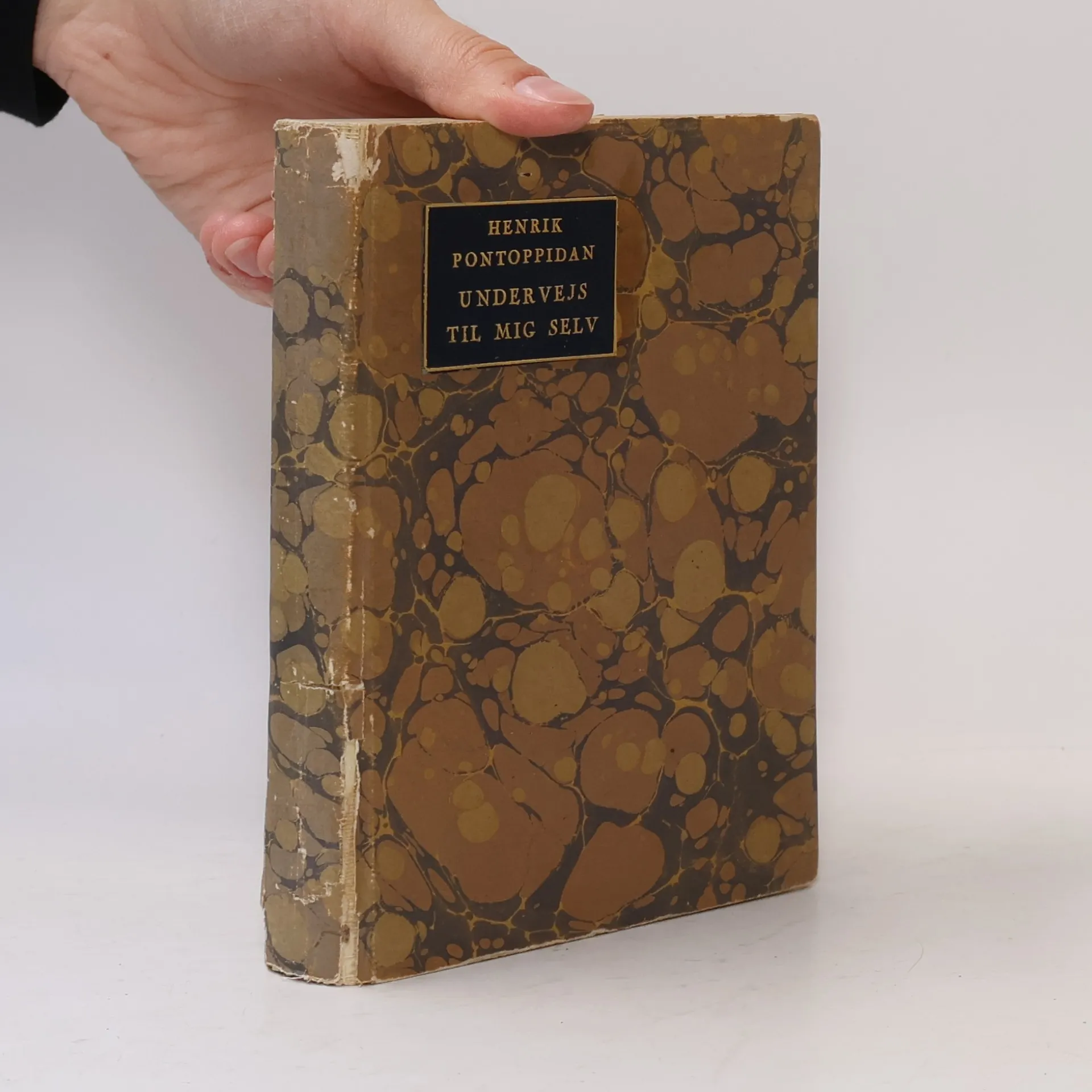
Hans im Glück, in 2 Bdn.. 'Lykke-Per'. Mit e. Essay v. Winfried Menninghaus
- 900 Seiten
- 32 Lesestunden
Zwei Bände mit einem Essay von Winfried Menninghaus und Illustrationen von Jutta Garbert.


Dieser Autor wird für seine authentischen Beschreibungen des heutigen Lebens in Dänemark gefeiert. Sein Werk taucht tief in die menschliche Erfahrung ein und erfasst die subtilen Nuancen der alltäglichen Existenz. Durch einen unverwechselbaren Stil und scharfe Beobachtungsgabe bietet er dem Leser eine Perspektive auf die Welt, die sowohl vertraut als auch aufschlussreich ist. Seine Schriften werden für ihre Aufrichtigkeit und ihre Fähigkeit, auf tiefgreifender emotionaler Ebene bei den Lesern Anklang zu finden, gelobt.



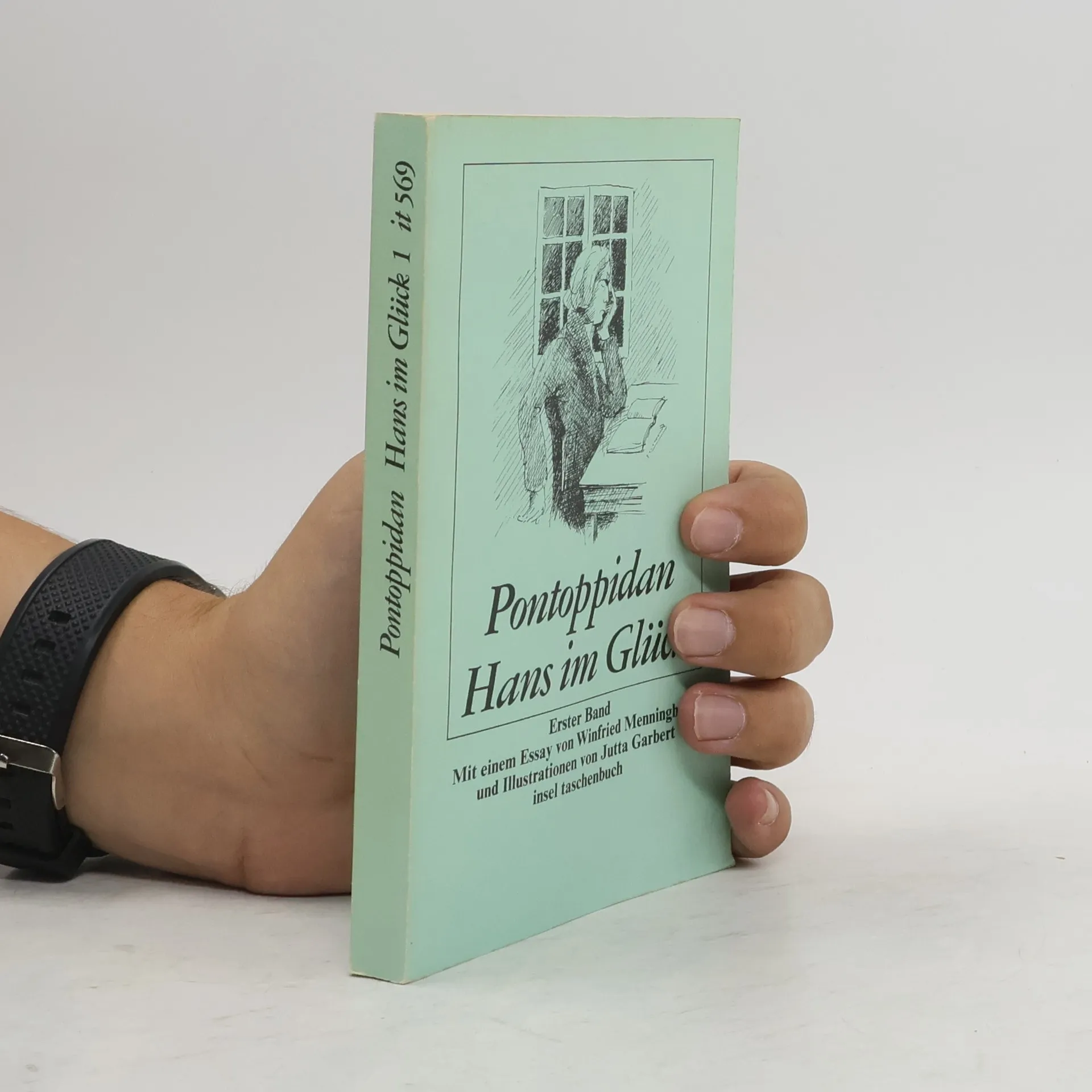
Zwei Bände mit einem Essay von Winfried Menninghaus und Illustrationen von Jutta Garbert.
Zum 80. Todestag des dänischen Nobelpreisträgers von 1917 Henrik Pontoppidan: seine ironischen Erzählungen und Reisereportagen. Es ist höchste Zeit, mit Henrik Pontoppidan einen hierzulande fast vergessenen Klassiker der Moderne (wieder) zu entdecken. Der Band »Kaum ein Tag ohne Spektakel« versammelt zwölf Erzählungen und acht Feuilletons, die die thematische Bandbreite und die stilistische Spannweite dieses bedeutendsten Vertreters des dänischen Realismus abbilden. Es sind Geschichten, Kritiken, Kolumnen und Reportagen, die sich in einem Spannungsfeld zwischen Romantik und Modernität bewegen. Pontoppidan erzählt vom Leben auf dem Land und in der Großstadt Kopenhagen ebenso wie vom Zusammenstoß dieser beiden Lebenswelten. Er schreibt über existenzielle Krisen, politische Gegensätze und Randexistenzen, aber er liefert auch großartige Reisereportagen - unter anderem aus dem kaiserlichen Berlin - und befasst sich ausgesprochen ironisch mit ganz alltäglichen Dingen wie dem Zustand der dänischen Gaststätten, Hotels und Gasthöfe.
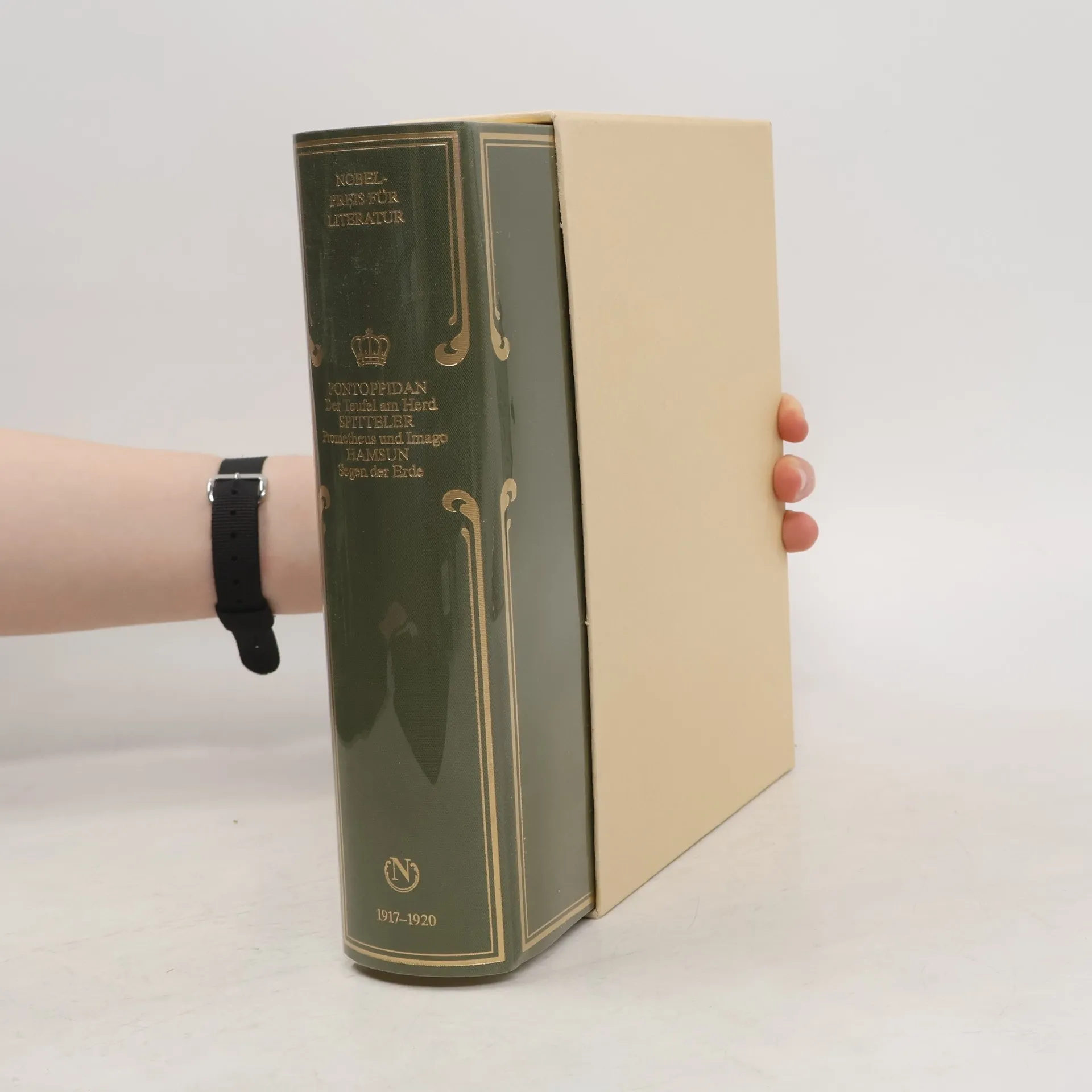
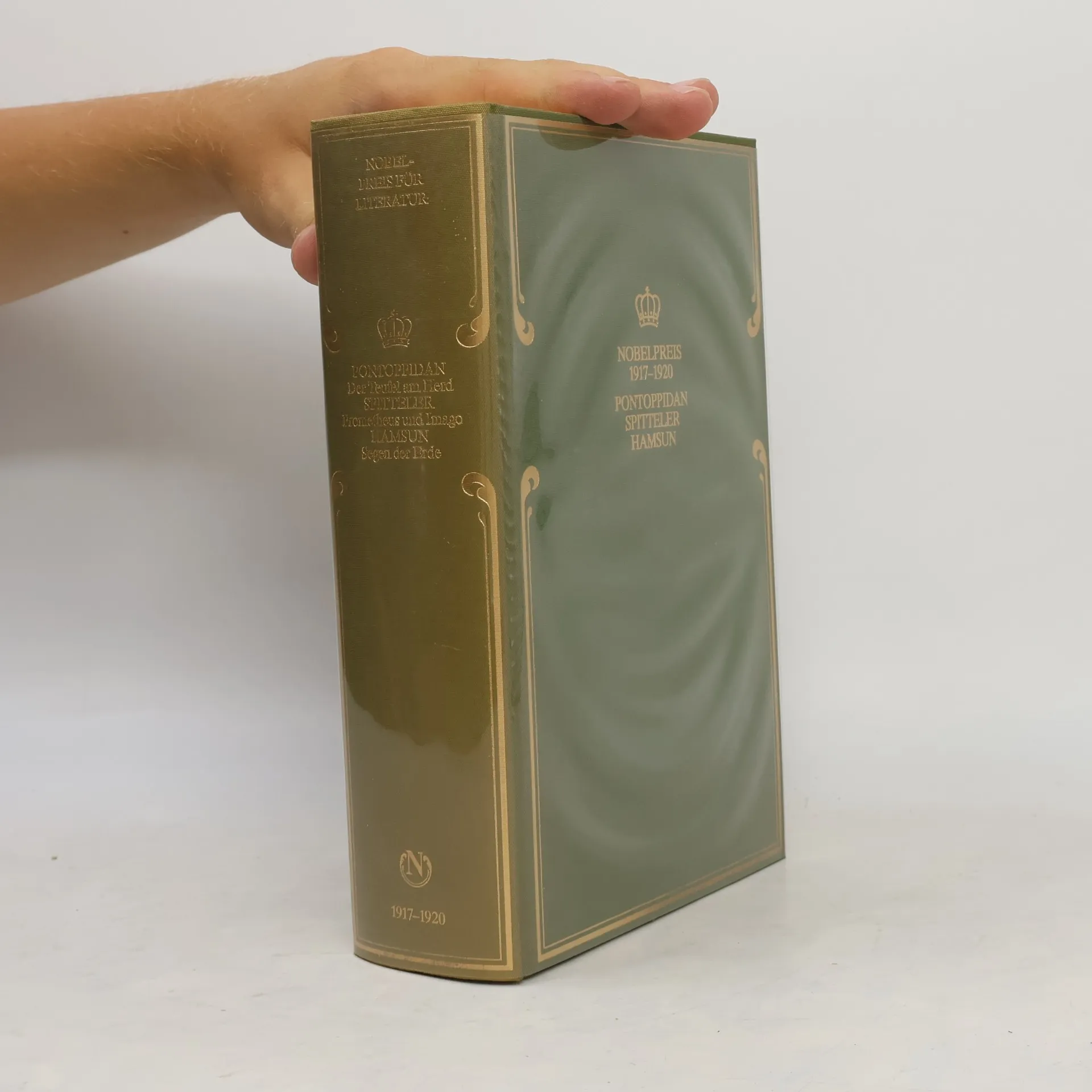
Pontoppidan, Spitteler, Hamsun
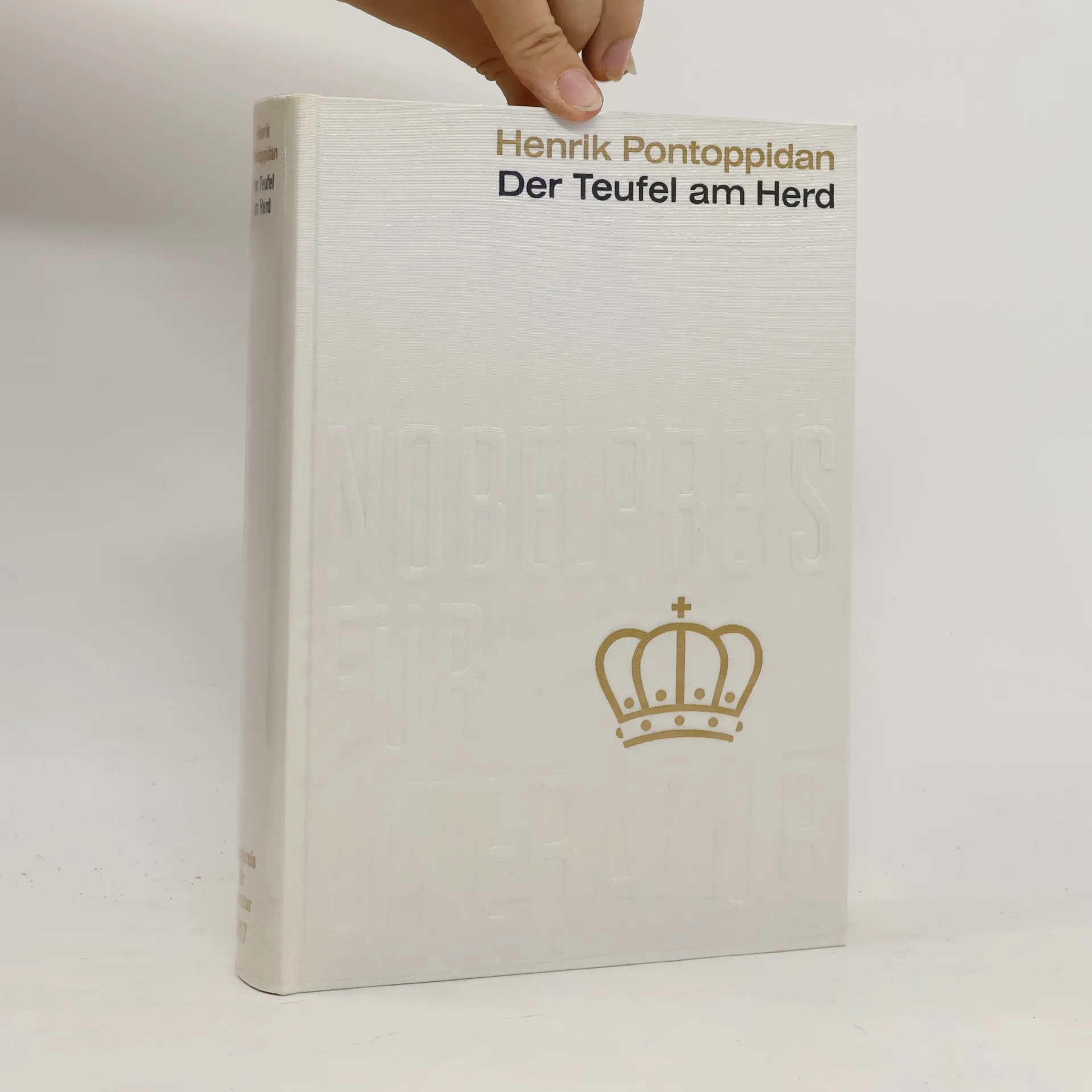
Der Teufel am Herd. Prometheus und Imago. Segen der Erde
Henrik Pontoppidan's early work, published in 1896, showcases his evolution from engineer to journalist and writer. Known for his deep exploration of Danish culture, Pontoppidan gained acclaim for notable titles like The Promised Land and won the Nobel Prize for Literature in 1917. This edition includes a new introductory biography, providing context to his literary contributions and the societal themes he addressed throughout his career.
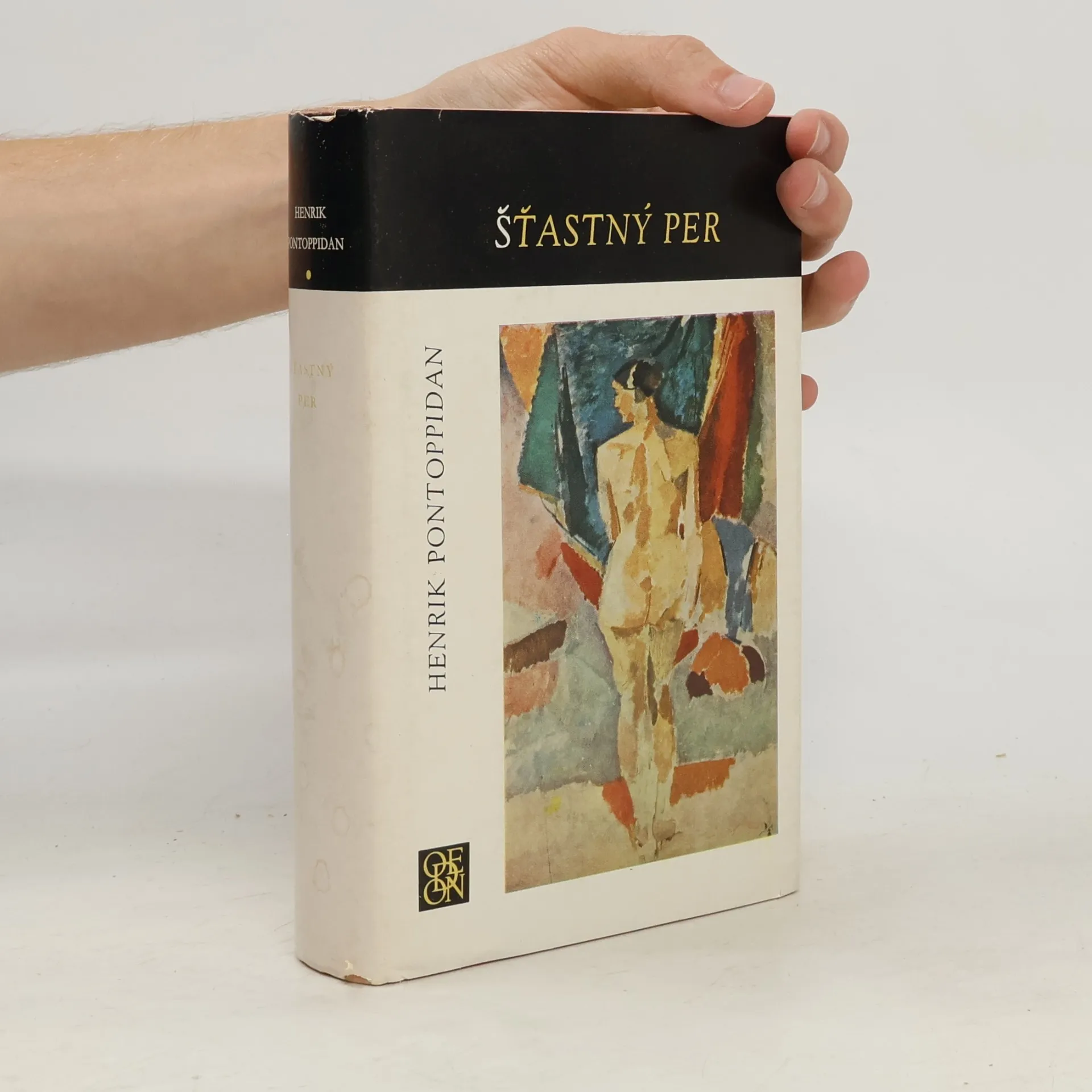
Rozsáhlý román Štastný Per představuje jeden z vrcholů dánské realisticko-naturalistické literatury, jejíž největší rozkvět spadá do poslední čtvrtiny minulého století. Autor, nositel Nobelovy ceny za r. 1917, si v něm bere na mušku nezdravou romantiku, snílkovství, naivní víru, že všesamo od sebe dobře dopadne, jakož i neschopnost proměňovat myšlenky v činy. Na osudech farářského synka Petra Sideni, který se vzbouří proti rodině, škole, církvi i celé společnosti a pokusí se "dobýt svět", ale nakonec vlastní vinou ztroskotává, ukazuje, že nestačí chtít a přát si, že v životě je třeba umět důsledně jít za svým cílem a překonávat i nejobtížnější překážky. Spisovatelův pohled na svět a člověka v něm není ovšem vůbec černobílý, jednotlivé postavy knihy jsou nazírány vždy z několika stran, takže kritiku často provází obhajoba, či alespoň snaha o pochopení.
Dánsko v realistickém líčení měkkého jihu a drsného severu, od dun až po vřesoviště, od lásky po nenávist, od pochopení po roztržky... tak, jak jej viděl nositel Nobelovy ceny za rok 1917.
Pantheon der Nobelprijswinnaars Literatuur