Die Geschichte der Wörter für Kinder
- 96 Seiten
- 4 Lesestunden



Ein Sound-Buch zum Hören mit 10 Soundmodulen. Ein Sachbilderbuch für Kinder ab 6 Jahren
In "Die Vielfalt der Musikinstrumente" begleiten Emma und Paul eine Zeitreise durch verschiedene Länder und Epochen, entdecken diverse Musikinstrumente und hören bekannte Musikstücke. Mit spannenden Fakten und 10 Soundmodulen bietet das Buch eine faszinierende Einführung in die Musikgeschichte. Goldfolienumschlag und klimafreundliche Produktion runden das Erlebnis ab.
Eine Reise durch die Musikgeschichte. Ein Sound-Buch zum Hören mit 10 Soundmodulen; Ein Sachbilderbuch für Kinder ab 6 Jahren
Die Vielfalt der Musik in 10 Soundmodulen In diesem liebevoll illustrierten Buch gehen Emma und Paul auf eine musikalische Zeitreise und entdecken dabei internationale Musiker und Musikerinnen. Egal ob sie Hildegard von Bingen oder einem indischen Raga lauschen, den Gitarrenklängen von Chiquinha Gonzaga oder einem Jazz-Konzert von Charlie Parker zuhören - auf jeder Seite lernen Emma und Paul spannende Fakten über die einzelnen Musiker*innen und ihre Stücke. Musikstücke aus aller Welt und interessantes Hintergrundwissen machen dieses Buch zu einer tollen Einführung in die Geschichte der Musik. Auf jeder Seite befindet sich ein Noten-Symbol, und wer darauf drückt, hört ein tolles Musikstück. Dieses Buch wird klimaneutral produziert. Ausstattung: mit 10 integrierten Soundmodulen und Goldfolienprägung auf dem Cover
A global history of music for children that celebrates how and why we make music.
A children’s history of the world told via the development of language, featuring the wordsmiths, civilizations, and tools that have shaped the ways humans communicate. A History of Words for Children explores the uniquely human ability to share thoughts using words. Written in a lively narrative style, this book presents a history of the world through language, introducing young readers to the civilizations, inventions, and writers who have shaped the way we communicate. Divided into themed chapters to help young minds grasp difficult concepts, the book explores what words are and how humans communicate; the development of writing implements; the history of printed books; the process of learning another language; dialects and accents and the way language can reflect our identity; the power of words to calm, inspire, and rally crowds; graffiti’s role in spreading messages; codes and invented languages; the patterns of poetry; the future of words; and languages facing extinction. Featuring examples like the Grimm Brothers, Emily Dickinson, and King Ashurbanipal’s library, the book also includes illustrations by Rose Blake that add a cast of humorous and helpful characters to explain the wide variety of ideas. A History of Words for Children inspires creative minds and helps them understand how we communicate. Illustrated in color throughout
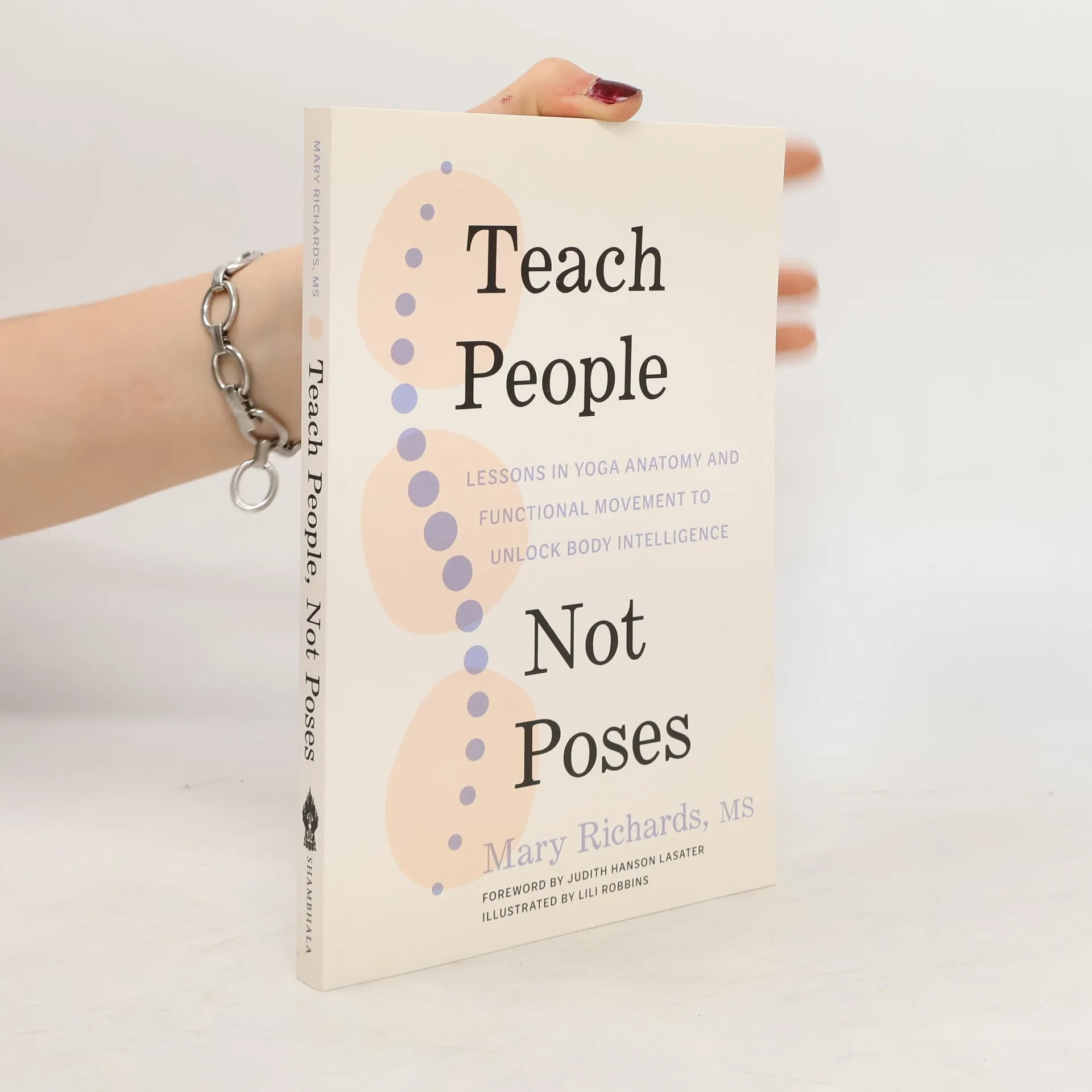
"Teach People, Not Poses is the manual that yoga teachers and yoga therapists need to help their students step onto the mat on their own terms, comfortably and safely. Mary Richards, a yoga teacher, yoga therapist, and expert in kinesiology and anatomy, says that we leave too many people off the mat, due to overly aggressive pace, sequence, and ambition in asana. She offers advice, techniques, observations, practices, and sequences to give teachers and yoga therapists the tools they need to move beyond the popular ideas of "should" on the mat"-- Provided by publisher
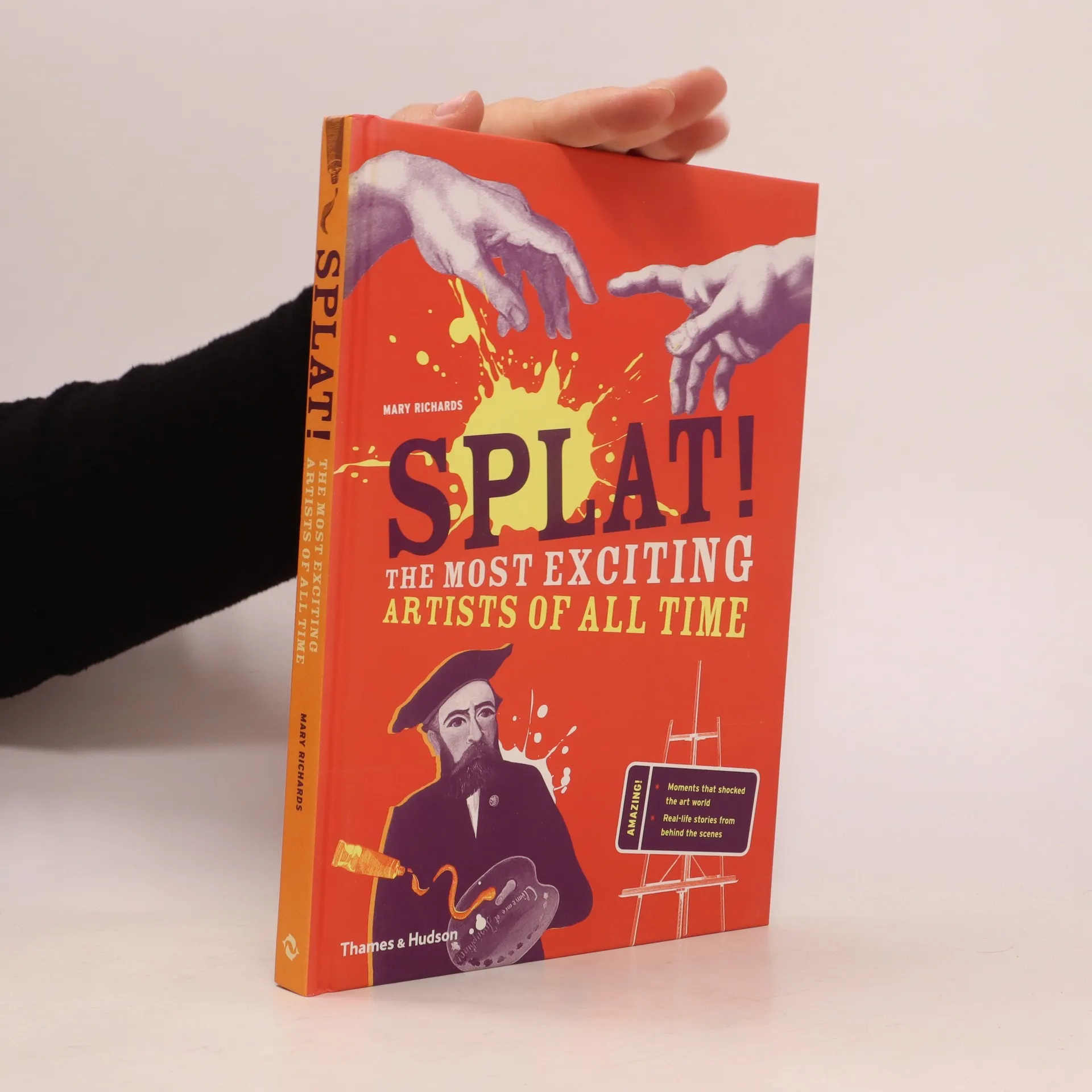
The stories behind some of the greatest artworks of all time, including the real life struggles and triumphs of the artists who created them Splat! is the history of art at its most exciting and outrageous. Organized by artist and covering both key events and major movements such as the Renaissance and Impressionism to Surrealism and contemporary art, it is a valuable resource for young people curious about art. Each artist is introduced with bulleted facts including their country of origin, most famous works, the greatest challenges they faced in creating their art, background information, the movement they belonged to, and techniques they employed. This overview is expanded with further insight into who these artists were and how they changed the course of art. Here are Michelangelo and the High Renaissance; Bruegel and his paintings of everyday peasant life; Manet and the shock of Impressionism; and Duchamp and the Dada revolution. Children can also read the real-life stories of artists, such as Caravaggio, Jan Vermeer, Henri Rousseau, Vincent van Gogh, Wassily Kandinsky, and Frida Kahlo, who dared to imagine new ways of depicting the world.
A Pocketful of Tips and Techniques on How to Manage Pressure and Use Stress Positively - 2nd Edition
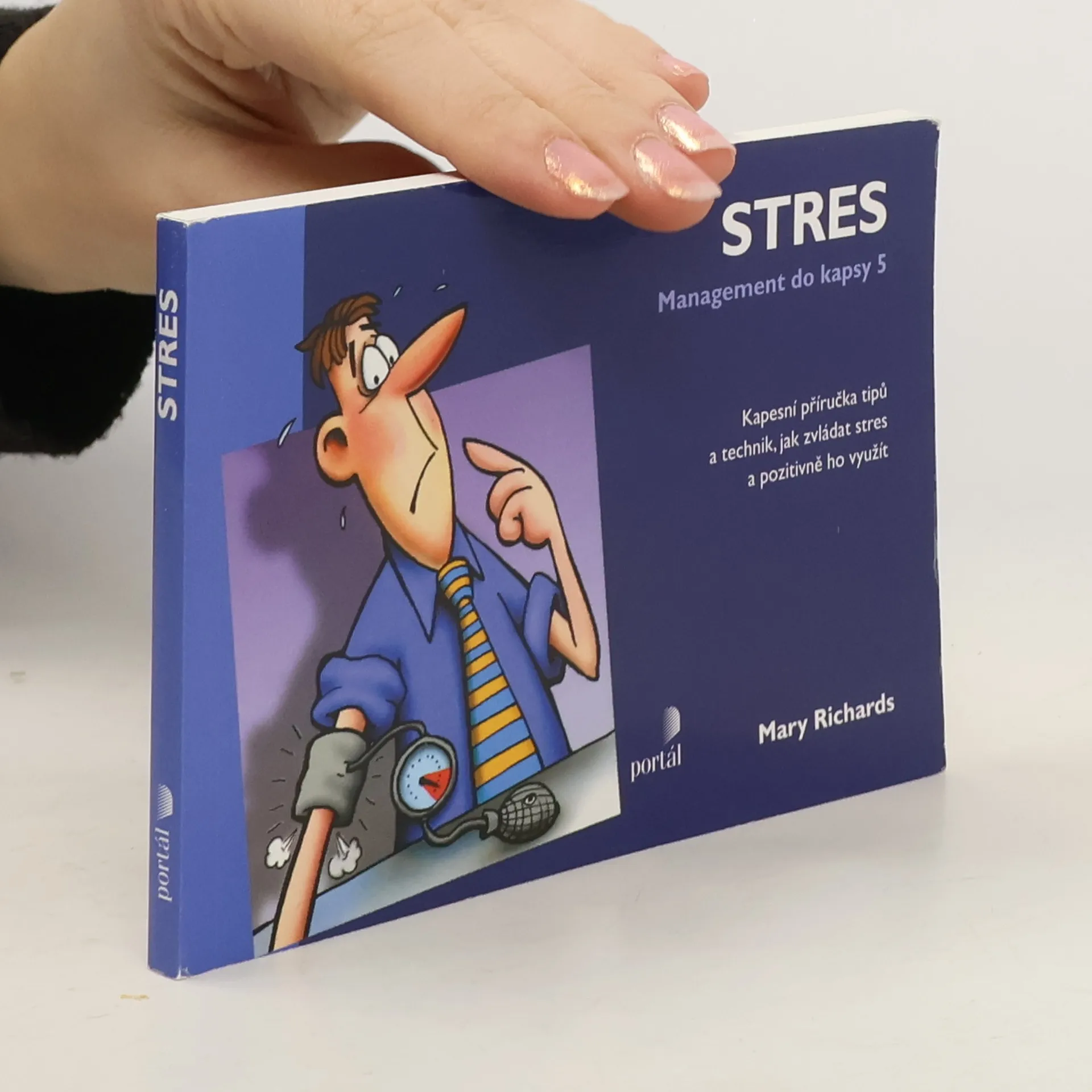
Learning to manage stress at work benefits both the individual and the organization. The Stress Pocketbook, now in its second edition, is full of practical advice on ways to manage your own stress, and how to help others. Emphasis is on what to do rather than on theory. The book was voted 'best of its kind' by the Management Today journal in a review of similar publications. It 'A user-friendly guide to stress management. The simple, quick-fire descriptions of common workplace situations are useful. Well worth keeping handy'. Stress News said of the 'Although small, it manages to pack a tremendous amount of useful information and tips into its seven sections. A really useful adjunct to any stress management or stress counselling program. As it costs so little it could be included in the price of the course or sessions'. The new 2nd edition of this popular title has been significantly expanded and many new illustrations added.
Kapesní příručka tipů a technik, jak zvládat stres a pozitivně ho využít. Z umění zvládnout stres na pracovišti bude mít užitek jak zaměstnanec, tak organizace, ve které působí. Spíše než teorii najde čtenář v knize řadu podnětů, jak zacházet s vlastním stresem, ale také jak pomoci druhým ve stresových situacích.