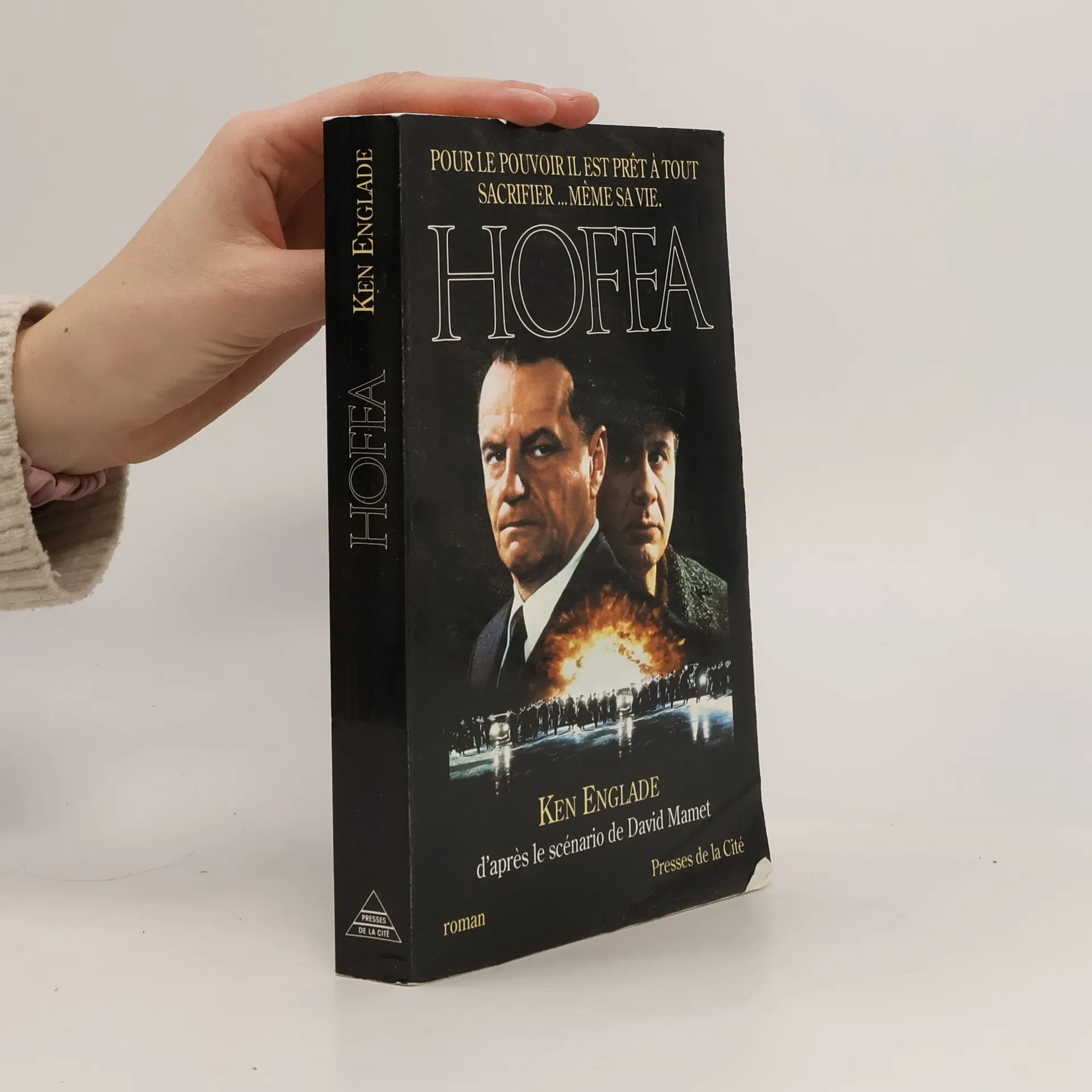
David Mamet Bücher
David Mamet ist ein amerikanischer Autor, der für seinen geistreichen, knappen und oft derben Dialog gefeiert wird, der sich durch eine einzigartige und stilisierte Formulierung auszeichnet. Seine Werke tauchen tief in Themen der Männlichkeit ein und erforschen die menschliche Verfassung durch scharfe Sprache und unkonventionelle Ausdrucksweisen. Mamets Schreiben zeichnet sich durch einen ausgeprägten, rohen Realismus aus, der Publikum und Leser in fesselnde Konflikte und moralische Zwickmühlen zieht. Sein Beitrag zum modernen Theater und Film liegt in seiner unerschrockenen Auseinandersetzung mit der Welt.

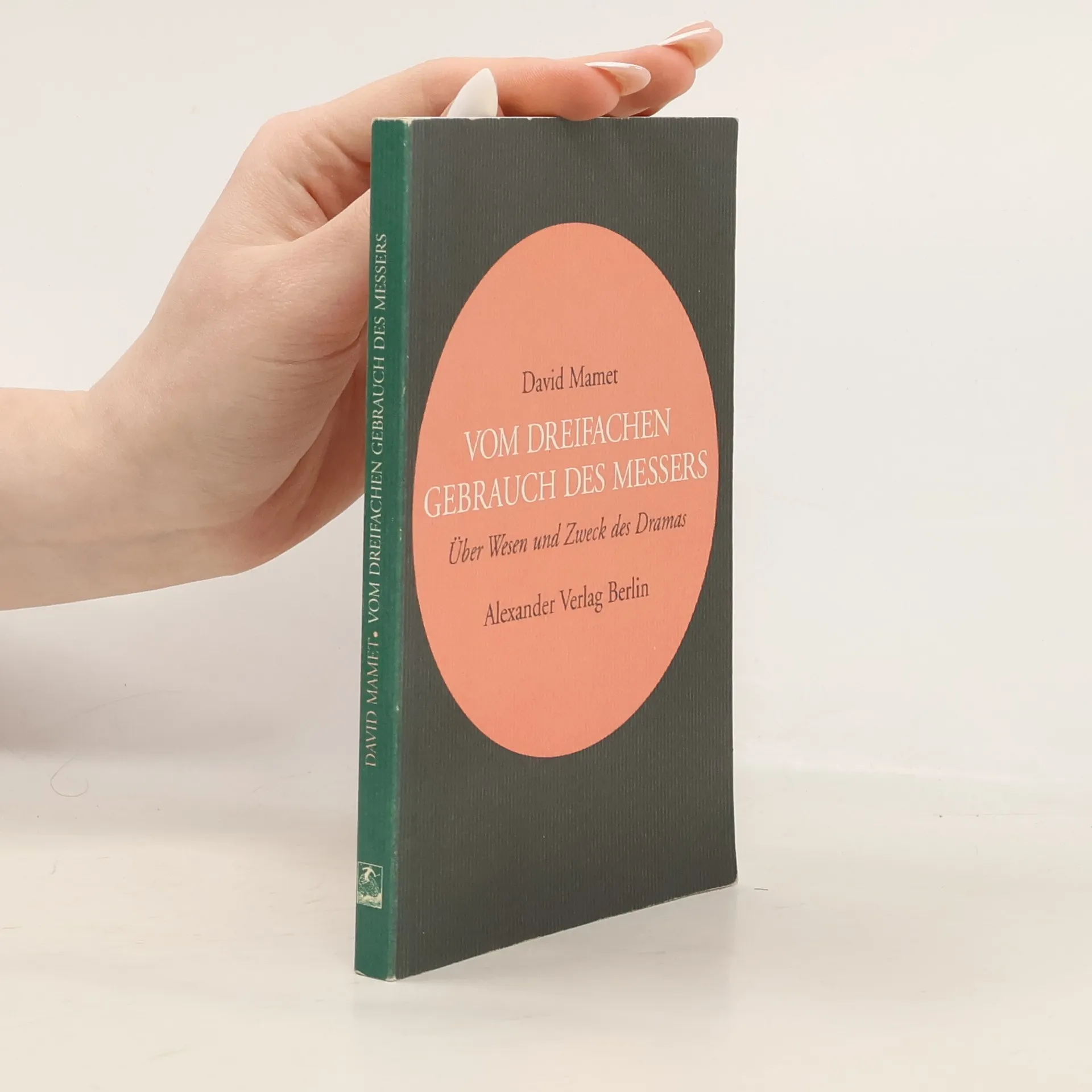
Welche Bedeutung hat das Drama für unser Leben? Der Pulitzer-Preisträger, Dramatiker, Romancier, Drehbuchautor und Regisseur David Mamet führt uns unsere beharrlichen Versuche, dem Leben und der Welt in der wir leben, einen Sinn zu geben, vor Augen.
Vom dreifachen Gebrauch des Messers
Über Wesen und Zweck des Dramas
Der Zweck des Theaters, wie Magie und Religion, ist es, reinigende Ehrfurcht zu inspirieren. Mit erfrischender Direktheit und aphoristischer Autorität behandelt einer unserer größten lebenden Dramatiker die Fragen: Was macht gutes Drama aus? Und warum ist Drama in einem Zeitalter von Bedeutung, das von Informationen und Unterhaltung überflutet ist? David Mamet glaubt, dass die Tendenz zur Dramatisierung ein wesentlicher Bestandteil der menschlichen Natur ist, dass wir aus allem, von dem Wetter heute bis zu den Wahlen nächstes Jahr, Drama schaffen. Aber der höchste Ausdruck dieses Antriebs bleibt das Theater. Mit einem kulturellen Spektrum, das Shakespeare, Brecht und Ibsen umfasst, zeigt Mamet uns, wie wir wahres Drama von seinen falschen Varianten unterscheiden können. Er betrachtet den unmöglich schwierigen Übergang zwischen einem Akt und dem nächsten sowie die geheimnisvolle Funktion des Monologs. Das Ergebnis in "Vom dreifachen Gebrauch des Messers" ist ein elektrisierendes Traktat über die Kunst des Dramatikers, das auch ein auffallend originelles Werk der moralischen und ästhetischen Philosophie ist.
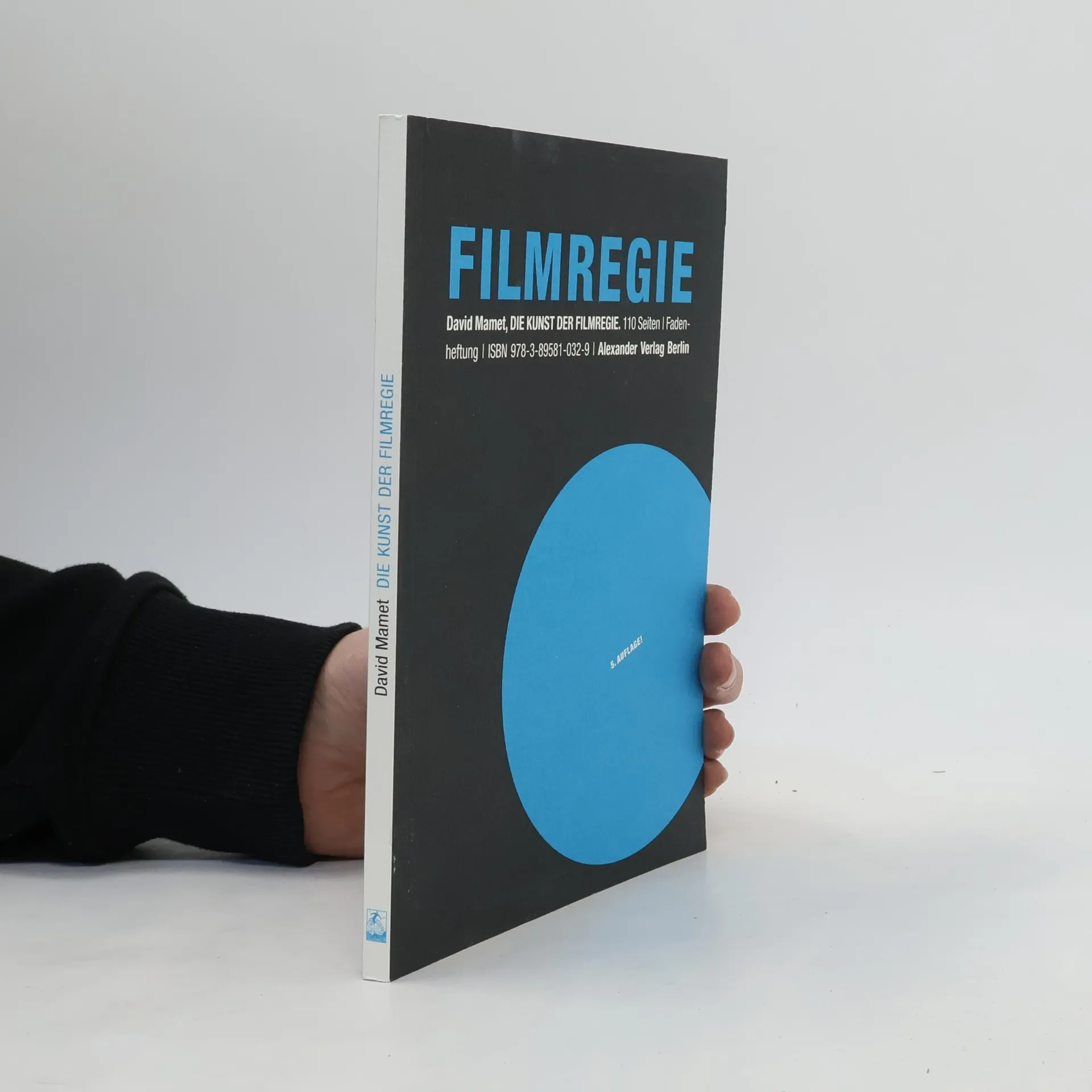
Die Kunst der Filmregie
(On directing)
In den USA sind David Mamets Vorlesungen über Filmregie, die er im Herbst 1987 an der Filmschule der Columbia University hielt, eines der Standardwerke zur Regie- und Drehbuchtechnik. 'Ein guter Autor wird nur dann besser, wenn er lernt zu streichen, das Schmückende, das Beschreibende, das Narrative und vor allem das tief Gefühlte und Bedeutungsvolle herauszunehmen. Das Drehbuchschreiben ist eine Kunst, die auf Logik beruht. Sie besteht aus der beharrlichen Anwendung einer Reihe von grundlegenden Fragen: Was will der Held? Was hindert ihn daran, es zu bekommen? [.] Ich kam als Drehbuchautor zum Regieführen und betrachtete die Kunst der Regie als freudeschaffende Fortsetzung des Drehbuchschreibens – und unter dieser Prämisse unterrichtete ich den Kurs und schrieb ich dieses Buch.' David Mamet
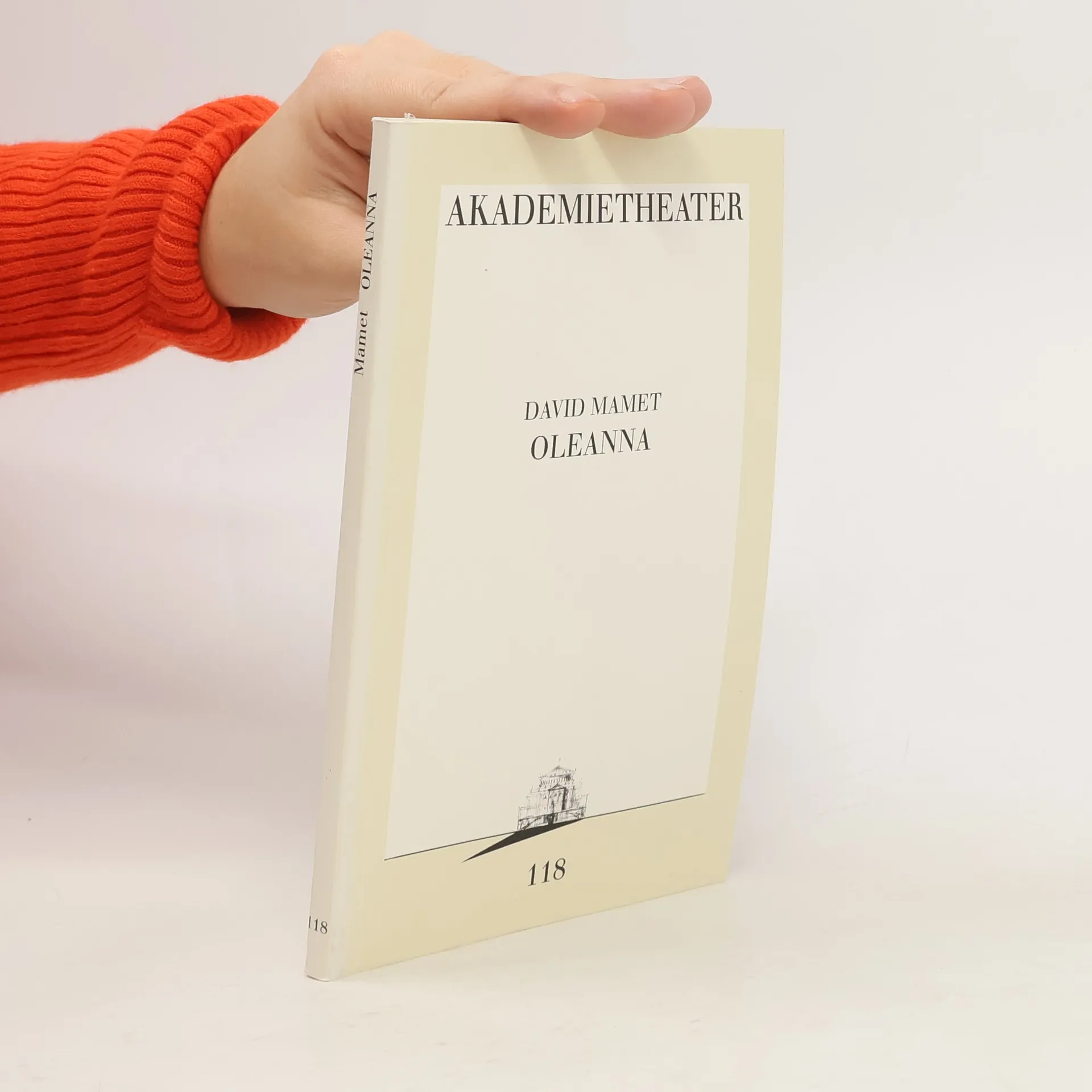
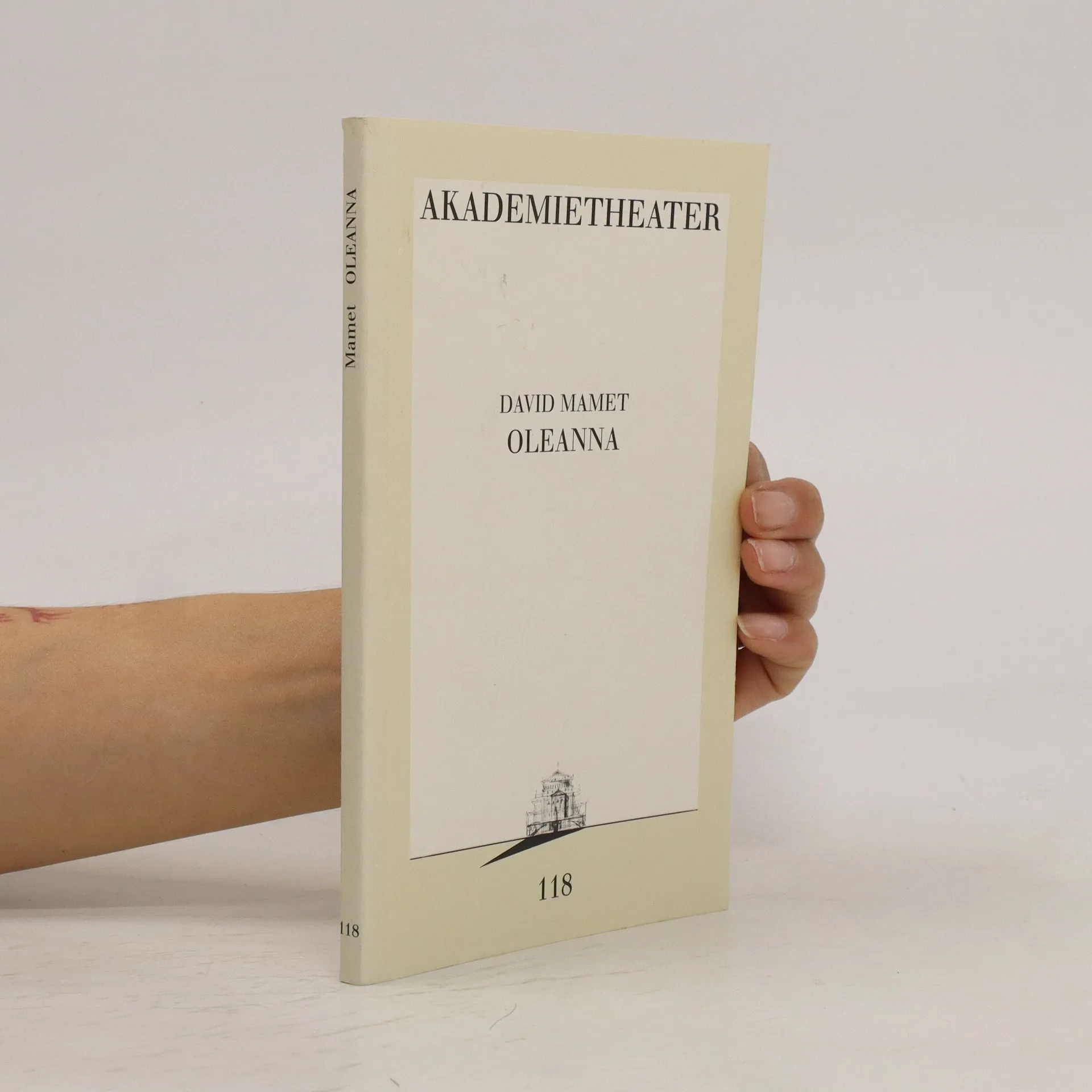
David Mamets "Oleanna" beleuchtet die Konflikte zwischen Männern und Frauen und setzt die Auseinandersetzung fort, die er 1974 mit "Sexual Perversity in Chicago" begonnen hat. Die Handlung dreht sich um John und Carol, die in einen intensiven Machtkampf verwickelt sind. Mamet nutzt seinen scharfen Sinn für die Wiedergabe alltäglicher Sprache, um die dogmatische und puritanische Strömung zu kritisieren, die sowohl im akademischen als auch im gesellschaftlichen Leben verbreitet ist. "Oleanna" zeigt eindringlich, dass in einer Situation, in der freies Denken und Dialog bedroht sind, letztendlich niemand gewinnt. Der Dialog in Mamets Werk ist prägnant und unverfälscht, ohne literarische Schnörkel oder künstliche theatralische Elemente.
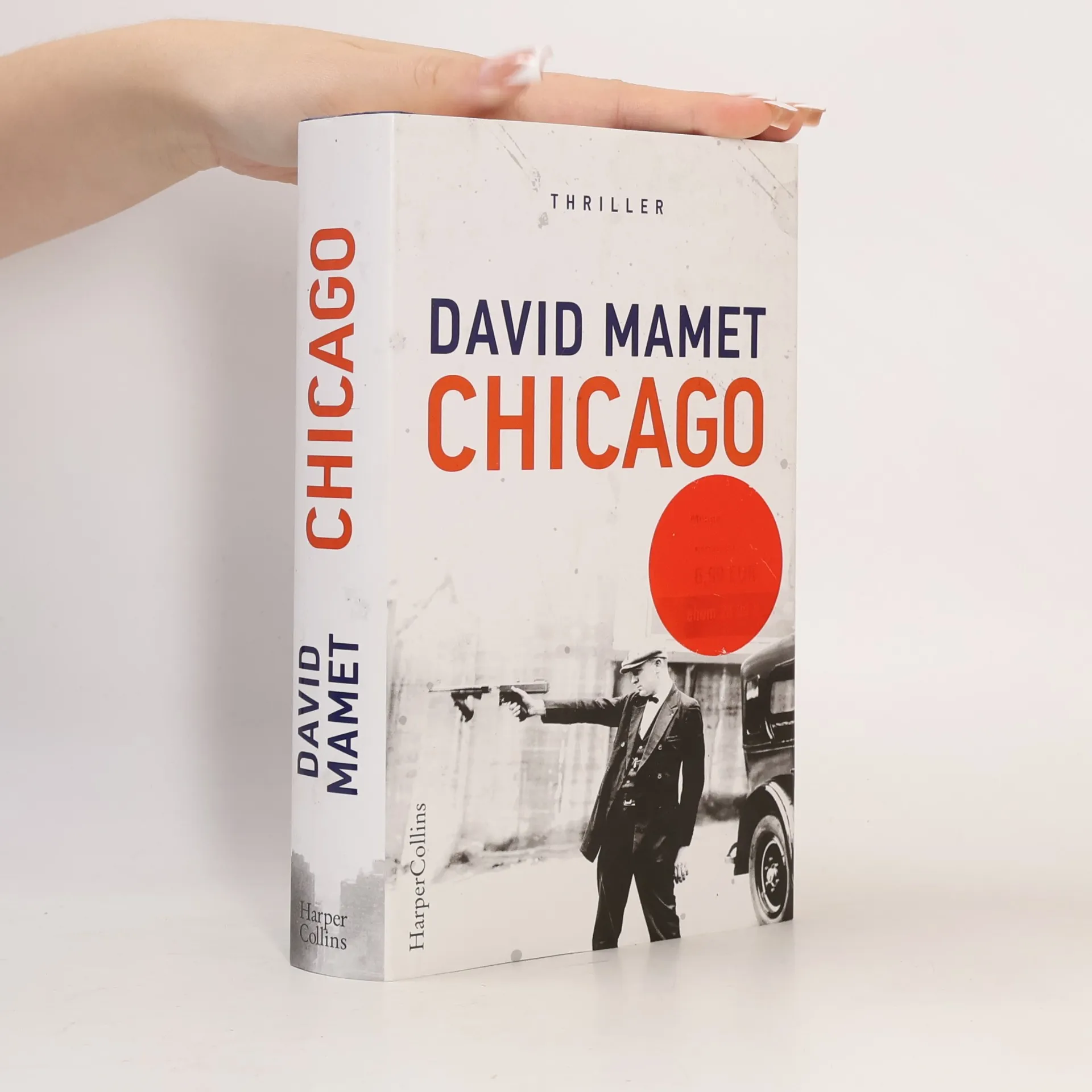
Chicago in den Zwanzigerjahren des vorigen Jahrhunderts: Gangs kontrollieren die gesamte Stadt und liefern sich erbitterte Kämpfe um ihr Territorium. Mittendrin Mike Hodge, Lokalreporter der Chicago Tribune. Wobei Mike vortrefflich darüber streiten könnte, ob die größeren Ganoven nicht doch im Rathaus oder bei der Polizei sitzen. Er weiß viel und hat sich mit allen Mächtigen bereits angelegt. Als seine Geliebte Annie vor seinen Augen ermordet wird, ist ihm klar, dass ihm dadurch eine Lektion erteilt werden soll. Aber von wem? Mike schwört, Annies Tod zu rächen. Und so begibt er sich auf Spurensuche in der Chicagoer Unterwelt … „Die in sich gebrochenen, sich selbst rasant dynamisierenden Dialoge sind einfach großartig. (…) Mamet kann so wie ein James Lee Burke “mit dem Ohr„ schreiben: äußert präzis, extrem naturalistisch.“ Buchkultur
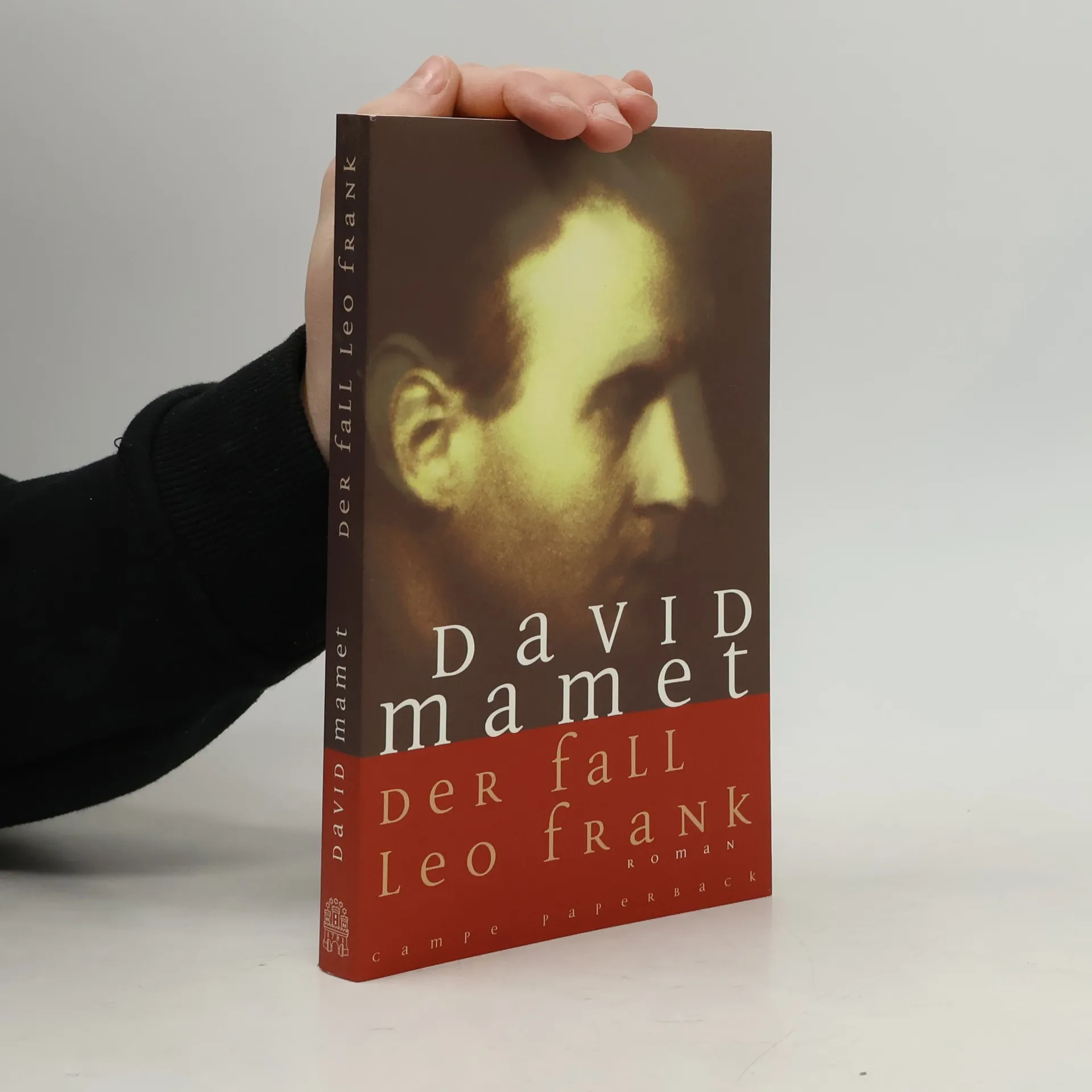
Der Fall Leo Frank
- 188 Seiten
- 7 Lesestunden
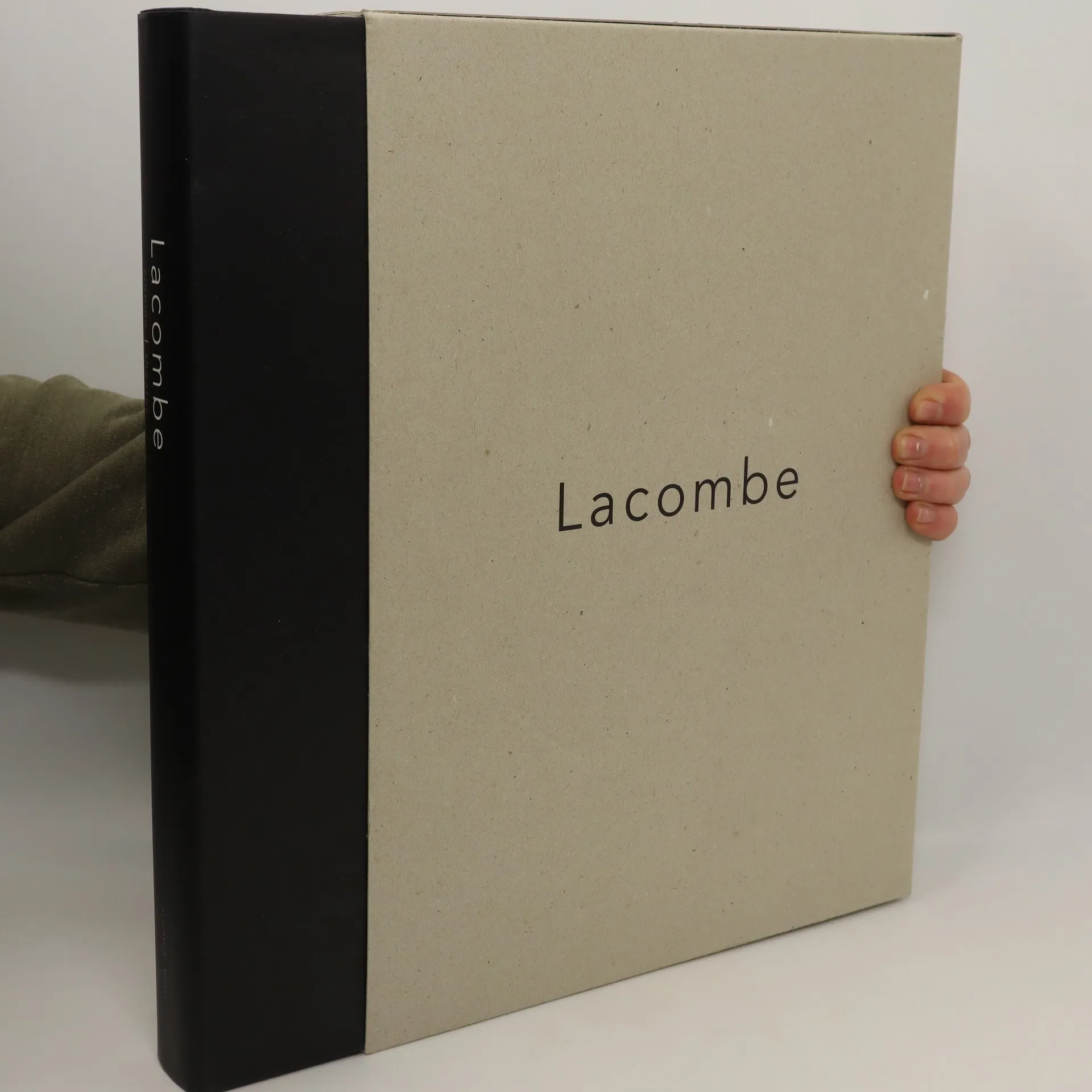
Lacombe
- 292 Seiten
- 11 Lesestunden
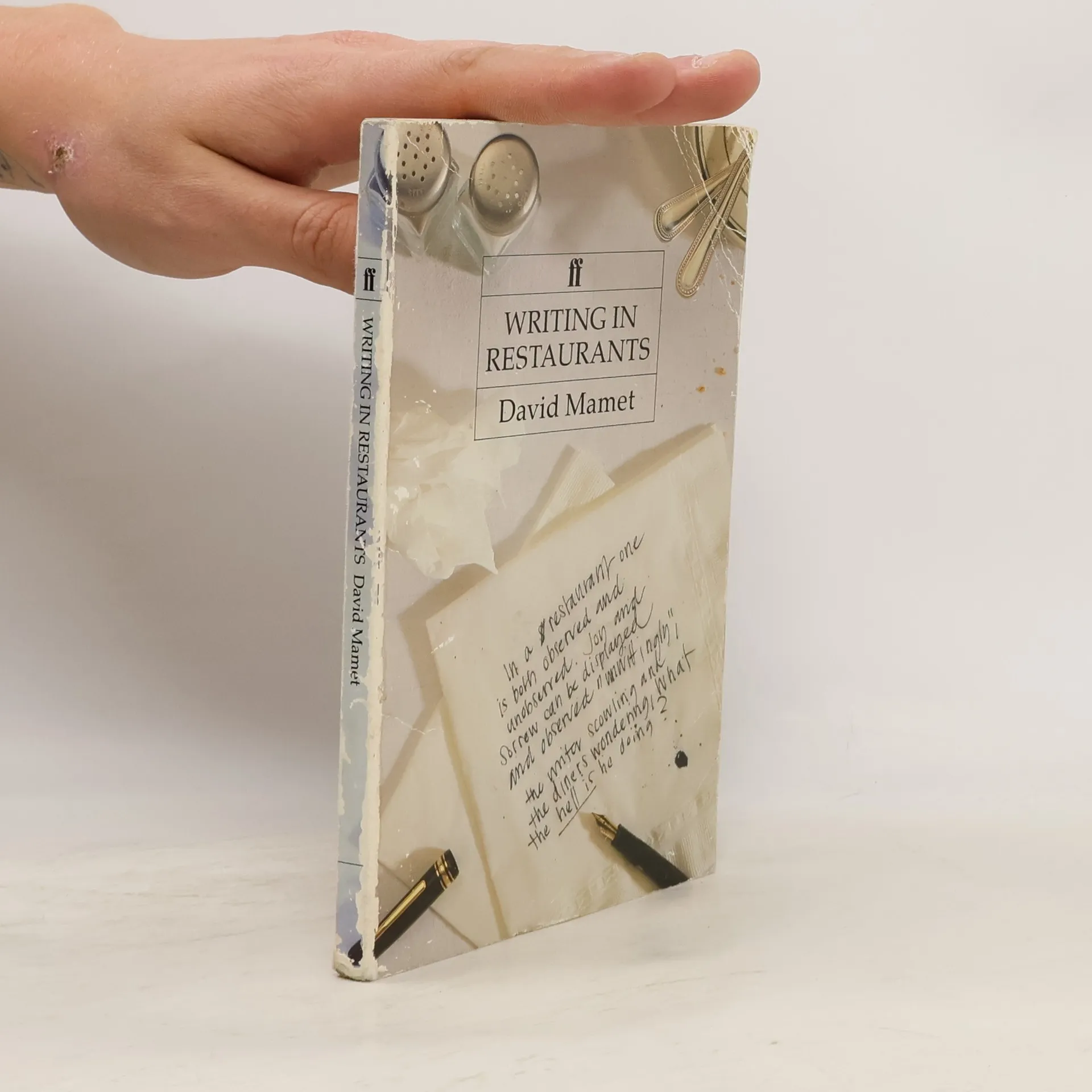
Writing in Restaurants
- 160 Seiten
- 6 Lesestunden
"In these times of decay, the things rewarded by society's reputation and recognition are poor acting, poor writing, choices that prevent thought, contemplation, and liberation. And these things are called art. Writing in Restaurants contains writings from the early years of David Mamet's career."
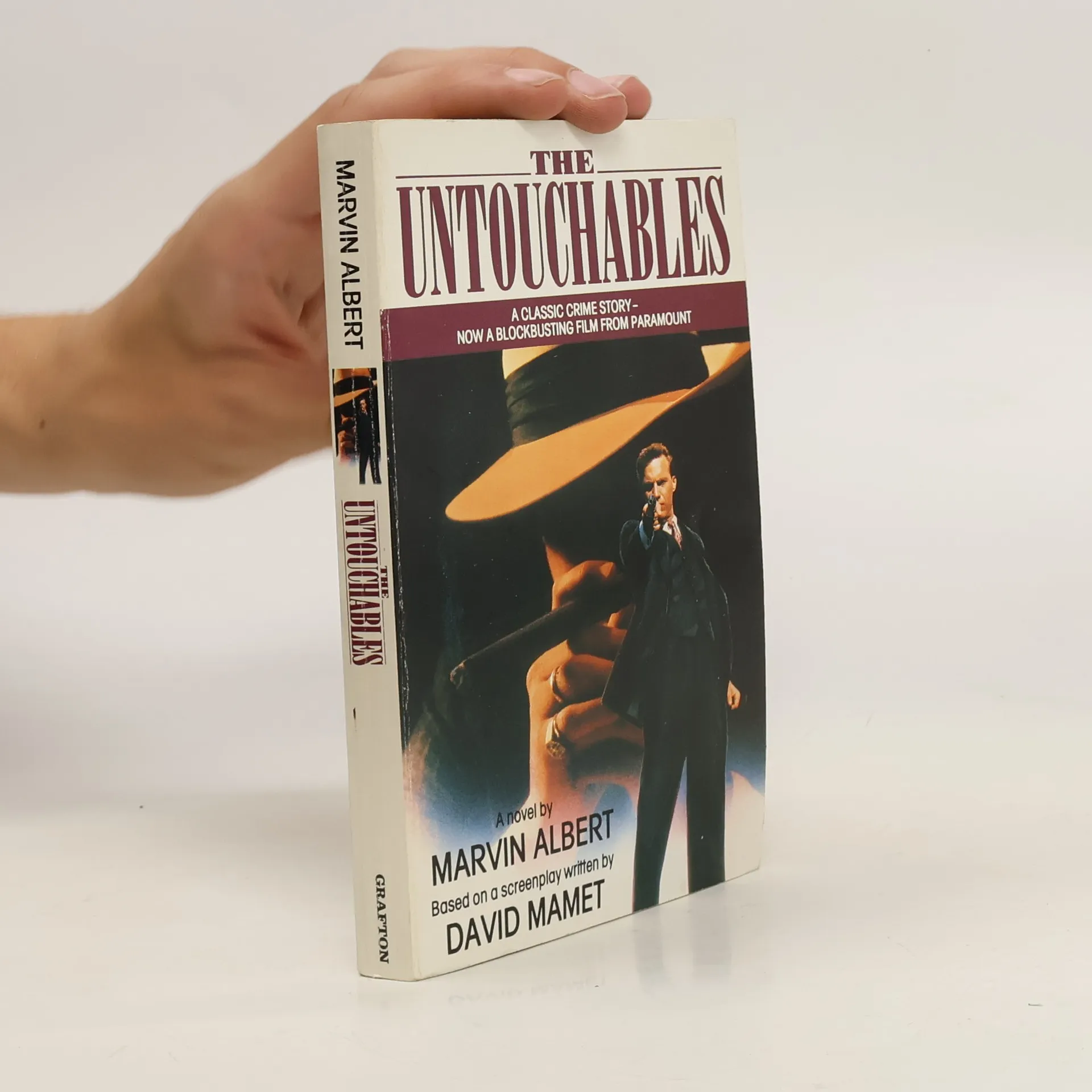
Based on the popular television show of the early sixties and the autobiography of Eliot Ness, this novel follows the incorruptible federal agent as he fights crime and corruption in Chicago
Theatre
- 176 Seiten
- 7 Lesestunden
Calls for nothing less than the death of the director and the end of acting theory. This title is suitable for students, teacher, and directors, who crave a blast of fresh air in a world that can be insular and fearful of change.
Zwölf Geschworene verhandeln im Juryraum in brütender Hitze über das Schicksal eines Jungen, der angeklagt ist, seinen Vater getötet zu haben. Als das Urteil "Schuldig" beinahe feststeht, formuliert der Geschworene Nr. 8 seine Zweifel. Gegen den teils erbitterten Widerstand der Mehrheit entwickelt er nach und nach mit ruhiger Logik seine Argumente. Der Kampf der Meinungen setzt unerwartete Vorurteile und Charakterzüge der zwölf Männer frei, deren Gewissensprüfungen für den Angeklagten ausfallen.
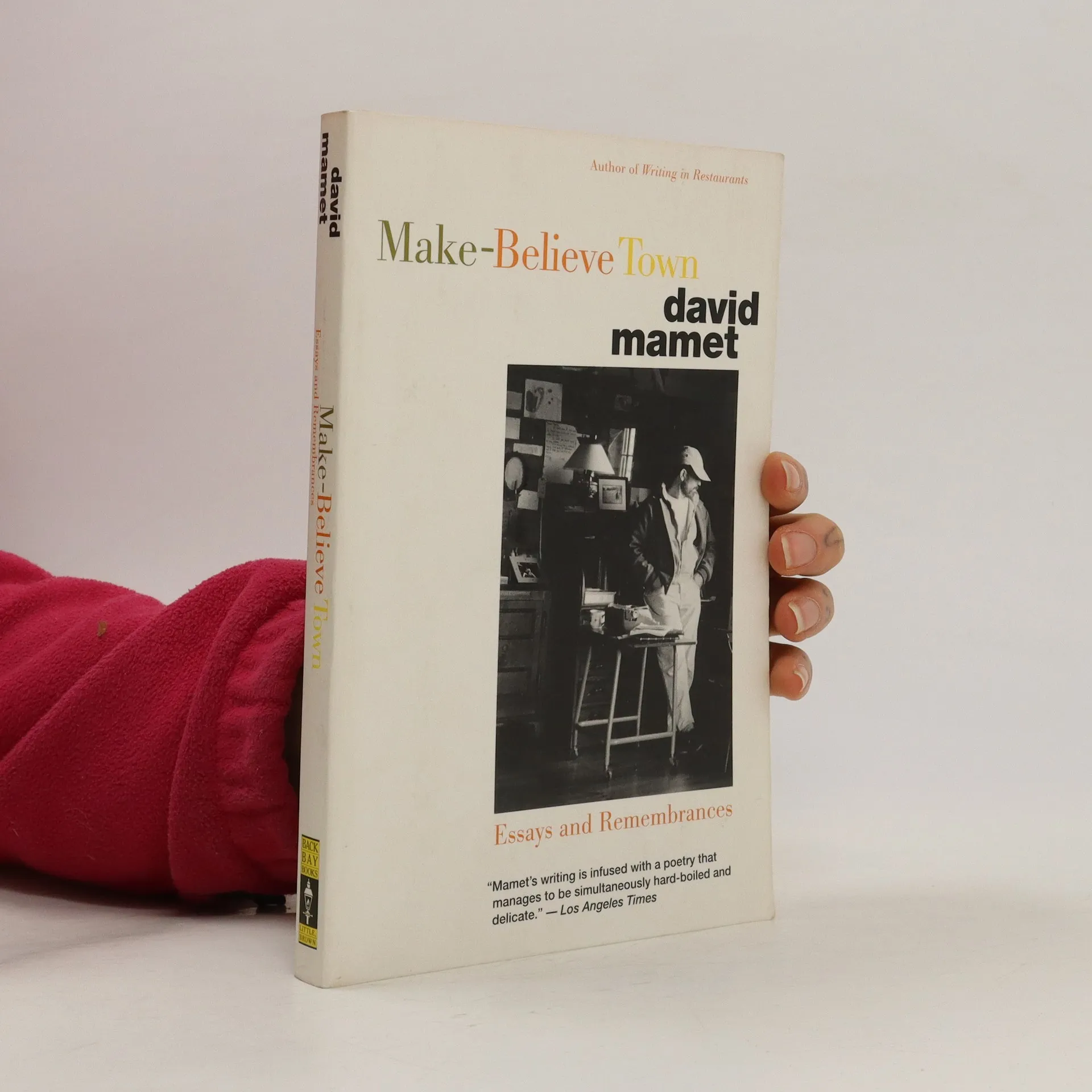
Make-Believe Town
- 207 Seiten
- 8 Lesestunden
Essays discuss gambling, college, magazine writing, clothing, the theater, anti-Semitism, memory, President Nixon, the portrayal of Jews in motion pictures, and screenwriting
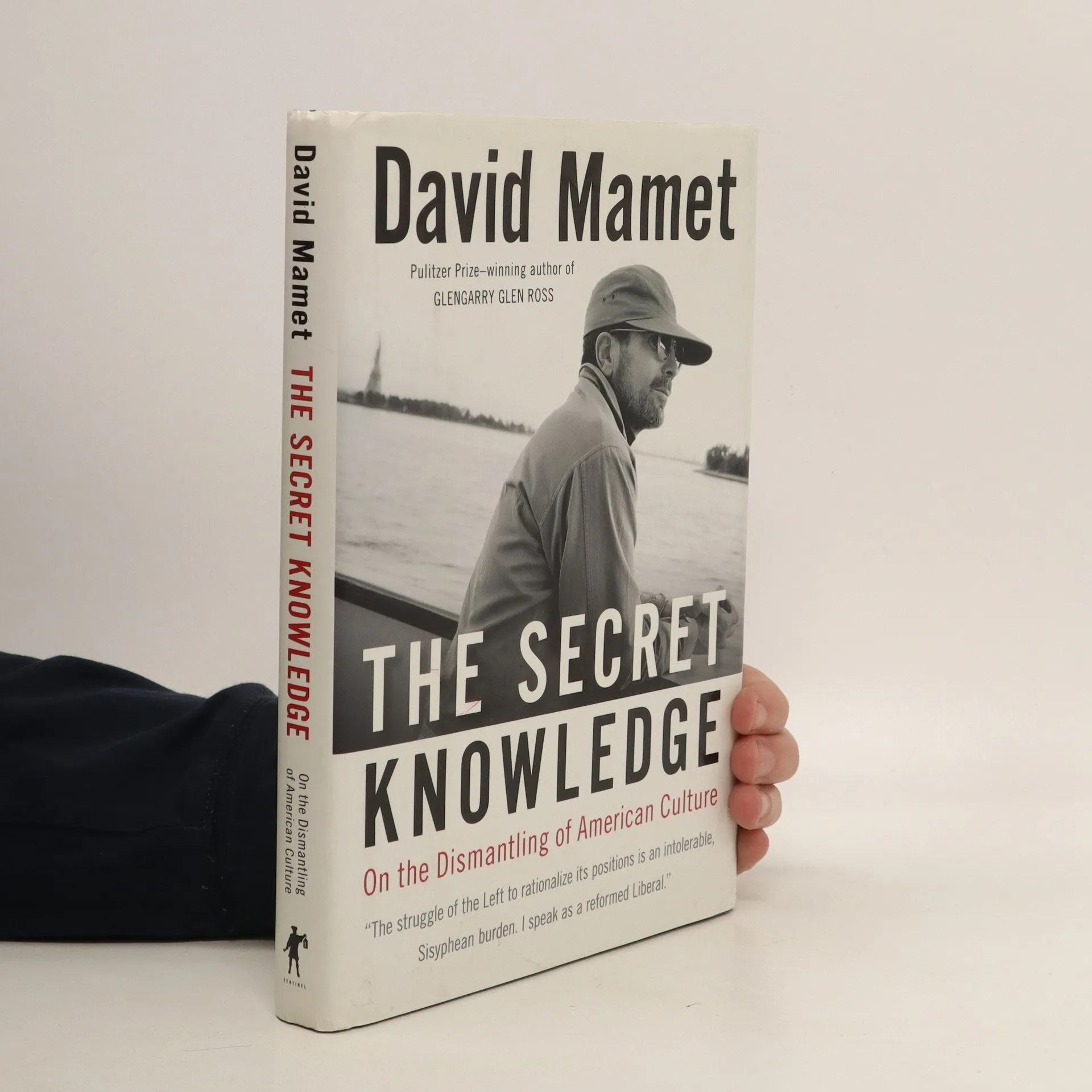
The Secret Knowledge
- 241 Seiten
- 9 Lesestunden
The Pulitzer Prize-winning author of Glengarry Glen Ross addresses key political issues from religion and political correctness to taxes and global warming while denouncing current administrative agendas and explaining why he has abandoned his liberal views. 40,000 first printing.
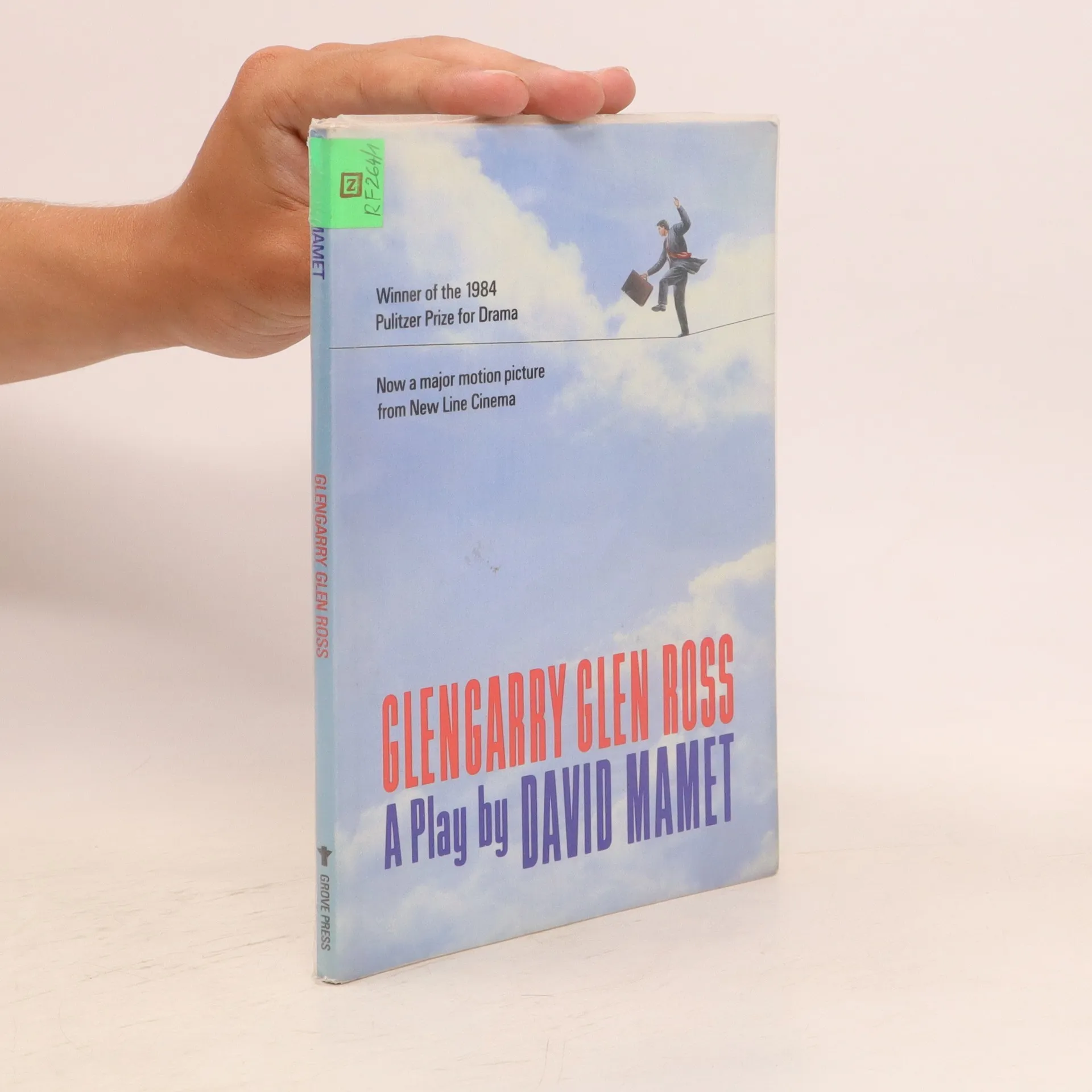
Glengarry Glen Ross
- 112 Seiten
- 4 Lesestunden
An examination of the machinations behind the scenes at a real estate office.
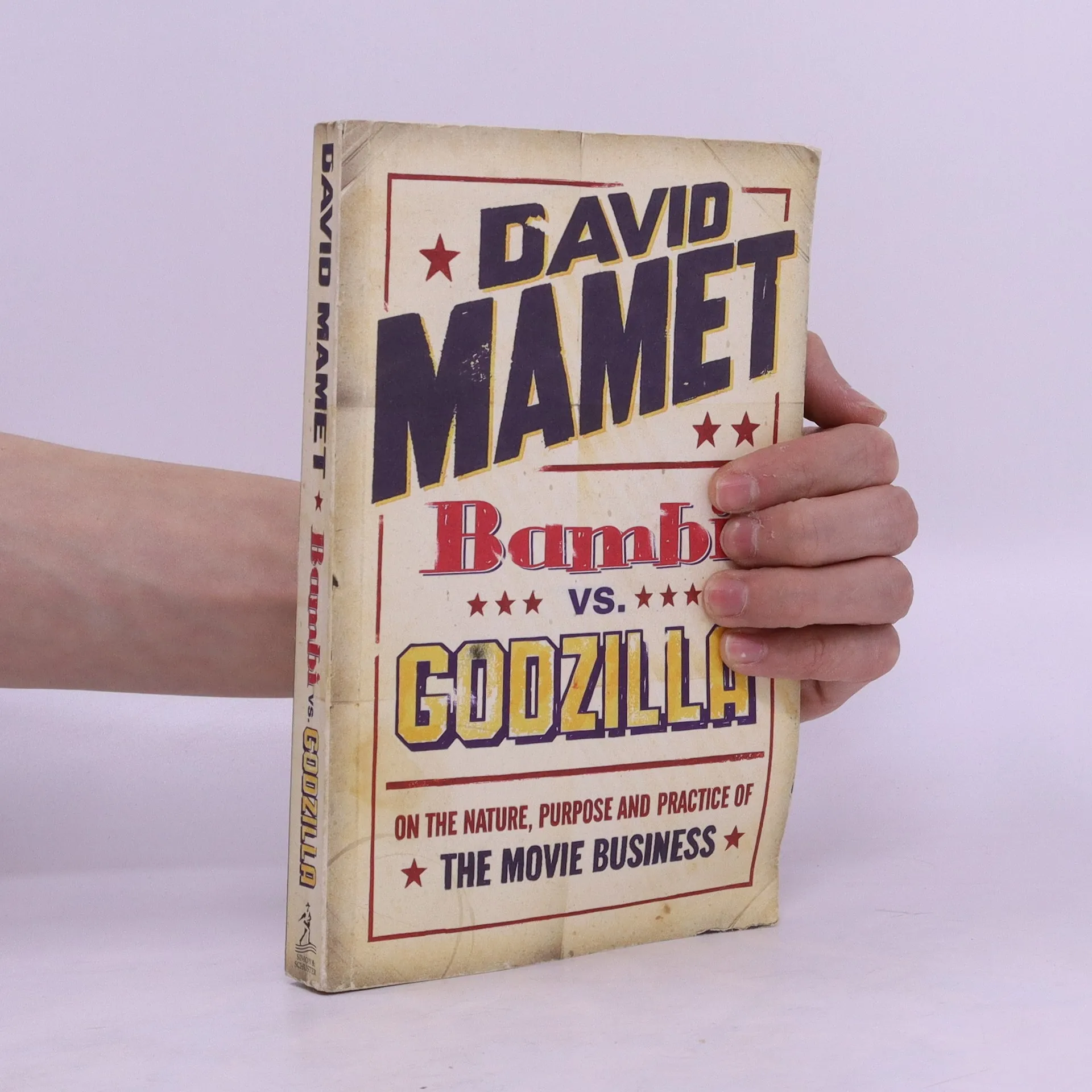
Bambi vs. Godzilla on the nature, purpose, and practice of the movie business
- 272 Seiten
- 10 Lesestunden
Playwright and screenwriter Mamet gives us a subversive inside look at Hollywood from the perspective of a filmmaker who has always played the game his own way. Who really reads the scripts at the film studios? How is a screenplay like a personals ad? Whose opinion matters when revising a screenplay? Why are there so many producers listed in movie credits? And what do those producers do, anyway? Refreshingly unafraid to offend, Mamet provides hilarious, surprising, and bracingly forthright answers to these and other questions about virtually every aspect of filmmaking, from concept to script to screen. He covers topics ranging from "How scripts got so bad" to the oxymoron of "Manners in Hollywood." He takes us step-by-step through some of his favourite movie stunts and directorial tricks, and demonstrates that it is craft and crew, not stars and producers, that make great films.--From publisher description
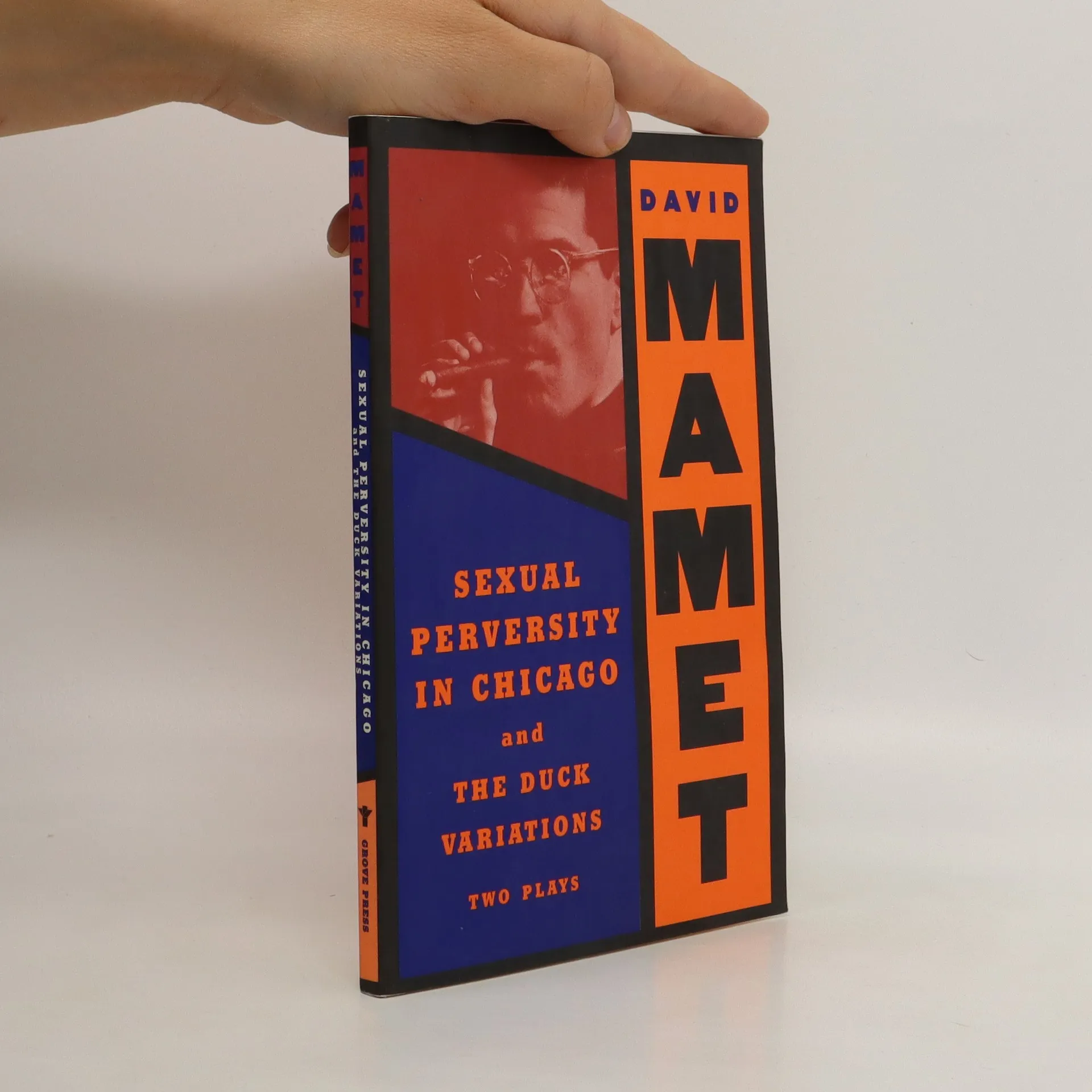
Sexual perversity in Chicago and The duck variations
- 128 Seiten
- 5 Lesestunden
"Two young couples sort out their sex lives in a world of office files and singles bars, and two old men sitting on a park bench reveal their attitudes toward life while discussing the mating habits of ducks."--Provided by publisher.
Everywhere an Oink Oink
- 256 Seiten
- 9 Lesestunden
The award-winning playwright, screenwriter and director reflects on his 40 years in Hollywood and his work with industry giants such as Paul Newman, Jack Nicholson, Mike Nichols, Bob Evans and Sue Mengers
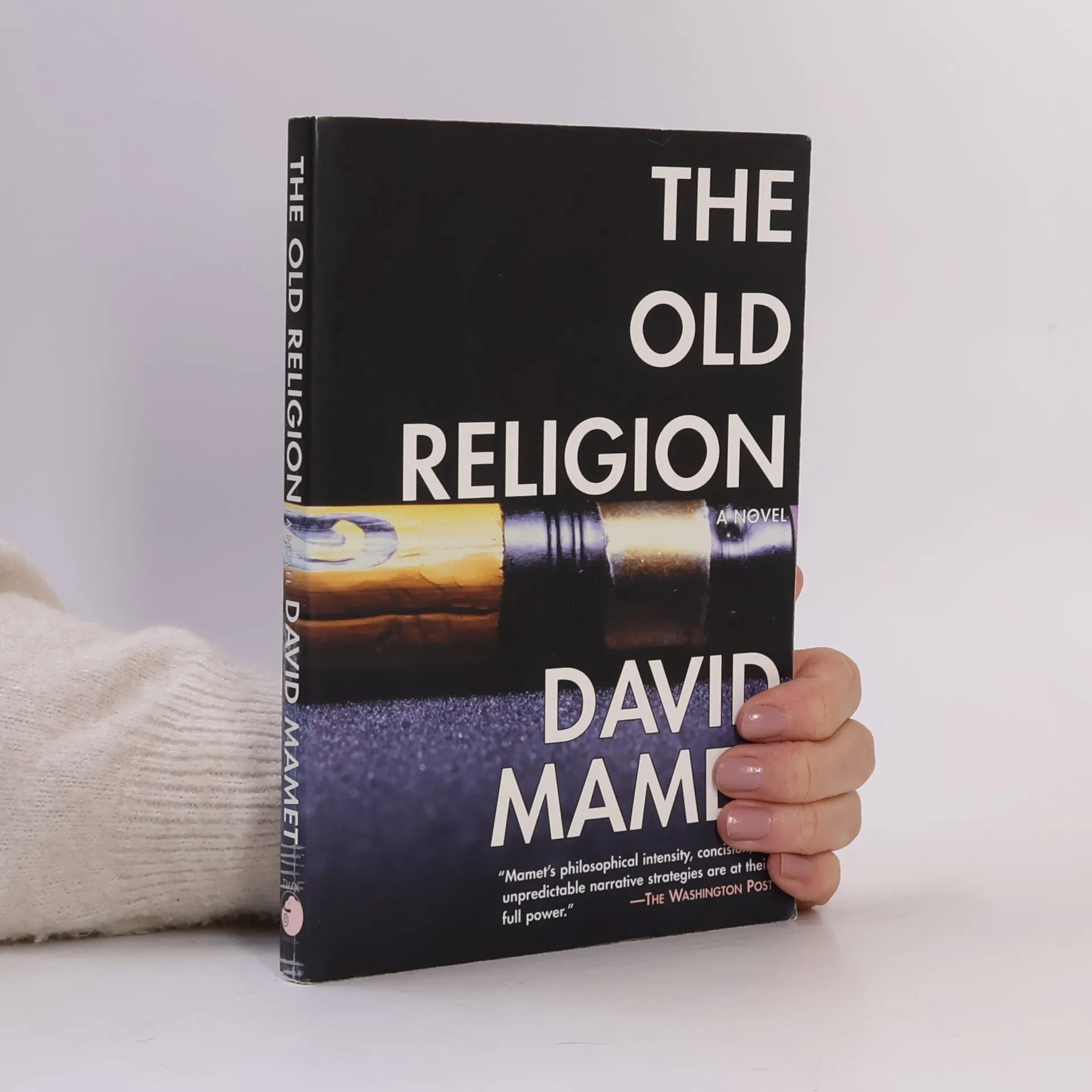
The Old Region
- 194 Seiten
- 7 Lesestunden
A Jew in 1915 Atlanta is falsely accused of raping and murdering a woman employee of his factory and pays for it with his life. Based on real events, the novel looks at the precarious position of Jews in Christian society
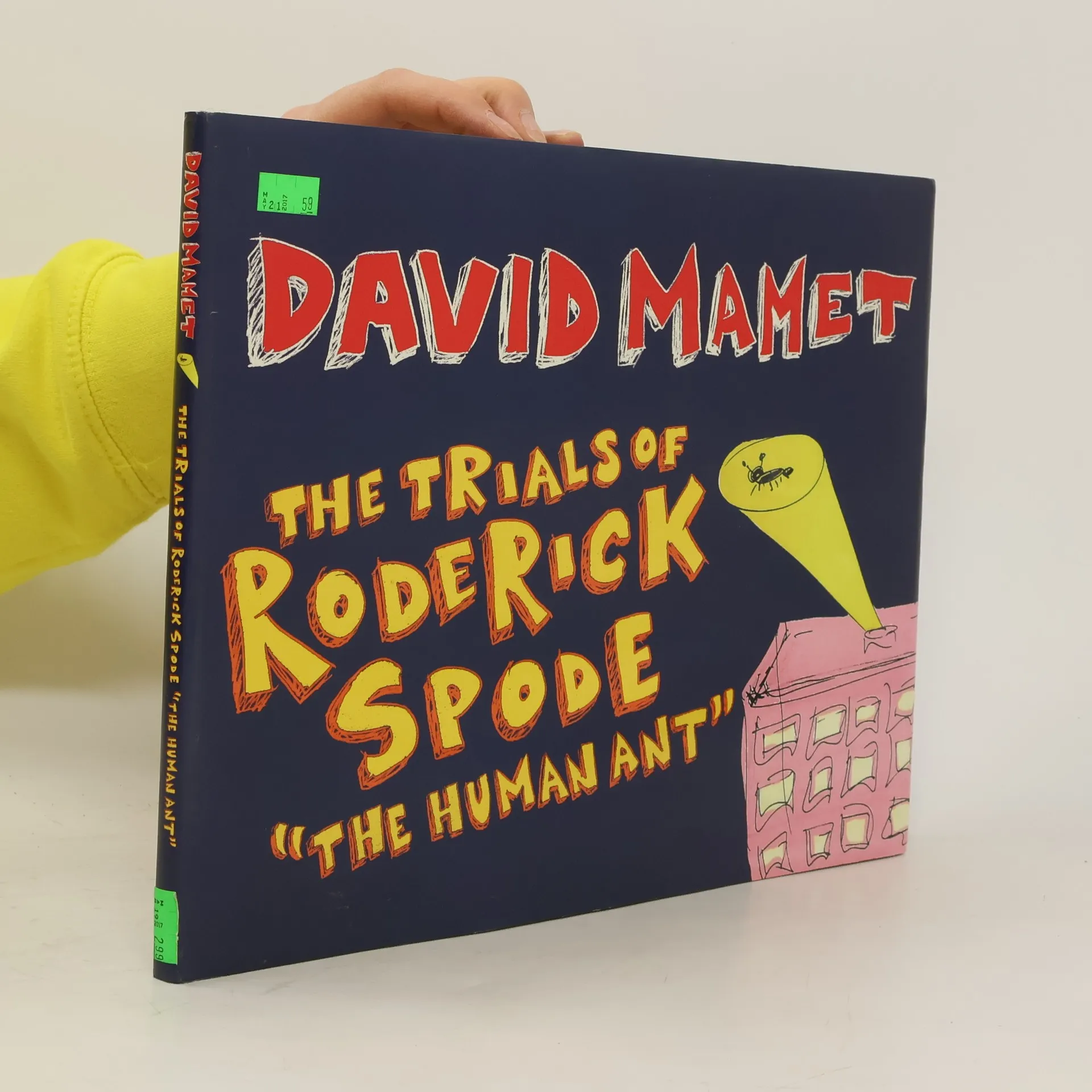
The Trials of Roderick Spode "The Human Ant"
- 32 Seiten
- 2 Lesestunden
For years, David Mamet has given the world gripping drama, hilarious encounters, and unforgettable characters through his plays, films, and novels. Now he brings his trademark style to a whole new genre, with a laugh-out-loud comic collection that provides a clever and postmodern take on the world of superheroes and ordinary life.The Trials of Roderick Spode ("The Human Ant") follows the bizarre and hilarious adventures of Roderick Spode, an ordinary man who, after a few too many drinks, confuses a photo booth with a booth that gives out special powers, so he now turns into an ant half the time. Follow Roderick as he hangs out with his friend Cocky Cockroach, freelances as a comma, and fights his the European Sourdough Rye!The Trials of Roderick Spode ("The Human Ant") is a brilliantly offbeat and delightfully different offering from one of our greatest living talents.
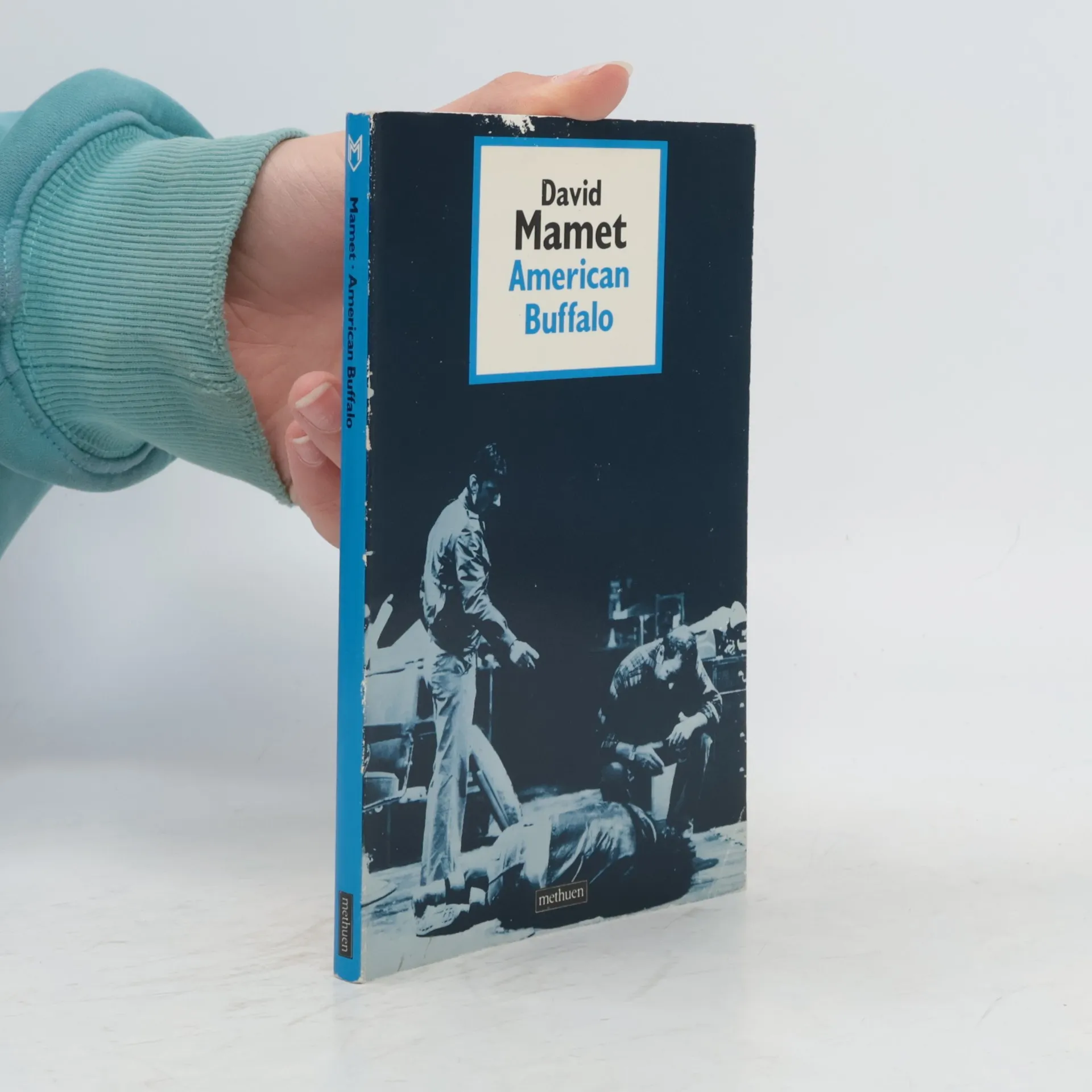
Modern Plays: American Buffalo
- 64 Seiten
- 3 Lesestunden
Three small-time crooks plot to carry out a midnight robbery of a coin collection. In the hours leading up to the heist, friendship becomes the victim in a conflict between loyalty and business.
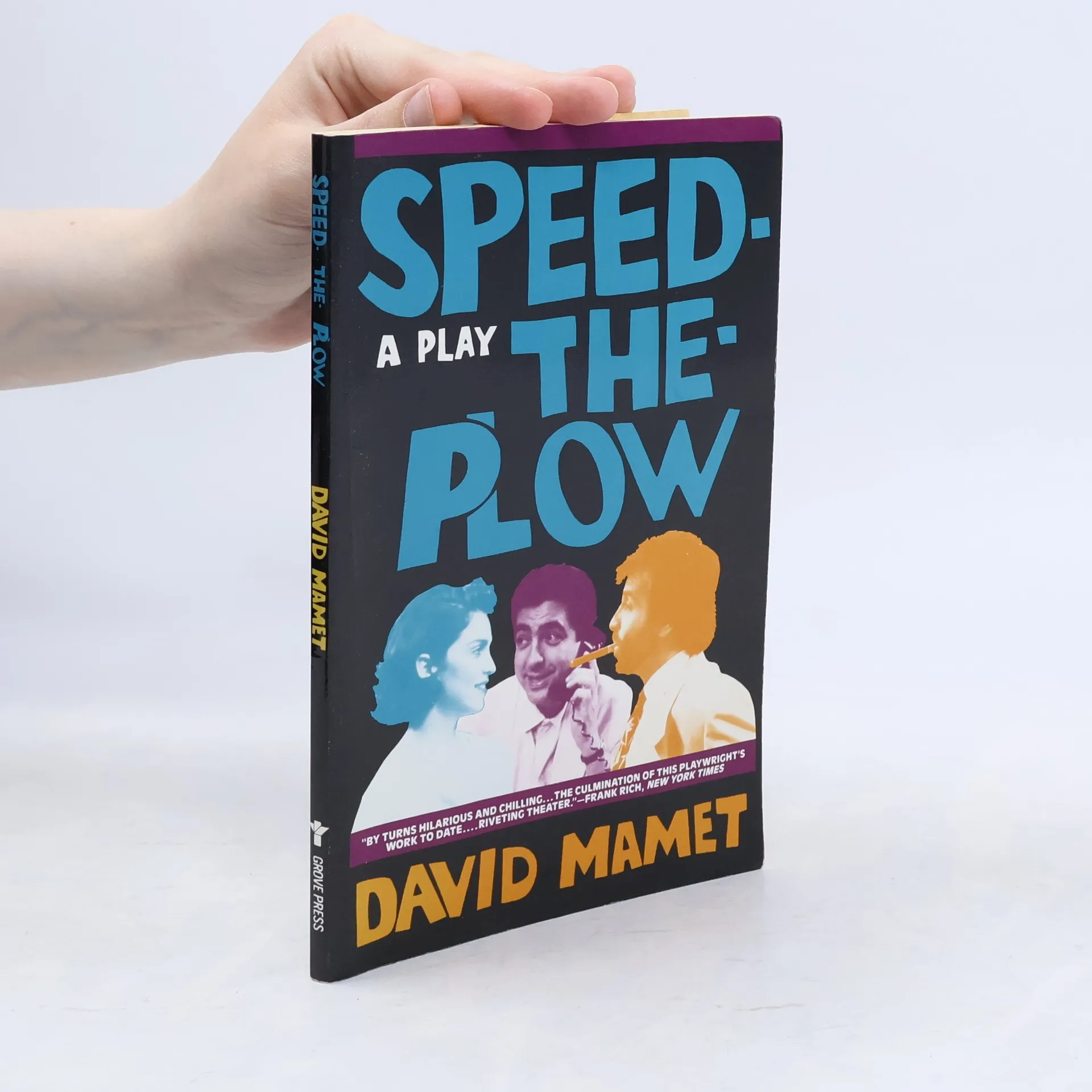
Speed-the-Plow
- 82 Seiten
- 3 Lesestunden
Speed-the-Plow's Broadway run is the most recent triumph of the Pulitzer Prize-winning author's astonishingly productive career. "By turns hilarious and chilling....the culmination of this playwright's work to date....Riveting theater."-Frank Rich, New York Times; "A brilliant black comedy, a dazzling dissection of Hollywood cupidity and another tone poem by our foremost master of the language of moral epilepsy... On its deepest level it belongs with the darker disclosures of movie-biz pathology like Nathanael West's The Day of the Locust and F. Scott Fitzgerald's The Last Tycoon. In a sense Speed-the-Plow distills all of these to a stark quintessence: there's hardly a line in it that isn't somehow insanely funny or scarily insane... [It is a] scathingly comic play."-Jack Kroll, Newsweek
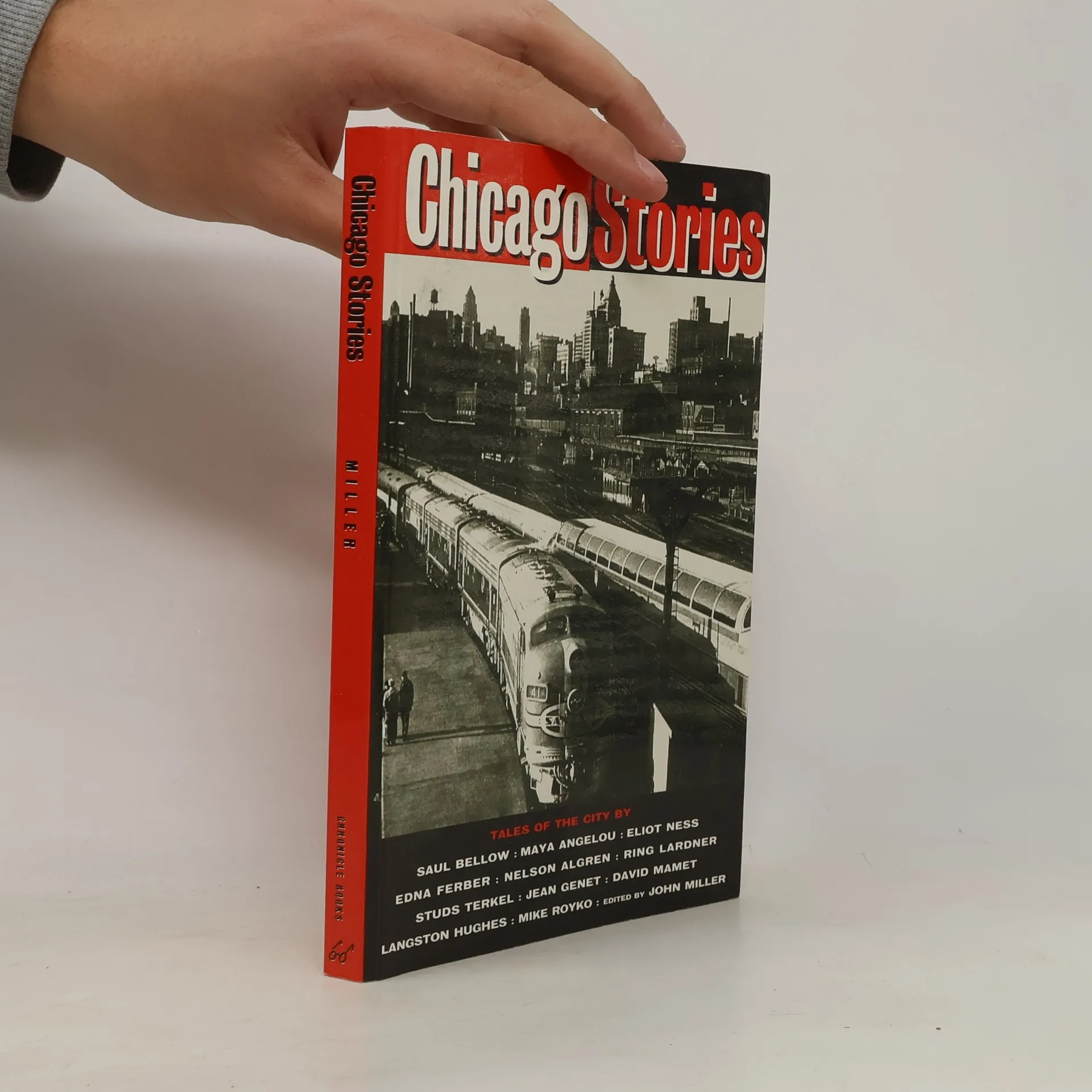
Chicago Stories
- 256 Seiten
- 9 Lesestunden
Hometown and host to talents as diverse as Richard Wright, David Mamet, Maya Angelou, Saul Bellow, and Mike Royko, Chicago boasts a rich tradition of writers who have helped shape our sense of the city even as the city informs their best work. It's "a writer's town . . . a fighter's town," according to Nelson Algren, and this anthology proves it. With a striking new cover, Chicago Stories collects the most evocative writing on the city, its gritty realism, and indomitable spirit.
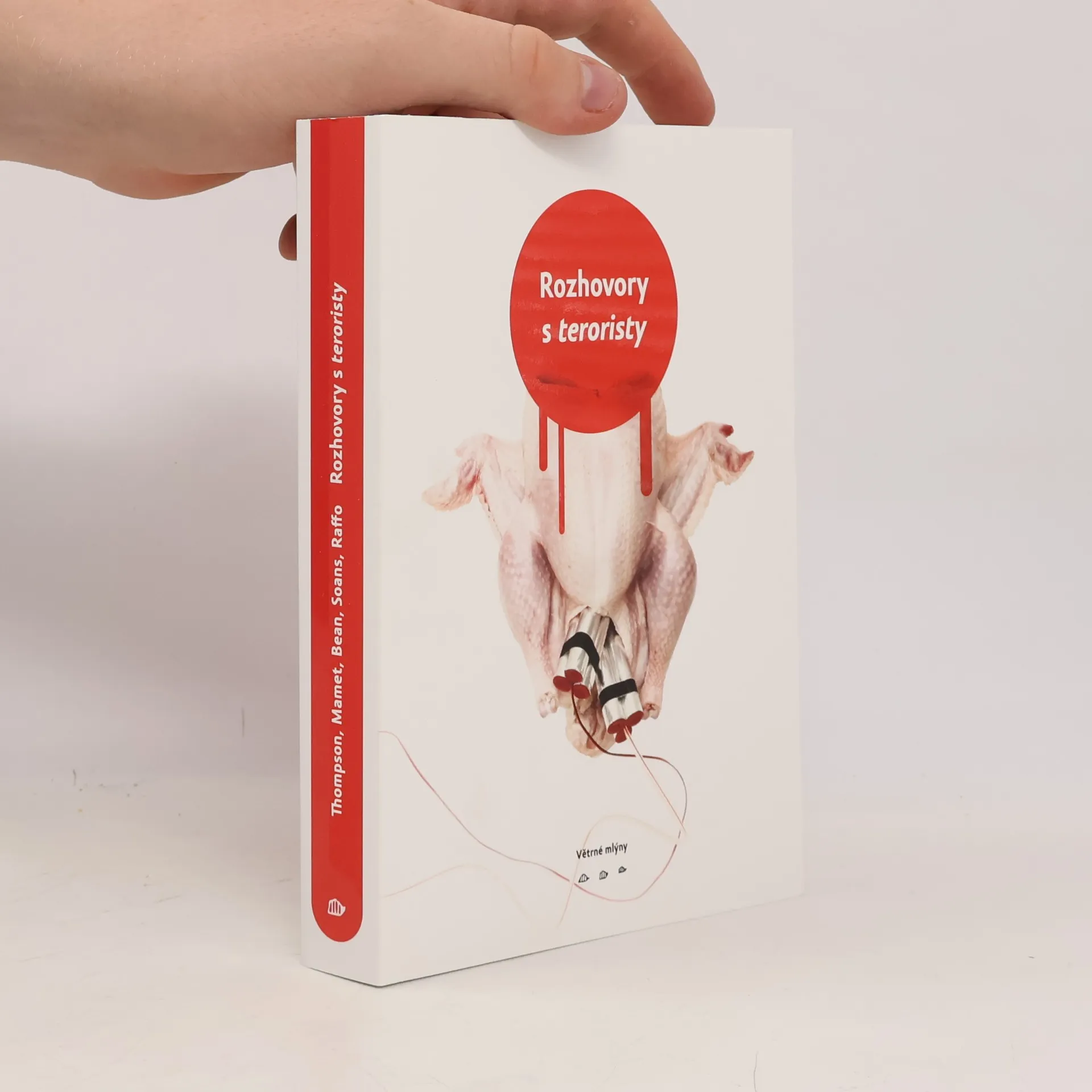
Rozhovory s teroristy
- 424 Seiten
- 15 Lesestunden
Antologie současného anglofonního politického dramatu. Svět politických machinací v britském parlamentu či americkém prezidentském úřadu v černých komediích Brita Steva Thompsona Kdo s koho a Američana Davida Mameta Listopad až neuvěřitelně připomíná současné české prostředí. Idealismus neziskových organizací a problematická snaha spasit svět je terčem jedovaté satiry Boží bojovníci od rebela britského divadla Richarda Beana. Dokumentární drama založené na výpovědích skutečných teroristů a jejich obětí Rozhovory s teroristy od Robina Soanse a subjektivní válečná zkušenost devíti iráckých žen v básnickém podání Heather Raffo Devět dílů touhy jsou důkazem rozmanitosti a popularity současného politického dramatu v Británii a Spojených státech. Pět nových překladů v této antologii má ambice dostat politiku na jeviště i v Česku a dokázat, že politické drama nemusí být propagandistická nuda.
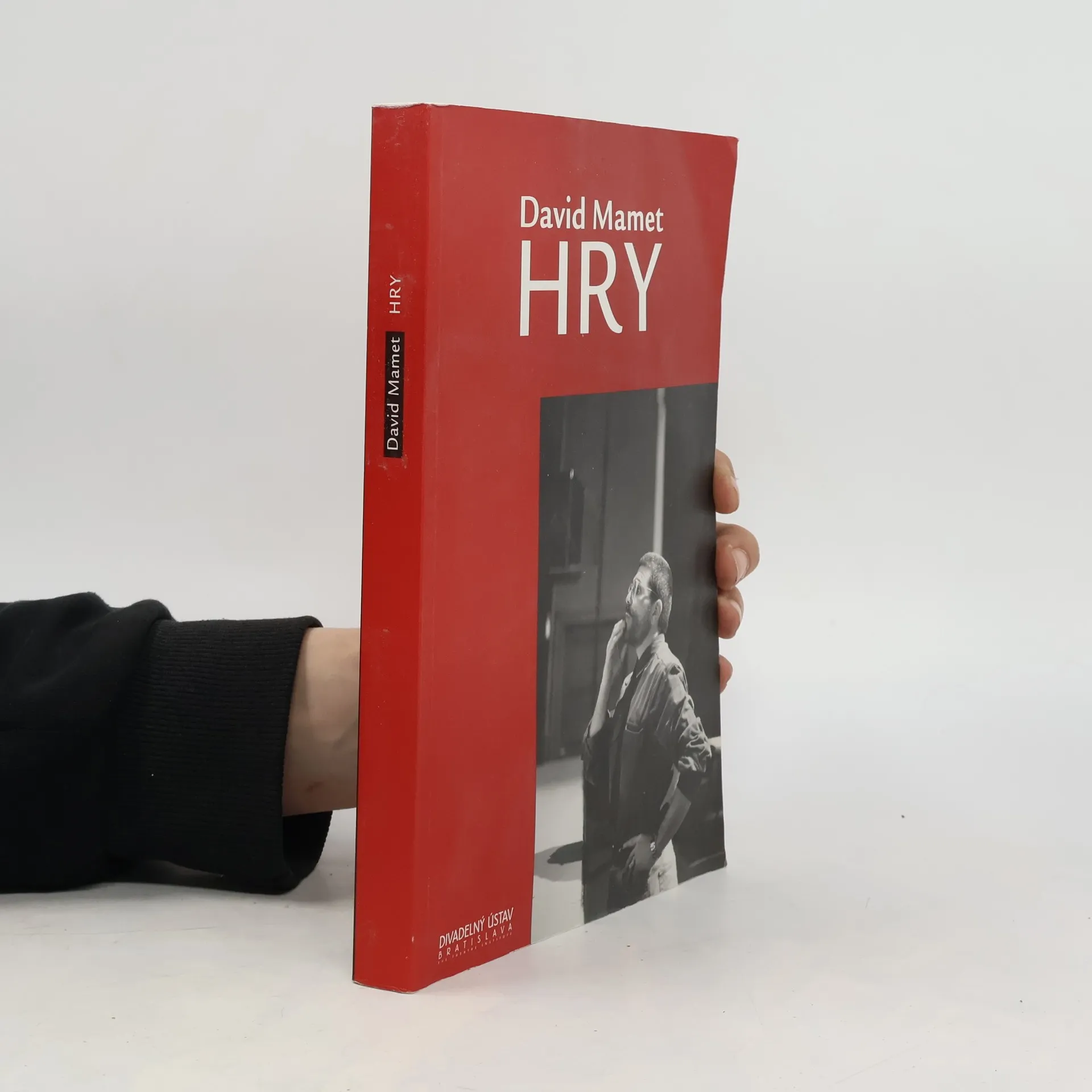
Hry
- 349 Seiten
- 13 Lesestunden
David Mamet patrí popri O´Neillovi, Millerovi, Williamsovi, Albeem a Shepardovi k najvýznamnejším žijúcim dramatickým umelcom a jeho prelomové dielo predstavujeme slovenským čitateľom v komplexnej podobe po prvý raz. Divadelné hry Kryptogram, Edmond, Americký bizón, Oleanna, V pote tváre orať budeš, Kačacie variácie a Sexuálna perverzita v Chicagu, ktoré sú zaradené do výberu a tvoria reprezentatívny prierez Mametovou tvorbou preložili Zuzana Flašková, Laco Kerata, Alexandra Ruppeldtová, Juraj Šebesta. Mamet napísal takmer tridsať divadelných hier, niekoľkokrát získal cenu OBIE a v roku 1984 Pulitzerovu cenu za najlepšiu drámu roka Glengarry Glenn Ross. Všestrannosť spisovateľského talentu dokazujú jeho novely, zbierky básní, divadelné hry a knihy pre deti, ako aj eseje o divadle a filme. Je známy a oceňovaný aj ako filmový a televízny scenárista a filmový a divadelný režisér. Z jeho filmov spomeňme aspoň Poštár zvoní vždy dvakrát, Verdikt, Dom hier, Vrtieť psom, Hannibal či Spartan.
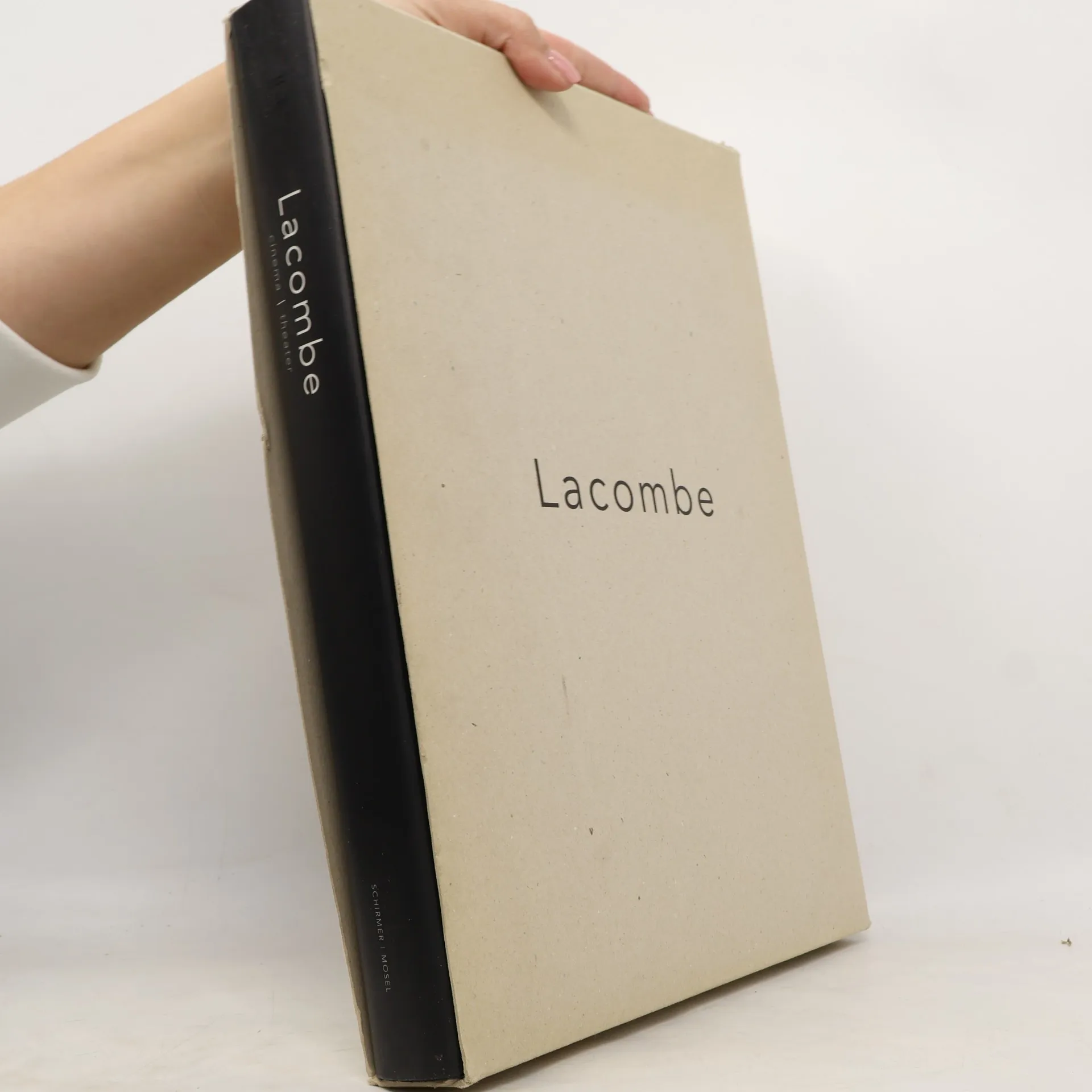
Lacombe. Cinema, Theater.
- 292 Seiten
- 11 Lesestunden
Lacombe Cinema / Theater rassemble pour la première fois les portraits de la photographe française Brigitte Lacombe. C'est son amour des acteurs, metteurs en scène et écrivains que retrace cette fabuleuse rétrospective en images, de 1975 à aujourd'hui. On y retrouve la plupart des grandes figures du cinéma et du théâtre, de Meryl Streep à Jean-Luc Godard, saisis avec personnalité et intelligence. Comme aucun autre photographe contemporain, Brigitte Lacombe révèle ses sujets sous un regard vrai et intime. Davantage que des portraits de célébrités, ces photographies constituent des documents aussi fascinants que révélateurs des personnalités et des œuvres qui ont marqué le dernier quart du siècle. Portraits, moments intimes et reportages en coulisses sont présentés dans cette monographie : Cary Grant prenant des photographies, François Truffaut chez lui fumant une cigarette, Federico Fellini filmant de sous une table, Steven Spielberg allongé après avoir achevé Les Dents de la mer, Kevin Kline se dissimulant sous les draps, Julia Roberts, vulnérable et directe, John Malkovich fixant intensément l'objectif, Daniel Day-Lewis riant avec Arthur Miller, Jeanne Moreau lumineuse icône, Leonardo DiCaprio au seuil de l'âge adulte - tous sans apprêt ni artifice.
Súčasná americká dráma. Zborník hier
- 253 Seiten
- 9 Lesestunden