

Gratis Versand in ganz Österreich
Bookbot

Robert Sternberg

    8. Dezember 1949

    Robert J. Sternberg ist ein Psychologe, der traditionelle Vorstellungen von Intelligenz in Frage stellt. Seine Triarchische Theorie der erfolgreichen Intelligenz besagt, dass wahre Intelligenz im Gleichgewicht von analytischen, kreativen und praktischen Fähigkeiten liegt. Sternberg betont, dass intelligentes Verhalten nicht nur analytisches Denken, sondern auch die Fähigkeit zur Ideenfindung und zur effektiven Anwendung von Wissen in realen Kontexten umfasst. Anpassungsfähigkeit und die Nutzung der eigenen Stärken innerhalb eines bestimmten soziokulturellen Umfelds sind laut seiner einflussreichen Arbeit zentral für den Erfolg.

    Robert Sternberg
    The Nature of Intelligence and Its Development in Childhood
    Metaphors of Mind
    Adaptive Intelligence
    Cognitive Psychology
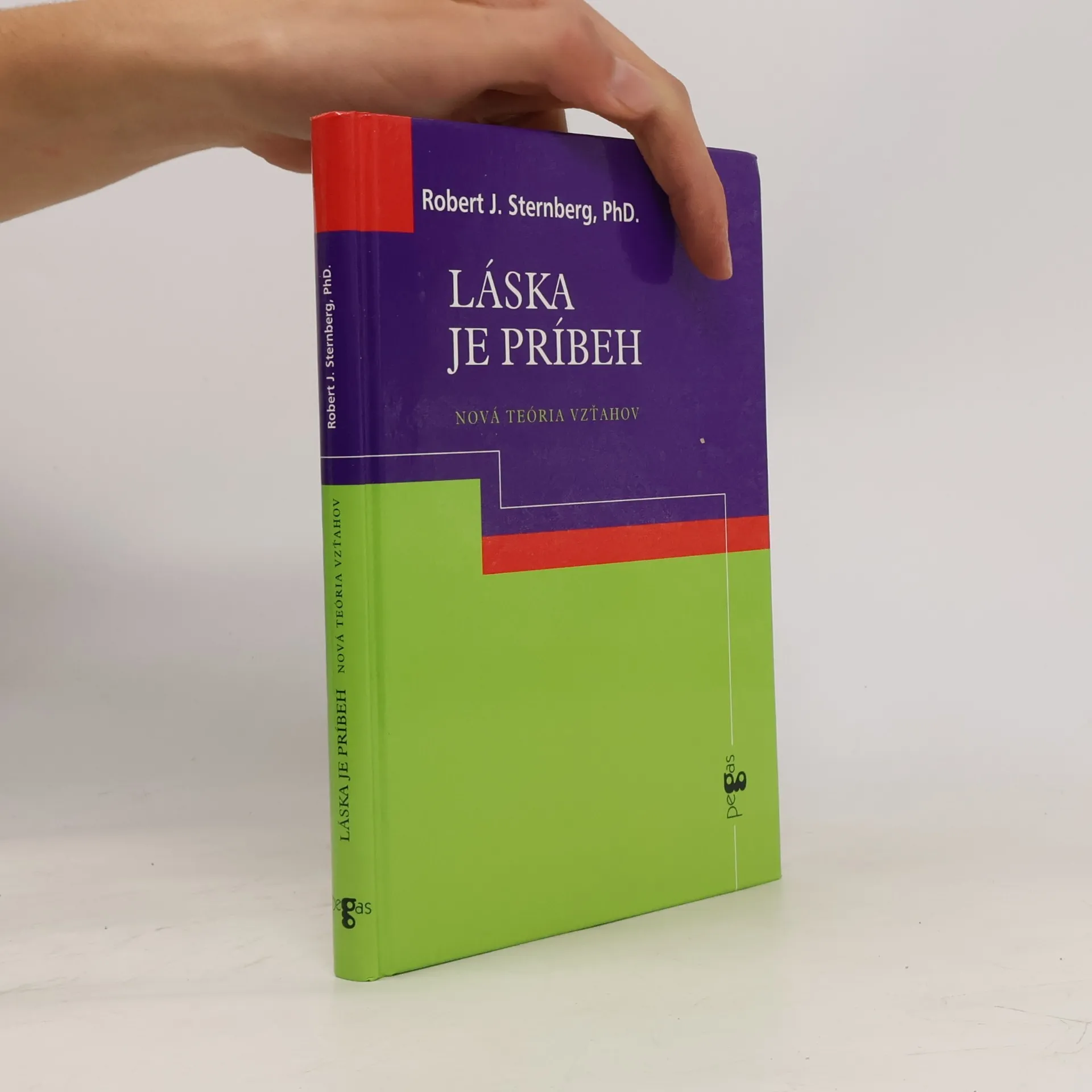
    Über Liebe spricht man doch
    Warum der Gärtner nie auf die Prinzessin hereinfällt
    • Zum größten Teil beruhen Geschichten, die die Liebe schreibt, auf unterschwelligen Annahmen, von denen wir uns bei der Suche nach der Traumfrau oder dem Märchenprinzen leiten lassen. Jede dieser Geschichten hat ihre Licht- und Schattenseiten, und manche passen einfach nicht zueinander. Erst wenn wir uns der Liebesgeschichte bewusst werden, die wir als Fortsetzungsroman, Krimi oder Anekdotensammlung immer auf neue schreiben, gewinnen wir die Freiheit, erfüllte und dauerhafte Beziehungen einzugehen. Dann nämlich können wir lernen, unser Drehbuch umzuschreiben, oder Partner wählen, deren Geschichte besser mit der unsrigen harmoniert.
      Warum der Gärtner nie auf die Prinzessin hereinfällt
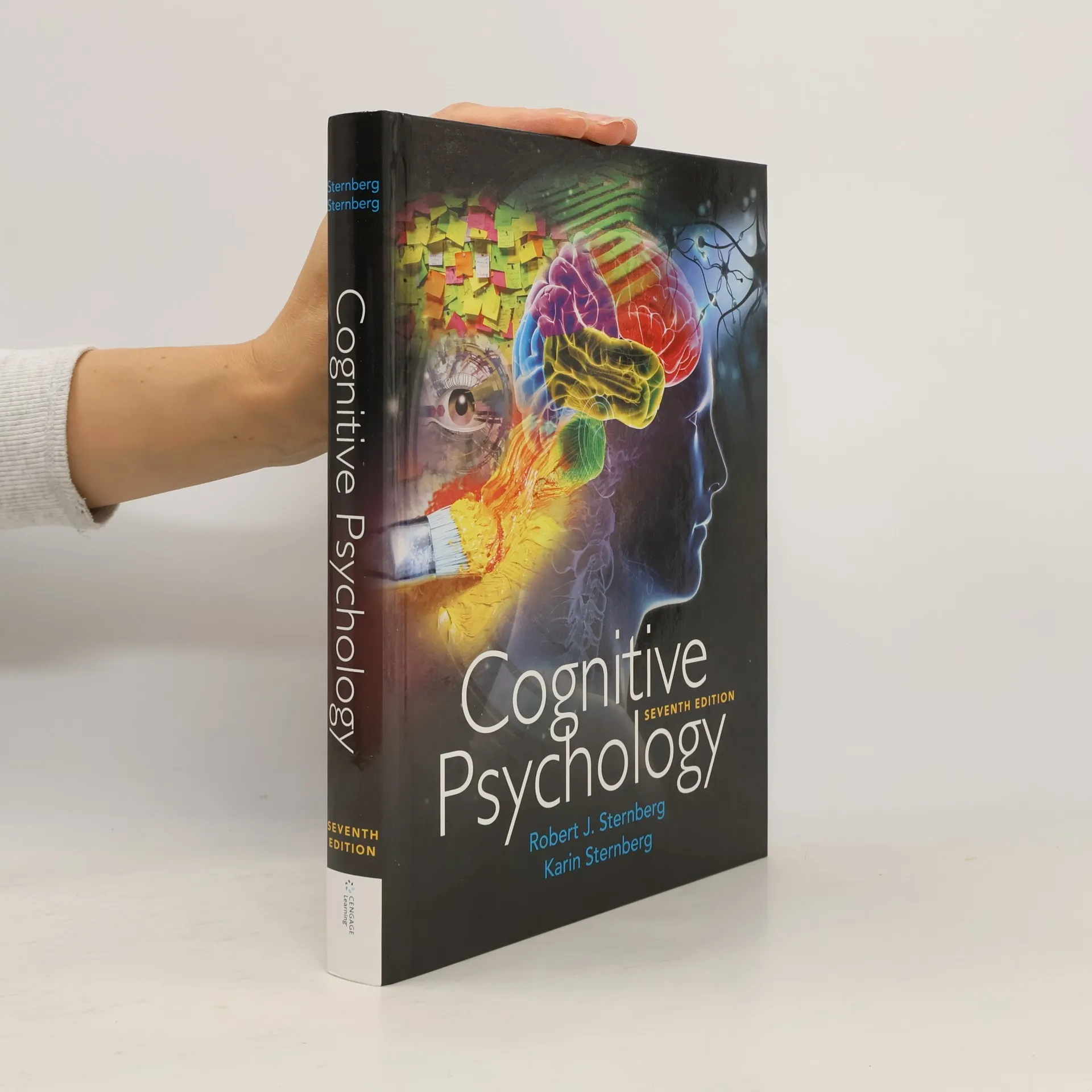
    • Sternberg's text balances accessible writing, practical applications and research scholarship, including biologically oriented information. It explores the basics of cognitive psychology through its coverage of cognitive neuroscience.

      Cognitive Psychology
    • A world-renowned expert on human intelligence argues that societies continue to use a flawed, early twentieth-century conception of human intelligence. Instead of focusing on narrow academic skills, we should adopt the values of 'adaptive intelligence,' defined as the use of talent in service of the common good.

      Adaptive Intelligence
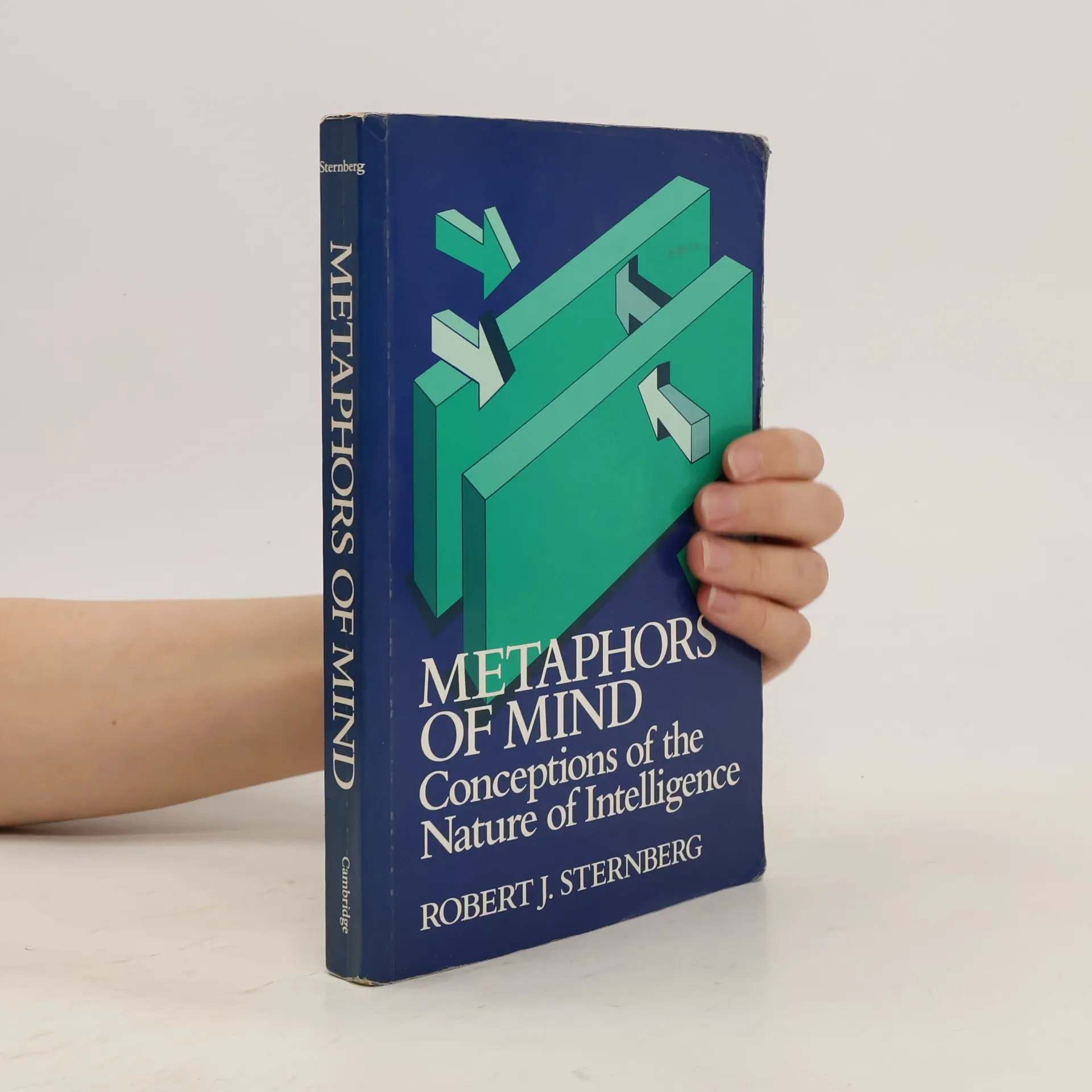
    • Metaphors of Mind

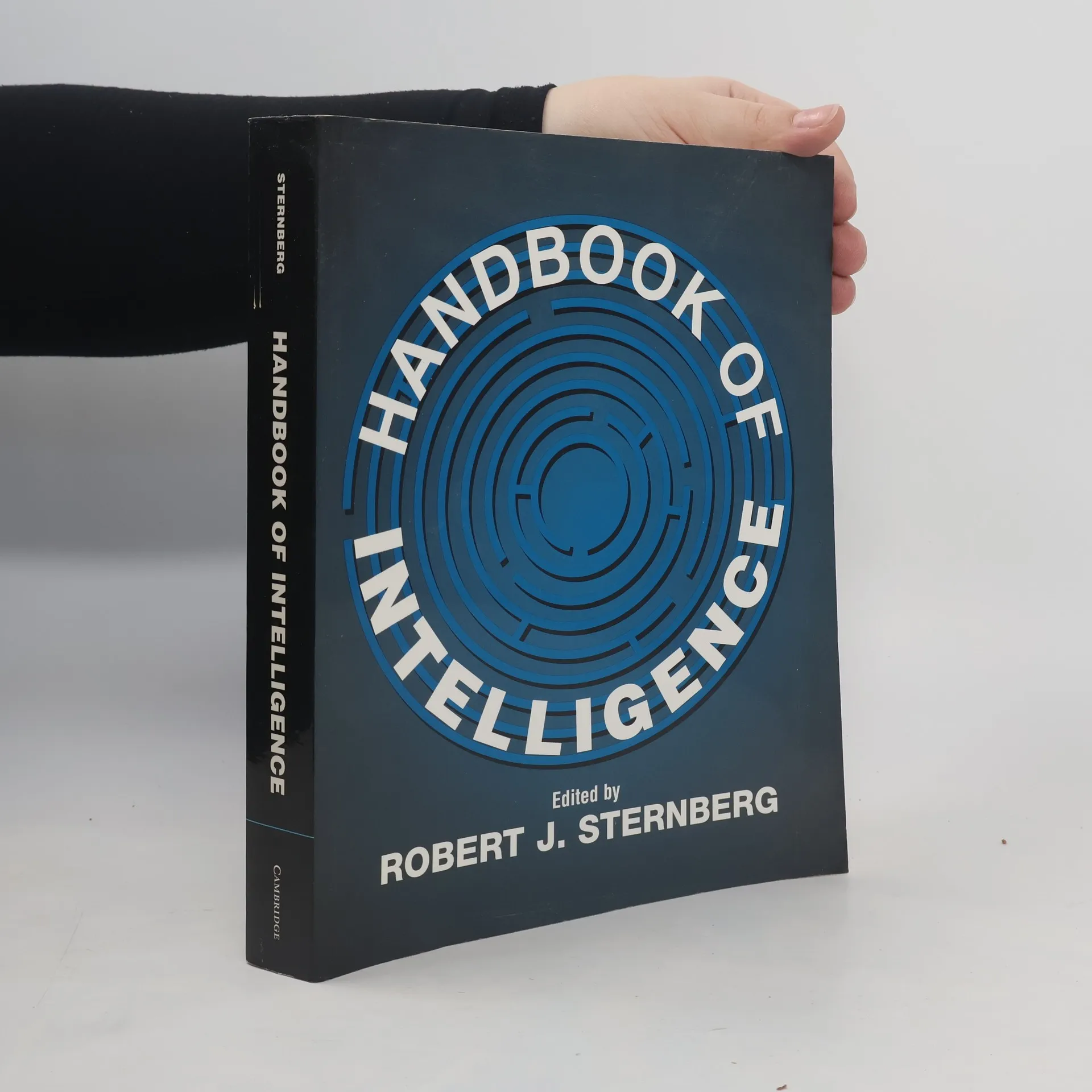
      Conceptions of the Nature of Intelligence

      • 364 Seiten
      • 13 Lesestunden
      3,8(9)Abgeben

      Exploring human intelligence through diverse lenses, this book integrates insights from psychology, anthropology, computational science, sociology, and philosophy. It aims to deepen readers' understanding of the complexities of the mind by presenting various metaphors that illustrate different aspects of intelligence.

      Metaphors of Mind
    • In this Element, I first introduce intelligence in terms of historical definitions. I then review the major approaches to understanding intelligence and its development. These approaches, taken together, present a much more complex portrait of intelligence and its development than would be ascertained just from scores on intelligence tests.

      The Nature of Intelligence and Its Development in Childhood
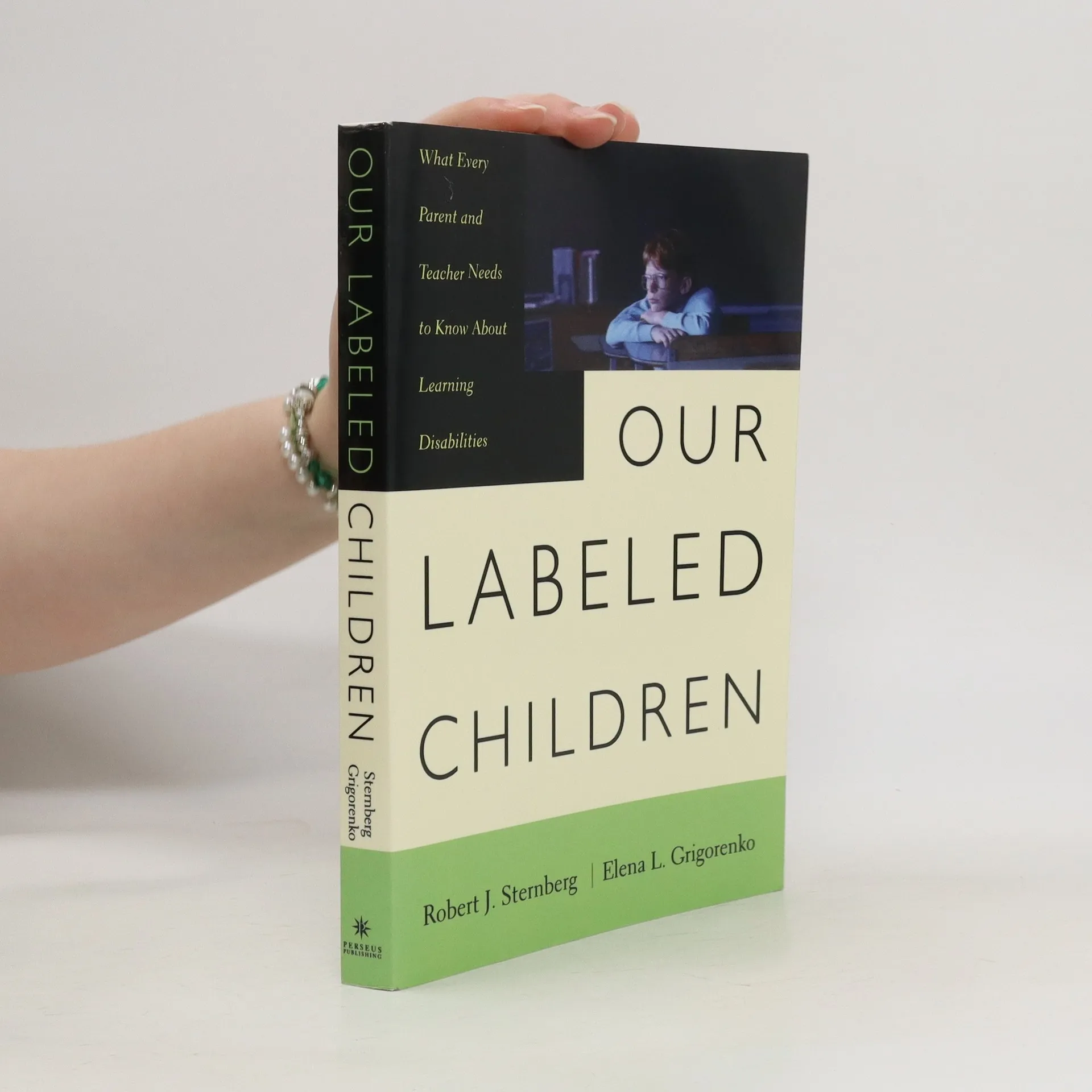
    • Our Labeled Children

      • 304 Seiten
      • 11 Lesestunden
      3,7(11)Abgeben

      Twenty percent of all school-aged children in this country have been labeled Learning Disabled. But what is a genuine learning disability? How does it differ from garden-variety poor learning? How can we more accurately assess and then teach to individual learning strengths instead of merely pinpointing learning weaknesses? In this passionately argued yet clear-headed book, internationally acclaimed cognitive psychologist Robert Sternberg and research scientist Elena Grigorenko tackle these controversial issues, urging that we understand the full range of factors that contribute to learning disabilities (and sometimes to their misdiagnosis) in order to improve the American educational and diagnostic systems.From the biological bases of dyslexia and other disabilities, to the tests that do and do not accurately assess learning abilities, to the social and educational pressures that contribute to misdiagnosis, Our Labeled Children clearly outlines the issues that concern both parents and teachers, ultimately pointing to clear strategies for improving our system to help children with all manner of learning problems.

      Our Labeled Children
    • Applied Intelligence

      • 432 Seiten
      • 16 Lesestunden

      Typical texts develop students' knowledge while only minimally developing the general skills they will need for success in school and in life. The goal of our text is to assist students in acquiring the most important skills for facing the diverse challenges life presents. The book contains an overview of theories of intelligence, but itself is based in large part on a theory according to which individuals need creative skills to generate new ideas and a vision for the future, analytical skills to make sure that the vision is a good one, and practical skills to execute the ideas and to persuade other people of their value. The book considers key skills in problem solving, logical reasoning, analysis of arguments, knowledge acquisition, creative and practical thinking, automatizing information processing, and avoiding life traps that derail even the most intelligent among us.

      Applied Intelligence
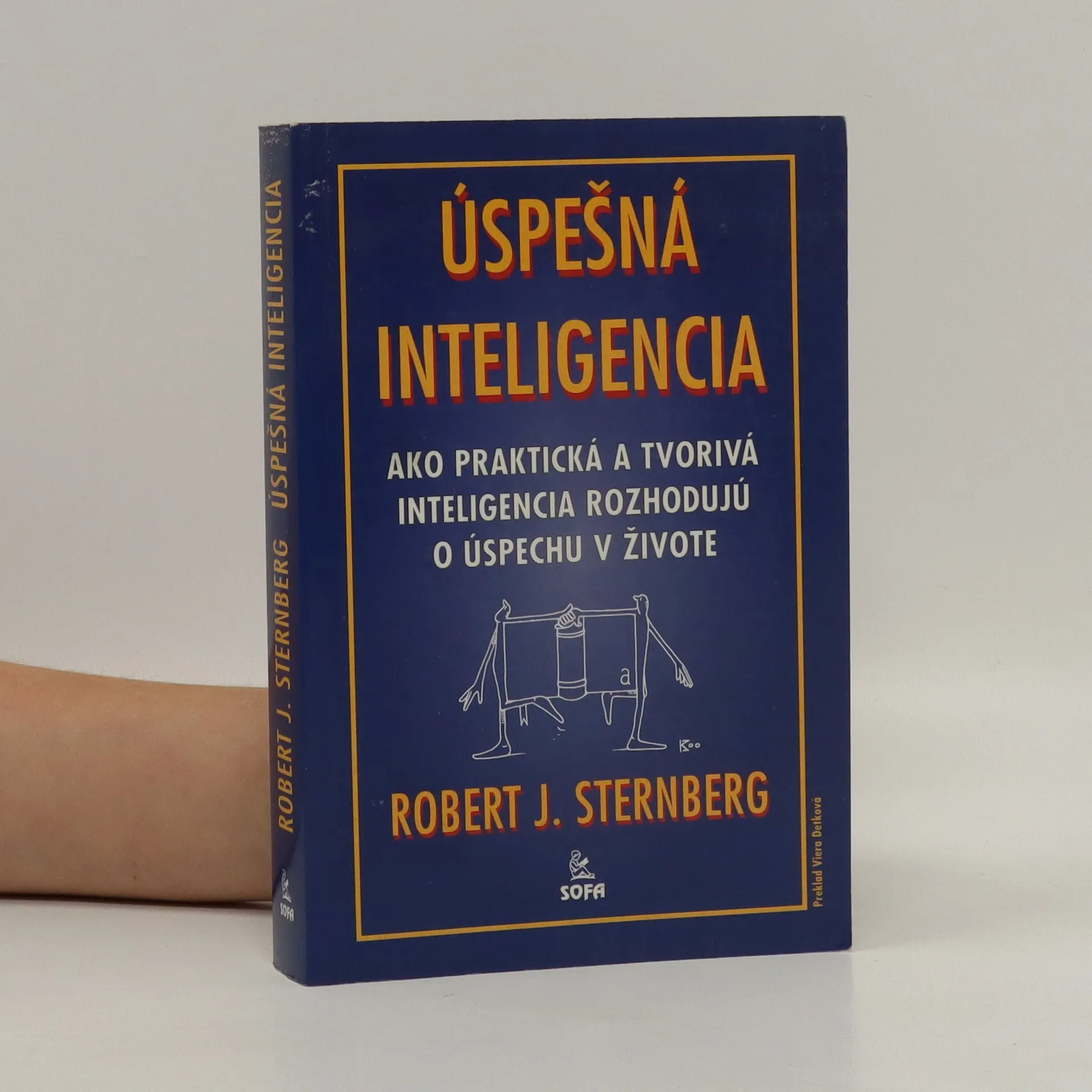
    • Wisdom is the deployment of intelligence and knowledge to serve a common good, over the long term as well as the short term. We need it now, more than ever, to solve the world's problems. This book explains what it is, how to acquire it, and how to use it.

      Wisdom
    • 4,5(2)Abgeben

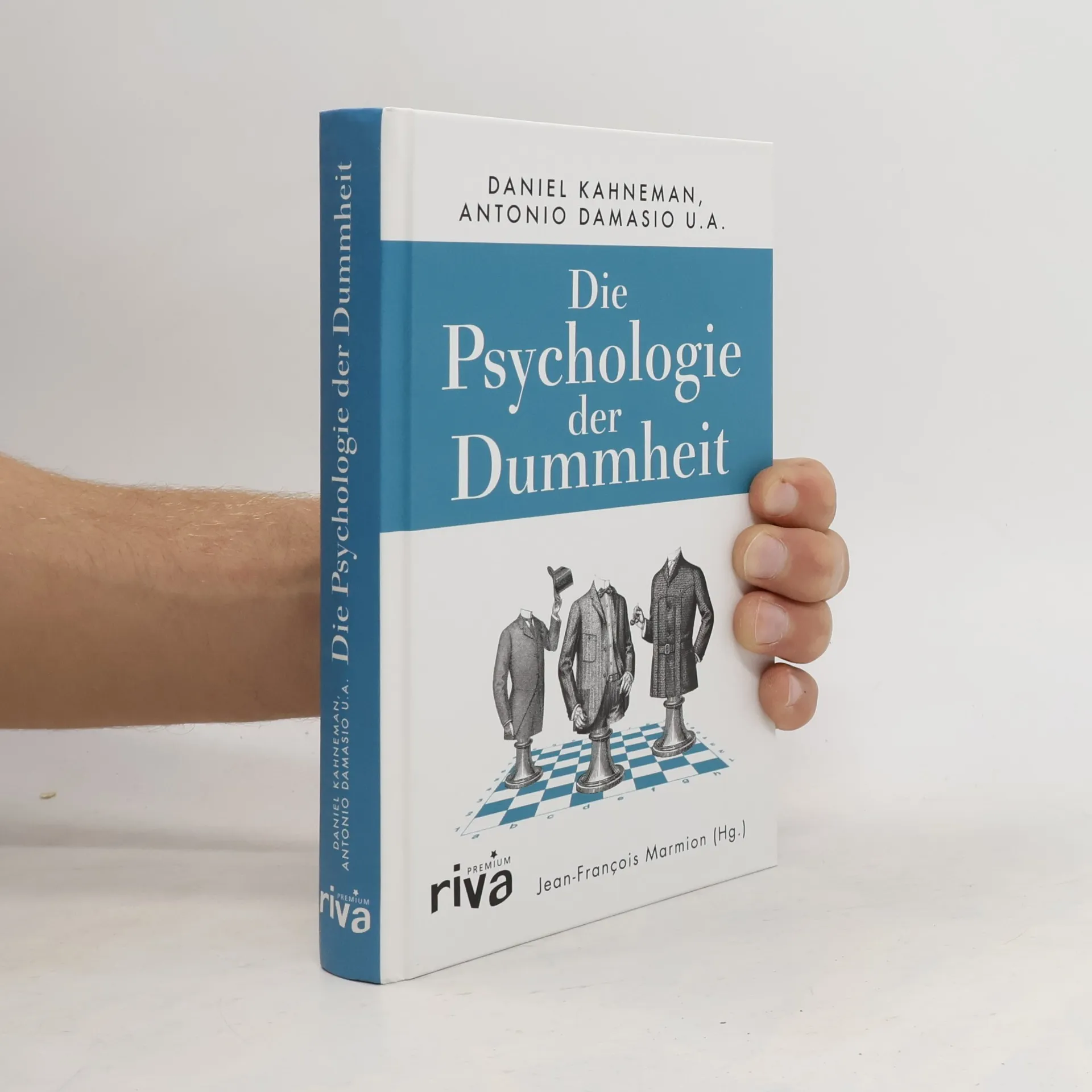
      Prečo ľudia rozmýšľajú a správajú sa tak hlúpo, že nakoniec zlyhajú existenčne a celkom si zničia život? Predkladaná kniha sa dotýka práve tejto otázky, ktorú drvivá väčšina teórií v psychológii, vrátane teórií inteligencie, ako sa zdá, ignoruje. Svet podporuje miliardový priemysel výskumu a testovania inteligencie a schopností v snahe určiť, koho jeho inteligencia predurčuje na úspech, ale prakticky nik sa nevenuje skúmaniu, kto túto inteligenciu najlepšie využije, a kto ňou bude len plytvať tým, že jeho konanie bude až dych vyrážať. „Hlúposť“ sa tu nevzťahuje na mentálnu retardáciu, poruchu učenia ani na žiadne iné bežné označenie ľudí, ktorí podávajú slabý výkon v niektorom z tradičných testov. Skôr sa autori príspevkov zameriavajú na tých, ktorí vyviedli nejakú donebavolajúcu hlúposť Táto kniha evidentne nebude o hlúposti v tradičnom zmysle založenom na určovaní IQ. Táto kniha sa zaoberá skôr „hlúpym“ rozhodovaním, ktoré môže mať celospoločenský dosah. V snahe o vzájomnú prepojenosť príspevkov autori spracovali nasledujúce témy: Základná charakteristika hlúposti/Návrh teórie hlúposti/Vzťah hlúposti a inteligencie/Merateľnosť hlúposti/Formovanie hlúposti (v snahe eliminovať ju)

      Prečo robia múdri ľudia hlúposti?