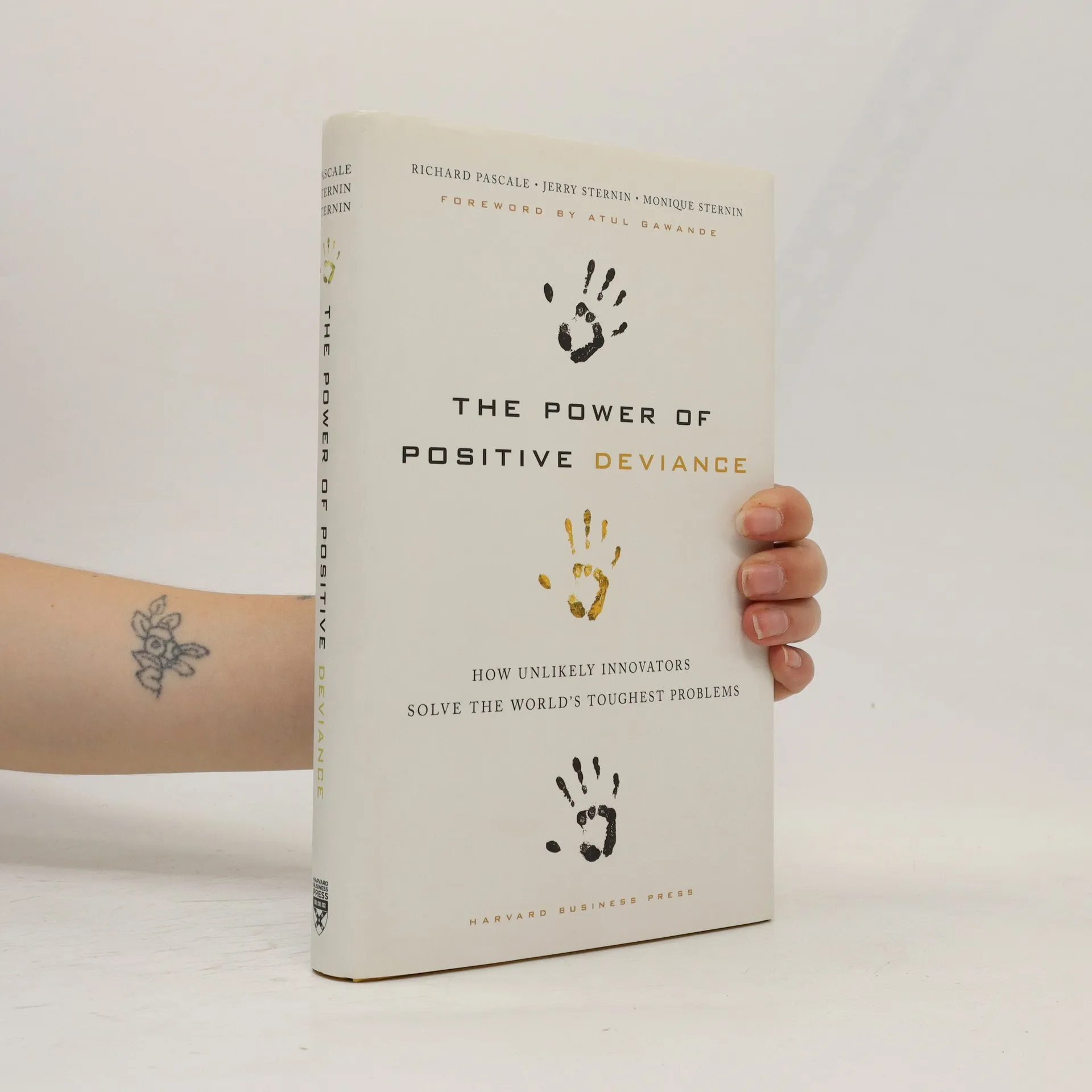

Ein weltweit führender Unternehmensberater, angesehener Dozent und Professor. Seine Arbeit konzentriert sich auf Organisationsstrategie und Effektivität. Er ist bekannt für seinen bedeutenden Beitrag zum 7S-Framework, das er während seiner Zeit bei der Unternehmensberatung McKinsey & Company entwickelte.
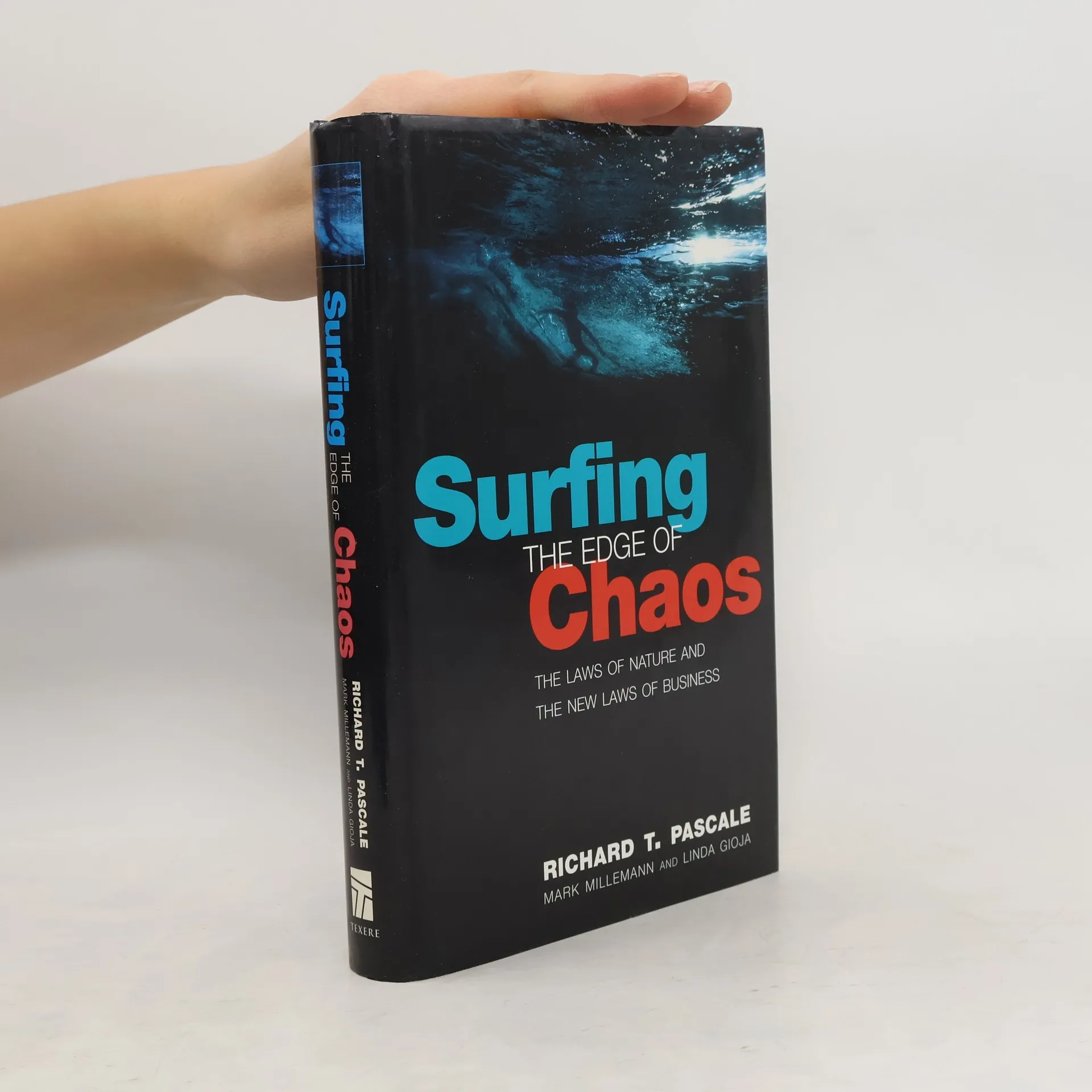
Surfing the Edge of Chaos is a brilliant, powerful, and practical book about the parallels between business and nature - two fields that feature nonstop battles between the forces of tradition and the forces of transformation. It offers a bold new way of thinking about and responding to the personal and strategic challenges everyone in business faces these days.
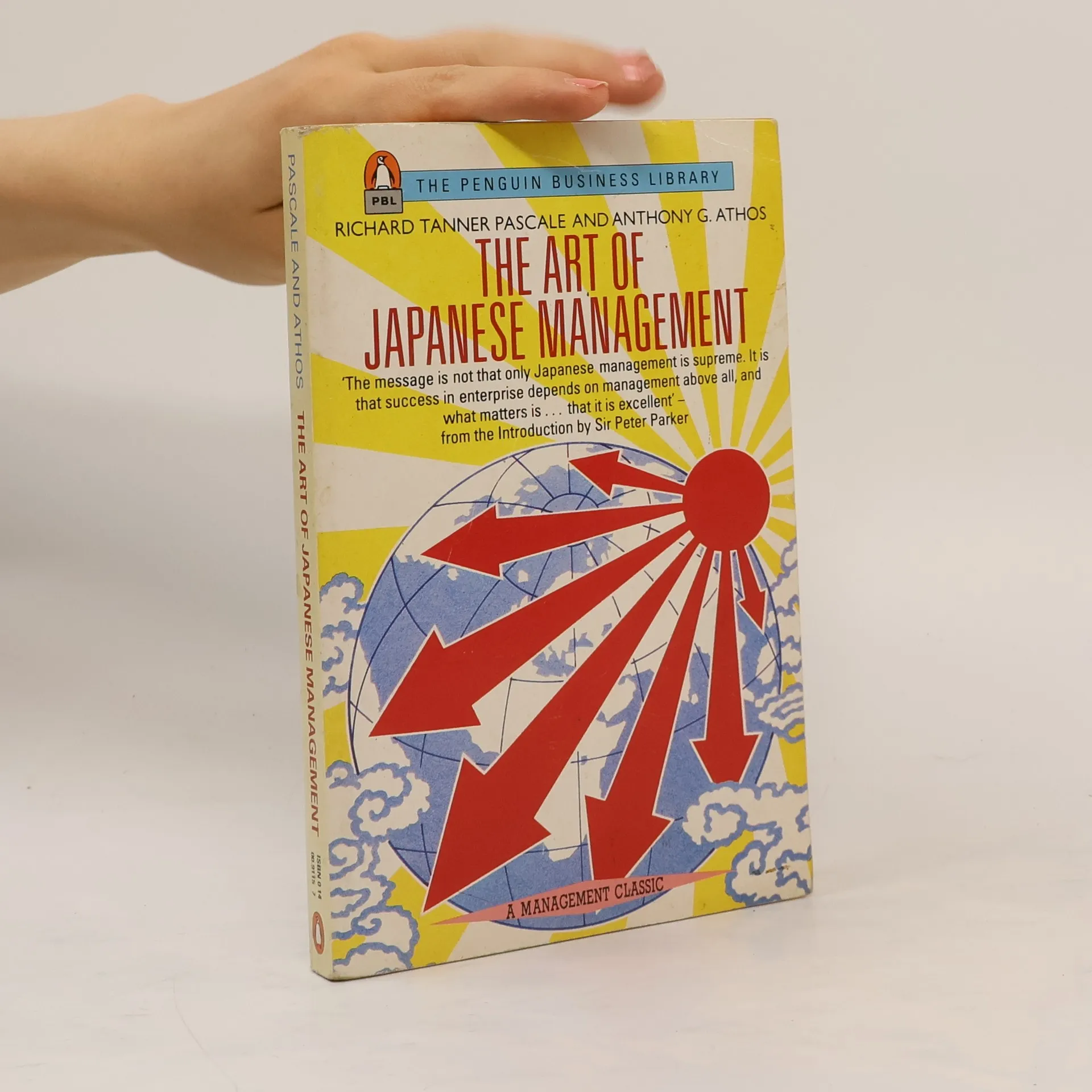
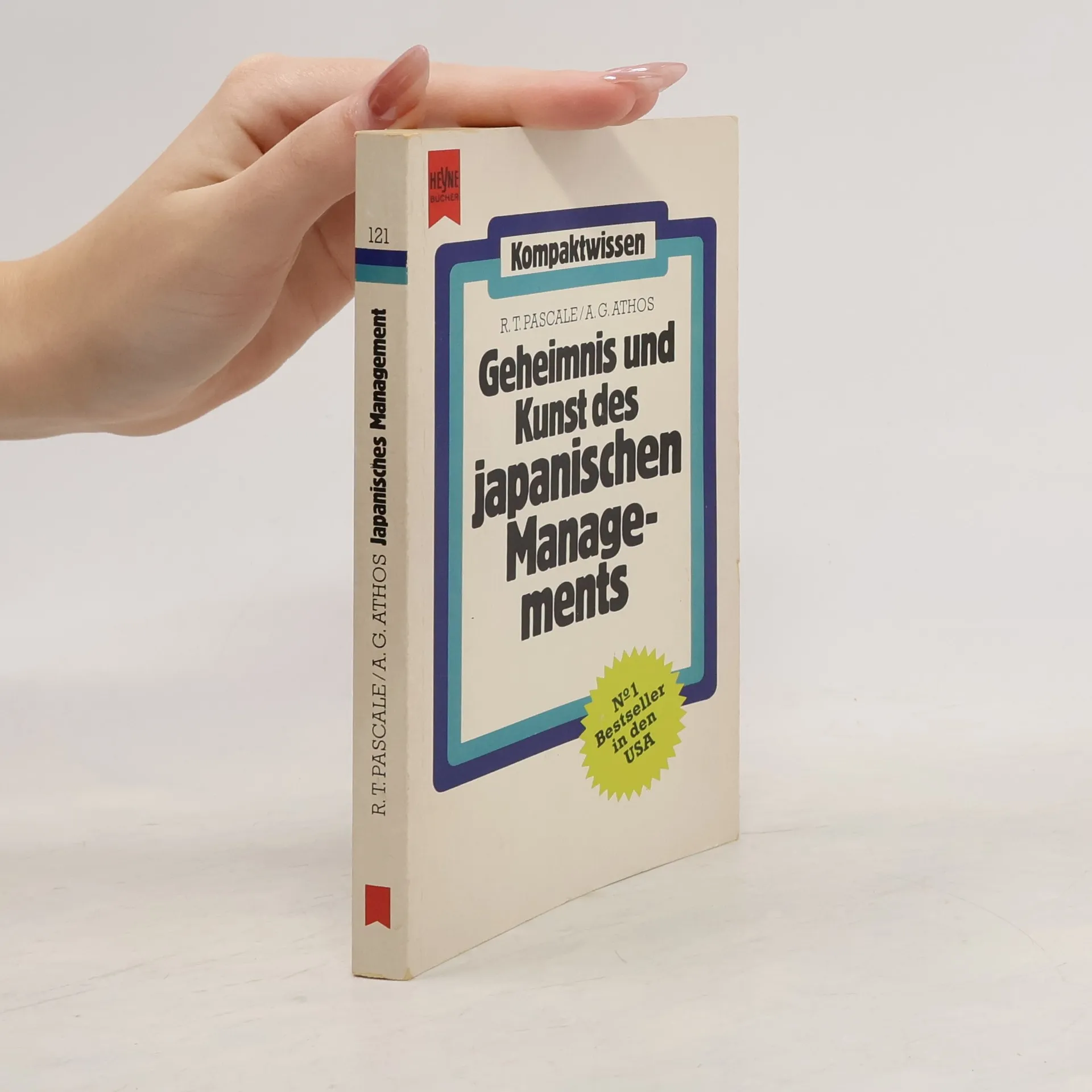
HOW IS THE ART OF JAPANESE MANAGEMENT DIFFERENT FROM AMERICAN METHODS? It's a matter of the Seven S's. Western companies have tended to favor these three S's: Strategy, Structure and Systems. When an American manager wants to make changes, the odds are that he'll reorganize structure, introduce a new strategic direction and impose a new control system. Our emphasis on the first three S's produces an arid world in which nothing is alive. An organization is often given its life through the soft S's: Staff, Skills, Style and Superordinate Goals. The tremendous success of many Japanese companies comes through meticulous attention to the soft S's, which act as a lubricant in the organization machine to keep the hard S's from grinding one another away. HOW CAN COMPANIES HERE USE THE ART OF JAPANESE MANAGEMENT? Pascale and Athos show you how to use the best of Japanese techniques, add them to your own strengths to benefit by both cultures.