

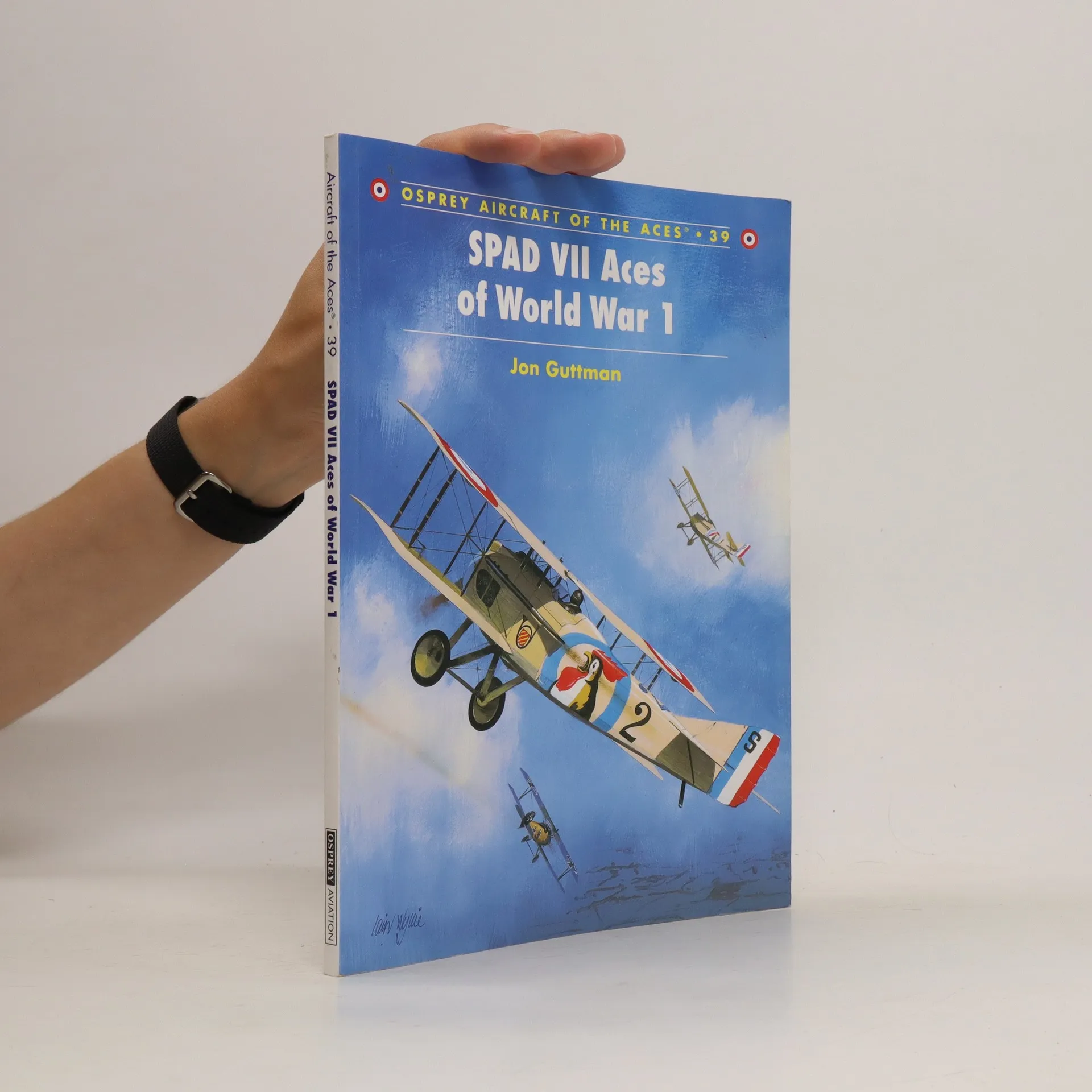
Built by the 'Société Anonyme Pour l’Aviation et ses Dérivés', (SPAD), the SPAD VII was the first successful fighting scout design to emerge from the company that had traded as Duperdussin pre-war. Flown ‘from the off’ by aces Paul Sauvage and Georges Guynemer, the scouts made an immediate impression. Indeed, the latter pilot was so impressed that he dubbed the Type VII the ‘flying machine gun’. The first of two volumes on SPAD aces, this book tells the whole story from the ace perspective. By the time production of the SPAD VII ended in the final months of 1918, around 6000 examples had been built, and Allied aces on every front had enjoyed success with the type.
Jon S. Guttman Bücher


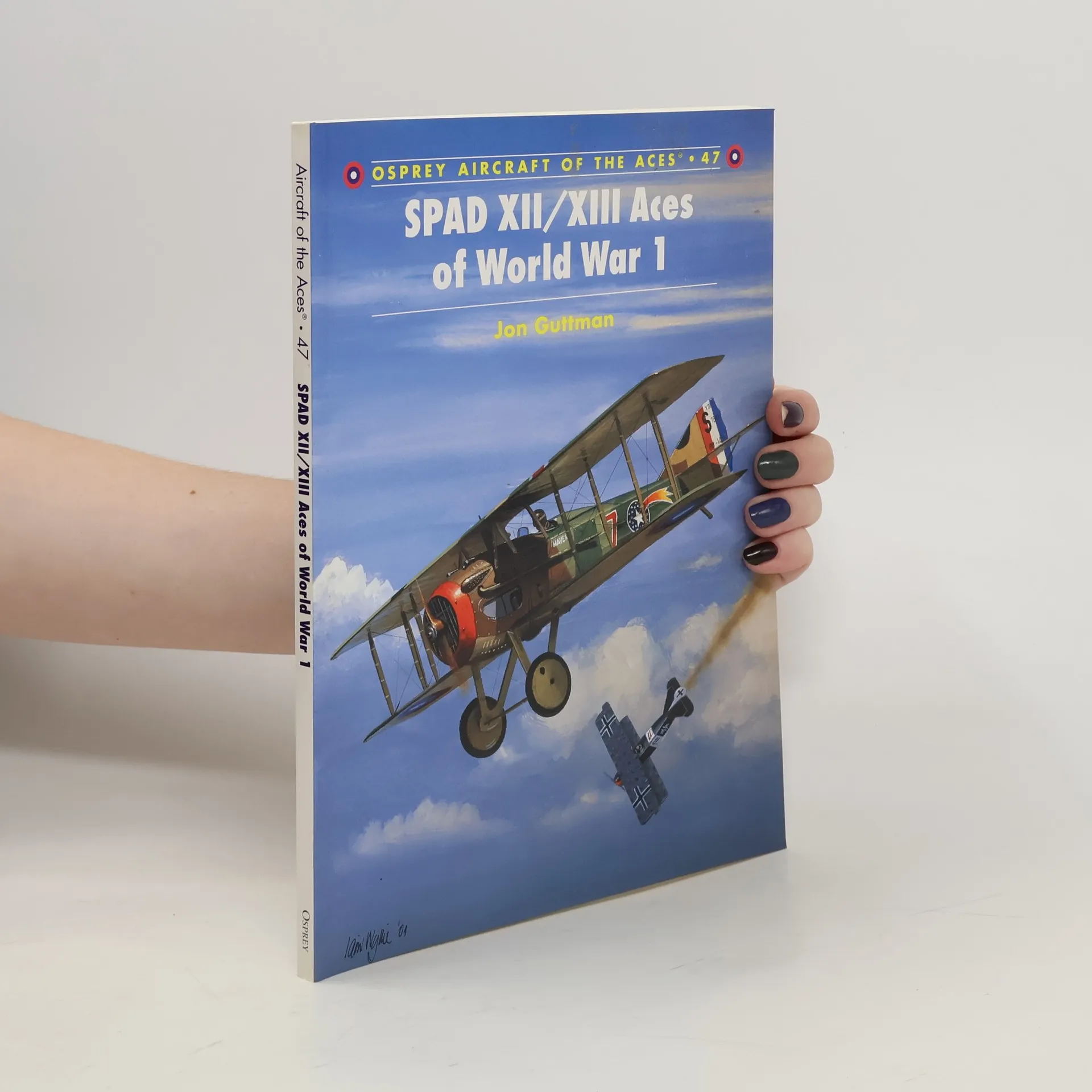
This book details the exploits of the pilots who flew the hugely successful SPAD XIII and the trickier SPAD XII. Built in response to the combat inadequacies of the SPAD VII, the XIII first entered service with the French Aviation Militaire in late 1917. Despite suffering engine unreliability, the XIII enjoyed great success on the Western Front, where it was flown by numerous French, American, Italian and Belgian aces, including Eddie Rickenbacker, leading US ace of World War I. The SPAD XII, meanwhile, was the product of numerous improvements to the SPAD VII model. Entering service in July 1917, the aircraft boasted a single-shot 37 mm Puteaux cannon, which had to be hand-reloaded in flight! Tricky to fly, the XII was only issued to experienced pilots, and was flown briefly by a number of aces.
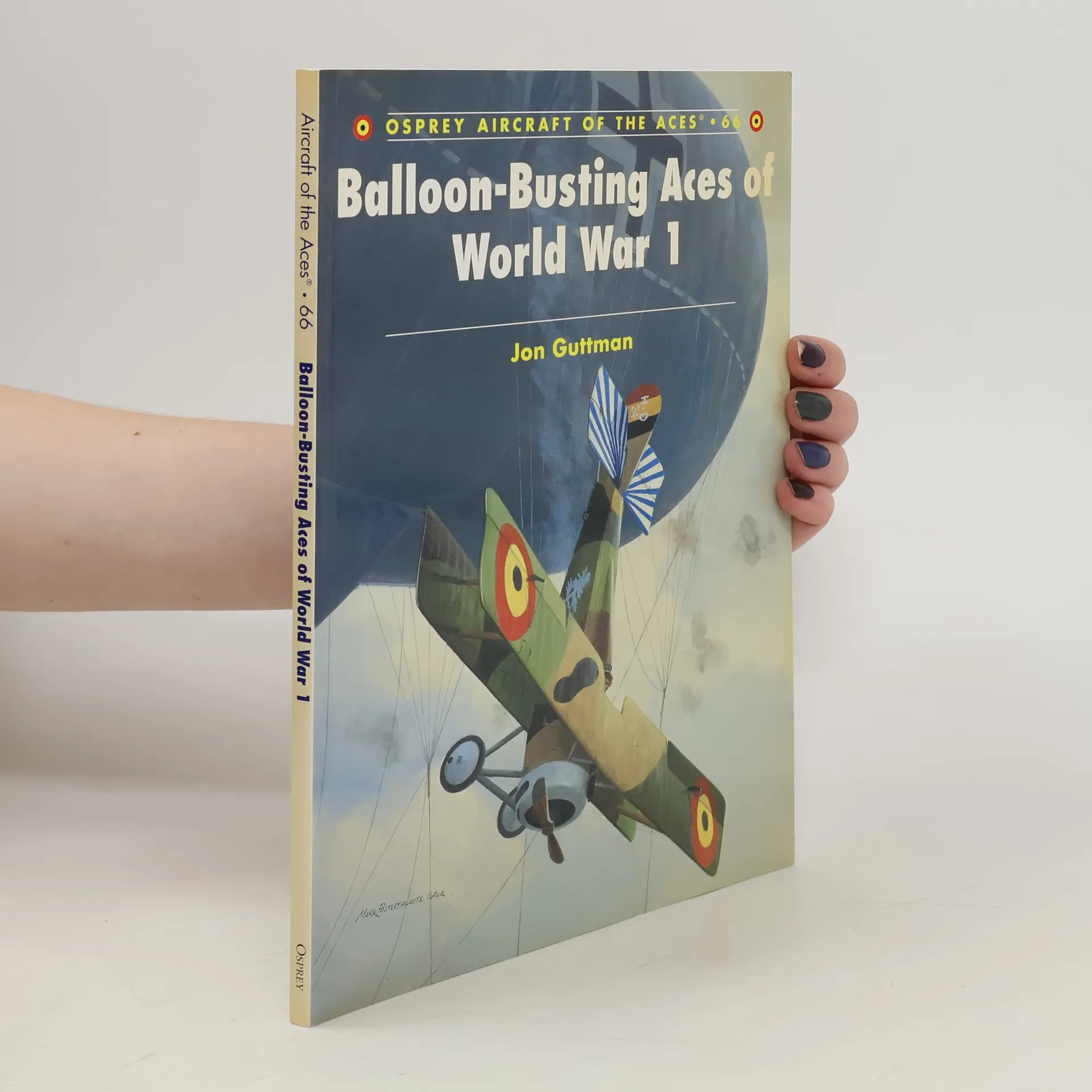
Balloon-busting Aces of World War 1
- 96 Seiten
- 4 Lesestunden
"Balloon-busting Aces of World War 1" explores the role of tethered balloons in aerial observation during WWI, highlighting the daring pilots who risked their lives to destroy them. Notable figures include Willy Coppens, Pierre Bourjade, and Michel Coiffard, who exemplified bravery deep in enemy territory.
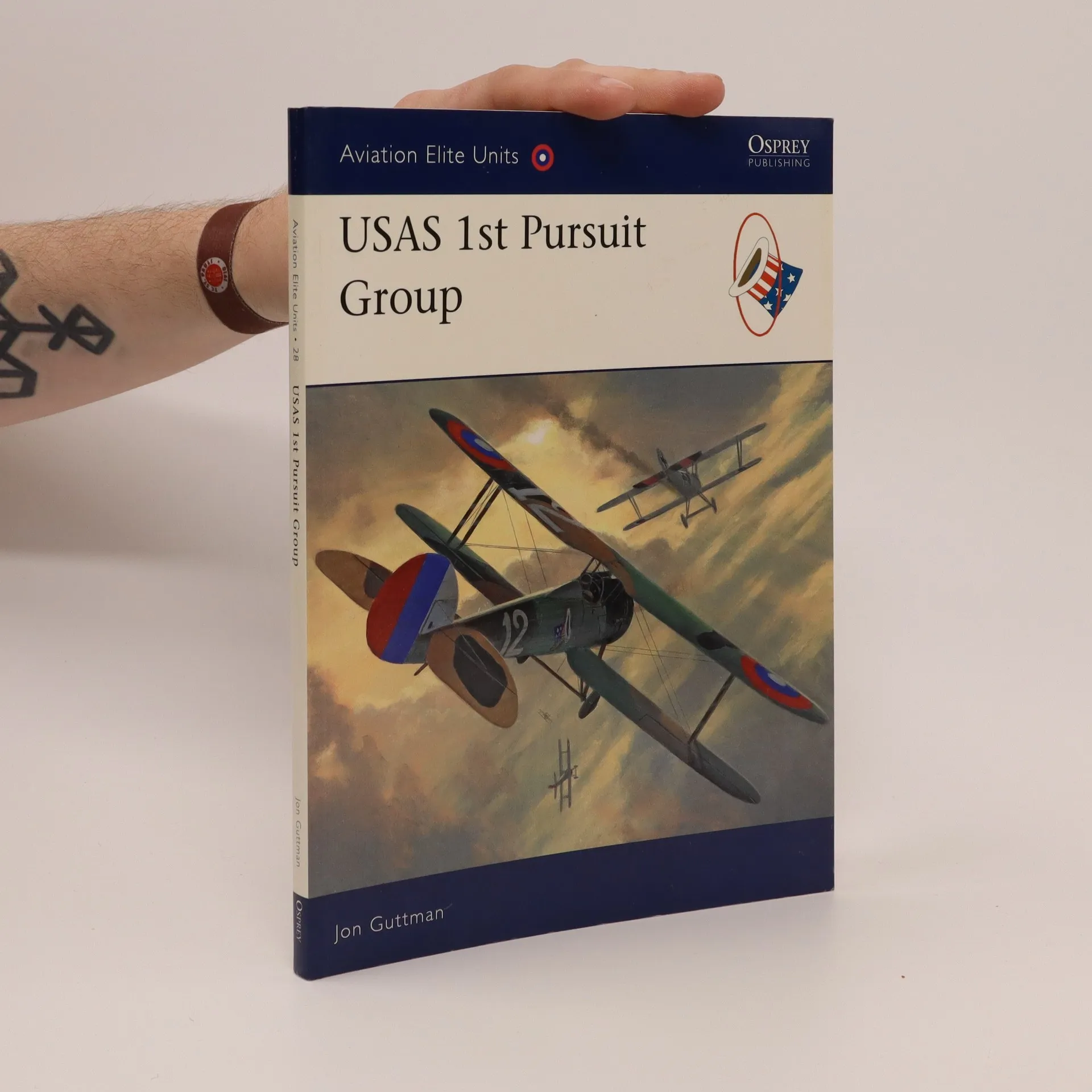
USAS 1st Pursuit Group
- 128 Seiten
- 5 Lesestunden
The 1st Pursuit Group claimed more enemy kills than any other Group in the United States Air Service in World War I, partly thanks to 'ace of aces', Eddie Rickenbacker, and balloon-busting ace, Frank Luke, both of whom also earned the Medal of Honor. Starting operations in March 1918, the Group initially flew Nieuport 28s, now rejected by the French, and quickly showed its quality. Douglas Campbell was the first American-trained pilot in the USAS to make a kill and soon afterwards became the Service's first ace. Expanded by the arrival of additional squadrons, the Group went to war in earnest over Ch�teau Thierry in July, suffering heavy losses against experienced German pilots and better airplanes. Re-equipped with the superior Spad XIII, the now battle-seasoned Group achieved its full potential over St. Mihiel and the Argonne.This is the story of the Group that produced some of America's first fighter aces and its rapid evolution over a few months as a deadly rival to opposing German units with years of combat experience behind them. Its publication marks the 90th anniversary of 1st Pursuit Group's distinguished contribution to Allied victory.
SE 5a Vs Albatros D V
- 80 Seiten
- 3 Lesestunden
Presents the story of the design and development of two fighters - SE 5a Vs Albatros D V - and concludes with their dramatic fights in the last year of World War I.
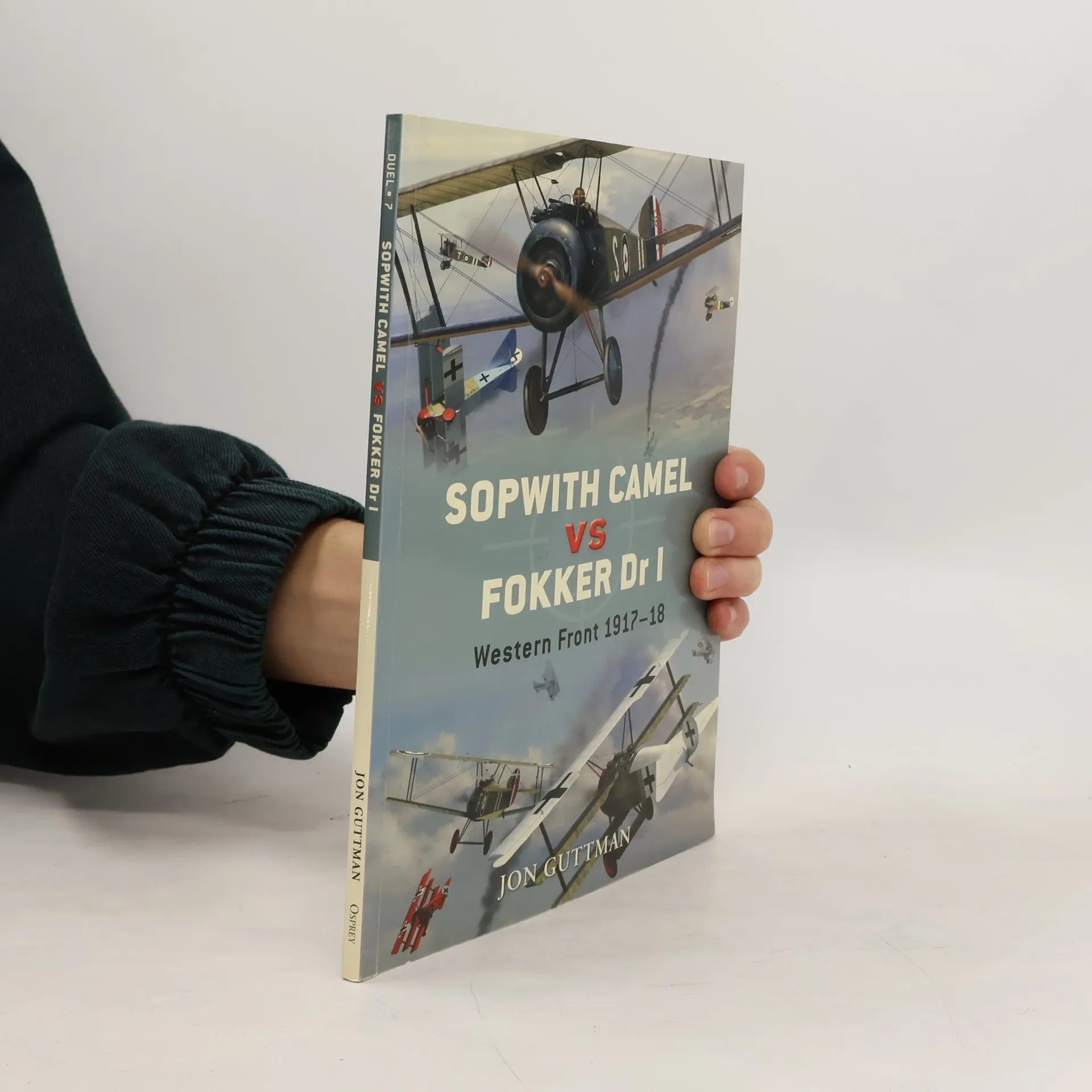
Sopwith Camel vs Fokker Dr I
- 80 Seiten
- 3 Lesestunden
Amid the continuous struggle for aerial superiority during World War 1, two aircraft types were at the forefront. Both rotary-engined fighters, the Sopwith Camel and the Fokker Dr I triplane were relatively slow for their time, but were regarded as the most maneuverable machines produced during the conflict, and the classic pair for a tight, evenly matched dogfight at close quarters. In this book Jon Guttman examines the fascinating story of the design and development of these deadly foes. First-hand accounts and innovative cockpit-view artwork give a thrilling insight into the pilots' experiences during the world's first aerial duels and explain their successes and failures.
Zeppelin vs British Home Defence 1916-18
- 80 Seiten
- 3 Lesestunden
When Ferdinand Graf von Zeppelin's rigid airship LZ 1 flew over Lake Constance in 1900, it was the most advanced and impressive flying machine in the world: a colossal, lighter-than-air craft capable of controlled flight. In World War I, Zeppelins were first used in a reconnaissance role, but on January 19, 1915 Kaiser Wilhelm II authorized their use in bombing strategic targets in England.From then on, Zeppelin became synonymous with terror to the British, and indeed the airship's effectiveness was more psychological than material. Still, their raids compelled the Royal Flying Corps and Royal Naval Air Service to embark on a program of modernizing their aerial defenses, accelerating a process that would ultimately make the airplane, rather than the airship, the paramount flying machine of the war. Using specially commissioned artwork, contemporary photographs, and first-hand accounts, this book tells the fascinating story of Britain's first Blitz, from the airships who terrorized the public to the men who sought to defend the skies.
