

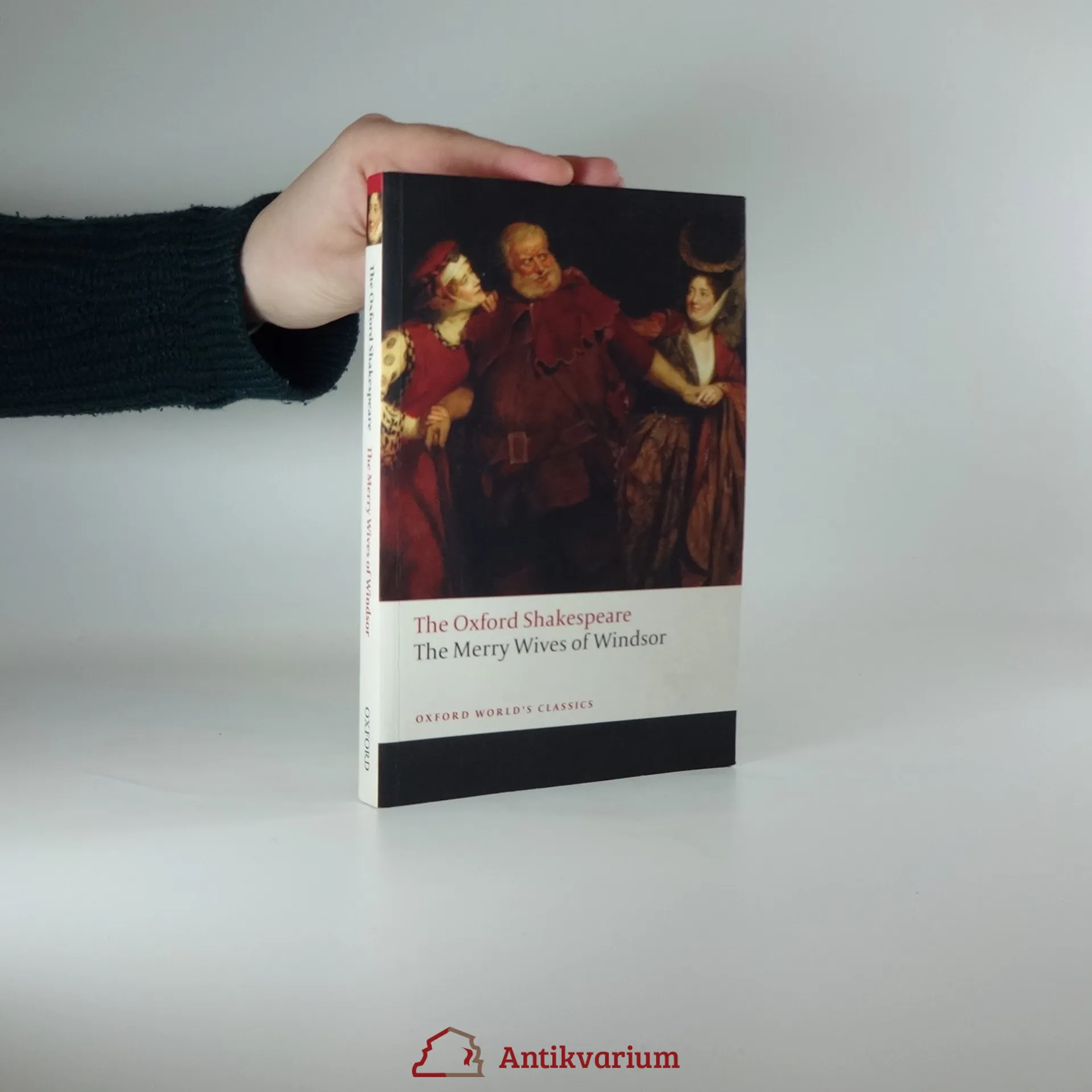
Tradition holds that Shakespeare wrote the comedy The Merry Wives of Windsor at the request of Queen Elizabeth, who was fond of the character Falstaff and wanted to see him in love on stage. However, Shakespeare cleverly subverts this expectation, as Falstaff is not in love with the two Windsor wives but rather with their husbands' money. His plan to acquire this wealth ultimately fails, and in the comedic conclusion of the play, he is ritually punished and ridiculed in Windsor Park. The Merry Wives of Windsor is unique as Shakespeare's only comedy set in England and his only middle-class comedy. It captivates with its bursts of linguistic wit, as each character possesses a distinct and individual speech. The Welsh priest Hugo Evans distorts English with his accent and comically twisted phrases, while Dr. Caius, a Frenchman, mangles English with his French pronunciation and idioms. Mistress Quickly speaks in her own unique manner, and of course, Sir John Falstaff stands out as one of Shakespeare's greatest comedic characters.
T. W. Craik Bücher
Set in a topsy-turvy world like a holiday revel, this comedy devises a romantic plot around separated twins, misplaced passions, and mistaken identity. Juxtaposed to it is the satirical story of a self-deluded steward who dreams of becoming “Count Malvolio” only to receive his comeuppance at the hands of the merrymakers he wishes to suppress. The two plots combine to create a farce touched with melancholy, mixed throughout with seductively beautiful explorations on the themes of love and time, and the play ends, not with laughter, but with a clown’s sad song.'