Crypt
- 342 Seiten
- 12 Lesestunden




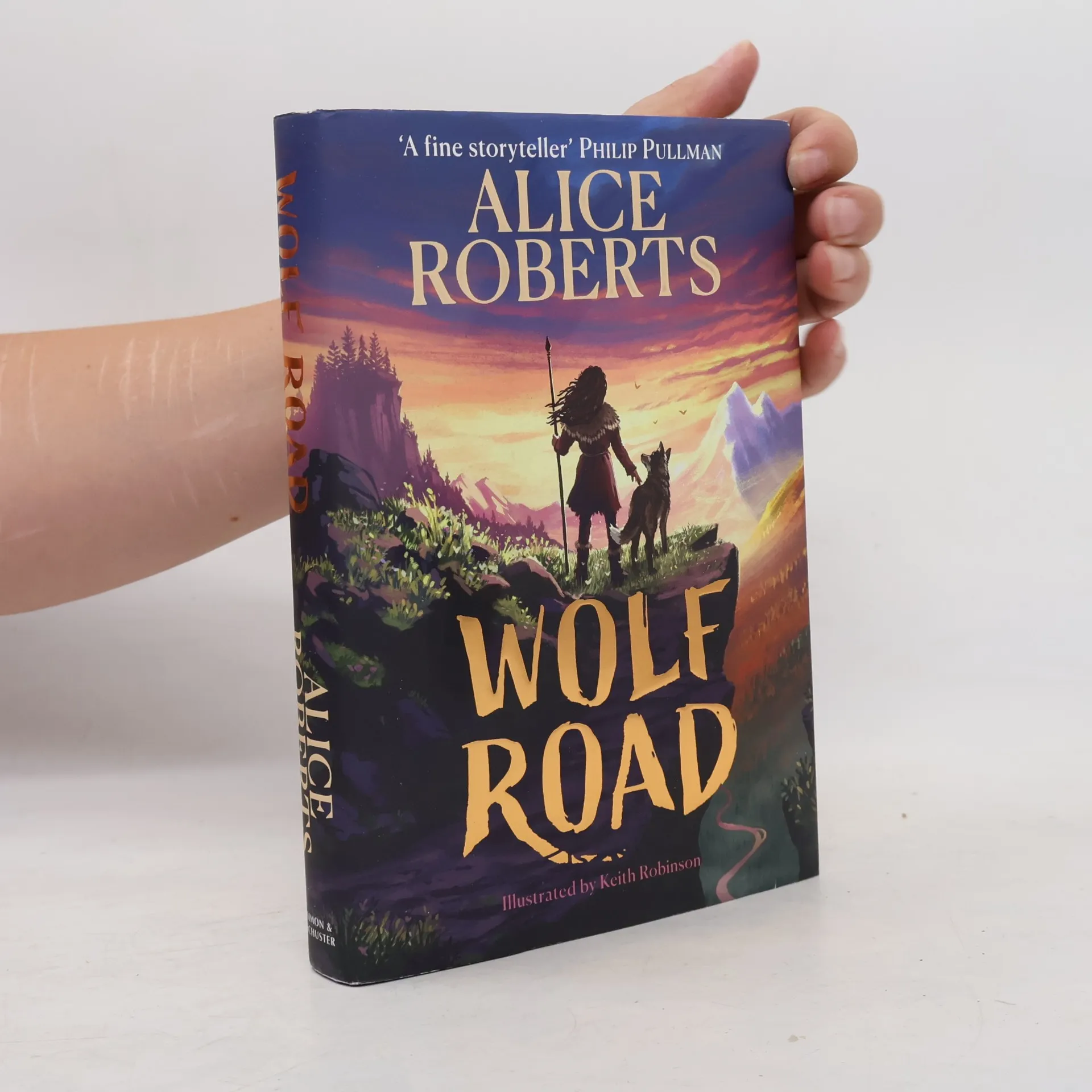
The epic new prehistoric children's novel from bestselling author, academic and broadcaster, Professor Alice Roberts.
A SUNDAY TIMES BESTSELLER ‘Tender, fascinating … Lucid and illuminating’ Robert Macfarlane Funerary rituals show us what people thought about mortality; how they felt about loss; what they believed came next. From Roman cremations and graveside feasts, to deviant burials with heads rearranged, from richly furnished Anglo Saxon graves to the first Christian burial grounds in Wales, Buried provides an alternative history of the first millennium in Britain. As she did with her pre-history of Britain in Ancestors, Professor Alice Roberts combines archaeological finds with cutting-edge DNA research and written history to shed fresh light on how people lived: by examining the stories of the dead.
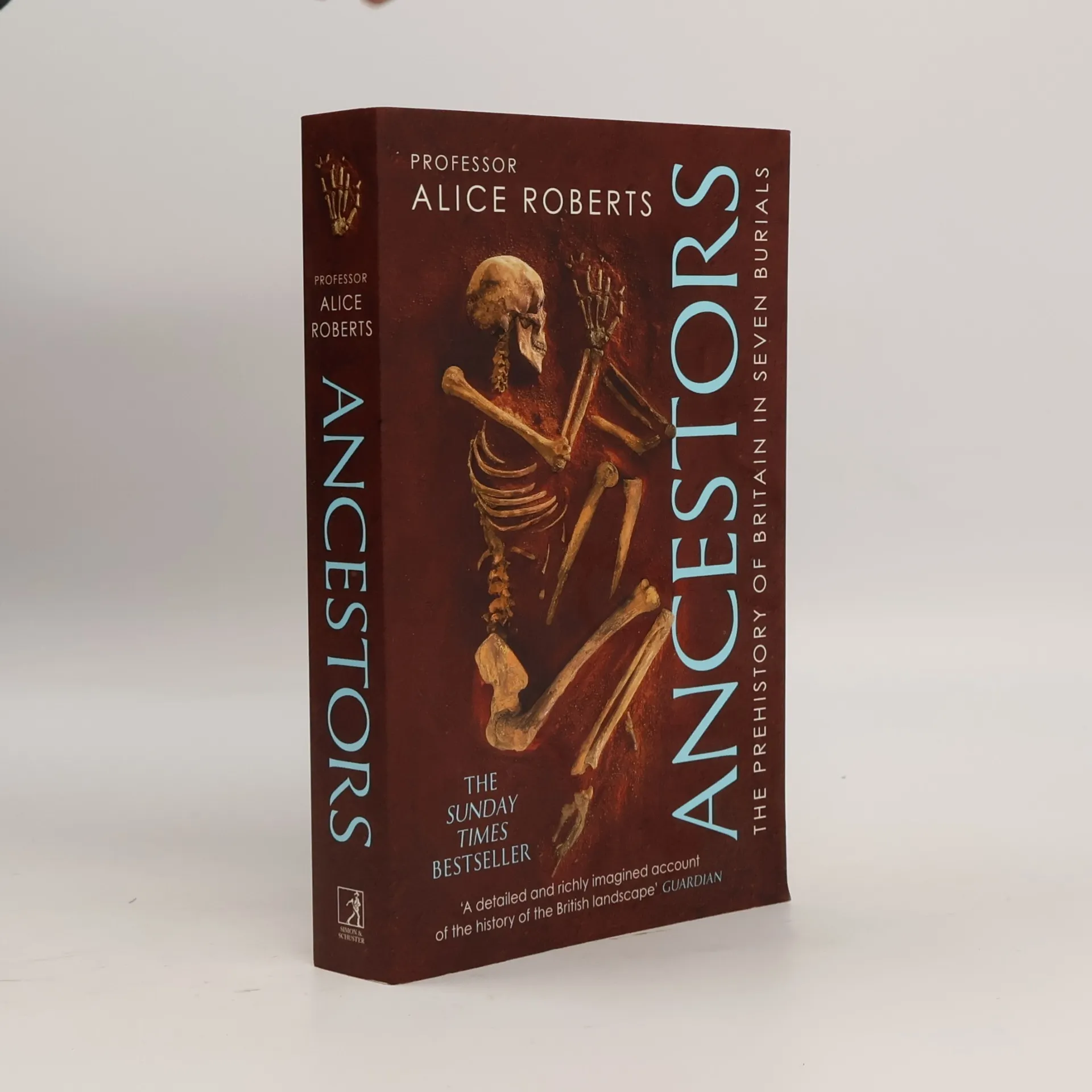
An extraordinary exploration of the ancestry of Britain through seven burial sites. By using new advances in genetics and taking us through important archaeological discoveries, Professor Alice Roberts helps us better understand life today. 'This is a terrific, timely and transporting book - taking us heart, body and mind beyond history, to the fascinating truth of the prehistoric past and the present' Bettany Hughes We often think of Britain springing from nowhere with the arrival of the Romans. But in Ancestors, pre-eminent archaeologist, broadcaster and academic Professor Alice Roberts explores what we can learn about the very earliest Britons, from burial sites and by using new technology to analyse ancient DNA. Told through seven fascinating burial sites, this groundbreaking prehistory of Britain teaches us more about ourselves and our history: how people came and went and how we came to be on this island. It explores forgotten journeys and memories of migrations long ago, written into genes and preserved in the ground for thousands of years. This is a book about belonging: about walking in ancient places, in the footsteps of the ancestors. It explores our interconnected global ancestry, and the human experience that binds us all together. It's about reaching back in time, to find ourselves, and our place in the world.
An approachable, uplifting guide to finding happiness and leading a fulfilling life through the wisdom of famous humanists from the past and present
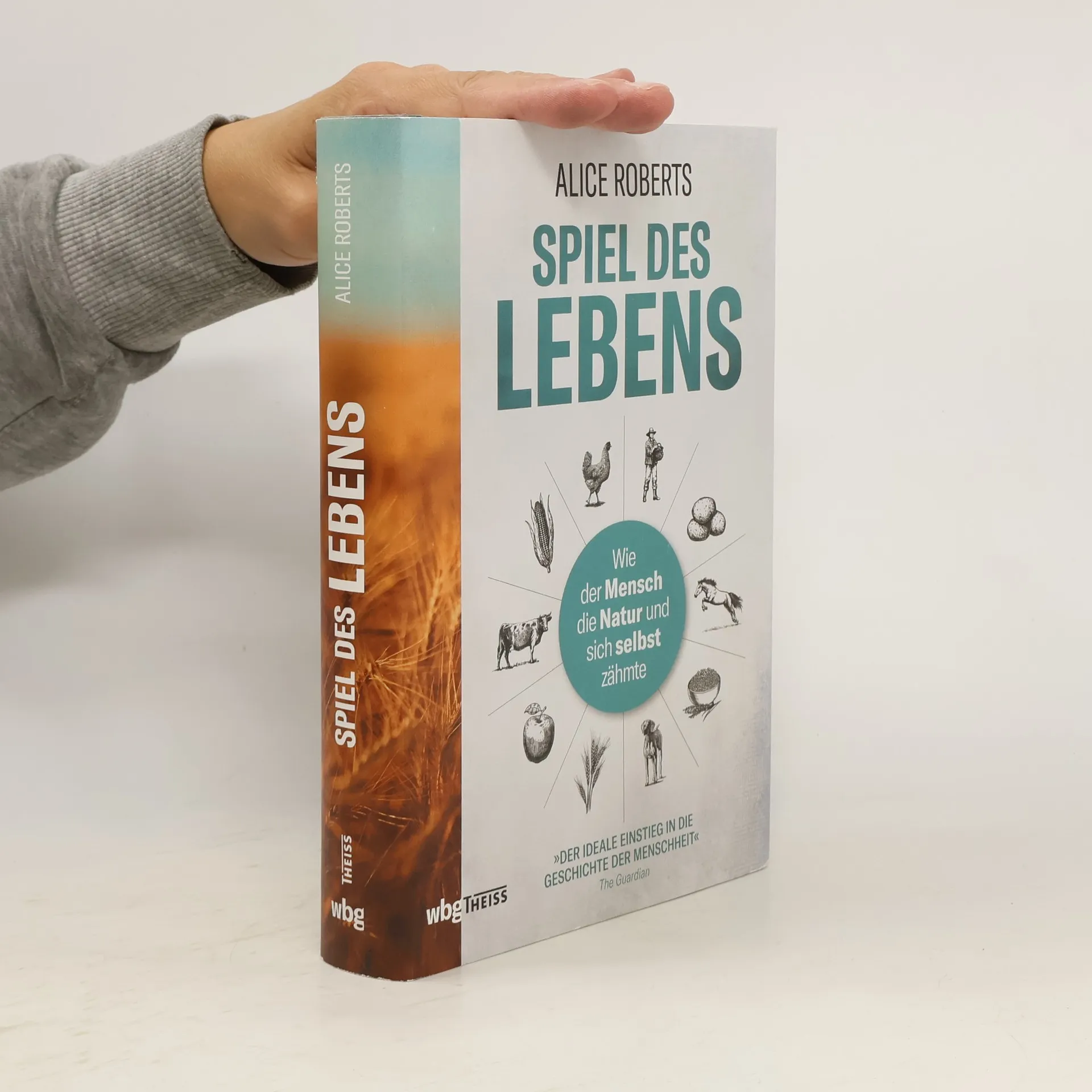
„Macht euch die Erde untertan“ – die Menschheit hat diese biblische Anweisung über Jahrtausende hinweg beherzigt. Wir waren nicht nur Teil der Evolution, sondern formten sie aktiv durch Domestizierung und Landwirtschaft. Doch ist der Mensch wirklich der Mächtigste im Spiel des Lebens oder nur ein Mittler der Biologie? Die Autorin und Forscherin Alice Roberts nimmt die Leser mit auf eine faszinierende Zeitreise und erzählt die Geschichten von zehn Arten, die entscheidend für unsere Entwicklung waren: Hunde, Rinder, Pferde, Hühner, Weizen, Mais, Kartoffeln, Reis und Äpfel. Diese domestizierten Tiere und Pflanzen prägten unser Leben von der neolithischen Revolution bis zur Gegenwart. Zudem beleuchtet sie, was wir aus der Domestikation lernen können und welche Werkzeuge sie uns für die Zukunft bietet. Die Transformation des Wolfes zum Hund, die Herkunft der ersten Maispflanze und deren Einfluss auf unsere Kulturgeschichte sind nur einige der überraschenden Anekdoten, die Roberts präsentiert. Sie verbindet archäologische Funde und anthropologische Erkenntnisse mit moderner Genforschung und schafft ein eindrucksvolles Bild vom Menschen, der die Natur zähmte und damit auch sich selbst. Ein Meisterwerk des wissenschaftlichen Erzählens, das die Geschichte der Menschheit neu interpretiert.
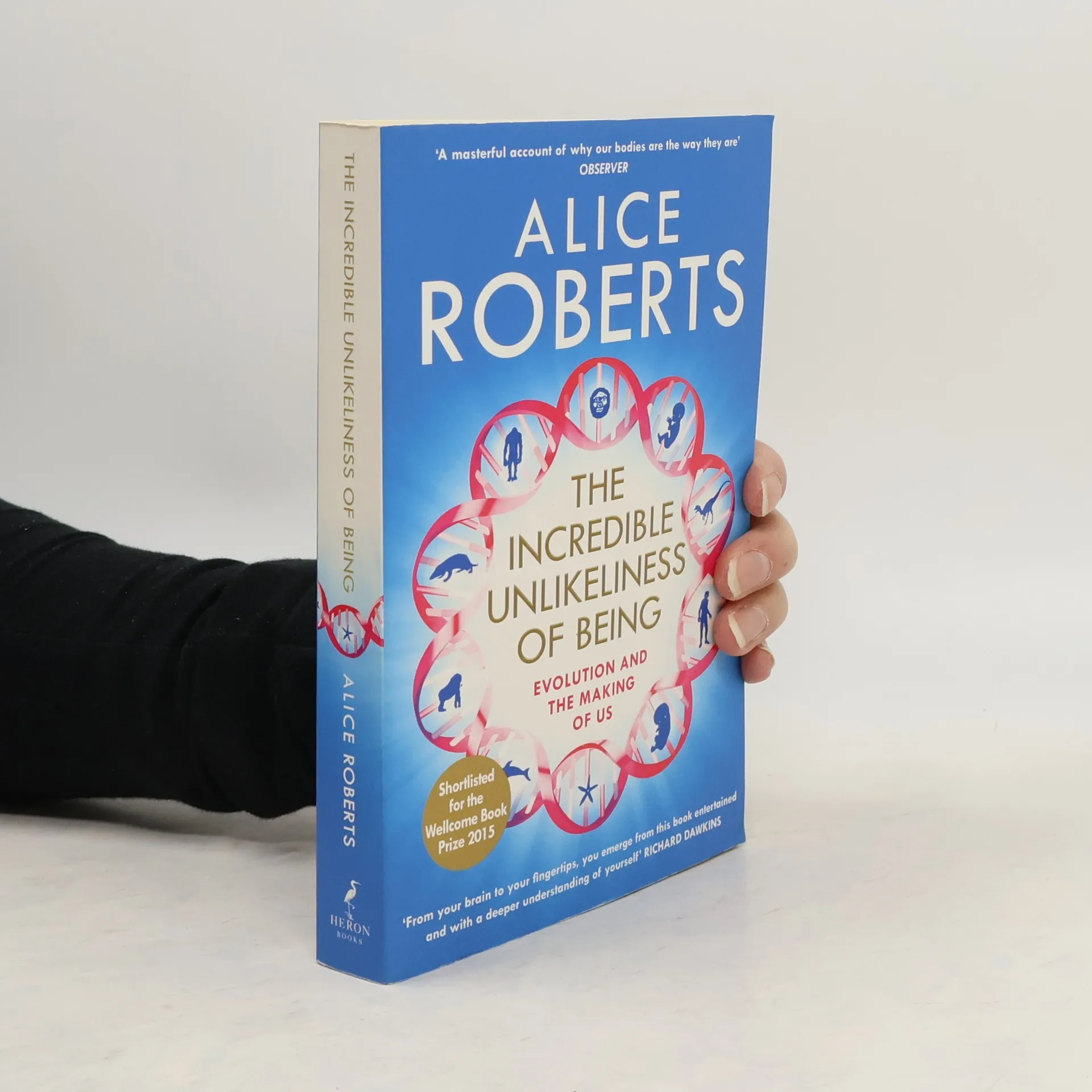
Alice Roberts gives us a new and highly accessible look at our own bodies, allowing us to understand how we develop as an embryo, from a single egg into a complex body, and how our embryos contain echoes of our evolutionary past.
TV tie-in to major BBC series revealing a new history of the Celts and their international legacy today
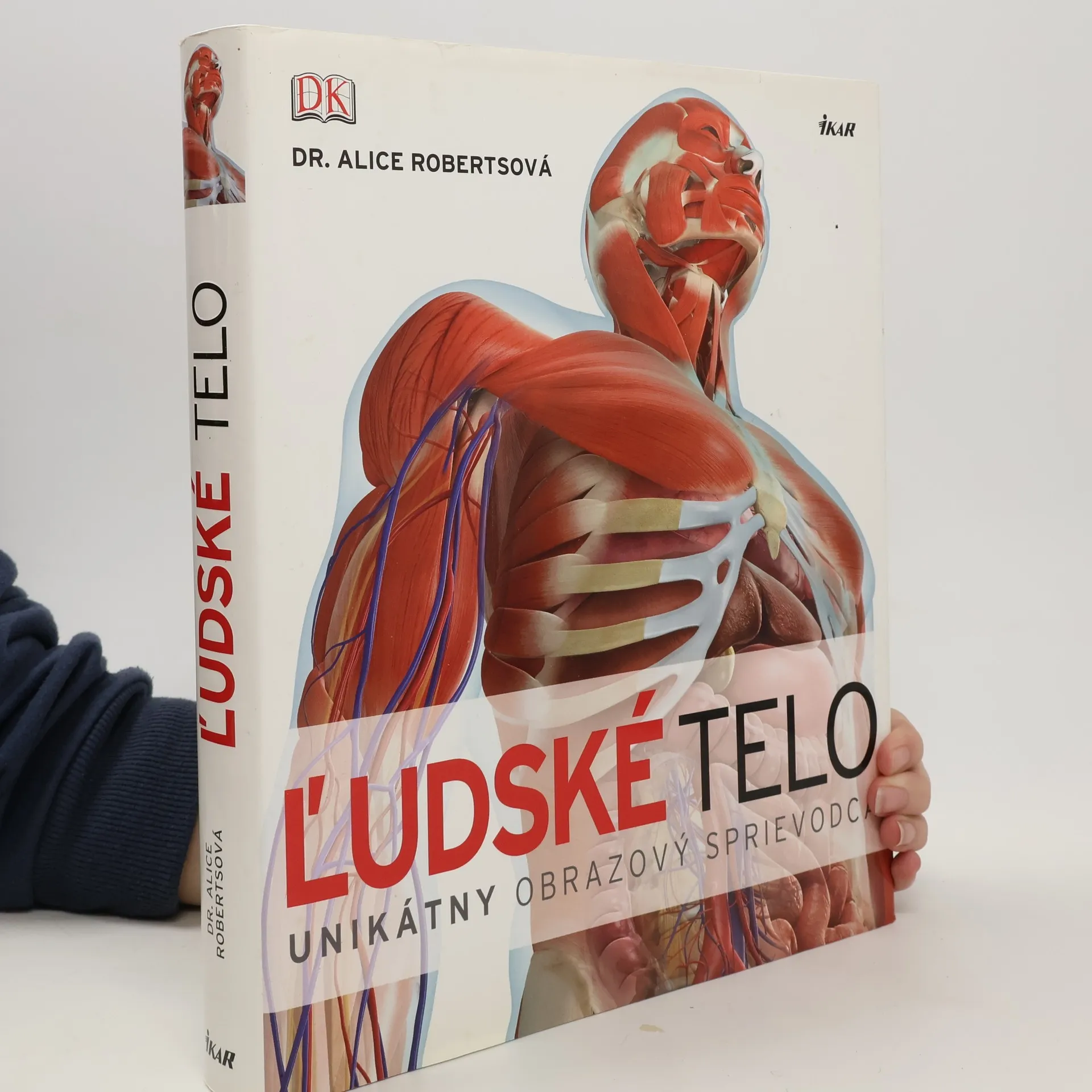
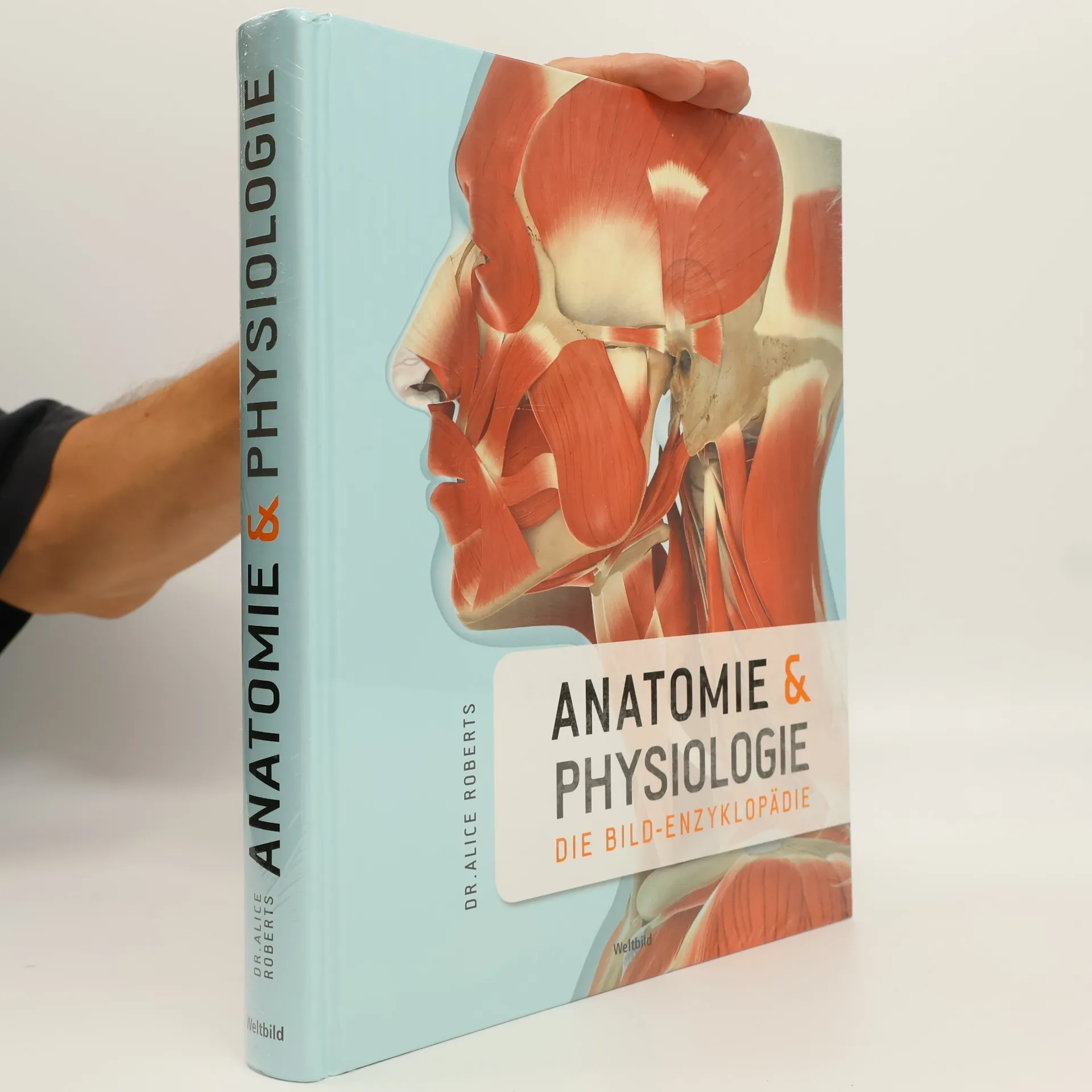
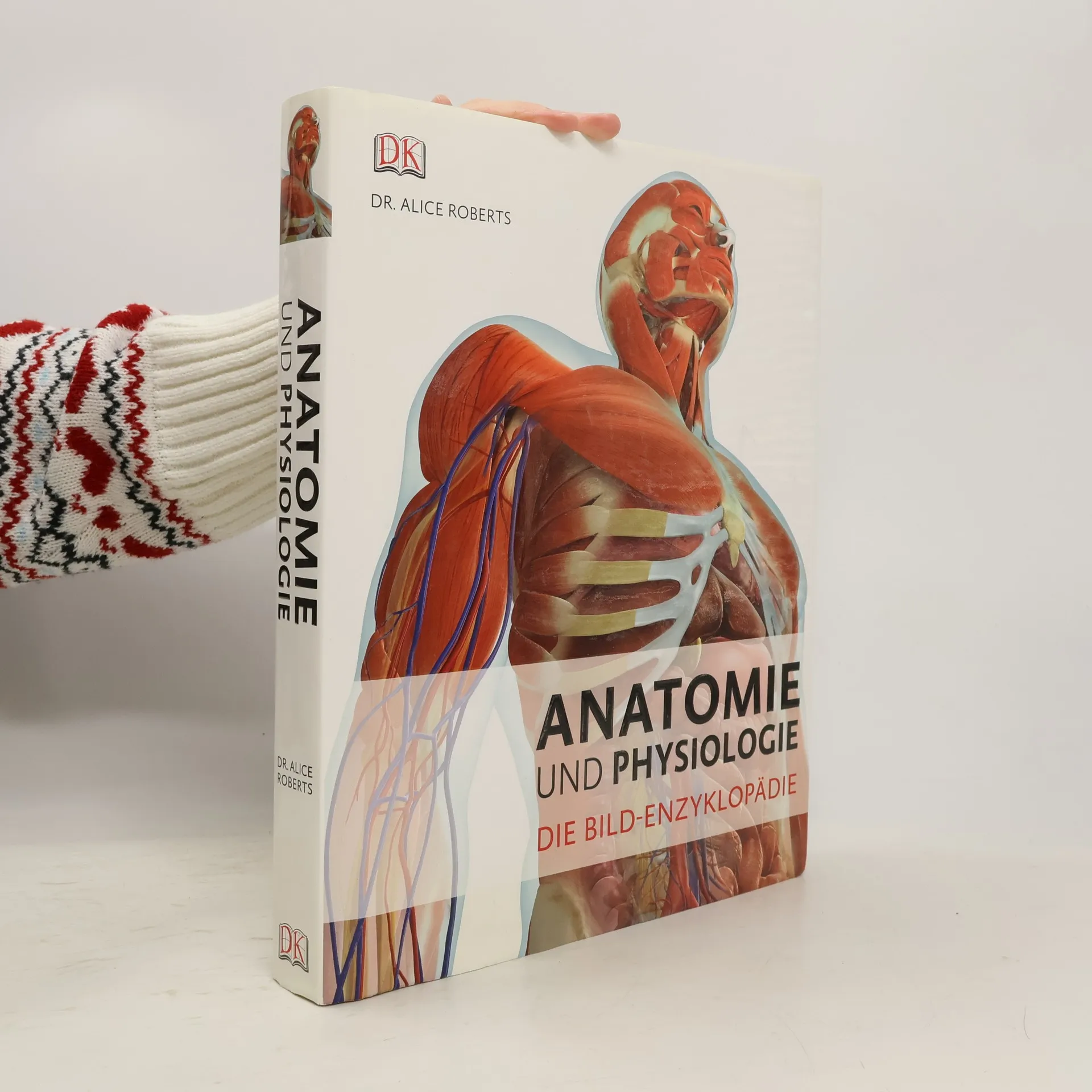
Wie funktioniert unser Körper? Was bedeutet die genetische Formel? Was ist das endokrine System? Was verrät die Evolution über uns? Dieses reich bebilderte, umfassende Standardwerk erklärt Aufbau, Funktion und Entwicklung des menschlichen Körpers - umfassend und auch für Laien gut nachvollziehbar. Über 2000 modernste, teils lebensgrosse 3-D-Illustrationen, mikroskopische Abbildungen und Fotografien geben unglaubliche Einblicke und erklären auch komplexe Sachverhalte einleuchtend und verständlich. Von der Evolution über kleinste Körperzellen, Knochen, Muskulatur bis zur Fortpflanzung, den 200 häufigsten Krankheiten und ihren Auswirkungen auf den Körper bis zum Lebenszyklus des Menschen: mit dieser grossartigen Bild-Enzyklopädie begibt man sich auf eine spannende Reise durch das Innere des menschlichen Körpers. Jeder, der sich für seinen Körper interessiert, egal ob jung oder alt, erfährt hier alles, was er schon immer wissen wollte.
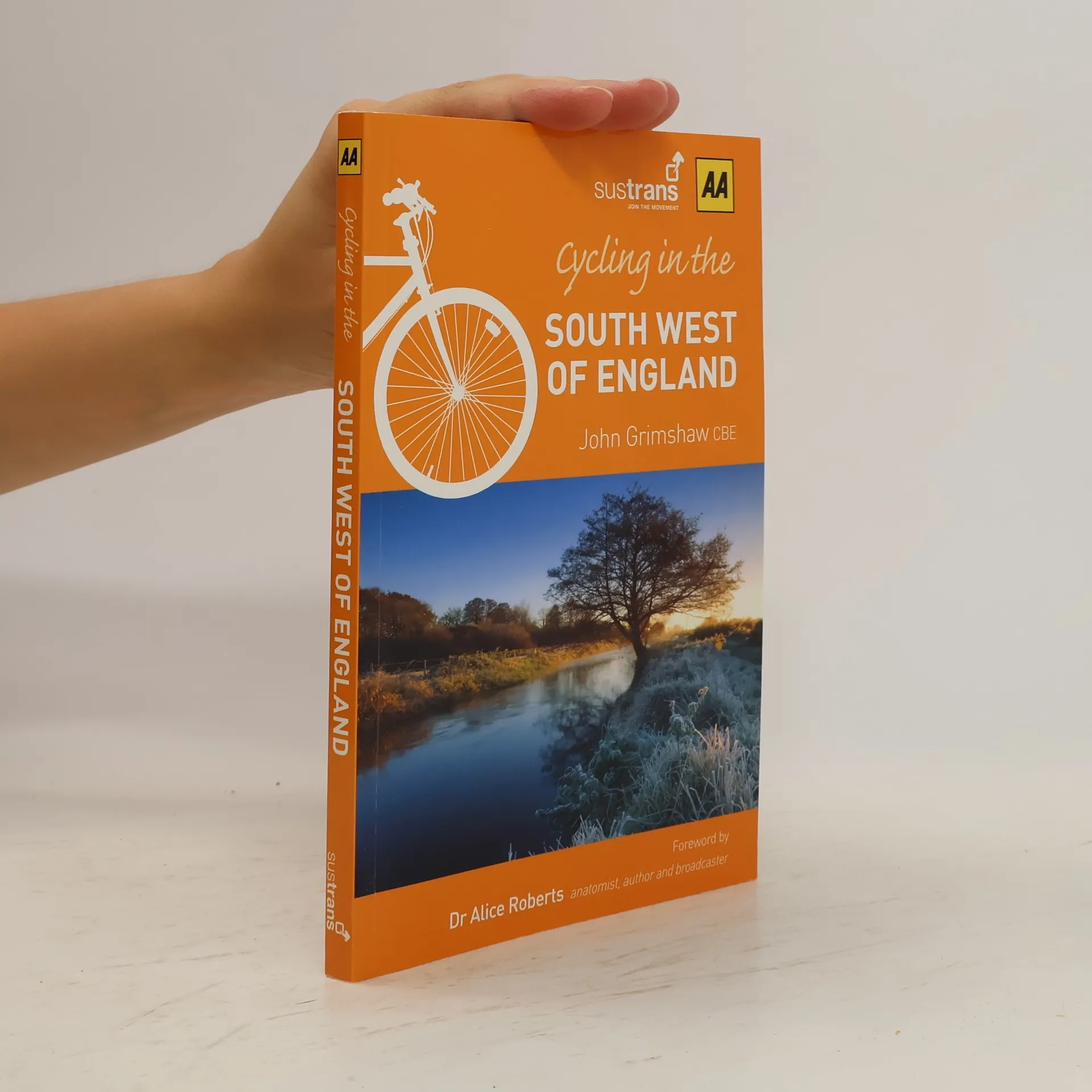
More and more of the Brits are turning to cycling, whether as an inexpensive, healthy, and environmentally friendly means of getting to work or school, or as a way of exploring Britain's towns, cities, and countryside. More than 75% of UK residents live within two miles of the National Cycle Network, and a continuous program of development led by Sustrans means it is growing all the time. This exciting publishing partnership brings together the expertise of two of Britain's great pioneering transport organizations to create a fantastic new series of seven regional guides. With clearly marked maps, recommended rides, and details of what to see, the Cycling in... series provides all the information you need to discover the best of Britain with the wind in your hair, up close and personal, without spending a fortune on fuel.
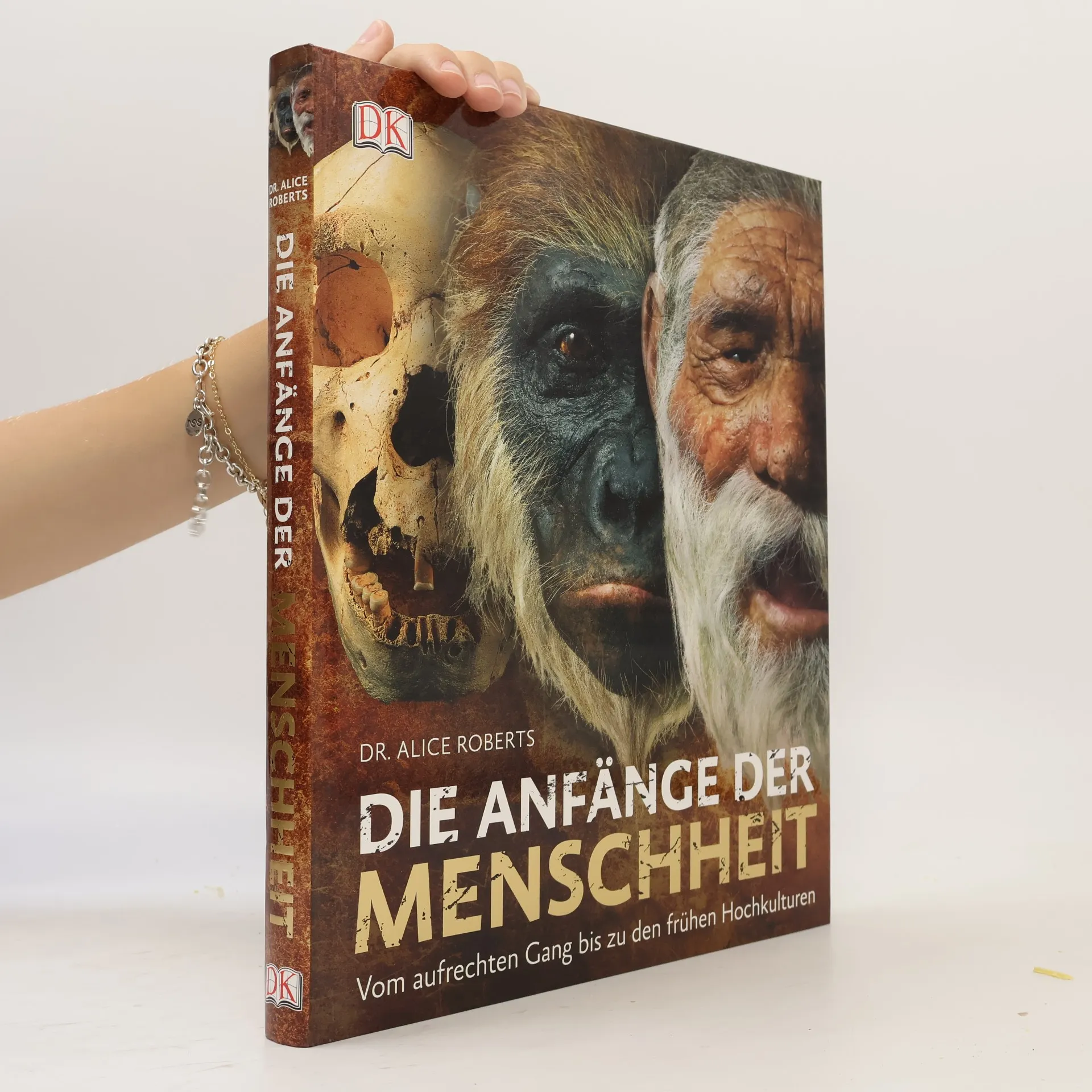
Dieses beeindruckende Werk dokumentiert die Geschichte der menschlichen Evolution mit über 800 Abbildungen, die sowohl die biologische als auch die kulturelle Entwicklung bis zu den frühen Hochkulturen umfassen. Es beleuchtet, was unsere Vorfahren aßen, wie sie sich bewegten und welche Krankheiten sie hatten. Steinwerkzeuge, Knochenornamente und die ersten Höhlenmalereien bieten Einblicke in die Kultur der frühen Menschen. Schädelrekonstruktionen von Adrie und Alfons Kennis erwecken unsere Vorfahren zum Leben und verdeutlichen die Schritte der Evolution. Das Buch gliedert sich in fünf Abschnitte: 1. Die Erdgeschichte und die Suche nach unseren Ahnen, unterstützt durch Archäologie, Anthropologie und Evolutionsbiologie, um Fossilien zu verstehen. 2. Die Evolution und Systematik der Primaten. 3. Ein Katalog der Homininen, von Australopithecus über Homo erectus bis Homo sapiens. 4. Die Verbreitung der ersten Menschen und Details zur Out-of-Africa-Theorie. 5. Der Übergang vom Jäger und Sammler zur Sesshaftigkeit und in die Bronzezeit. Die Herausgeberin Dr. Alice Roberts ist Ärztin, Osteoarchäologin und Anthropologin, die für die BBC Wissenschaftsdokumentationen produziert hat. Unterstützt wird sie von einem Team renommierter Wissenschaftler. Adrie und Alfons Kennis sind bekannt für ihre anthropologischen Modelle und lebensechten Rekonstruktionen, die in vielen Museen Europas ausgestellt sind.
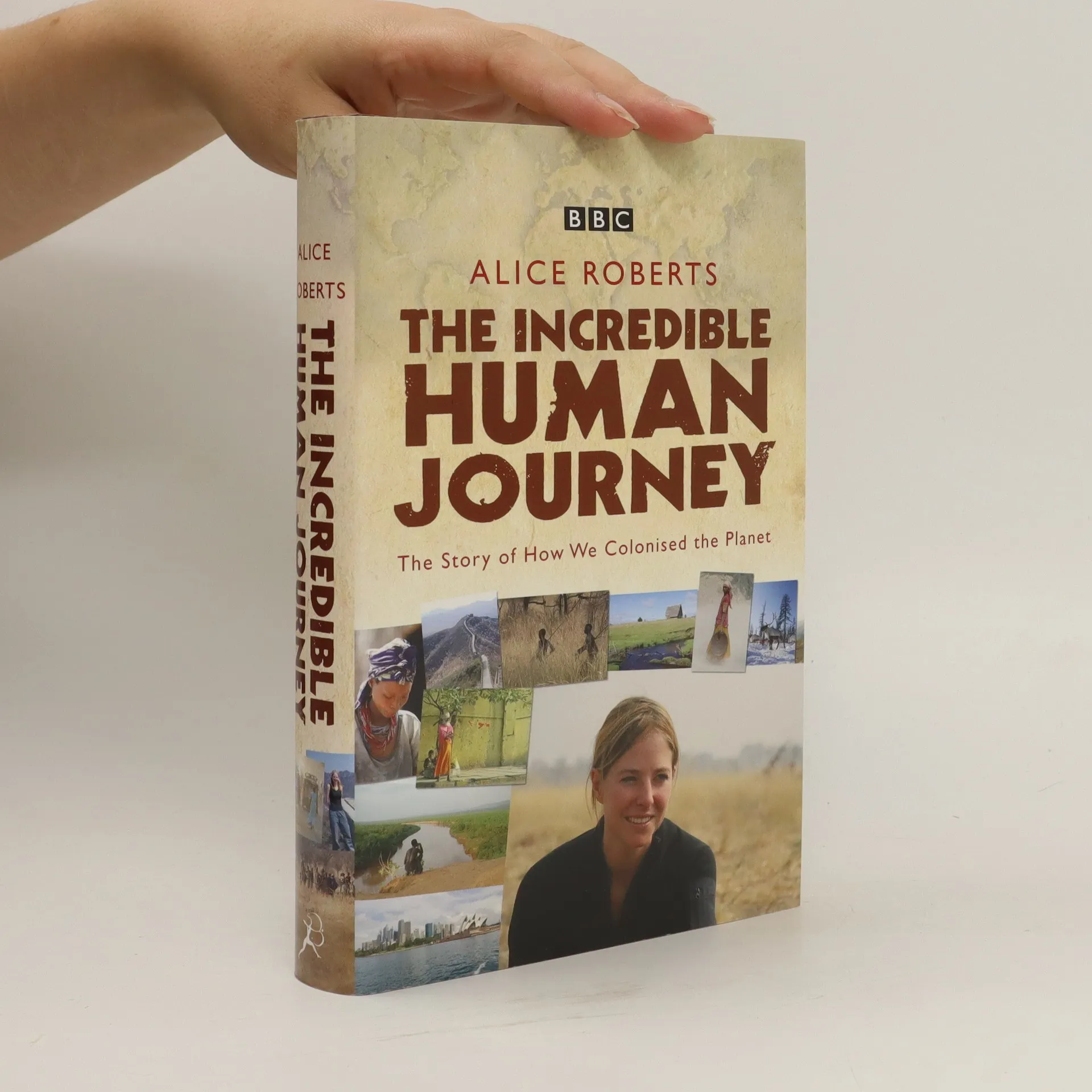
Alice Roberts has been travelling the world in order to understand the challenges that early humans faced as they tried to settle continents. Part detective story, part travelogue, and drawing on the latest genetic and archaeological discoveries, Alice examines how our ancestors evolved physically in response to these challenges, finding out how our colour, shape, size, diet, disease resistance and even athletic ability have been shaped by the range of environments that our ancestors had to survive
Was ist die genetische Formel? Wie funktioniert unser Körper? Was ist das endokrine System? Diese umfassende Bild-Enzyklopädie erklärt Aufbau, Funktion und Entwicklung des menschlichen Körpers - umfassend und auch für Laien verständlich. Über 2000 modernste 3-D-Illustrationen, mikroskopische Abbildungen und Fotografien geben unglaubliche Einblicke und erklären auch schwierigere Sachverhalte verständlich. Von der Evolution über kleinste Körperzellen, Knochen, Muskulatur bis zur Fortpflanzung, den 200 häufigsten Krankheiten und ihren Auswirkungen auf den Körper bis zum Lebenszyklus des Menschen: mit dieser Bild-Enzyklopädie begibt man sich auf eine Reise durch das Innere des menschlichen Körpers, bei der man alles erfährt, was man schon immer wissen wollte.