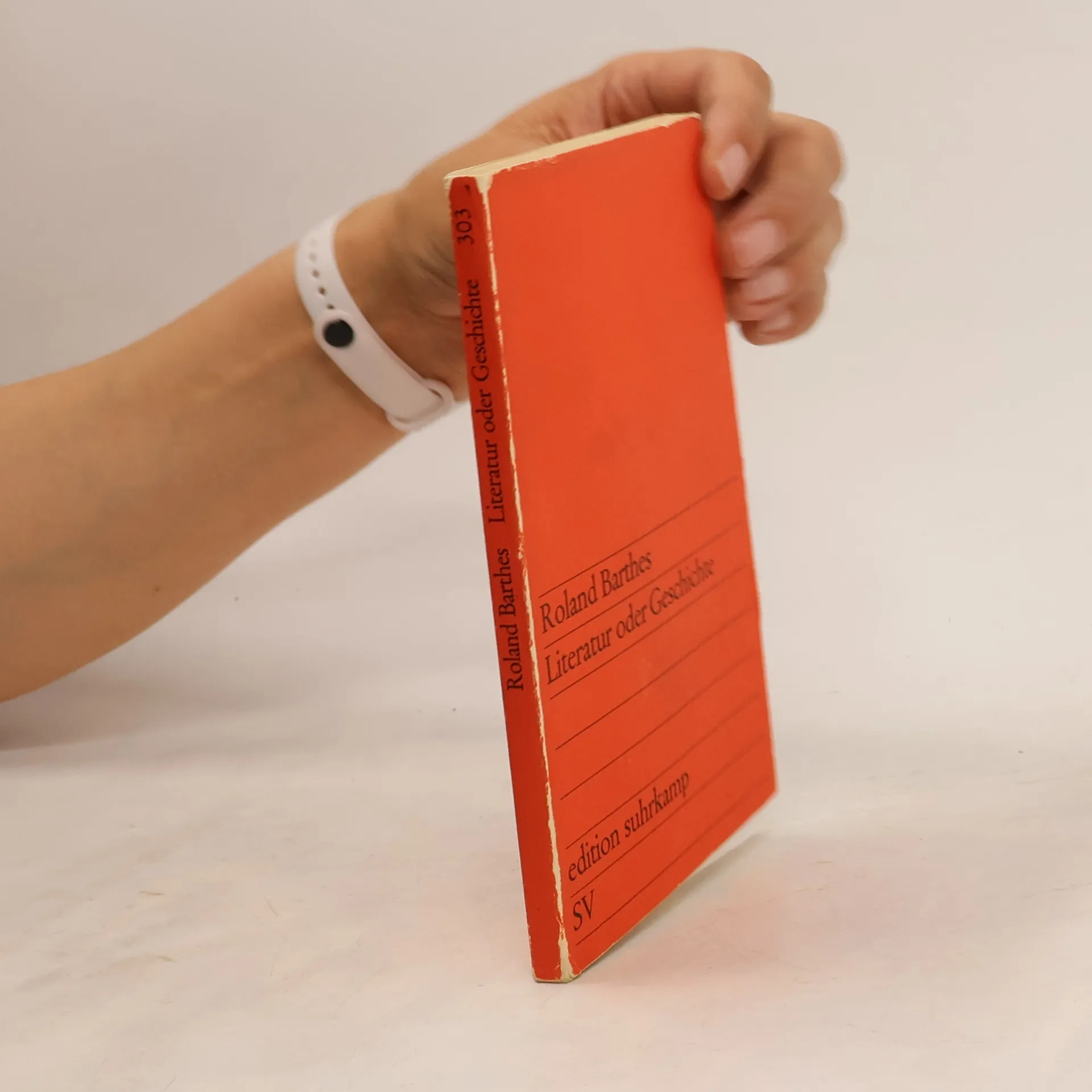
Briefe und unveröffentlichte Texte
- 360 Seiten
- 13 Lesestunden


Roland Barthes war ein französischer Literaturtheoretiker, dessen Ideen ein breites Spektrum von Feldern erforschten und die Entwicklung theoretischer Schulen wie Strukturalismus, Semiotik, Sozialtheorie und Poststrukturalismus beeinflussten. Seine Gedanken befassten sich mit einer breiten Palette von Themen, und sein Ansatz zur Analyse von Texten und Kultur prägte die moderne Literaturkritik. Barthes' Einfluss ist in verschiedenen Disziplinen sichtbar, und sein Werk inspiriert weiterhin Wissenschaftler und Leser gleichermaßen mit seiner innovativen Perspektive auf Sprache und Bedeutung.


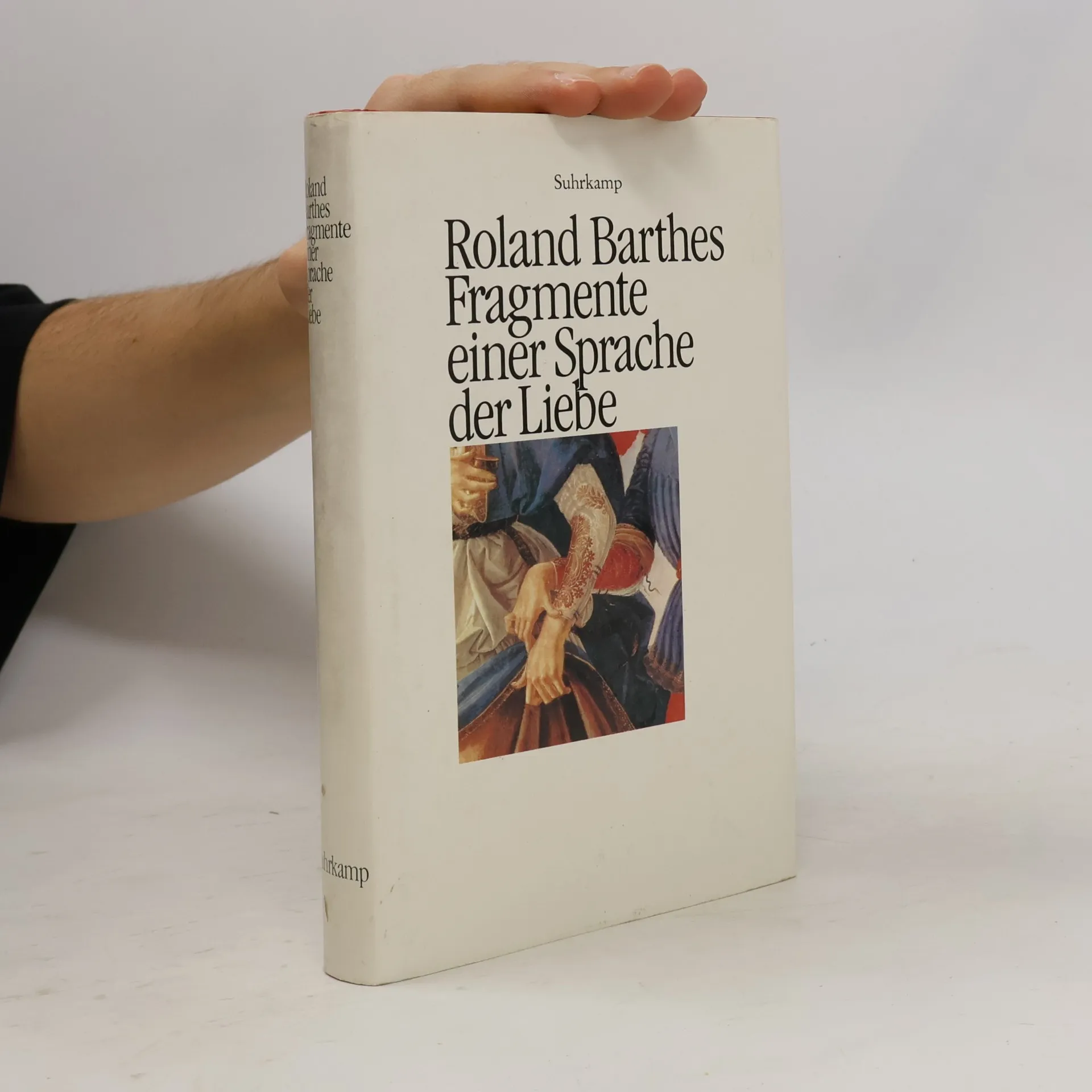


Exploring the evolution of thought, this collection showcases the essays and interviews of Roland Barthes, a pivotal 20th-century philosopher known for his innovative approach to cultural criticism. Spanning five volumes, the work includes Barthes' reflections on mass culture, literary semiology, and interactions with contemporaries like Derrida. Translator Chris Turner brings these significant writings to English readers for the first time, beginning with "A Very Fine Gift," which encapsulates Barthes' theoretical inquiries throughout his career.
The collection features essays and interviews from Roland Barthes, a pivotal 20th-century philosopher known for his innovative approach to cultural criticism. Spanning five themed volumes, it includes Barthes' influential writings on mass culture and literary semiology, showcasing his evolution from a structuralist outsider to a celebrated academic. The fifth volume, Simply a Particular Contemporary, presents four diverse interviews from the 1970s, highlighting his dynamic engagement with various ideas and concepts. This comprehensive collection is now available in English for the first time.
Masculine, Feminine, Neuter focuses on Roland Barthes' insights into literature, exploring his relationships with peers and influences across various languages and eras. This volume is part of a comprehensive five-volume collection, showcasing Barthes' evolution as a cultural critic and his transition from structuralism to literary semiology. The essays, interviews, and reviews highlight his innovative approach and enduring impact on literary theory, making this collection a significant resource for understanding his contributions to 20th-century thought.
Aufsätze und Notizen | Das Dokument einer bedeutenden literarischen Wahlverwandtschaft
Während seines Lebens veröffentlichte Roland Barthes wenig über Proust – fünf Texte oder Artikel – obwohl er selbst gesteht, dass er ohne Zweifel der Autor war, den er am meisten las, bereits in der Jugend, aber besonders in seinen letzten Jahren, während der Trauer um seine Mutter, von der er ständig in Verbindung mit der Mutter von Proust sprach. Dieser Band versammelt die zu Lebzeiten veröffentlichten Texte von Barthes, die Transkription von drei Sendungen, die er bei France Culture machte, einige unveröffentlichte Werke, Fragmente eines Kurses, den er am Collège de France hielt, und eine wichtige Auswahl seiner bekannten persönlichen Archive. Barthes eröffnet Wege, nimmt Abkürzungen, übernimmt, verwirft und bietet eine perfekt moderne Sicht auf einen außergewöhnlich modernen Autor. Grundsätzlich füllt er ein fehlendes Vakuum, das den „Proust von Barthes“ betrifft, und hier haben wir ihn, funkelnd, lebendig, bahnbrechend.
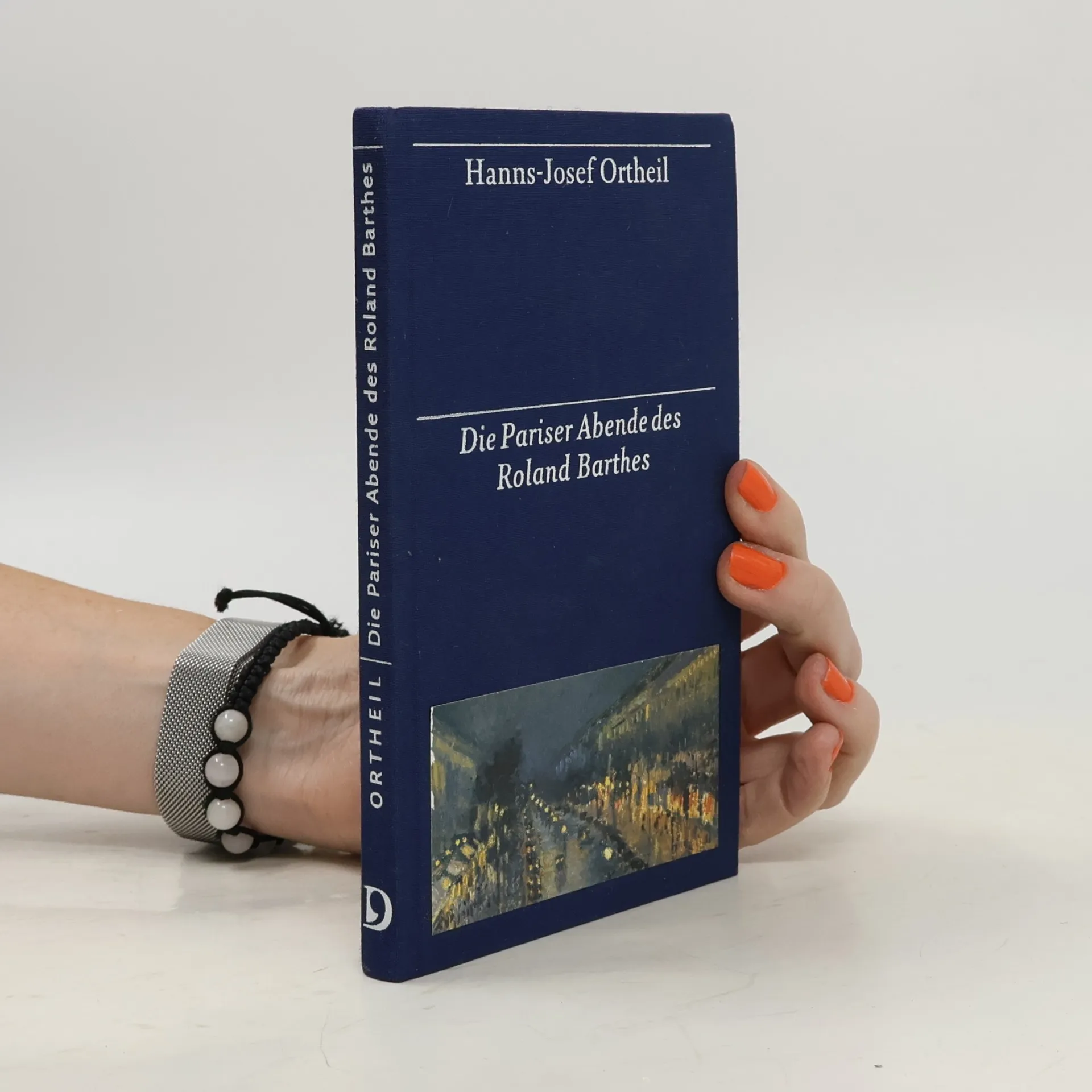
Am 12. November 2015 wäre Roland Barthes (1915—1980), der bedeutende französische Literat und Kulturtheoretiker, hundert Jahre alt geworden. Aus diesem Anlass widmet ihm der Schriftsteller Hanns-Josef Ortheil (geb.1951) eine ganz besondere Hommage. Er folgt Roland Barthes auf dessen weiten und melancholischen Streifzügen durch 'Pariser Abende': auf der Suche nach dem Glück und der Schönheit der Nacht. Ergänzt durch Fotografien aus dem Jahr 2015 (und die deutsche Übersetzung der „Soirées de Paris“ von Hans-Horst Henschen) ist dieses Buch ein einzigartiges Dokument einer Deutung des Pariser Stadtraums aus dem Blickwinkel zweier Autoren.
Essays and Interviews, Volume 3
Last season, Seagull Books published the first three volumes in a new series collecting essays and interviews by the late French thinker Roland Barthes. This season they'll bring the five-volume set to completion with the publication of "Masculine, Feminine, Neuter" and Signs and Images. "Masculine, Feminine, Neuter, " consists of Barthes's writing on literature, covering his peers and influences, writers in French and other languages, contemporary and historical writers, and world literature. This volume comprises Barthes critical articles and interviews previously unavailable in English. Taken together, the five volumes in this series are a gift to Barthes' many fans, helping to round out our understanding of this restless, protean thinker and his legacy.-- Provided by Publisher
A major collection of essays and interviews from an iconic 20th-century philosopher in five volumes, now all available together in paperback. Roland Barthes was a restless, protean thinker. A constant innovator--often as a daring smuggler of ideas from one discipline to another--he first gained an audience with his pithy essays on mass culture and then went on to produce some of the most suggestive and stimulating cultural criticism of the late twentieth century, including Empire of Signs, The Pleasure of the Text, and Camera Lucida. In 1976, this one-time structuralist outsider was elected to a chair at France's preeminent Collège de France, where he chose to style himself as a professor of literary semiology until his death in 1980. The greater part of Barthes's published writings has been available to a French audience since 2002, but now, translator Chris Turner presents a collection of essays, interviews, prefaces, book reviews, and other journalistic material for the first time in English and divided into five themed volumes. Volume four, Signs and Images, gathers pieces related to his central concerns--semiotics, visual culture, art, cinema, and photography--and features essays on Marthe Arnould, Lucien Clergue, Daniel Boudinet, Richard Avedon, Bernard Faucon, and many more.
însemnări despre fotografie
26. Oktober 1977 - 15. September 1979. Texterstellung und Anmerkungen von Nathalie Léger
Wem ein geliebter Mensch stirbt, dem fehlen die Worte. Roland Barthes, einer der anregendsten Denker aus dem Frankreich des 20. Jahrhunderts, suchte nach dem Tod seiner Mutter Trost in der Sprache. Auf etwa 250 Karteikarten hielt der Philosoph der Zeichen kurze Notizen fest, die um die Tote, die Trauer und um seine Einsamkeit kreisen. Im Juni 1978 brechen die Aufzeichnungen ab, die jetzt aus seinem Nachlass ediert wurden. Entstanden ist ein ungewöhnliches und bewegendes autobiografisches Zeugnis, das eindrucksvoll die Grenze zwischen der Trauer und der Sprache abtastet.
Vorlesung am Collège de France 1978-1979 und 1979-1980
Im April 1978 beschließt Roland Barthes, einen Roman zu schreiben, kommt aber über Stichworte nicht hinaus. Die Erfahrung dieses Scheiterns macht er in den folgenden Jahren zum Thema der theoretischen Arbeit: Er widmet dem Übergang »vom Schreiben-Wollen zum Schreiben-Können« zwei Vorlesungen am Collège de France. Darin geht er der Frage nach, wie aus verstreuten Ideen ein Textkontinuum entsteht, das einen »Realitätseffekt« erzeugt. Er behandelt aber auch, am Beispiel von Proust, Flaubert und Tolstoi, den Prozeß des Schreibens sowie die »diätetischen Regeln«, denen sich die Autoren unterwerfen – die Einsamkeit, die Nacht, die Stimulanzien …
Simulationen einiger alltäglicher Räume im Roman. Vorlesung am Collège de France 1976-1977
In dieser ersten Vorlesungsreihe, die Roland Barthes nach seiner Berufung an das renommierte Collège de France hielt, geht es dem großen französischen Essayisten um eine Form eingeschränkten Zusammenlebens in Gruppen, das die Freiheit des Individuums dennoch nicht ausschließen soll. Modelle solcher Gemeinschaften, die oft durch eine räumliche Beschränkung charakterisiert sind, findet Barthes im religiösen Schrifttum, besonders aber in Werken der Literatur.
Im Zentrum der hier versammelten Essays stehen die für Roland Barthes zentralen Problematiken der Sprache und des Schreibens.
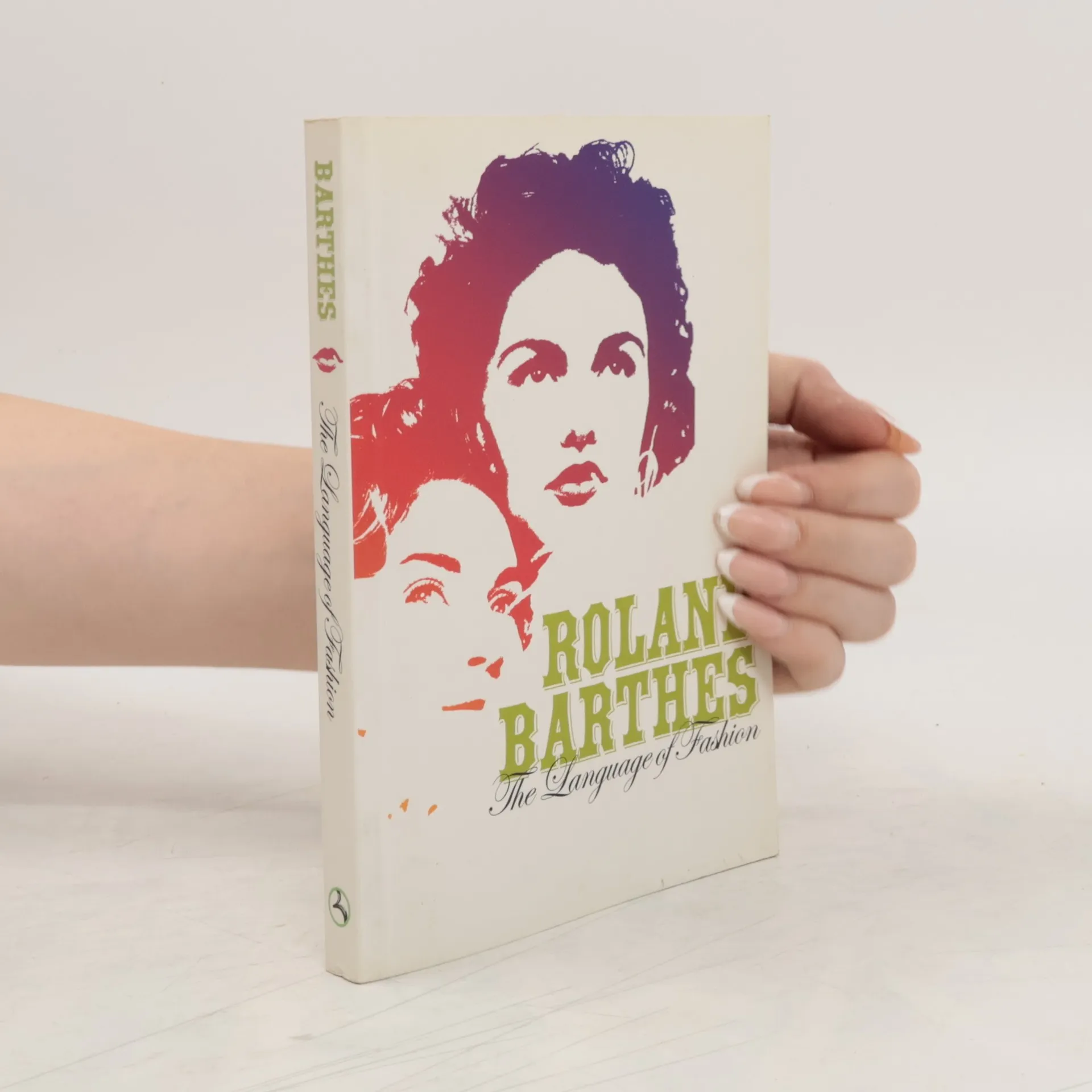
Roland Barthes, widely regarded as one of the most subtle and perceptive critics of the 20th Century, was particularly fascinated by fashion and clothing. The Language of Fashion brings together all Barthes' untranslated writings on fashion.The Language of Fashion presents a set of remarkable essays, revealing the breadth and insight of Barthes' long engagement with the history of clothes. The essays range from closely argued essays laying down the foundations for a structural and semiological analysis of clothing to a critical analysis of the significance of gemstones and jewellery, from an exploration of how the contrasting styles of Courrges and Chanel replayed the clash between ancient and modern to a discussion of the meaning of hippy style in Morocco, and from the nature of desire to the role of the dandy and colour in fashion.Constantly questioning, always changing, Barthes' ideas about clothes and fashion remain to provoke another generation of readers seeking to understand not only the culture of fashion but the fashion of culture.
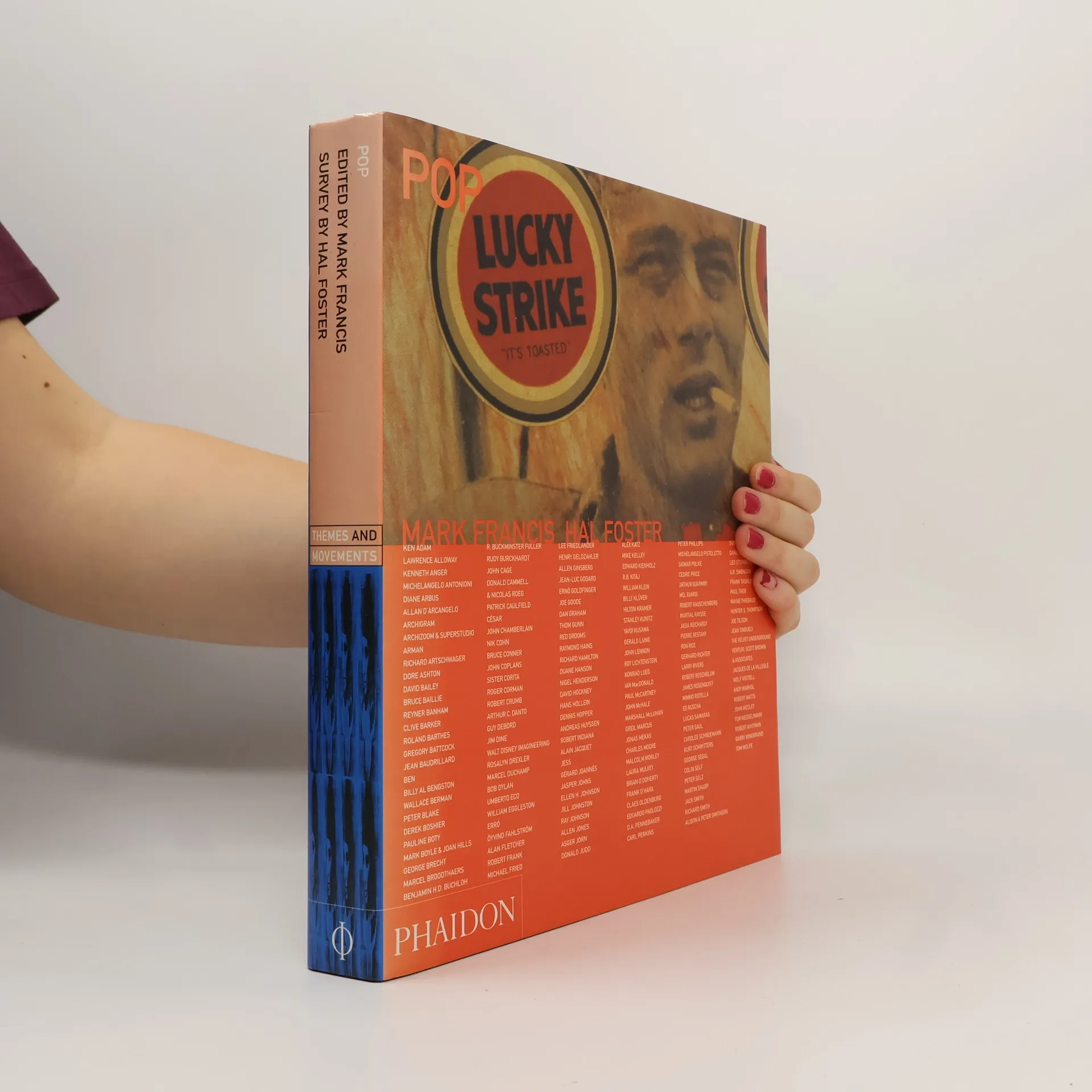
Exploring the evolution of Pop culture from the late 1950s to the late 1960s, this comprehensive survey examines its impact on art, film, photography, and architecture, highlighting the interplay between mass production and mass media. Unlike other works that focus solely on Pop art, it offers a holistic view of the movement's influence across America, Britain, and Europe, showcasing its diverse manifestations and cultural significance during this transformative era.
1976 wurde Roland Barthes an das renommierte Collège de France gewählt. Zu seinen Aufgaben gehörte eine wöchentliche Vorlesung, in der er aus seiner aktuellen Forschung berichtete. Im akademischen Jahr 1977/78 behandelte Barthes »das Neutrale«, den »dritten Begriff«, der die binäre Opposition – das klassische Ordnungsprinzip des Strukturalismus – unterläuft. Das Neutrale entzieht sich der Spannung und dem Konflikt und läßt sich in zahlreichen Phänomenen wiederfinden: in der Müdigkeit, der Stille, in sozialen Bildern wie dem Apolitischen, in Haltungen wie dem Skeptizismus sowie schließlich im Sexuellen, in der Figur des Androgynen. In dieser transkribierten Vorlesung, die letztes Jahr in Frankreich erschienen ist, kommt ein neuer Barthes zum Vorschein, dessen geistreicher, hier aus nächster Nähe zu verfolgender Gedankenfluß in seiner thematischen Breite unvermindert beeindruckt – ein »Meisterwerk und Vermächtnis«, wie die Neue Zürcher Zeitung im Januar 2003 schrieb.
Roland Barthes (1915-1980) had een bijzonder vermogen om in het dorre woud van de concepten persoonlijke fascinaties op het spoor te komen. Door de onnavolgbare mengeling van eruditie, stijl en politiek bewustzijn prikkelt zijn werk - literatuurbeschouwing, cultuurkritiek, essayistiek in de ruimste zin des woords - steeds weer nieuwe lezers. Roland Barthes is een postume tijdgenoot.Onder de titel Memo Barthes stelden Rokus Hofstede en Jürgen Pieters een boek samen over de intellectuele erfenis van Roland Barthes. Twaalf Nederlandse en Vlaamse auteurs reflecteren over de invloed van Barthes, onder het motto: 'Barthes, wat kunnen we er vandaag de dag nog mee?' In de geest van de meester hebben hun reflecties nu eens de vorm van persoonlijk getinte essays, dan weer van objectiverende beschouwingen.In het boek zijn bovendien negen vertaalde artikelen opgenomen, essays over literatuur, muziek, film, fotografie, taal en maatschappij, cultuur en engagement, die een beeld geven van Barthes' veelzijdige kritische activiteit.Memo Barthes bevat bijdragen van onder anderen Geert Buelens, Pol Hoste, Manet van Montfrans, Willy Roggeman en Jacq Vogelaar.Memo Barthes bevat ook vertalingen van negen kritische essays van Barthes.
Roland Barthes veröffentlichte ab dem 18. Dezember 1978 eine Chronik im "Nouvel Observateur", die bis Ende März 1979 auf 55 Fragmente anwuchs. Er konzentriert sich auf persönliche, unscheinbare Ereignisse und strebt eine "sanfte" Form der Berichterstattung an, die an Haikus und Tagebuchnotizen erinnert. Barthes reflektiert über die Bedeutung der Kleinigkeiten im Alltag.
«Savoir qu'on n'écrit pas pour l'autre, savoir que ces choses que je vais écrire ne me feront jamais aimer de qui j'aime, savoir que l'écriture ne compense rien, ne sublime rien, qu'elle est précisément là où tu n'es pas - c'est le commencement de l'écriture.»R. B.
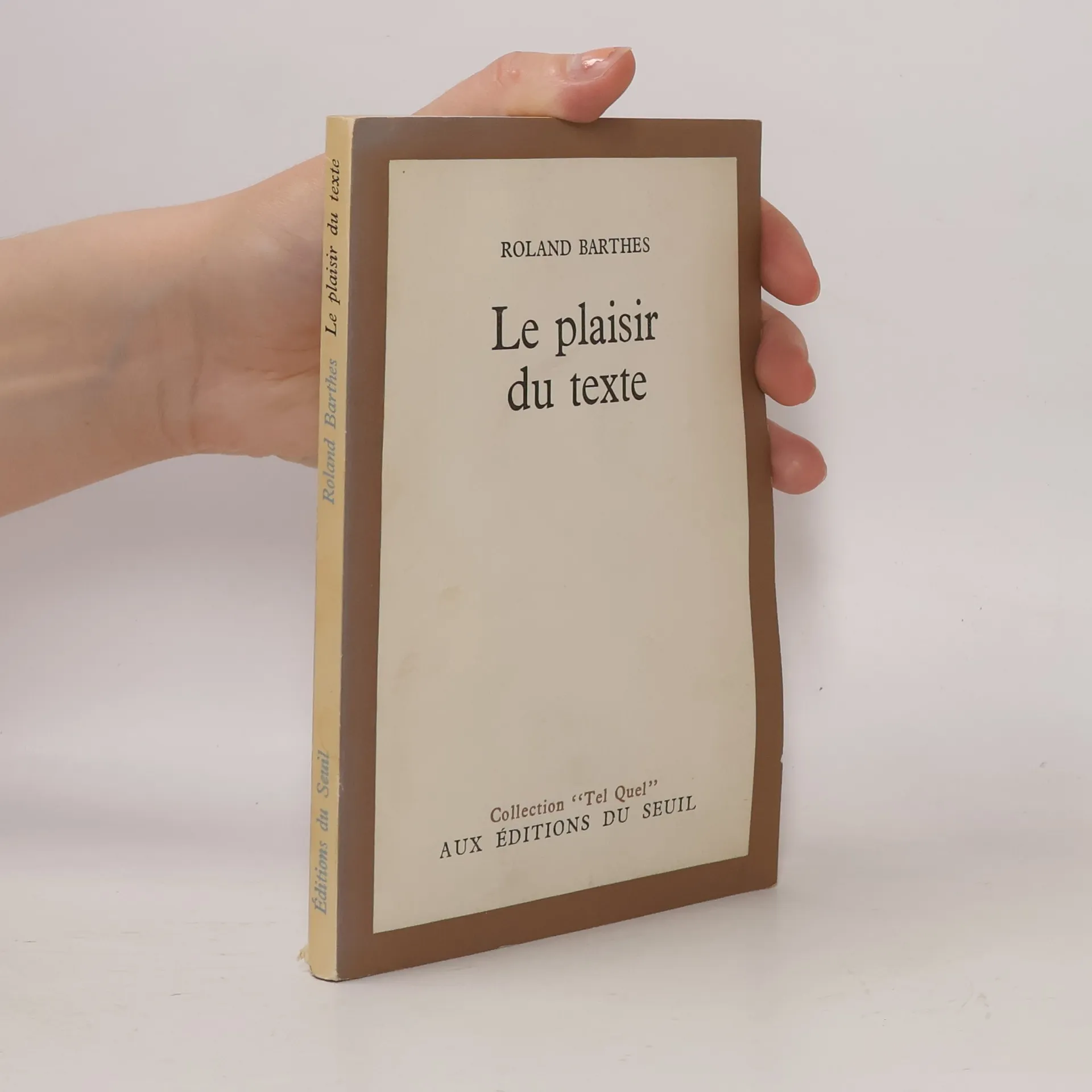
Le plaisir du texte, c'est ce moment où mon corps va suivre ses propres idées - car mon corps n'a pas les mêmes idées que moi.
«Il est cependant un point où la Femme de Mode diffère d'une façon décisive des modèles de culture de masse : elle ne connaît pas le mal, à aucun degré que ce soit. Pour n'avoir pas à traiter de ses fautes, et de ses drames, la Mode ne parle jamais d'amour, elle ne connaît ni l'adultère, ni la liaison, ni le flirt : en Mode, on ne voyage qu'avec son mari.» R. B.
Mit fünfzehn Jahren ist Roland Barthes ein begeisterter Theaterbesucher und Mitbegründer einer Theatergruppe an der Sorbonne. Seine Vorliebe für das antike Theater führt ihn 1938 nach Griechenland, und 1940 schließt er sein Studium mit einer Diplomarbeit über die griechische Tragödie ab. 1954 begeistert ihn die Brecht'sche „Mutter Courage“ des Berliner Ensembles während des Internationalen Pariser Theaterfestivals. Barthes entwickelt ein starkes Interesse an der Soziologie des Theaters und wird zu einer treibenden Kraft der Zeitschrift „Théâtre populaire“, die brechtsche Positionen vertritt. In diesem Band sind mehrere Leitartikel versammelt, die er verfasst hat, sowie grundlegende Essays über antikes Theater, Shakespeare und die französische Theateravantgarde. Barthes verfolgt die Utopie eines Théâtre populaire, das avancierte Ästhetik, politischen Anspruch und eine Verankerung in allen Bevölkerungsschichten vereint. Die Artikel thematisieren das Theater als Fest und Erkenntnis, als Befreiung aus Unmündigkeit. In den 60er Jahren distanziert sich Barthes vom Theater und verliert schließlich das Interesse daran, nachdem er jahrelang begeistert war. Seine Enttäuschung über Theatervorstellungen dokumentiert er in seinen Schriften, in denen er auch seine einstige Begeisterung reflektiert.
Bataille's first novel, published under the pseudonym 'Lord Auch', is still his most notorious work. In this explicit pornographic fantasy, the young male narrator and his lovers Simone and Marcelle embark on a sexual quest involving sadism, torture, orgies, madness and defilement, culminating in a final act of transgression. Shocking and sacrilegious, Story of the Eye is the fullest expression of Bataille's obsession with the closeness of sex, violence and death. Yet it is also hallucinogenic in its power, and is one of the erotic classics of the twentieth century. This edition also includes Susan Sontag's superb study of pornography as art, 'The Pornographic Imagination', as well as Roland Barthes' essay 'The Metaphor of the Eye'.Georges Bataille (1897-1962), French essayist and novelist, was born in Billom, France. He converted to Catholicism, then later to Marxism, and was interested in psychoanalysis and mysticism, forming a secret society dedicated to glorifying human sacrifice. Leading a simple life as the curator of a municipal library, Bataille was involved on the fringes of Surrealism, founding the Surrealist magazine Documents in 1929, and editing the literary review Critique from 1946 until his death. Among his other works are the novels Blue of Noon (1957) and My Mother (1966), and the essays Eroticism (1957) and Literature and Evil (1957).
An introduction to the thinking of the French intellectual, Roland Barthes, as applied to such diverse topics as Gide, Garbo, striptease, photography and the Eiffel Tower. The pieces in this collection were written over a period of three decades.
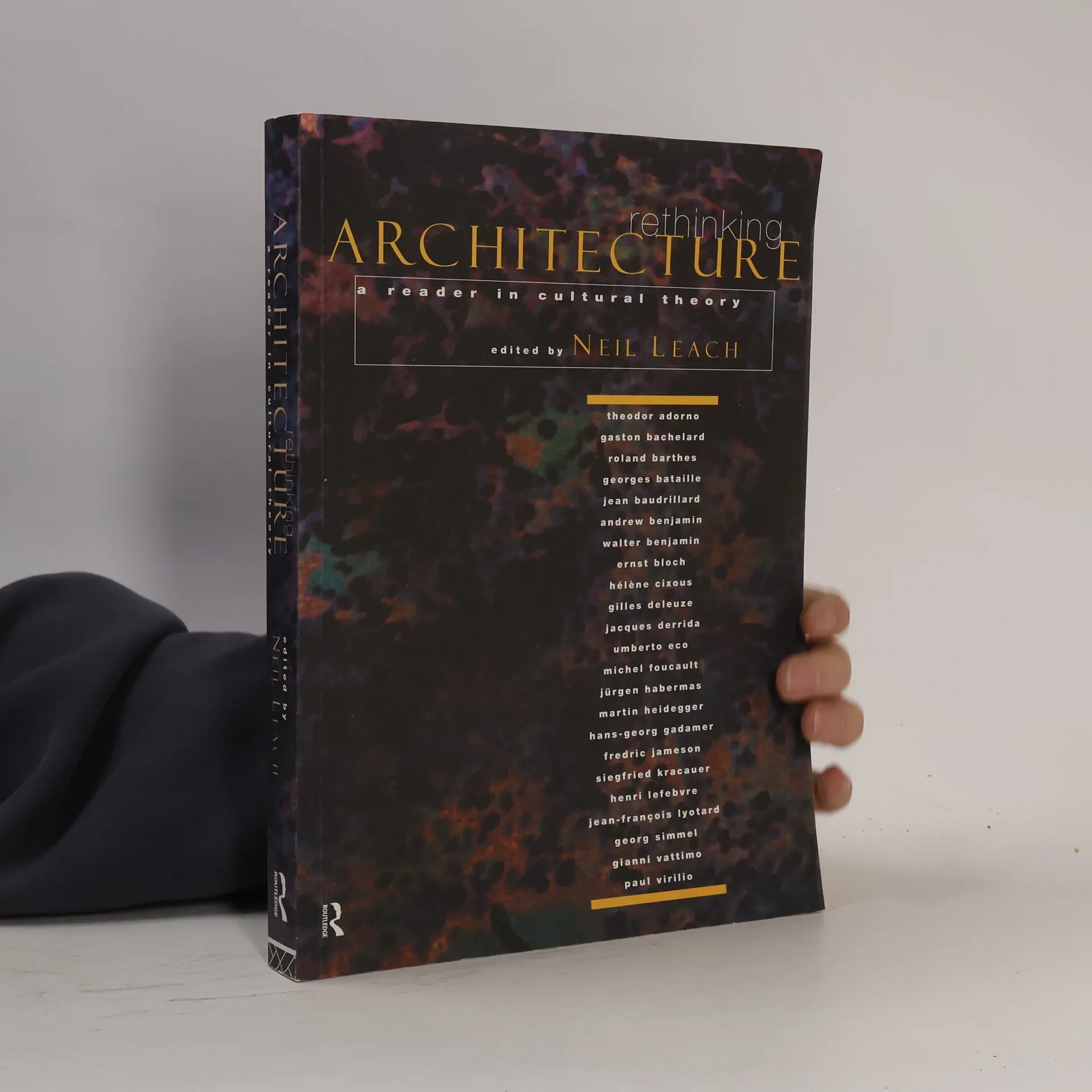
The collection features essential writings from influential philosophers and cultural theorists of the twentieth century, exploring the foundational ideas that have shaped urban environments and architectural experiences. It delves into the theoretical frameworks that underpin contemporary architecture, offering insights into the cultural and philosophical contexts that inform our understanding of space and design. This compilation serves as a critical resource for those interested in the intersection of architecture, philosophy, and urban theory.
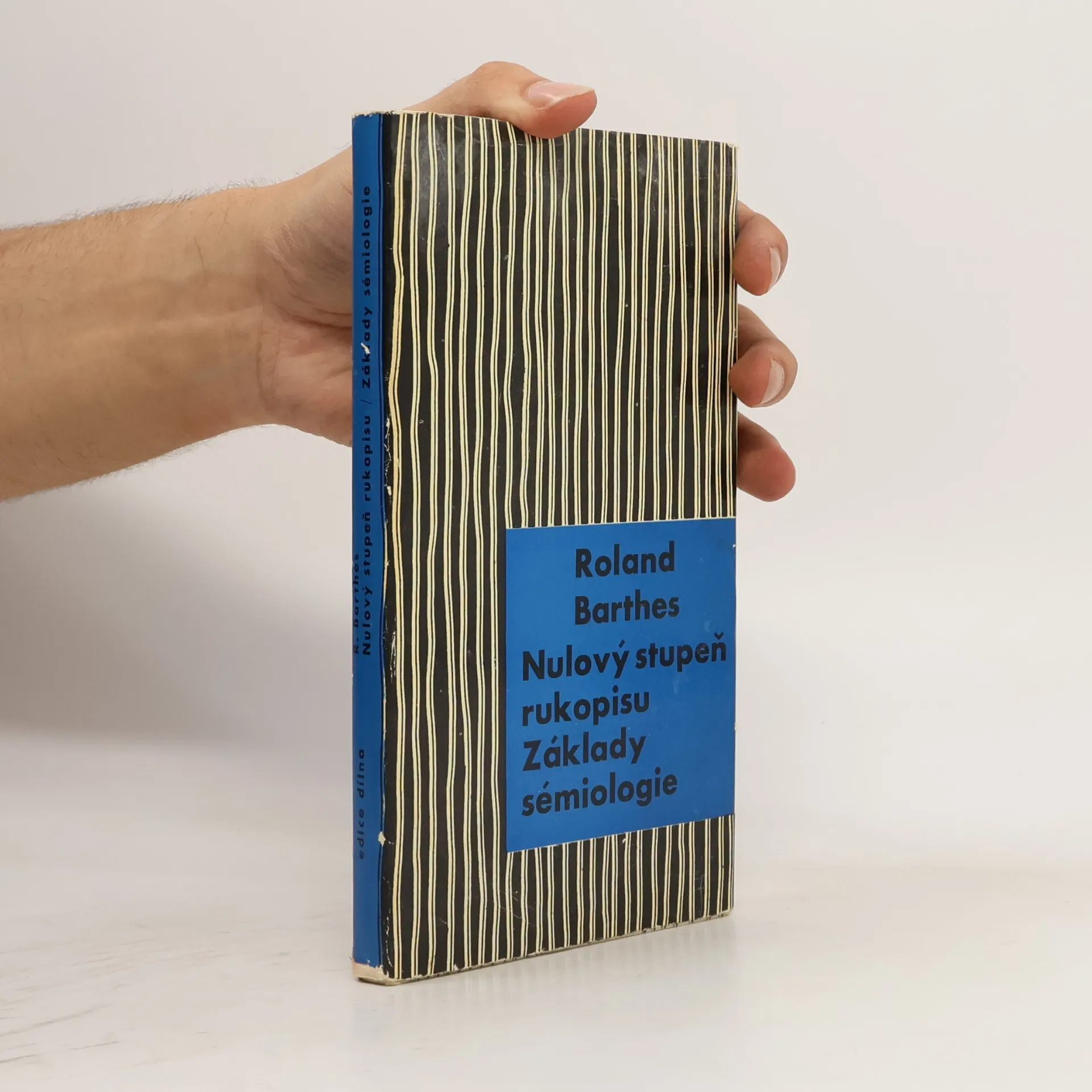
Souborné vydání základních prací filozofa, filologa a lingvisty zasvěcených strukturální analýze literárního díla: Nulový stupeň rukopisu (1953) — Základy sémiologie (1965) — Kritika a pravda (1966).
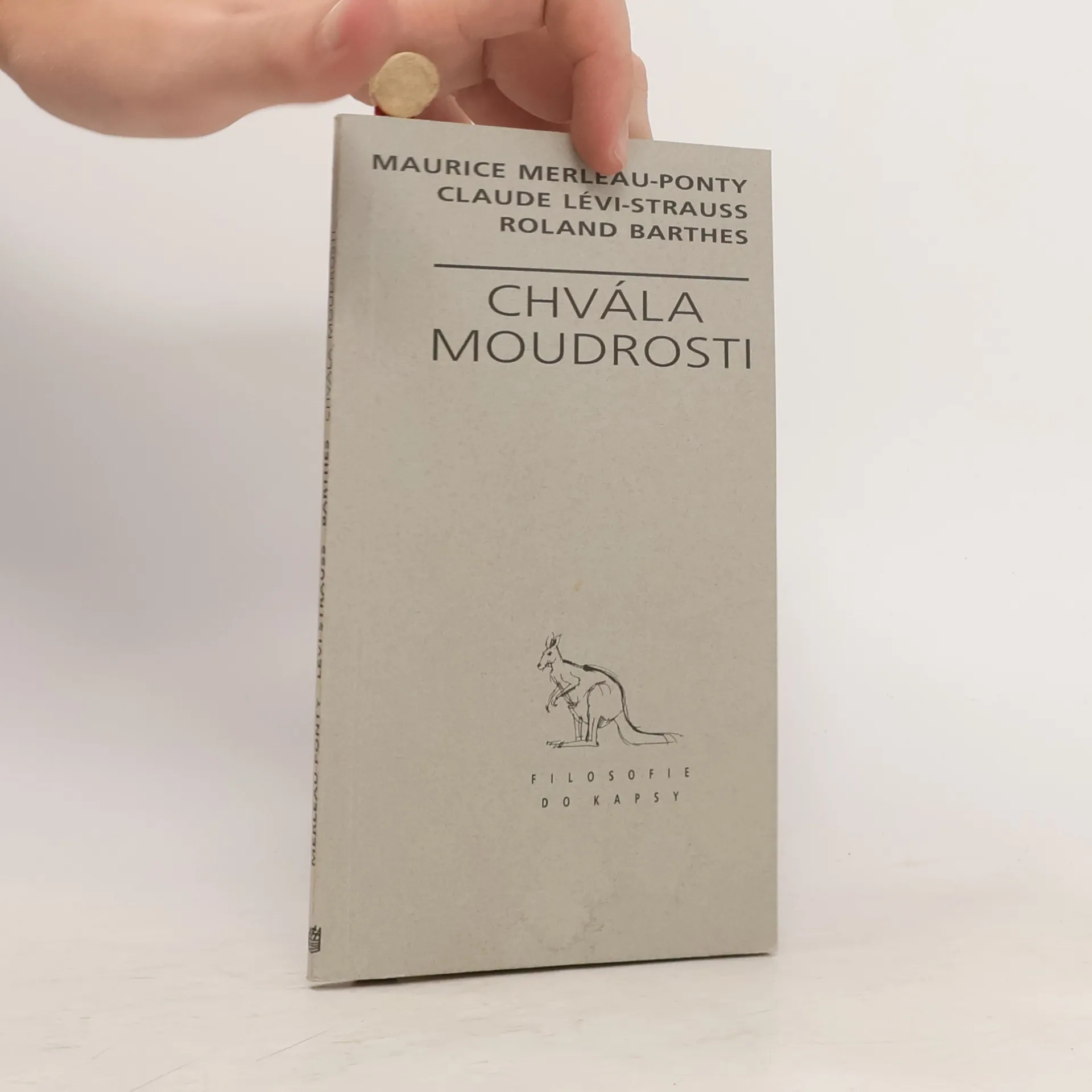
Přednášky tří významných filozofů - Maurice Merleau-Ponty, Claude Lévi-Strauss, Roland Barthes, na téma sociální antropologie, semiologie a filozofie bytí.
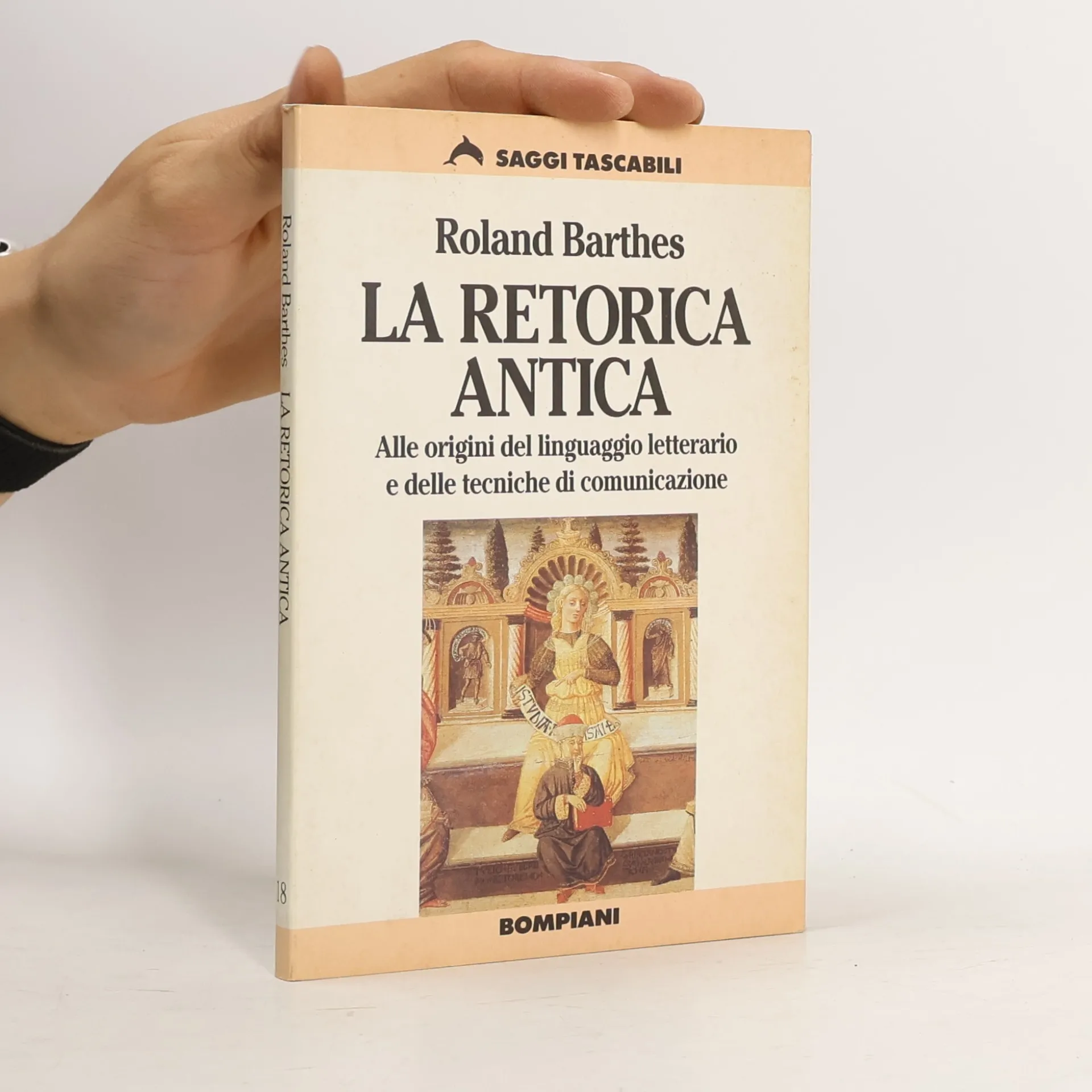
Alle origini del linguaggio letterario e delle tecniche di comunicazione
These late essays of Roland Barthes's are concerned with the visible and the audible, and here the preoccupations are particularly intense and rewarding, in part because Barthes was himself, by predilection, an artist and a musician, and in part because he was of two minds about the very possibility of attaching to art and to music a written text, a criticism.
Der Band zeigt Bedeutung und Entwicklung der Untersuchungen Barthes' über einen Gegenstand, den man »die Schrift des Sichtbaren« nennen könnte: Fotografie, Kino, Malerei, Theater, Musik. Barthes beschäftigt sich unter anderem mit der Botschaft der Fotografie, der Rhetorik des Bildes, mit Brecht, Diderot und Eisenstein, aber auch mit romantischer Musik, mit Schumann. Bei all diesen Versuchen geht es Roland Barthes vor allem um die »dritte Bedeutung«, jener zwischen entgegenkommendem und stumpfem Sinn oszillierenden Signifikanz.
"Die Tricks von Renaud Camus sind einfach, sie sprechen von Homosexualität, ohne jemals über sie zu sprechen. Keinen Augenblick lang wird sie beschworen. Unsere Epoche interpretiert sehr viel, doch die Erzählungen des Autors bleiben immer neutral. Sie betreten nie das Spielfeld der Interpretation. Der Trick entfernt sich vom Bereich der Pornographie, ohne ihn jemals berührt zu haben, und nähert sich dem Roman. Die Erwartung des Lesers (denn ich bin überzeugt, daß Trich sich spannend liest) betrifft nicht die folgenden Praktiken, die ohnehin erwartet wurden, sondern die Personen: Wer sind siwe? Worin unterscheiden sie sich von den anderen?"--From pubilsher description.
Der Text des Lebens, das Leben als Text: Der besondere Reiz der in der Sammlung „Begebenheiten“ zusammengestellten Prosatexte von Roland Barthes (1915‒1980) liegt in der Verschränkung von Lebens- und Schreibpraxis. In den drei stark autobiographisch gefärbten Texten des Bandes deutet sich Barthes’ zunehmend gesteigertes Interesse am „Romanhaften“ an, ein sich aus der Notiz, dem Fragment und dem Tagebuch herleitender Modus des „Erzählerischen“, dessen Präzisierung er in seinen Arbeiten der späten siebziger Jahre immer mehr vorantrieb. Das ausführliche Nachwort von Hanns-Josef Ortheil ermöglicht einen neuen und geweiteten Blick auf das Spätwerk des bedeutenden französischen Schriftstellers und Intellektuellen.
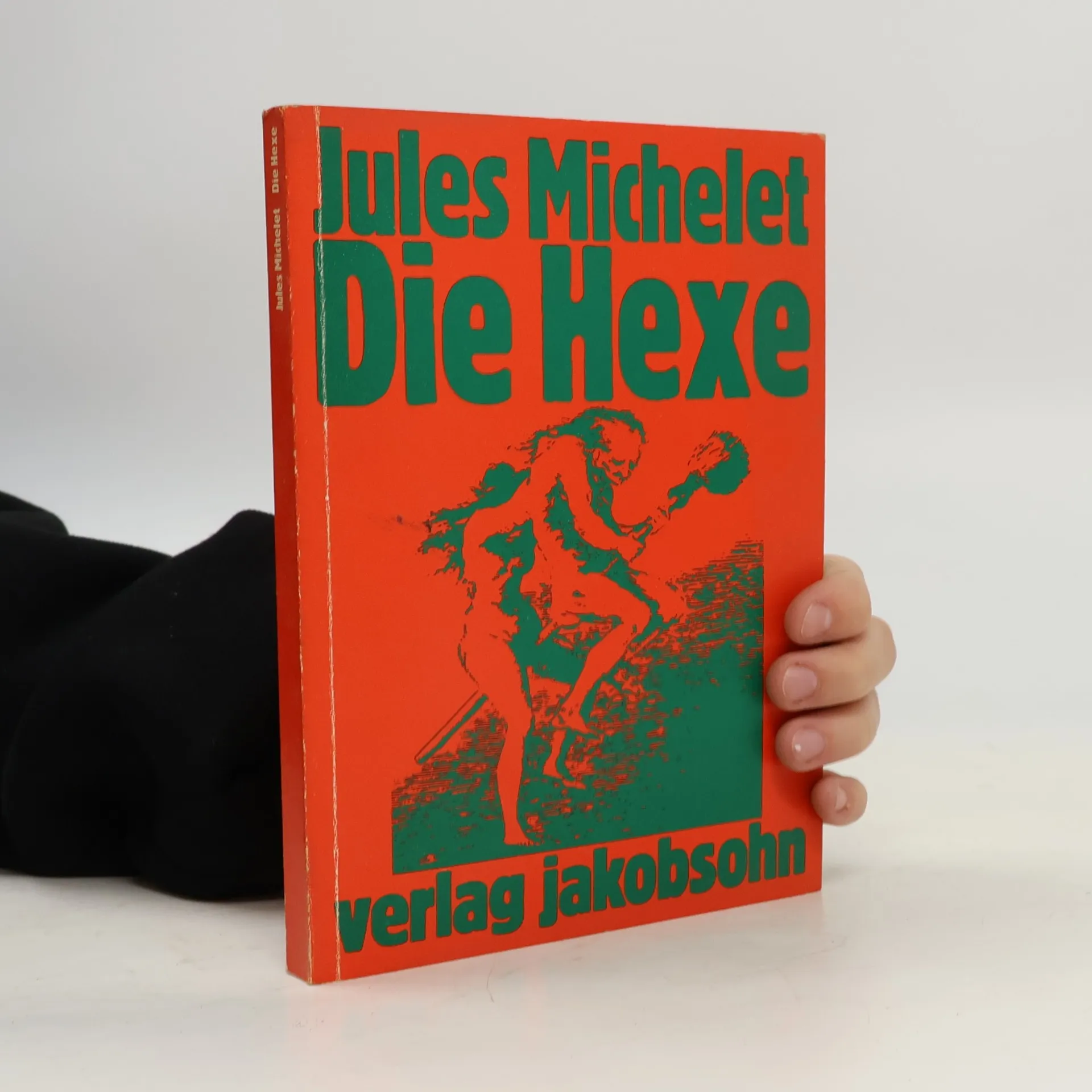
Jules Michelet, ein herausragender französischer Historiker des 19. Jahrhunderts, beleuchtet das Leben einer faszinierenden und magischen Figur. In seinem Werk verbindet er historische Ereignisse mit lebendigen Erzählungen und schafft so ein eindrucksvolles Bild, das den Leser in die Vergangenheit entführt. Michelet gelingt es, die Bedeutung dieser Figur im historischen Kontext herauszustellen und deren Einfluss auf die Gesellschaft zu verdeutlichen. Sein Schreibstil und die tiefgründige Analyse machen das Buch zu einem einzigartigen Beitrag zur Geschichtsschreibung.
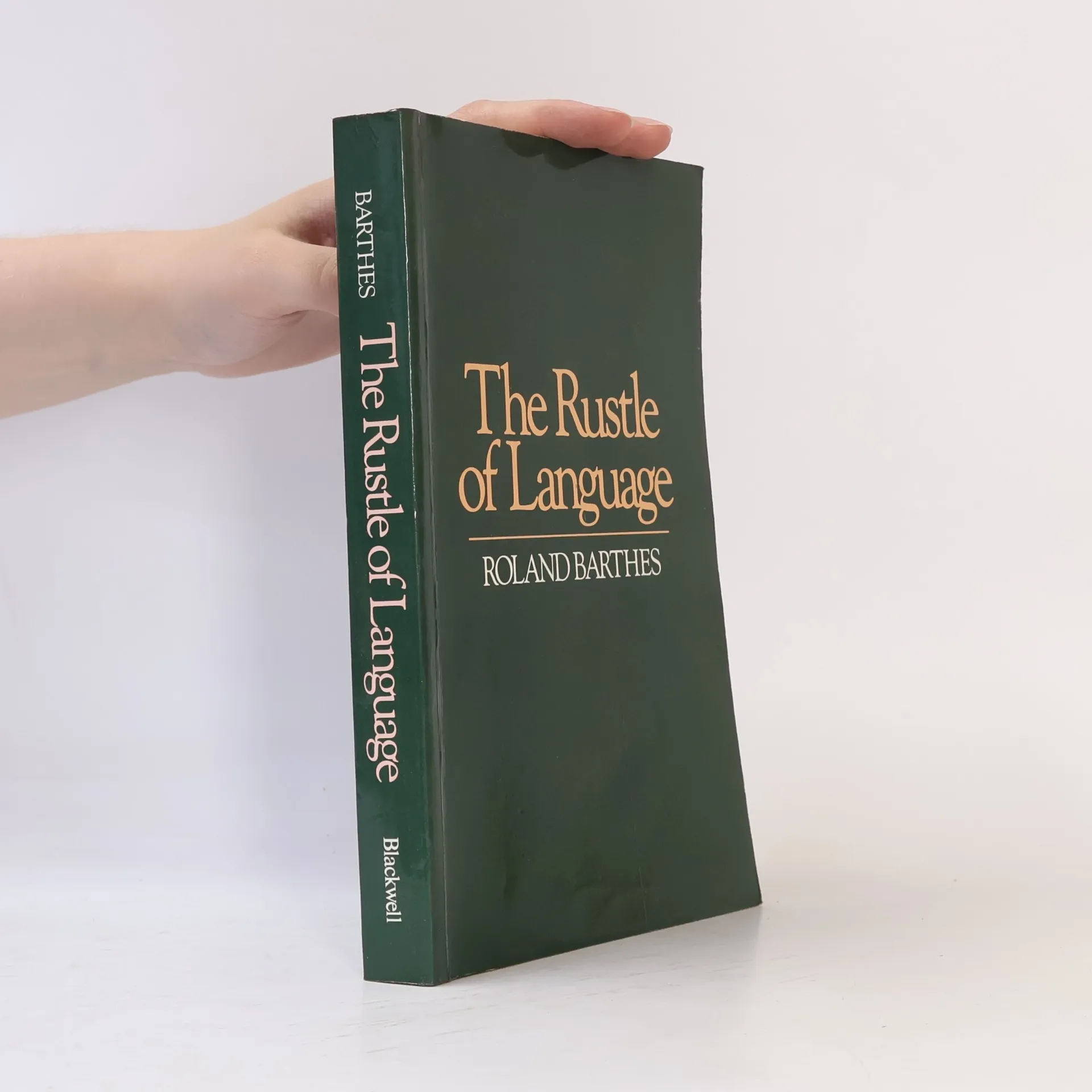
The Rustle of Language is a collection of forty-five essays, written between 1967 and 1980, on language, literature, and teaching—the pleasure of the text—in an authoritative translation by Richard Howard.
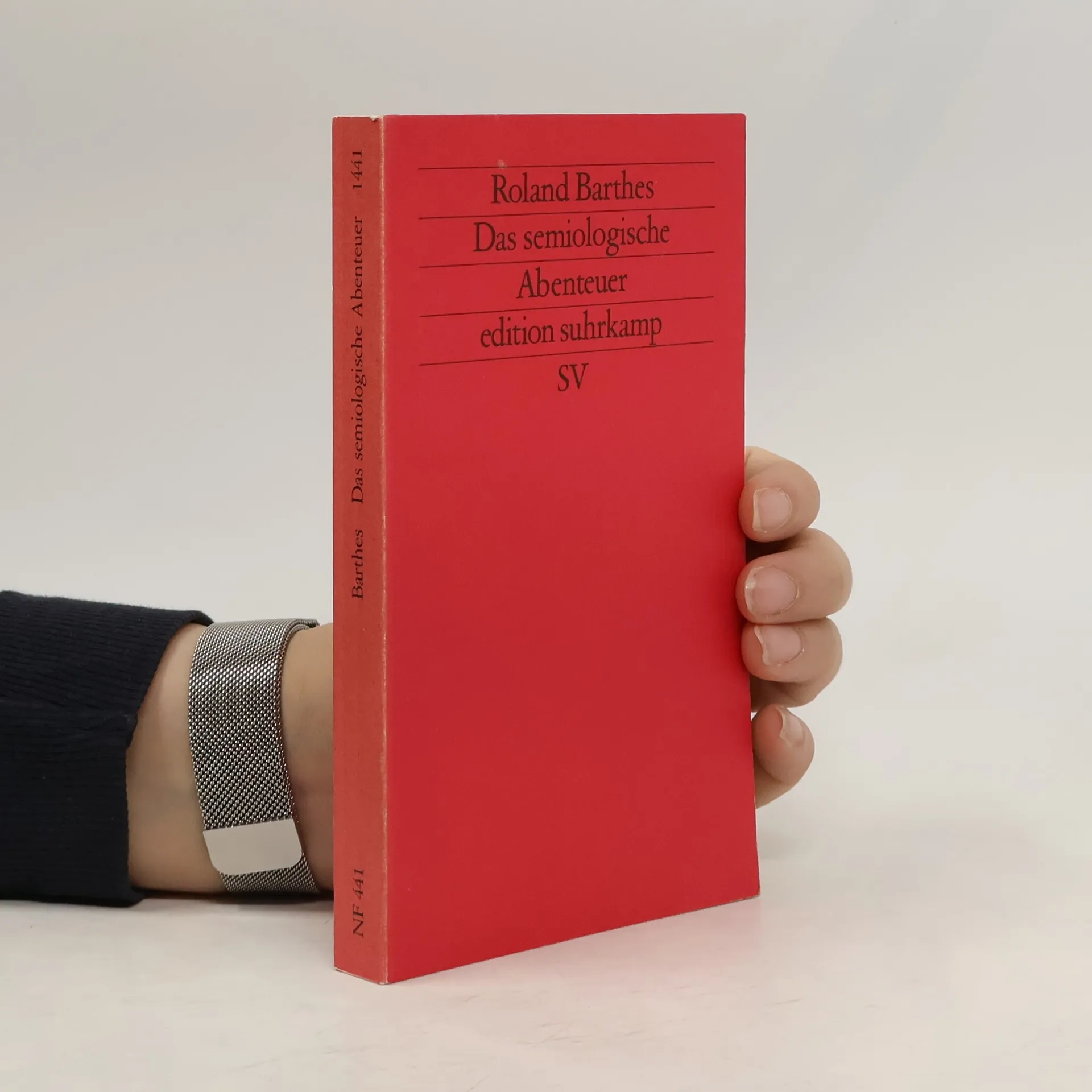
Hier zeigt sich Roland Barthes zum einen als der große Systematiker der Wissenschaft von den Zeichen - er verfolgt das Projekt einer allgemeinen Zeichentheorie, die formal ebenso entwickelt ist wie die Linguistik, in ihrem Wissensgebiet aber weit über sie hinausgreift. Zum zweiten erweist er sich - und diese Entwicklungsphase wurde in Deutschland bisher kaum wahrgenommen - als derjenige, der ein Modell für die semiologische Analyse von Texten ausgearbeitet hat - etwa in dem bereits klassischen Text Einführung in die strukturelle Analyse von Erzählungen.
„Die materia prima ist das was der Teilung des Sinns vorausliegt: enormes Paradox, denn in der menschlichen Ordnung gibt es nichts, was dem Menschen zufällt und nicht gleich von einem Sinn begleitet wird: der Sinn, dem andere Menschen ihm gegeben haben, und so weiter, zurück, endlos.“
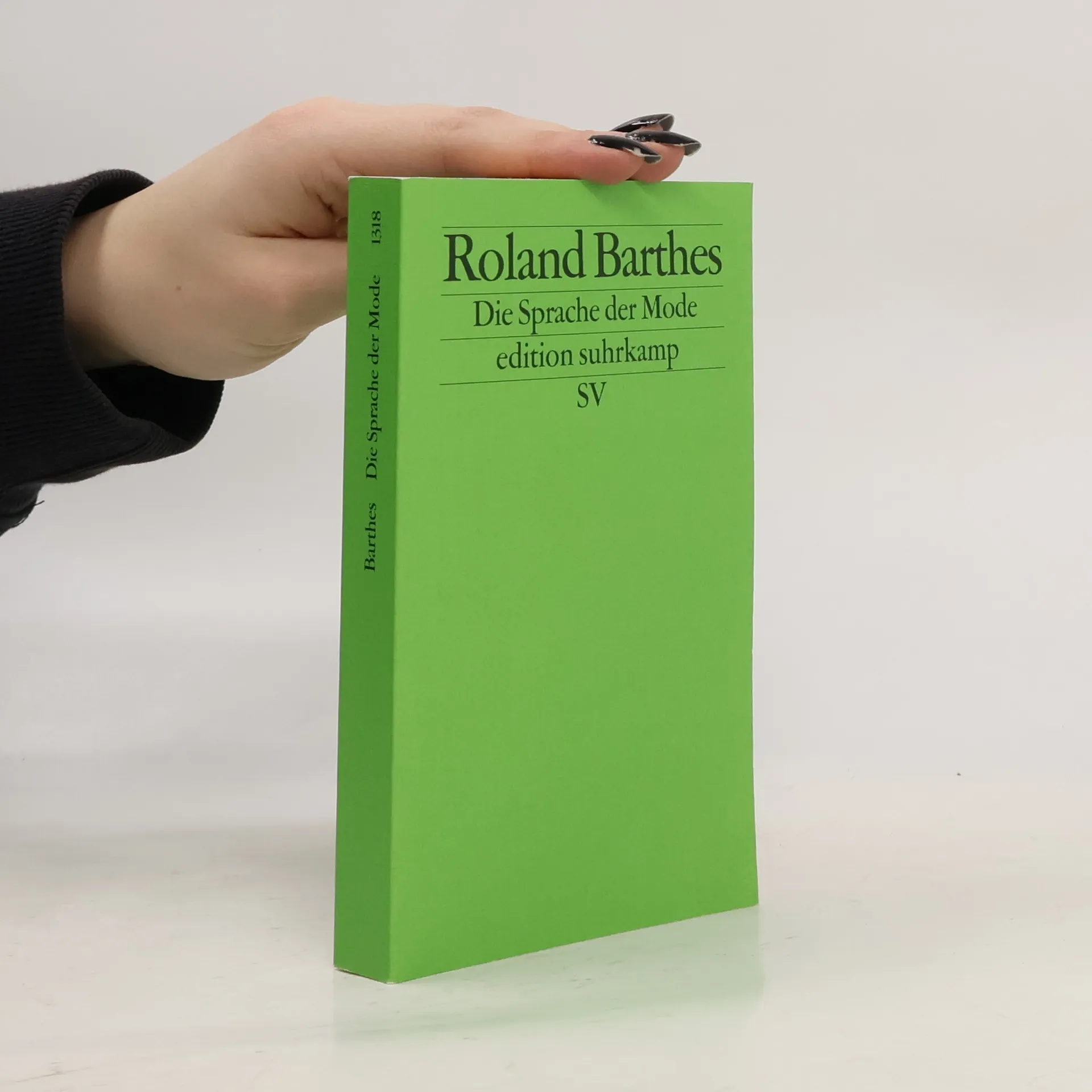
»Das Vorhaben von Die Sprache der Mode entstand unmittelbar im Anschluß an das Nachwort der Mythen des Alltags, in dem ich die Möglichkeit einer immanenten Analyse anderer Zeichensysteme als der Sprache entdeckt habe - oder zu entdecken geglaubt hatte. Ich hatte von diesem Augenblick an den Wunsch, eines dieser Systeme, eine von allen gesprochene und zugleich allen unbekannte Sprache, Schritt für Schritt zu rekonstruieren. So habe ich die Kleidung gewählt.« Roland Barthes
Rarement un numéro de revue aura fait date comme celui-ci. Dans les années 1960, sur la trace des formalistes russes et en particulier de Propp et de Jakobson, se développait le projet d’une analyse structurale du récit. Ce numéro de Communications publié en 1966 a marqué l’avènement d’une École française à laquelle les théoriciens du monde entier n’allaient plus cesser de se référer. Il y a là tout à la fois des textes fondamentaux, des exemples concrets et déjà l’exploration de cas limites. Il n’est pas exagéré de dire que tout ce qui s’est fait depuis dans ce champ se définit par rapport à ce qui est énoncé ici. Ont participé à ce numéro : R. Barthes, A. J. Greimas, C. Bremond, U. Eco, J. Gritti, V. Morin, Ch. Metz, T. Todorov, G. Genette.
Auf einer Reise nach Japan wurde er mit der japanischen Zeichenwelt vertraut und bemerkte, daß diese Zeichen seiner Vorstellung vom Zeichen am nächsten kamen. Das japanische Zeichen ist stark: Es ist in bewundernswerter Weise Regeln unterworfen, angeordnet, dargestellt, niemals naturalisiert oder rationalisiert. Das japanische Zeichen ist leer: Sein Signifikat flieht, es gibt keinen Gott, keine Wahrheit, keine Moral, die diesen Signifikanten zugrunde liegt, die ohne ihr Gegenstück herrschen. Und vor allem sind die höhere Qualität dieses Zeichens, die Anmut seiner Behauptung und der erotische Charme, mit dem es auftritt, überall eingeprägt, auf den belanglosesten Gegenständen und Verhaltensweisen, die wir normalerweise in das Gebiet des Unbedeutenden oder Banalen verweisen.
Interviews 1962–1980
»Der Leser findet hier die Mehrzahl der Interviews versammelt, die Roland Barthes in französischer Sprache gegeben hat.« So lautet der erste Satz der kurzen Vorbemerkung, die der Herausgeber diesem postum erschienenen Band beigegeben hat. Diese lapidare Bemerkung leitet eine Sammlung ein, die sich als Kommentar Roland Barthes’ zum eigenen Werk lesen läßt. Barthes nimmt hier zu fast jedem seiner Werke Stellung, antwortet auf Einwände, erklärt seine Intention; und er wirft neue Fragen auf, die weiter reichen und deren Antwort erst noch zu finden bleibt. Zugleich sind diese Interviews Erläuterung und Verlängerung dessen, was Barthes geschrieben hat: Sie sind das Komplement seines Werkes – und gleichzeitig die beste Einführung in sein Denken. Da diese Gespräche sich in der Zeit verteilen, zeigen sie, wie die Ausübung der Kritik den Theoretiker und Kritiker über alte, zuvor eingenommene Positionen hinaus weitertreibt. Sie lassen zugleich aber auch die Konstante erkennen, die die Kohärenz der Haltung Barthes’ ausmacht: die dem Autor unverzichtbare Grundposition der Sprachlichkeit aller Phänomene und die dieser Rechnung tragende Analysemethode.
»Es geht in Die helle Kammer keineswegs ums Photographieren (als Akt der Herstellung), sondern um die ›PHOTOGRAPHIE‹, ein Faszinosum, welches – Bild, das es ist – wahrgenommen, erblickt, angeschaut sein will. Und wer so genau hinschaut wie Roland Barthes, sieht als ›spectator‹ im Photo ein Symbol der Unsterblichkeit, sieht es als Magie und Alchimie, sieht darin sowohl die wahnhafte Doppelgängermotivik als auch die unbewegte Klarheit des Haiku, sieht letztlich sogar den abstrakten Körperteil ›Ausdruck‹ – ›dieses Unerhörte, das vom Körper zur Seele führt – animula.« Süddeutsche Zeitnng
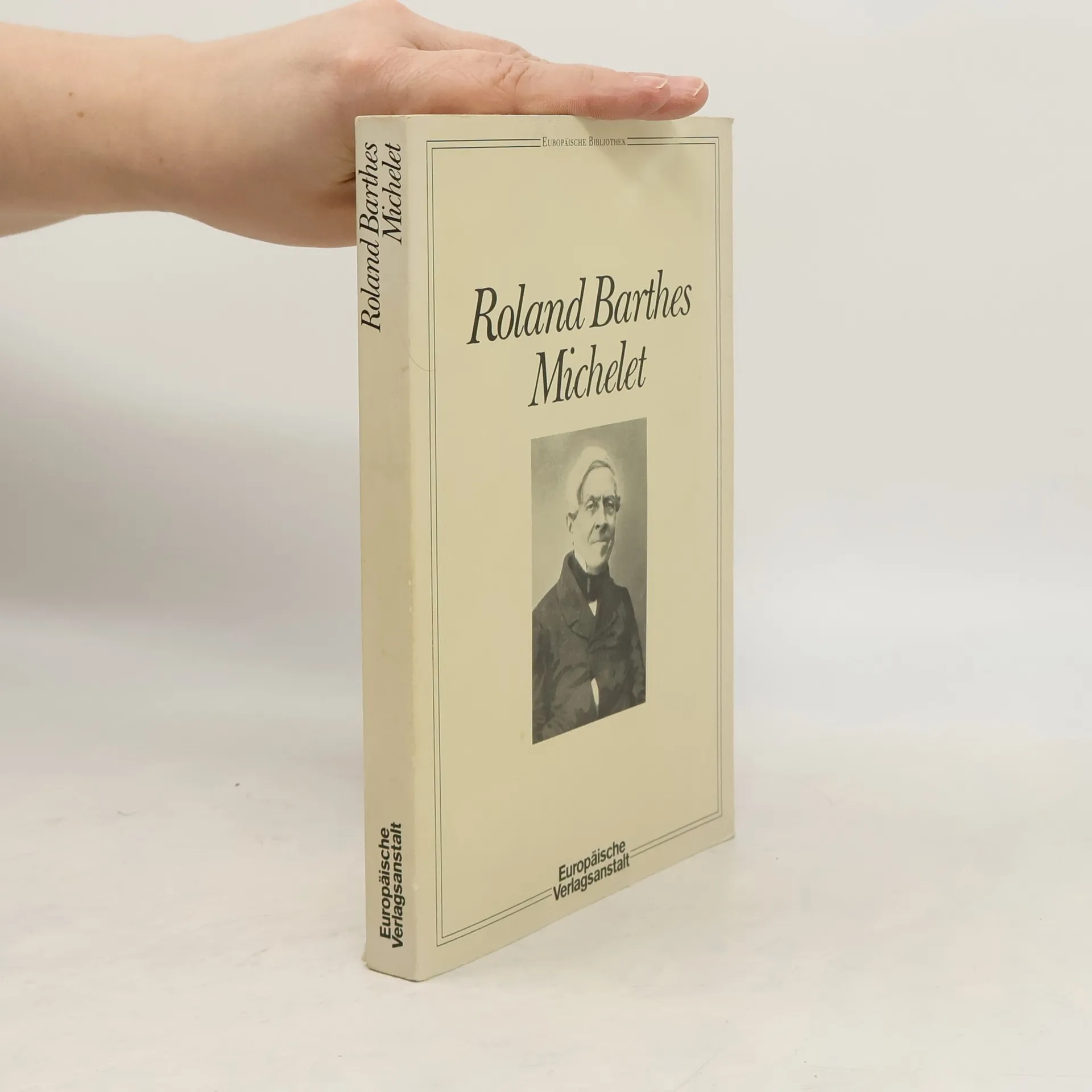
1954 veröffentlicht, ist Roland Barthes' Michelet ein Versuch, dem Leser ein Gefühl für den gesamten Menschen zu vermitteln. Es handelt sich weder um eine Biografie noch um eine Kritik.
Künstler aus Mailand, Sohn eines Malers, der an der Fabrik des Doms von Mailand tätig war, Giuseppe Arcimboldo (1526-1593) begann seine künstlerische Ausbildung in seiner Heimat, um sich dann in Wien am Hof von Maximilian II. von Habsburg niederzulassen, als Ersatz für den alten Hofmaler J. Seisenegger. Seine Tätigkeit am Hof ging über die Grenzen der Malerei hinaus: Er entwarf Wappen, Herzogswappen, Entwürfe für Fenster und Wandteppiche. In diesem unbeschwerten Klima entstanden die berühmten Kompositionen aus Köpfen, die meisterhaft natürliche Elemente – pflanzliche und tierische – mit menschlichen Produkten kombinierten.
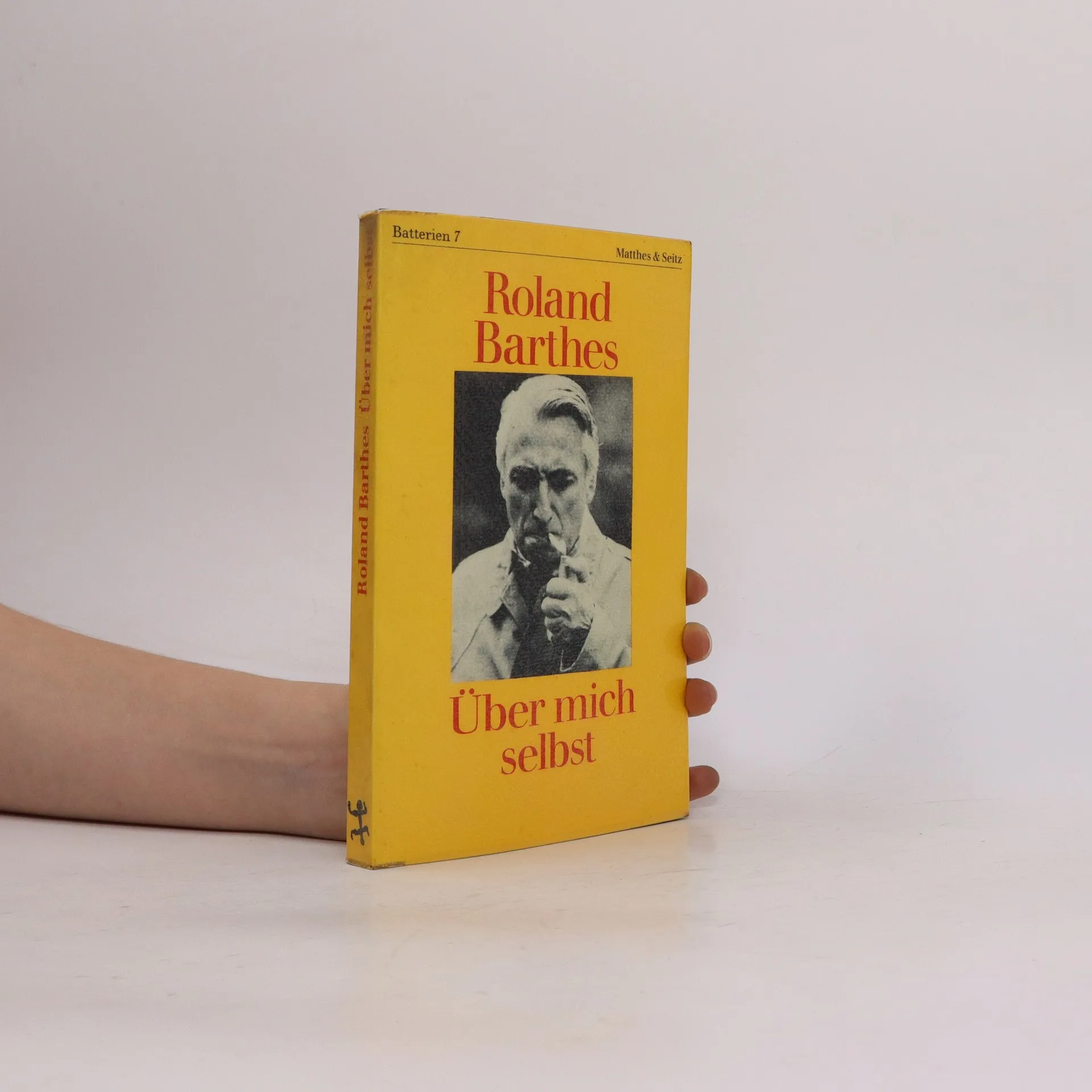
Die legendäre intellektuelle Autobiographie des Denkers und Schriftstellers in Text und Bild Roland Barthes war 60 Jahre alt, als er beim Betrachten alter Fotos seine Gedanken notierte und ›Über mich selbst‹ [Roland Barthes par Roland Barthes] veröffentlichte: ebenso originelle wie anregende Reflexionen über sein Leben. ›All dies muss als etwas betrachtet werden, was von einer Romanfigur gesagt wird‹, beginnt Barthes und stellt klar, dass es sich bei ›Über mich selbst‹ um eine fiktive Autobiographie handelt – um ein ›Neu-Schreiben‹ mit dem Barthes ›den Büchern, Themen, Erinnerungen, Texten eine andere Art des Aussagens hinzufügen‹ will. Die bewusst fragmentarischen literarisch-fiktiven Metamorphosen der eigenen Person werden dabei an die lustvolle körperliche Erfahrung des Schreibaktes zurückgebunden. Erst im Schreiben entwirft sich Roland Barthes als Subjekt und setzt sich aus den autobiographischen Splittern und Fragmenten zusammen.
Image-Music-Text brings together major essays by Roland Barthes on the structural analysis of narrative and on issues in literary theory, on the semiotics of photograph and film, and on the practice of music and voice.Throughout the volume runs a constant movement from work to text: an attention to the very ‘grain’ of signifying activity and the desire to follow – in literature, image, film, song and theatre – whatever turns, displaces, shifts, disperses.Stephen Heath, whose translation has been described as ‘skilful and readable’ (TLS) and ‘quite brilliant’ (TES), is the author of Vertige du déplacement, a study of Barthes. His selection of essays, each important in its own right, also serves as ‘the best... introduction so far to Barthes’ career as the slayer of contemporary myths’. (John Sturrock, New Statesman)
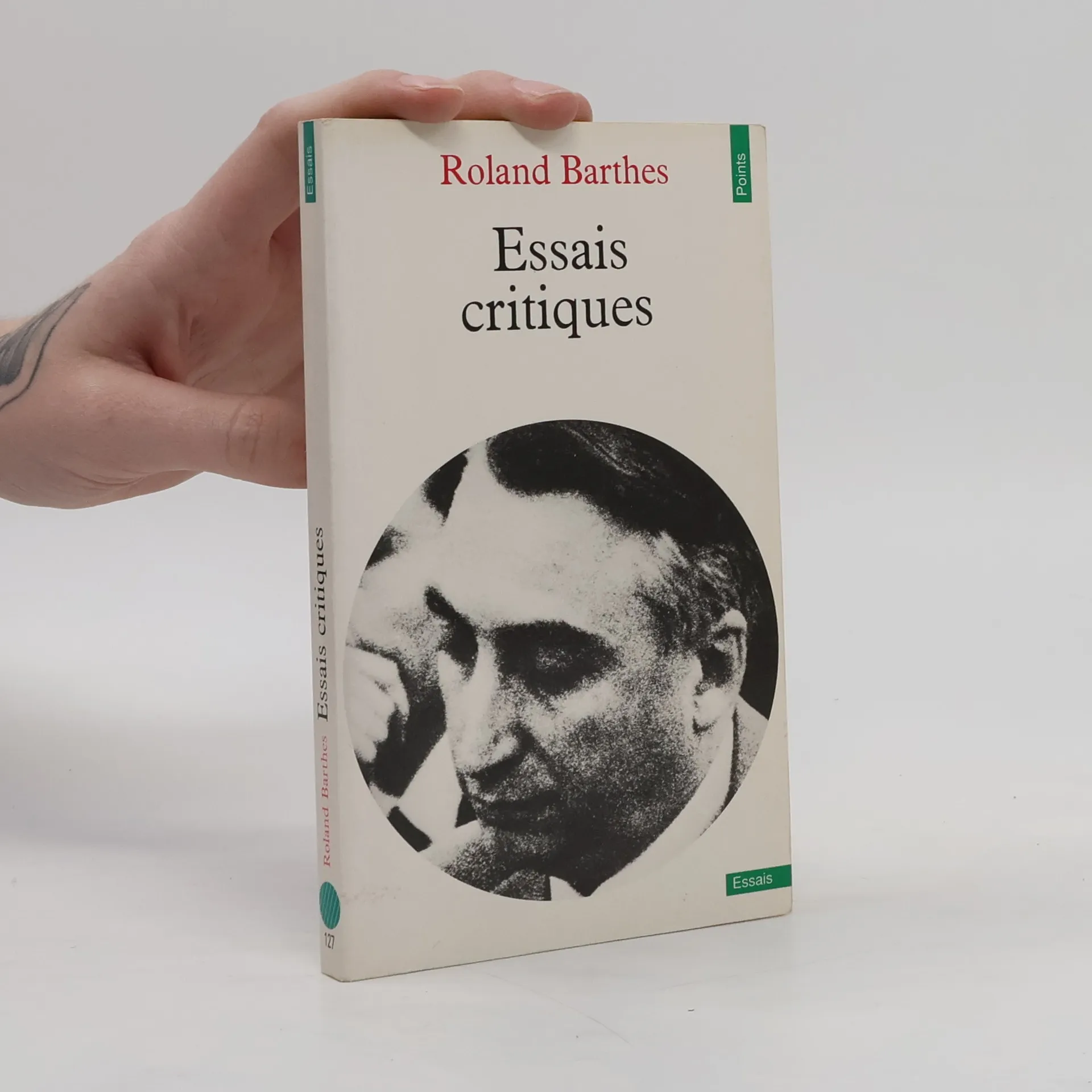
Roland Barthes wurde am 12. November 1915 in Cherbourg geboren und starb am 26. März 1980 in Paris an den Folgen eines Verkehrsunfalls. Er studierte klassische Literatur an der Sorbonne und war danach als Lehrer, Bibliothekar und Lektor in Ungarn, Rumänien und Ägypten tätig. Ab 1960 unterrichtete er an der École Pratique des Hautes Études in Paris. 1976 wurde er auf Vorschlag Michel Foucaults ans Collège de France auf den eigens geschaffenen Lehrstuhl »für literarische Zeichensysteme« berufen. In Essais critiques beschäftigt sich Barthes mit dem avantgardistischen Theater. Prägend für ihn waren unter anderem Brecht, Gide, Marx, de Saussure sowie Jacques Lacan. Zudem war Barthes ein musikbegeisterter Mensch, vor allem als Pianist und Komponist.
"Die künftige Aufgabe der Semiologie besteht weit weniger darin, die Lexika von Gegenständen aufzustellen, als vielmehr die Gliederungen zu entdecken, denen die Menschen das Reale unterziehen. Utopisch sagen wir also, dass Semiologie und Taxonomie, obwohl noch gar nicht geboren, vielleicht dazu berufen sind, eines Tages in einer neuen Wissenschaft aufzugehen, der Arthrologie oder Wissenschaft der Teilungen."
Sous ses formes presque infinies, le récit est présent dans tous les temps, dans tous les lieux, dans toutes les sociétés ; le récit commence avec l'histoire même de l'humanité ; il n'y a pas, il n'y a jamais eu nulle part aucun peuple sans récit ; toutes les classes, tous les groupes humains ont leurs récits, et bien souvent ces récits sont goûtés en commun, par des hommes de culture différente, voire opposée : le récit se moque de la bonne et de la mauvaise littérature : international, transhistorique, transculturel, le récit est là, comme la vie.Les spécialistes de plusieurs pays (France, Etats-Unis, Allemagne) se trouvent réunis ici autour d'une problématique commune : récit, narrateur, narration, personnage.
Der abgründige Roman und Band 17 der Rougon-Macquart-Reihe handelt von einer Dreiecksbeziehung zwischen Ehemann, Ehefrau und Vormund und einem Mord in einem Zug.
Opstellen van de Franse filosoof (1915-1980) waarin het taalgebruik van de massacultuur kritisch bekeken wordt, gevolgd door een analyse van de "tekenleer" van deze taal.
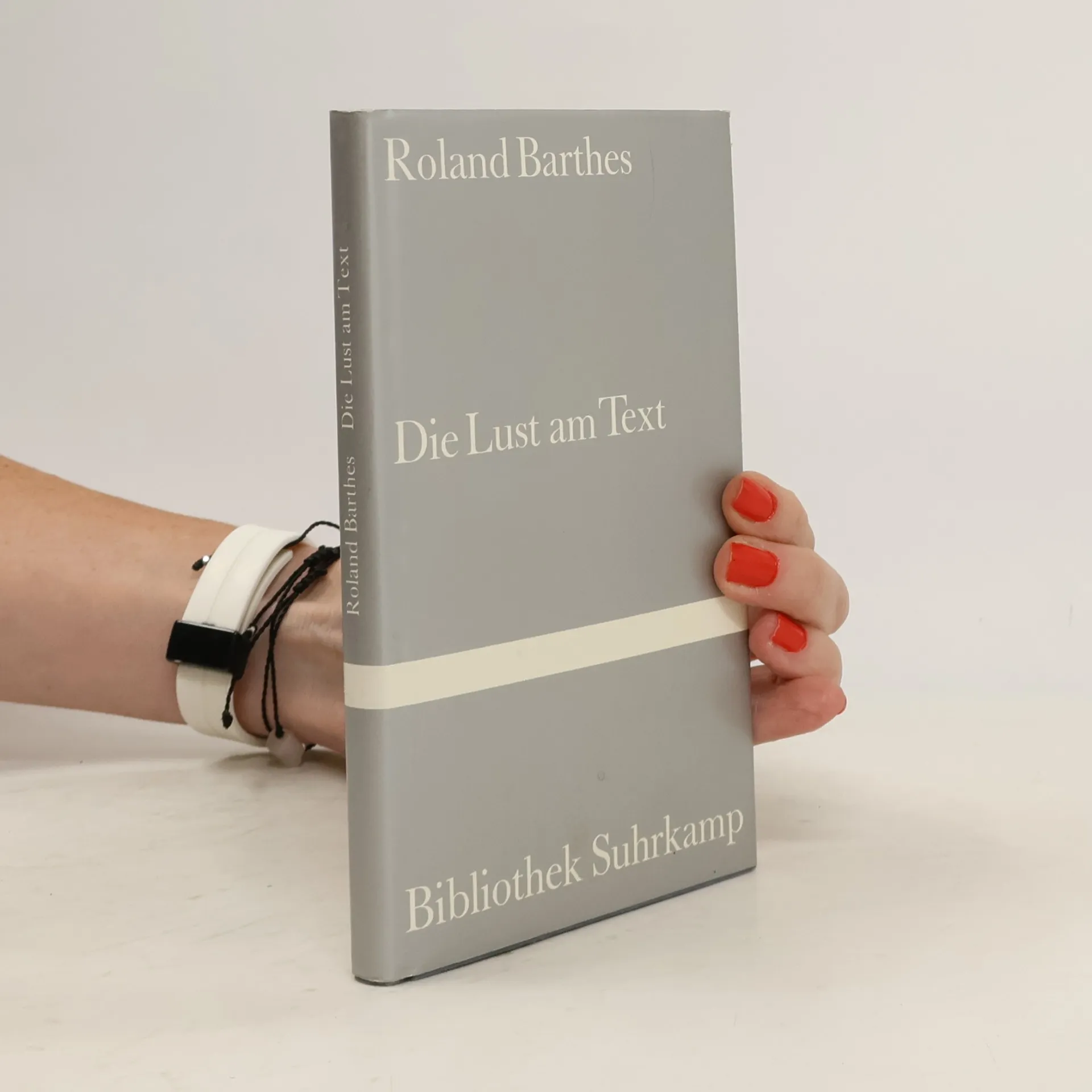
Das abstrakteste Instrumentarium moderner Semiologie dient dazu, dem Leser ein unmittelbares sinnliches Vergnügen am Text zu vermitteln. Diese Lust erwächst aus der intellektuellen und moralischen Prinzipienlosigkeit des Lesenden, dem im Moment der Lektüre nichts fremd, der allen Einflüsterungen zugänglich ist. Wie das im einzelnen – und im besonderen bei Roland Barthes (1915–1980), dem wichtigsten Vertreter strukturalistischer Literaturbetrachtung – vor sich geht, wird in scheinbar beiläufigen, jedoch äußerst kunstvollen Aphorismen und Exkursen verdeutlicht.
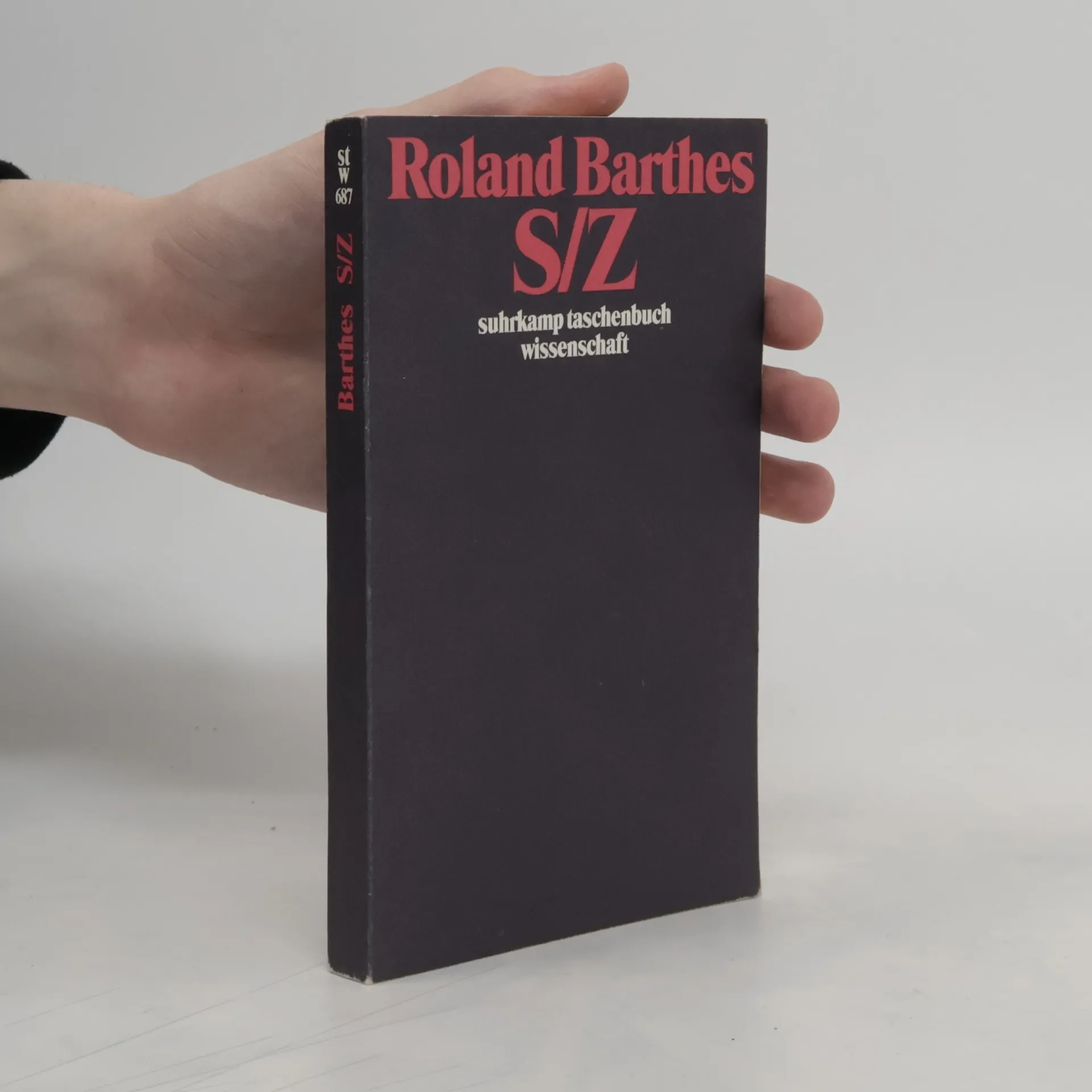
S/Z ist das Ergebnis einer strukturalen Balzac-Lektüre, einer Lektüre, die nicht primär den Inhalt, das Erzählte eines Textes analysiert, sondern Wort- und Satzsequenzen, deren Beziehungen aufeinander und auf andere Texte, die strukturale Bedeutung eines Zeichens. Barthes nimmt den Text nicht naiv als das, was er bedeuten will bzw. zu bedeuten vorgibt, sondern vorab als kunstvolles Gewebe von Signifikanten, deren »Sinn« nur aus ihren referentiellen und strukturalen Beziehungen zu entschlüsseln ist.
»Nicht aus Lust am Provozieren sind Sade, Fourier und Loyola in ein und demselben Buch zusammengestellt worden, sondern weil alle drei Klassifikatoren, Sprachbegründer waren: der verfemte Schriftsteller begründete eine Sprache des erotischen Vergnügens, der utopische Philosoph eine Sprache des sozialen Glücks und der heilige Jesuit eine Sprache der Anrufung Gottes. Zeichen erfinden und nicht, wie wir es alle tun, nur konsumieren heißt paradoxerweise in den Bereich jenes Nachhinein des Sinns einzutreten, der das signifiant darstellt, kurz, eine Schreibweise praktizieren. Daher beschäftigt sich dieses Buch auch nicht mit dem Inhalt der Schriften dieser drei Autoren (…), sondern es behandelt Sade, Fourier und Loyola als Formulierer, Erfinder von Schreibweisen, Textoperateure.« Roland Barthes
In dieser ansprechenden und leuchtenden Sammlung von Essays untersucht Roland Barthes das Alltägliche und legt verborgene Texte offen, wodurch der Leser den berühmten Wahrzeichen und das Symbol von Paris sowie die Tour de France, den Besuch von Billy Graham in Paris, die Überschwemmung der Seine und andere gemeinsame Ereignisse und Aspekte des Alltags neu betrachtet.
Kniha obsahuje dvě teoretická díla z tzv. raného období francouzského sémiotika Rolanda Barthese: Nulový stupeň rukopisu (1953) a Základy sémiologie (1965).
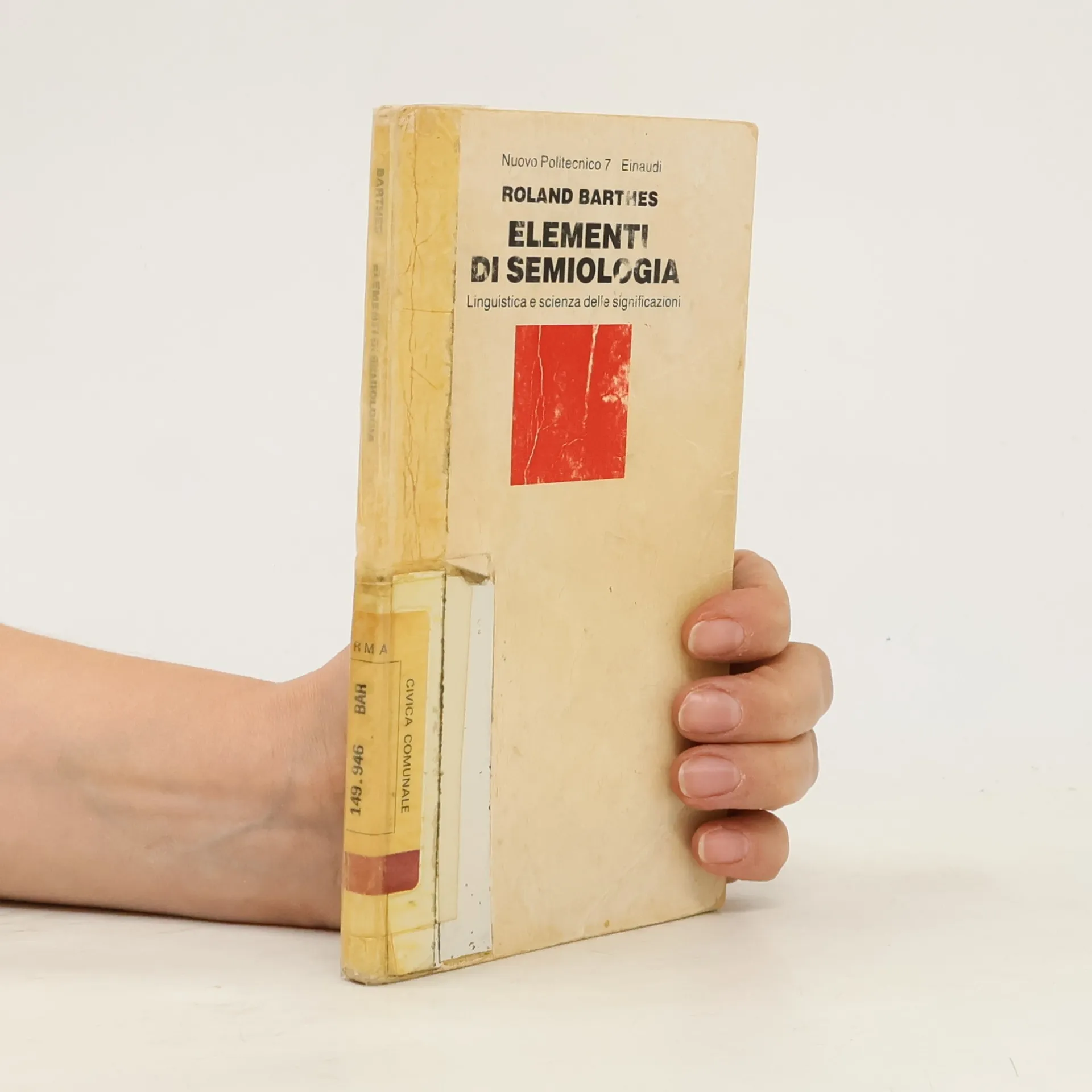
Linguistica e scienza delle significazioni
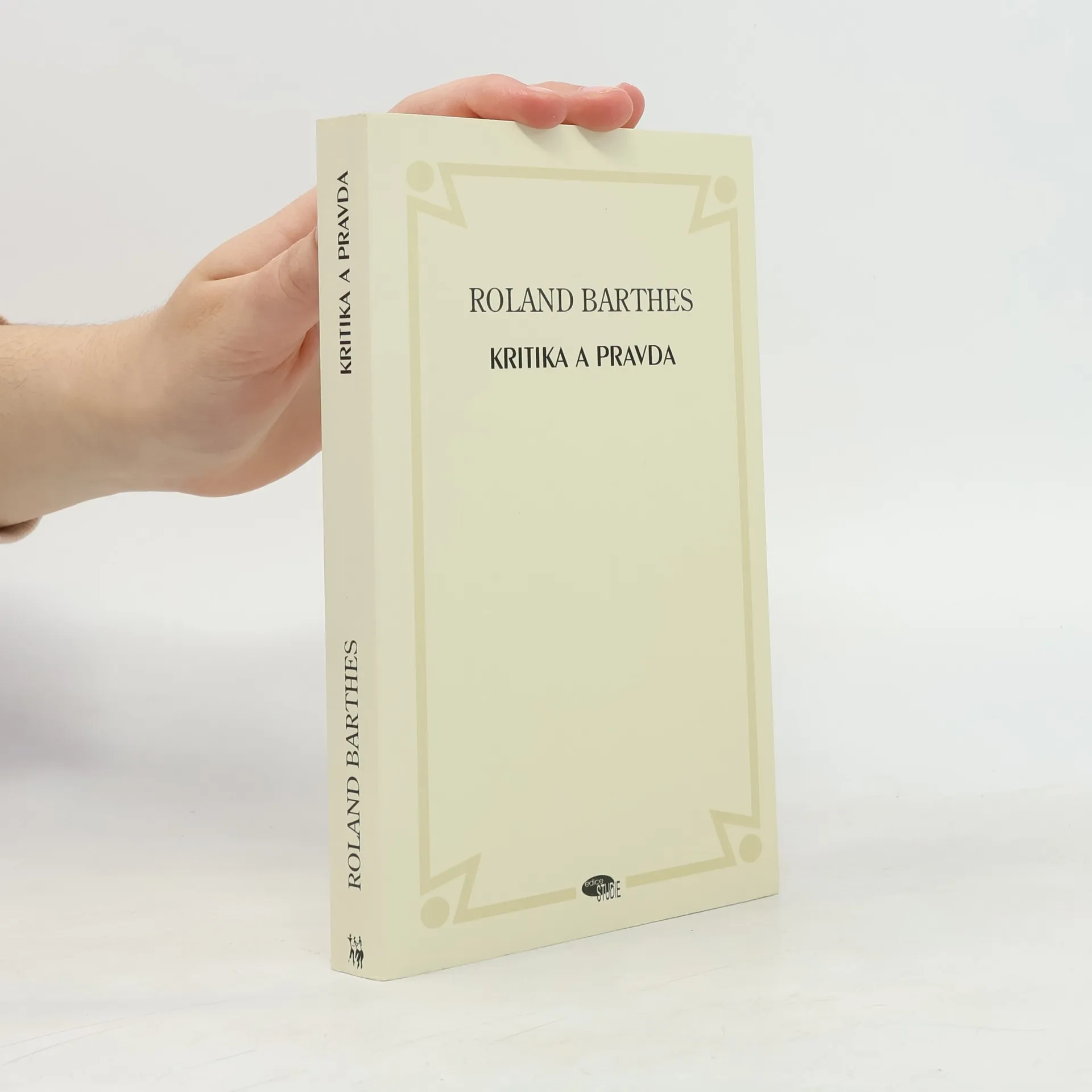
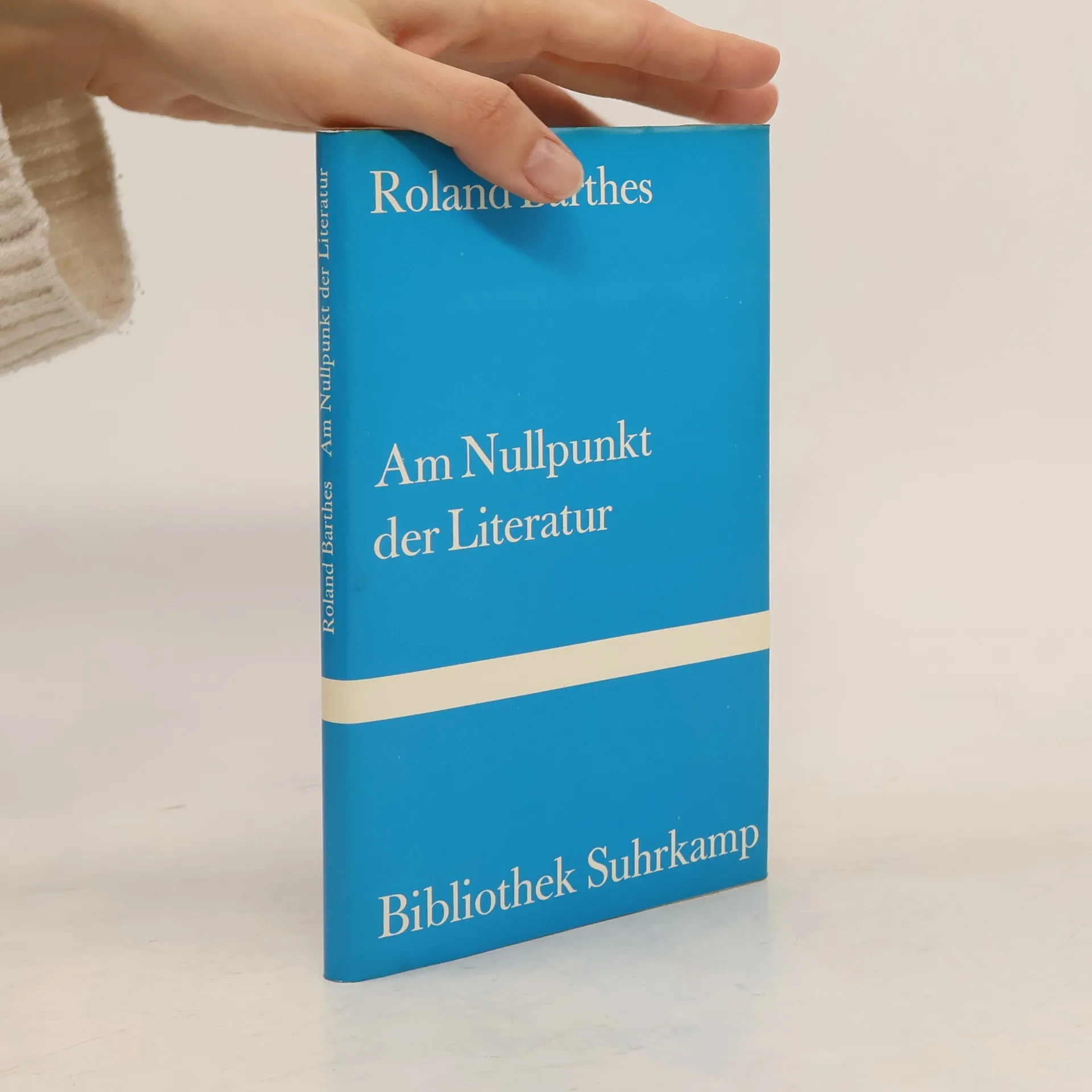
Barthes schrieb "Kritik und Wahrheit" im Jahr 1966 während der Debatten zwischen der neuen und der alten Kritik in Frankreich. Darin verteidigt er die neue Kritik, die er als interpretative Kritik bezeichnet, gegen die alte Kritik, die er als (akademische Kritik) bezeichnet.
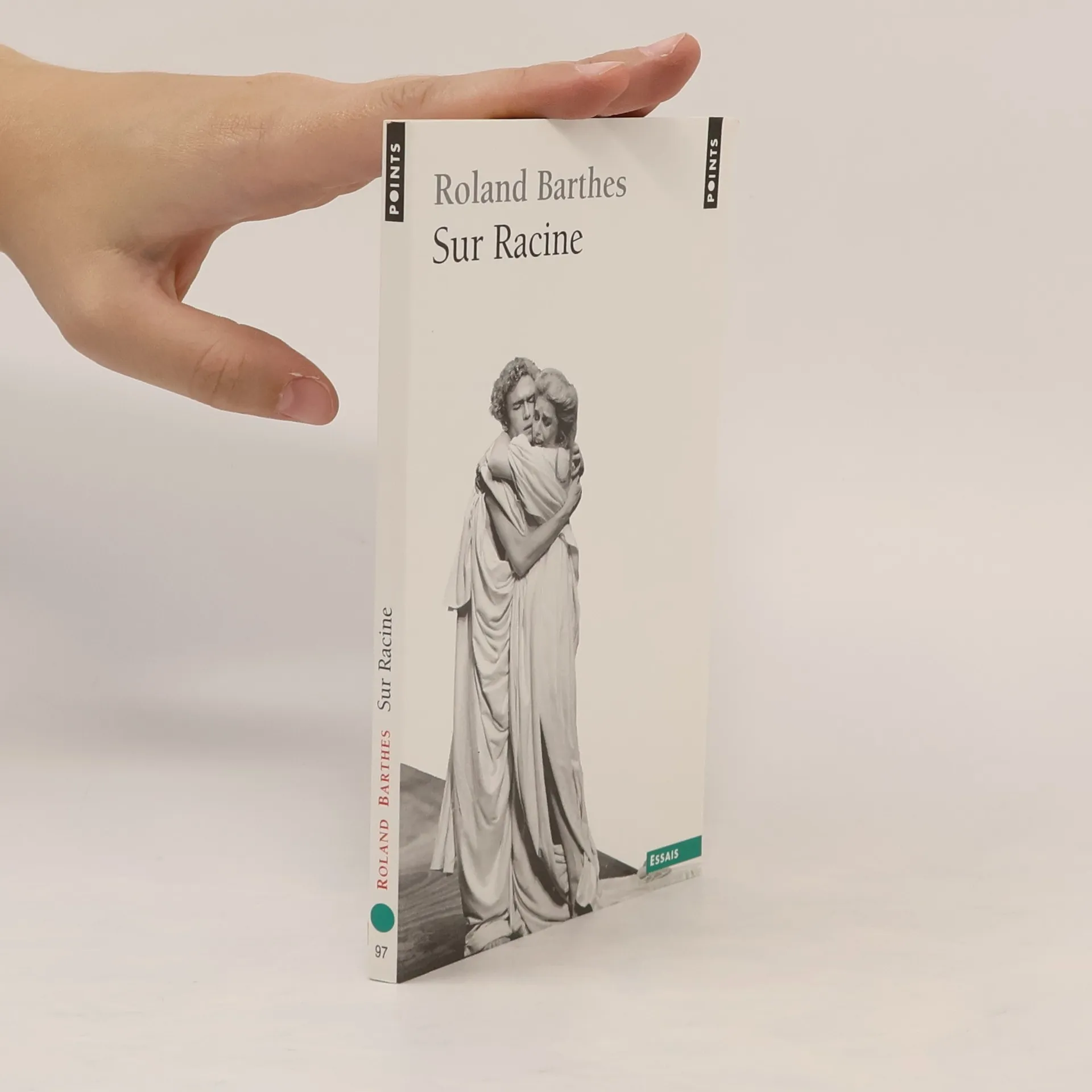
Ce que Racine exprime immédiatement, c’est donc l’aliénation, ce n’est pas le désir. Ceci est évident si l’on examine la sexualité racinienne, qui est de situation plus que de nature. Dans Racine, le sexe est lui-même soumis à la situation fondamentale des figures tragiques entre elles, qui est une relation de force. Le sexe est un privilège tragique dans la mesure où il est le premier attribut du conflit originel : ce ne sont pas les sexes qui font le conflit, c’est le conflit qui définit les sexes.
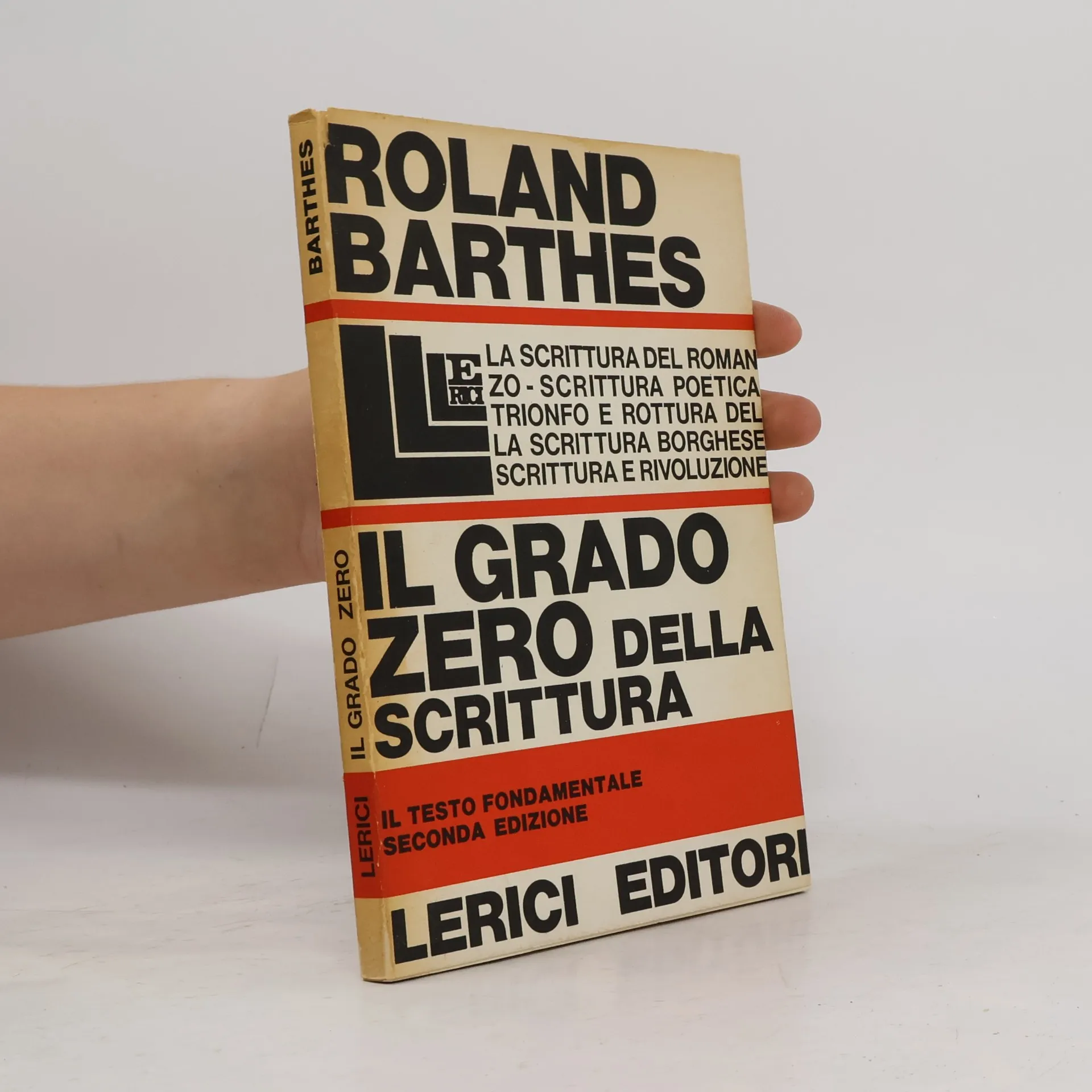
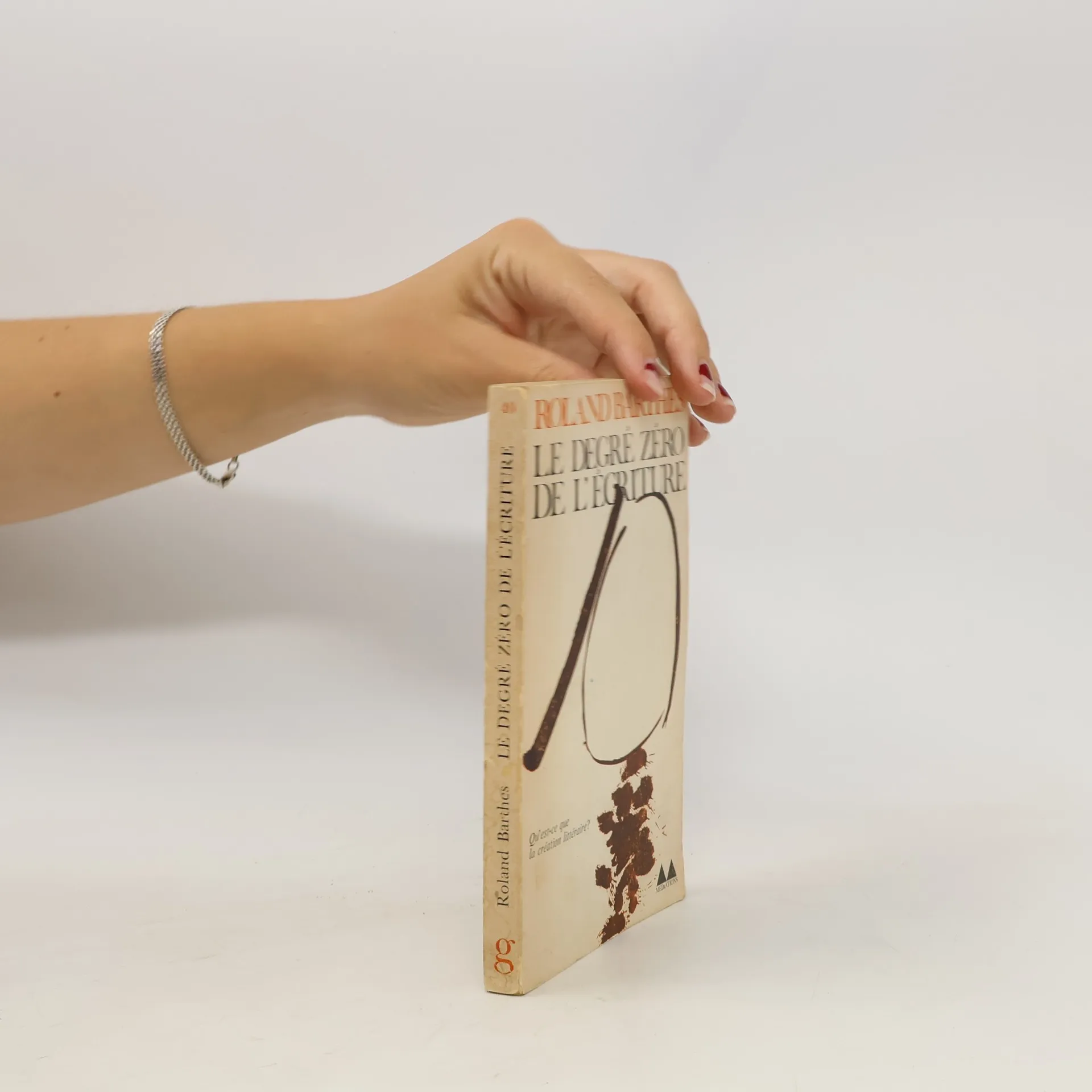
Excerto «Sabemos que a língua é um corpo de prescrições e de hábitos, comum a todos os escritores de uma época. Isto quer dizer que a língua é como uma natureza que passa inteiramente através da fala do escritor, sem contudo lhe dar nenhuma forma, e sem mesmo a alimentar: é como um círculo abstracto de verdades, fora do qual começa a depositar-se a densidade de um verbo solitário.» R. B. O Grau Zero da Escrita de Roland Barthes
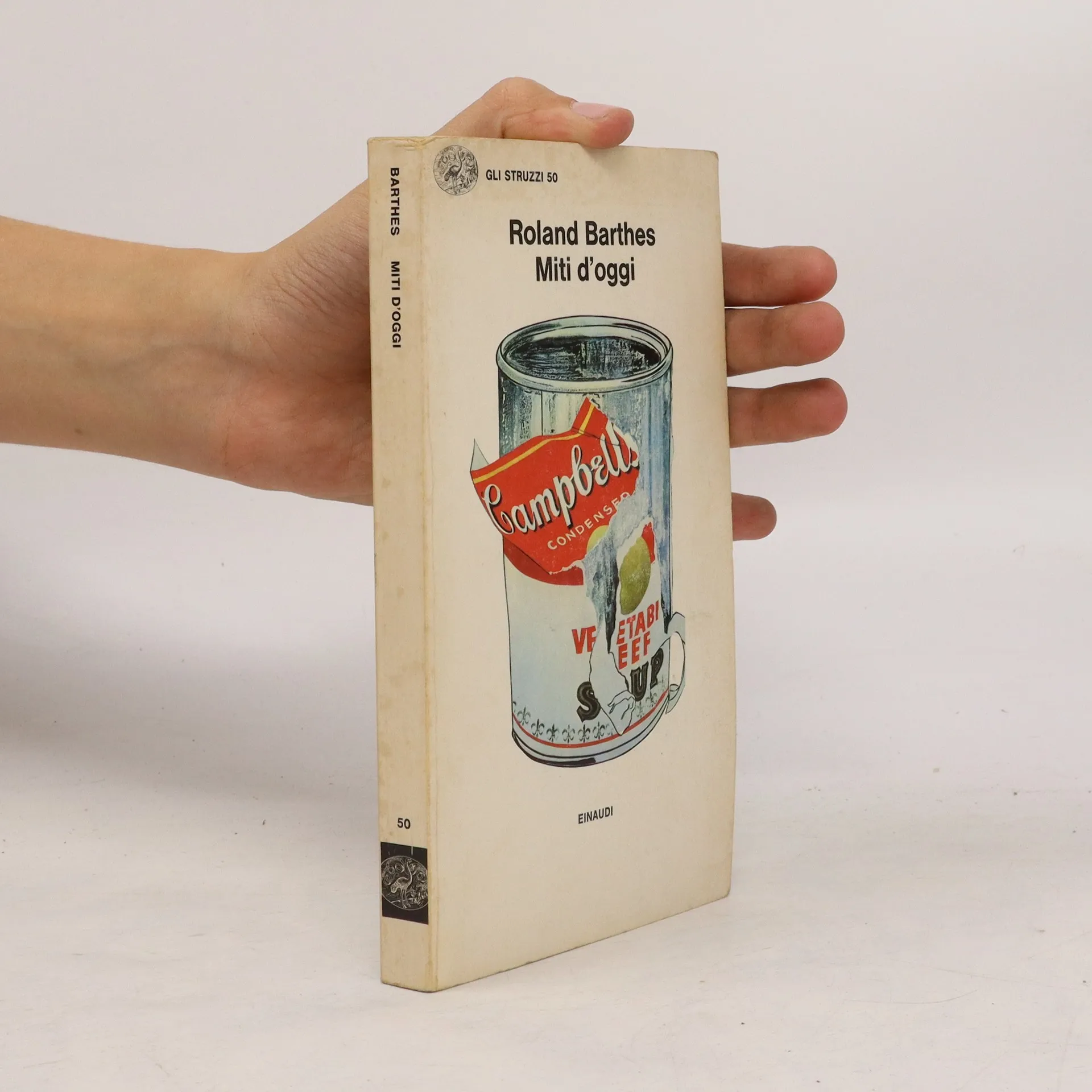
1954 erschien in der französischen Zeitschrift Les Lettres Nouvelles der erste einer Reihe kurzer Texte, in denen sich der damals nur in akademischen Zirkeln bekannte Roland Barthes mit den Elementen des französischen Alltags auseinandersetzte: etwa mit der Tour de France, dem Citroën, dem Guide bleu, dem Beefsteak. 1957 versammelte er diese analytischen Kunststücke, angereichert durch einen Anhang mit dem Titel Der Mythos heute, in dem Buch Mythologies. Der Band begründete Roland Barthes' Ruf als führenden strukturalistischen Denker und brillanten Interpreten der Welt der Zeichen. 1964 erschien in der edition suhrkamp unter dem Titel Mythen des Alltags eine knappe Auswahl des Originals. Ab diesem Zeitpunkt datiert Roland Barthes' außerordentlicher Einfluß auf die Geistes- und Sozialwissenschaften auch in Deutschland. Die hier erstmals vorliegende vollständige Übersetzung - die gegenüber der ersten Ausgabe um mehr als zwei Drittel erweitert ist - zeigt die strukturalistische Aktivität Roland Barthes' auf ihrem Höhepunkt. Er macht deutlich, daß der von uns als natürlich erlebte Alltag aus nichts anderem als einem interessengehorchenden und zugleich willkürlichen System besteht, das durch die Analyse seiner Zeichen seiner Selbstverständlichkeit entkleidet und für Veränderungen offen gemacht werden kann.