Ludwig Mies van der Rohe Bücher

Mies in Berlin
- 391 Seiten
- 14 Lesestunden
Auf der Suche nach Mies
- 188 Seiten
- 7 Lesestunden
Mies van der Rohe in einem Glas- und Stahlbau stehend und eine Zigarre rauchend - den Autor ließ dieses enigmatische historische Foto des weltberühmten Architekten nicht zur Ruhe kommen. Die vorliegende Publikation ist das Resultat seiner akribischen Recherchen. Der Leser folgt dieser kriminalistischen Spurensuche, die systema-tisch architektonische und gestische Details deutet und miteinander verknüpft, mit wachsender Spannung. Ricardo Dazas „Beweismaterial“: interessante Elemente aus Mies' Biografie sowie eine faszinierende Illustrationssequenz mit vielen Trouvaillen. Ein witziges, freches und doch engagiertes Buch, das auf spielerische Weise ein präzises Bild entwirft von Mies van der Rohes komplexer Persönlichkeit und der Essenz seiner Architektur.
Architektur im Ringturm - 5: Das Haus Tugendhat
Ludwig Mies van der Rohe, Brünn 1930
- 192 Seiten
- 7 Lesestunden
Published in conjunction with the major exhibition at the Whitney Museum in New York City, this massive book offers a fresh perspective on Mies van der Rohe's prolific American work. Excellent essays from noted architects and scholars, including Rem Koolhaas, and a wealth of new research make this an essential volume on Mies.
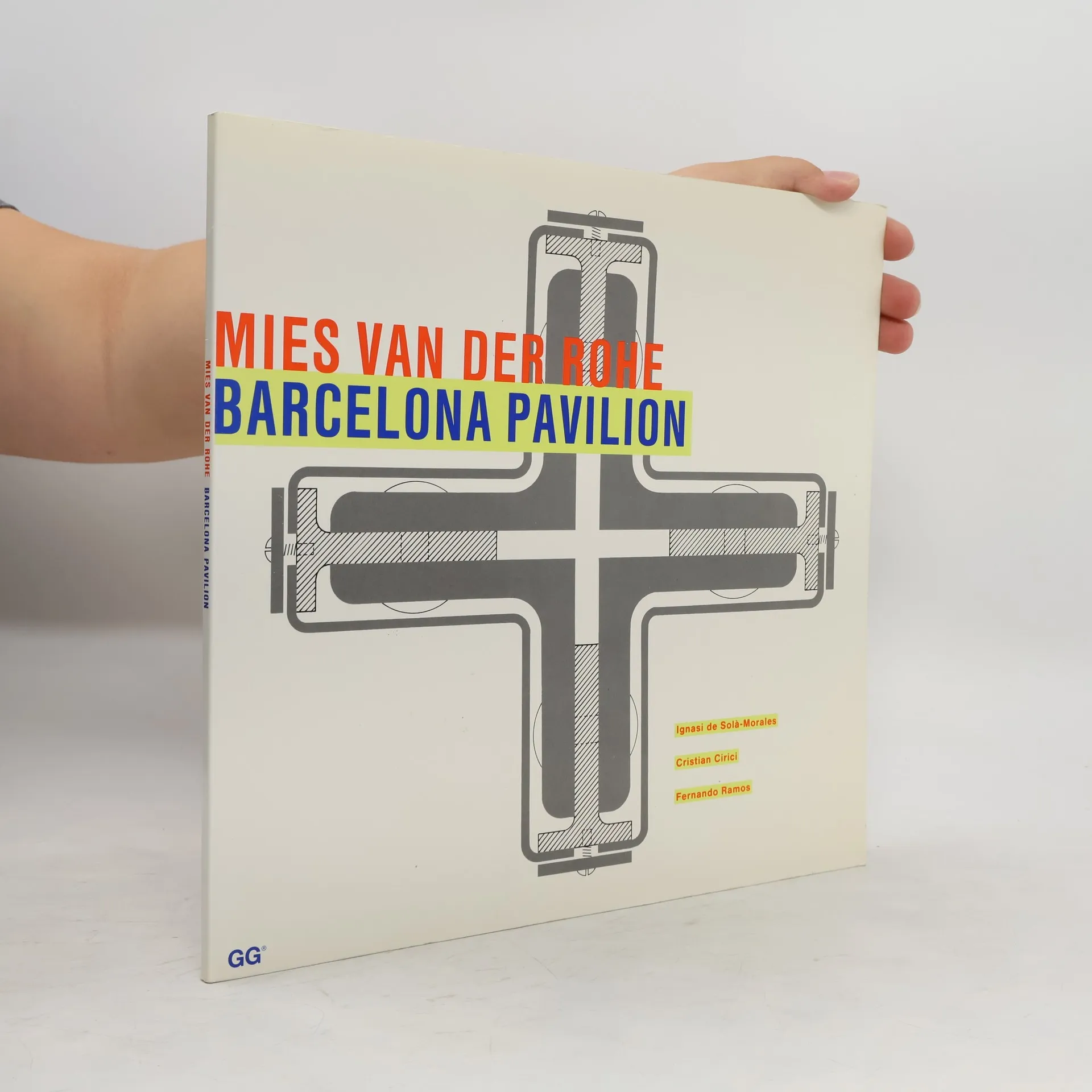
Mies van der Rohe, Barcelona Pavilion
- 71 Seiten
- 3 Lesestunden
This series was the winner of the American Institute of Architects' prestigious "Award for Excellence in International Book Publishing". Each volume in this series is introduced with an essay on the architect, and a chronological or stylistic presentation of their most outstanding buildings and projects. No other series provides such a complete and concise summary of the world's leading architects' works. The volumes are fully illustrated in black-and-white with photos and project renderings.
Studio Paperback monographs on the outstanding architects of the 20th century - concise and informative overviews of the complete works written and edited by noted authors. Each volume contains biographical details and a work chronology.
Conversations with Mies van der Rohe
- 96 Seiten
- 4 Lesestunden
It has been said that modernist legend Mies van der Rohe's thirty years spent working in America reflected his most consistent and mature efforts toward achieving his goal of a new architecture for the twentieth century. Focusing on this American period, Conversations with Mies van der Rohe , the latest addition to our Conversations series, gives fresh credence to this claim by presenting the architect's most important design concerns in his own words. In this collection of interviews Mies talks freely about his relationship with clients, the common language he aimed for in his architectural projects, the influences on his work, and the synthesis of architecture and technology that he advanced in his designs and built works. Conversations with Mies van der Rohe makes an important contribution to the corpus of Mies scholarship. It presents a vivid picture of a master of modernism, bringing his artistic biography to a close while completing the scope of his style in terms of techniques, scale, use of materials, and typology. An essay by Iñaki Ábalos provides a context for these interviews and looks at Mies's legacy from a contemporary perspective.
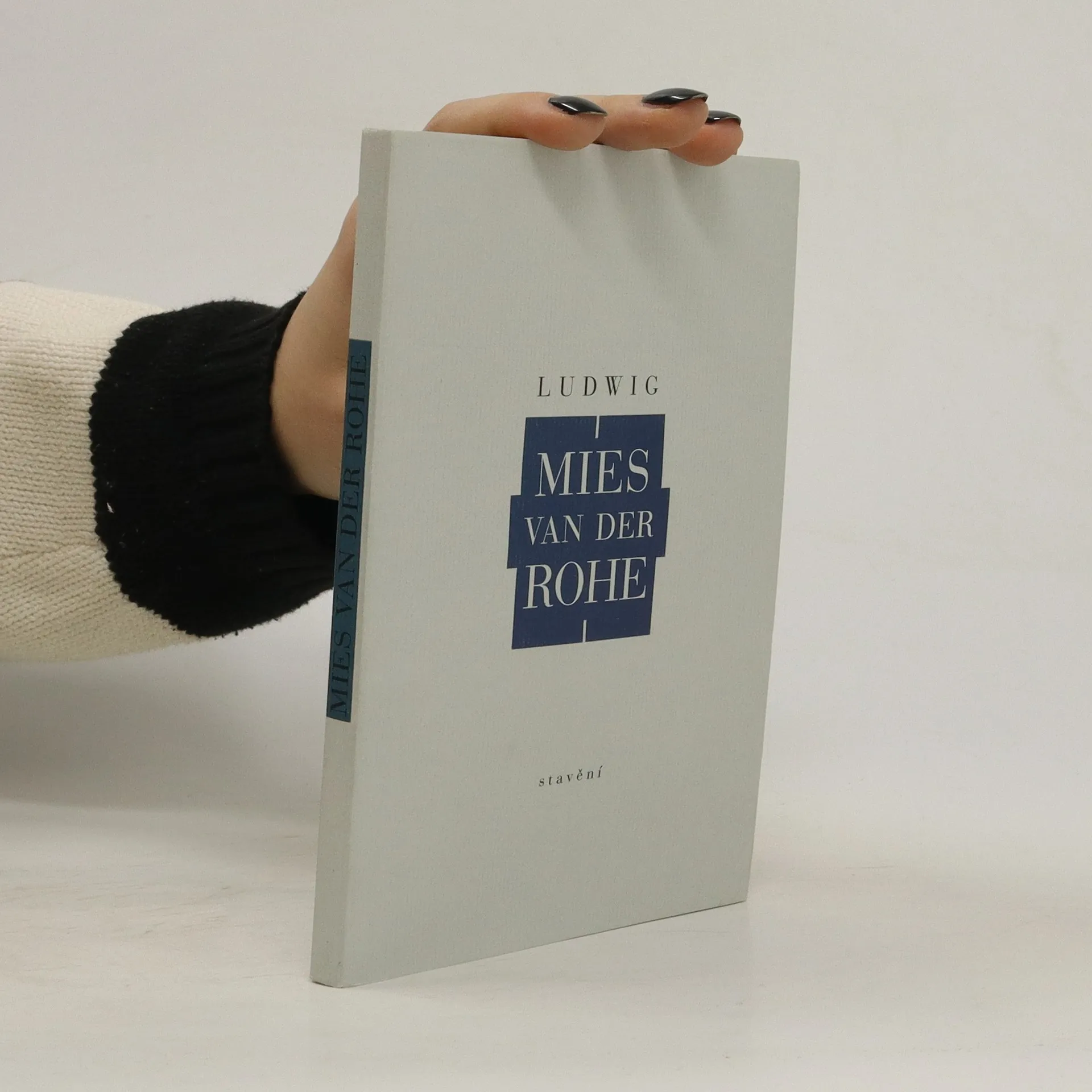
Stavění
- 87 Seiten
- 4 Lesestunden
Kniha textů významného architekta o stavění, architektuře a urbanismu.
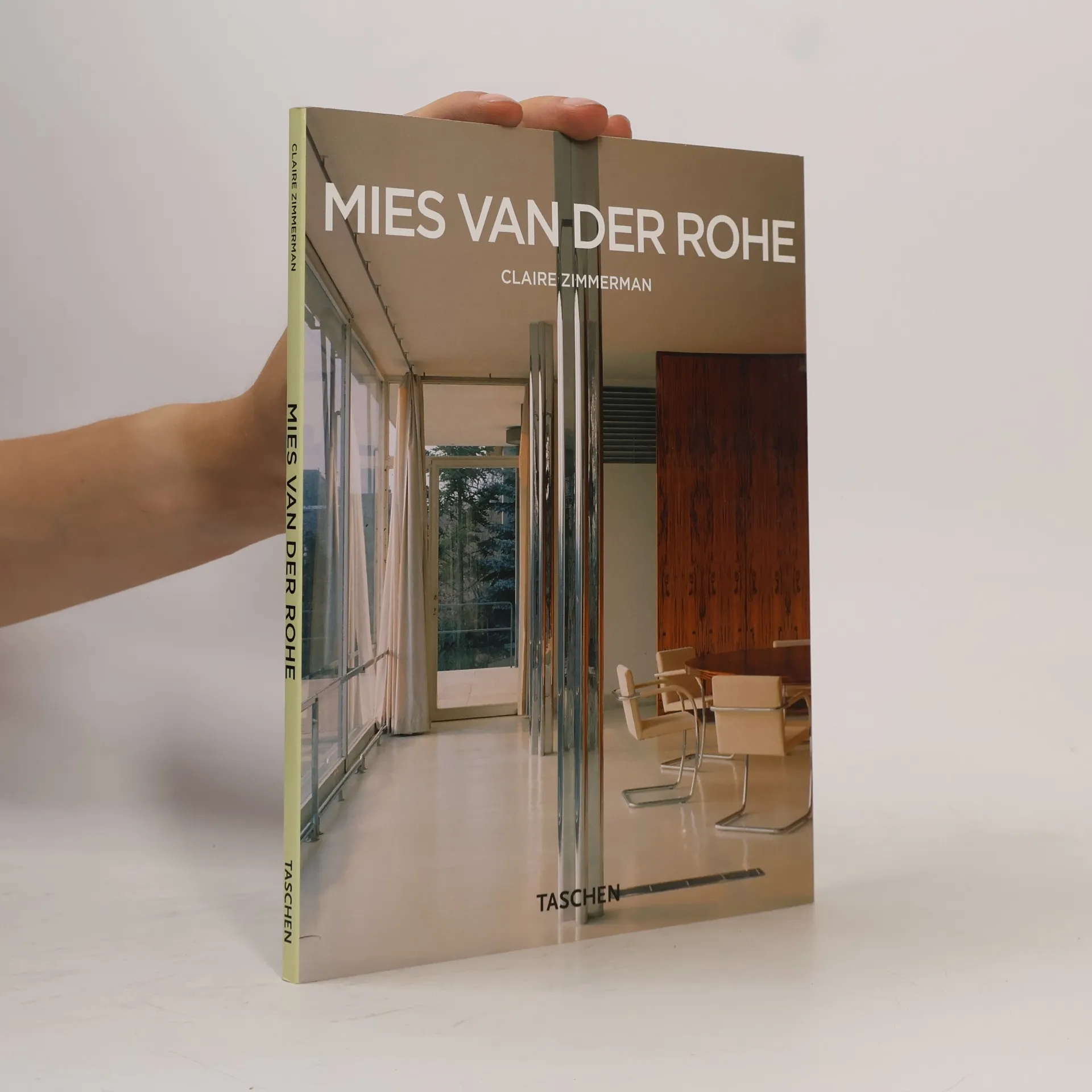
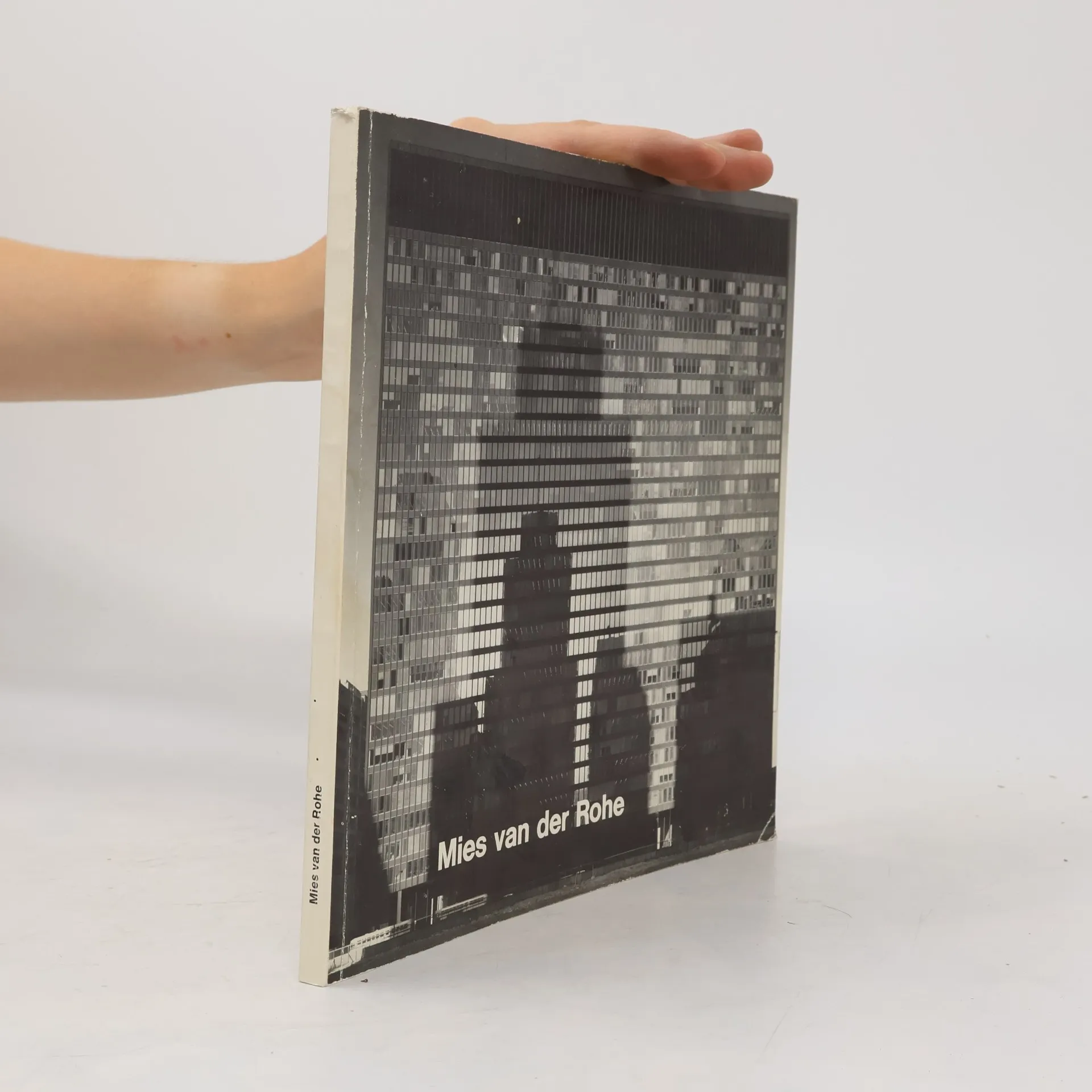
Mies van der Rohe
- 96 Seiten
- 4 Lesestunden
Ludwig Mies van der Rohe (1886-1969) war einer der Gründungsväter der modernen Architektur. Er entwarf den Barcelona Pavilion (1929), das Farnsworth House in Plano, Illinois (1945-1951) und das Seagram Building in New York (1954-1958) und stand damit für einen neuen architektonischen Stil. Sein Motto weniger ist mehr ist weltbekannt; er vertrat eine neue Reinheit im architektonischen Ausdruck, die nicht im Repertoire anderer Bauhaus-Mitglieder zu finden war. Dabei war es nicht sein Ziel, für Menschen am Existenzminimum zu bauen er wollte in Hinblick auf Technik und Ästhtetik wirtschaftlich arbeiten und unterstrich diesen Anspruch mit dem Einsatz von Materialien wie Stahl und Glas. Obwohl ihm die extreme Reduzierung von Form und Material einige Kritik einbrachte, versuchen viele, seinen originellen und eleganten Stil zu kopieren in den meisten Fällen erfolglos. Dieses Buch zeigt mehr als 20 seiner Projekte zwischen 1906 und 1967; von seinen frühen Arbeiten in Berlin bis zu seinen wichtigsten Bauten in America. Weniger ist mehr. Perfektion im Purismus.