

Lieferung vor Weihnachten: Noch 5 Tage, 0 Stunden
Bookbot

Tom Standage

    1. Jänner 1969

    Tom Standages Werk erforscht auf brillante Weise die überraschenden Parallelen zwischen vergangenen und gegenwärtigen Kommunikationstechnologien. Als Journalist für namhafte Publikationen taucht er tief ein, wie neue Geräte die Gesellschaft und unsere Weltwahrnehmung prägen. Sein Ansatz offenbart bemerkenswerte Ähnlichkeiten zwischen der Entwicklung des Telegrafen und des Internets, wobei er hervorhebt, wie beide die Geschwindigkeit und Übertragung von Informationen grundlegend verändert haben. Standage konzentriert sich auf die breiteren gesellschaftlichen Auswirkungen und die kritischen Reaktionen, die solche Fortschritte mit sich bringen.

    Oddly Informative
    The Victorian Internet
    Der Türke
    Der Mensch ist, was er isst
    Sechs Getränke, die die Welt bewegten
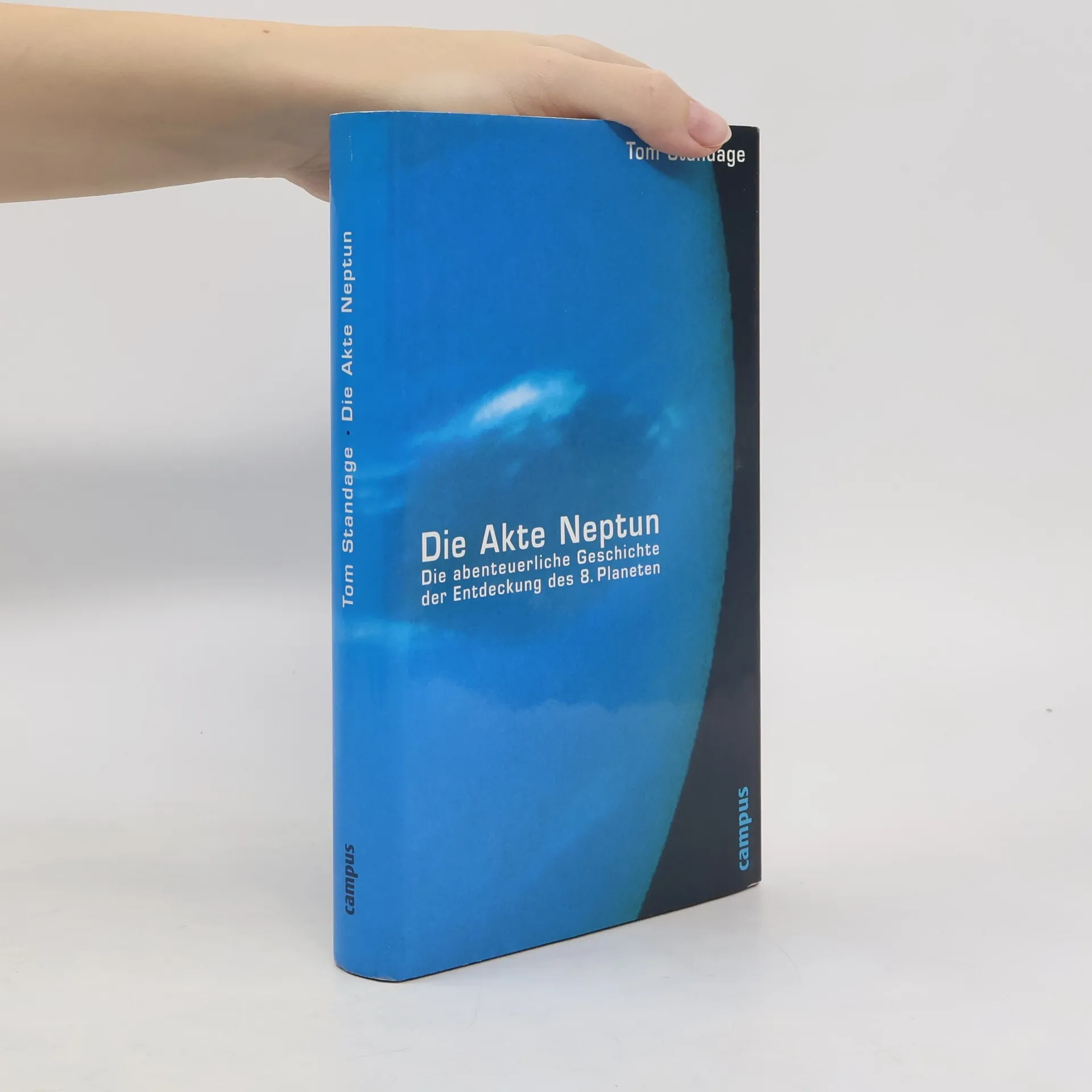
    Die Akte Neptun
    • Nach der Entdeckung des Planeten Uranus 1781 stellte man fest, dass dieser sich nicht in seiner vorberechneten Bahn um die Sonne befand. Der britische Mathematiker Adams schloss daraus, dass es einen weiteren Planeten geben musste, der den Uranus in seiner Umlaufbahn ablenkte. Auch der französische Mathematiker Le Verrier kam - unabhängig von Adams - zu diesem Schluss. Die Jagd begann, die beiden Männer rechneten und rechneten: Wer würde den 8. Planeten zuerst entdecken? Die Chronik dieser Planetenjagd ist nicht nur die Geschichte zweier bemerkenswerter Wissenschaftler, sondern zugleich eine Sensation: Noch nie zuvor in der Geschichte der Astronomie war ein Planet allein durch die Anwendung mathematischer Formeln statt - wie bis dahin üblich - durch das Teleskop entdeckt worden. Tom Standage rekonstruiert die Planetensuche, an der neben akademischen Rivalen auch Amateurastronomen und diverse Verrückte teilnahmen, und macht daraus einen spannenden und kenntnisreichen Wissenschaftskrimi, der nicht nur für Insider geschrieben ist.

      Die Akte Neptun
    • Wussten Sie, dass mit dem Bierbrauen die Zivilisation beginnt? Dass es ohne Kaffee vermutlich keine Französische Revolution gegeben hätte? Sechs Getränke bringen Bewegung in die Geschichte: Bier und wie aus Nomaden sesshafte Menschen wurden Wein als Exportschlager und Träger der antiken Kultur Rum und die Ausbreitung des Sklavenhandels Kaffee, Aufklärung, erster Aktienmarkt und die Französische Revolution Tee und Englands Aufstieg zur kolonialen Weltmacht Coca-Cola und der Siegeszug der Globalisierung Tom Standage wirft einen ungewöhnlichen Blick auf diese sechs Getränke. In seiner erfrischend süffigen Weltgeschichte zeigt er, wie eng Wirtschaft, Politik und Trinkkultur zusammenhängen.

      Sechs Getränke, die die Welt bewegten
    • 6-Gänge-Menü durch die Geschichte: Nahrungsmittel haben einen großen Einfluss auf uns - mehr, als wir uns bisher vorstellen konnten. Mais, Kartoffeln oder Gewürze stillten über Jahrhunderte nicht nur den Hunger, sondern waren Wegbereiter für gesellschaftliche Umwälzungen und wirtschaftlichen Fortschritt. Tom Standage belegt mit seiner Reise durch die Geschichte, dass deren Verlauf maßgeblich von unserem Essen bestimmt wurde.

      Der Mensch ist, was er isst
    • Der Türke

      • 220 Seiten
      • 8 Lesestunden

      »Der Türke«, wie der uhrwerkbetriebene Automat genannt wurde, sollte in den nächsten Jahren Europa und Amerika erobern. Er besiegte im Schachspiel illustre Persönlichkeiten der Welt geschichte wie Benjamin Franklin, Napoleon und Katharina die Große. Wo er auftauchte, versuchte man sein Geheimnis zu lüften, unter anderem Edgar Allan Poe und Charles Babbage: War es ein mechanisches Wunderwerk oder doch fauler Zauber? Künstliche Intelligenz oder nur eine Illusion? Spannend wie ein Krimi rekonstruiert Tom Standage die Abenteuer des Türken. Der Schachautomat beeinflusste die Entwicklung wegweisender Vorläufer des Computers. Heute, mitten im Digitalen Zeitalter, wissen wir, wie weit der Türke seiner Zeit voraus war. Sein Mythos ist ein schillernder Teil der Technologiegeschichte.

      Der Türke
    • The Victorian Internet

      • 224 Seiten
      • 8 Lesestunden
      4,1(95)Abgeben

      The history of the telegraph - the men and women who made it - and its relevance to the current Internet debate Beginning with the Abbe Nollet's famous experiment of 1746, when he successfully demonstrated that electricity could pass from one end to the other of a chain of two hundred monks, Tom Standage tells the story of the spread of the telegraph and its transformation of the Victorian world. The telegraph was greeted by all the same concerns, hype, social panic and excitement that now surround the Internet, and Standage provides both a fascinating insight into the past and a context in which to think rather differently of today's concerns. Standage has a wonderful prose style and an excellent eye for the telling and engaging story. Popular history at its best.

      The Victorian Internet
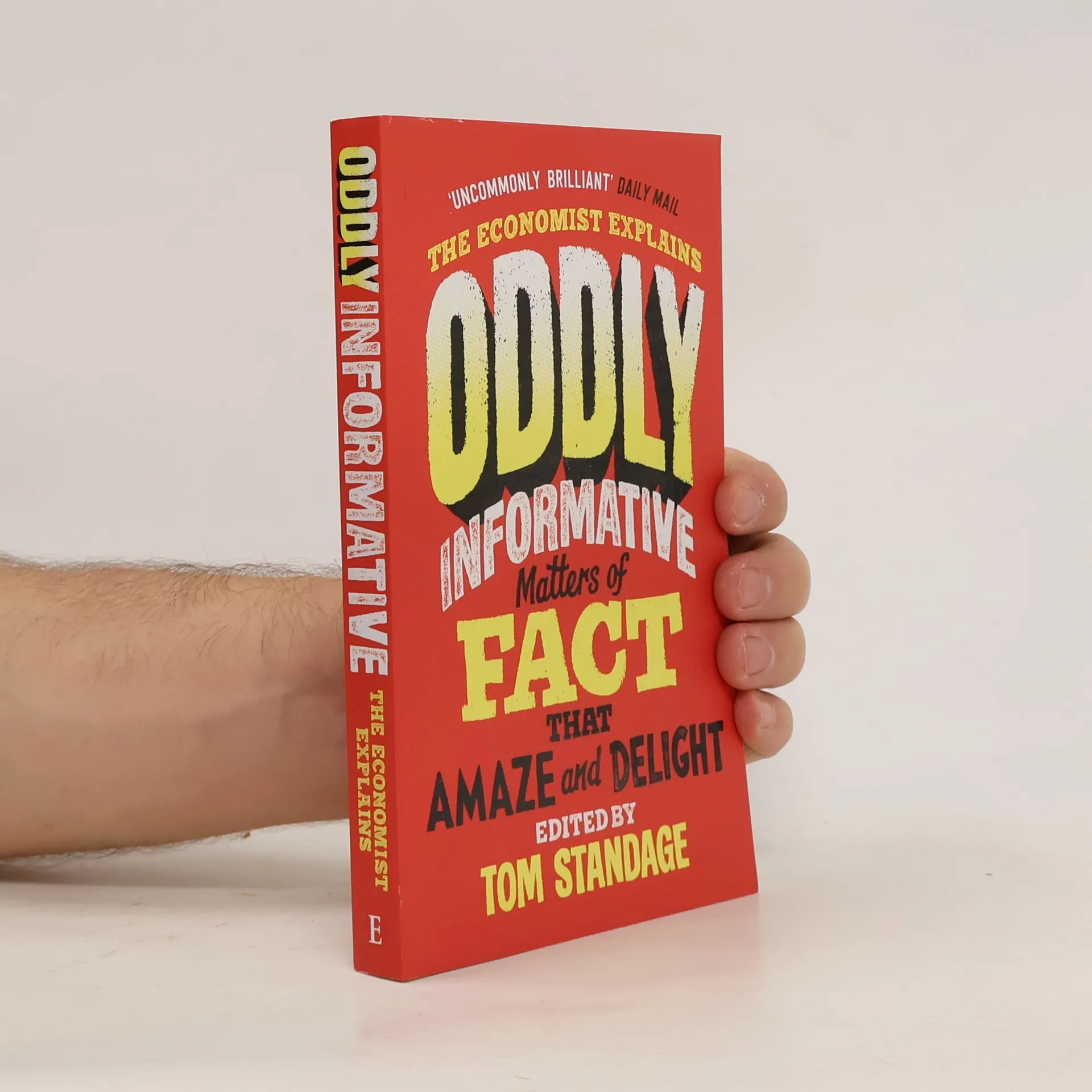
    • The latest edition in the Economist Explainer series, edited and introduced by Deputy Editor Tom Standage.

      Oddly Informative
    • 'Speckled with anecdotes, insights and surprises. It is great fun - and utterly timely' Sunday Times 'Standage writes with a masterly clarity' New York Times 'The product of deep research, great intelligence and burnished prose . . . It is rare that I encounter a non-fiction author whose prose is so elegant that it is worth reading for itself. Standage is a writer of this class' Wall Street Journal Beginning around 3,500 BC with the wheel, and moving through the eras of horsepower, trains and bicycles, Tom Standage puts the rise of the car - and the future of urban transport - into a broader historical context. Our society has been shaped by the car in innumerable ways, many of which are so familiar that we no longer notice them. Why does red mean stop and green mean go? Why do some countries drive on the left, and some on the right? How did cars, introduced only a little over a century ago, change the way the world was administered, laid out and policed, along with experiences like eating and shopping? And what might travel in a post-car world look like? As social transformations from ride-sharing to the global pandemic force us to critically re-examine our relationship with personal transportation, A Brief History of Motion is an essential contribution to our understanding of how the modern world came to be.

      A Brief History of Motion
    • Writing on the Wall

      • 278 Seiten
      • 10 Lesestunden
      3,9(983)Abgeben

      A compelling account of the extensive history of social networking from Cicero and Luther to Facebook and Twitter

      Writing on the Wall
    • Go Figure: Things You Didn't Know You Didn't Know brings together for the first time the very best explainers and charts, written and created by top journalists to help us understand such brain-bending conundrums as why almost half the population of Korea has one of two surnames, how bitcoin mining works, and the seasonal distribution of dog poo on the streets of New York. Subjects both topical and timeless, profound and peculiar, are explained with The Economist's trademark wit and verve. The Economist Explains and its online sister, the Daily Chart, are the two most popular blogs on The Economist's website. Together, these online giants provide answers to the kinds of questions, quirky and serious, that may be puzzling anyone interested in the world around them. Want to know how a tattoo affects your job prospects, why bees are under threat, or even how different countries spend their money? We have the answers. They are sometimes surprising, often intriguing, and always enlightening.

      Go Figure: Things You Didn't Know You Didn't Know
    • Which James Bond drinks the most martinis? What do Satanists really believe? How do hurricanes get their names? Why are bees disappearing? Is chocolate healthy? ...Go Figure has the answers. Bringing together the very best from the clever people at The Economist, Go Figure explains the mind-boggling, the peculiar and the profound, things you might always have quietly wondered about and yet more you didn't know you didn't know. Figure out why so many Koreans are called Kim, how bitcoin mining works, why eating insects makes sense and how to get ahead under a dictator - a treat for the knowing, the uninitiated and the downright curious

      Go Figure