Alfred-Maurice de Zayas Bücher

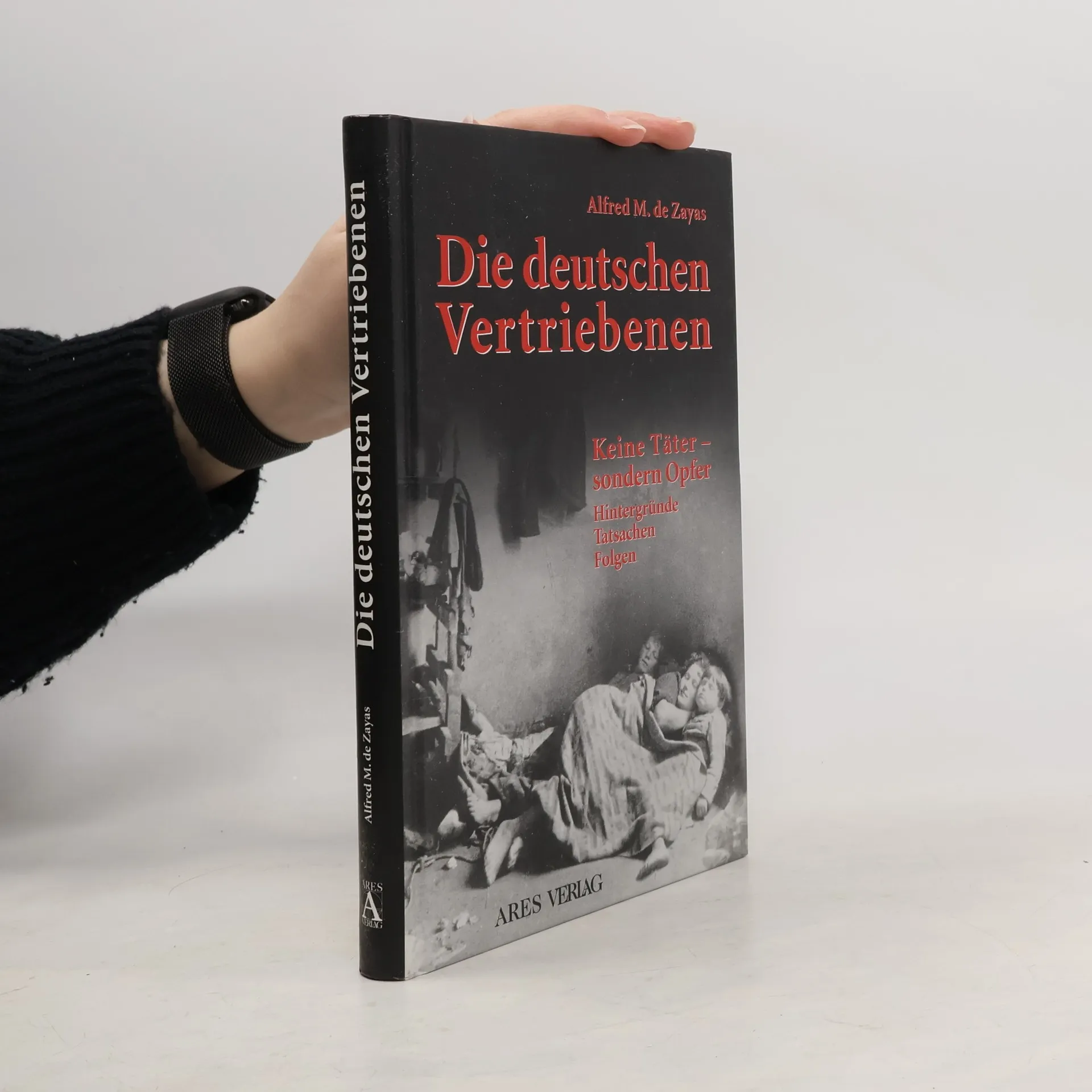
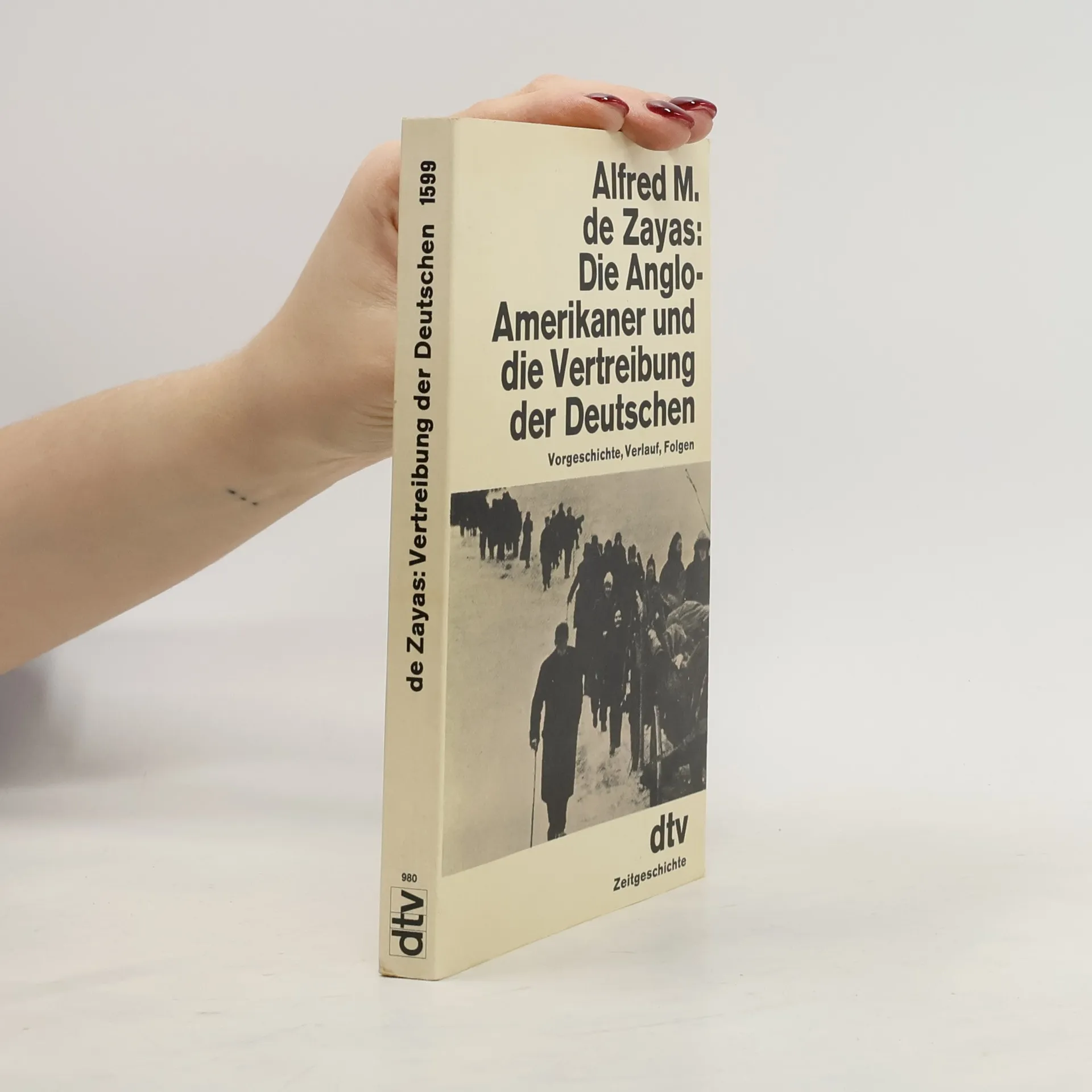

Dieses Standardwerk über die Vertreibung der Deutschen aus den ehemaligen Ostgebieten sorgte bereits 1977 für großes Aufsehen. In der aktualisierten Fassung untersucht de Zayas die verhängnisvolle Rolle der Westalliierten und widerlegt die sowjetisch-polnisch-tschechische These, dass die Umsiedlung gemäß Artikel XIII des Potsdamer Protokolls erfolgte. Er skizziert die anglo-amerikanischen Vorstellungen einer „geregelten und humanen“ Umsiedlung und kritisiert Churchills Leichtfertigkeit sowie Roosevelts Dilettantismus. Gleichzeitig zeigt er Churchills Lernprozess bis und nach Potsdam und die Bemühungen der USA, die Vertreibung zu begrenzen. Des Weiteren behandelt de Zayas die Integration der Vertriebenen in der Bundesrepublik, die Charta der Heimatvertriebenen und die völkerrechtliche Normierung des Rechts auf Heimat durch die Vereinten Nationen und den Europarat. Schließlich beleuchtet der Autor die Perspektiven, die sich 60 Jahre nach der Vertreibung ergeben, insbesondere im Hinblick auf die geplante Gründung des „Zentrums gegen Vertreibungen“ in Berlin und die EU-Osterweiterung in Polen und Tschechien. Benjamin Ferencz beschreibt de Zayas' Werk als überzeugenden Kommentar über das Leiden, das entsteht, wenn Menschlichkeit dem Nationalismus untergeordnet wird. Robert Murphy hebt hervor, dass das Außenministerium der USA zwar für Menschlichkeit eintrat, jedoch nicht laut genug war, um die brutale Vertreibung von Millionen
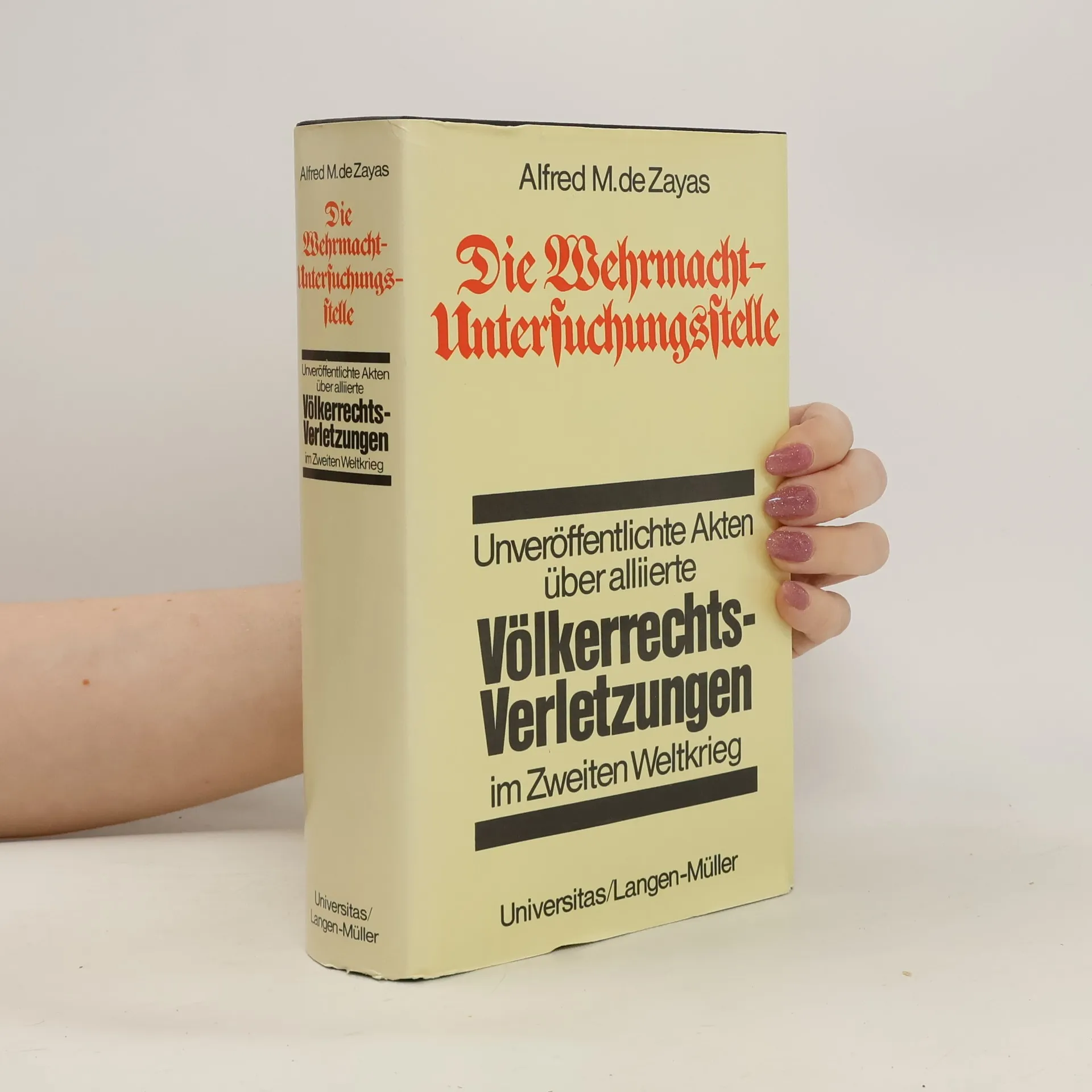
Die Wehrmacht-Untersuchungsstelle
- 477 Seiten
- 17 Lesestunden
Ein Bestseller bei seiner Veröffentlichung, ist Die Wehrmacht-Untersuchungsstelle, 1939-1945 der einzige Bericht über die deutschen Ermittlungen zu Kriegsverbrechen, die angeblich von den Alliierten gegen das Nazi-Regime begangen wurden. Während des Zweiten Weltkriegs dokumentierte das wenig bekannte deutsche Büro für Kriegsverbrechen gemeldete Fälle von Verstößen der Alliierten gegen das Kriegsrecht. Diese Akten, die 226 Bände füllen, wurden 1945 von amerikanischen Truppen beschlagnahmt und in die Vereinigten Staaten gebracht, wo sie als geheime Unterlagen behandelt wurden. Sie wurden 1968 an das Bundesarchiv der Bundesrepublik Deutschland zurückgegeben und 1973 freigegeben. Alfred de Zayas ist der erste Forscher, der dieses Material auswertet, das die wichtigste Entdeckung von Zweiten Weltkrieg-Akten seit den Nürnberger Prozessen darstellt. Darüber hinaus studierte er verwandte Akten in deutschen, amerikanischen, britischen und Schweizer Archiven und interviewte mehr als dreihundert deutsche Militärrichter und Zeugen, die an den Ermittlungen des Büros beteiligt waren. Sein Buch dokumentiert viele der angeblichen Verstöße und beschreibt auch die Herkunft, Organisation und Arbeitsweise des Büros.
Die deutschen Vertriebenen – Keine Täter sondern Opfer
Hintergründe, Tatsachen, Folgen
- 247 Seiten
- 9 Lesestunden
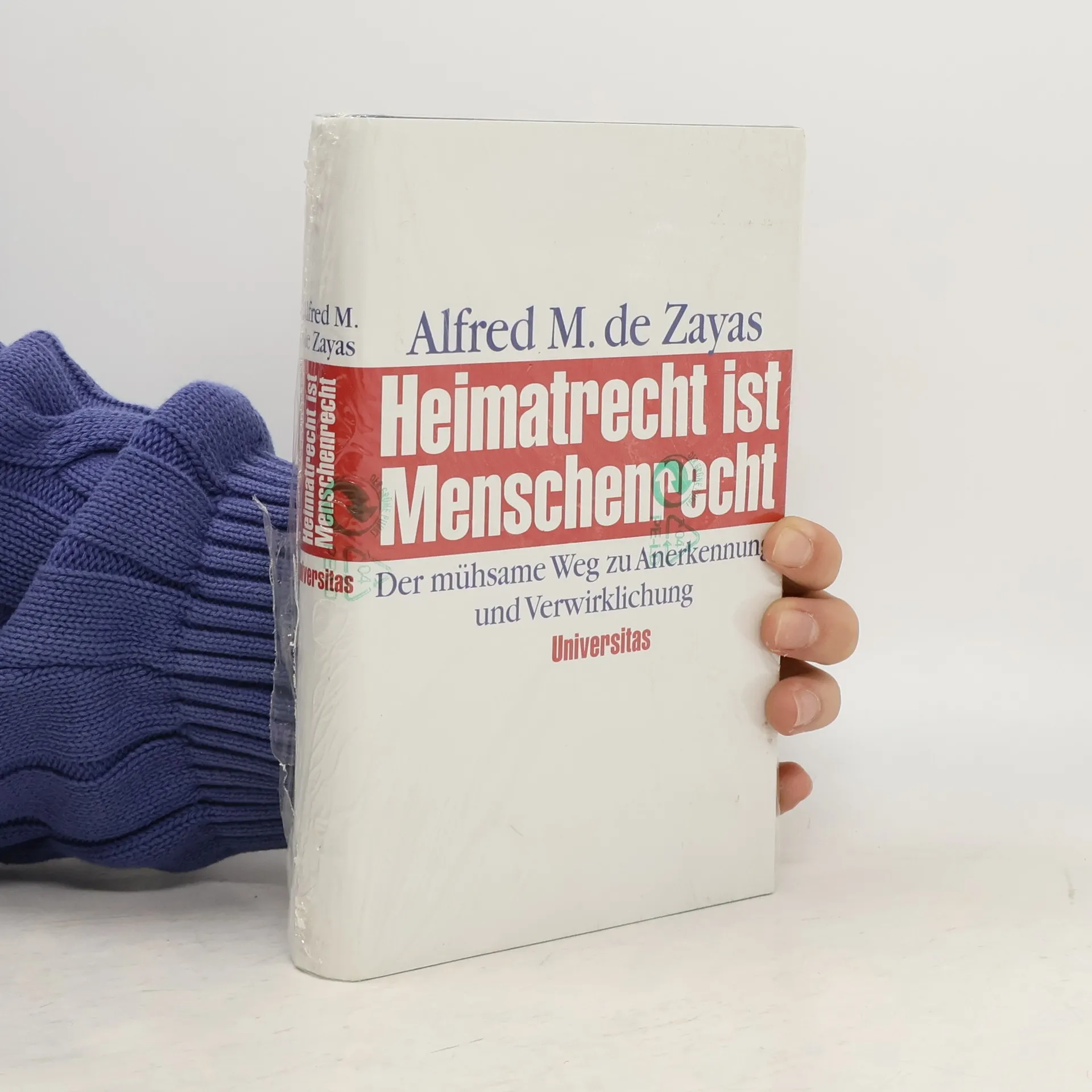
Heimatrecht ist Menschenrecht
- 240 Seiten
- 9 Lesestunden
Die Wehrmacht-Untersuchungsstelle für Verletzungen des Völkerrechts
Dokumentation alliierter Kriegsverbrechen im Zweiten Weltkrieg
- 540 Seiten
- 19 Lesestunden
50 Thesen zur Vertreibung
- 50 Seiten
- 2 Lesestunden
Der in Genf lehrende Völkerrechtler und Historiker Prof. Dr. Alfred de Zayas gilt weltweit als einer der führenden Experten für den Problemkreis von Vertreibung, ethnischer Säuberung und Heimatrecht. De Zayas war 22 Jahre in leitender Stellung für die UNO tätig und ist Autor mehrerer Standardwerke und Lexikonartikel sowie zahlreicher wissenschaftlicher Aufsätze. In 17 historischen und 18 völkerrechtlichen Thesen fasst er auf dem neuesten Stand von Wissenschaft und Politik knapp und klar die wichtigsten Fakten zur Vertreibung nicht nur der Deutschen nach dem Zweiten Weltkrieg zusammen. Seine 15 Schlussfolgerungen sind ein Plädoyer für die Unteilbarkeit der Menschenrechte. Die 52-seitige Broschüre umfasst zwei Beiträge des früheren UN-Hochkommissars für Menschenrechte, José Ayala Lasso, die wegweisende Erklärung der UNO-Menschenrechtskommission von 1997 über Bevölkerungstransfers und die Sesshaftmachung von Siedlern, sowie zwei Papstgrußworte aus den Jahren 2003 und 2005 an die deutschen Vertriebenen.
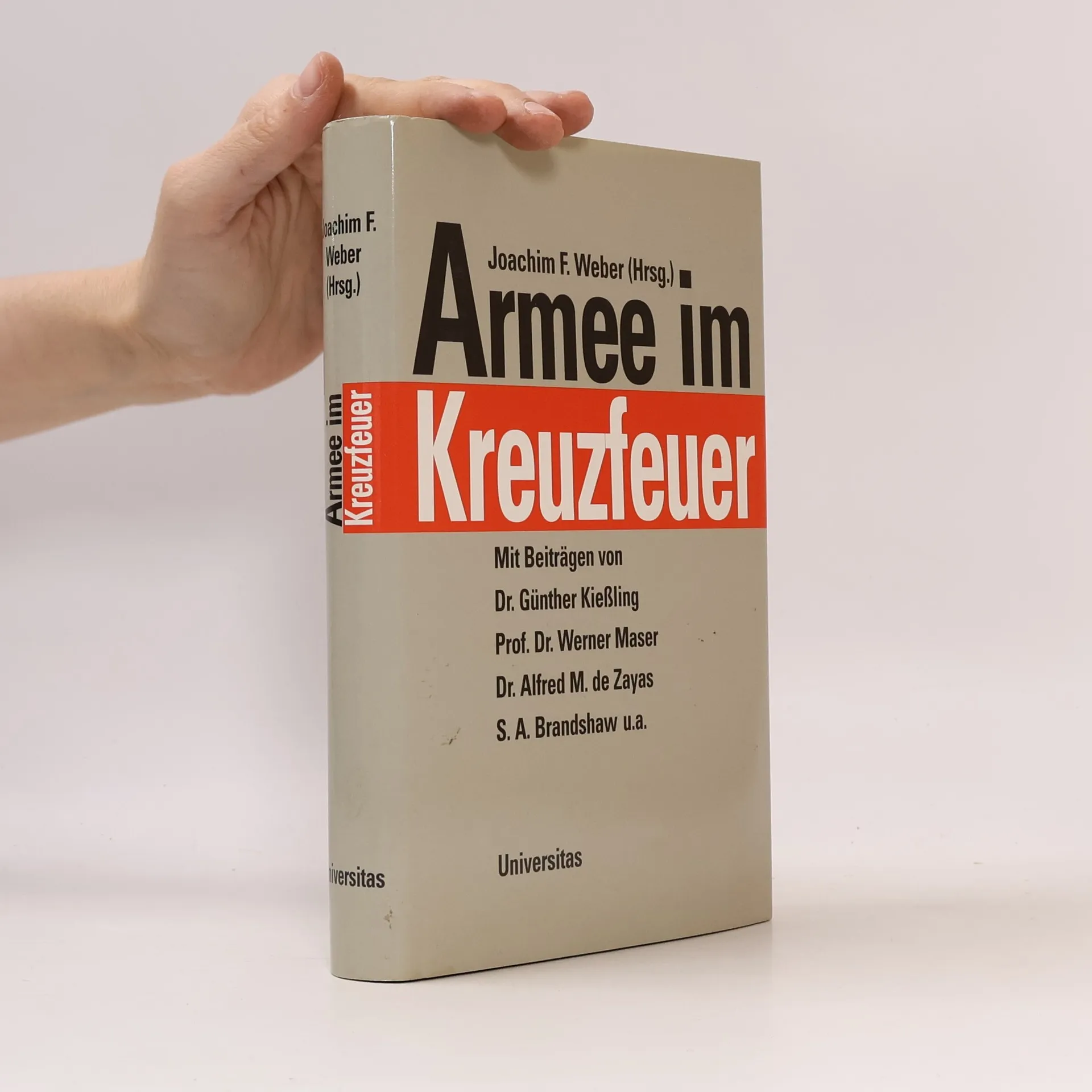
Armee im Kreuzfeuer
- 288 Seiten
- 11 Lesestunden
German
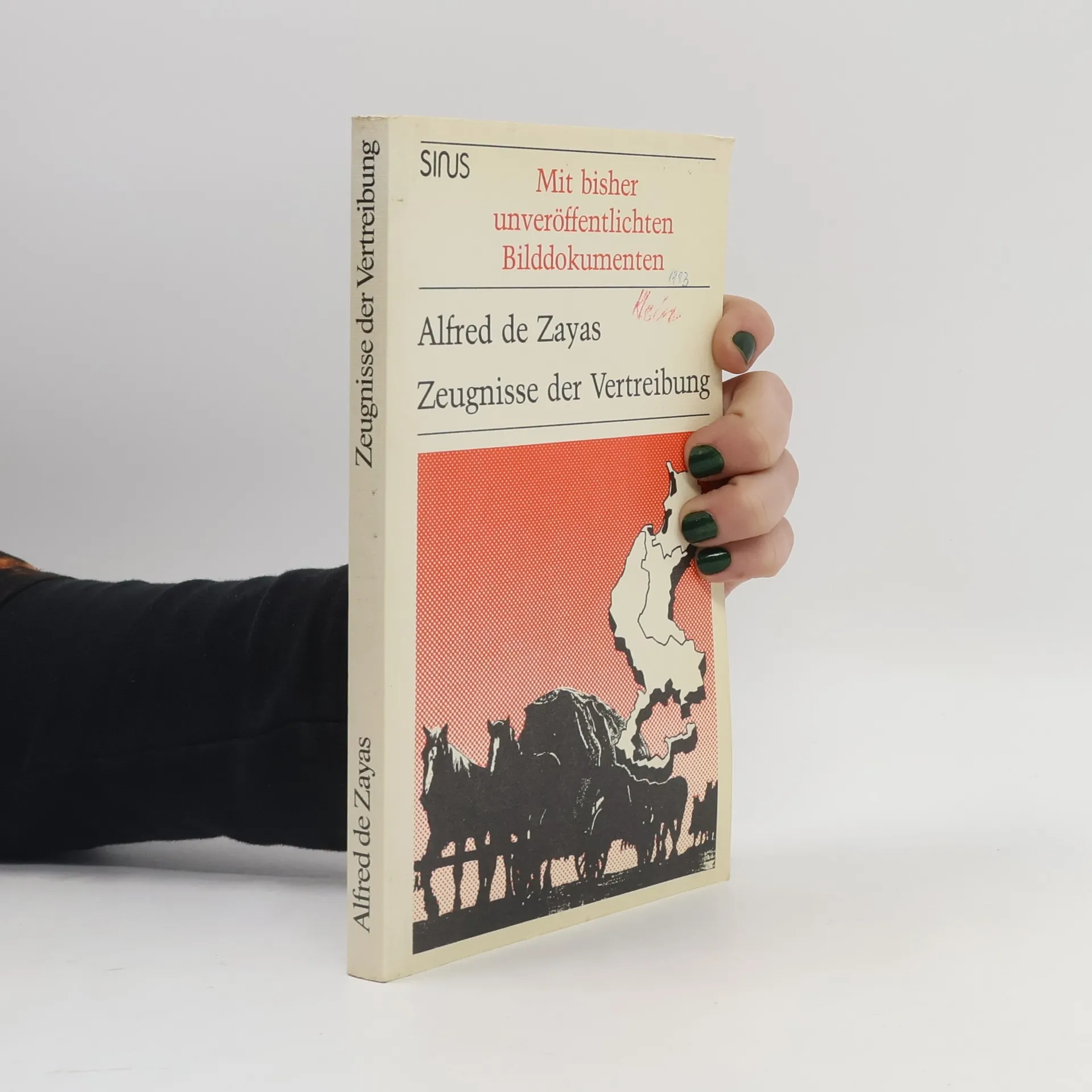
Zeugnisse der Vertreibung
- 158 Seiten
- 6 Lesestunden
Artikelzustand: Gut Autor: Genre: Format: Erscheinungstermin: Anzahl der Seiten: Länge: Breite: Gewicht: Sprache: EAN: 9783882892062
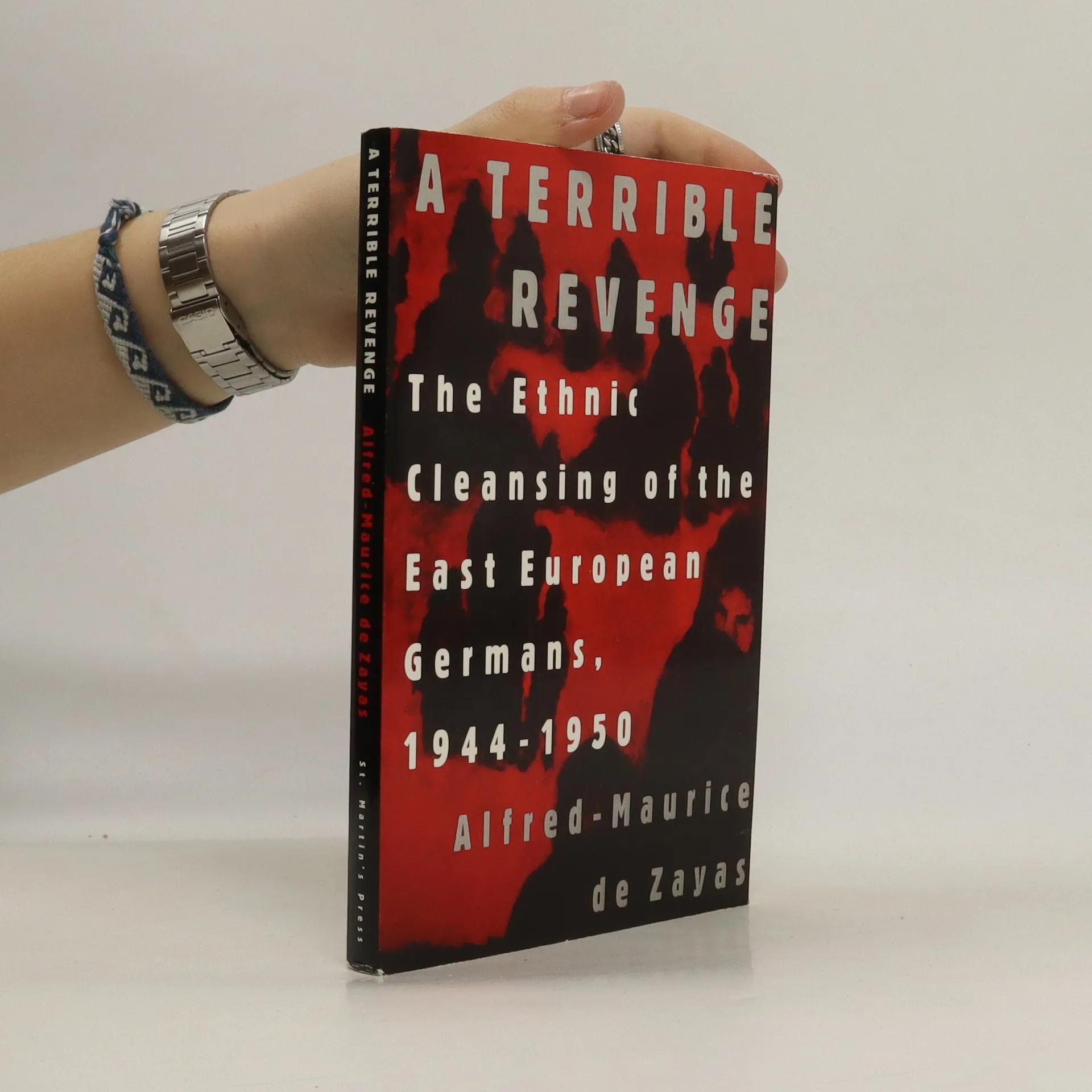
A Terrible Revenge. The Ethnic Cleansing of the East European Germans, 1944-1950
- 224 Seiten
- 8 Lesestunden
The closing phase and the aftermath of World War II saw millions of refugees and displaced persons wandering across Easter Europe in one of the most brutal and chaotic migrations in world history. The genocidal barbarism of the Nazi forces has been well documented. What hitherto has been little known is the fate of fifteen million German civillians who found themselves at the mercy of Soviet armies and on the wrong side of new postwar borders. All over Eastern Europe, the inhabitants of communities that had been established for many centuries were either expelled or killed. Over two million Germans did not survive. Many of these people had supported Hitler, and for the Czechs, Poles, Ukrainians, and surviving Jews, their fate must have seemed just. However, the great majority--East Prussian farmers, Silesian industrial workers, their wives and children--were guiltless. Their fate, sentenced purely by race, remains an appalling legacy of the period. Alfred de Zayas's book describes this horrible retribution. On the basis of extensive research in German and American archives, he outlines the long history of these German communities, scattered from the Baltic to the Danude, and, most movingly, reproduces the testimonies of surviors from the catastrophic exodus that marked the final end to Nazi fantasies of Lebensraum.