

In this free Very Short Introductions Blog Book we’ve gathered 30 of our VSI authors’ very best blog posts on topics including history, politics, science, and more. We hope you enjoy this glimpse into the passion, insight, and great writing that characterizes these authors and the Very Short Introductions series.
John Haigh Bücher


Taking Chances
- 344 Seiten
- 13 Lesestunden
What are the odds against winning the Lottery, making money in a casino, or backing the right horse? Every day, people make judgements on these matters and face other decisions that rest on their understanding of probability: buying insurance, following medical advice, carrying an umbrella.Yet many of us have a frightening ignorance of how probability works. Taking Chances presents an entertaining and fascinating exploration of probability, revealing traps and fallacies in the field. It describes and analyses a remarkable variety of situations where chance plays a role, includingfootball pools, the Lottery, TV games, sport, cards, roulette, coins, and dice. The book guides the reader round common pitfalls, demonstrates how to make better informed decisions, and shows where the odds can be unexpectedly in your favour. This new edition has been fully updated, and includesinformation on "Who Wants to be a Millionaire?" and "The Weakest Link", plus a new chapter on Probability for Lawyers.
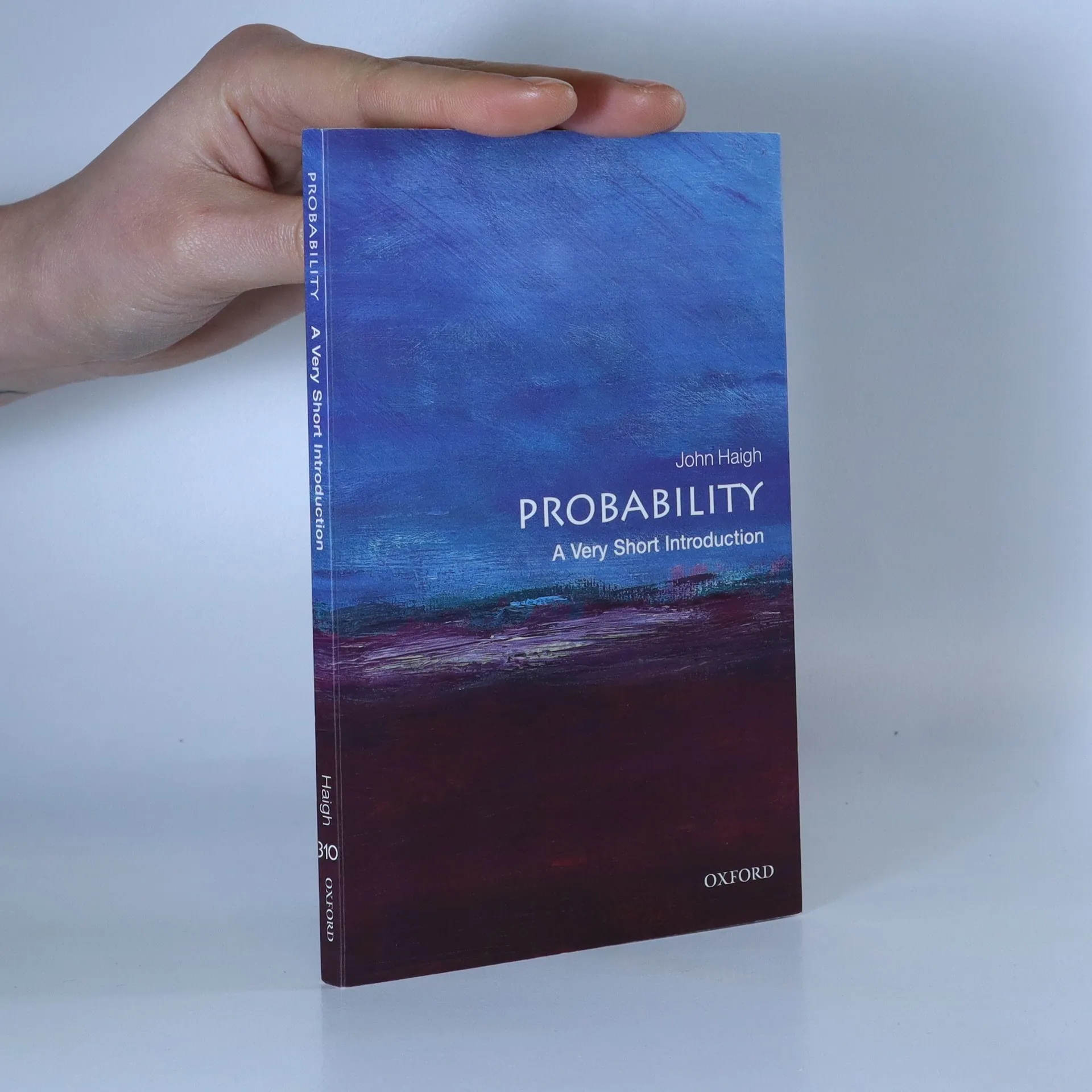
Probability: A Very Short Introduction
- 128 Seiten
- 5 Lesestunden
Making good decisions under conditions of uncertainty requires an appreciation of the way random chance works. In this Very Short Introduction, John Haigh provides a brief account of probability theory; explaining the philosophical approaches, discussing probability distributions, and looking its applications in science and economics.