Yuval Noah Harari Reihenfolge der Bücher (Chronologisch)
Dieser Autor beschäftigt sich mit makrohistorischen Fragen und erforscht die Beziehung zwischen Geschichte und Biologie. Er untersucht die Einzigartigkeit des Homo sapiens und fragt sich, ob die Menschen im Laufe der Geschichte glücklicher geworden sind. Seine Arbeit stellt oft unser Verständnis von Fortschritt in Frage und untersucht, ob die Geschichte eine Richtung oder Gerechtigkeit besitzt. Leser schätzen seine Fähigkeit, umfassendes historisches Wissen mit tiefgründigen Reflexionen über die menschliche Verfassung zu verbinden.



Wie wir die Macht des Wissens entdeckten und wie wir es zu unserem Wohl einsetzen können Kaum etwas hat das Leben der Menschen so stark verändert wie die wissenschaftliche Revolution. Durch sie entdeckten wir unbekannte Territorien, bekämpften Hunger und Krankheiten und erlangten einen nie gekannten Wohlstand. Doch der Fortschritt hat auch negative Seiten: Völker wurden bekämpft, die Umwelt zerstört und die Atombombe bedroht die Menschheit. Mit der künstlichen Intelligenz kommt ein neuer Player ins Spiel, der der Vorherrschaft der Menschen auf der Erde ein Ende bereiten könnte. Wie kann es uns Menschen gelingen, diese Entwicklungen in die richtigen Bahnen zu lenken? Wie können wir dank unseres Wissens unseren Planeten und die Lebewesen darauf retten? Dieser Frage widmet sich Harari lebendig, klug und unterhaltsam.
Sapiens
Stručná historie lidstva
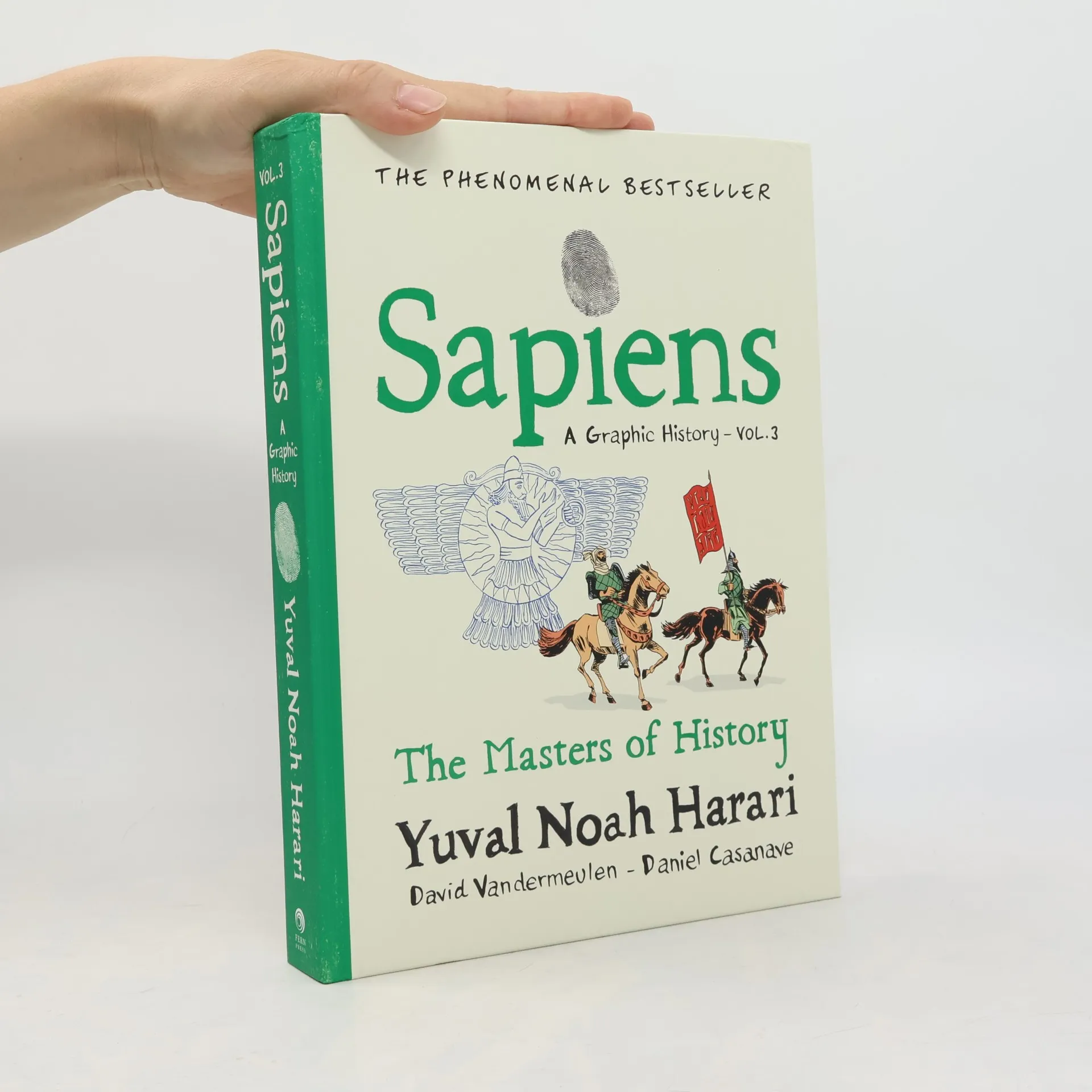
Exploring the dynamics of history, this graphic installment delves into the forces that shape civilizations, including money, religion, and empire. With a humorous guide, Heroda Tush, readers encounter a colorful cast of characters, each representing different historical influences, from luck to conquest. This engaging narrative invites reflection on humanity's turbulent journey and the recurring conflicts that challenge our unity. Ideal for readers of all ages, it can be enjoyed independently or as part of the ongoing series.
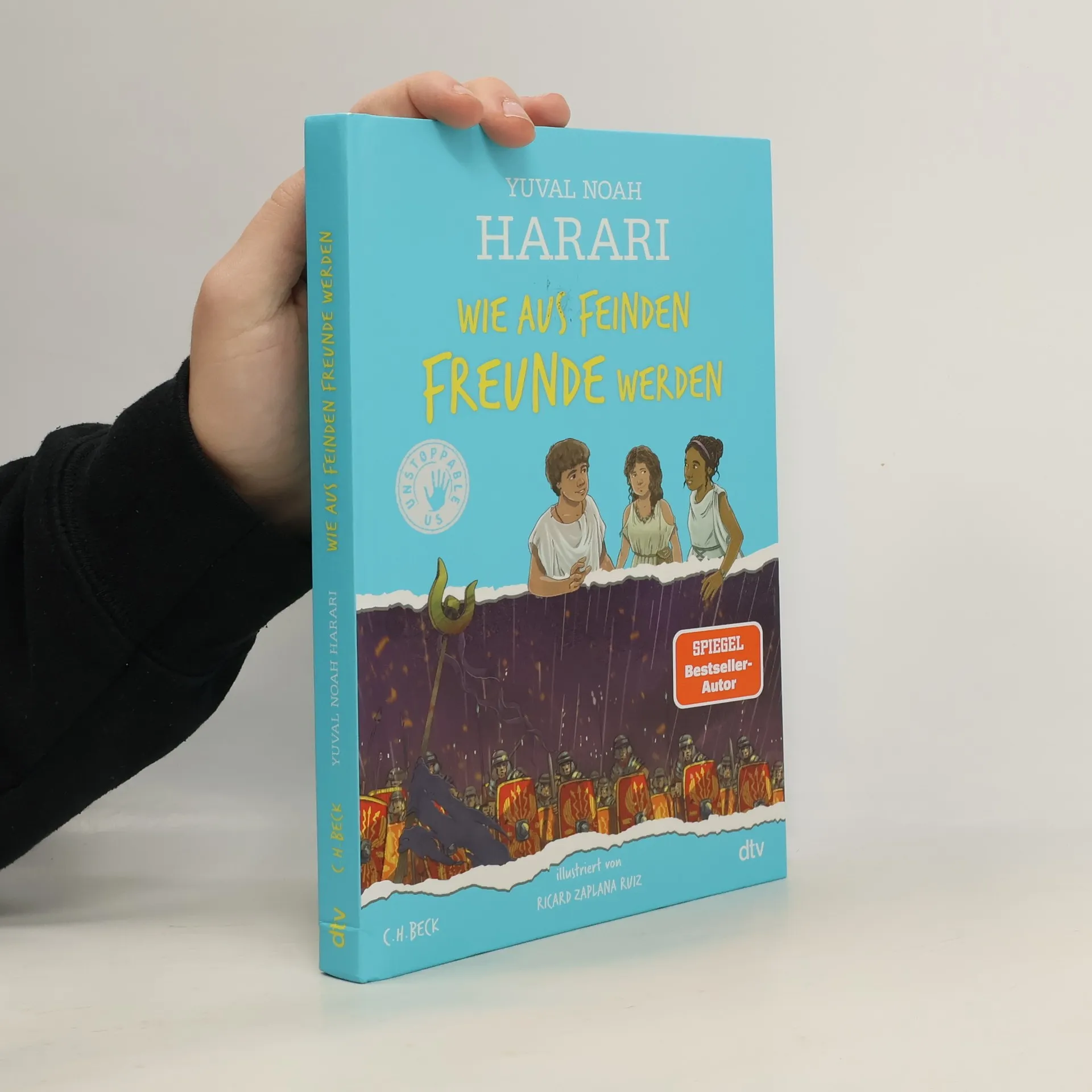
Wie aus Feinden Freunde werden
- 192 Seiten
- 7 Lesestunden
In seinem neuen Buch untersucht Yuval Noah Harari, warum die Welt nicht friedlich ist und wie Menschen aus verschiedenen Gesellschaften miteinander umgehen. Er beleuchtet historische Begegnungen, Konflikte und friedliche Koexistenz von der Antike bis zum Mittelalter und thematisiert die Herausforderungen des Zusammenlebens verschiedener Kulturen und Religionen.
Nexus
- 656 Seiten
- 23 Lesestunden
In "Nexus" untersucht Yuval Noah Harari, wie Informationsnetzwerke die Menschheit geprägt haben und gleichzeitig eine existenzielle Bedrohung darstellen. Er beleuchtet die Rolle von Informationen in verschiedenen historischen Kontexten und thematisiert die Herausforderungen, die durch künstliche Intelligenz und Falschinformationen entstehen.
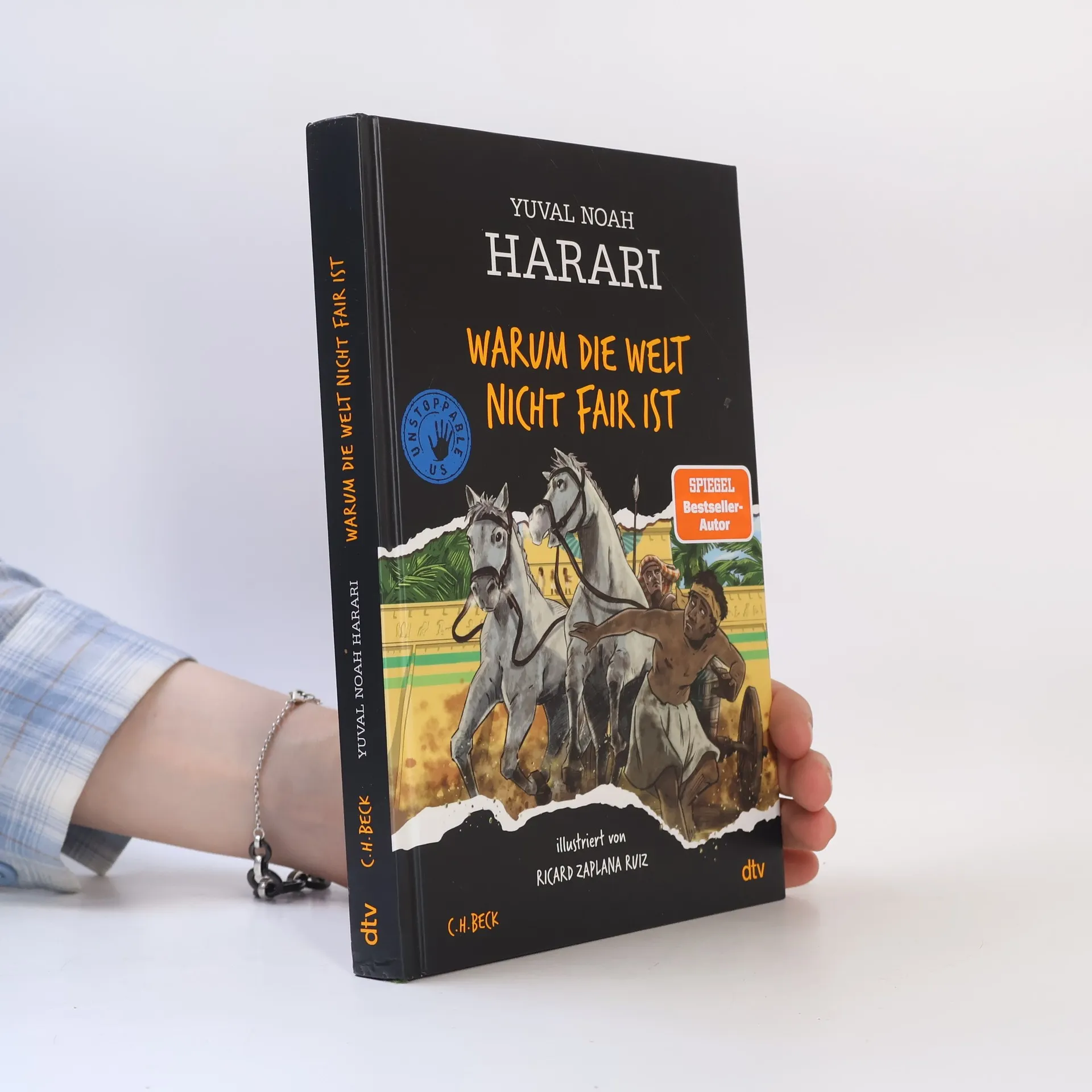
Warum die Welt nicht fair ist
Unstoppable Us 2 | Der erfolgreichste Sachbuchautor der Welt gibt lebendige Einblicke in die Entwicklungsgeschichte der Menschheit für alle ab 10
- 208 Seiten
- 8 Lesestunden
Die Geschichte der Menschheit – Band 2 der ›Unstoppable Us‹-Reihe von Bestsellerautor Yuval Noah Harari Warum sind manche Leute reich und andere arm? Wie kam es, dass die Menschheit sich in Könige und Sklaven unterteilte, ein paar antike Nerds die Schrift erfanden und unsere Vorfahren den Göttern große Tempel bauten? Und was hat das alles damit zu tun, dass die Menschen sich vor zehntausend Jahren von Jägern und Sammlern zu Bauern entwickelten? Landwirtschaftliche Revolution, die ersten Städte und das alte Ägypten: Erneut schildert Bestsellerautor Yuval Noah Harari inspirierend und mitreißend die abenteuerliche Geschichte der Menschheit. "Wie ein Geschichtenerzähler am Lagerfeuer spricht der Autor die Kinder direkt an und beschreibt in lebendigen Bildern die Entwicklungsstufen und den Alltag unserer Vorfahren." Agnes Sonntag, DER SPIEGEL (über Band 1) Alle Bände der Reihe ›Unstoppable Us‹: Band 1: Wie wir Menschen die Welt eroberten Band 2: Warum die Welt nicht fair ist Die Reihe ist insgesamt auf vier Bände angelegt. Jeder Band ist in sich abgeschlossen und behandelt ein einzelnes großes Thema, z.B. die Steinzeit und die Sesshaftwerdung des Menschen.
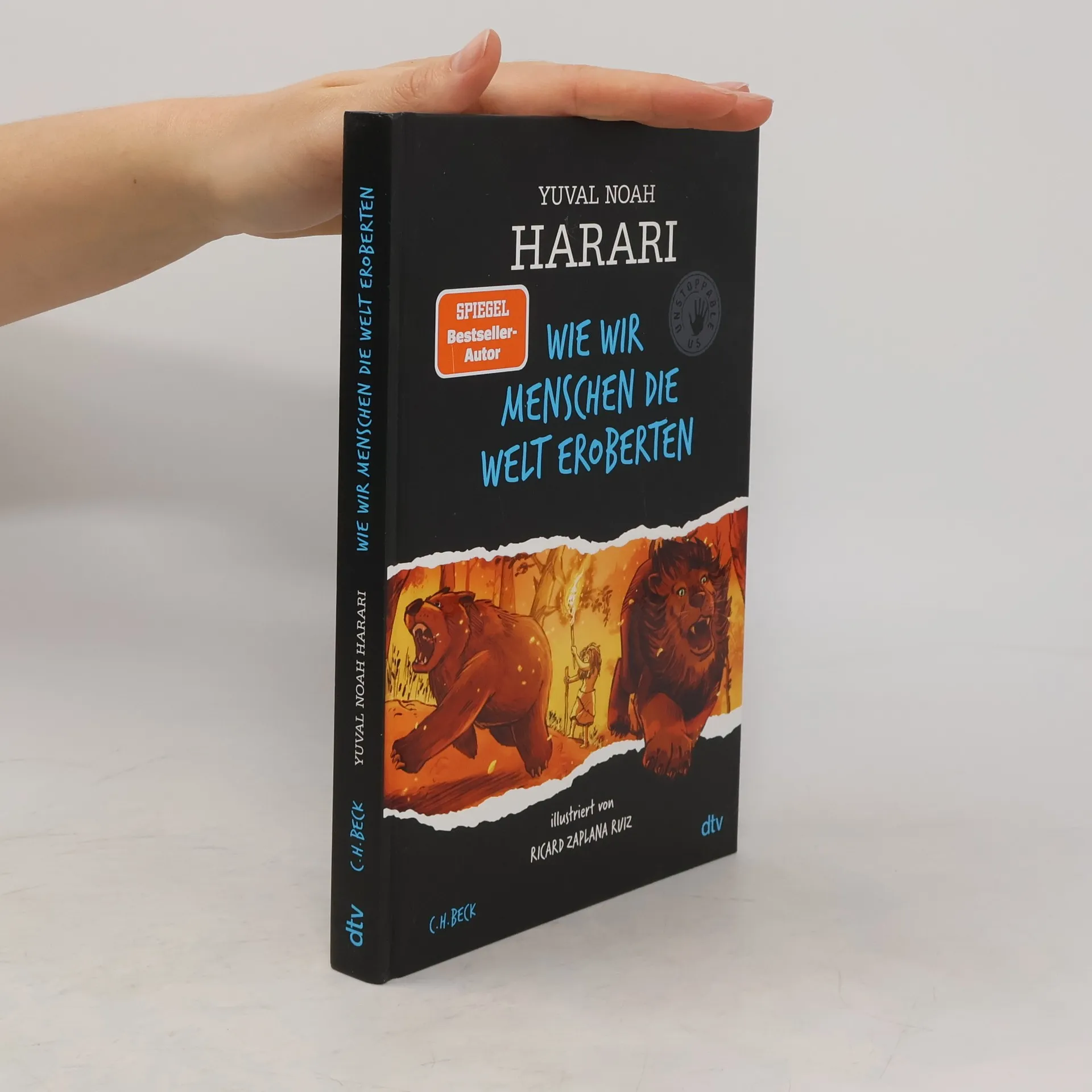
Wie wir Menschen die Welt eroberten
Unstoppable Us | Der erfolgreichste Sachbuchautor der Welt erzählt die Geschichte der Menschheit für alle ab 10
- 192 Seiten
- 7 Lesestunden
Der erfolgreichste Sachbuchautor der Welt mit einem einzigartigen Projekt für eine junge Zielgruppe Vor Millionen von Jahren war der Mensch bloß ein relativ unbedeutender Vertreter der Tierwelt. Wie konnte sich dieser körperlich relativ schwache Affe zum Herrn der Welt aufschwingen? Und was musste er tun, um sich die Erde untertan zu machen? Bestsellerautor Yuval Noah Harari ist einer der größten Vordenker und erfolgreichsten Autoren unserer Zeit. Nun erzählt er mit ›Unstoppable Us‹ die Geschichte der Menschheit für ein junges Publikum in vier Bänden völlig neu. Dabei lässt er die aktuellsten wissenschaftlichen Erkenntnisse einfließen und stellt die Entwicklung der Menschheit zugleich in den aktuellen Kontext unserer Zeit zwischen Klimakrise, Pandemie und fortschreitender Digitalisierung.
Die schöne neue Welt, die Huxley hier beschreibt, ist die Welt einer konsequent verwirklichten Wohlstandsgesellschaft 'im Jahre 632 nach Ford', einer Wohlstandsgesellschaft, in der alle Menschen am Luxus teilhaben, in der Unruhe, Elend und Krankheit überwunden, in der aber auch Freiheit, Religion, Kunst und Humanität auf der Strecke geblieben sind. Eine totale Herrschaft garantiert ein genormtes Glück. In dieser vollkommen 'formierten' Gesellschaft erscheint jede Art von Individualismus als 'asozial', wird als 'Wilder' betrachtet, wer - wie einer der rebellischen Außenseiter dieses Romans - für sich fordert: 'Ich brauche keine Bequemlichkeit. Ich will Gott, ich will Poesie, ich will wirkliche Gefahren und Freiheit und Tugend. Ich will Sünde!'
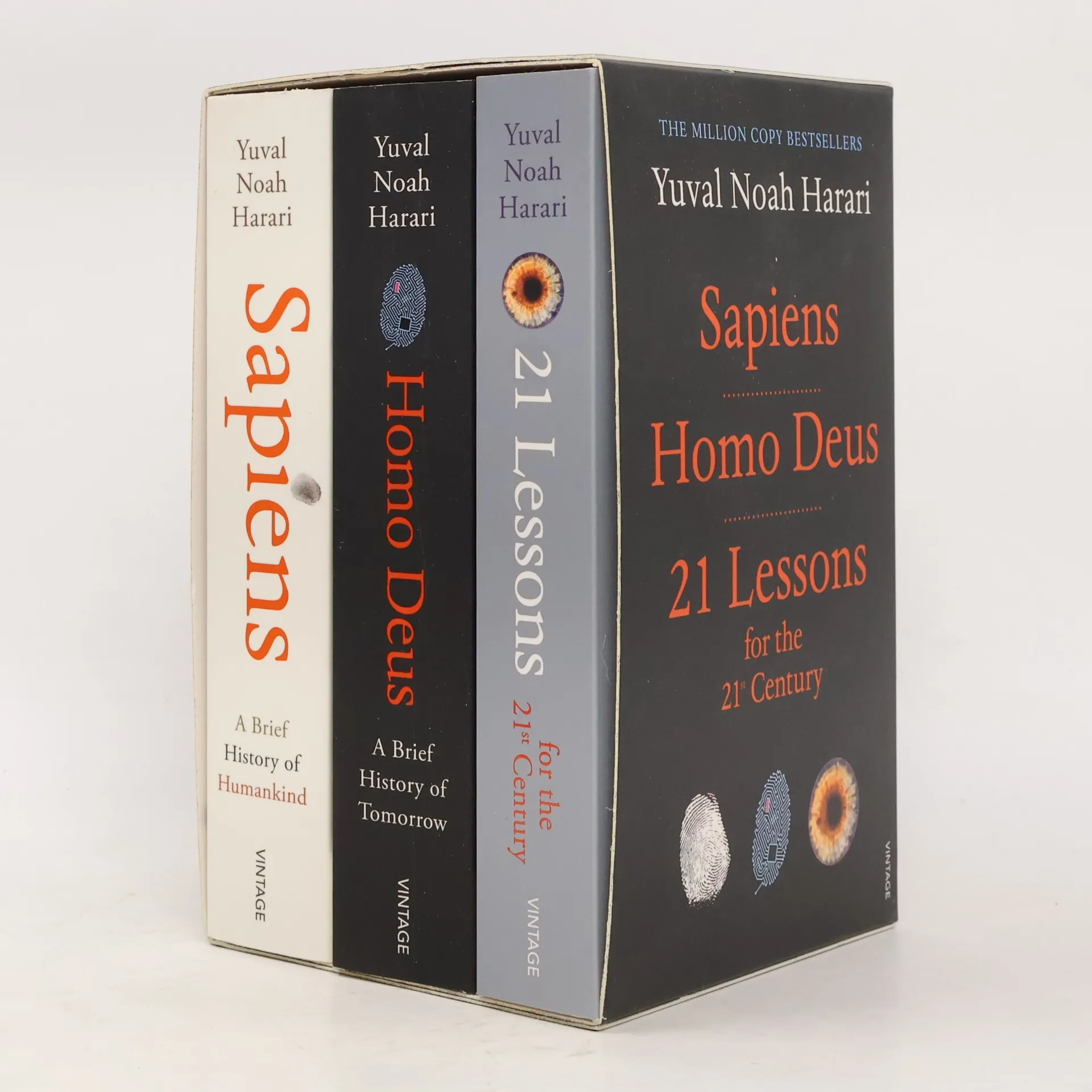
This box set offers the trilogy by Harari, a global phenomenon that has captivated millions of readers. Sapiens is a journey through our past, Homo Deus provides a look at our future, and 21 Lessons for the 21st Century explores our present. The overwhelming success of his trilogy has established Harari as a definitive voice in essayistic literature. This collection condenses his monumental work, projecting the history of humanity from the dawn of man and venturing into our coming days, alongside a lucid analysis of our current reality. An unprecedented approach to the human adventure.
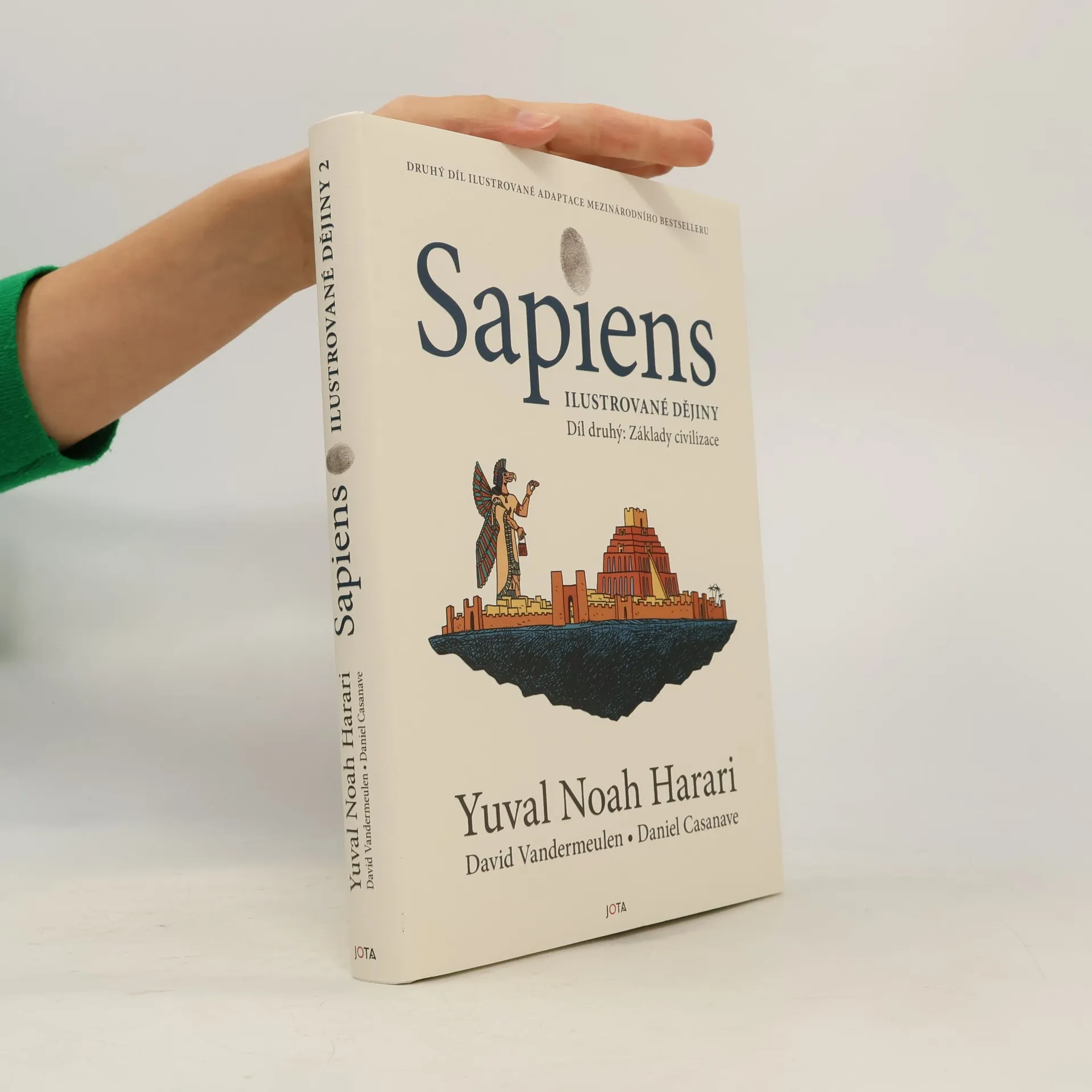
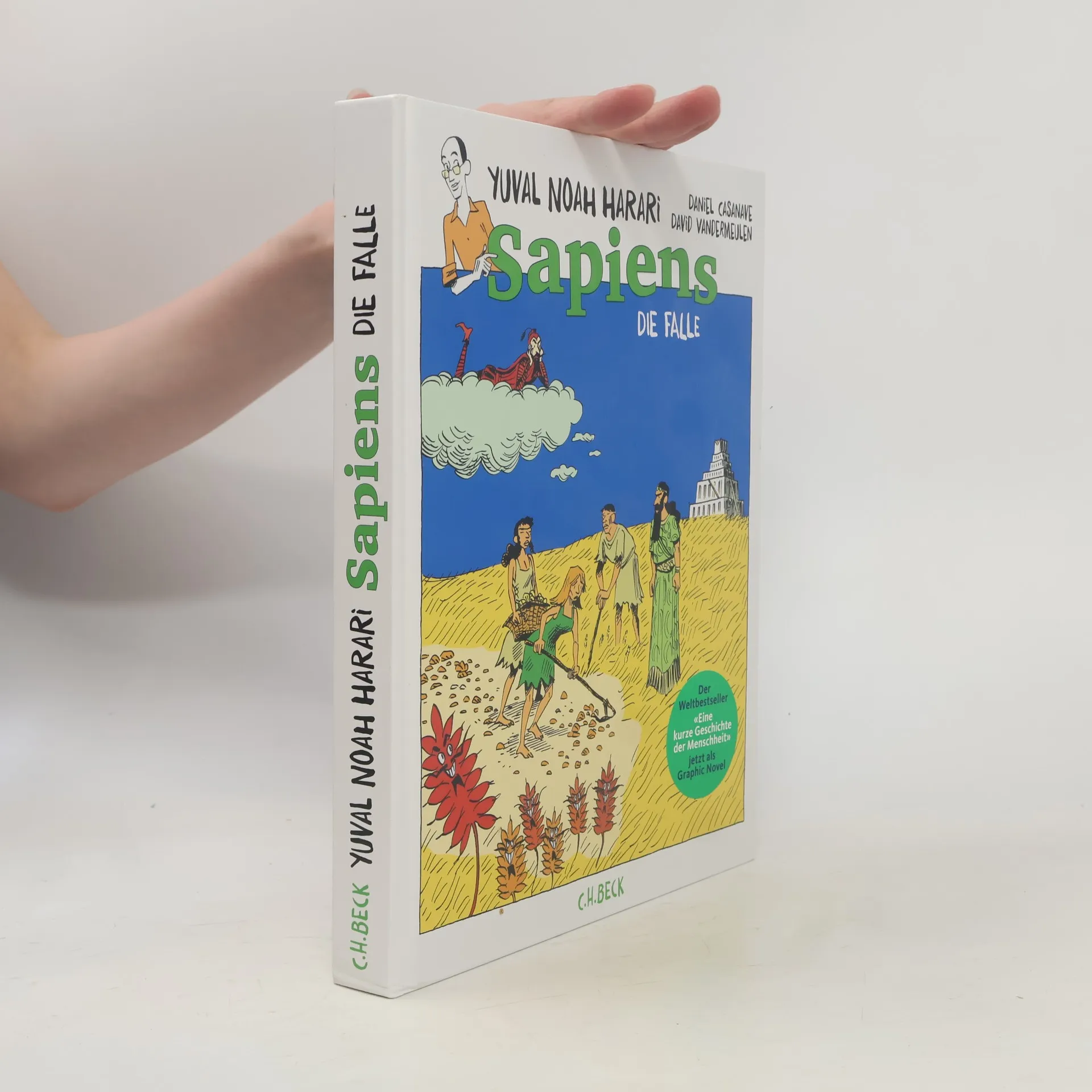
„Sapiens“ kehrt zurück mit der Graphic Novel zu Yuval Noah Hararis Bestseller. Nach dem Erfolg des ersten Bands, der die frühen Sapiens als Herren der Welt zeigte, bringt der zweite Band eine unerwartete Wendung. Vor über 10.000 Jahren trafen einige Sapiens eine entscheidende Wahl: Sie begannen, mit Weizen zu experimentieren. Diese Entscheidung führte zu einer drastischen Veränderung der Geschichte. Die Welt wurde nicht mehr von einer kleinen Gruppe gesunder Jäger und Sammler bevölkert, sondern von einer viel größeren Zahl von Bauern, die hart arbeiteten, schlecht ernährt und oft krank waren. Die landwirtschaftliche Revolution schuf die Grundlage für komplexere soziale und politische Strukturen, was zur Entstehung von Königreichen und Imperien führte. Doch für die meisten Menschen bedeutete dies ein schlechteres Leben. Sie wurden Sklaven des Weizens und mussten auf Feldern arbeiten, für die ihre Körper nicht geeignet waren. Gleichzeitig entstand eine neue Form der Ungleichheit. Obwohl die landwirtschaftliche Revolution den Grundstein für unseren heutigen Wohlstand legte, geschah dies auf Kosten unglücklicher Bauern über Generationen hinweg. Die Sapiens sind zurück mit Teil 2: Wie die Ungleichheit in die Welt kam.
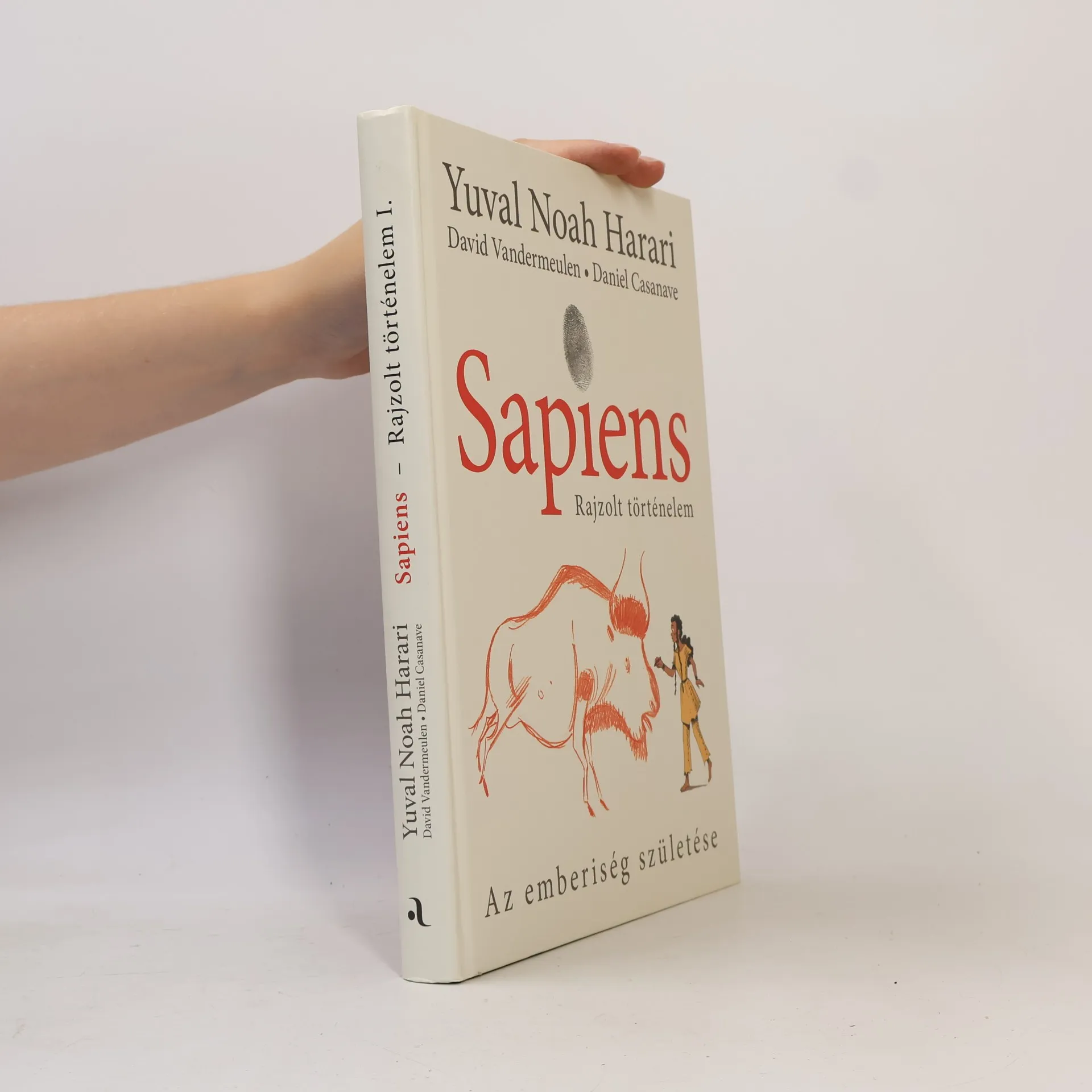
A tisztánlátás hatalom. De hogyan láthatjuk át a világban zajló eseményeket anélkül, hogy elvesznénk az apró részletekben? Például úgy, hogy hátrébb lépünk, és megszemléljük a teljesebb képet: az emberi faj történetét. A Sapiens - Rajzolt történelem című képregénysorozat azt meséli el, hogyan lett egy jelentéktelen majom a Föld nevű bolygó ura, és hogyan jutott el odáig, hogy képes széthasítani az atomot, elrepülni a Holdra, vagy módosítani más fajok genetikai kódját. Yuval Noah Harari, a könyv mesélője és társai - Prehisztorikus Bill, Doktor Fikció, Lopez nyomozó és sokan mások - a történelem meghatározó és sorsfordító eseményeibe avatnak be minket. A képregény viccesen és szórakoztatóan tárja elénk az emberiség történetét a Sapiens - Az emberiség rövid története című nemzetközi sikerkönyv alapján, amelyet 60 nyelvre fordítottak le, és több mint 16 millió példányban kelt el világszerte. Szellemessége, humora és érdekes karakterei azokat is magukkal ragadják, akiket egyébként nemigen köt le a tudomány és a történelem. Az emberiség születése a négyrészes képregénysorozat első kötete.
Clean Meat
How Growing Meat Without Animals Will Revolutionize Dinner and the World
- 256 Seiten
- 9 Lesestunden
A Gallery Book. Gallery Books has a great book for every reader.
The book includes two exclusive essays by Yuval Noah Harari that delve into pressing contemporary issues. "The Crisis of Liberalism" explores the challenges facing liberal democracies today, while "The Theater of Terror" examines the impact of fear and spectacle in modern society. Harari's insights provide a thought-provoking analysis of political and social dynamics, encouraging readers to reflect on the future of governance and the influence of terror in shaping public perception and policy.
Money
- 144 Seiten
- 6 Lesestunden
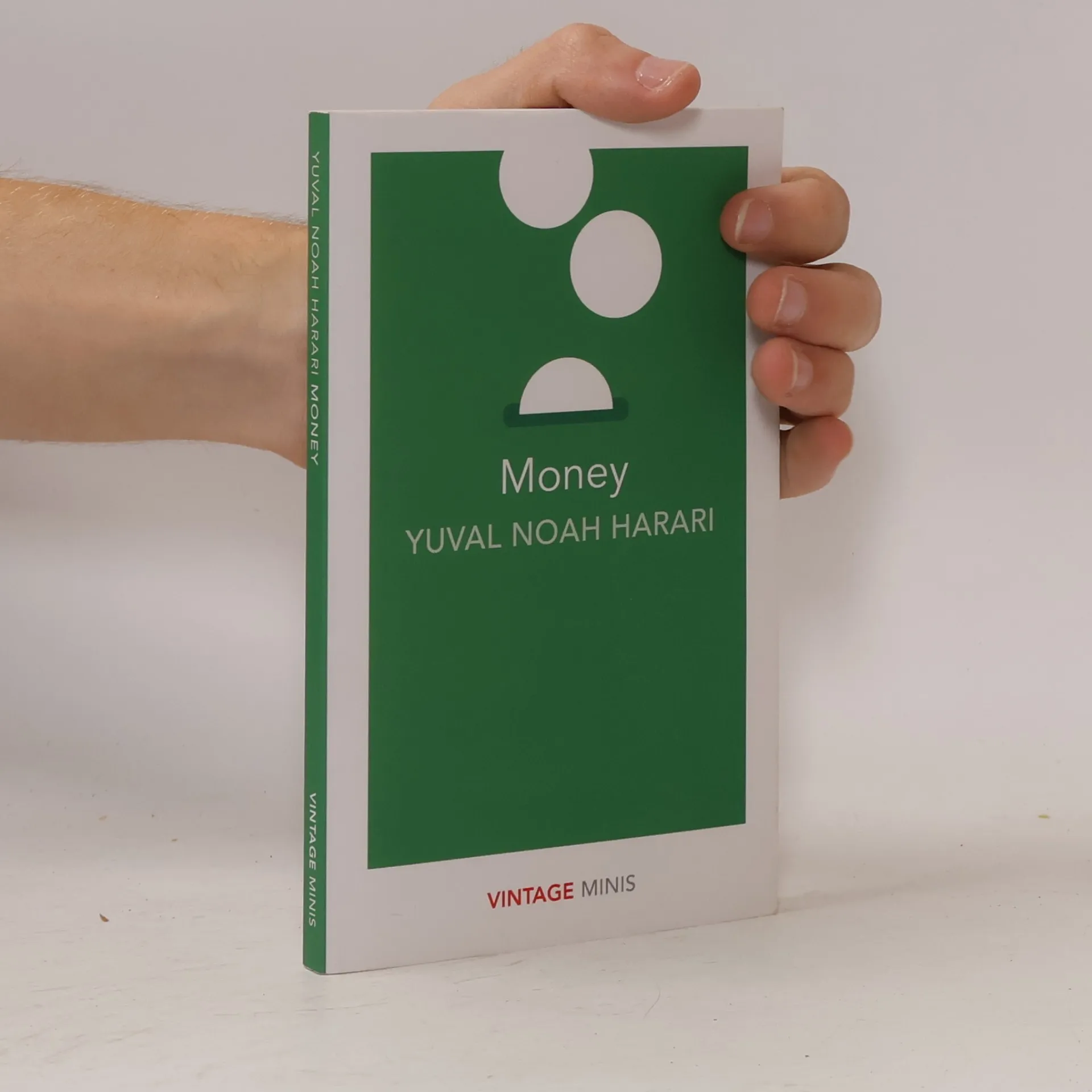
Selected from the books Sapiens and Homo Deus by Yuval Noah Harari How did money come to be invented? Why does it now have such significance in our lives? Does it make us happier or unhappier? And what does the future hold for it? With brilliant clarity and insight, Yuval Noah Harari takes the reader on a journey from the very first coins through to 21st century economics and shows us how we are all on the brink of a revolution, whether we like it or not. VINTAGE MINIS- GREAT MINDS. BIG IDEAS. LITTLE BOOKS. A series of short books by the world's greatest writers on the experiences that make us human Also in the Vintage Minis series- Home by Salman Rushdie Babies by Anne Enright Eating by Nigella Lawson Drinking by John Cheever
21 Lektionen für das 21. Jahrhundert
- 459 Seiten
- 17 Lesestunden
Yuval Noah Harari ist der Weltstar unter den Historikern. In \"Eine kurze Geschichte der Menschheit\" erzählte er vom Aufstieg des Homo Sapiens zum Herrn der Welt. In \"Homo Deus\" ging es um die Zukunft unserer Spezies. Sein neues Buch schaut auf das Hier und Jetzt und konfrontiert uns mit den drängenden Fragen unserer Zeit. Wie unterscheiden wir Wahrheit und Fiktion im Zeitalter der Fake News? Was sollen wir unseren Kindern beibringen? Wie können wir in unserer unübersichtlichen Welt moralisch handeln? Wie bewahren wir Freiheit und Gleichheit im 21. Jahrhundert? Seit Jahrtausenden hat die Menschheit über den Fragen gebrütet, wer wir sind und was wir mit unserem Leben anfangen sollen. Doch jetzt setzen uns die heraufziehende ökologische Krise, die wachsende Bedrohung durch Massenvernichtungswaffen und der Aufstieg neuer disruptiver Technologien unter Zeitdruck. Bald schon wird irgendjemand darüber entscheiden müssen, wie wir die Macht nutzen, die künstliche Intelligenz und Biotechnologie bereit halten. Dieses Buch will möglichst viele Menschen dazu anregen, sich an den großen Debatten unserer Zeit zu beteiligen, damit die Antworten nicht von den blinden Kräften des Marktes gegeben werden.
In seinem Kultbuch Eine kurze Geschichte der Menschheit erklärte Yuval Noah Harari, wie unsere Spezies die Erde erobern konnte. In Homo Deus stößt er vor in eine noch verborgene Welt: die Zukunft. Was wird mit uns und unserem Planeten passieren, wenn die neuen Technologien dem Menschen gottgleiche Fähigkeiten verleihen – schöpferische wie zerstörerische – und das Leben selbst auf eine völlig neue Stufe der Evolution heben? Wie wird es dem Homo Sapiens ergehen, wenn er einen technikverstärkten Homo Deus erschafft, der sich vom heutigen Menschen deutlicher unterscheidet als dieser vom Neandertaler? Was bleibt von uns und der modernen Religion des Humanismus, wenn wir Maschinen konstruieren, die alles besser können als wir? In unserer Gier nach Gesundheit, Glück und Macht könnten wir uns ganz allmählich so weit verändern, bis wir schließlich keine Menschen mehr sind.
Das Streben nach Langlebigkeit ist das Ziel jeder Existenz: in der Natur, der Politik, bei Unternehmen und uns Menschen. Oft handeln wir jedoch kurzfristig. In einer sich schnell verändernden Welt ist die Fähigkeit, sofort zu reagieren oder Angebote anzupassen, entscheidend. Gleichzeitig müssen langfristige Strategien für die Zukunft entwickelt und Bewahrenswertes geschützt werden. Die Strategien zur Langlebigkeit sind vielfältig und paradox. Das Abstreifen des Alten und die Erneuerung können ebenso wichtig sein wie das Festhalten an Bestehendem, um kleinere Turbulenzen zu überstehen. Die zentrale Frage bleibt: Wann sollten wir bewahren, wann loslassen? Wo sind robuste Strukturen notwendig, um Langlebigkeit zu sichern, und wo ist kurzfristiges Denken gefragt? Diese Suche nach Antworten zur Kunst der Langlebigkeit wird durch Beiträge von Persönlichkeiten wie Yuval Harari, Sven Regener und Steven Chu bereichert. Sie bringen unterschiedliche Perspektiven ein und reflektieren über die Herausforderungen und Möglichkeiten, die mit dem Streben nach Dauerhaftigkeit verbunden sind. Die Diskussion wird durch visuelle Beiträge von Julie Petter und Thomas Walsh ergänzt.
Animal liberation
- 415 Seiten
- 15 Lesestunden
'Dieses Buch ist kein sentimentaler Aufruf zur Sympathie gegenüber ›niedlichen‹ Tieren. Es handelt von der Gewaltherrschaft des Menschen über die Tiere. Es ist ein Versuch, gründlich, sorgfältig und konsequent darüber nachzudenken, wie wir mit Tieren umgehen …' Peter Singer
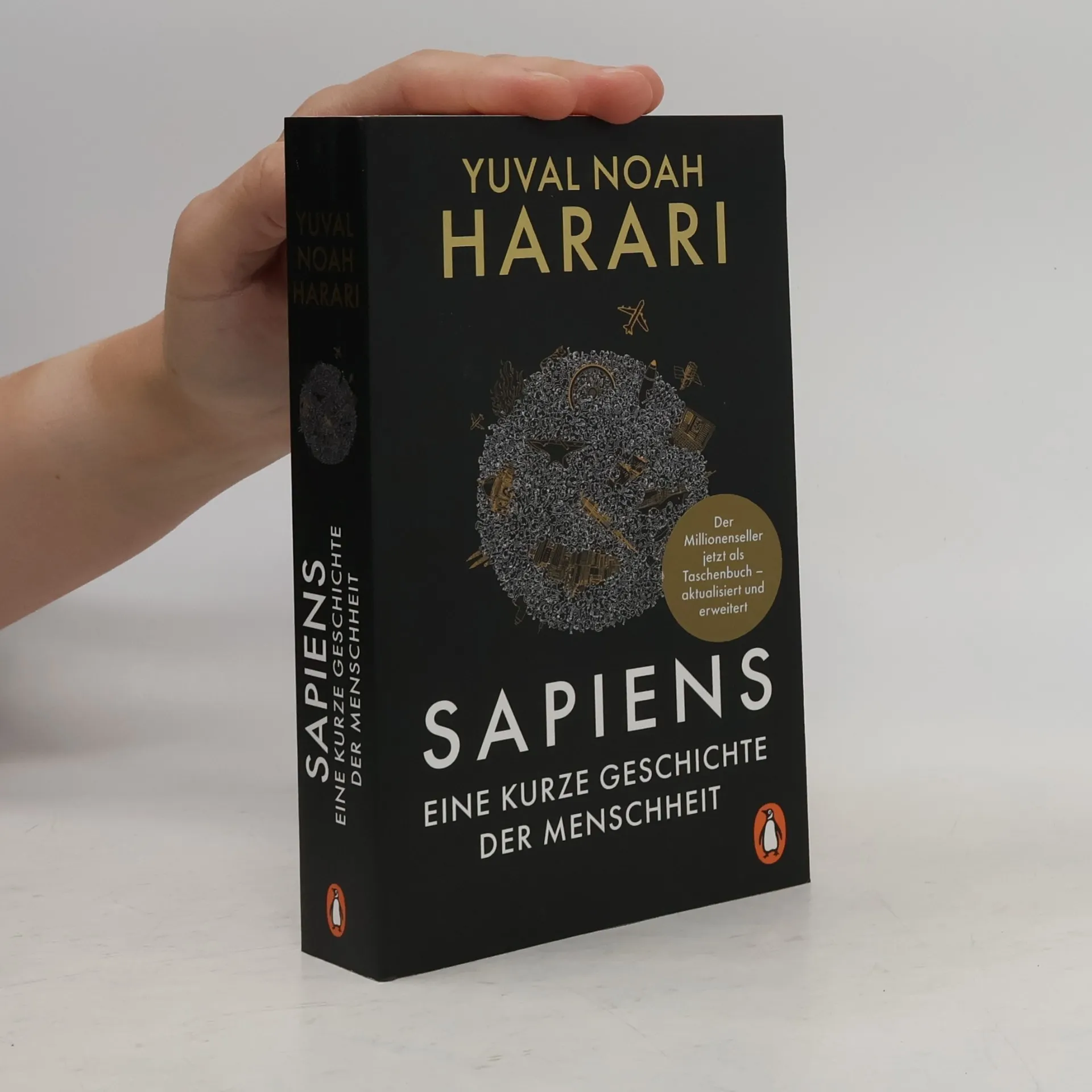
Der Millionenseller jetzt in einer günstigen und erweiterten Taschenbuchausgabe Vor 100.000 Jahren lebte Homo Sapiens als unbedeutende Spezies in einem abgelegenen Winkel des afrikanischen Kontinents. Heute ist der Mensch Herr und Schrecken des Planeten. Wie konnte es dazu kommen? In seiner fulminanten Reise von den Menschenaffen bis zum Cyborg entwirft Yuval Noah Harari mit seinem international gefeierten Bestseller »Sapiens - Eine kurze Geschichte der Menschheit« das große Panorama unserer eigenen Geschichte – und stellt die Frage, wohin wir von hier aus gehen wollen. »Sapiens« ist einer der größten Sachbucherfolge aller Zeiten und hat allein in Deutschland, bisher unter dem Titel »Eine kurze Geschichte der Menschheit«, über 2 Millionen Exemplare verkauft. Dieser immense Erfolg ist kein Zufall: Das Buch hat von Grund auf verändert, welche Verantwortung wir als Menschen gegenüber unseren Mitgeschöpfen und dem Planeten empfinden – und wie wir handeln. »Yuval Noah Harari schreibt präzise, klug – und vor allem so, dass man gar nicht aufhören will zu lesen. Dieses Buch lässt Hirne wachsen.« ZEIT WISSEN Das Buch erschien erstmals 2013 unter dem Titel »Eine kurze Geschichte der Menschheit« bei DVA. Diese Taschenbuchausgabe ist aktualisiert und um ein neues Nachwort ergänzt. Mit zahlreichen Abbildungen
Fürsten im Fadenkreuz
Geheimoperationen im Zeitalter der Ritter 1100-1550
Schon im Mittelalter und in der frühen Neuzeit gab es nicht nur große Schlachten und langwierige Belagerungen von Festungen und Städten, sondern auch gezielte Attentate, Entführungen und Sabotagen, die unter geringem Materialaufwand von nur wenigen Spezialkräften durchgeführt wurden. Solche Aktionen konnten entscheidend sein für den Ausgang von Kriegen oder den Aufstieg und Fall ganzer Herrscherdynastien. Sie sollten zumeist politische Schlüsselfiguren ausschalten, etwas Mitglieder von rivalisierenden Königshäusern oder Kommandeure feindlicher Armeen. Doch sie konnten sich auch gegen die gegnerische Infrastruktur richten, etwa gegen Brücken, Mühlen und Dämme. Und manchmal schlich sich ein mutiger Trupp mit Hilfe eines Verräters in eine belagerte Festung, um der eigenen Armee das entscheidende Tor zu öffnen. In seinem kurzweiligen, aus den Quellen geschriebenen Buch entführt Harari zu den James Bonds des Mittelalters und zeigt, dass der "schmutzige Krieg" nicht erst in der Moderne erfunden wurde.