Gratis Versand in ganz Österreich
Bookbot

Lynn Margulis

    5. März 1938 – 22. November 2011

    Lynn Margulis war eine herausragende Wissenschaftlerin, deren Arbeit unser Verständnis des Lebens auf der Erde maßgeblich prägte. Sie beschäftigte sich mit Evolutionsbiologie und stellte bahnbrechende Ideen über die Entstehung und Entwicklung von Organismen vor. Ihre Forschung betonte symbiotische Beziehungen als entscheidenden Motor der Evolution. Margulis' Vermächtnis liegt in ihren mutigen Infragestellungen etablierter Theorien und der Förderung einer ganzheitlichen Betrachtung der Natur.

    Lynn Margulis
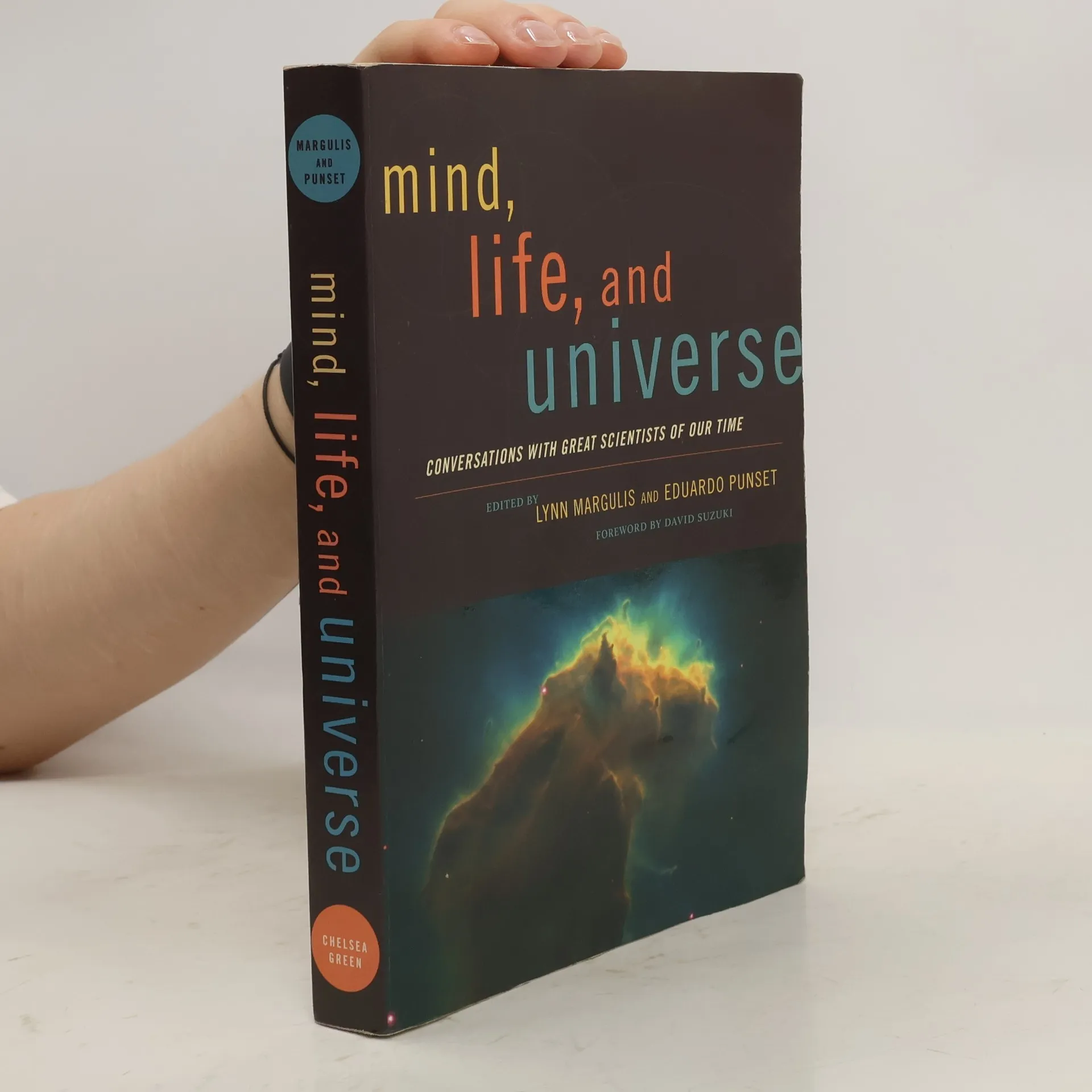
    Mind, Life, and Universe
    Five Kingdoms
    What Is Life?
    Die fünf Reiche der Organismen
    Die andere Evolution
    Geheimnis & Ritual
    • 2023

      The Gaia theory states that on Earth, life interacts with and eventually becomes its own environment. Gaia is a holistic perspective asserting that the Earth is a self-regulating complex system, resonant with the ancient magico-religious understanding that all is one. Innovated by the atmospheric chemist James Lovelock, supported by microbiologist Lynn Margulis and named by novelist William Golding, Gaia states that the temperature and composition of the Earth's atmosphere are actively regulated by the sum of life on the planet, which, seeking a physical and chemical environment optimal for contemporary life, influences the physical attributes of Earth on a planetary scale. In the way that the human mind extends DNA, the atmosphere is an extension of the biosphere: as above, so below. Fusing science, mathematics, philosophy, ecology and mythology, Gaia and Philosophy challenges the anthropocentrism of Western rationalist thought to propose a symbiotic planet. In its striking philosophical conclusion - that the cybernetic control of the Earth's surface by its organisms calls into question the alleged uniqueness of human intelligent consciousness - the revolutionary Gaia paradigm holds important implications not only for understanding life's past but for shaping its future.

      Gaia and Philosophy
    • 2007
    • 2004

      Kniha významnej americkej biologičky je o planetárnom živote a planetárnej evolúcii, ako aj o zmenách našich názorov na tieto dve oblasti. Ak možno hovoriť, že má aj istý podtext, tak je to výskum, konkrétne vedecký výskum, a množstvo zvratov a metód konania, ktoré ho môžu podporovať, alebo naopak, brzdiť.

      Symbiotická planéta: Nový pohľad na evolúciu
    • 2000

      Half a century ago the Austrian physicist and philosopher Erwin Schrodinger inspired a generation of scientists by rephrasing the philosophical question: What is life?. This text revisits this question in a narrative which combines rigorous science with philosophy, history and poetry. schovat popis

      What Is Life?
    • 1999

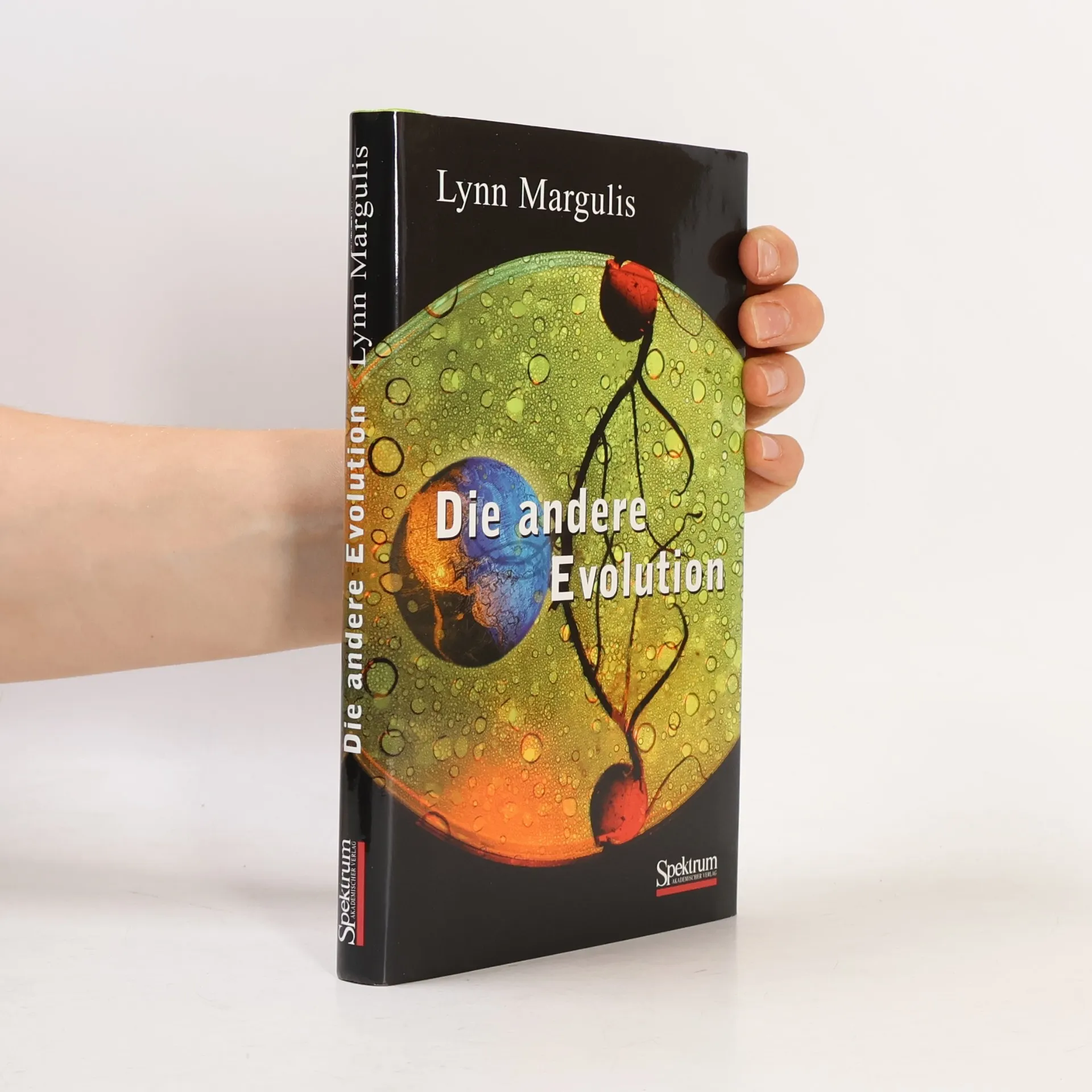
      Die andere Evolution

      • 180 Seiten
      • 7 Lesestunden
      4,0(753)Abgeben

      Obwohl Darwins Evolutionstheorie der modernen Biologie das Fundament gegeben hat, bleibt sie in manchen Aspekten unvollständig. Im „Ursprung der Arten“ wird der Ursprung der Arten nur unzureichend behandelt. Darwin und seine Nachfolger haben überzeugend gezeigt, wie vererbte Variationen der natürlichen Selektion unterliegen, jedoch bleibt die Frage, wie neue Organismentypen entstehen, unbeantwortet. Lynn Margulis argumentiert, dass Symbiose - das Zusammenleben verschiedener Arten in engem Kontakt - entscheidend für evolutionäre Innovationen ist. Sie erklärt die symbiontische Herkunft vieler bedeutender evolutionärer Neuerungen, beginnend bei den Zellen, die aus verschiedenen Bakterienformen entstanden. Sexualität entwickelte sich aus misslungenen Kannibalismusversuchen, die in saisonale Zusammenschlüsse unserer kleinsten Vorfahren mündeten. Alle Lebewesen, die im selben Wasser und in der gleichen Atmosphäre existieren, sind Teil einer symbiontischen Union. Gaia, das komplexe Ökosystem der Erde, ist aus einer symbiotischen Perspektive zu betrachten. Eng verbunden mit dieser alternativen Sicht der Evolution ist Margulis' persönliche Erzählung über ihren Weg in die Wissenschaft, die Bedeutung der Artenklassifikation und die Herausforderungen des wissenschaftlichen Fortschritts durch „akademische Apartheid“. Ein enthusiastisch und autoritär geschriebenes Werk.

      Die andere Evolution
    • 1988

      Five Kingdoms

      • 376 Seiten
      • 14 Lesestunden
      4,4(40)Abgeben

      Offers an illustrated reference to both microbes and macroscopic organisms. Brief essays introduce broad outlines of kingdoms and phyla. Entries on specific organisms give information on appearance, environment, relations to other organisms, and how scientists group them, and include bandw photos and diagrams. An introduction explains classification systems. Includes lists of museums, geological sites, and Web sites, plus a glossary and lists of phyla and genera assigned to phyla. Six sets of 35-mm color transparencies are available. Useful for students of biology at any level. Annotation copyrighted by Book News, Inc., Portland, OR

      Five Kingdoms