Das Grundwissen zum Islam, erklärt von einem renommierten Experten Hatte Mohammed mehrere Frauen? Glauben Muslime an Engel? Und was sagt der Islam zu Homosexualität? Fragen dieser Art haben wir uns alle schon gestellt. Die Antworten darauf gibt uns John L. Esposito in seinem aktuellen Buch. Außergewöhnlich ist der gelungene Aufbau in Form von Frage und Antwort. Über die Geschichte des Islam, seine kulturellen Hintergründe und über die Neuzeit wird klar und deutlich informiert. Ein passender Einstieg für jeden, für den Islam kein Fremdwort bleiben soll.
John Louis Esposito Bücher
19. Mai 1940
Dieser Autor befasst sich mit den komplexen Verbindungen zwischen Islam und internationalen Angelegenheiten, wobei der Schwerpunkt auf dem politischen Islam und seinen globalen Auswirkungen liegt. Seine Arbeit zeichnet sich durch das Engagement aus, Verständnis zu fördern und Brücken zwischen muslimischen und christlichen Gemeinschaften zu bauen. Mit umfassender Expertise zu islamischen Bewegungen auf verschiedenen Kontinenten liefert er aufschlussreiche Analysen, die sowohl für akademische Kreise als auch für die breite Öffentlichkeit wertvoll sind. Er ist eine anerkannte Stimme bei der Förderung des öffentlichen Verständnisses von Religion.

Was Muslime wirklich denken. Der Alltag, die Extremisten, die Wahrheit dazwischen
- 222 Seiten
- 8 Lesestunden
Das Buch beleuchtet die Integration der Mehrheit der Muslime in Deutschland und deren Streben nach Freiheit und wirtschaftlicher Teilhabe, ähnlich wie in Industrienationen. Es basiert auf einer umfassenden Gallup-Studie, die Vorurteile abbaut und einen realistischen Einblick in die Werte und Einstellungen von 1,3 Milliarden Muslime weltweit bietet.
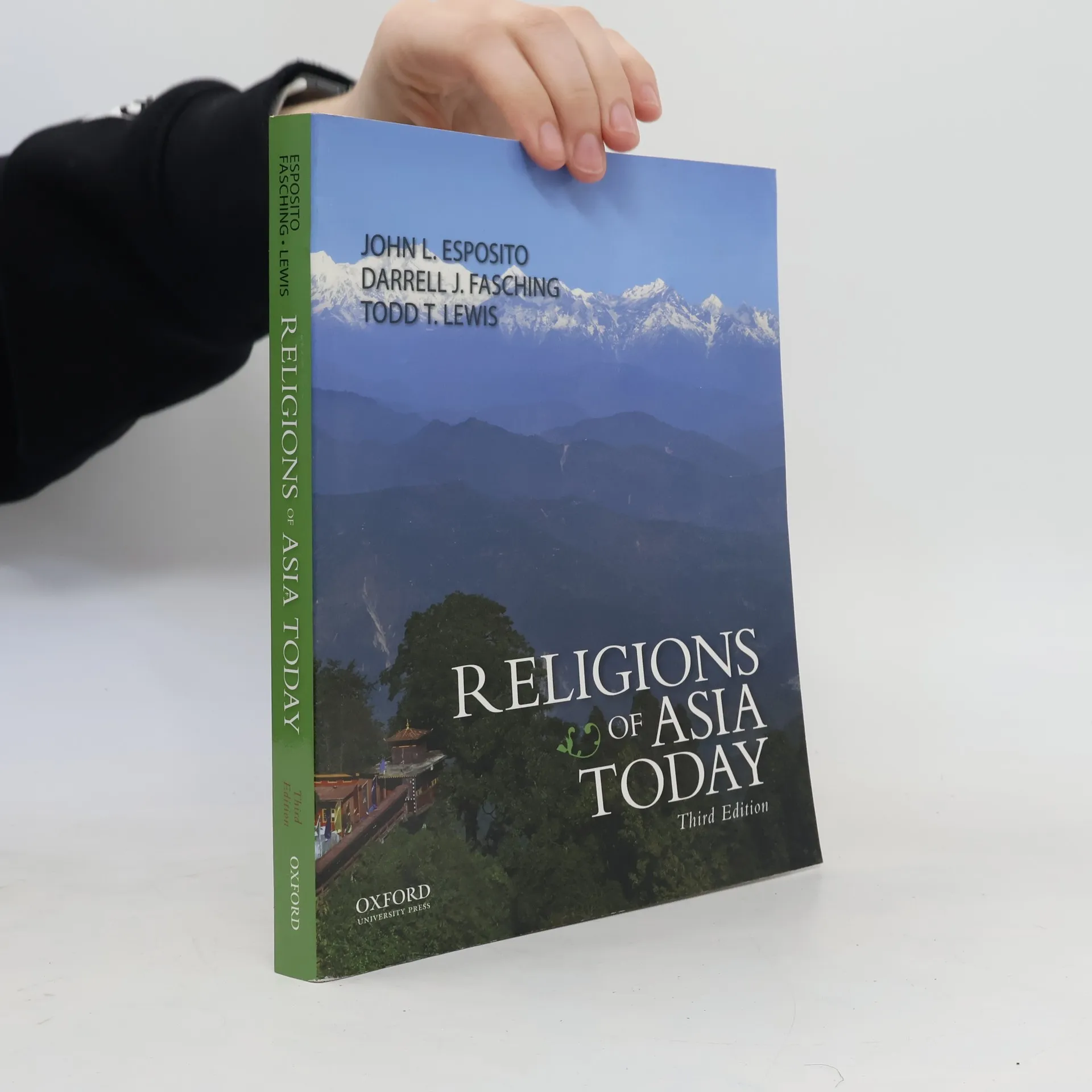
Religions of Asia Today: Third Edition
- 480 Seiten
- 17 Lesestunden
Ideal for courses in Asian/Eastern religions, Religions of Asia Today, Third Edition, covers the same material contained in the authors' longer textbook, World Religions Today, Fifth Edition, while also featuring a unique chapter on Islam in Asia. Revealing the significance of religion in contemporary life, it explores Hinduism, Buddhism, South Asian religions, East Asian religions, indigenous religions, and new religions as dynamic, ongoing forces in the lives of individuals and in the collective experience of modern societies. This unique volume accomplishes two goals: it connects today's religions to their classical beliefs and practices and focuses on how these religions have both radically changed the modern world and been changed by it. The book is enhanced by numerous pedagogical aids--text boxes, timelines, maps, illustrations, discussion questions, a comprehensive glossary of key terms, and suggestions for further reading--and more than 100 photographs. For a wealth of additional teaching and study resources, visit the book's Companion Website. Also available to suit your course needs: World Religions Today, Fifth Edition: 978-0-19-999959-0 Religions of the West Today, Third Edition: 978-0-19-999963-7
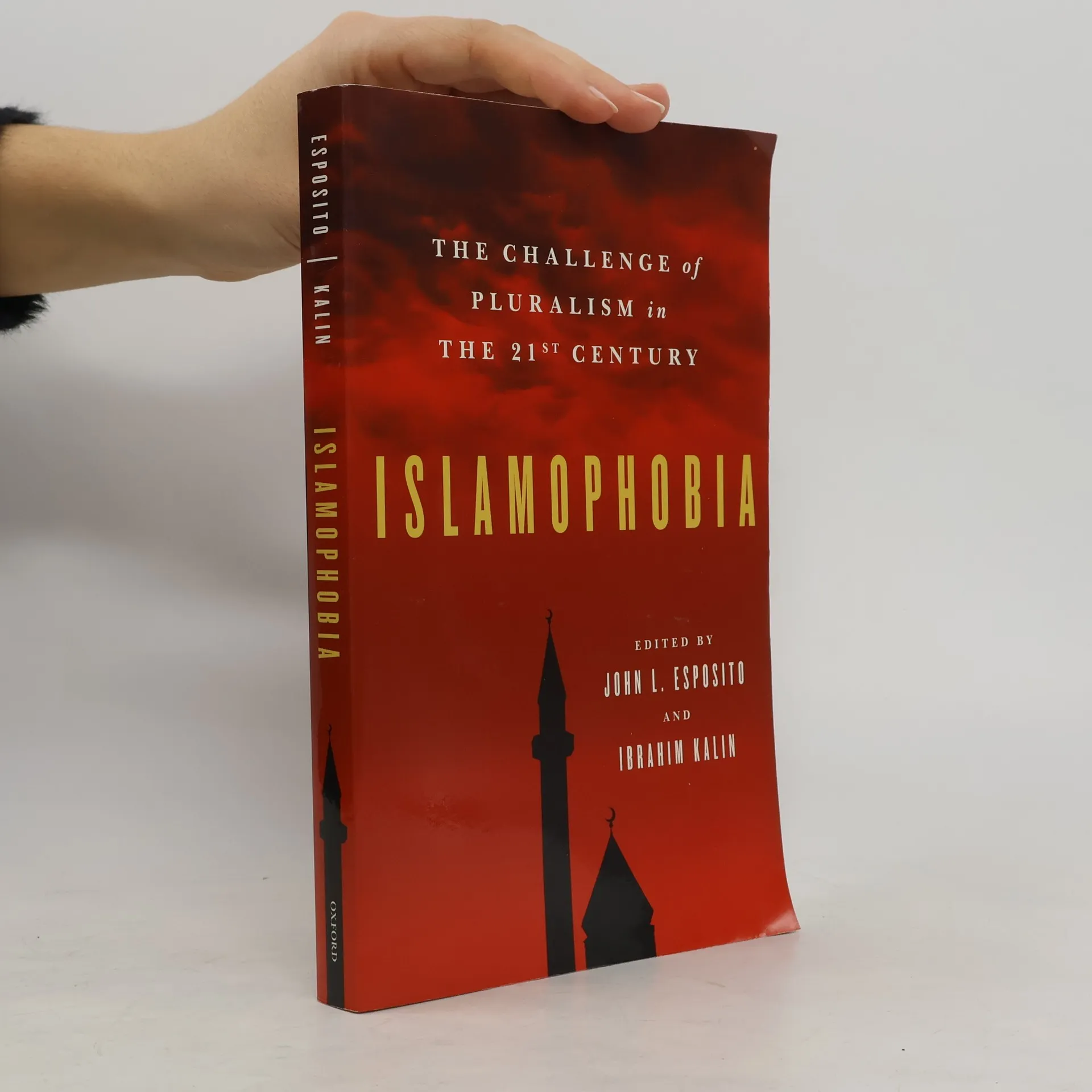
Islamophobia has escalated since September 11, manifesting in discrimination, hate speech, physical attacks, and anti-Muslim campaigns. Events like the 2006 Danish cartoon crisis and Pope Benedict XVI's Regensburg speech highlight critical issues such as image-making, multiculturalism, freedom of expression, respect for religious symbols, and interfaith relations. The 1997 Runnymede Report defines Islamophobia as "dread, hatred, and hostility towards Islam and Muslims," rooted in closed views that perpetuate negative stereotypes. Such acts violate fundamental human rights, manifesting in various forms, including attacks on mosques and Islamic centers, workplace and school discrimination, and public hate speech. This collection of essays adopts a multidisciplinary approach, featuring insights from Muslim, American, and European scholars. It combines analysis with policy recommendations, assessing existing good practices and proposing new strategies to combat discrimination, hatred, and racism. Contributors aim to foster understanding and develop effective responses to the challenges posed by Islamophobia, emphasizing the importance of interfaith dialogue and respect for diversity in addressing these pressing societal issues.
The future of Islam
- 256 Seiten
- 9 Lesestunden
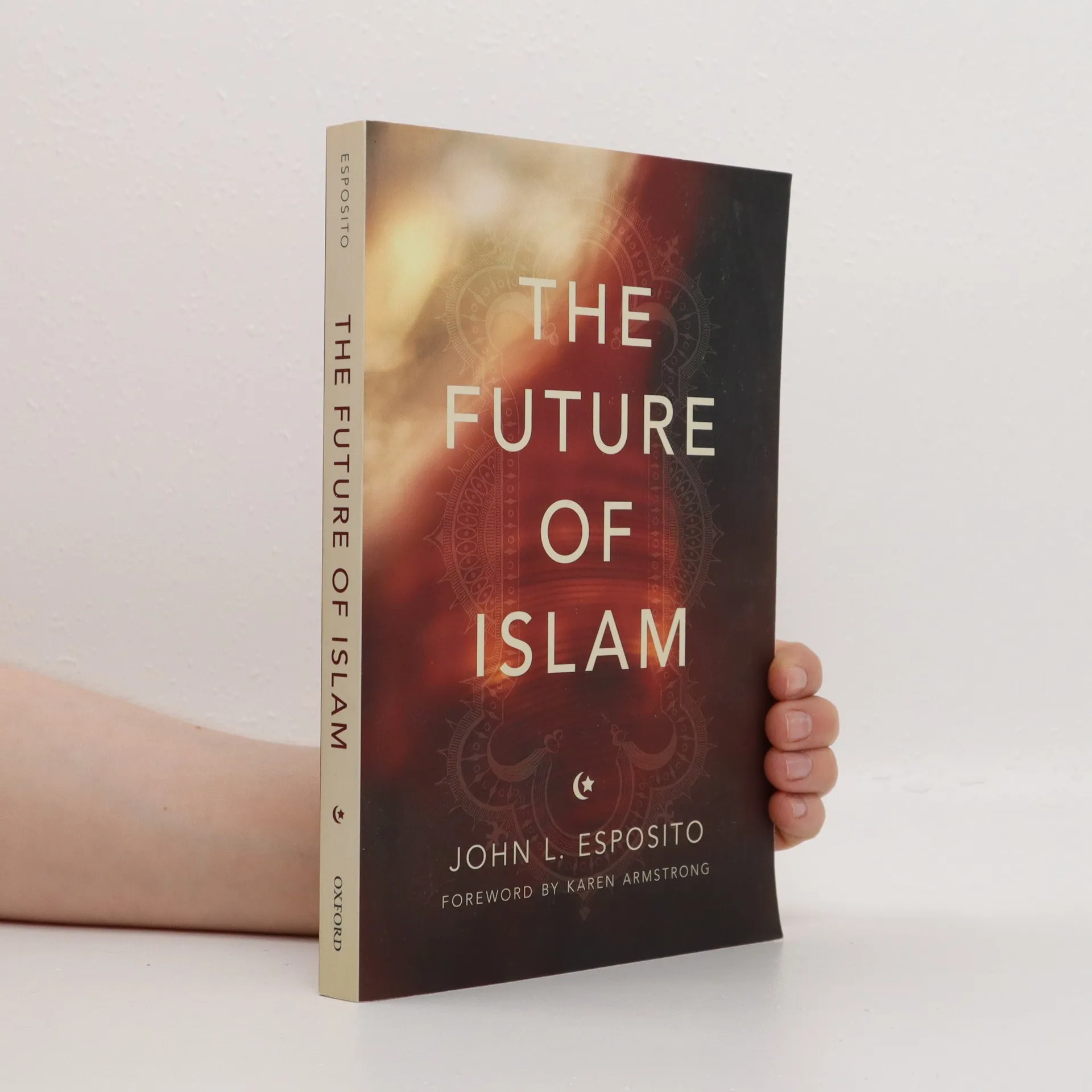
In this brilliant portrait of Islam today—and tomorrow—John L. Esposito draws on a lifetime of thought and research to sweep away the negative stereotypes and provide an accurate, richly nuanced, and revelatory account of the fastest growing religion in the world. Recent decades have brought extraordinary changes in the Muslim world, and in addressing all of these issues, Esposito paints a complex picture of Islam in all its diversity—a picture of urgent importance as we face the challenges of the coming century.
Based on the largest ever study of its kind, this book is the first to present the fascinating findings of the Gallup Poll of the Muslim World.
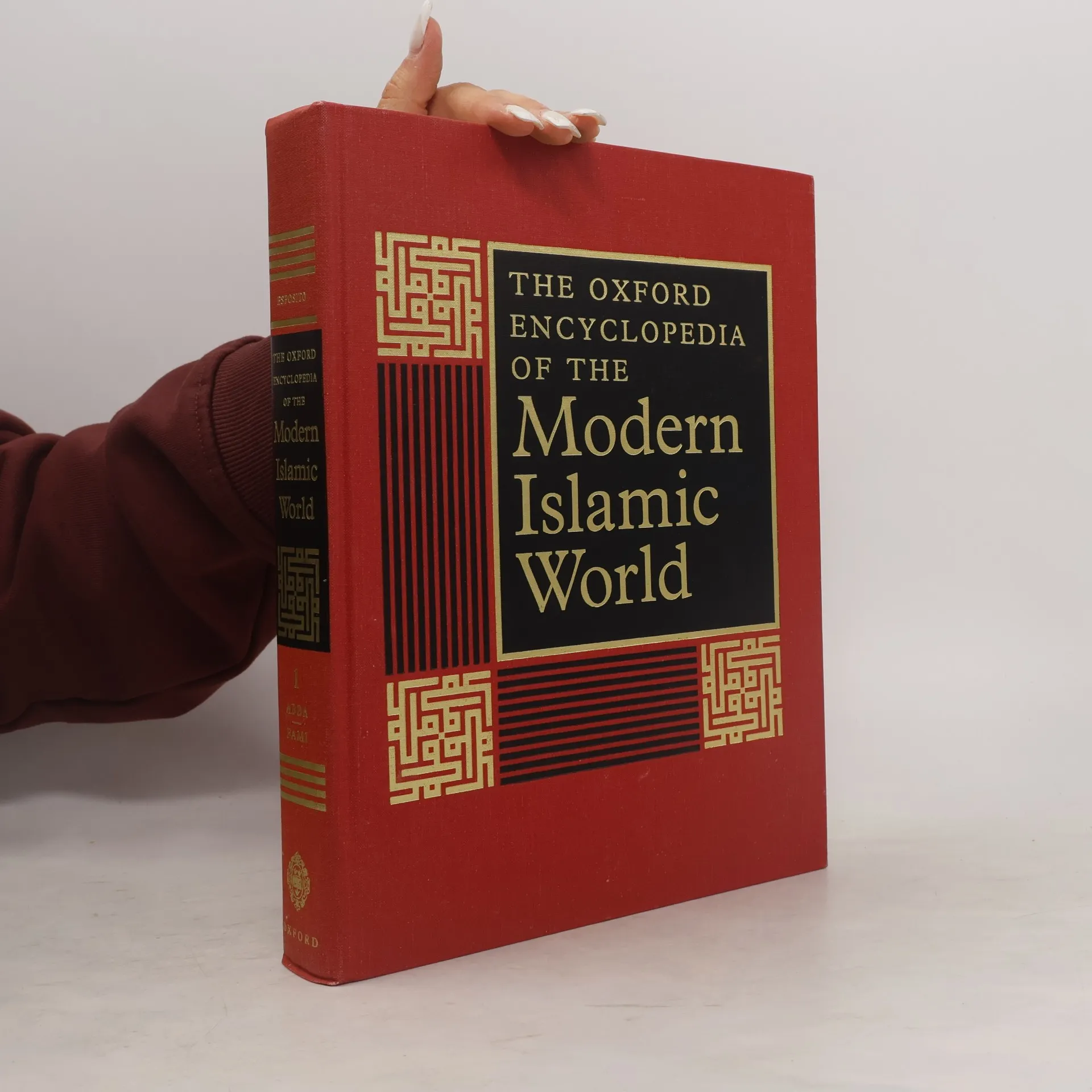
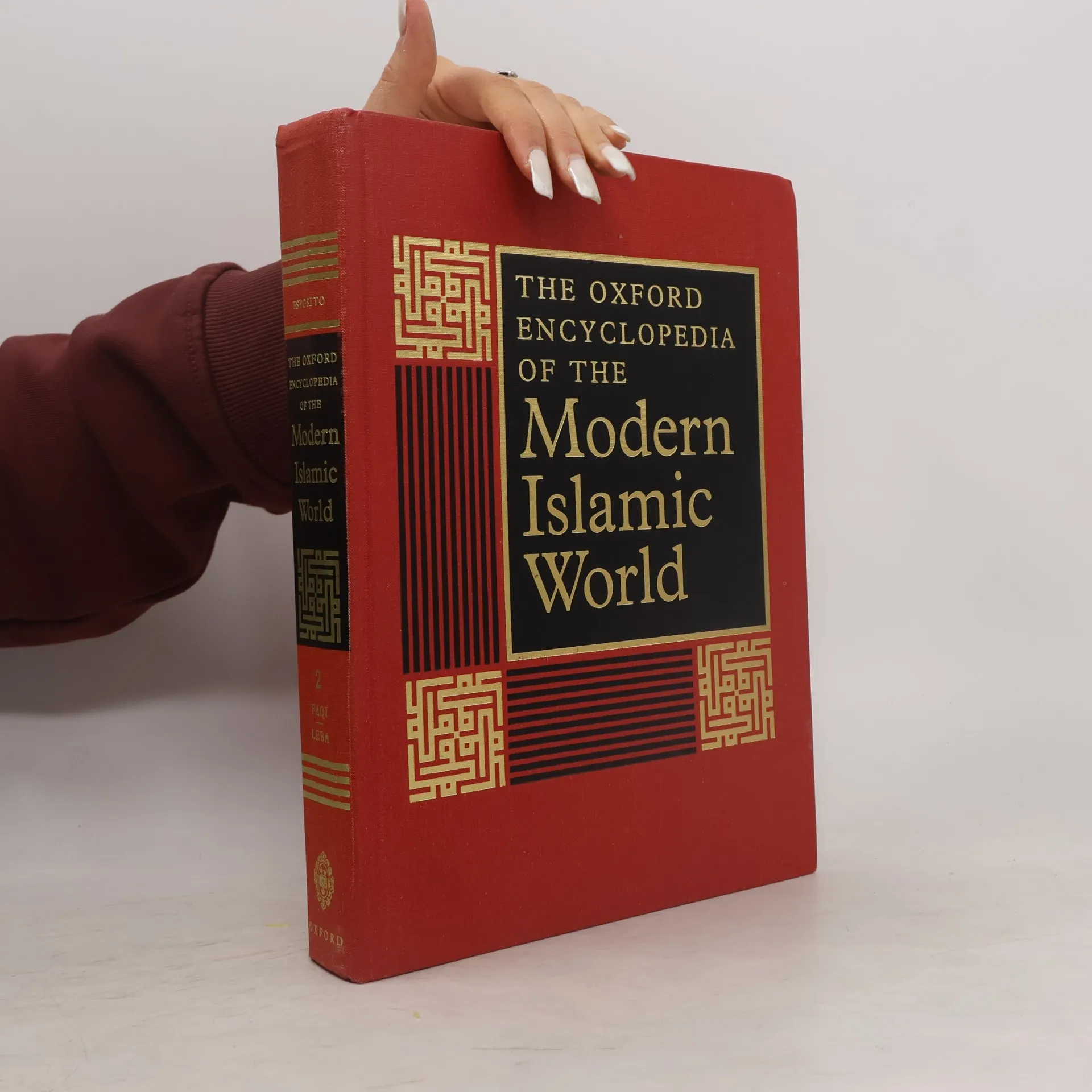
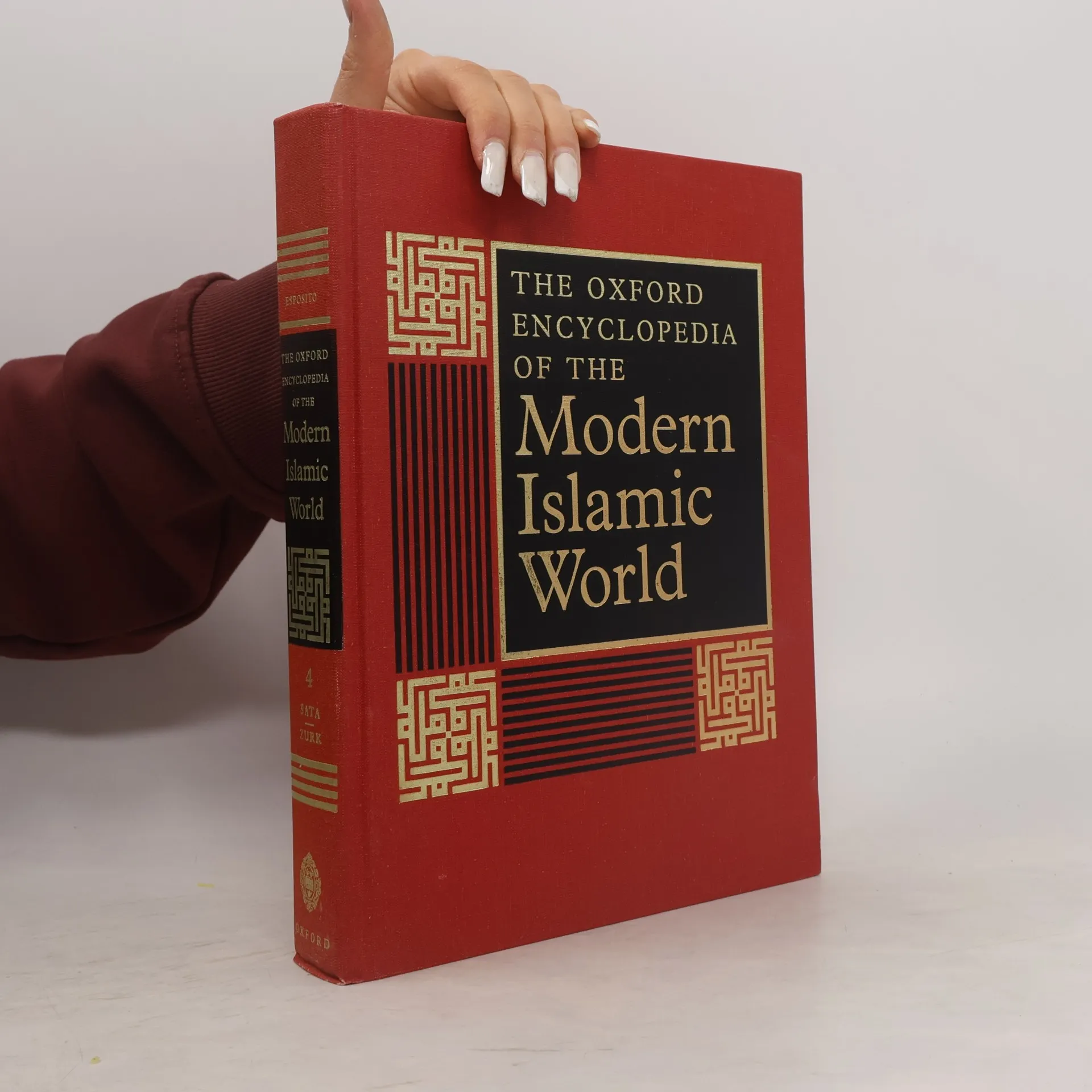
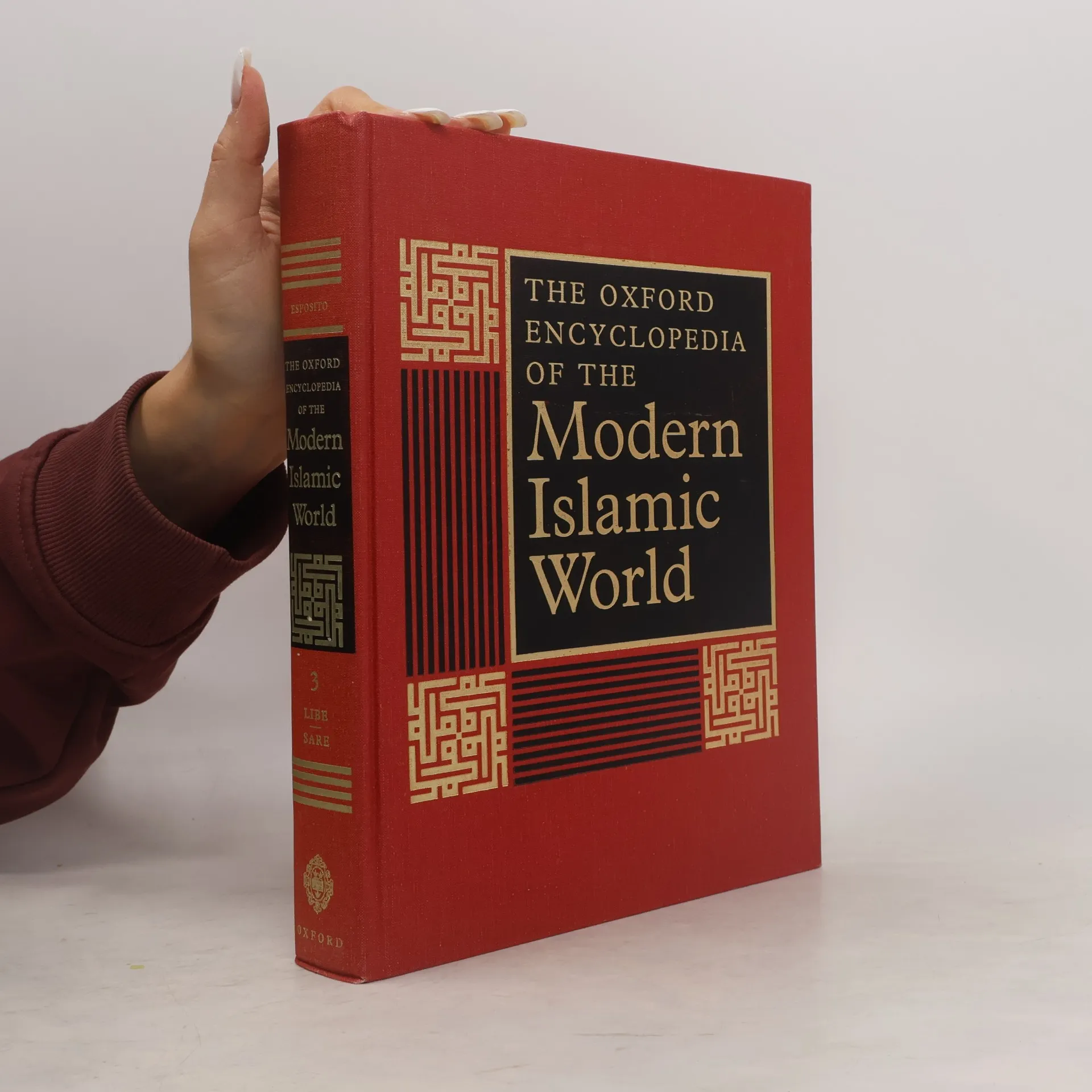
This comprehensive encyclopedia serves as a unique reference on institutions, religion, politics, and culture in Muslim societies worldwide, with a focus on the nineteenth and twentieth centuries. It features over 750 articles across four volumes, covering Muslims in the Arab heartland, South and Southeast Asia, Europe, and the Americas. The Encyclopedia provides extensive comparative analyses of Islamic beliefs, institutions, movements, practices, and peoples on a global scale. Articles are organized alphabetically, ranging from concise 500-word essays to in-depth treatments of topics like the Islamic state, pilgrimage, law, marriage, and foreign relations. It also addresses general interest areas such as social and political movements, women, Muslim minorities, human rights, Islam in the West, and interreligious affairs. Key figures who significantly influenced Islam, including Muhammad, Aga Khan, Malcolm X, Muhammad Iqbal, 'Ali Shari'ati, Ayatollah Khomeini, and Hasan al-Turabi, are explored. This multidisciplinary work reflects contemporary scholarship in Islamic studies, examining the interrelationship of religion, politics, and culture in Muslim societies. Its distinctive focus makes it an invaluable resource for scholars, students, government and media analysts, and anyone seeking to deepen their understanding of Islamic politics and culture.
This comprehensive encyclopedia serves as a unique reference for institutions, religion, politics, and culture in Muslim societies globally, with a focus on the nineteenth and twentieth centuries. It features over 750 articles across four volumes, covering Muslims in the Arab heartland, South and Southeast Asia, Europe, and the Americas. The Encyclopedia provides extensive comparative analyses of Islamic beliefs, institutions, movements, practices, and peoples on an international scale. Articles are alphabetically arranged, ranging from concise 500-word essays to in-depth treatments of topics such as the Islamic state, pilgrimage, law, marriage, and foreign relations. It also addresses general interest areas like social and political movements, women, Muslim minorities, human rights, Islam in the West, and interreligious affairs. Prominent figures who significantly impacted Islam, including Muhammad, Aga Khan, Malcolm X, Muhammad Iqbal, 'Ali Shari 'ati, Ayatollah Khomeini, and Hasan al-Turabi, are explored. This multidisciplinary work reflects contemporary scholarship in Islamic studies, using tools from the humanities and social sciences to examine the interplay of religion, politics, and culture in Muslim societies. It is an invaluable resource for scholars, students, government and media analysts, and anyone seeking to deepen their understanding of Islamic politics and culture.
This comprehensive encyclopedia serves as a unique reference for institutions, religion, politics, and culture in Muslim societies globally, with a focus on the nineteenth and twentieth centuries. It features over 750 articles across four volumes, covering Muslims in the Arab heartland, South and Southeast Asia, Europe, and the Americas. The resource provides extensive comparative analyses of Islamic beliefs, institutions, movements, practices, and peoples on an international scale. Articles are alphabetically arranged, varying from concise 500-word essays to in-depth treatments of topics such as the Islamic state, pilgrimage, law, marriage, and foreign relations. Related entries explore general interest areas including social and political movements, women, Muslim minorities, human rights, Islam in the West, and interreligious relations. The encyclopedia also delves into the lives of influential figures in Islam, such as Muhammad, Aga Khan, Malcolm X, Muhammad Iqbal, 'Ali Shari'ati, Ayatollah Khomeini, and Hasan al-Turabi. This multidisciplinary work reflects contemporary scholarship in Islamic studies, utilizing tools from the humanities and social sciences to examine the interconnections of religion, politics, and culture in Muslim societies, making it an essential reference for scholars, students, analysts, and anyone interested in Islamic politics and culture.
This comprehensive encyclopedia serves as a unique reference for institutions, religion, politics, and culture in Muslim societies globally, with a focus on the nineteenth and twentieth centuries. It features over 750 articles across four volumes, covering Muslims in the Arab heartland, South and Southeast Asia, Europe, and the Americas. The Encyclopedia provides extensive comparative and systematic analyses of Islamic beliefs, institutions, movements, practices, and peoples on an international scale. Articles are alphabetically arranged, varying from brief 500-word essays to in-depth treatments of topics such as the Islamic state, pilgrimage, law, marriage, and foreign relations. Related entries address social and political movements, women, Muslim minorities, human rights, Islam in the West, and interreligious affairs. Influential figures in Islam, including Muhammad, Aga Khan, Malcolm X, Muhammad Iqbal, 'Ali Shari 'ati, Ayatollah Khomeini, and Hasan al-Turabi, are also explored. This multidisciplinary work reflects contemporary scholarship in Islamic studies, examining the interrelationship of religion, politics, and culture in Muslim societies. Its unique focus makes it an invaluable resource for scholars, students, government and media analysts, and anyone interested in understanding Islamic politics and culture.
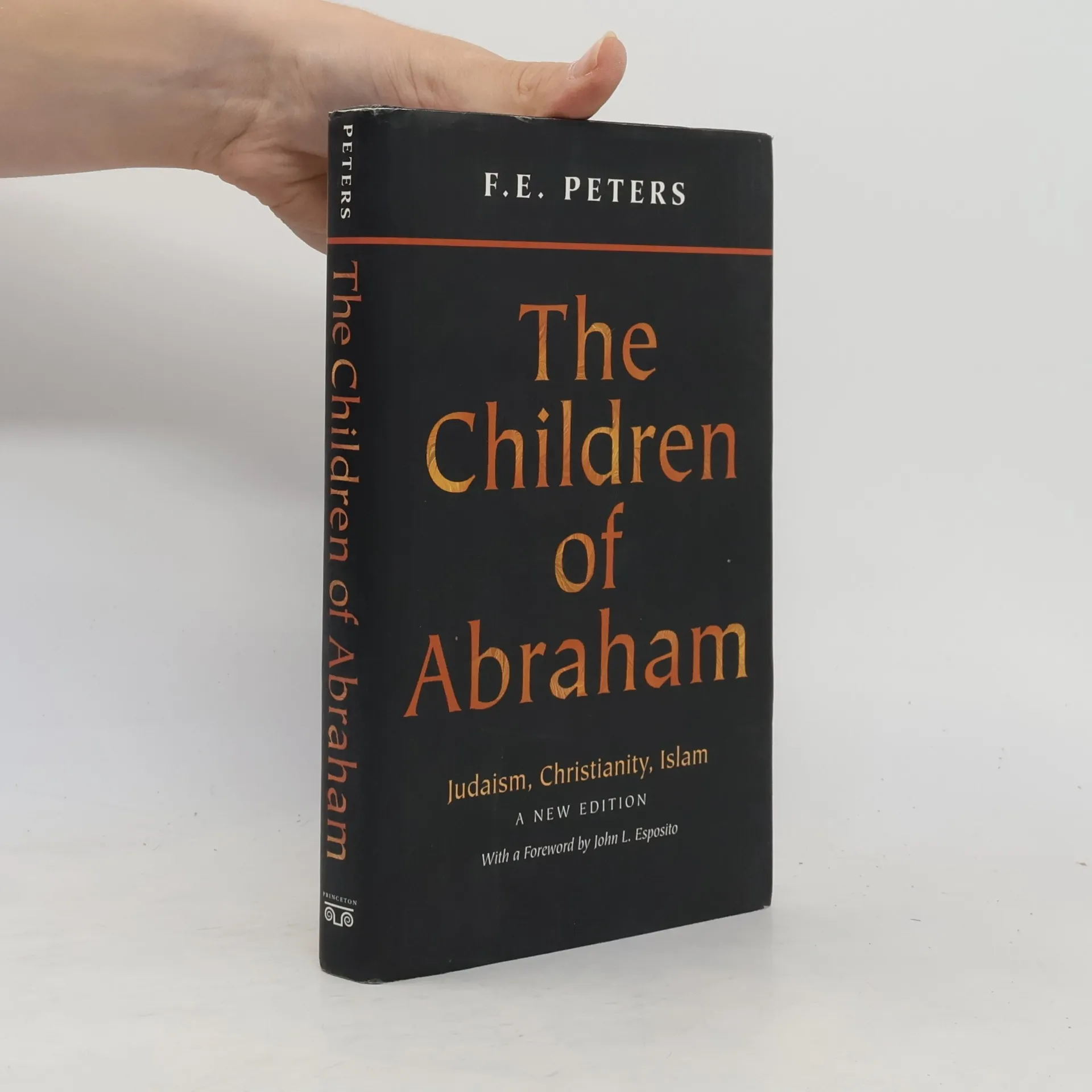
F.E. Peters, a leading scholar in the comparative study of Judaism, Christianity, and Islam, revisits his groundbreaking work after twenty-five years, rethinking and rewriting it for a new generation. His exploration of these three faiths, initiated in the 1970s, predates the contemporary trend of examining Islam alongside Judaism and Christianity. In this updated edition, Peters clearly outlines the similarities and differences among these religious siblings, maintaining the remarkable objectivity characteristic of his scholarship. He traces the evolution of the three faiths from the sixth century B.C., when Jews returned to Palestine from Babylonian exile, through the Middle Ages when they began to take their current forms. Notably, he highlights that all three groups, referred to by Muslims as People of the Book, share significant commonalities, particularly the worship of a God who intervenes in history for His people. The text is direct and accessible, featuring thorough discussions of each religion. Updated footnotes offer expert insights into the complex issues woven throughout this compelling and timely edition, enhancing the reader's understanding of these interconnected traditions.
Are Islam and the West on a collision course? Are Islamic fundamentalists a threat to stability in the Muslim world and to American interests? John Esposito argues that such perceptions stem from a long history of mutual distrust and are overly simplistic. He places the challenge of Islam in critical perspective, exploring its vitality as a global force and its historical relations with the West. Esposito systematically assesses Islamic politics in key nations like Iran, Libya, and Egypt, highlighting the diversity within Islamic movements, from moderates to radicals, and correcting the misconception of a monolithic Islam. He examines the potential challenges posed by Islam in light of events like the Rushdie affair and the Gulf War, as well as the push for democratization in the Muslim world. The book addresses pressing issues facing Islam and the West, including pluralism, human rights, and the status of women and minorities amid Islamic revivalism. Esposito, a leading authority on the Islamic world, has received acclaim in both Muslim nations and the West for his insightful analyses. His work sheds new light on one of the most critical issues in contemporary world politics.
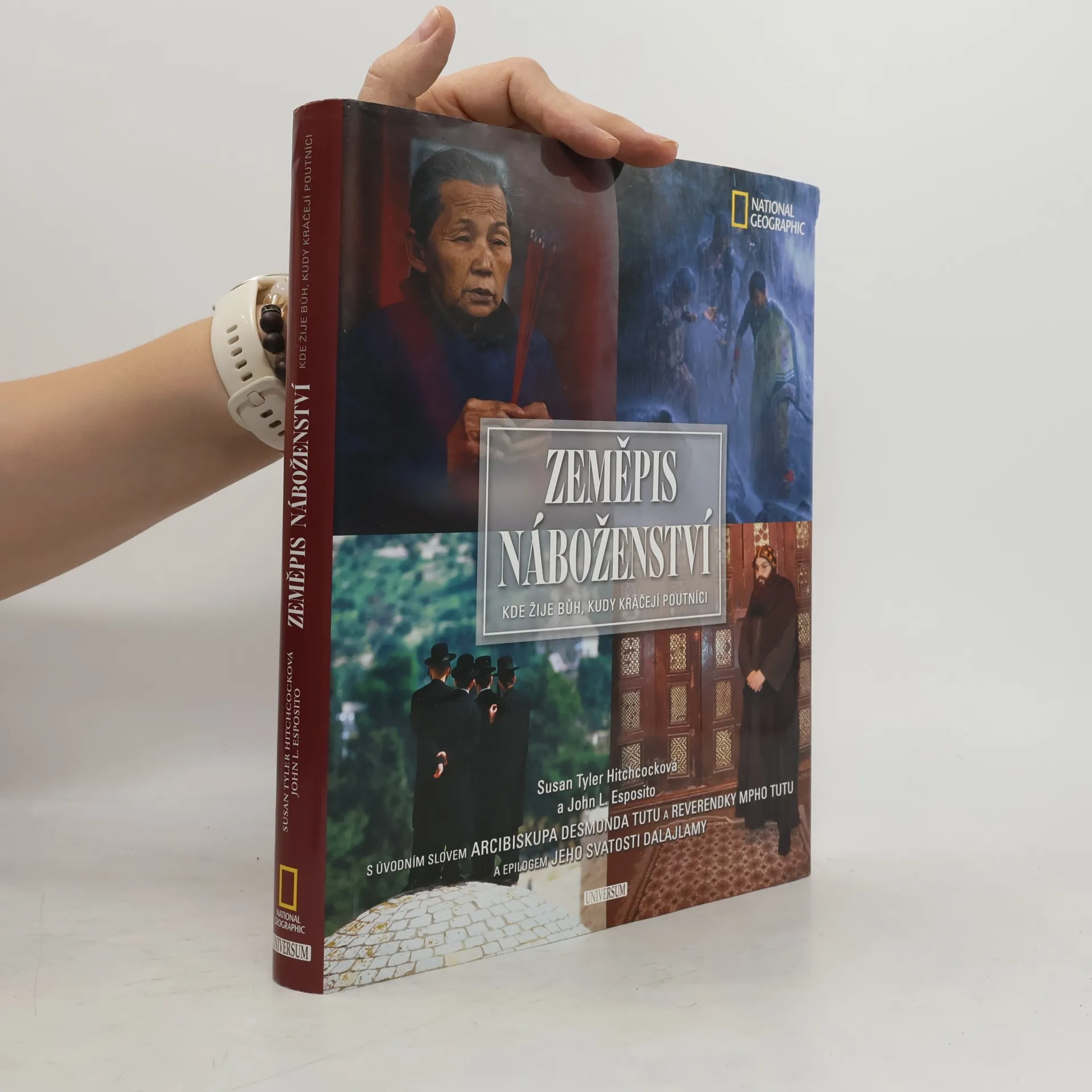
Tato rozsáhlá monografie zkoumá místa zrodu pěti velkých náboženství, sleduje jejich šíření po světě a zabývá se rolí víry v lidských životech a kulturách v uplynulých staletích. Můžeme v ní sledovat zrod hinduismu a buddhismu v Indii, stejně jako osudy tří velkých monoteistických náboženství – judaismu, křesťanství a islámu na Předním východě, a to až do 21. století. Před námi se tak odkryje fascinující historie zbožnosti, od jednoduchých rituálů inspirovaných lidským údivem nad silami přírody, které se během tisíciletého vývoje přetvořily do promyšlených myšlenkových systémů, bohatého písemnictví a složitých tradic.
Islam i izazov demokracije
- 101 Seiten
- 4 Lesestunden