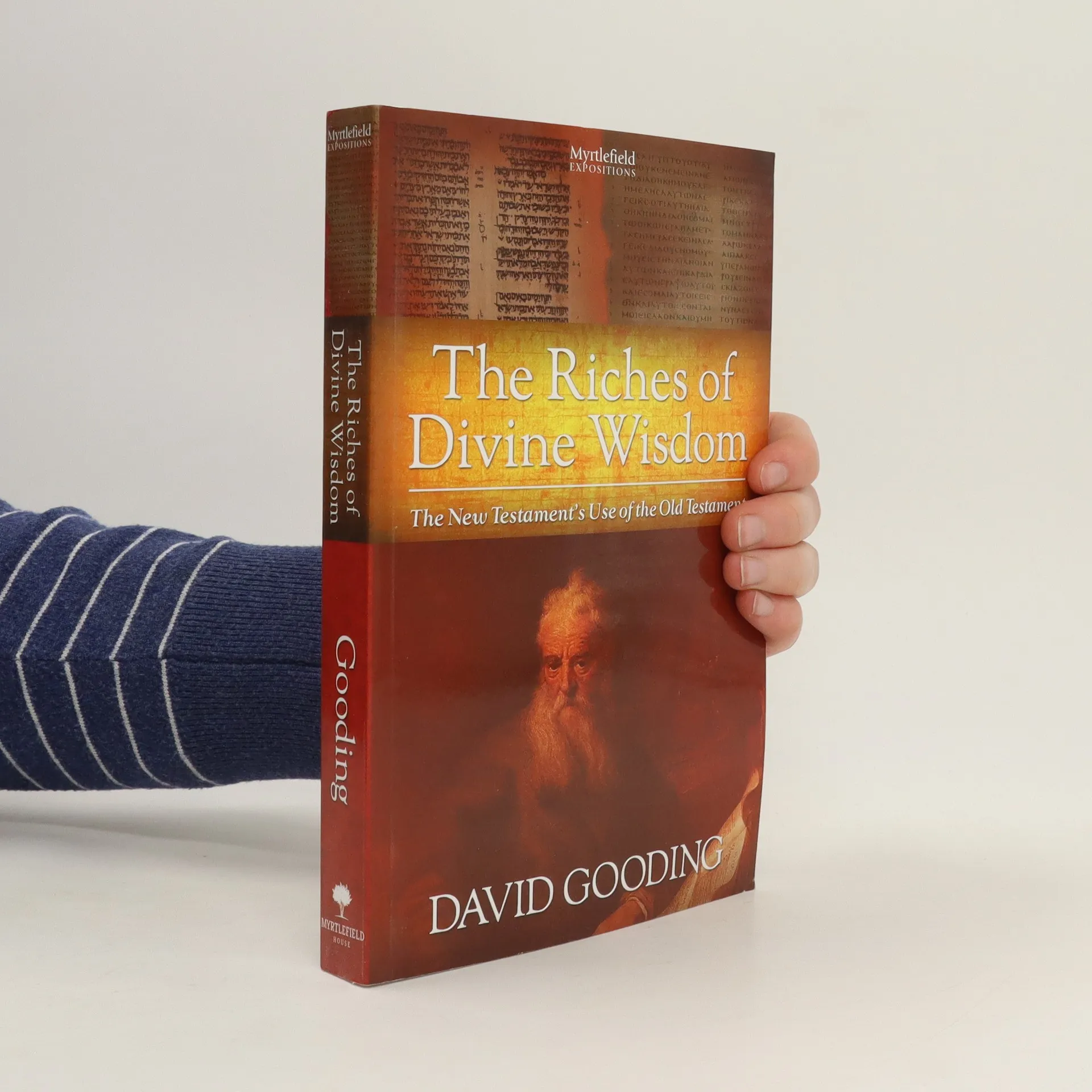
Wie kann ein Buch so weit geschätzt und gleichzeitig umstritten sein? Millionen verehren es, während viele es verspotten, doch oft darf die Bibel nicht für sich selbst sprechen. Schlüsselbegriffe der Bibel untersucht und klärt die zentralen Begriffe des christlichen Evangeliums. Gooding und Lennox bieten prägnante Erklärungen des grundlegenden Vokabulars des christlichen Denkens, um die Bedeutung der Bibel und ihre Relevanz für die Gegenwart zu erschließen. Myrtlefield Encounters sind ergänzende Studien zur biblischen Literatur, christlicher Lehre und Apologetik. Die Bücher dieser Reihe fordern die Gedanken von Gläubigen und Skeptikern heraus. Sie zeigen, wie Gott in der Bibel zu den Realitäten des Lebens, seinen Fragen, Problemen, der Schönheit und dem Potenzial spricht.
David Willoughby Gooding Bücher
David W. Gooding ist emeritierter Professor für Griechisch des Alten Testaments an der Queen's University Belfast und Mitglied der Royal Irish Academy. Sein internationales Lehrministerium zeichnet sich durch frische und sorgfältige Auslegungen beider Testamente aus. Er hat wissenschaftliche Studien zur Septuaginta und zu alttestamentlichen Erzählungen veröffentlicht, ebenso wie Auslegungen von Lukas, Johannes 13-17, Apostelgeschichte und Hebräerbrief. Seine Arbeiten bieten sorgfältige Textanalysen und tiefe theologische Reflexion.







Die Bibel - Mythos oder Wahrheit?
- 61 Seiten
- 3 Lesestunden
Passt die Bibel in die heutige Welt, und ist sie glaubwürdig? Kann man mit ihr als moderner Mensch etwas anfangen? Ist die Person Jesu nur eine Erfindung? Was ist mit seinen Ansprüchen? Bin ich persönlich davon betroffen? Das sind einige der Themen, auf die der Autor in erfrischender Art und mit bestechender Logik eingeht. Professor David Gooding behandelt diese Fragen vor Naturwissenschaftlern an der Universität in Belfast, Irland.
· Bedeutet glauben, dass man den Verstand 'an der Garderobe abgeben' muss? · Hat die moderne Wissenschaft den Glauben an Gott nicht sowieso schon unmöglich gemacht? · Ist ein persönlicher Glaube an Christus intellektuell überhaupt vertretbar? · Oder hat Karl Marx recht, wenn er behauptet, dass 'Religion das Opium des Volkes' sei? Viele nachdenkende Menschen haben Schwierigkeiten, die christliche Botschaft zu akzeptieren. Professor David Gooding (Belfast) und Professor John Lennox (Oxford) stellen sich einigen dieser Schwierigkeiten und zeigen, dass sie überwunden werden können, ohne intellektuell unredlich zu werden.
Ein unerschütterliches Reich
- 216 Seiten
- 8 Lesestunden
Mit Jesus unterwegs im Johannesevangelium
Wie Begegnungen mit dem Sohn Gottes Menschen verändern
- 192 Seiten
- 7 Lesestunden
In der Schule des Meisters
Eine Betrachtung der Lehren Christi über Heiligkeit – Johannes 13–17
- 288 Seiten
- 11 Lesestunden
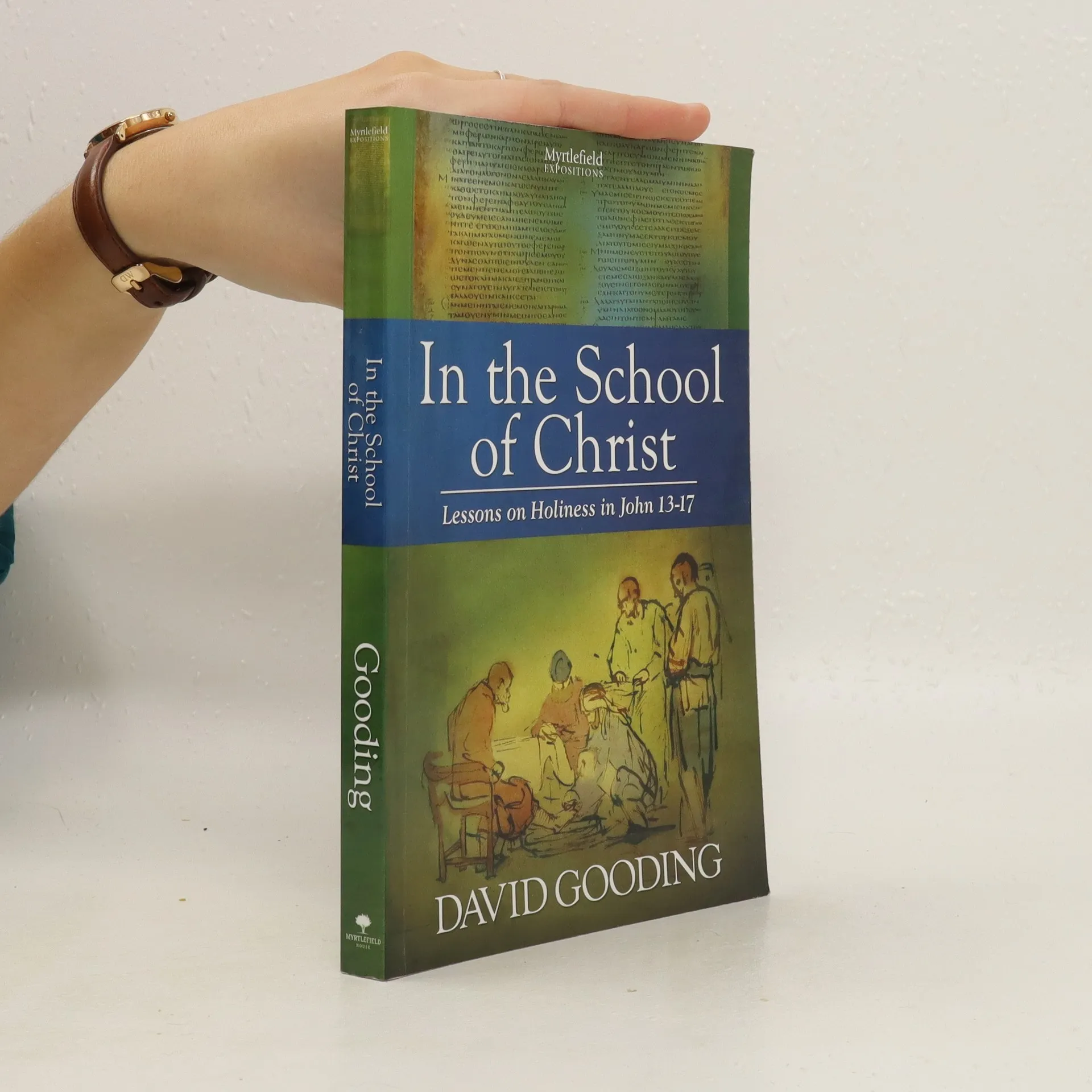
In the School of Christ
- 296 Seiten
- 11 Lesestunden
Just before his execution, Jesus Christ invited his disciples to join him at a borrowed house in Jerusalem to celebrate the Passover. As he faced betrayal, arrest and crucifixion, he taught them about the very heart of the Christian faith, namely, holiness. When the time came to leave the house, he continued his teaching. As they made their way through darkened streets that were filled with hostility to him, he spoke of how he would empower them to be his witnesses in a world that would often hate them too. Jesus was the teacher; the disciples were his pupils. It was the school of Christ. David Gooding's exposition reveals the significance of the lessons Jesus taught inside the upper room (chs. 13-14), their connection to the lessons taught outside in the streets (chs. 15-16) and how both parts of this course on holiness relate to the Teacher's prayer to his Father (ch. 17). With a scholar's care for the text of Scripture, he expounds both the devotional richness and the practical nature of the lessons. He shows that to understand Christ's teaching on holiness is to know his power to change lives.
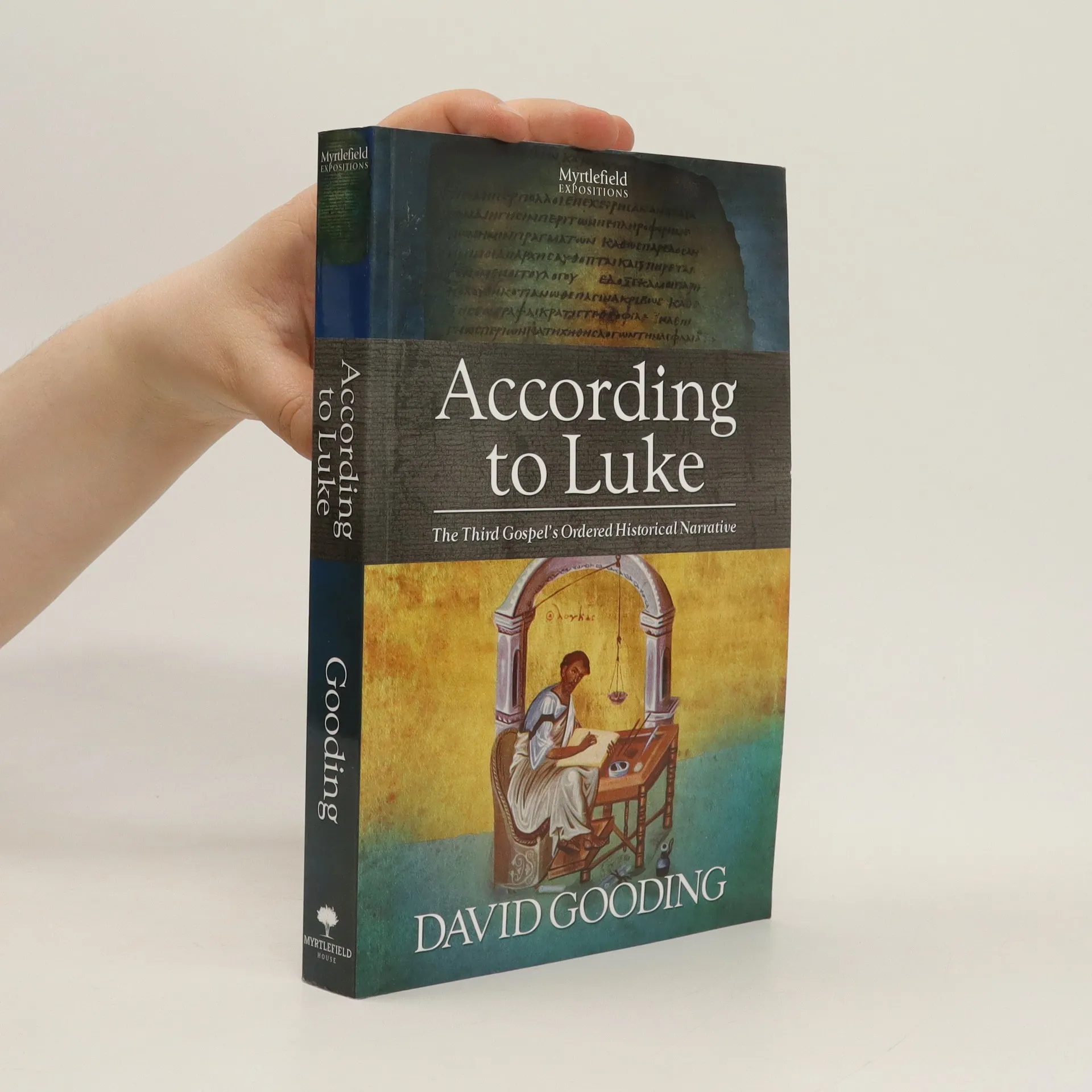
The historical context of Jesus' life is meticulously outlined by Luke, emphasizing its authenticity through specific details like the reign of Emperor Tiberius and the governance of Pontius Pilate. David Gooding explores Luke's dual role as both historian and artist, illustrating how he organizes events to reveal deeper meanings rather than merely listing actions. The Gospel's structure, divided into Christ's coming and return, reflects a purposeful mission. Gooding's insightful analysis offers readers a clearer understanding of Luke's message and its relevance today.
Finding Ultimate Reality
- 258 Seiten
- 10 Lesestunden
We need a coherent picture of our world. Life's realities won't let us ignore its fundamental questions, but with so many opposing views, how will we choose answers that are reliable? In this series of books, David Gooding and John Lennox offer a fair analysis of religious and philosophical attempts to find the truth about the world and our place in it. By listening to the Bible alongside other leading voices, they show that it is not only answering life's biggest questions--it is asking better questions than we ever thought to ask. In Book 2 - Finding Ultimate Reality, they remind us that the authority behind ethics cannot be separated from the truth about ultimate reality. Is there a Creator who stands behind his moral law? Are we the product of amoral forces, left to create moral consensus? Gooding and Lennox compare ultimate reality as understood in: Indian Pantheistic Monism, Greek Philosophy and Mysticism, Naturalism and Atheism, and Christian Theism.
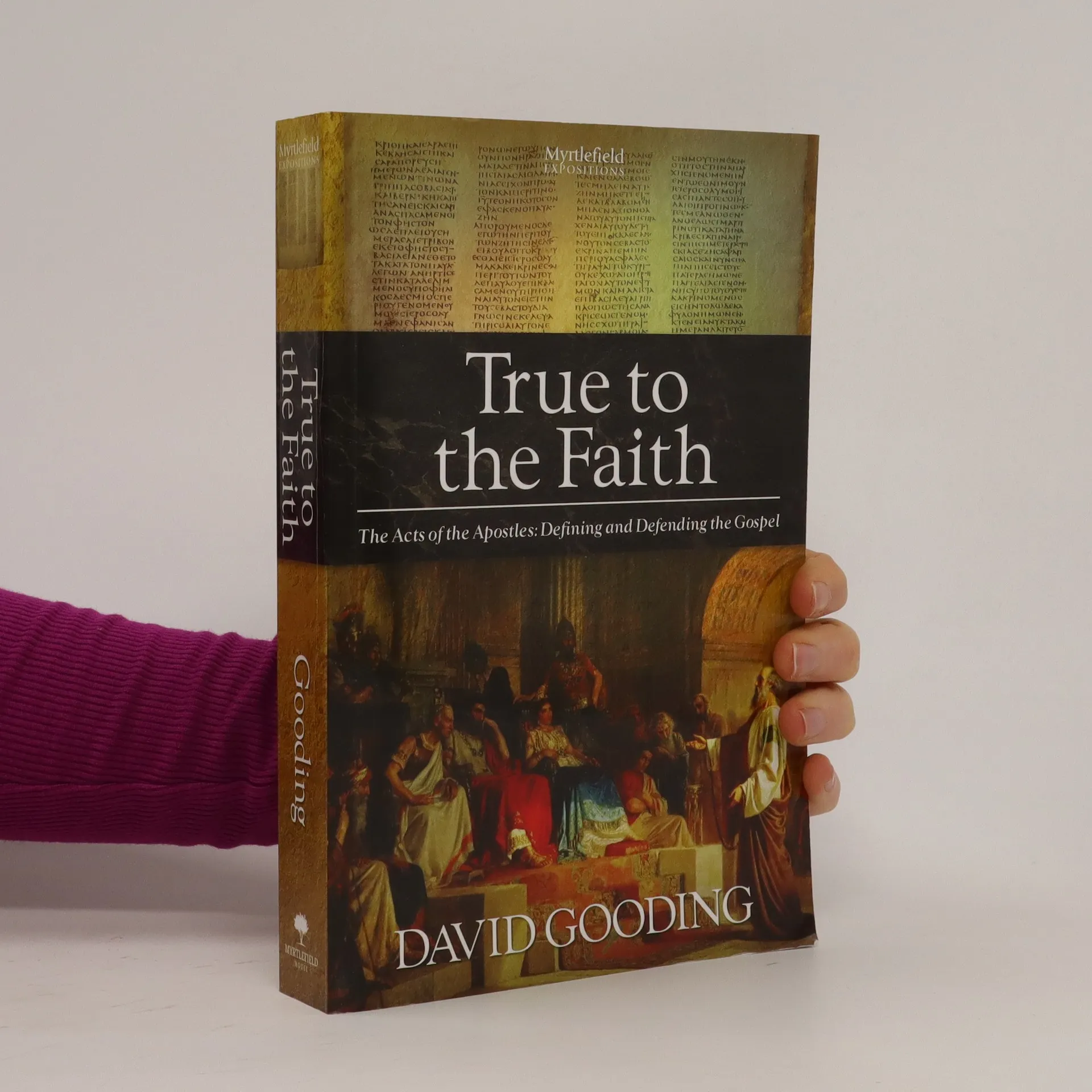
In a vivid and original study of the book of Acts, David Gooding brings to life the world of the early church and leaves the reader with a clear vision of what it really means to be true to the faith.
Gooding and Lennox acknowledge the problem with believing in a wise, loving and just God who doesn't stop natural disasters or human cruelty. Why does he permit diseases, human trafficking and genocide? Is he unable to do anything? Does he not care? They offer answers based on the Creator's purpose for the human race, and his entry into creation.
Being Truly Human
- 368 Seiten
- 13 Lesestunden
We need a coherent picture of our world. Life’s realities won’t let us ignore its fundamental questions, but with so many opposing views, how will we choose answers that are reliable? In this series of books, David Gooding and John Lennox offer a fair analysis of religious and philosophical attempts to find the truth about the world and our place in it. By listening to the Bible alongside other leading voices, they show that it is not only answering life’s biggest questions—it is asking better questions than we ever thought to ask. In Book 1 – Being Truly Human, Gooding and Lennox address issues surround¬ing the value of humans. They consider the nature and basis of morality, compare what morality means in different systems, and assess the dangerous way freedom is often devalued. What should guide our use of power? What should limit our choices? And to what extent can our choices keep us from fulfilling our potential?
Wir brauchen ein kohärentes Bild von unserer Welt. Die Realitäten des Lebens lassen uns die grundlegenden Fragen nicht ignorieren, aber bei so vielen gegensätzlichen Ansichten, wie wählen wir zuverlässige Antworten aus? In dieser Buchreihe bieten David Gooding und John Lennox eine faire Analyse religiöser und philosophischer Versuche, die Wahrheit über die Welt und unseren Platz darin zu finden. Indem sie die Bibel neben anderen führenden Stimmen hören, zeigen sie, dass sie nicht nur die größten Fragen des Lebens beantwortet, sondern auch bessere Fragen stellt, als wir je zu stellen dachten. In Buch 3 - Unser Wissen hinterfragen, diskutieren Gooding und Lennox, wie wir wissen könnten, ob eine dieser konkurrierenden Weltanschauungen wahr ist. Was ist Wahrheit überhaupt, und ist sie absolut? Wie würden wir Wahrheit erkennen, wenn wir ihr begegnen? Unter diesen Fragen liegt eine weitere, die Wissenschaft, Philosophie, Ethik, Literatur und unser tägliches Leben betrifft: Wie wissen wir überhaupt etwas?
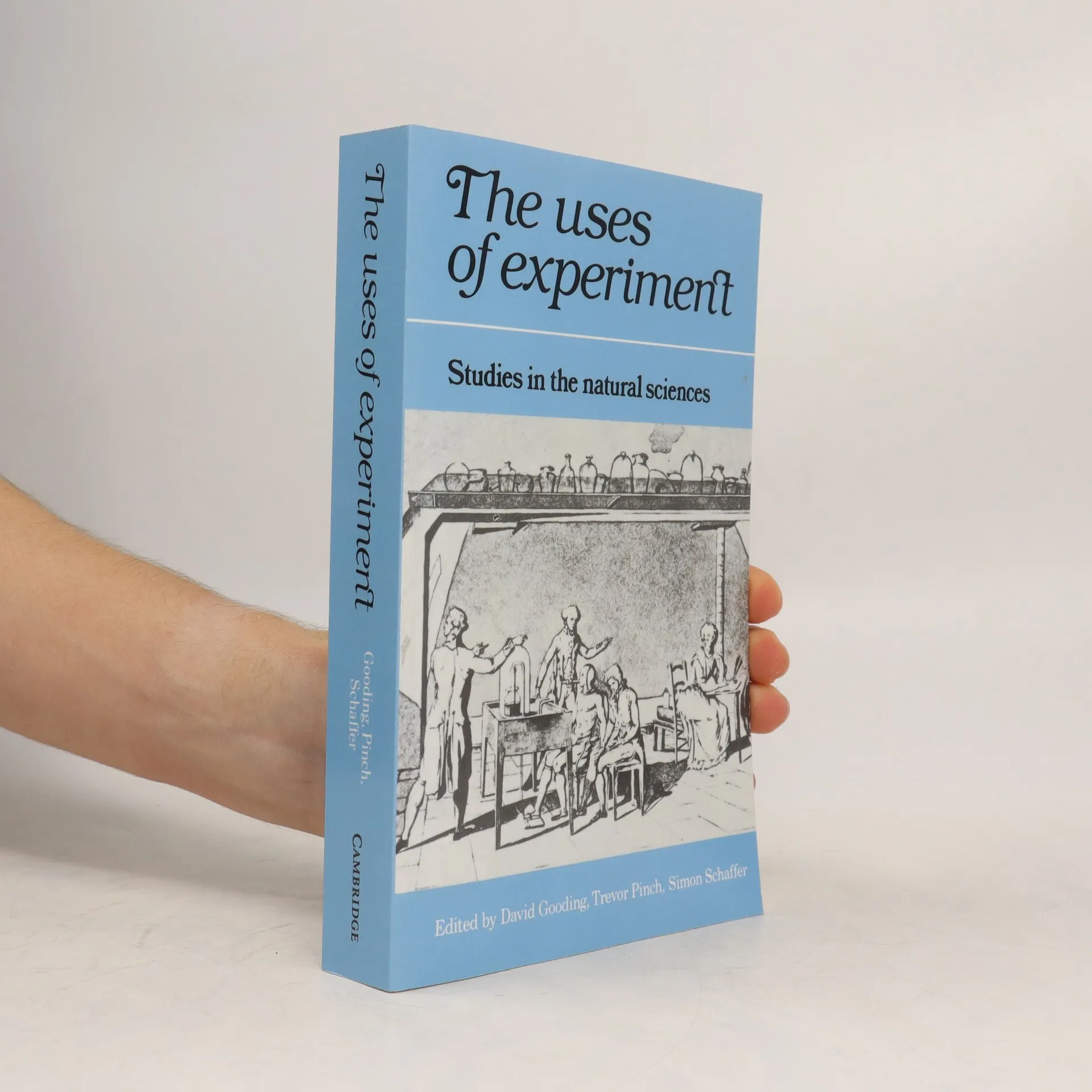
The Uses of Experiment
- 508 Seiten
- 18 Lesestunden
Renowned scholars in history, sociology, philosophy and anthropology consider seventeenth and twentieth century weapon testing, particle physics, biology and other topics in an account of important and often famous experiments.
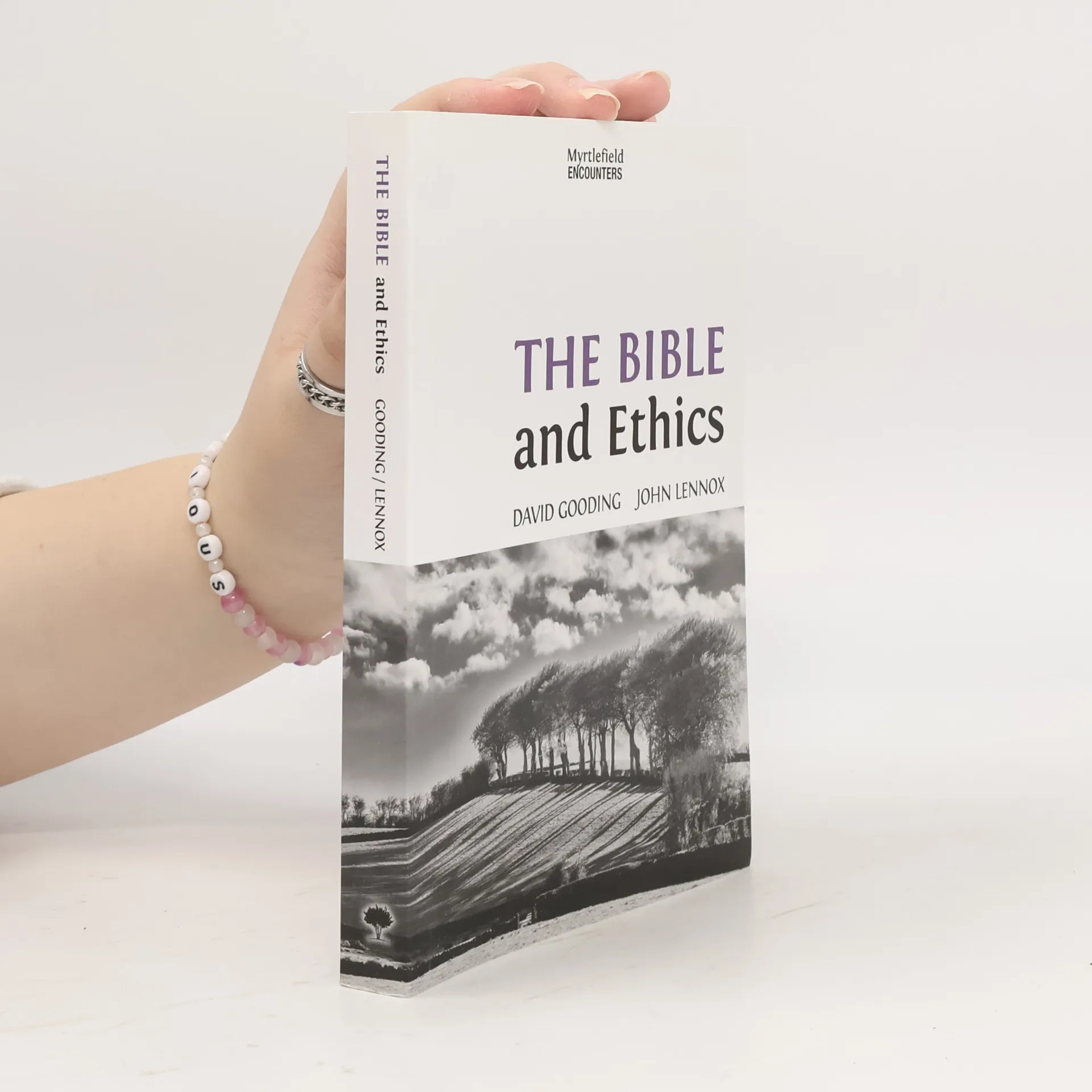
The Bible and Ethics: Finding the Moral Foundations of the Christian Faith
- 402 Seiten
- 15 Lesestunden
Why should we tell the truth or value a human life? Why should we not treat others in any way we like? Some say the Bible is the last place to find answers to such questions, but even its critics recognize the magnificence of Jesus' ethical teaching. To understand the ethics of Jesus we need to understand the values and beliefs on which they are based. Gooding and Lennox take us on a journey through the Bible and give us a concise survey of its leading events and people, ideas, poetry, moral values and ethics to bring into focus the ultimate significance of what Jesus taught about right and wrong.
Gooding and Lennox present ethical theories that claim to hold the basic principles everyone should follow. They compare the insights and potential weaknesses of each system by asking: what is its authority, its goal, its rules, and its guidance for life? They evaluate why even the best theories have proven to be impossible to follow consistently.
Claiming to Answer
- 278 Seiten
- 10 Lesestunden
It is not enough to have an ethical theory telling us what standards we ought to live by. We often fail in our duties and do what we know is wrong. How can we overcome this weakness? Many religions claim to be able to help, but is the hope they offer true? Gooding and Lennox state why the claims of Jesus are valid and the help he offers is real.
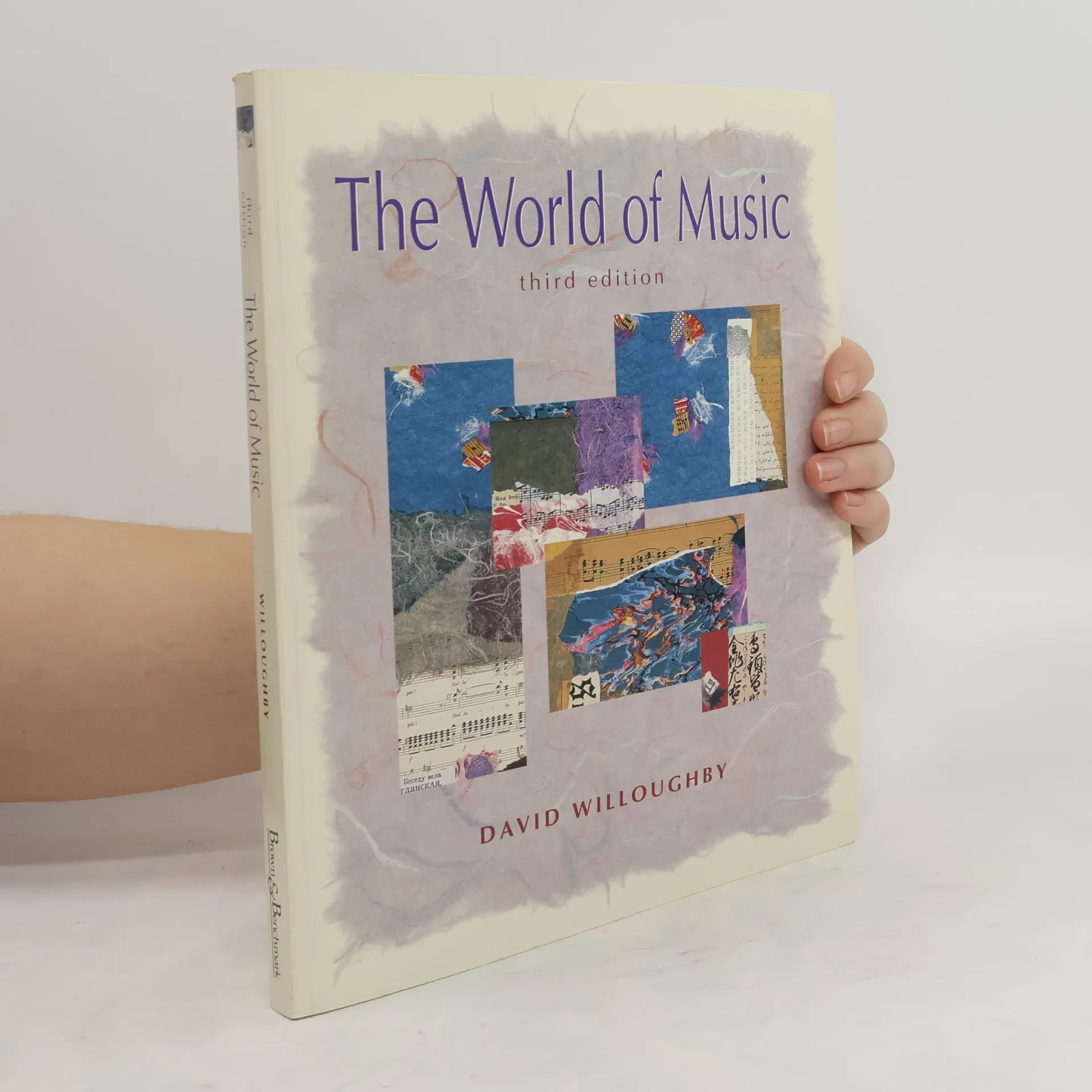
The third edition of this text provides a study of music appreciation that utilizes music of the classical, folk, pop and jazz traditions to build the reader's listening skills. It aims to prepare the reader for a wide variety of listening experiences.
Myrtlefield Encounters - 4: The Bible and Ethics
- 400 Seiten
- 14 Lesestunden
Why should we tell the truth or value a human life? Why should we not treat others in any way we like? Some say the Bible is the last place to find answers to such questions, but even its critics recognize the magnificence of Jesus’ ethical teaching. To understand the ethics of Jesus we need to understand the values and beliefs on which they are based. Gooding and Lennox take us on a journey through the Bible and give us a concise survey of its leading events and people, ideas, poetry, moral values and ethics to bring into focus the ultimate significance of what Jesus taught about right and wrong.
Krisztus iskolájában
- 229 Seiten
- 9 Lesestunden
Христианство
- 159 Seiten
- 6 Lesestunden
Křesťanství - opium, nebo pravda?
- 160 Seiten
- 6 Lesestunden
Existuje Bůh? Univerzitní profesoři, jeden matematik, druhý klasický řečtinář, zaujmou jednoduchostí argumentace, proč křesťanství. „Jak může dobrý a všemocný Bůh dopouštět utrpení?“ „Jak můžeš věřit v jedinou pravdu, když je tu mnoho dalších náboženství?“ nebo na názory „Víra dusí vědu.“ „Bible je kniha kterou využívá církev k manipulování lidí.“