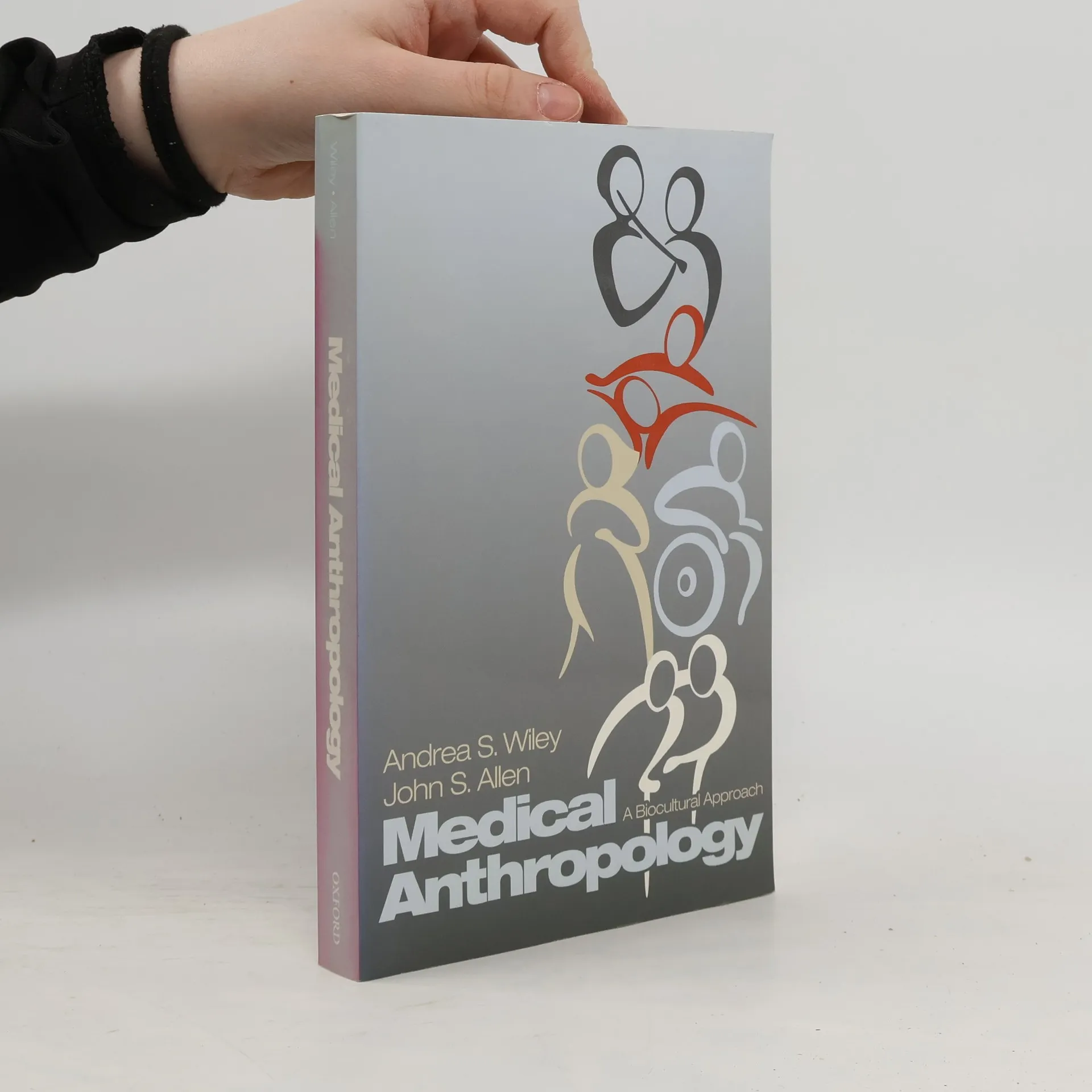
Medical anthropology seeks to understand human health and illness through diverse perspectives. This core text provides an accessible overview of the field, focusing on a Biocultural approach that examines the interplay of biology, culture, health, and environment in addressing major health issues across societies. Authors Andrea S. Wiley and John S. Allen integrate contemporary biological data with analyses of evolutionary theory and sociocultural conditions that pose challenges to health and survival. The text begins with essential biological information on specific health conditions, then expands to include evolutionary, historical, sociocultural, and political-economic perspectives. Topics include healers and healing, health and nutrition, child development, reproductive health, aging, infectious and behavioral diseases, stress, social inequality, race, and mental illness. Each chapter presents case studies and examples—both current and historical, local and global—that illustrate how a medical anthropological perspective can illuminate health conditions. The text is enhanced with tables, figures, review and critical thinking questions, suggestions for ethnographies, and a glossary to aid student comprehension. The authors emphasize the application of a biocultural approach to enhance prevention and treatment efforts, showcasing the potential of medical anthropology to improve global health outcomes.
Andrea S. Wiley Reihenfolge der Bücher (Chronologisch)