This little volume gathers together the finest treasures of the Museum of Fine Arts, Boston, one of the oldest museums in America and one of the greatest encyclopedic museums in the world.Founded in 1870, the museum features Classical antiquities of exquisite beauty, rare and beautiful Egyptian works, Asian holdings unrivaled in the West, and an outstanding French Impressionist and Post-Impressionist collection. With notable examples of contemporary art and photography, and many of the most important works of American decorative arts, including an unsurpassed Revere silver collection, this tiny yet comprehensive book offers a visual feast of world art.
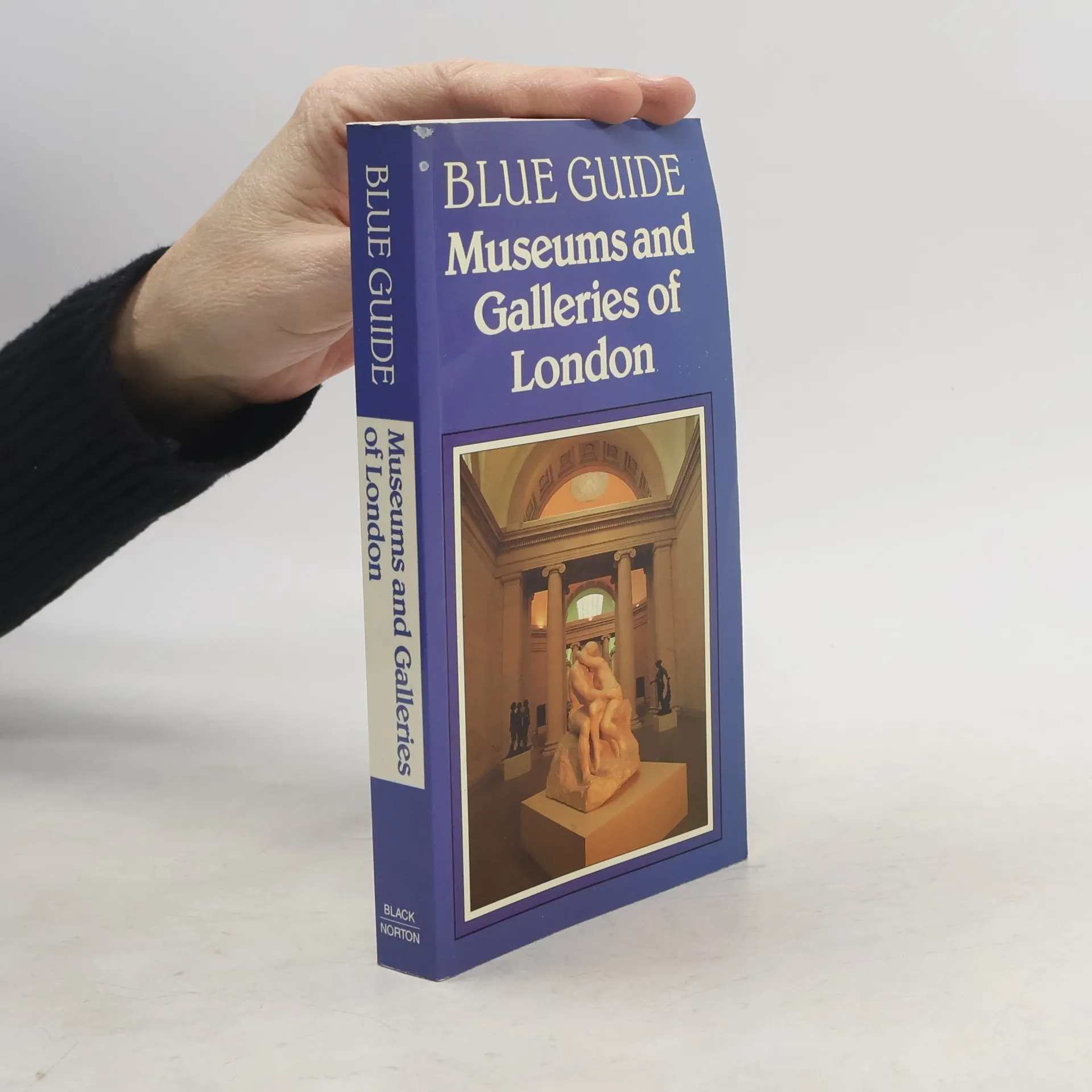
Provides descriptions of more than 160 museums, art galleries, palaces and great houses in London. The guide also details travel information, opening times, publications and facilities, including access for disabled visitors. Among the new entries is the Museum of the Moving Image.
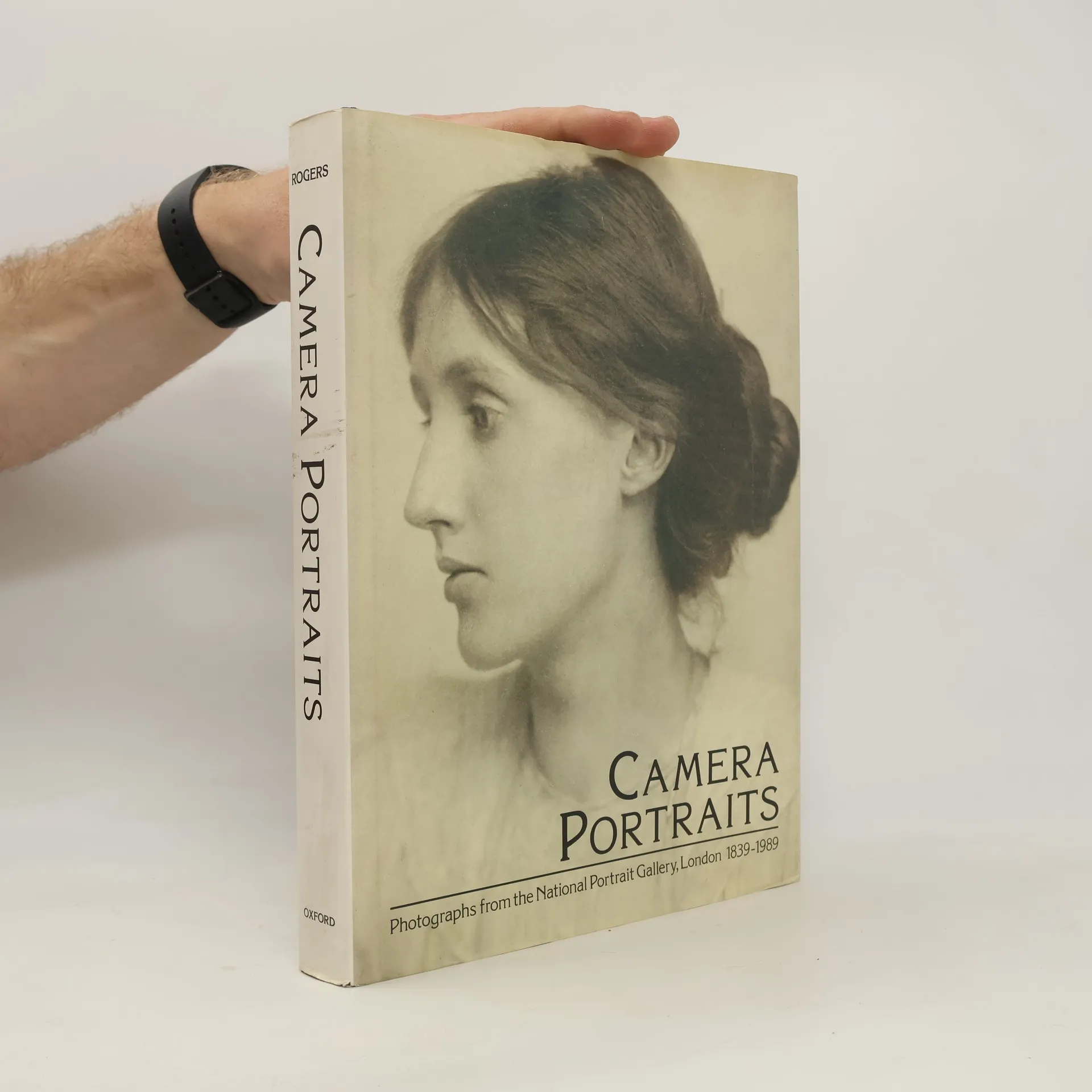
Photographs from the National Portrait Gallery, London, 1839-1989
320 Seiten
12 Lesestunden
This exquisitely reproduced album, drawn from the National Portrait Gallery in London, features 150 prominent figures from Britain's past and present, marking the 150th anniversary of photography's invention. The collection offers an engaging survey of photography's evolution from early daguerreotypes, while presenting a fascinating pictorial Who's Who of British culture, spanning from Queen Victoria to Princess Diana.
With a preface by Alan Fern, Director of the National Portrait Gallery in Washington, D.C., this volume showcases an unprecedented array of portraits. It includes major literary figures like Charles Dickens, Virginia Woolf, and T.S. Eliot; scientists such as Michael Faraday and Charles Darwin; influential thinkers like Bertrand Russell; political leaders including Winston Churchill; artists like James Whistler and David Hockney; and entertainment icons from Lillie Langtry to the Beatles.
The photographers themselves are also highlighted, featuring masters such as Julia Margaret Cameron, Lewis Carroll, and Cecil Beaton. Each portrait is accompanied by informative commentary from Rogers, offering capsule biographies filled with amusing anecdotes, such as Florence Nightingale's humorous take on her own portrait. Ultimately, the book's true appeal lies in the experience of turning page after page, encountering figures from Britain's past, captured forever in time.