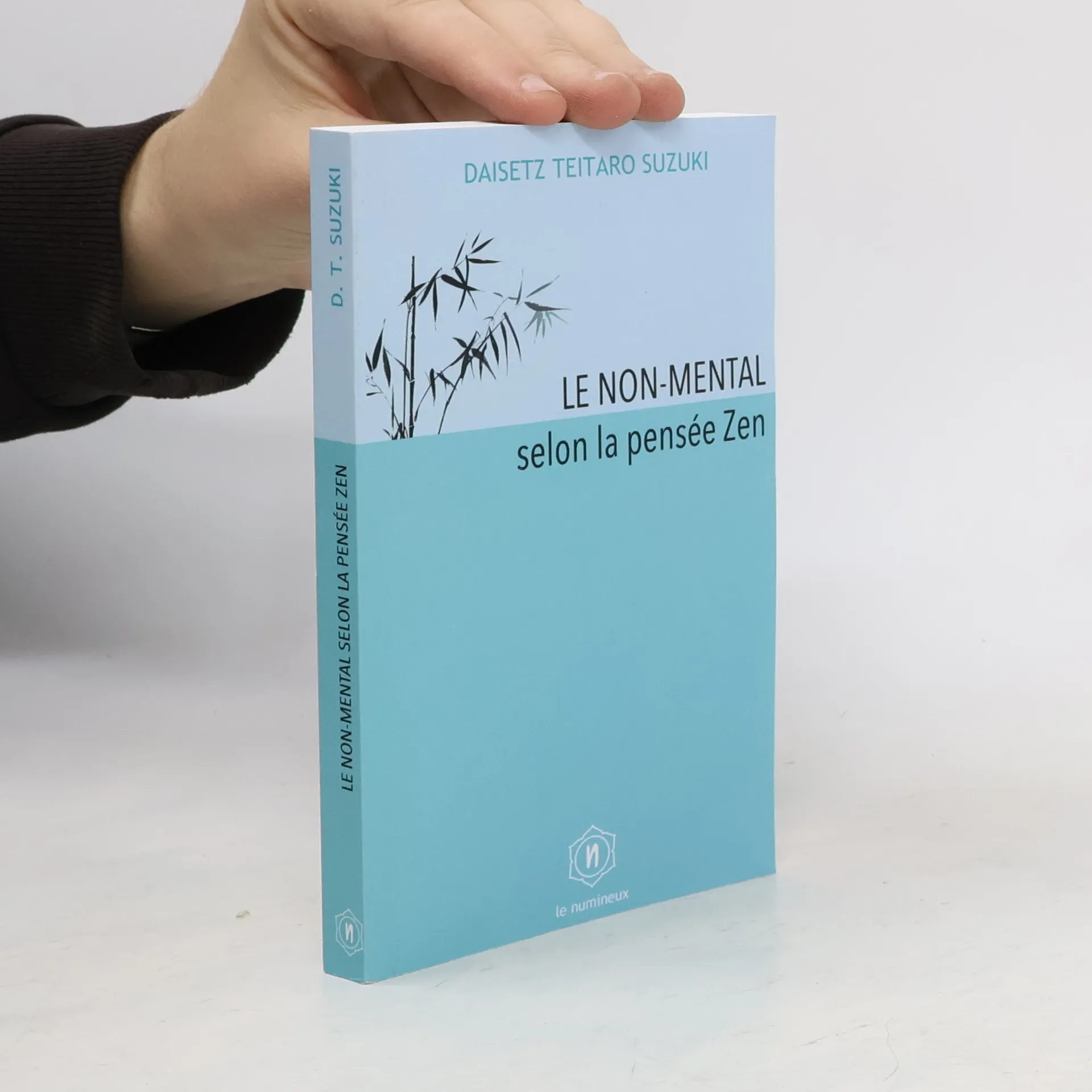
Le non-mental selon la pensée Zen
- 238 Seiten
- 9 Lesestunden






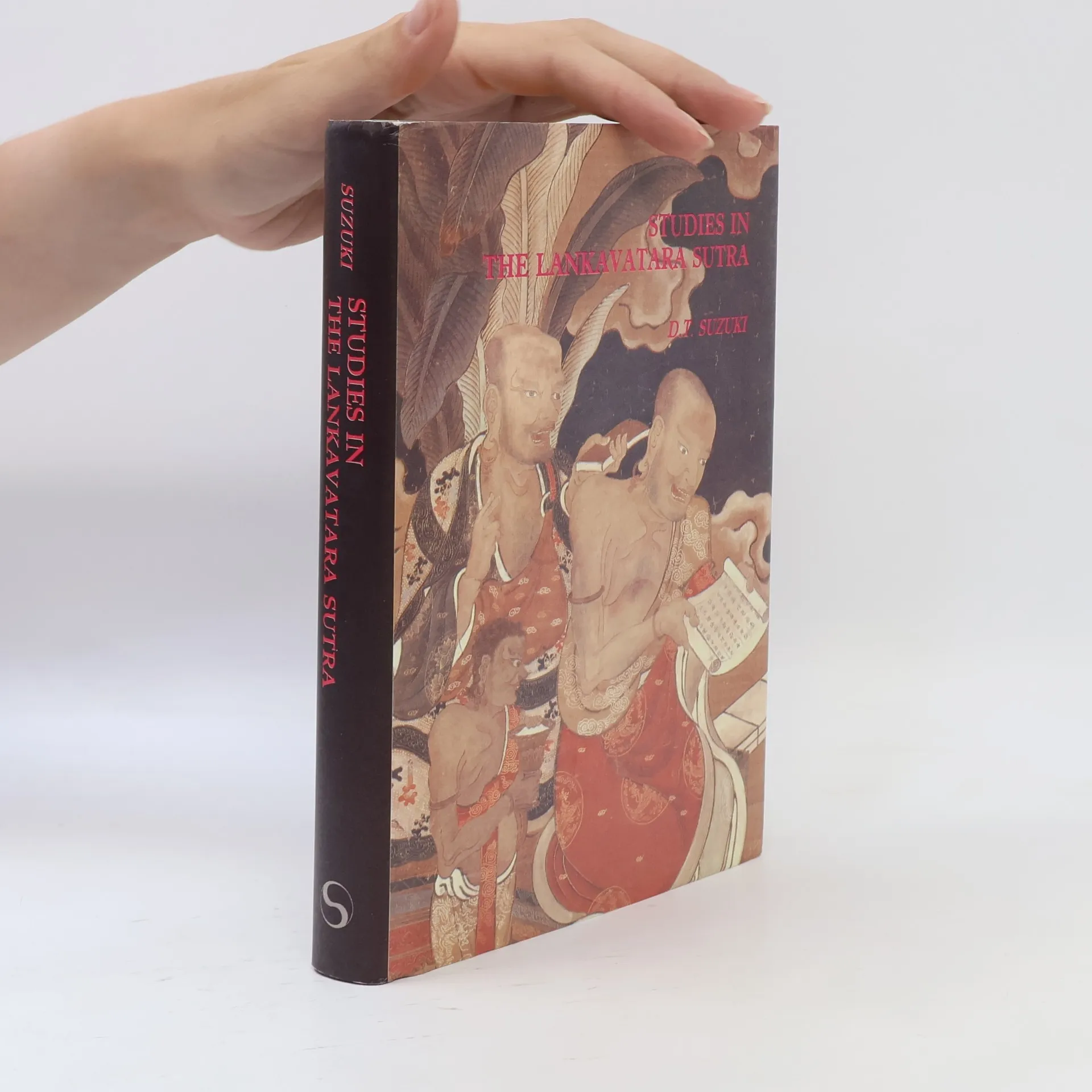
One of the most important texts of Mahayana Buddhism
Excerpt from Outlines of Mahayana Buddhism The object of this book is twofold: (i) To refute the many wrong opinions which are entertained by Western critics concerning the fundamental teachings of Mahayana Buddhism; (2) To awake interest among scholars of comparative religion in the development of the religious sentiment and faith as exemplified by the growth of one of the most powerful spiritual forces in the world. The book is therefore at once popular and scholarly. It is popular in the sense that it tries to expose the fallacy of the general attitude assumed by other religionists towards Mahayanism. It aims to be scholarly, on the other hand, when it endeavors to expound some of the most salient features of the doctrine, historically and systematically. About the Publisher Forgotten Books publishes hundreds of thousands of rare and classic books. In rare cases, an imperfection in the original, such as a blemish or missing page, may be replicated in our edition. We do, however, repair the vast majority of imperfections successfully; any imperfections that remain are intentionally left to preserve the state of such historical works.
Daisetz Teitaro Suzuki (1870-1966) war ein japanischer Gelehrter, Philosoph, zeitweise Mönch und Übersetzer von Meister Soen Shaku. In diesem Buch beschreibt er den Alltag eines Zen-Mönchs, von der Eintrittszeremonie über Alltagsarbeiten, Meditation, Bettelgänge bis hin zum Durchdringen des Koan-Studiums. Die Illustrationen stammen von Satô Zenchû (1883-1935), dem langjährigen Abt des Tôkeiji, eines Zweigtempels des Engakuji.
Sai Ayatsuji hat eine große Schwäche: Jedes Mal, wenn er jemandem helfen will, verfällt er in einen Schockzustand – bis eines Tages der Mecha Annihilator vor ihm auftaucht und ihm erklärt, dass er und seine Kameraden vorhaben, die Menschheit zu vernichten. Sai findet jedoch heraus, dass er Annihilator mithilfe seines Handys kontrollieren kann, und ist nun fest entschlossen, sich, seine Freunde und die gesamte Menschheit vor dem Ende zu bewahren!
Monkfish is proud to reintroduce this spiritual classic in paperback edition. It was its first book in its Provenance Editions
This antiquarian book is a facsimile reprint of an original work, preserving its historical significance. As it is an older text, readers may encounter imperfections such as marks, notations, and flawed pages. The publisher emphasizes the cultural importance of the work, aiming to protect and promote literature by providing affordable, high-quality editions that remain true to the original.
Die Quintessenz des Buddhismus - zwischen tiefer Erfahrung und denkerischer Durchdringung. Nirgendwo sonst sind die Grundideen des Zen so klar und überzeugend dargestellt wie bei Suzuki, einem der Großen dieses Jahrhunderts. Ein Buch, wie ein Schlüssel zum richtigen Leben.
s/t: The Teachings of Shin Buddhism, the Japanese Way of Wisdom and Compassion Shin is the uniquely Japanese flowering of the type of Buddhism known as "Pure Land." It originated in the thirteenth century with the charismatic and prophetic figure Shinran (1172-1263), whose interpretation of the traditional Pure Land teachings were extremely influential in his own lifetime and remains so today. In a period when Japanese Buddhism was dominated by an elitist monastic establishment. Shinran's Shin teaching became a way of liberation for all people, regardless of age, class, or gender. Although Shin is one of Japan's greatest religious contributions—and is still the most widely practiced form of Buddhism in Japan—it remains little known in the West. In this book, based on several lectures he gave in the 1950s, D. T. Suzuki illuminates the deep meaning of Shin and its rich archetypal imagery, providing a scholarly and affectionate introduction to this sometimes misunderstood tradition of Buddhist practice.
This magic box of wonderpills: Suzuki's famous essay on koan study, now in your hands, wafted down into mine. Here was my first Zen book telling how sages make monkeys out of disciples, then set the monkeys free. How? You will see that when you (read) through this standard work on the art of releasing nothingness into the void. Instant self-help? Not quite, perhaps. Although it could be, of course. Isn't it the right time now? - From the Introduction by Janwillem van de Wetering
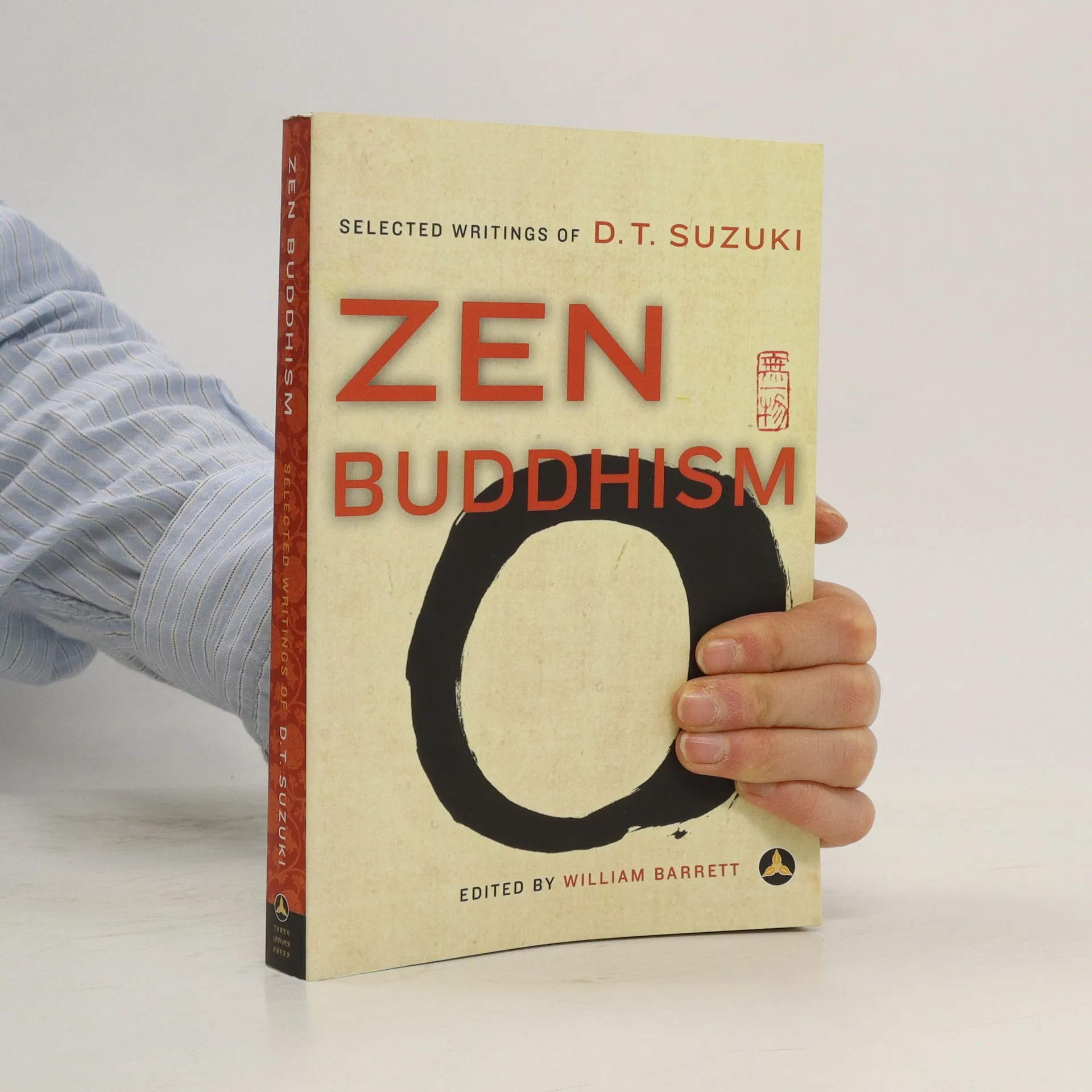
No other figure in history has played a bigger part in opening the West to Buddhism than the eminent Zen author, D.T. Suzuki, and in this reissue of his best work readers are given the very heart of Zen teaching. Zen Buddhism, which sold more than 125,000 as an Anchor paperback after its publication in 1956, includes a basic historical background as well as a thorough overview of the techniques for Zen practice. Concepts and terminology such as satori, zazen, and koans, as well as the various elements of this philosophy are all given clear explanations. But while Suzuki takes nothing for granted in the reader's understanding of the fundamentals, he does not give a merely rudimentary overview. Each of the essays included here, particularly those on the unconscious mind and the relation of Zen to Western philosophy, go far beyond other sources for their penetrating insights and timeless wisdom. What is most important about D.T. Suzuki's work, however--and what comes across so powerfully in these selections--is his unparalleled ability to communicate the experiential aspect of Zen. The intensity here with which Zen philosophy comes to life is without parallel in the canon of Buddhist literature. Suzuki stands apart from all teachers before or since because of his exceptional ability to eloquently capture in words the seemingly inexpressible essence of Zen.
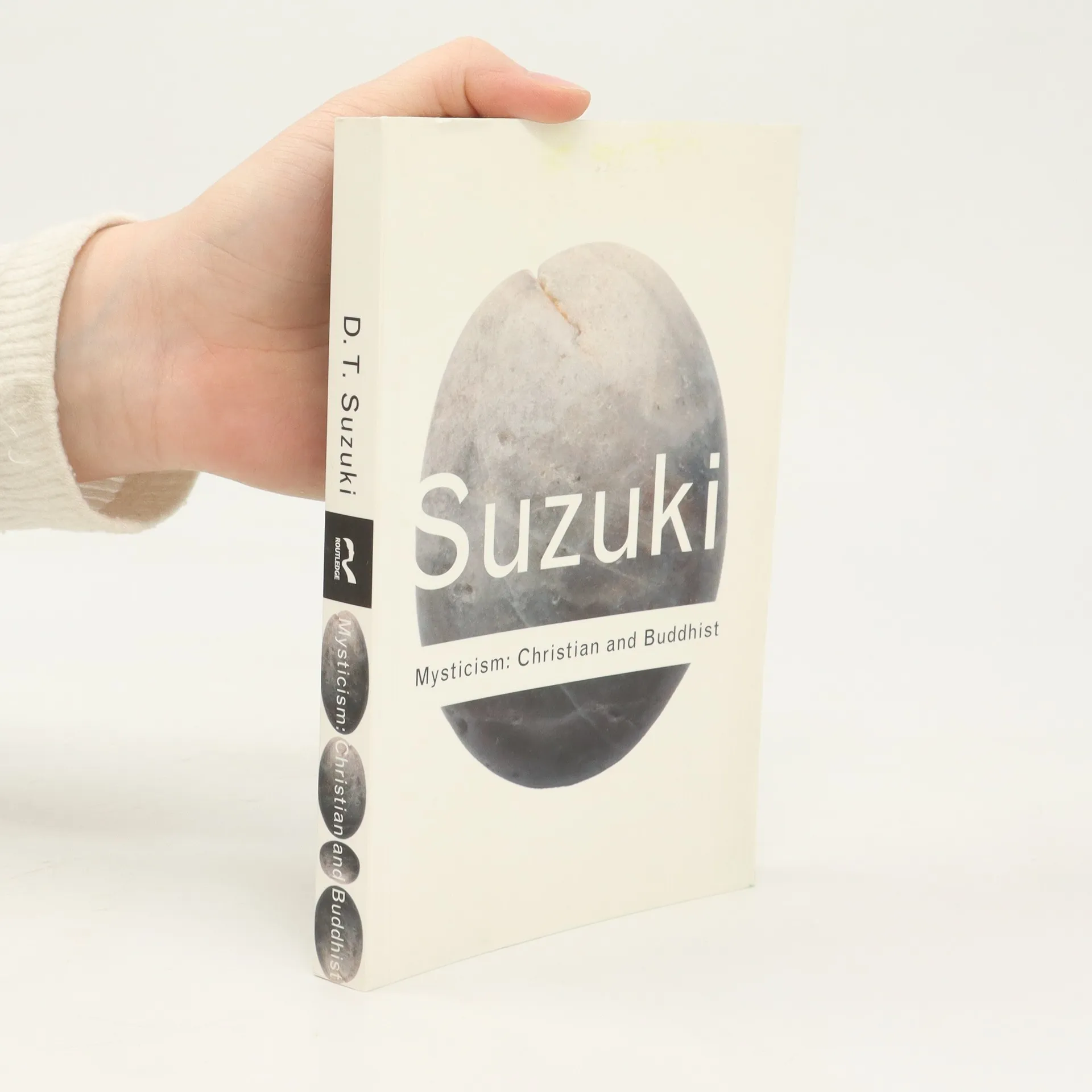
If the Western world knows anything about Zen Buddhism, it's down to the efforts of one remarkable man, D.T. Suzuki. The 27-year-old Japanese scholar first visited the West in 1897 & over the course of the next 70 years became the world's leading authority on Zen. His radical & penetrating insights earned him many disciples, from Carl Gustav Jung to Allen Ginsberg, from Thomas Merton to John Cage. In Mysticism: Christian & Buddhist Suzuki compares the teachings of the great Christian mystic Meister Eckhart with the spiritual wisdom of Shin & Zen Buddhism. By juxtaposing cultures that seem to be radically opposed, Suzuki raises one of the fundamental questions of human experience: at the limits of our understanding, is there an experience that is universal to all humanity? Mysticism: Christian & Buddhist is a book that challenges & inspires; it will benefit readers of all persuasions who seek to understand something of the nature of spiritual life.
Die Natur und der Sinn des Buddhismus: Urerfahrung und großes Wissen
Essays über christliche und buddhistische Mystik
Zen-Buddhismus und Christentum
Dieser Band enthält Suzukis bemerkenswerte Werke, darunter "Erleuchtung und Unwissenheit", praktische Zen-Unterrichtsmethoden, Essays über Satori und die Geschichte des Zen-Buddhismus sowie Kommentare zu "Die zehn Bilder des Viehhirten", die die Stufen der spirituellen Entwicklung im Zen darstellen.
Für unzählige Suchende auf dem spirituellen Weg wurde die Lektüre von „Zen in der Kunst des Bogenschießens“ zu einem Schlüsselerlebnis. Wer das Geheimnis der „kunstlosen Kunst“ des Bogenschießens beherrscht, der entdeckt auch das Geheimnis der Kunst des Lebens. „Der Zen-Weg“, das Buch, das die Eigenart des Zen, seine meditative Praxis, seine Beziehung zu den Künsten und seine Bedeutung für den Westen behandelt, gehört zu den inspirierendsten Schriften der Zen-Literatur aus westlicher Feder.
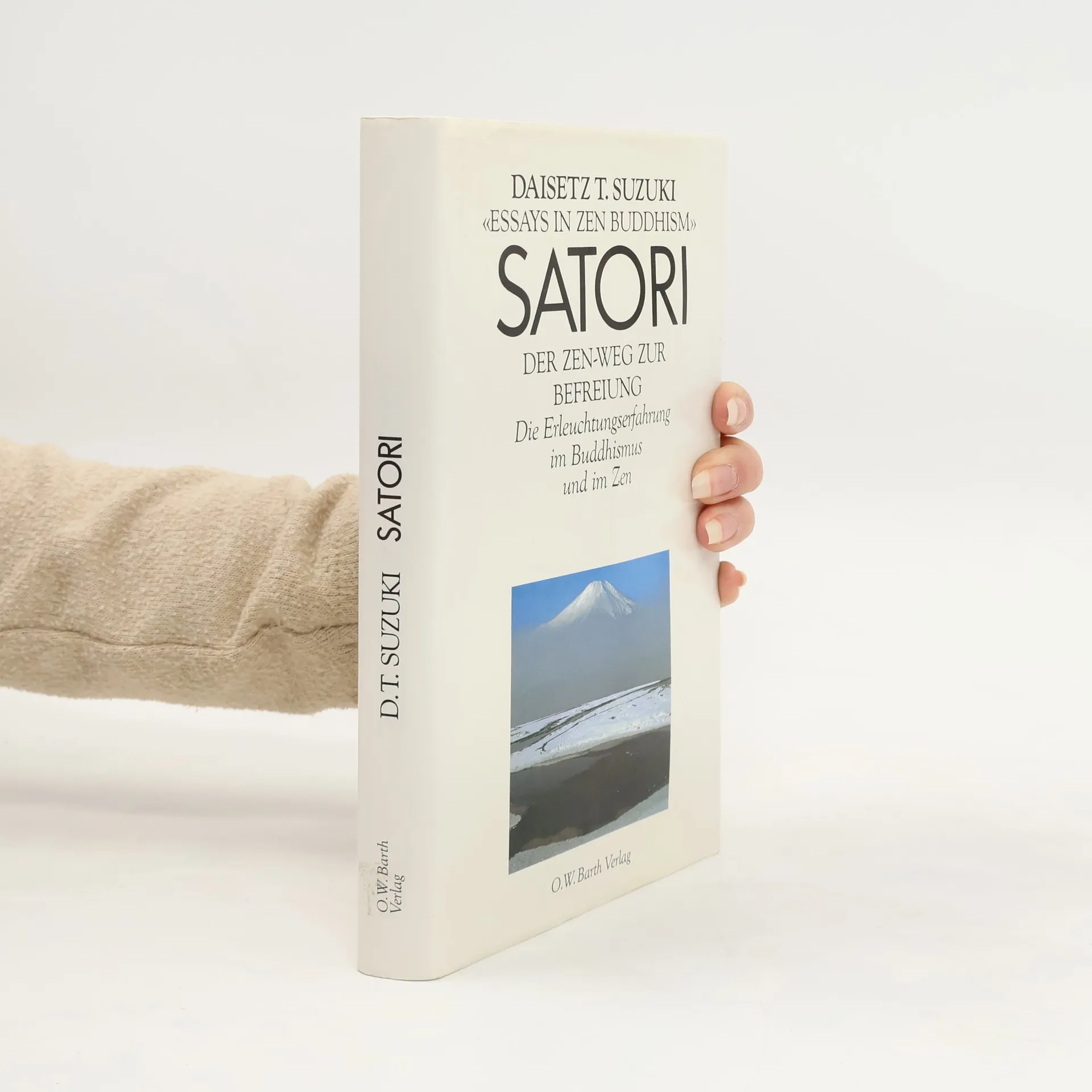
Zen-Lehre hat Satori, das Erwachen, als Anfang und Ende. In der Zen-Lehre bedeutet der Zugang zu Satori, aus der Hülle des Ichs, die um unser wahres Selbst gebildet ist und in der wir gefangen sind, auszutreten, die absolute Realität der ewigen Welt in den Tiefen unseres Geistes zu erkennen und zu leben. Es bedeutet, die Welt mit klaren Augen zu sehen und mit dem Gefühl der transzendentalen Liebe des 'absoluten Jetzt' oder 'ewigen Jetzt' eins zu sein. Es ist das Überwinden von Leiden und Irrtum, um das Bewusstsein des absoluten Glücks zu erreichen. Es ist der Übergang von Abhängigkeiten zur Unabhängigkeit, zur Freiheit. Dieses Buch vermittelt den Geist der Zen-Lehre, um das in uns allen vorhandene, aber unentdeckte Erwachen zu verstehen, beginnend mit der Zeit Buddhas und basierend auf buddhistischen Texten (indisch, chinesisch, japanisch), die in den folgenden Jahren geschrieben wurden.
Eines der wichtigsten Werke über Zen-Buddhismus. Der Autor erklärt diesen einzigartigen Ansatz zur Erleuchtung den westlichen Lesern. Es ist ein direkter, tiefgründiger und äußerst praktischer Lebensweg, der die Philosophie und Kultur Chinas und Japans über 1200 Jahre geprägt hat.
This classic work by D.T. Suzuki, the man who brought Zen Buddhism to the West, is a book that challenges and inspires; it should benefit readers of all persuasions who seek to understand something of the nature of spiritual life.
Best known as the man who brought Zen classics to the West, Daisetz Teitaro Suzuki sheds light on all phases of a monk's experience, from being initially refused admittance at the Zendo's door to the definitive understanding the meaning of one's koan as the final act of ordinance into Zen priesthood. The Training of the Zen Buddhist Monk invites us inside the mysterious world of the Zendo, where monks live their lives in monastic simplicity. Suzuki reveals the subtle intricacies of the initiation ceremony, a monk's duty to beg among the laity, and he explains the spiritual remuneration of prayer & meditation as well as a life of service to others. Initially published in 1934, this exceptional hardcover edition contains handsome illustrations of diverse scenes from the life training of a Zen monk. DAISETZ TEITARO SUZUKI (1870-1966) was Japanese author who wrote essays and books on topics such as Buddhism, Zen, and Shin. His books played a role in making the west more knowledgeable with Far Eastern philosophy. He taught at western schools as well as Japanese schools. He was also a translator of Chinese, Japanese, and Sanskrit.
One of this century's leading works on Zen, this book is a valuable source for those wishing to understand its concepts in the context of Japanese life and art. In simple, often poetic, language, Daisetz Suzuki describes what Zen is, how it evolved, and how its emphasis on primitive simplicity and self-effacement have helped to shape an aesthetics found throughout Japanese culture. He explores the surprising role of Zen in the philosophy of the samurai, and subtly portrays the relationship between Zen and swordsmanship, haiku , tea ceremonies, and the Japanese love of nature. Suzuki's contemplative discussion is enhanced by anecdotes, poetry, and illustrations showing silk screens, calligraphy, and examples of architecture.
Der Band gibt eine zusammenfassende Darstellung der Wesenszüge des Zen-Buddhismus und macht den Versuch, die Brücke zwischen östlicher Religiosität und westlicher Wissenschaft zu schlagen und die Frage zu beantworten, welchen Wert die Begegnung von Zen-Buddhismus und Psychoanalyse haben könnte.
Nach der Grundidee des Zen sollen wir mit den innersten Kräften unseres Wesen in Fühlung kommen, und zwar auf dem kürzestmöglichen Wege, ohne Rückgriff auf irgend etwas Äußeres oder Zusätzliches. Daher verwirft Zen alles, was auch nur eine entfernte Ähnlichkeit mit einer äußeren Autorität aufweist. Zen hegt ein unbedingtes Zutrauen zum innersten Wesen des Menschen. Alle Autorität im Zen kommt von innen - und den Weg dahin weist Daisetz T. Suzuki auf unnachahmliche Weise. Dieses Werk ist die wohl beste, gründlichste und knappste Einführung in den Zen. Es umreißt diese Geisteshaltung mit großer Präzision als Ganzes und im Detail und klärt auch die Grundbegriffe auf eine Weise, dass dem Leser Zen in seiner ganzen Bedeutsamkeit einleuchtet.
Eine mentale Praxis, die eine einzigartige intellektuelle Abenteuerreise darstellt, in der Kommentar oder Lehre durch Beispiel, Fakt und gelebte Erfahrung ersetzt werden.
Having moved through the stages of emptiness, the individual is so in harmony with life that he is content to be inconspicuous, to be an instrument, not a leader.
This 2013 reprint of Suzuki's 1955 collection features seven essays on Zen Buddhism, covering topics such as Zen philosophy, experience, and nature's role in Zen. The works date back to 1906 and provide insights into the Zen sect and its interpretations.