The chilling story of the hundred days in the spring of 1933 in which the Nazis laid the foundations for their Third Reich.
Peter Fritzsche Reihenfolge der Bücher


- 2021
- 2019
Peter Fritzsche przedstawia w swej książce przez pryzmat różnych świadectw historię okupowanej przez Niemców Europy. Wykorzystując dzienniki, listy i rozmaite relacje, zarysowuje realia życia codziennego w podbitych krajach. Pokazuje, w jaki sposób ich mieszkańcy starali się funkcjonować w obliczu coraz brutalniejszych represji oraz nasilającej się wojny totalnej, jak usiłując przetrwać konflikt, jednocześnie próbowali zrozumieć nową, ukształtowaną przez nazistów rzeczywistość i nadać jej sens. Autor opisuje nie tylko rozdartą między kolaboracją i oporem Francję oraz poddaną brutalnym represjom Polskę, ale także neutralną Szwajcarię tym samym pokazuje, w jak różnych sytuacjach znalazły się poszczególne narody Europy. Szczególnie dużo uwagi poświęca reakcji społeczeństw na Holokaust oraz inne masowe zbrodnie. Stawia przy tym trudne pytania o uniwersalne mechanizmy wpływające na granice ludzkiej solidarności i empatii w obliczu przemocy. Konfrontując nas ze strachem świadków, lękających się uwięzienia lub śmierci, ukazuje, jak złudne może być odnoszenie do okresu wojennego norm znanych z czasu pokoju.
- 2016
An iron wind
- 356 Seiten
- 13 Lesestunden
From a prize-winning historian, a vivid account of German-occupied Europe during World War II that reveals civilians’ struggle to understand
- 2012
Dienstleistungen haben einen herausragenden Stellenwert für Wirtschaft und Gesellschaft. Sie werden nicht nur von klassischen Dienstleistern, sondern verstärkt auch von produzierenden Unternehmen erbracht. Ein zunehmend dynamisches Wettbewerbsumfeld sowie die Globalisierung und Deregulierung von Dienstleistungsmärkten erhöhen den Wettbewerbs- und somit den Innovationsdruck. Wissenschaft und Praxis haben die systematische Entwicklung neuer Dienstleistungen lange Zeit vernachlässigt. Im Zentrum dieser Arbeit steht die Dienstleistungsentwicklung durch Service Engineering. Einleitend werden das Wesen und die enorme Bedeutung von Dienstleistungen sowie des Innovationsmanagements erläutert. Darauf aufbauend erfolgt eine Einführung in das Service Engineering. Auf der Basis bekannter Service-Engineering-Modelle wird anschließend ein idealtypisches Modell entwickelt, das Unternehmen die Auswahl von Vorgehensweisen, Methoden und Werkzeugen ermöglicht und somit als Rahmen für die Gestaltung neuer Dienstleistungen fungiert. Das Buch richtet sich an Wirtschaftswissenschaftler sowie Unternehmen aller Branchen, die vor der Herausforderung stehen, ihr Dienstleistungsangebot permanent zu verbessern.
- 2011
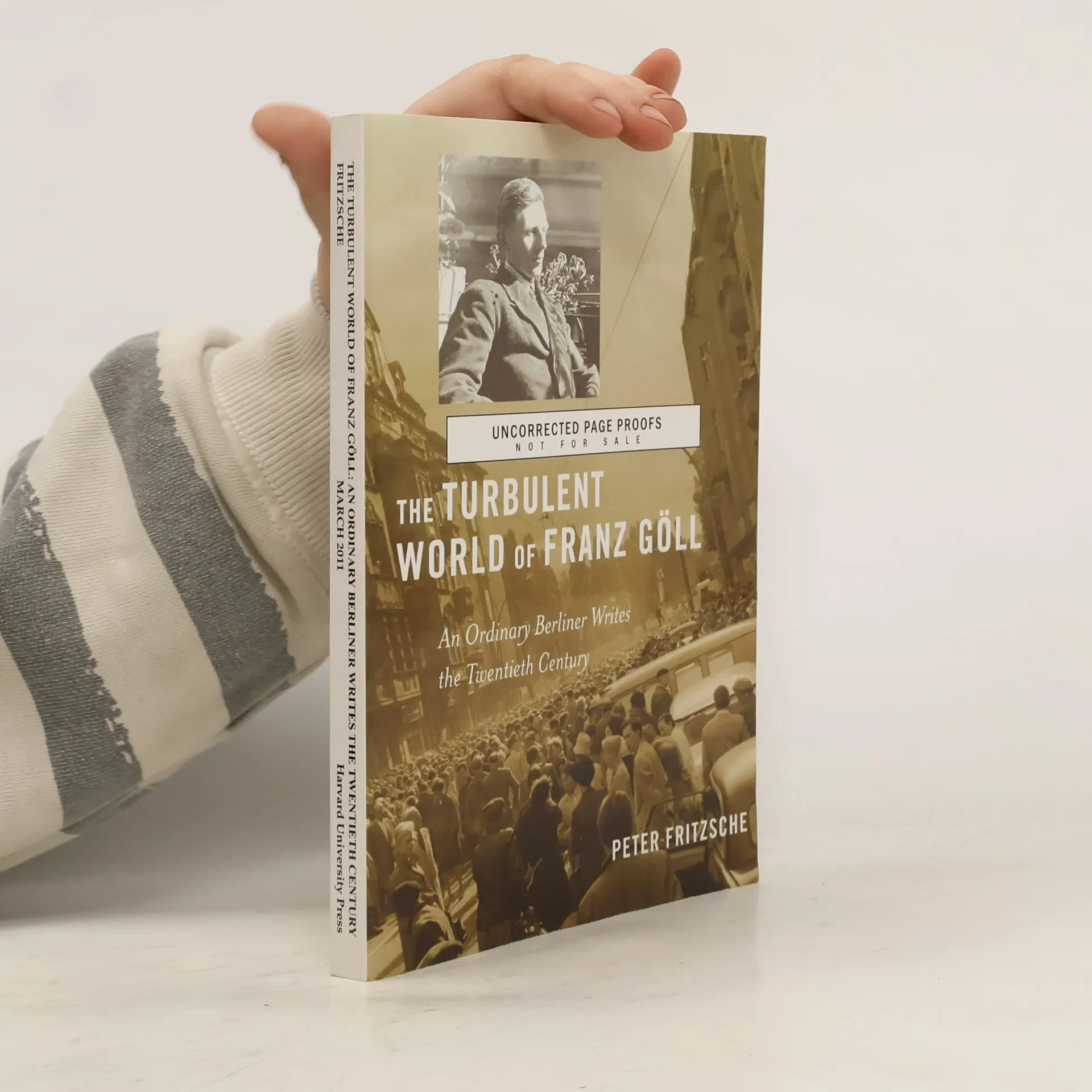
The turbulent world of Franz Göll
- 260 Seiten
- 10 Lesestunden
Franz Göll was a thoroughly typical Berliner. Fritzsche paints a deeply affecting portrait of a self-educated man seized by an untamable impulse to record, who stayed put for nearly 70 years as history thundered around him.
- 1999
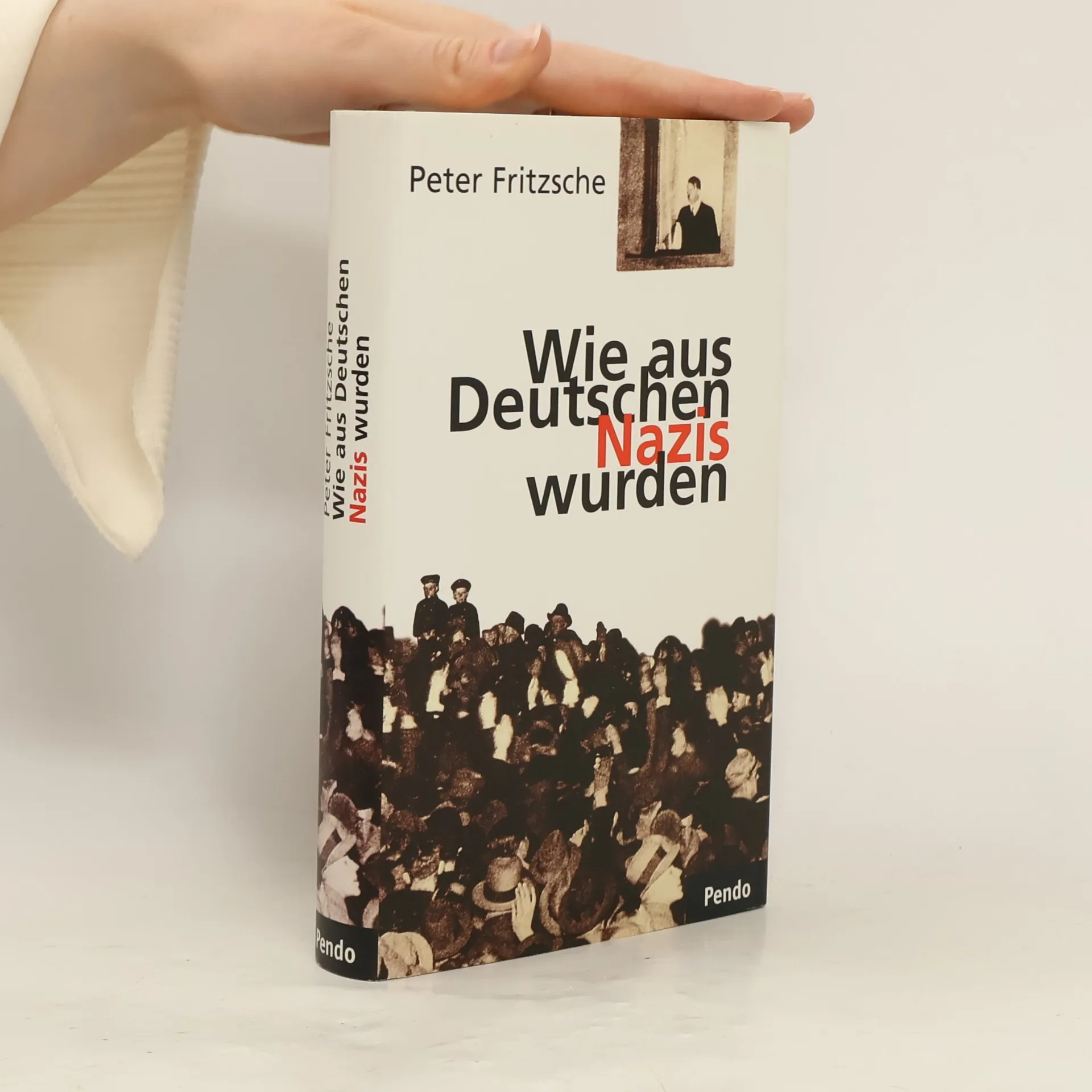
Why did ordinary Germans vote for Hitler? In this dramatically plotted book, organized around crucial turning points in 1914, 1918, and 1933, Peter Fritzsche explains why the Nazis were so popular and what was behind the political choice made by the German people. Rejecting the view that Germans voted for the Nazis simply because they hated the Jews, or had been humiliated in World War I, or had been ruined by the Great Depression, Fritzsche makes the controversial argument that Nazism was part of a larger process of democratization and political invigoration that began with the outbreak of the war
- 1999
Warum haben Millionen von Deutschen für Adolf Hitler gestimmt? Diese Frage bewegt die Gemüter seit der Überwindung der Nazibarbarei immer wieder aufs neue. Fritzsche lehnt die Kontinuitätsthese ab, die den Erfolg des Nationalsozialismus aus dem deutschen Wesen erklären möchte. Auf der anderen Seite widerspricht er auch der Meinung, der Aufstieg der Nazis sei allein aus der Kriegsniederlage und dem Versailler „Schmachfrieden“ zu erklären. Die zwei Jahrzehnte bis zu Hitlers Machtübernahme beschreibt Fritzsche als eine revolutionär-populistische Bewegung, die sich bei Ausbruch des Ersten Weltkriegs erstmals manifestierte und u. a. Kraft gewann, weil sie als moderne Massenpartei alle Bevölkerungsschichten ansprechen konnte. Ein unentbehrliches Buch für jeden, der die deutsche Geschichte dieses Jahrhunderts verstehen will.
- 1996
The great cities at the turn of the century were mediated by words--newspapers, advertisements, signs, and schedules--by which the inhabitants lived, dreamed, and imagined their surroundings. In this original study of the classic text of urban modernism--the newspaper page--Peter Fritzsche analyzes how reading and writing dramatized Imperial Berlin and anticipated the modernist sensibility that celebrated discontinuity, instability, and transience. It is a sharp-edged story with cameo appearances by Georg Simmel, Walter Benjamin, and Alfred Döblin. This sumptuous history of a metropolis and its social and literary texts provides a rich evocation of a particularly exuberant and fleeting moment in history.
- 1994
After a brief introduction, with practical information and advice on getting around Vienna and adapting to the city's culture and customs, this guide presents four walks which all approach the city from different perspectives - the Vienna of the Habsburg monarchy, of Beethoven and of Freud.

- 1990
In this compelling and ambitious study, Peter Fritzsche analyzes the dramatic transformation of bourgeois politics before the Nazi breakthrough in 1930. Examining the local texture of civic life--market square protests, small town patriotism, and social clubs--as well as political parties andinterest groups, Fritzsche provides a crucial perspective for understanding the fate of the Weimar republic, one which has been largely neglected by German historians. Even before the Great Depression the traditional bourgeois parties were eclipsed by a new breed of populist politicians who notonly resisted the left but also embraced public activism and attacked big business, German conservatism, and the Weimar state itself. It was this populist sentiment to which the Nazis appealed with such consummate skill, not so much seizing power as assuming the ambitions and prejudices of middleclass voters while transcending the limitations of the political organizations.