Jalal ad-Din Muhammad ar-RumiReihenfolge der Bücher (Chronologisch)
Rumi war ein persischer Dichter, Jurist und Sufi-Mystiker des 13. Jahrhunderts, dessen Schriften sich durch tiefe Spiritualität und zeitlose Weisheit auszeichnen. Seine auf Persisch verfasste Poesie erforscht Themen wie Liebe, Sehnsucht und göttliche Einheit und bietet den Lesern einen Weg zu innerem Frieden und Selbsterkenntnis. Rumis Einfluss überschreitet kulturelle und sprachliche Grenzen, und seine Werke inspirieren und berühren Leser auf der ganzen Welt durch ihre universelle Schönheit und ihr tiefes Verständnis des menschlichen Geistes.
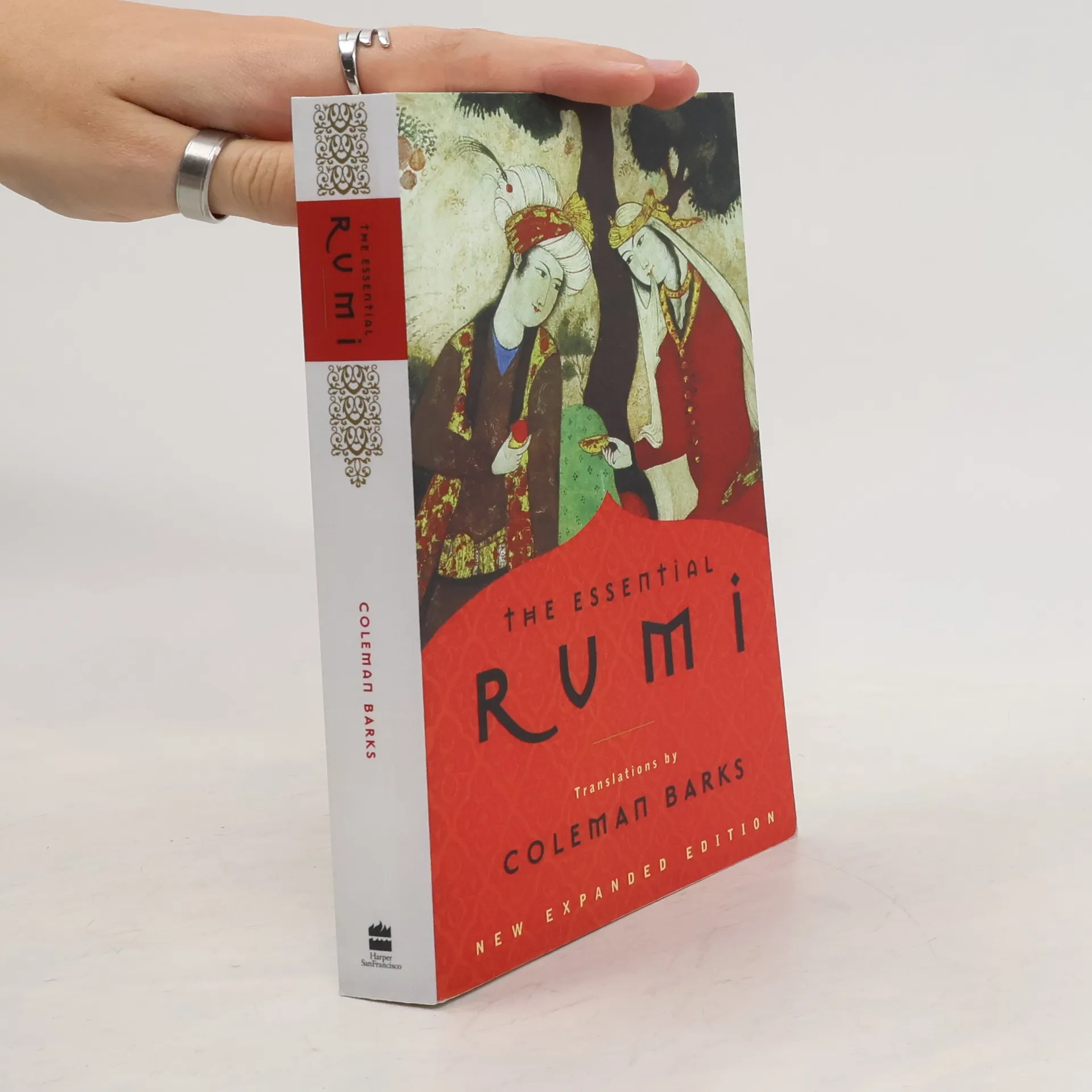
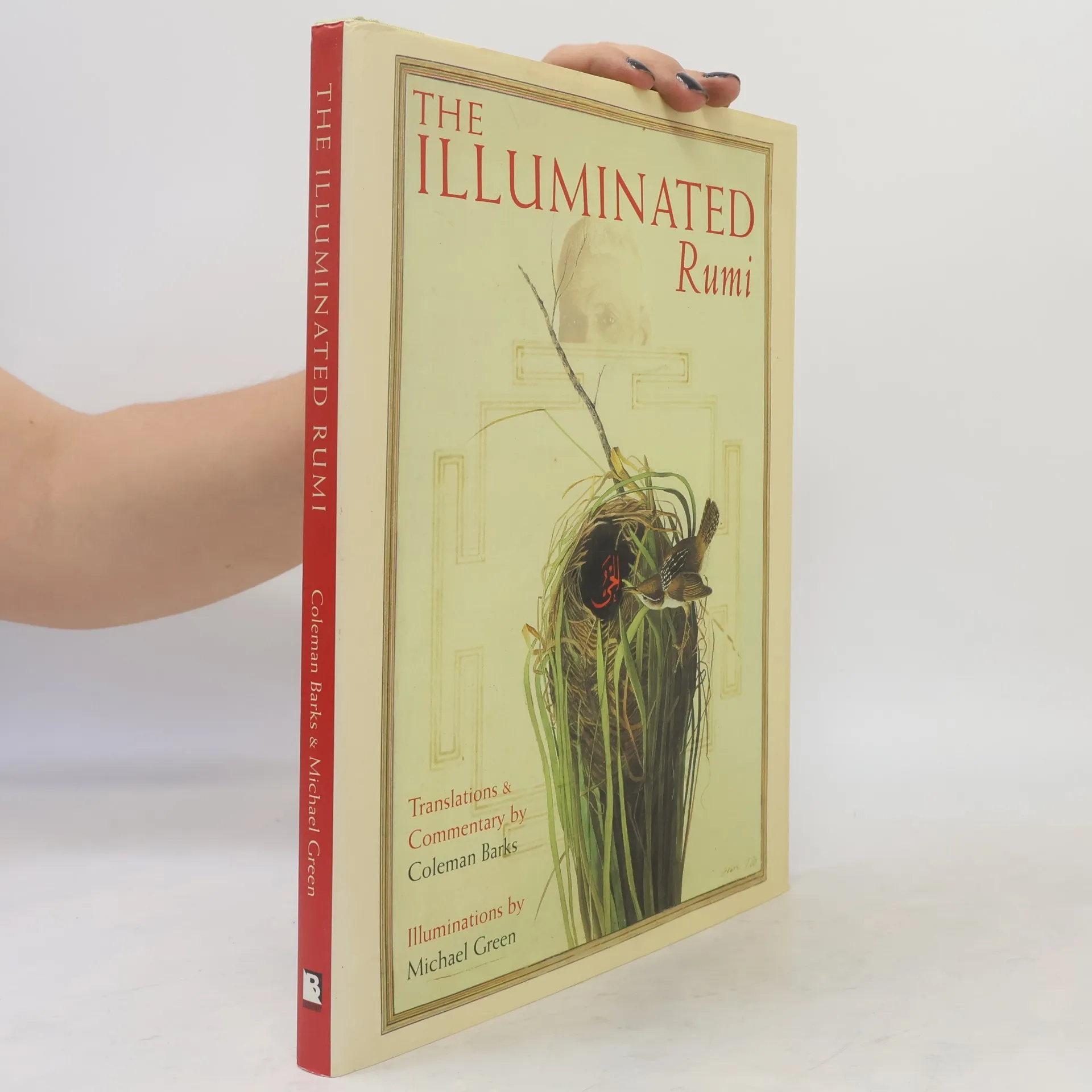
Rumi’s verses have been a balm for readers’ souls for over eight centuries. This exquisite selection brings together some of the Persian mystic’s most profound, evocative and transcendent works. Exploring passion, heartbreak, friendship, faith and the myriad ways in which we move through the world, these strikingly modern poems are perfect for those looking for inspiration, guidance, or endless delight.
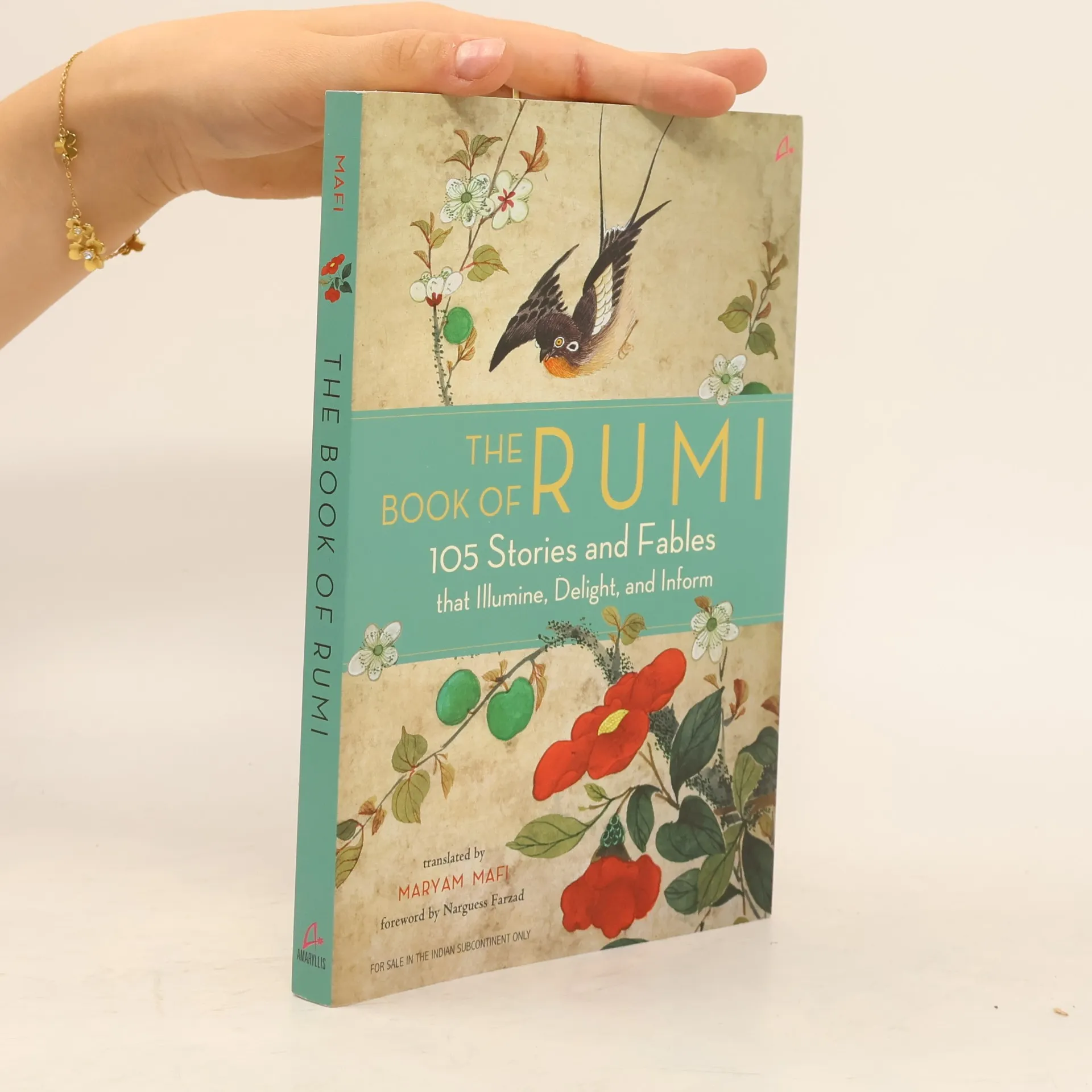
105 Stories and Fables that Illumine, Delight, and Inform
202 Seiten
8 Lesestunden
Philip Pullman, author of 'His Dark Materials' trilogy, has remarked that "after nourishment, shelter, and companionship, stories are the thing we need most in the world." This new collection of Rumi stories fills that need. This fresh prose translation of 105 short teaching stories by Rumi, which form the core of the six-volume Masnavi, explores the hidden spiritual aspects of everyday experience. Rumi transforms the seemingly mundane events of daily life into profound Sufi teaching moments. These prose gems open the mystical portal to the world of the ancient mystic. These stories include well-known and popular tales such as "Angel of Death," "The Sufi and His Cheating Wife," "Moses and the Shepherd," "Chickpeas," and "The Greek and Chinese Painters" as well as the less commonly quoted "The Basket Weaver," "The Mud Eater," and "A Sackful of Pebbles." Rumi's voice alternates between playful and authoritative, whether he is telling stories of ordinary lives or inviting the discerning reader to higher levels of introspection and attainment of transcendent values. Mafi's translations delicately reflect the nuances of Rumi's poetry while retaining the positive tone of all of Rumi's writings, as well as the sense of suspense and drama that mark the essence of the Masnavi.
Djalal-od-Din Rumi (1207-1273), fondateur de la celebre confrerie soufie, connue en Occident sous le nom de derviches tourneurs, est a la fois un grand maitre spirituel - designe dans tout l'Orient comme Mawlana, le maitre par excellence - un poete, un philosophe, et aussi un voyant: ne parle-t-il pas - au Moyen Age ! - des dangers de la fission nucleaire et de la pluralite des mondes ? Il est l'auteur de plusieurs ouvrages: Odes mystiques, Quatrains, Le Livre du dedans: tous refletent son amour de la beaute, sa nostalgie du divin. Son oeuvre principale, le Mathnawi, vaste theodicee, qui constitue le plus profond commentaire esoterique du Qor'an, est encore lue et meditee dans tous les pays de l'Islam presque a l'instar du Livre saint lui-meme. Elle presente en meme temps cette remarquable caracteristique d'etre redigee de facon tres accessible, avec une admirable simplicite, permettant ainsi une lecture a plusieurs niveaux. Elle se veut avant tout, en effet, un itineraire de l'ame vers Dieu, l'ame exilee de sa patrie spirituelle et qui, unie a l'univers tout entier, au sein d'un cosmos sacralise, poursuit sa quete de l'Absolu.
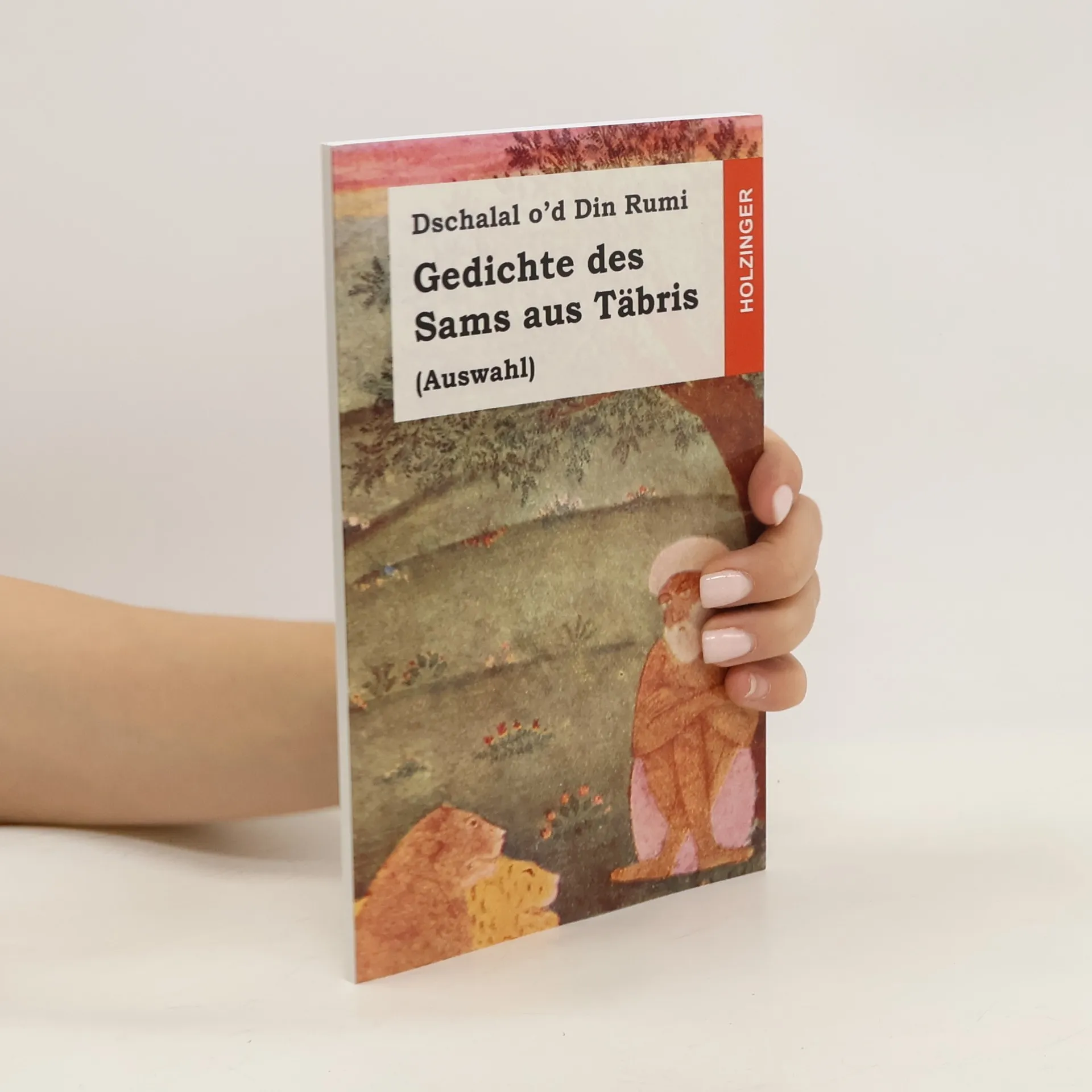
Jakob Ruoff (Ruff): Adam und Heva Edition Holzinger. Taschenbuch Berliner Ausgabe, 2013 Vollstandiger, durchgesehener Neusatz mit einer Biographie des Autors bearbeitet und eingerichtet von Michael Holzinger Erstdruck: Zurich (gedruckt bei Christoffel Froschouer), 1550. Urauffuhrung am 9. und 10.06.1550, Zurich. Textgrundlage ist die Ausgabe: Jacob Ruff: Adam und Heva. Erlautert und herausgegeben von Hermann Markus Kottinger, Quedlinburg und Leipzig: Verlag von Gottfried Basse, 1848. [Bibliothek der Deutschen National-Literatur, Band 26]. Herausgeber der Reihe: Michael Holzinger Reihengestaltung: Viktor Harvion Umschlaggestaltung unter Verwendung des Bildes: Thoma, Hans: Adam und Eva, 1897
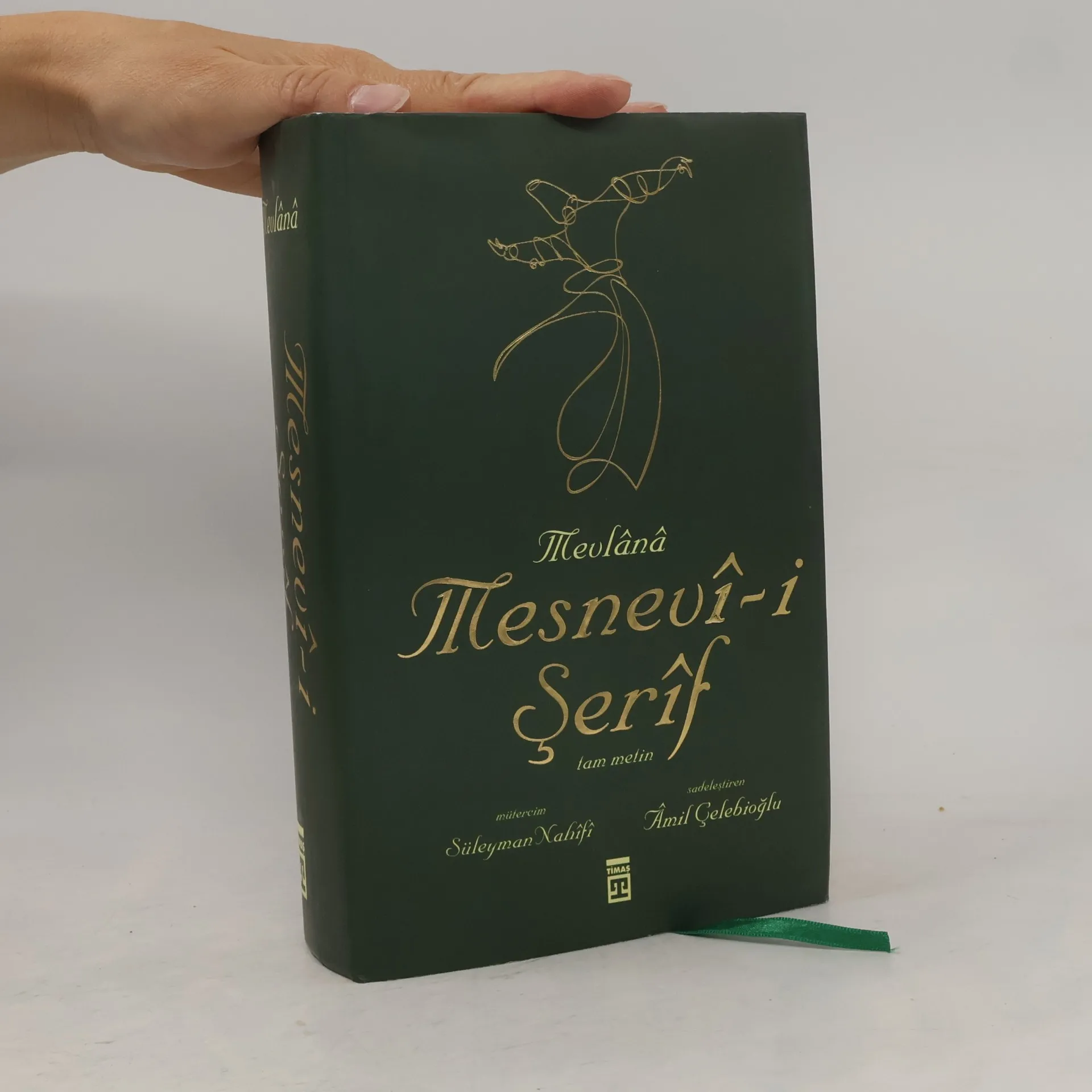
Mesnevi-i Şerif Mevlânâ, yaşadığı dönemde "Bizden sonra Mesnevî şeyhlik edecek ve arayanlara doğru yolu gösterecek; onları yönetecek ve onlara önderlik edecektir" demişti. Bu sözden alınan ilham ile, Mesnevî tarih boyunca birçok tercüme ve şerhe konu olmuştur. Süleyman Mehmed Nahîfî (ö.1738) Mevlevîlerin elkitabı olan bu eseri, aynı aruz vezninde manzum olarak tamamını tercüme eden ilk kişidir. 2007, doğumunun 800. yılı olarak Mevlana yılı olarak kutlanırken Timaş Yayınları Mesnevi’nin bilinen en iyi tercümesini, Mevlana’nın soyundan gelen ve dedesi Karaman Mevlevihanesi’nin son şeyhi olan Âmil Çelebioğlu tarafından sadeleştirilmiş metnini ihtiva eden tek ciltlik eseri Türkçeye hediye etmektedir.
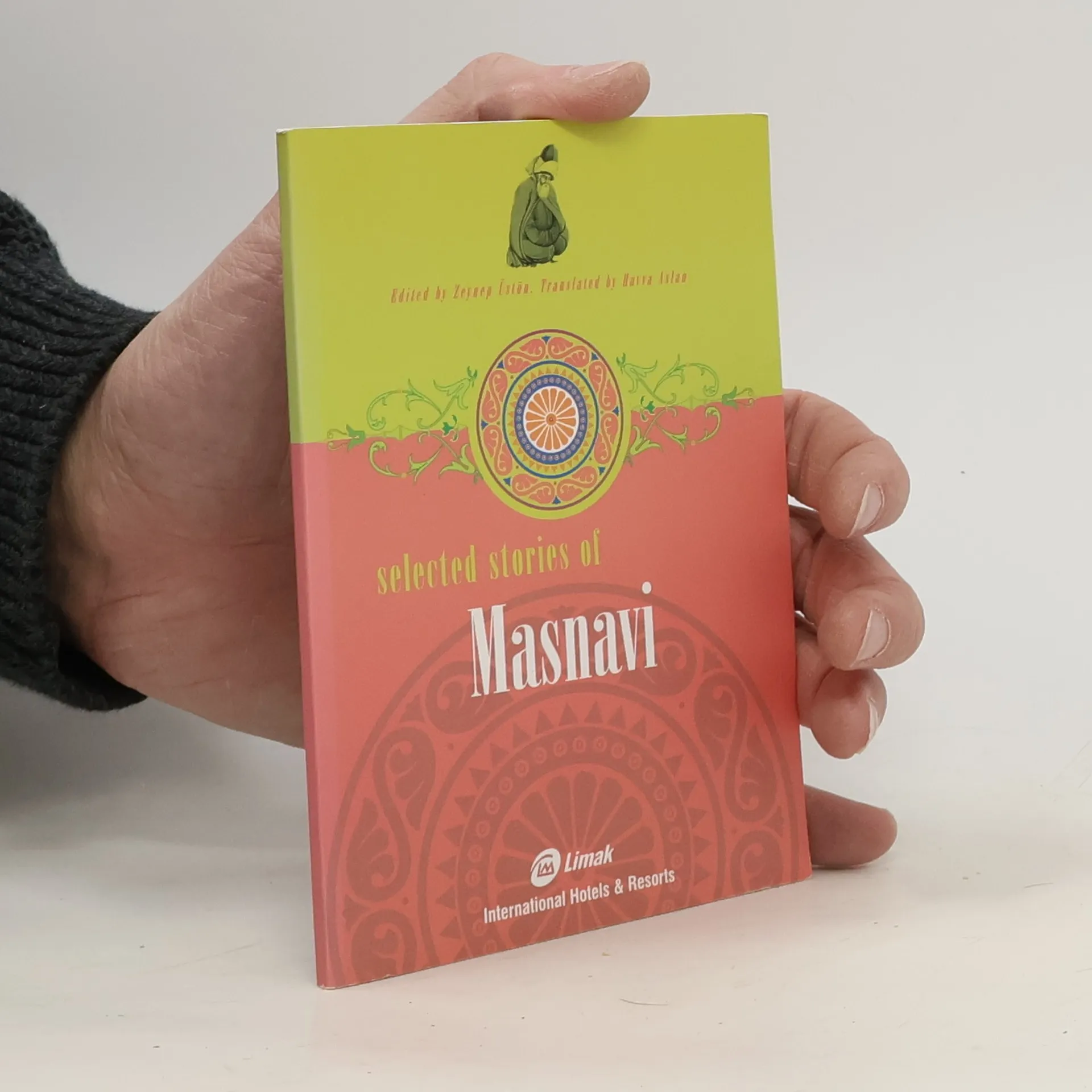
A man whose hair started to grey went to a good barber and said: -Young man, I got married to a young woman, can you please pick the grey hairs so that I can seem younger? Then the barber did a radical hair cut and put the hair he had cut in front of the man. He said: -My dear fellow, I have something else to do now, can you please set apart the grey ones?
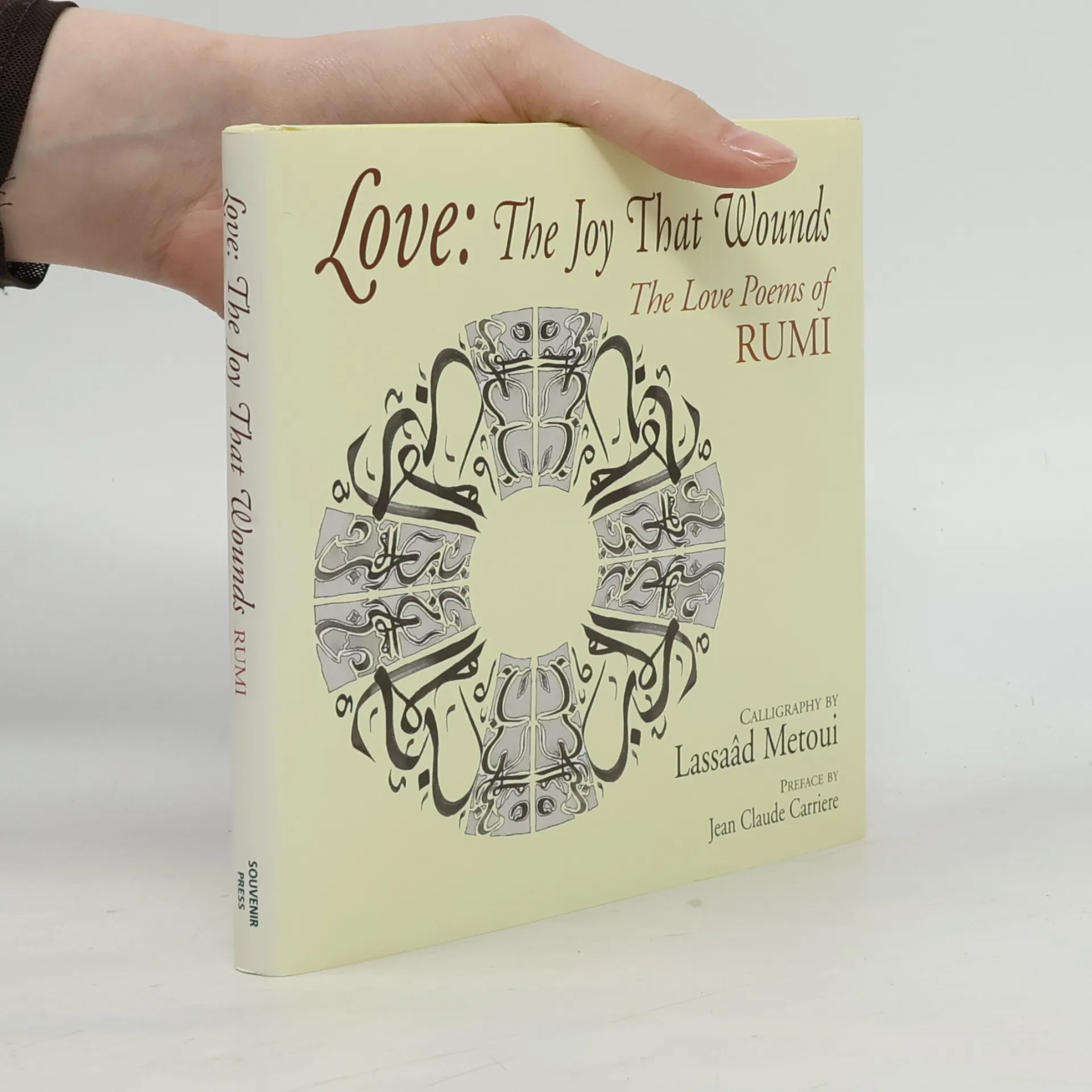
An immortal voice speaks on the greatest poetic theme in this English-language selection of the works of Rumi. Enriched by the lush calligraphic illustrations of Arabic artist Lassaâd Metoui, the poems bear remarkable power and emotional intensity, reflecting on the complexities of love, passion, pain, and faith. With exuberant imagination and rhythms that echo the ecstatic dance of the whirling dervishes, these songs of the spirit offer an intimate introduction to the poet's genius, as well as a sublime meditation on the mysteries of love.
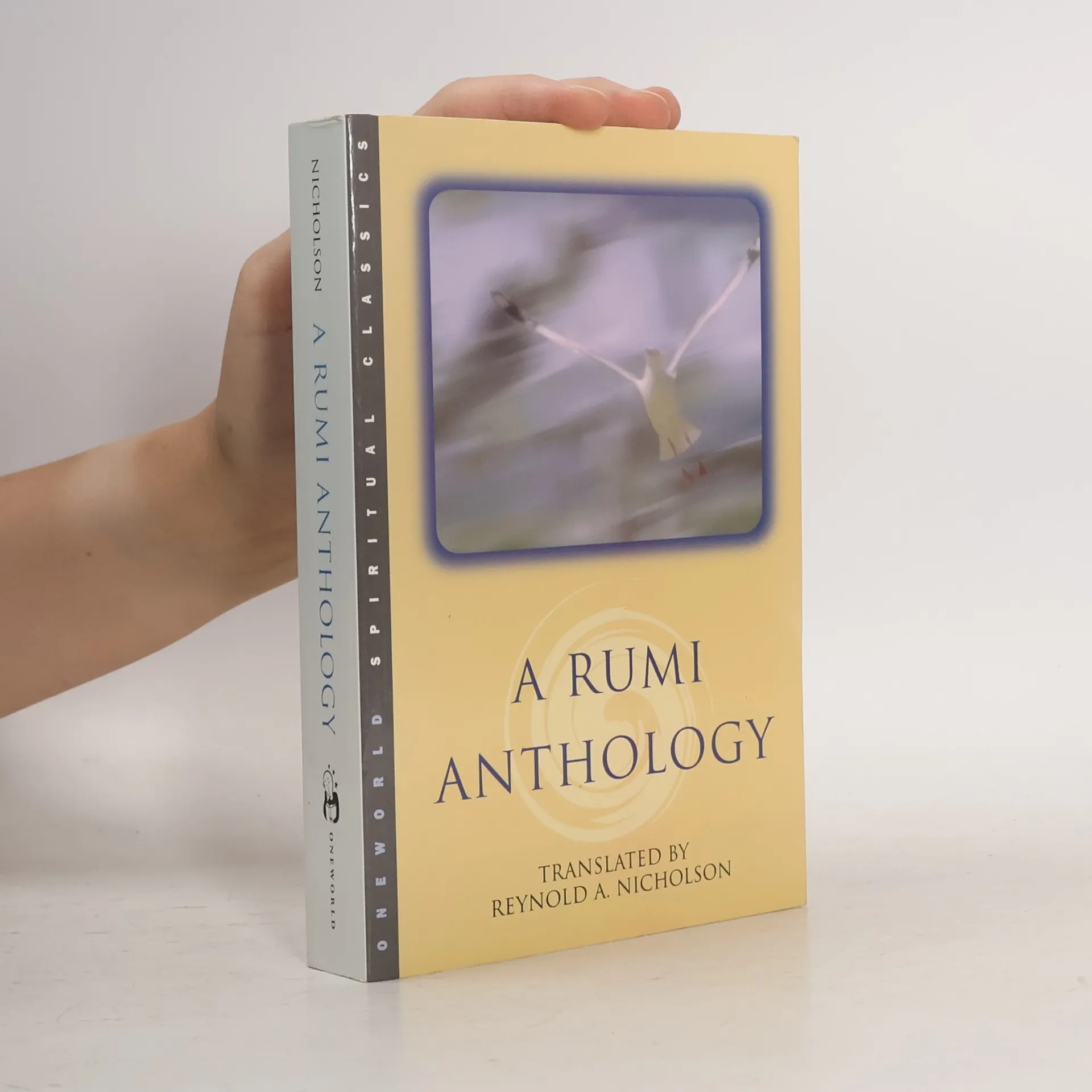
Combining two of Rumi's major works, Rumi: Poet and Mystic and Tales of Mystic Meaning, this is a spiritual anthology that will be treasured by all those who value the writings of the 13th century Sufi mystic. schovat popis
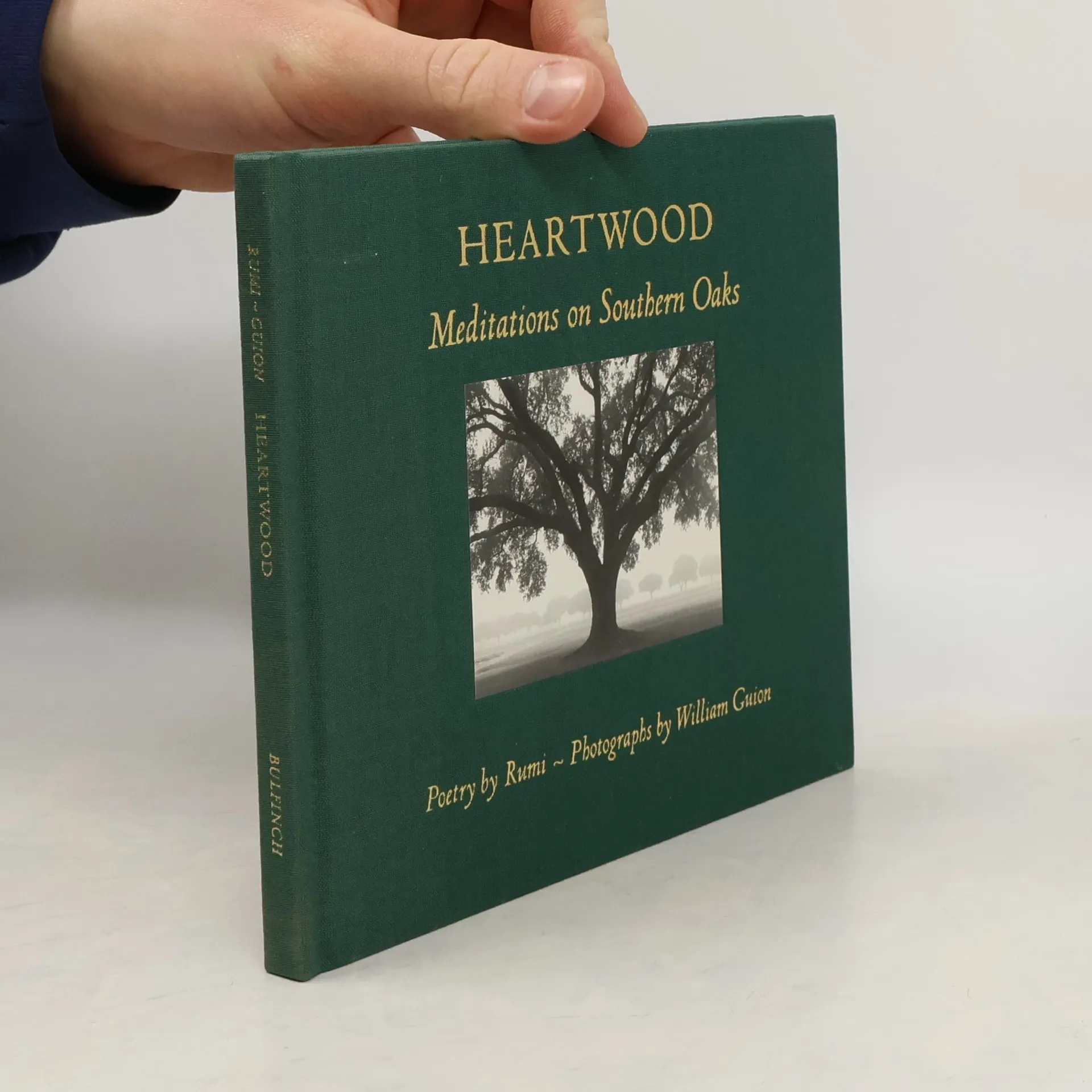
An attractive gift book brings together luminous black-and-white portraits of Southern oak trees and inspiring poems by the thirteenth-century Islamic mystic on the nature of faith and the desire for spiritual elevation and transformation. 10,000 first printing.
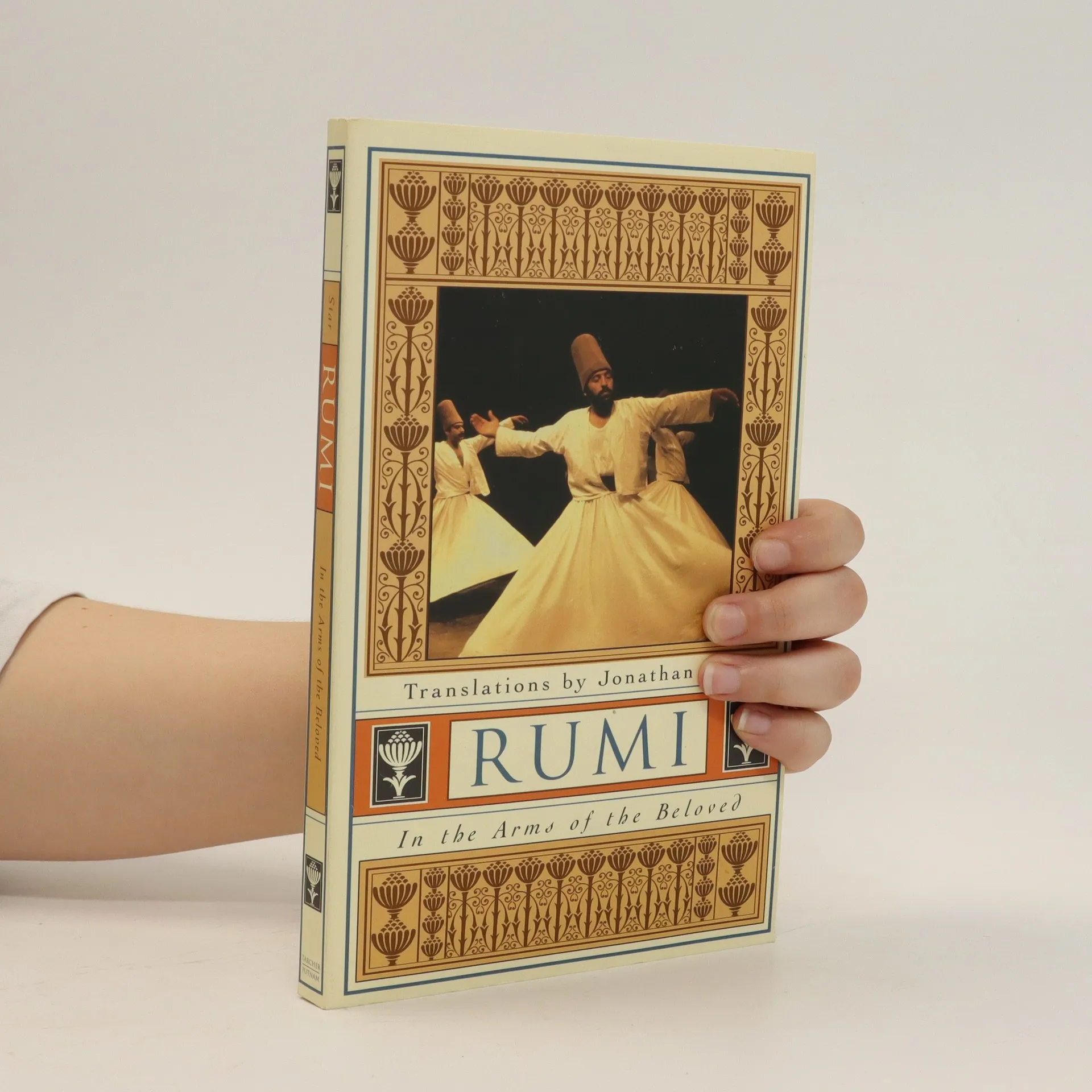
New translations of the works of the thirteenth-century Sufi poet are included in an inspirational collection of poetry that reveals classic Eastern thought combined with a warm wisdom that transcends the ages. Reprint.
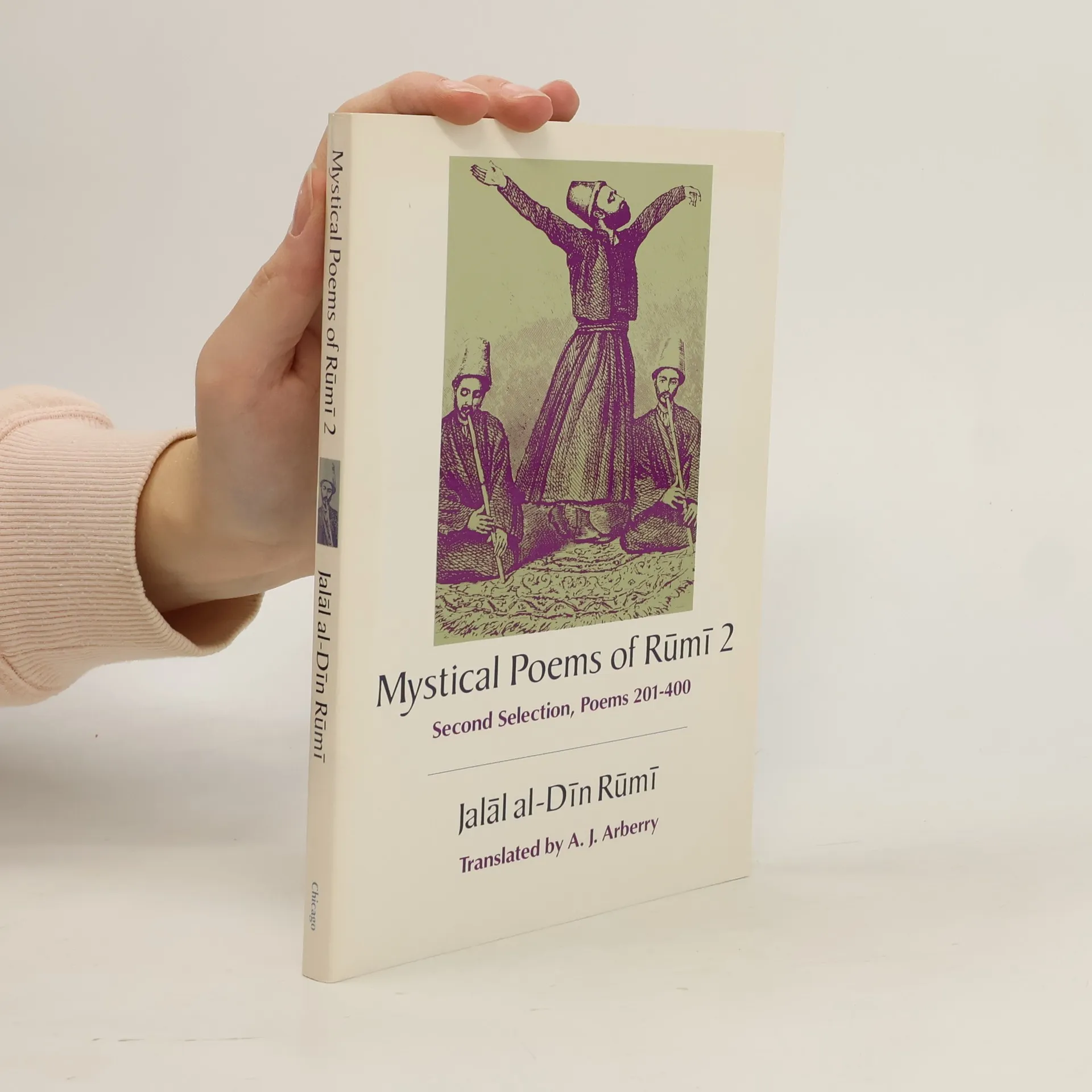
Rumi, who wrote and preached in Persia during the thirteenth century, is one of history’s most celebrated mystics. His vast body of poetry includes a lengthy epic of religious mysticism, the Mathnavi, and more than three thousand lyrics and odes. A. J. Arberry, who selected four hundred of the lyrics for translation, calls Rumi "one of the world's greatest poets. In profundity of thought, inventiveness of image, and triumphant mastery of language, he stands out as the supreme genius of Islamic mysticism." Arberry’s authoritative translation is one of the few done directly from the original Persian. A. J. Arberry (1905-69) was professor of Arabic at Cambridge University.
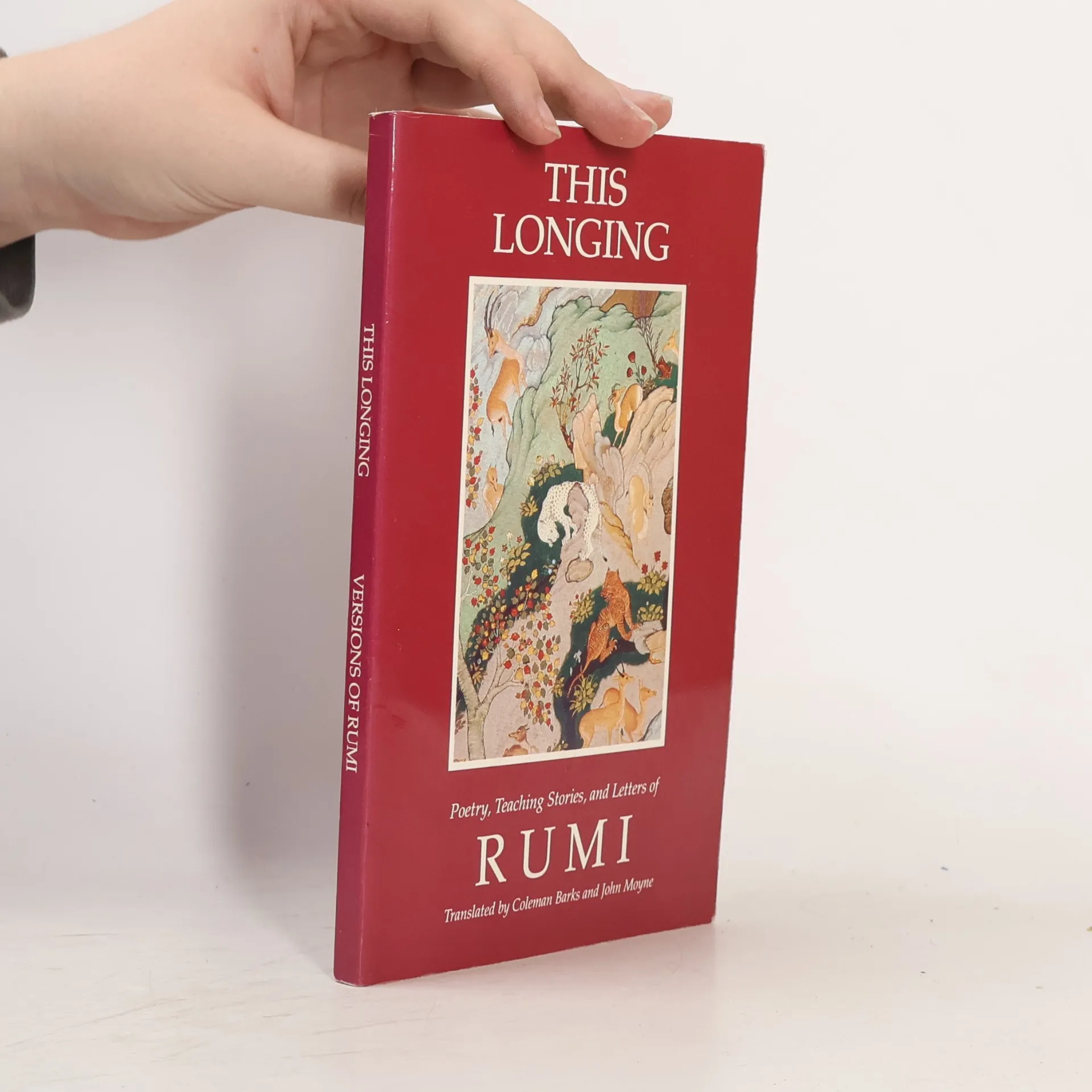
Poetry, Teaching Stories, and Selected Letters of Rumi
107 Seiten
4 Lesestunden
The selections in this book are sparkling drops from the ocean of Rumi's spiritual masterpiece, the Mathnawi -- six volumes of rhymed verse, drawing on favorite stories from the Qur'an, tales of Sufi saints and masters, the sayings of Muhammed, folklore, and popular humor. The excerpts presented here are rendered in free-verse style and emphasize the teaching stories and spiritual fables. Also included are seventeen personal letters, in which Rumi offers spiritual counsel to disciples and family members.
This work offers an accessible exploration of the greatest mystical poet of Islam, covering essential Sufi and Islamic doctrines about God, the cosmos, and humanity's role within it. It addresses the necessity of religion, the journey toward ultimate becoming, and the mystical ascent to God, while illustrating how literature uses symbols to convey "unseen" realities. William Chittick provides the first English translation of select aspects of Rumi's writings, carefully rearranging his poetry and prose to eliminate unnecessary complexities found in other translations. This organization presents Rumi's ideas clearly and coherently, using his own words. Each chapter includes thorough, nontechnical introductions and progressively varied selections, making the text accessible to those interested in spirituality across traditions. Victor Danner from Indiana University praises this work as significant for both Islamic studies and the humanities, highlighting its ability to guide readers through Rumi's theoretical, practical, and mystical insights. He emphasizes that it is an unparalleled resource for Westerners and Westernized Muslims seeking to understand the deeper aspects of the Islamic faith, noting Chittick's meticulous approach in presenting Rumi's fundamental ideas.