
Gratis Versand in ganz Österreich
Bookbot

Daniel Miller

    Daniel Miller ist ein führender Anthropologe, der untersucht, wie Technologie und materielle Kultur unser Leben prägen. Seine Arbeit befasst sich mit alltäglichen Interaktionen und zeigt auf, wie Bedeutung in unserer zunehmend digitalisierten Welt konstruiert wird. Mit scharfer Einsicht analysiert er die Auswirkungen von Online-Kommunikation und Konsum auf menschliche Beziehungen und Identität. Millers Schriften bieten tiefe Einblicke in die Komplexität der modernen Existenz.

    A Young Man of Montana: From Hard Youth to Hawaii Mule-Skinner
    The Sari
    Animal Ethics and Theology
    Das wilde Netzwerk
    Der Trost der Dinge
    Weihnachten
    • Weihnachten

      Das globale Fest

      3,5(2)Abgeben

      »Das Fest ist unverbrüchlich mit dem Gefühl verbunden, daß ›wir‹ Weihnachten schon immer so gefeiert haben – selbst wenn die Familientradition darin besteht, an Heiligabend Disney-Filme anzuschauen.« Jedes Jahr reisen Millionen Menschen im Dezember hektisch nach Hause – um dort in aller Besinnlichkeit Weihnachten zu feiern. Obwohl alle auf Kommerz und Materialismus schimpfen, geben sie sich jede Mühe, Verwandten und Freunden mit teuren Geschenken ihre Liebe zu beweisen. Weihnachten steckt voller Paradoxien, mit denen sich Daniel Miller in seinem Essay über die Geschichte und Bedeutung eines Festes befaßt, das wie kein anderes dazu geeignet ist, den Kalender der Weltgesellschaft zu synchronisieren.

      Weihnachten
    • Über die moderne Welt sind viele diagnostische Mythen im Umlauf: Sie sei homogenisiert, individualisiert, und die isolierten Individuen gäben sich hemmungslos dem Konsum hin. Der englische Anthropologe Daniel Miller hat diese Mythen hinterfragt – genauer: Er hat die Bewohner einer Londoner Straße befragt. Und da die Menschen nun einmal nicht gerne über ihr Leben Auskunft geben, hat er mit ihnen über die Dinge in ihren Wohnungen gesprochen: über Simons 15000 Schallplatten, die für ihn alle emotionalen Schattierungen zum Ausdruck bringen; über den Laptop, auf dem Malcolm Unmengen von Briefen und Fotos speichert, um die Erinnerungskultur seiner Aborigines-Vorfahren aufrechtzuerhalten; über die billigen Spielfiguren aus dem Fast-food-Restaurant, mit denen Marina ihren Kindern ihre Liebe zeigt.

      Der Trost der Dinge
    • Das wilde Netzwerk

      Ein ethnologischer Blick auf Facebook

      Traditionell beschäftigen sich Ethnologen mit Verwandtschaftsnetzwerken, Bräuchen und Mythen bestimmter Gruppen von Menschen. Doch was passiert, wenn wir einen immer größer werdenden Anteil unseres Lebens nicht mehr mit physischer Interaktion, sondern im virtuellen Raum des Internets verbringen? Wenn ein soziales Netzwerk wie Facebook fast 650 Millionen Mitglieder hat? Daniel Miller guckt in seinen Fallstudien, die er – ein Anknüpfungspunkt an die klassische Anthropologie – in Trinidad durchgeführt hat, Facebook-Nutzern über die Schulter. Er trifft einen Mann, dessen Ehe online vor seinen Augen zerbricht, auf Manager, die ihre gesamte Unternehmensstrategie auf diese Plattform ausgerichtet haben, und auf ältere Menschen, denen Facebook es erlaubt, auch weiterhin am wirklichen sozialen Leben teilzuhaben.

      Das wilde Netzwerk
    • Animal Ethics and Theology

      The Lens of the Good Samaritan

      • 250 Seiten
      • 9 Lesestunden
      5,0(1)Abgeben

      Focusing on the intersection of theology and animal ethics, the book critiques contemporary views by proposing a love-based approach to human-animal relationships. Drawing from the parable of the Good Samaritan, it advocates for a narrative that emphasizes compassion and moral responsibility towards animals, challenging existing ethical frameworks established in the twentieth century.

      Animal Ethics and Theology
    • The Sari

      • 288 Seiten
      • 11 Lesestunden
      4,1(60)Abgeben

      Drawing on experiences from villagers in Bengal to scientists in Bangalore, this book explores the beauty, adaptability and personality of India's most iconic garment. Banerjee and Miller show why the sari has survived and indeed flourished as everyday dress when most of the world has adopted western clothing. Their book presents both an intimate portrait of the lives of women in India today and an alternative way for us all to think about our relationship to the clothes we wear. Lavishly illustrated and rich in personal testimony, The Sari expertly shows how one of the world's most simply constructed garments can reveal the intricate design of life in modern India.

      The Sari
    • Irvin Atchison lived a hard life as a young man growing up around Sidney, Montana, in the difficult times of the 1920s and 1930s. He had a way with horses and a hardscrabble life. When he joined the US Army, he had no idea that his skill would take him to the mountains of Hawaii to train mules in preparation for the coming War.

      A Young Man of Montana: From Hard Youth to Hawaii Mule-Skinner
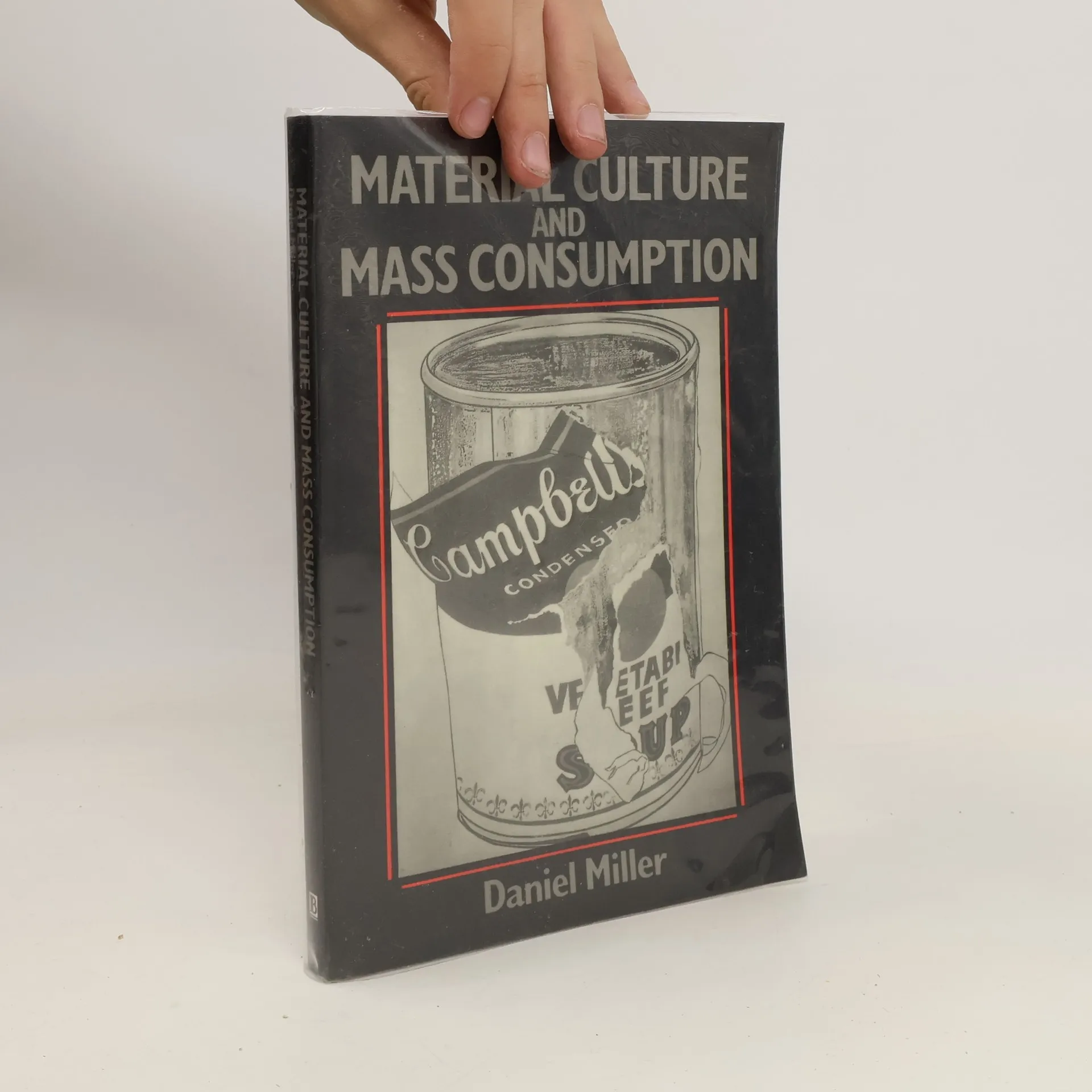
    • The main argument of this book is that people use material objects to express themselves and their cultures. Drawing on examples from both Western and developing cultures, it shows that everyday objects reflect not only personal tastes and attributes, but also moral principles and social ideals.

      Material Culture and Mass Consumerism
    • Materiality

      • 294 Seiten
      • 11 Lesestunden
      3,7(53)Abgeben

      Exploring the varied manifestations of materiality from ancient times to the present, this book assesses the fundamental role of materiality in shaping humanity.

      Materiality
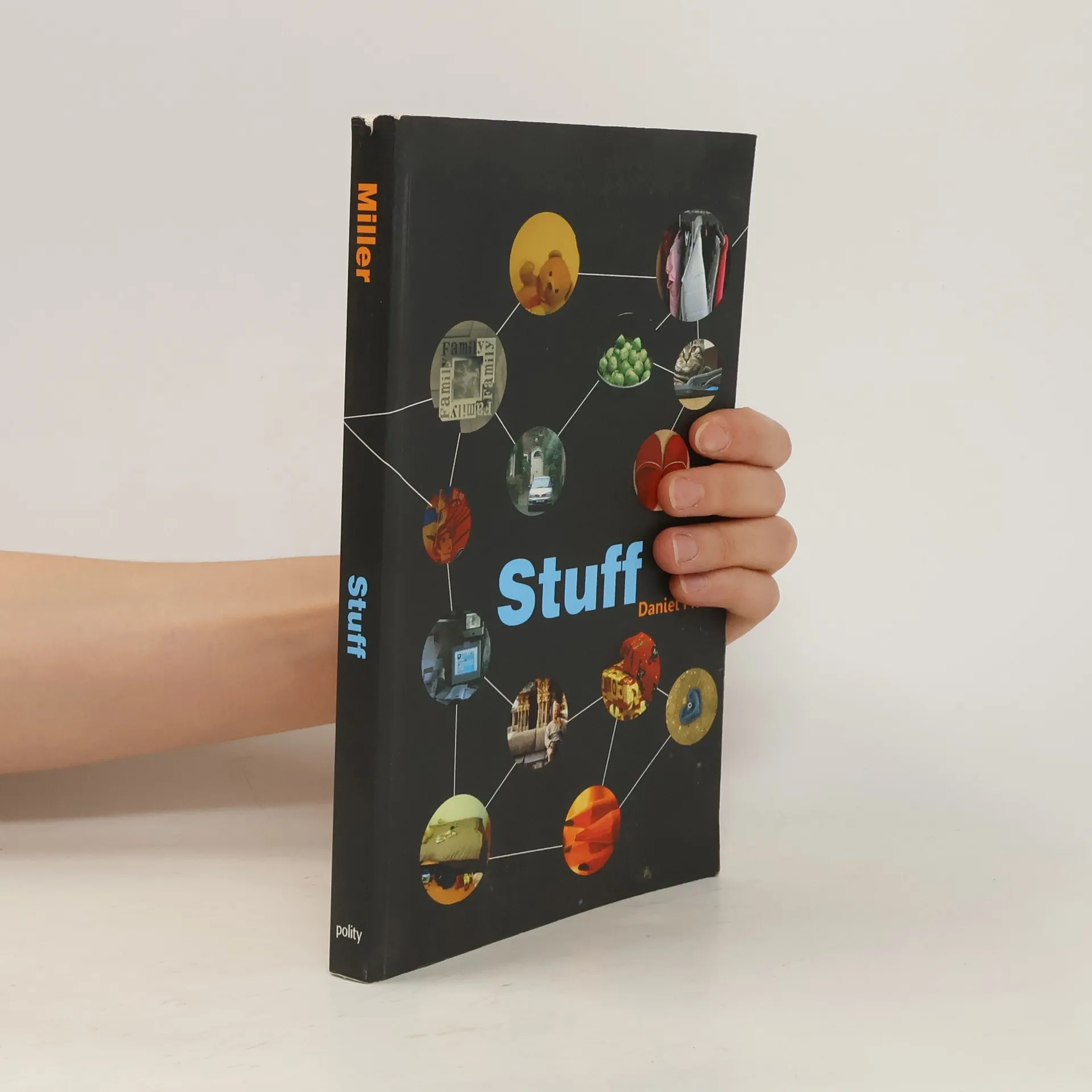
    • Stuff

      • 169 Seiten
      • 6 Lesestunden
      3,8(235)Abgeben

      Things make us just as much as we make things. And yet, unlike the study of languages or places, there is no discipline devoted to the study of material things. This book shows why it is time to acknowledge and confront this neglect and how much we can learn from focusing our attention on stuff. The book opens with a critique of the concept of superficiality as applied to clothing. It presents the theories that are required to understand the way we are created by material as well as social relations. It takes us inside the very private worlds of our home possessions and our processes of accommodating. It considers issues of materiality in relation to the media, as well as the implications of such an approach in relation, for example, to poverty. Finally, the book considers objects which we use to define what it is to be alive and how we use objects to cope with death. Based on more than thirty years of research in the Caribbean, India, London and elsewhere, Stuff is nothing less than a manifesto for the study of material culture and a new way of looking at the objects that surround us and make up so much of our social and personal life.

      Stuff
    • The Tree of Knowledge

      • 305 Seiten
      • 11 Lesestunden
      3,5(57)Abgeben

      A Booklife Editor's Pick "Filled with fascinating characters, breathtaking action... this novel grabs one's interest from page one."-Kat Kennedy, The US Review of Books Knowledge is power. It is said that the greatest chess masters can envision a match's outcome ten moves before it occurs. Imagine a person who can visualize ten steps ahead, not simply in the game of chess, but in every human interaction. Imagine a person who can see a punch before it is thrown; who knows what you are going to say before you say it; who can see every political and economic move long before it happens. Imagine a secret that can make this all possible. Mathematics professor Albert Puddles exposes this secret for himself as he is thrust into a murder investigation on the Princeton campus. The discovery leads Albert to delve into ancient religious interpretation and unmask new analytical abilities, all while teaming up with an aging mentor, a curious teaching assistant, and an elite Book Club on a frantic chase across America to recover this world-changing knowledge before it falls into dangerous hands. Albert-now embedded in a national cat-and-mouse political power play-rediscovers a woman from his past and is forced to confront his own understanding of love, rationality, power, and the true limits of the human mind.

      The Tree of Knowledge