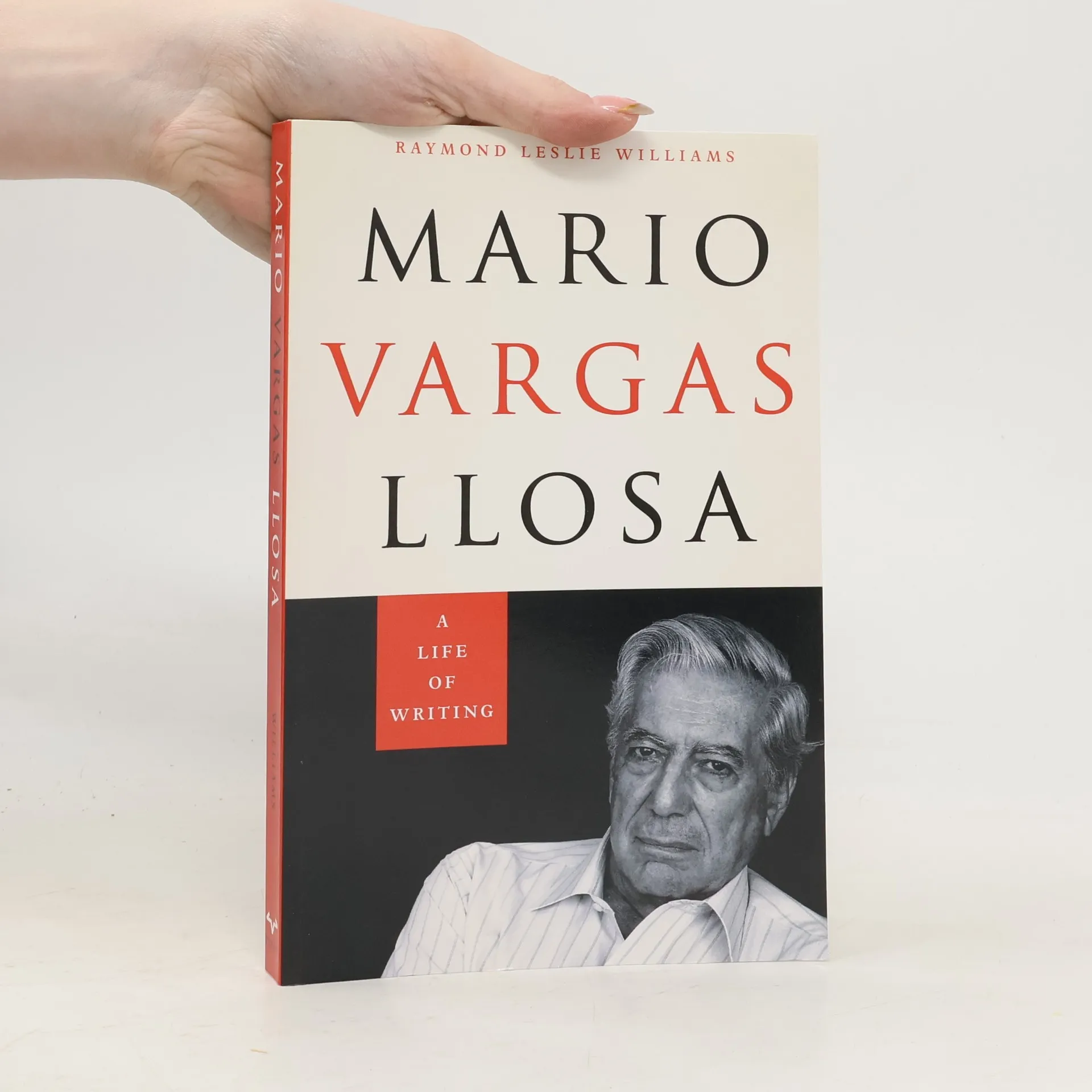
Awarded the Nobel Prize in 2010 at the age of seventy-four, Peruvian writer Mario Vargas Llosa has played a crucial role in the evolution of modern Latin American literature. Surprisingly, no complete history of his works, contextualized biographically and historically, has been published until now. This masterwork from a revered scholar offers a critical overview of Vargas Llosa's novels while reinvigorating debates about conventional interpretations. Raymond Leslie Williams analyzes Vargas Llosa's journey from a leftist student in the 1960s to his later repudiation of some earlier ideas in the 1980s. He explores the complexity and nuance of Vargas Llosa's early novels and his passionate advocacy for indigenous populations in Peru. Williams also examines the author's recent works, which connect the legacies of the Boom to contemporary Latin American fiction. Additionally, he provides insights into Vargas Llosa's traumatic childhood and its impact on his disdain for authority figures, as well as the literary influences that shaped his style, from Faulkner to Flaubert. Culminating in reflections from interviews and conversations with Vargas Llosa, this landmark publication promises to inspire new inquiries into his intricate body of work.
Raymond Leslie Williams Reihenfolge der Bücher (Chronologisch)